Morpeth's Hidden Wartime Relics
A year or two back an old colleague of mine told me about two intriguing pieces of modern history in Morpeth that you would just wander past if you didn't know what they once represented. Both slightly off the beaten track, one is a very faded 'EWS' sign and the other is a gas detecting paint circle.
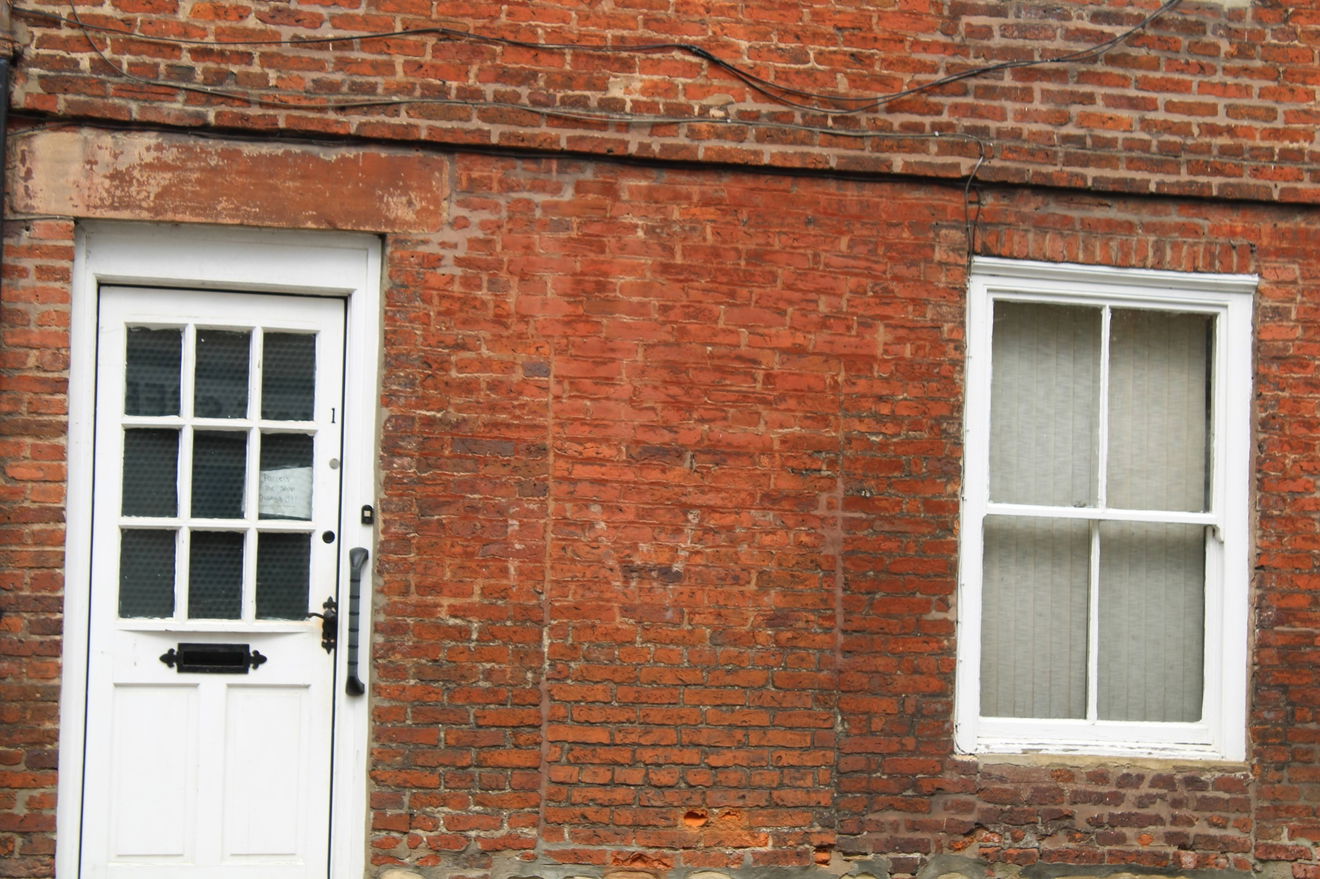
The EWS sign.
This sign is situated at the start of Manchester Street and the W3W are: bluff.applies.relished. You'd be forgiven for walking straight past this, even though you've got insider knowledge that there is a sign there. It is very faded and the EWS letters are hard to decipher, with the accompanying arrow gone completely.
But what did it mean? EWS stood for 'emergency water supply' and was essential during WW2 when the Luftwaffe bombed towns and cities and often blew up the underground water mains. Firefighters needed access to water at all times to put out fires caused by the bombing, and the government's solution was the Emergency Water Supply (EWS). The signs would have been painted by a member of the National Fire Service (NFS) or an Air Raid Warden between 1939-1945 and were hand painted in block letters rather than stencilled on.
The emergency water came from a few different sources including basements of bombed-out buildings which were often cleared, sealed with concrete, and filled with water. Water was also available in static tanks placed on street corners; public swimming baths and ornamental ponds in parks were repurposed, and small streams were dammed to create sumps for fire engine suction hoses.
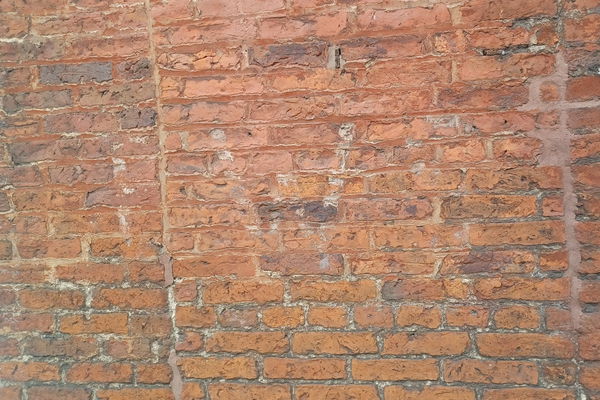
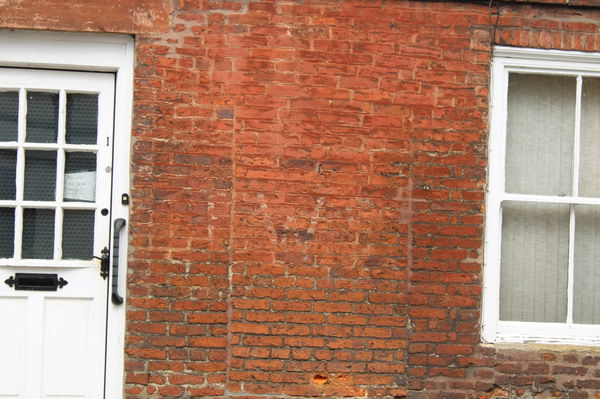
EWS signs can be found all over the country and often had arrows next to them to show firefighters which direction they were headed in. They may also have had a number, such as '50k' (50,000 gallons) next to them to advise firefighters how much water was held at the EWS point, and they may have also had a 'u' next to them to let people know that the supply was based underground.
These signs are known as 'linguistic archaeology', the study of old forms of language to reconstruct the history and daily lives of communities. There are more of these signs around the North, with some much clearer examples in Carlisle and throughout Cumbria. EWS tanks were always placed in high risk areas, and Morpeth would have been targeted for its close proximity to the coast and to Newcastle.
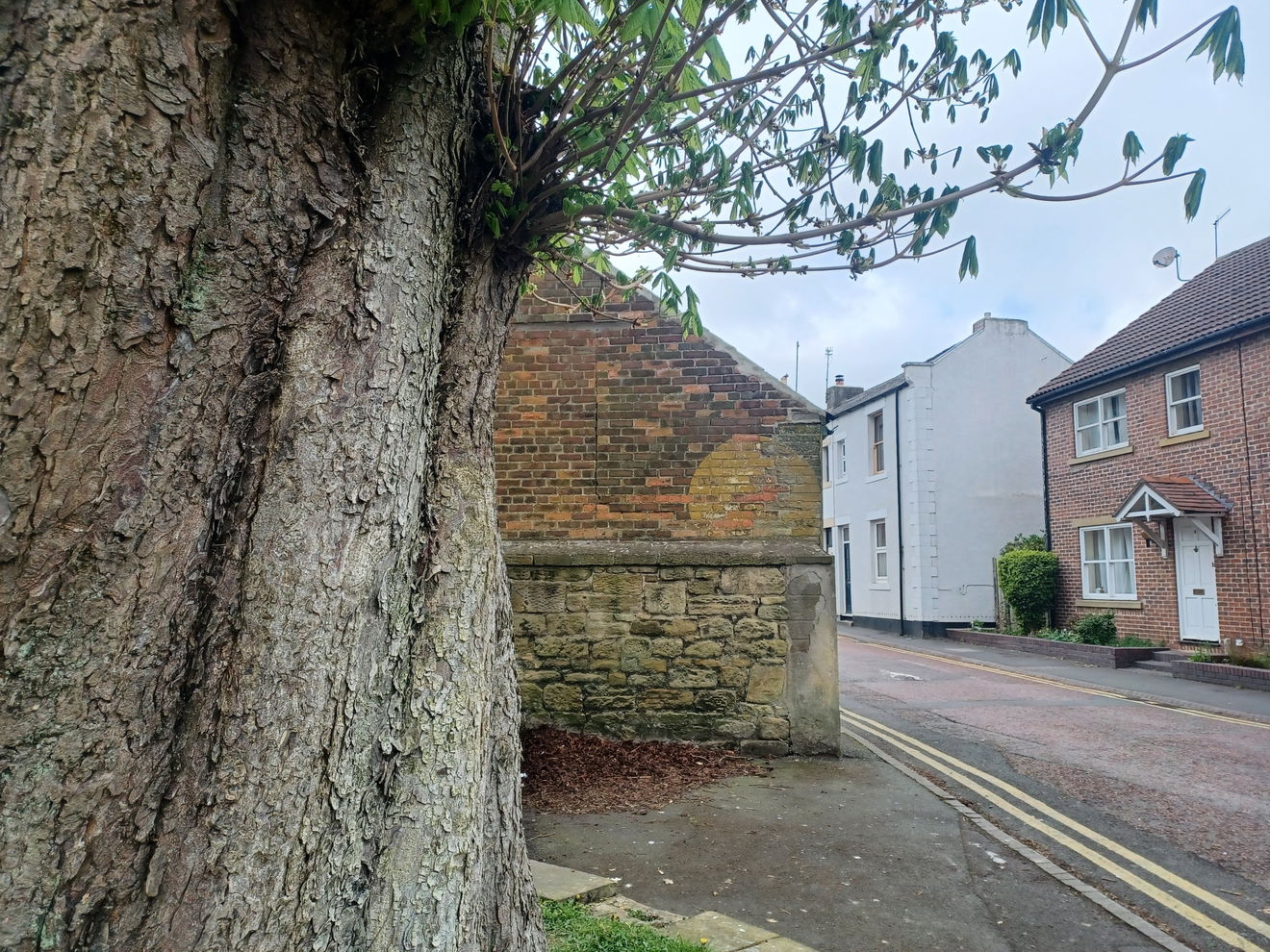
Gas detecting paint circle
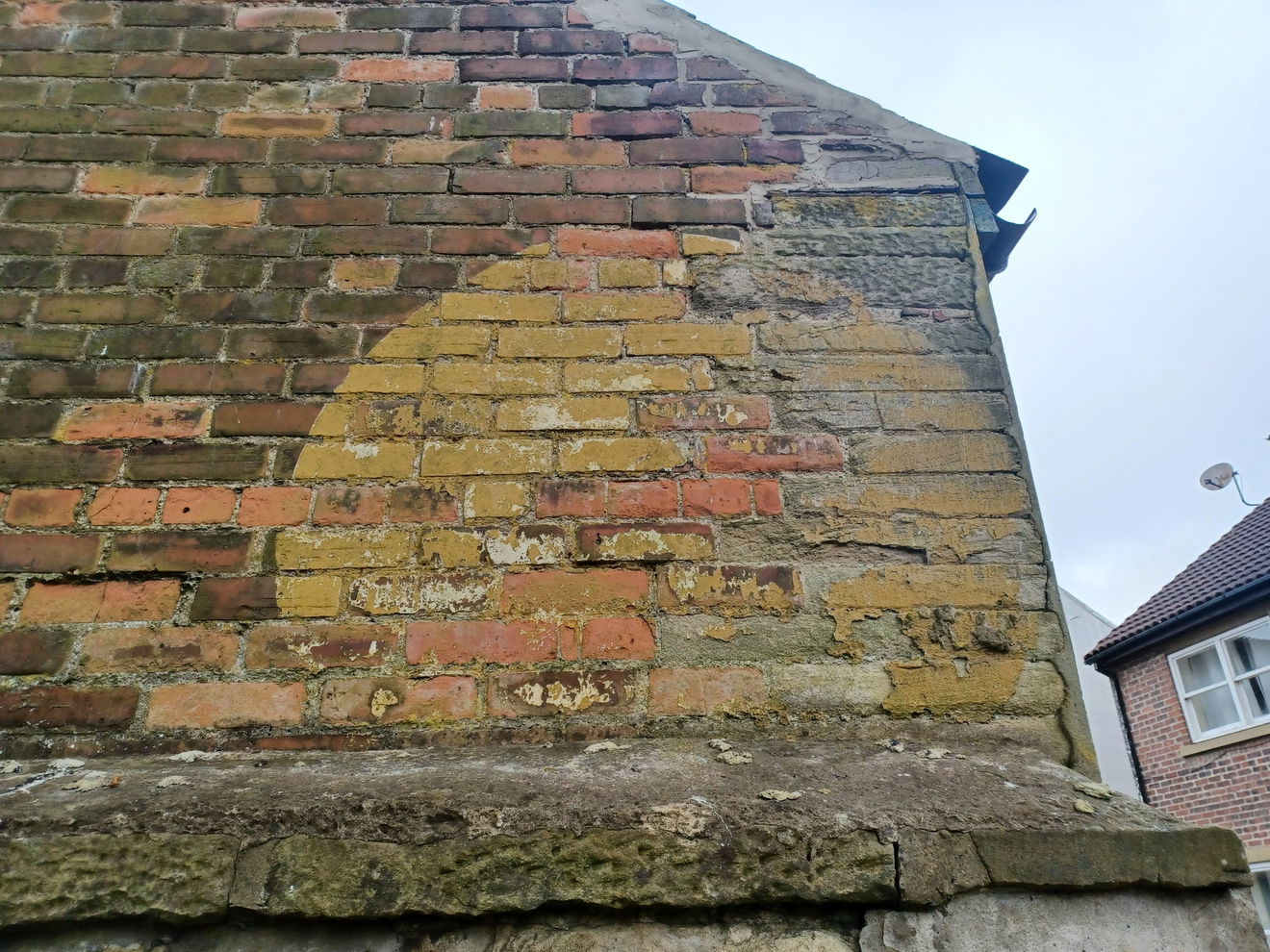
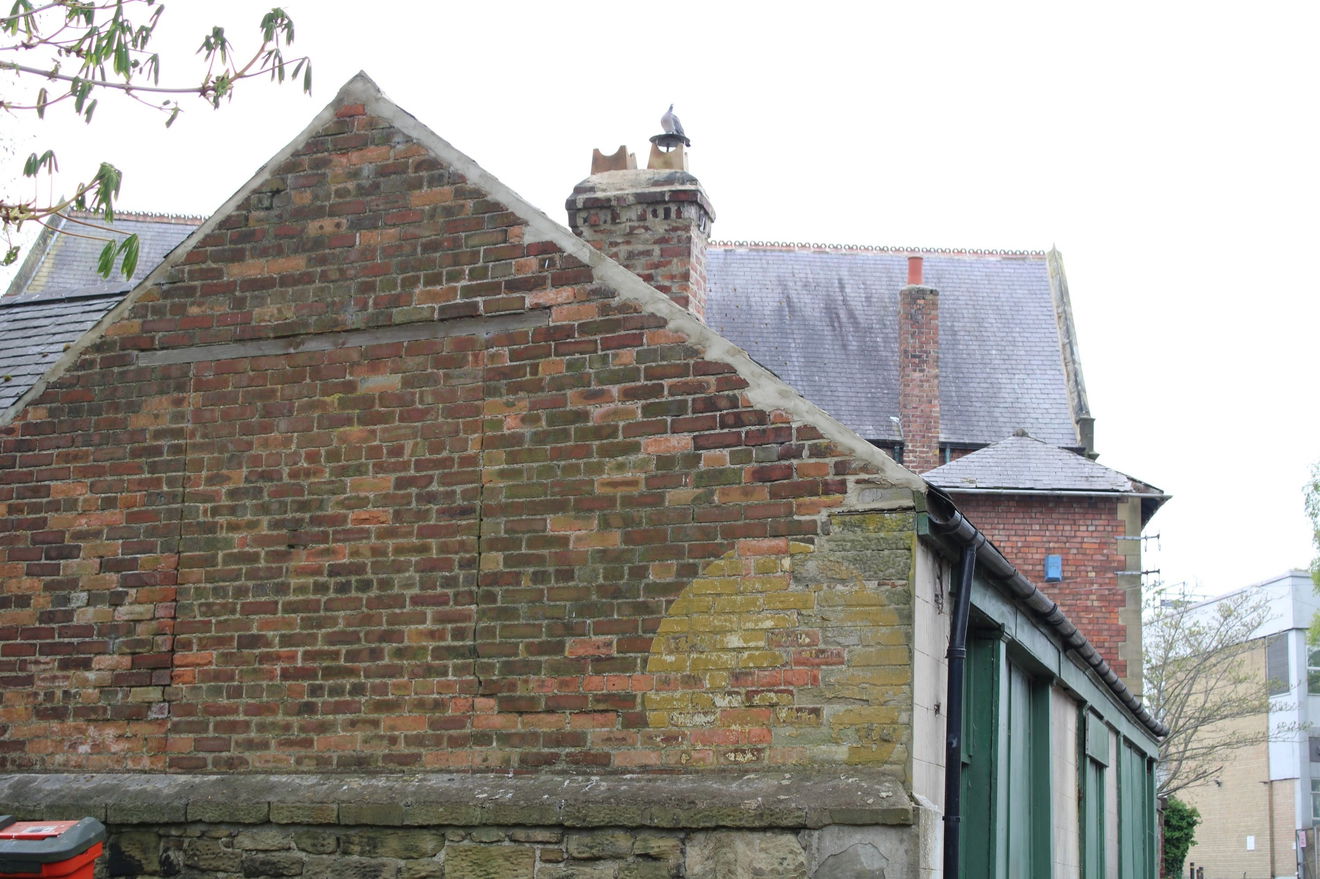
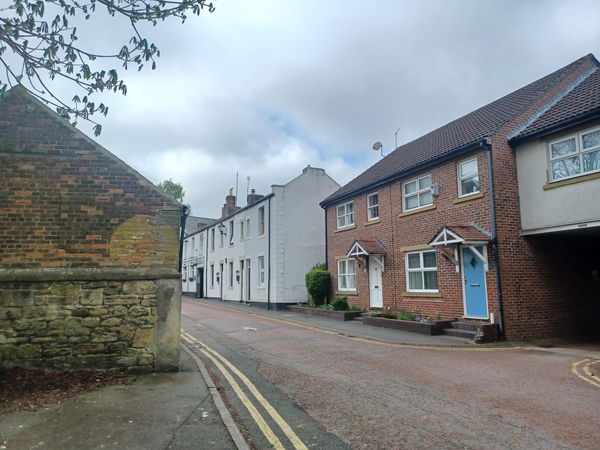
This is another blink-and-you-miss-it piece of history in Morpeth and this one can be found on Copper Chare at likening.writings.restore. Walk past it and you might ignore it or at least think someone simply tried to brighten up the end of a building by painting a sun on, but it was actually a low-tech but life saving gas detection paint used during WW2.
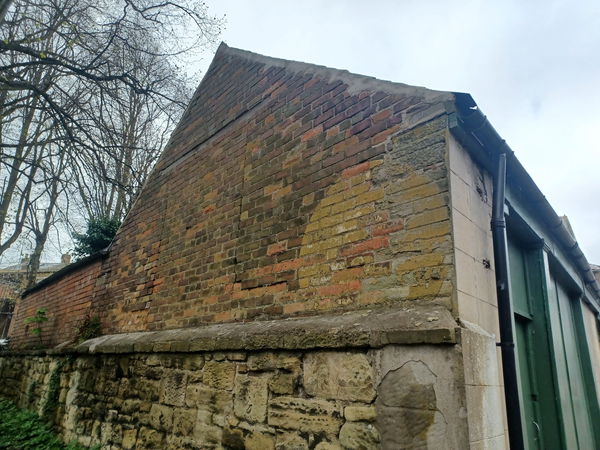
This enamel paint known as Detector Paint, No. 2 contained chemicals that reacted to the presence of vesicants, specifically blister agents like Mustard Gas and Lewisite. When freshly painted it was a mustard colour, and if gas was present, it would turn bright red or pinkish orange. This special paint was often used on army vehicles, gas mask tins, mailboxes and lamp posts and some of the paint was used in the Victoria Tunnel in Newcastle.
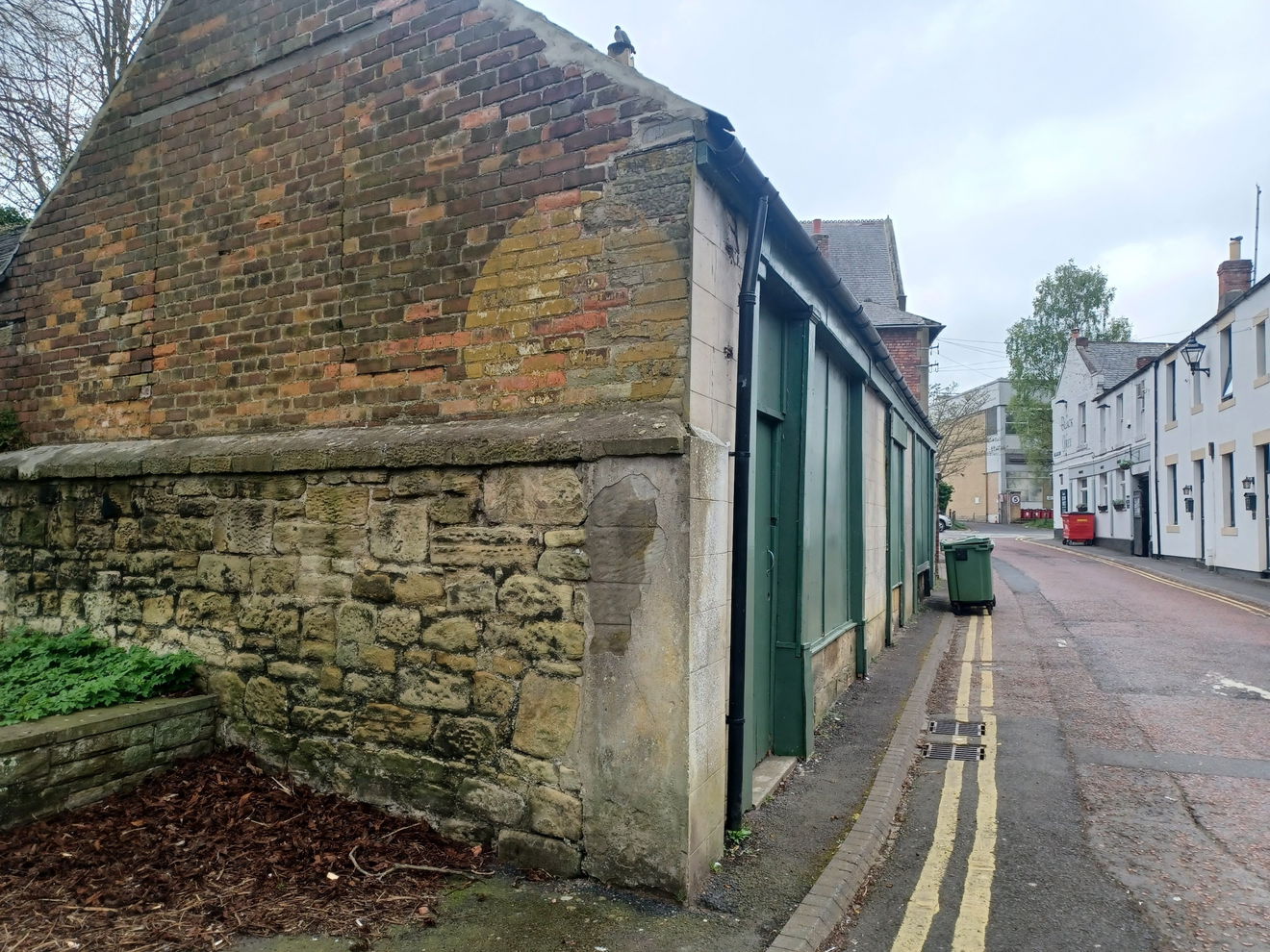
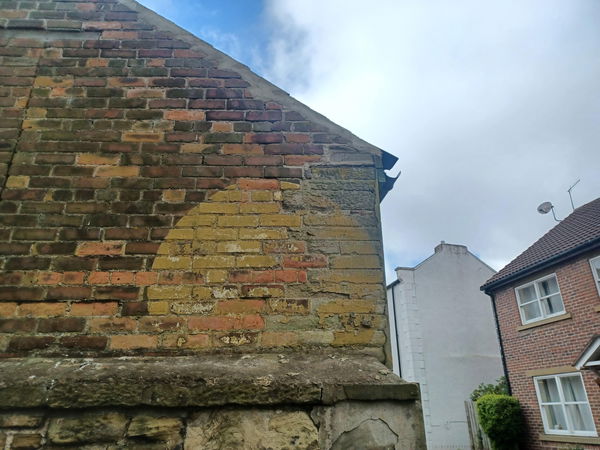
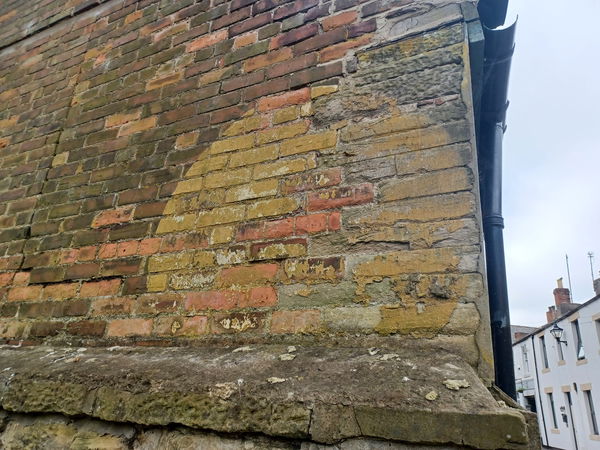
Once gas was detected, the colour change was permanent, so as you can see from the colour of the paint circle on Copper Chare, gas was never a threat there. In fact, large-scale chemical warfare never actually broke out in Europe and both the Axis and Allied Powers refused to use their chemical weapons, meaning gas shells were never used. Most paint eventually faded or was painted over after the war, but this circle has stayed behind as another reminder of our recent past.
Thanks to Ian Carlton for the tip off!