
Glenluce Abbey
Religious Place In Dumfries And Galloway, Scotland
A beautiful ruinous abbey in Glenluce near Stranraer, that was the home of Cistercian monks for over 400 years.
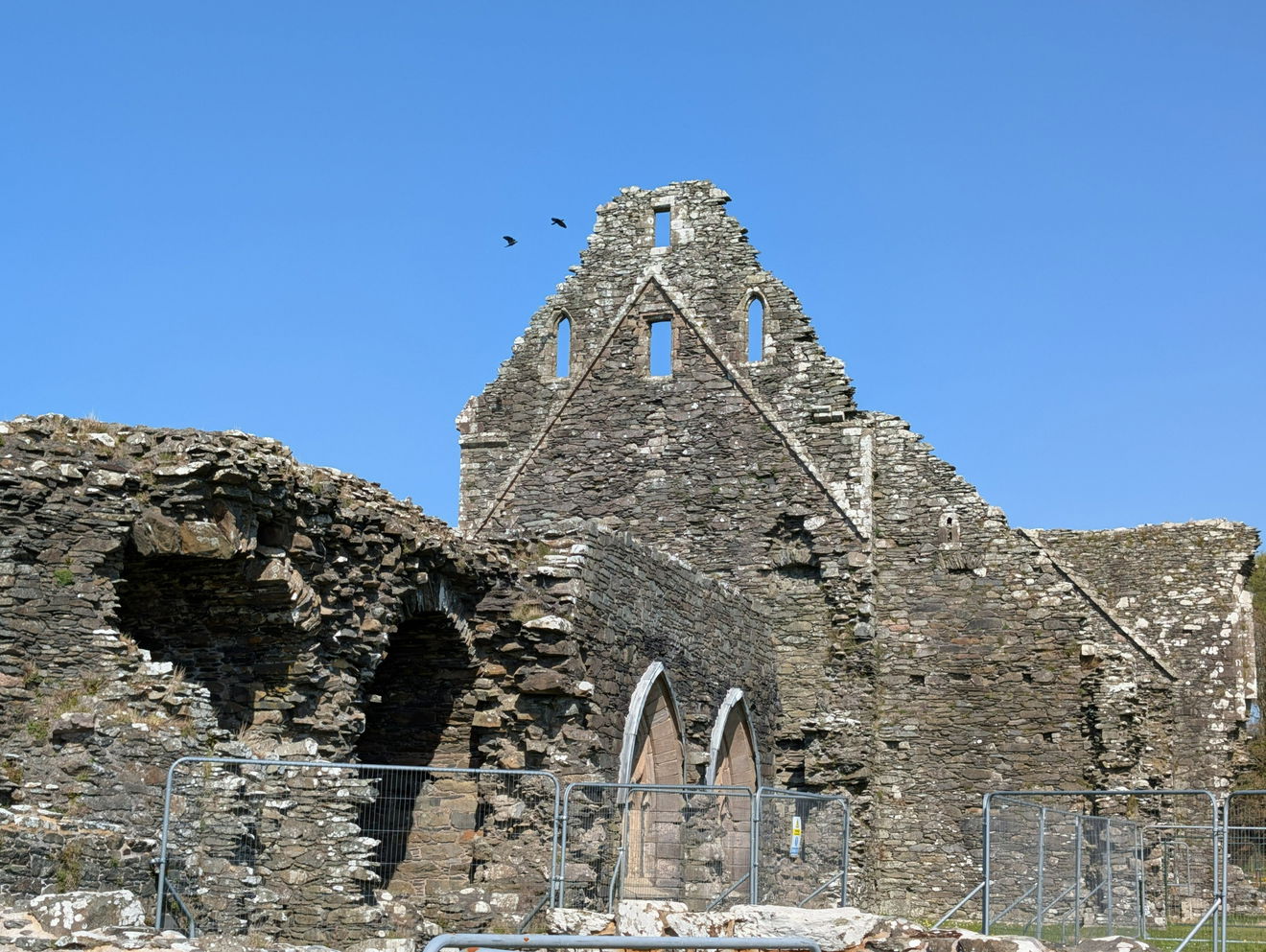
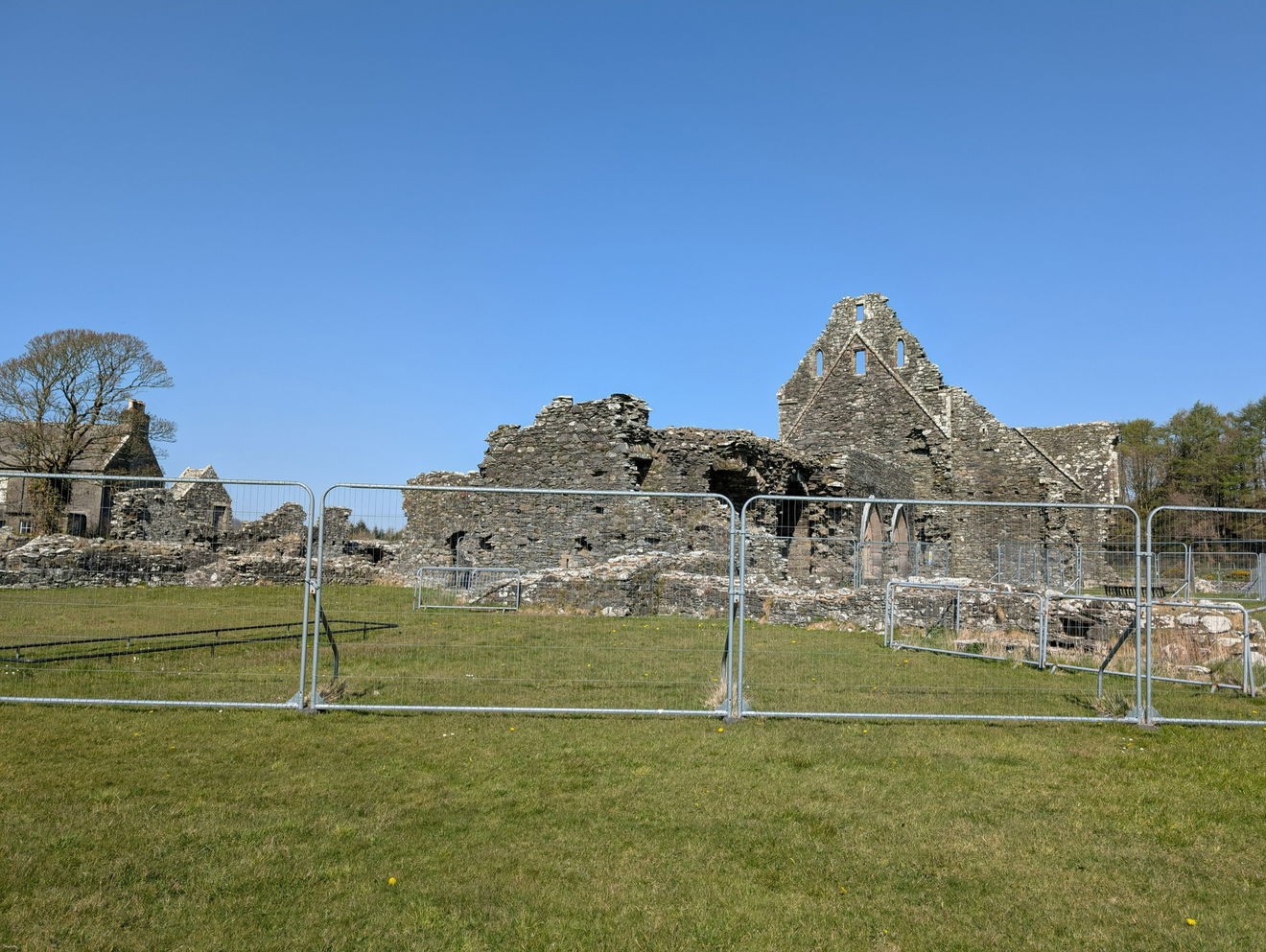
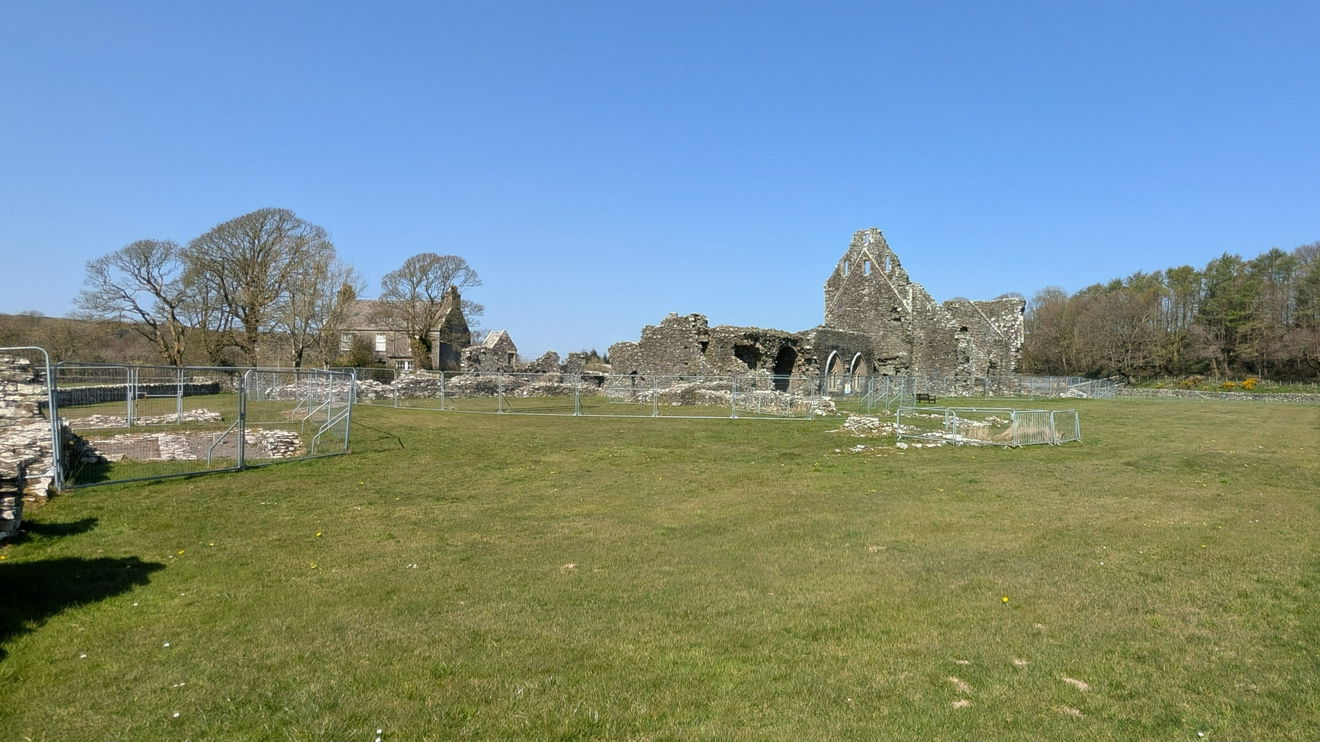
On a road trip to the Mull of Galloway, I noticed a signpost to Glenluce Abbey. As a lover of ruinous castles, abbeys and priories, I couldn't resist a quick detour to visit the Glenluce Abbey. Although the abbey has restricted access due to fallen masonry, it is still well worth a visit, as there is still much to see and it is in such a peaceful spot.
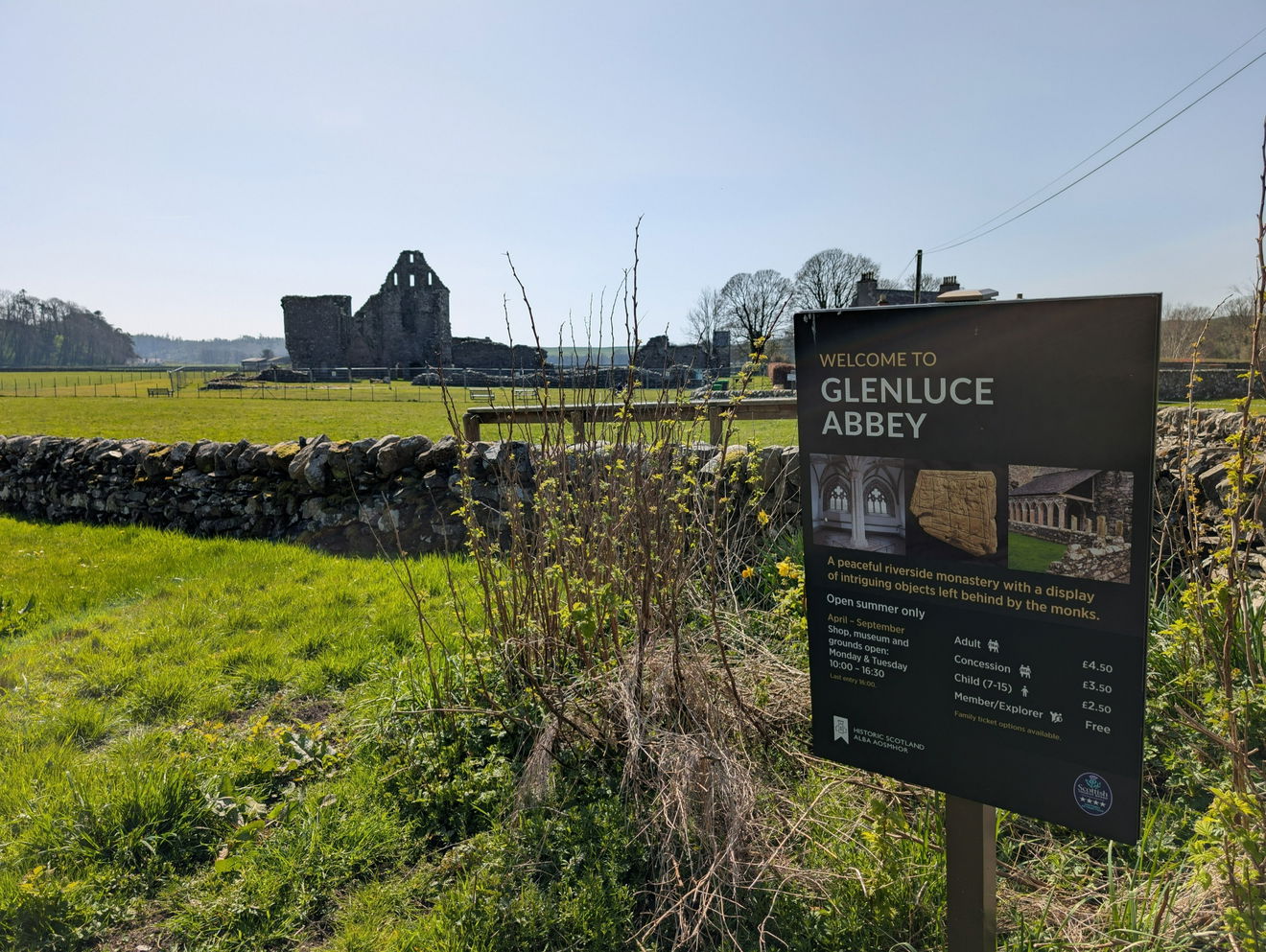
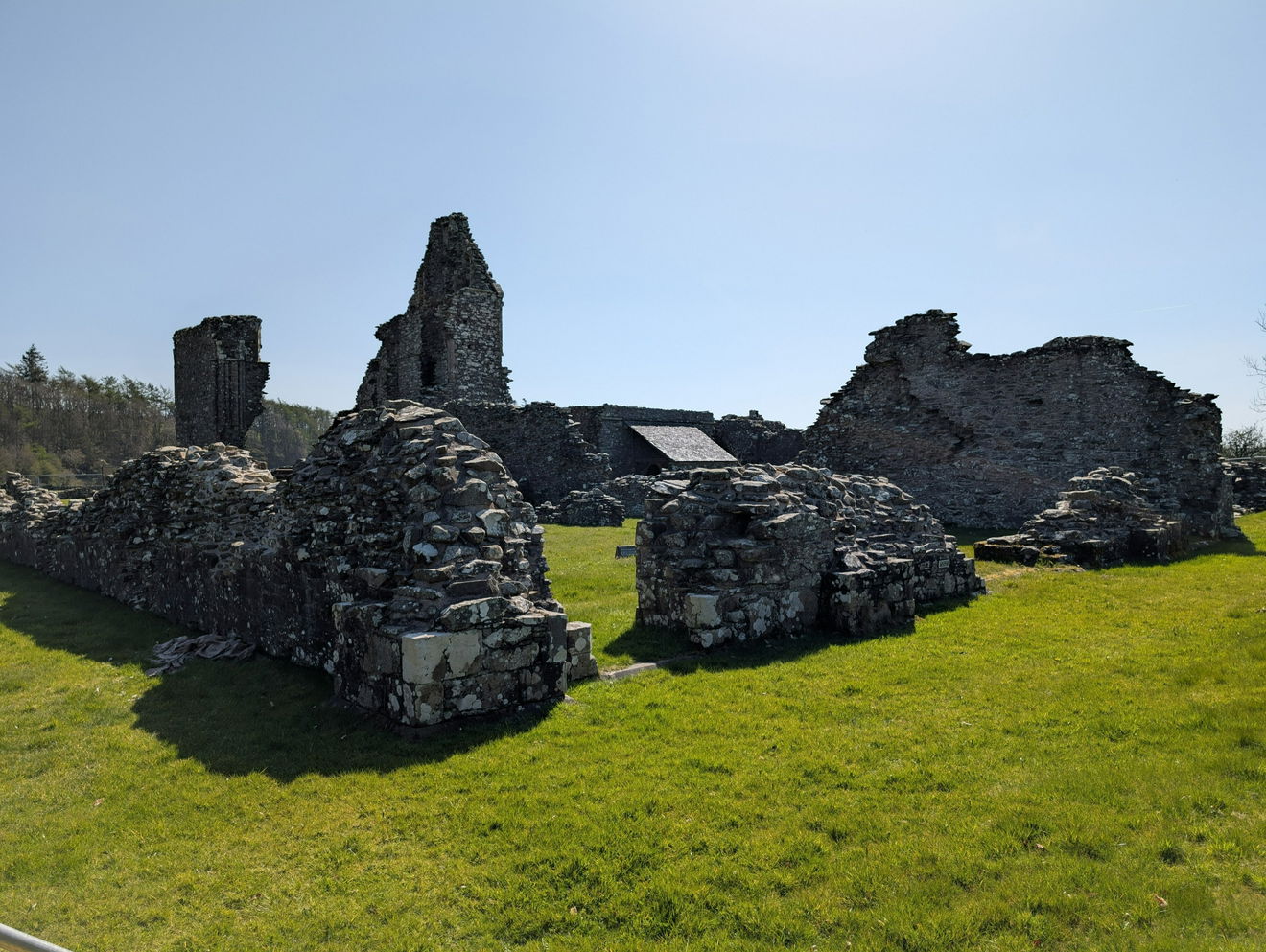
Glenluce Abbey was built around 1191 by Lochlann (Roland) Lord of Galloway. He asked the Cistercian monks of Dundrennan Abbey to set up a smaller Abbey in Glenluce.
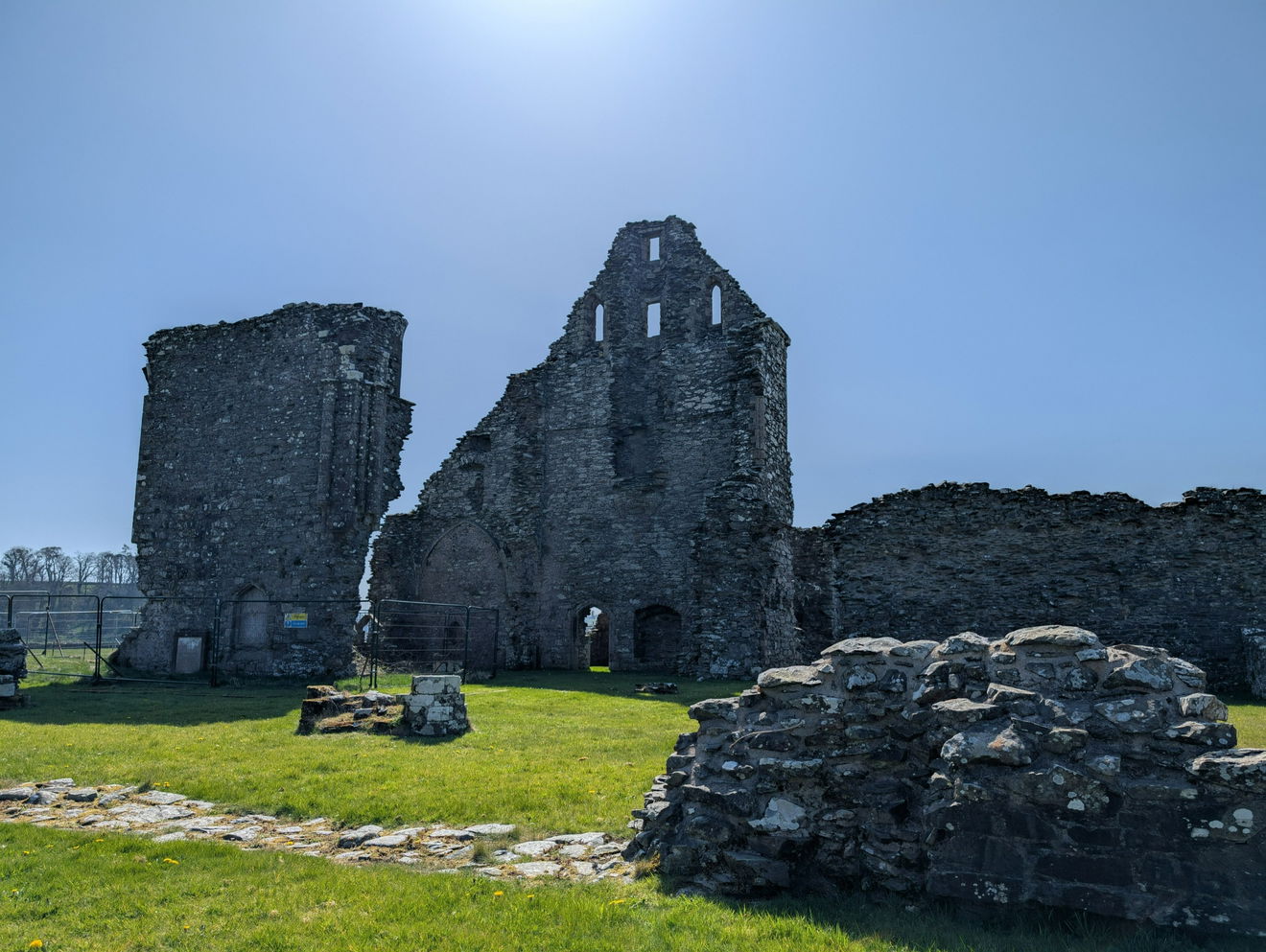
The first designated Abbot would have arrived with twelve Cistercian monks who cleared the site in preparation for building the abbey. They built the east end of the church first, to give themselves somewhere to pray. The rest of the church and the domestic buildings followed. Once built, the monks occupied the abbey for around 400 years.
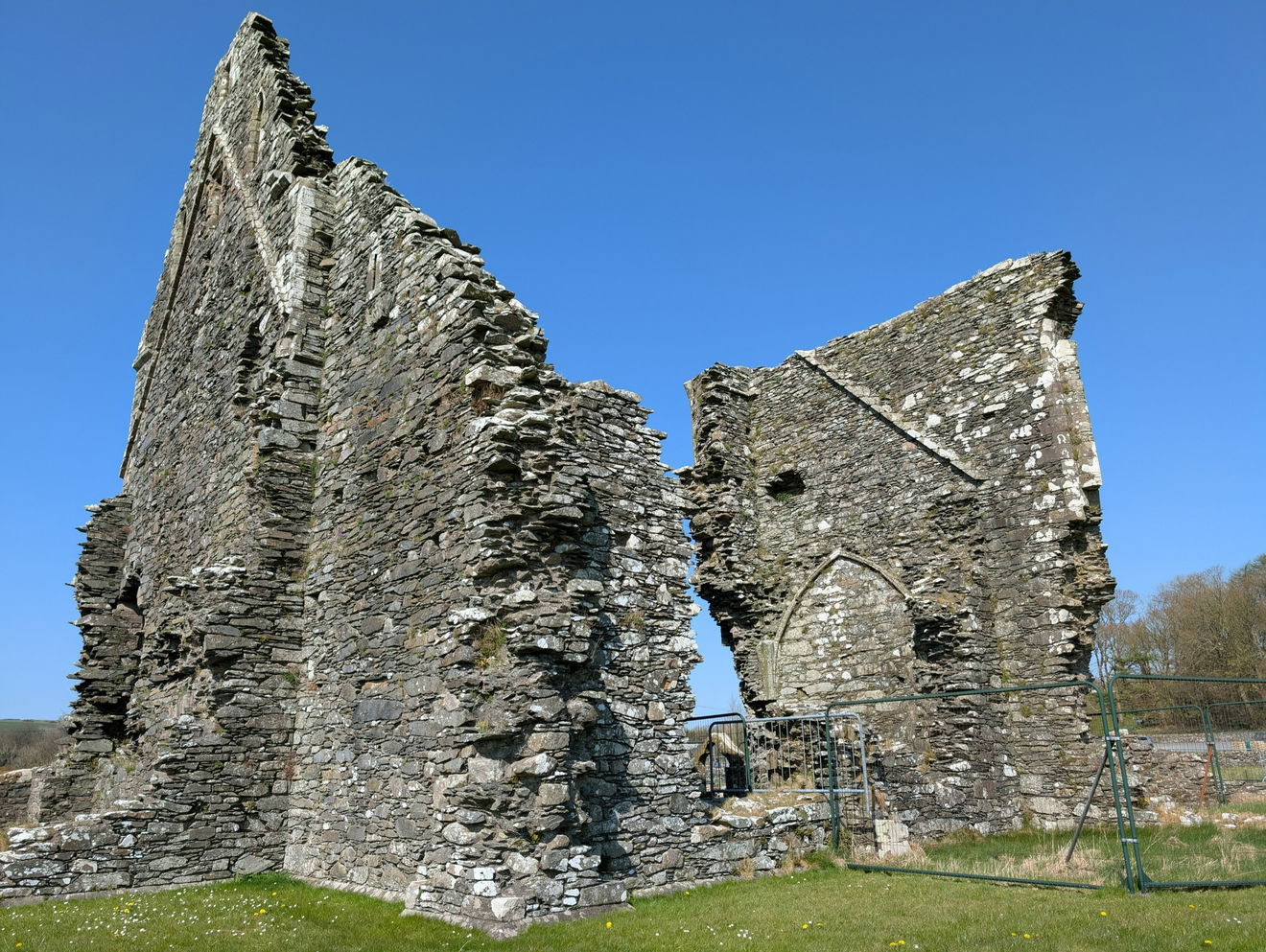
The church is the most important part of the abbey. It is constructed on the north side of the site, so that the height of the wall did not cast a shadow over the rest of the abbey. At the north of the church, there is a grave slab dedicated to Robert Gordon of Lochinvar, who died in 1548, and on the south wall, there is a 17th century panel containing the coat of arms of Thomas Hay of Park and his wife Janet Hamilton.
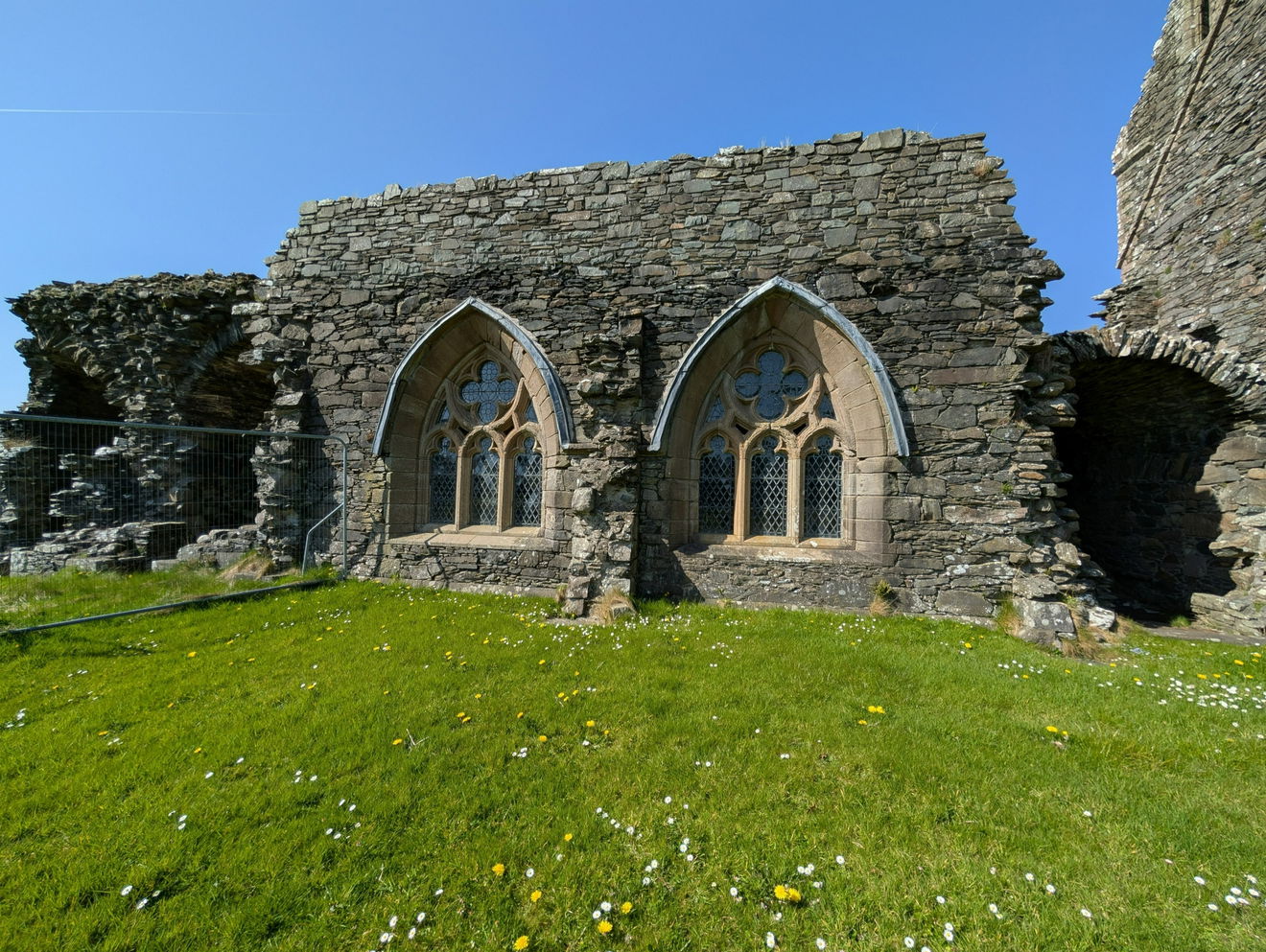
The chapter house was built around 1500, and is the best preserved part of the abbey. This is where meetings took place and business was conducted. The windows were restored in the 1900s. Its interior is around 7.3m square, and has a vaulted ceiling. Part of the original tiled floor remains, as does a stone bench that runs around the wall. The Abbot's stall was in the centre of the east wall between the pair of windows, which were restored in the 1900s. Above the chapter house was the accommodation for the fifteen resident monks.
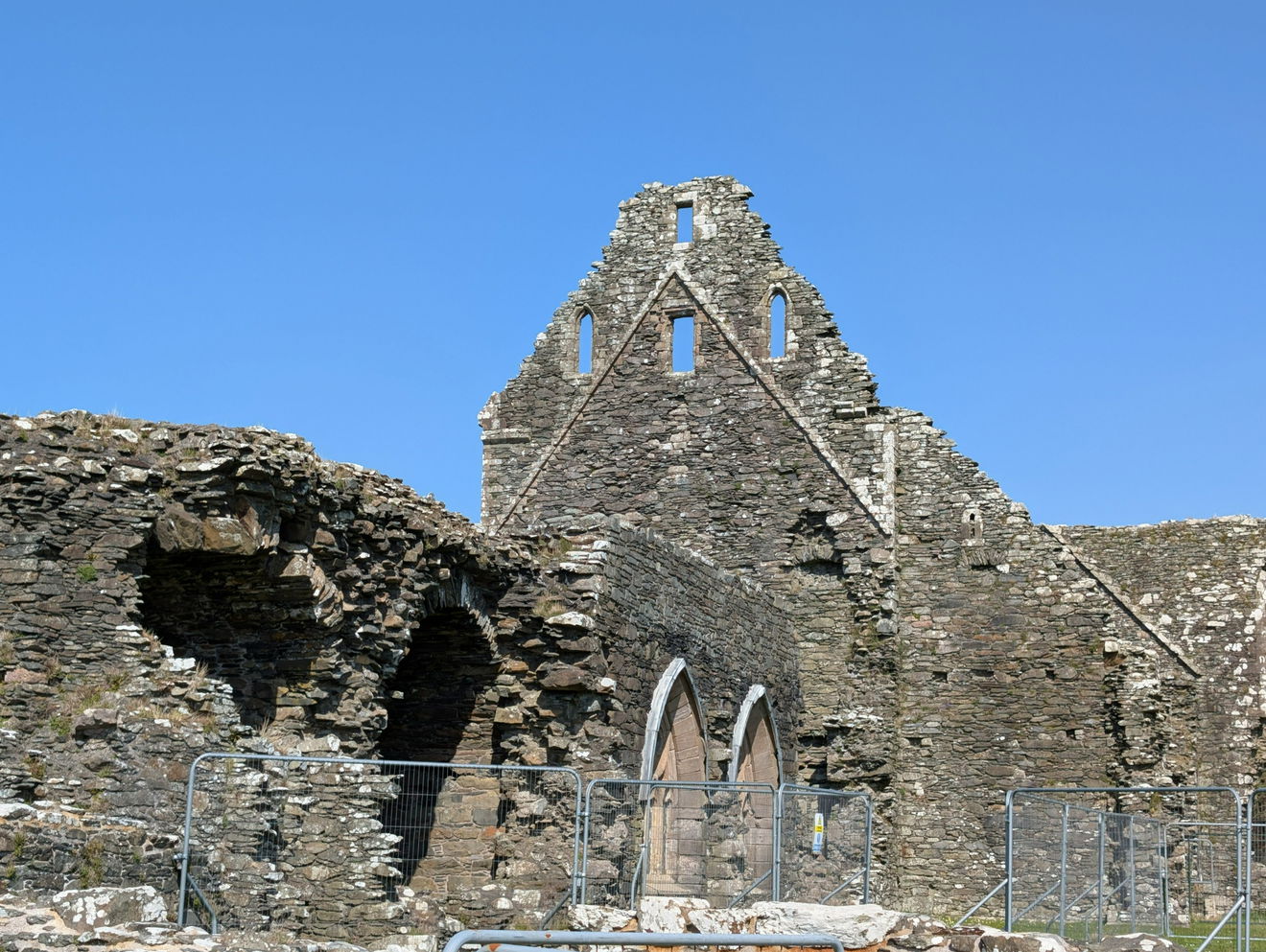
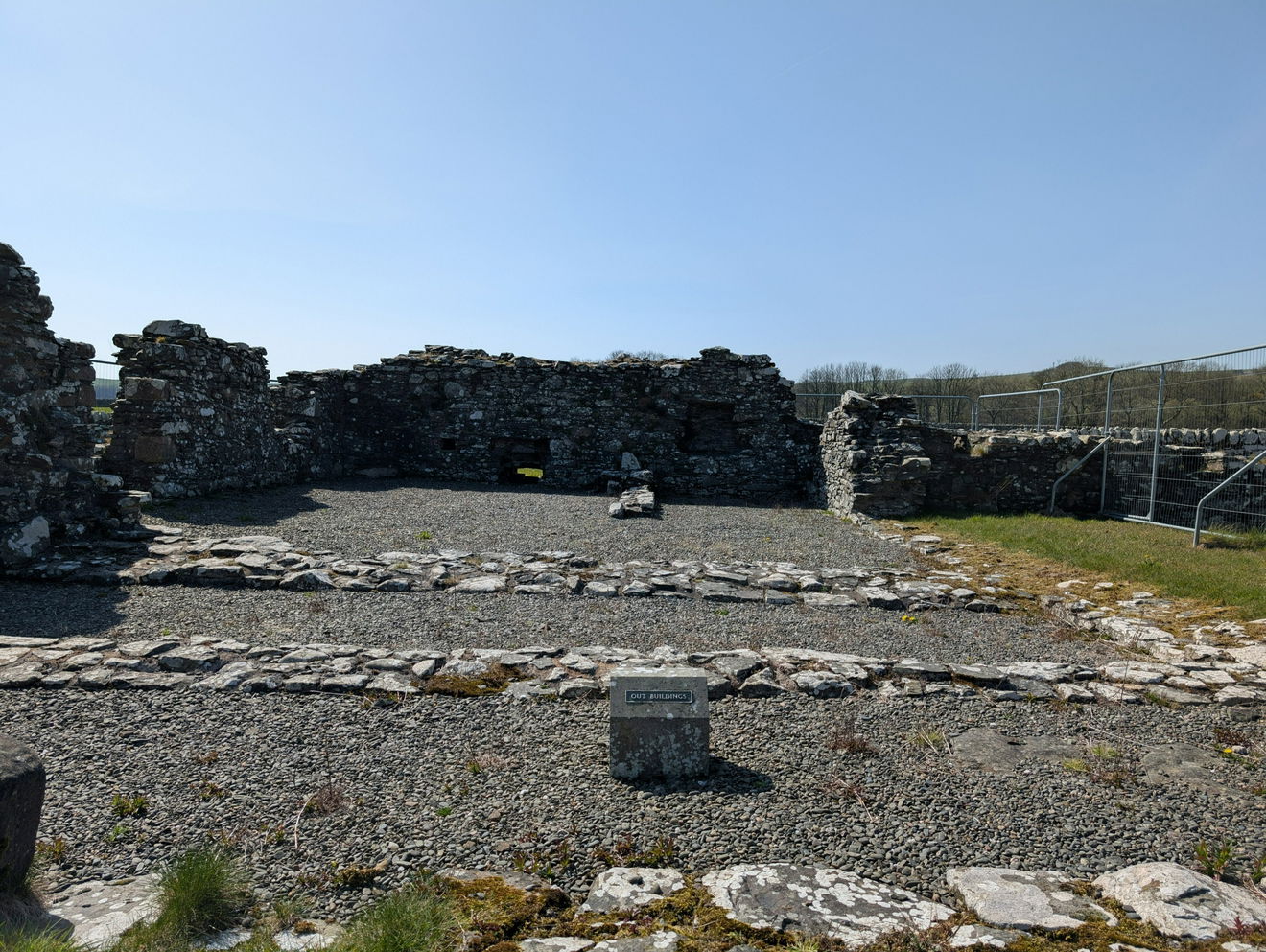
As well as the chapter house and monks' accommodation, the east range contained cellars and latrines (toilets). The south side of the cloisters (covered walkway) is the refectory (dining room) and the kitchen. To the west of the cloisters, was the accommodation for the lay brothers who tended the land and livestock.
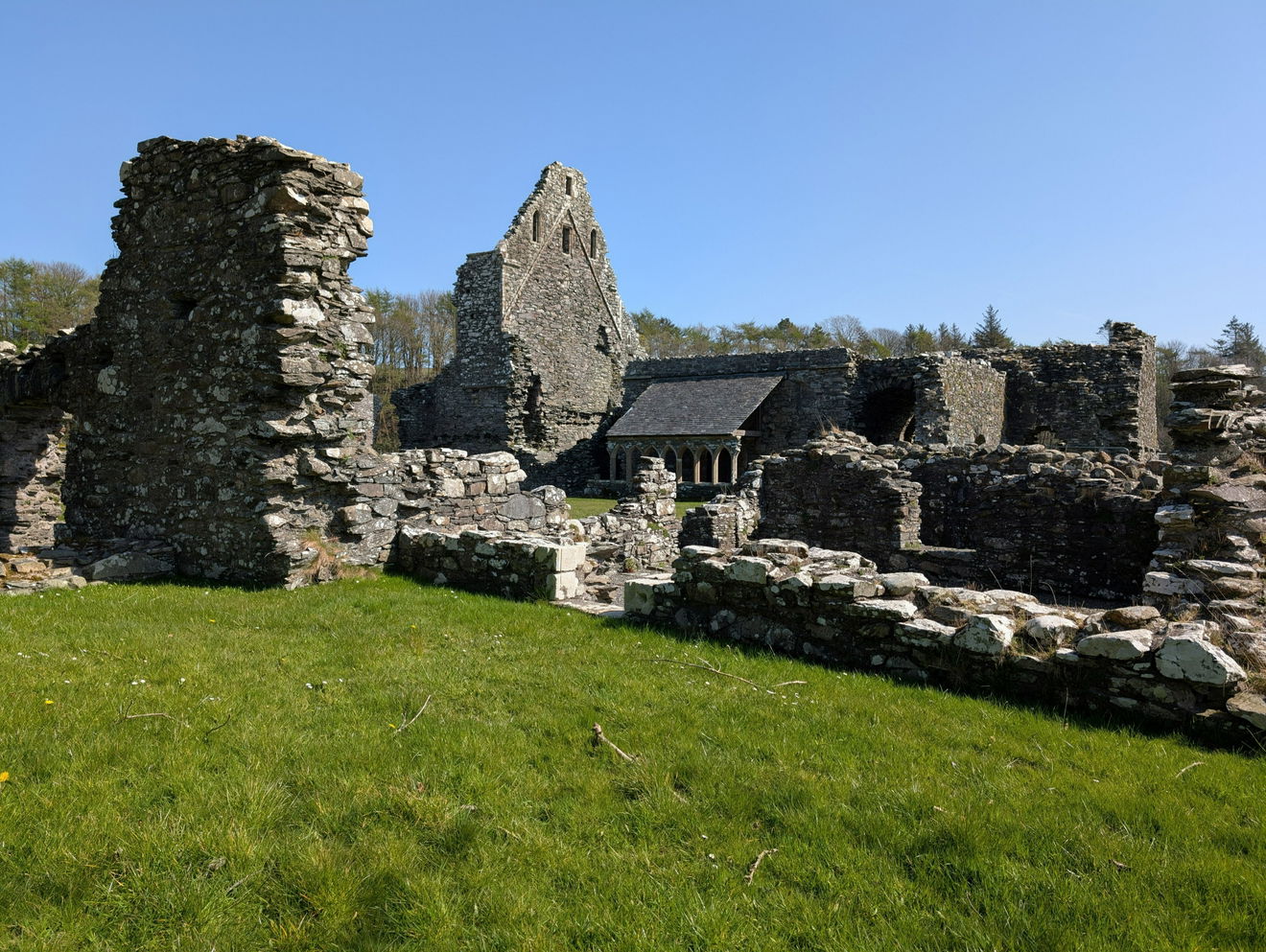
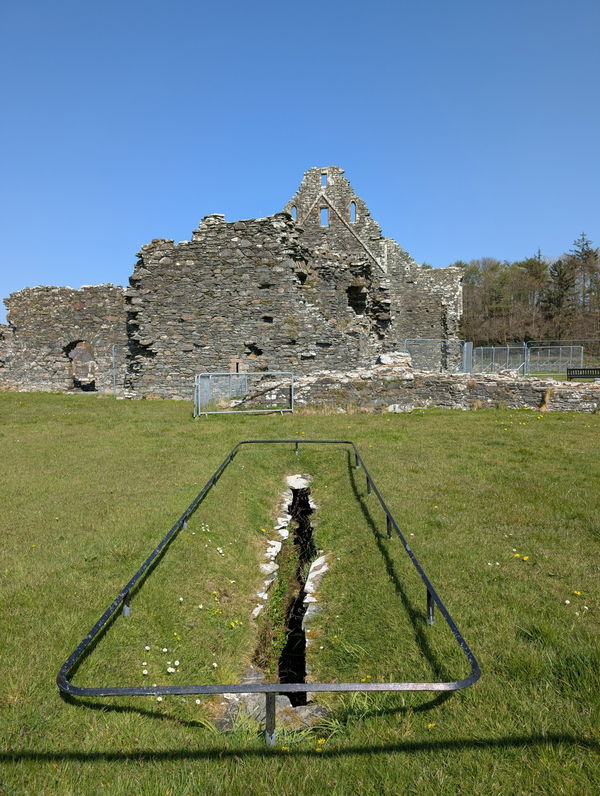
Most abbeys used a well for water, but Glenluce Abbey had a network of clay pipes in the foundations. You can see these pipes as you walk around the Abbey, as some of the trenches where they were laid have been exposed.
Among the famous visitors to Glenluce Abbey included; Robert the Bruce, James IV and Mary Queen of Scots.
The abbey was a victim of a series of disputes between the Scottish Lords, which were brought to an end in 1519, when Walter Mallen became the commander of the Abbey.
In 1544, the Abbot was expelled by the Earl of Cassilis, and the monks were evicted and spent a year in Maybole.
The Abbey was invaded twice between 1545 and 1546, once by Earl of Cassilis and then by John Gordon of Lochinvar. In the end, Walter Mallen resigned in favour of James Gordon, the brother of John Gordon of Lochinvar.
On the death of James Gordon, in about 1560, John Gordon of Lochinvar took occupation of the abbey, and its life as an active monastery came to an end.
Lochinvar removed himself in 1561, and handed the Abbey over to Gilbert Kennedy (Earl of Cassilis). Kennedy persuaded one of the monks to counterfeit the necessary signatures to a deed conveying the Abbey and lands to him, and then to ensure he wasn't discovered, he had the monk killed and the assassin hanged. Nice chap!!!
The monks who accepted that it was no longer an active abbey were allowed to live out their days there, the last dying in 1602.
In 1561, Thomas Hay (a protégé of the Earl of Cassilis), took possession of the buildings and remained as commander until he died in 1580, when it passed to Gilbert Moncrief. In 1581, Gilbert Moncrief resigned the post to Laurence Gordon of Lochinvar.
Part of the site was then converted into a house before being re-acquired by the church in 1619 used as a manse (a clergy house for a minister), and thereafter fell into ruin.
The ruins were partly restored in 1898 by the Glasgow architect Peter MacGregor Chalmers.
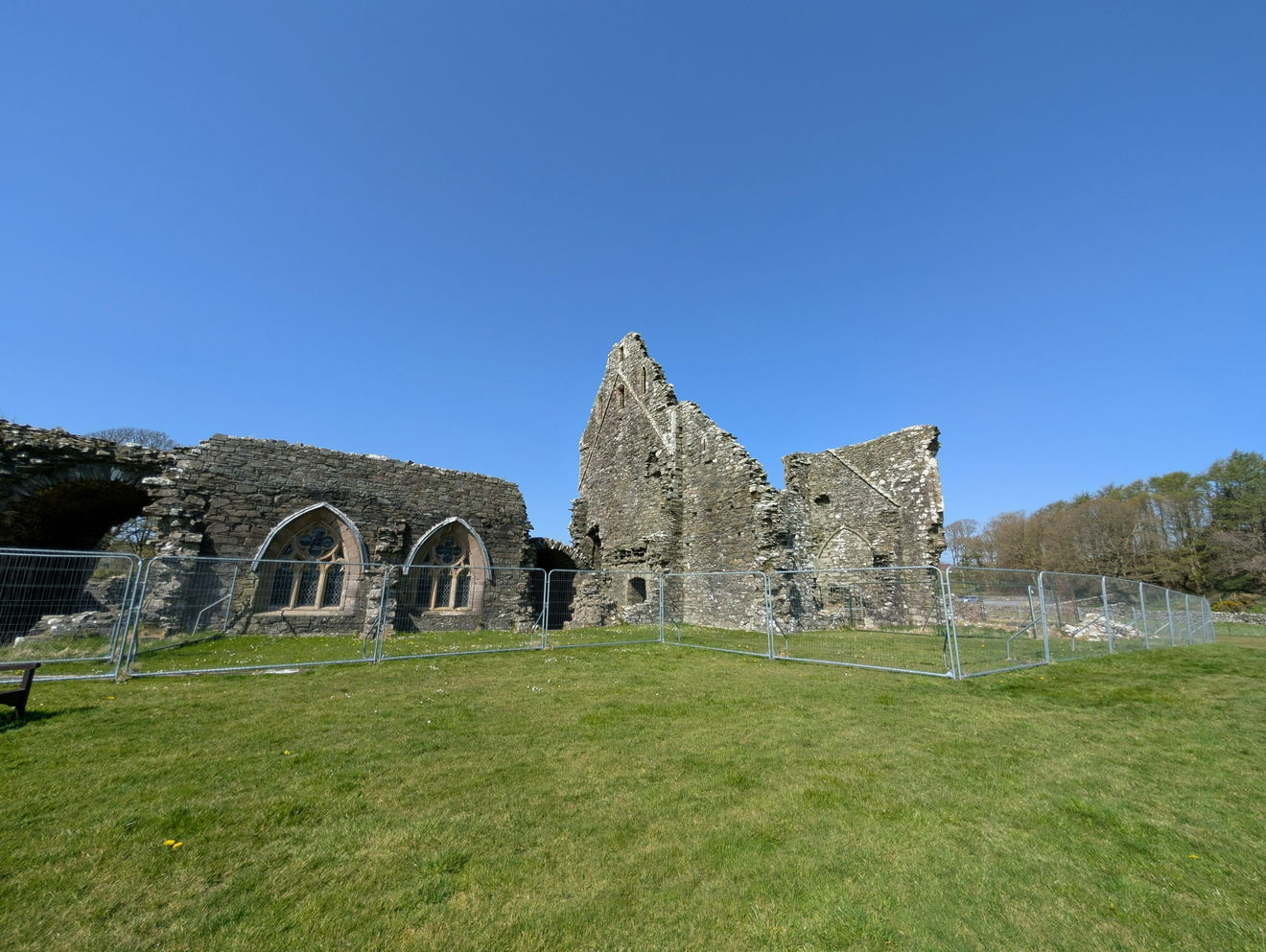
Glenluce Abbey passed into State care in 1933. The ticket office has an exhibition of clay pipes, and the visitor centre has a display of decorative floor tiles and metal items recovered from various digs on the site.
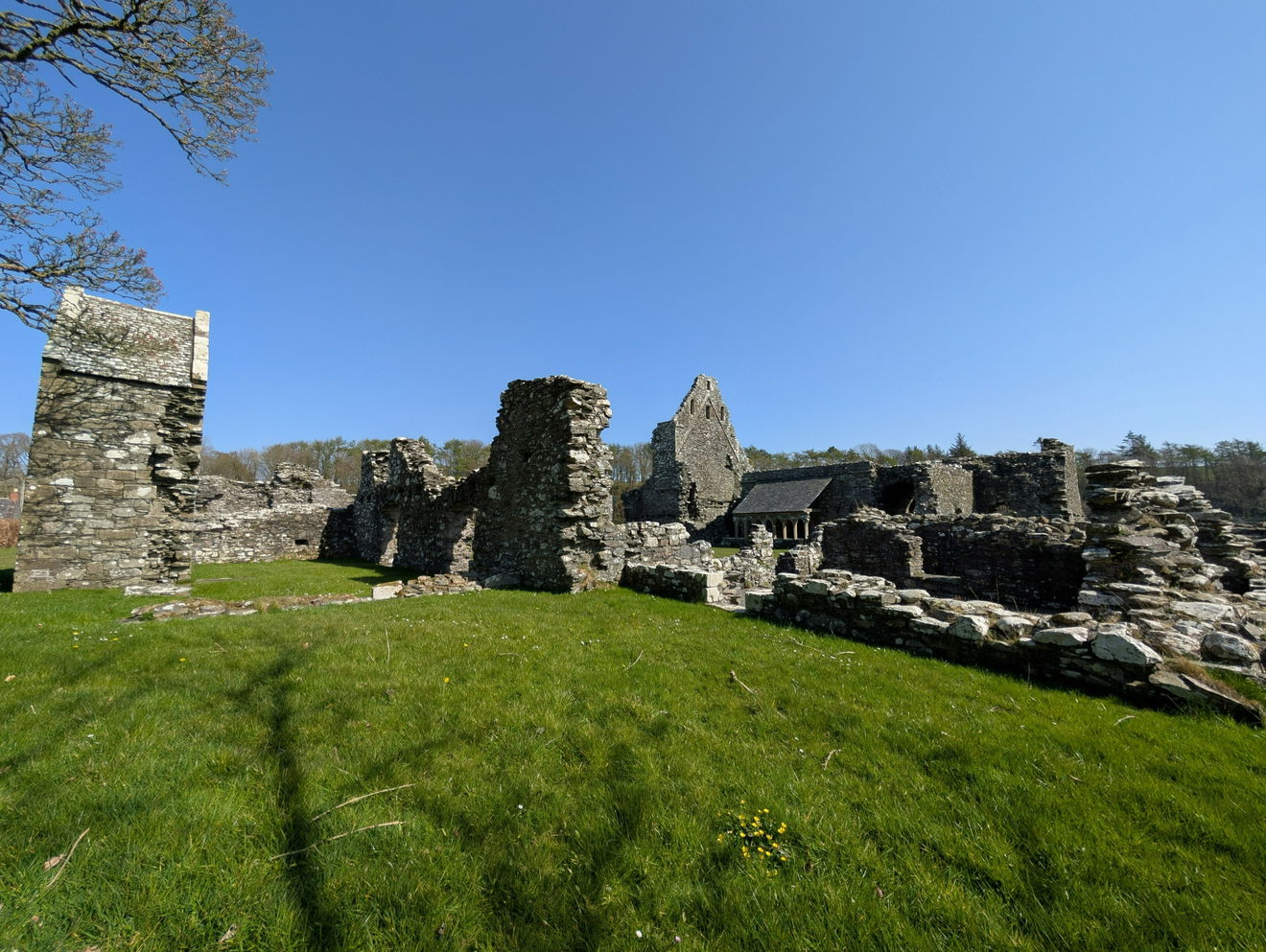
The site is now a Scheduled Monument, managed by Historic Environment Scotland. Although it has restricted access, it is still worth visiting. Hopefully, the work and inspections will be carried out soon, and we can revisit the abbey and update the photographs.
Get 3 points if you have visited this place. Already visited by 13 VIPs.
Login to the VIP area to add places to your bucket list, mark them as visited and more importantly see where you rank on the league table.
How To Find Glenluce Abbey
Where To Park For Glenluce Abbey?
Lat / Long
54.89082064057553, -4.830783712085101
What three words
There is a car park for several cars next to the Abbey.
Contributed by Lorraine London
I have been a keen hill walker for many years and more recently enjoy trig bagging. When I'm not exploring Northumberland, County Durham and Yorkshire, I spend most of my holidays in bonny Scotland. Other than hills, I love investigating ruinous buildings and waterfalls. I have been a member of NT and EH for years, which also gives me access to Historic Environment Scotland places.
More Places from Lorraine
More Places In Dumfries And Galloway
Find more fabulous places in Dumfries And Galloway, Scotland and if you know of a place we haven't listed, then let us know.
Nutholm Hill Trig Point And Hill Fort
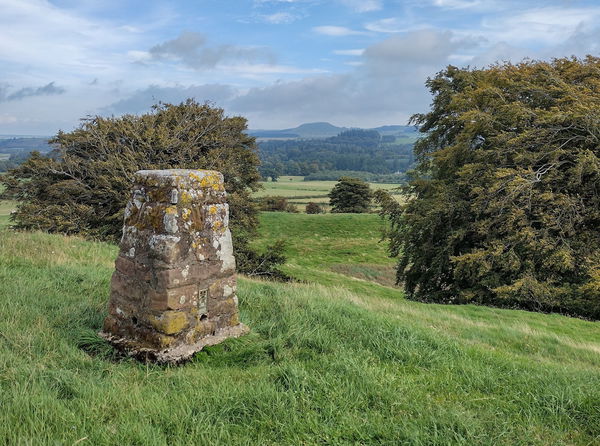
Trig Point Dumfries And Galloway ScotlandThe Nutholm Hill trig point sits in a field (120m) near Kettleholm.
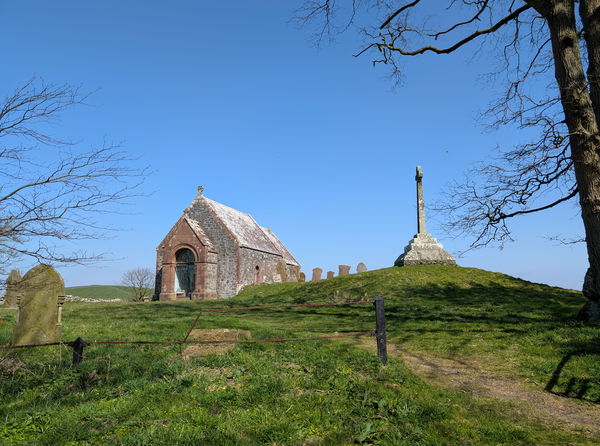
Kirkmadrine Chapel And Stones
Religious Place Dumfries And Galloway ScotlandA pretty little chapel containing ancient stones near Stranraer. Some of the stones date back as far as 500AD.
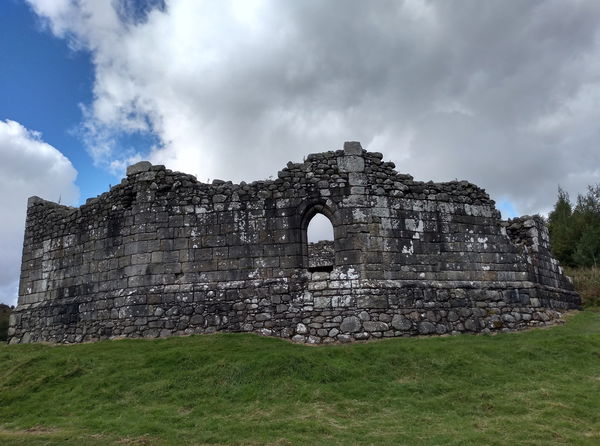
Loch Doon Castle
Castle Dumfries And Galloway ScotlandA castle on the banks of Loch Doon in East Ayrshire thought to have been built by Robert the Bruce.
More Religious Places
So this religious place wasn't enough and you want more? Don't worry we have you covered.
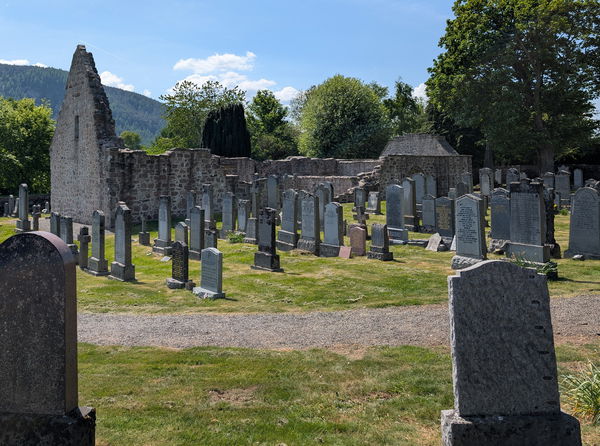
Tullich Church And Pictish Stones
Religious Place Ballater ScotlandThe remains of a medieval church with a display of Pictish Stones.
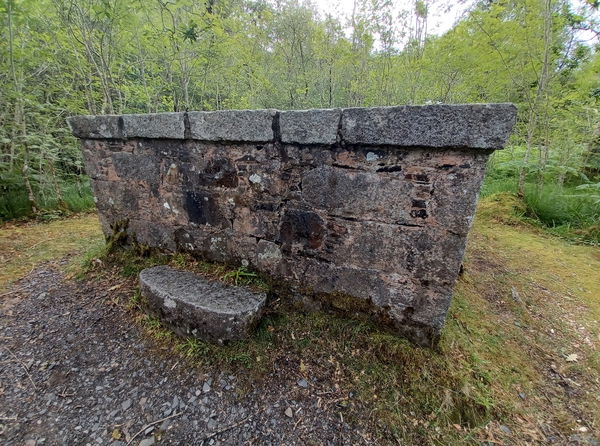
Martyrs Tomb at Glen Trool
Religious Place Newton Stewart ScotlandA memorial dedicated to six covenanters killed for their beliefs.
St Romald's Church
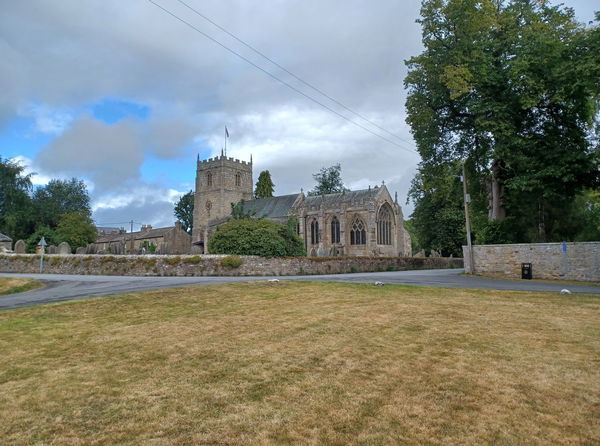
Religious Place Barnard Castle County DurhamA Church in Romaldkirk known as the "Cathedral of the Dales" and dating back to Saxon times.
Never Miss A Fabulous Place
If you are afraid of missing out on all the fabulous places we post, or just want to be the first to know, then sign up to the Fabulous North.
Each week we will email you all the brand new places that we visit.
Sign Up To Alerts

Find Us On Facebook
We post all our new places daily on our Facebook Groups page, so join the group today and be notified when we add a new place.
Join Our Facebook GroupGlenluce Abbey was listed in Religious Place // Scotland // Dumfries And Galloway