
The Fish Stones
Landmark In Lancaster, Lancashire
A set of sandstone steps used by Monks to display and sell their fish.

In the little village of Caton, part of the Lune Valley in Lancashire, you can find a strange set of three sandstone steps that form something known as The Fish Stones. This is something we have only heard of in this context and as soon as we saw them on the map, we knew we had to visit for Fabulous North.
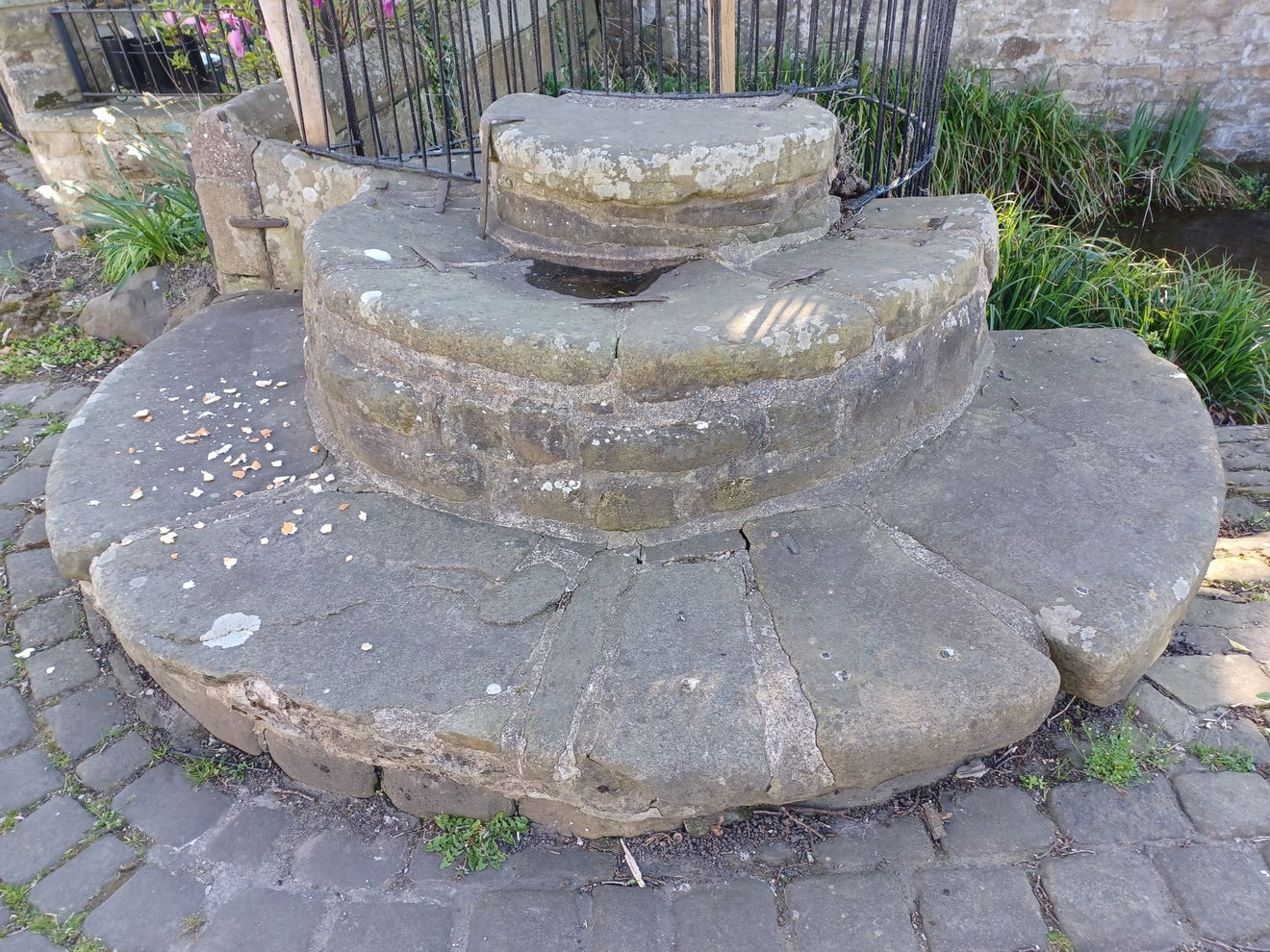
While they look a little incongruous today as they stand next to the stream that runs through the village just outside the local pub, their original purpose was closely tied to the nearby Cockersand Abbey. During the medieval period, the monks of Cockersand Abbey would have held fishing rights on the River Lune, and the Fish Stones provided a convenient location for them to display and sell their catch, primarily salmon, to the local community.
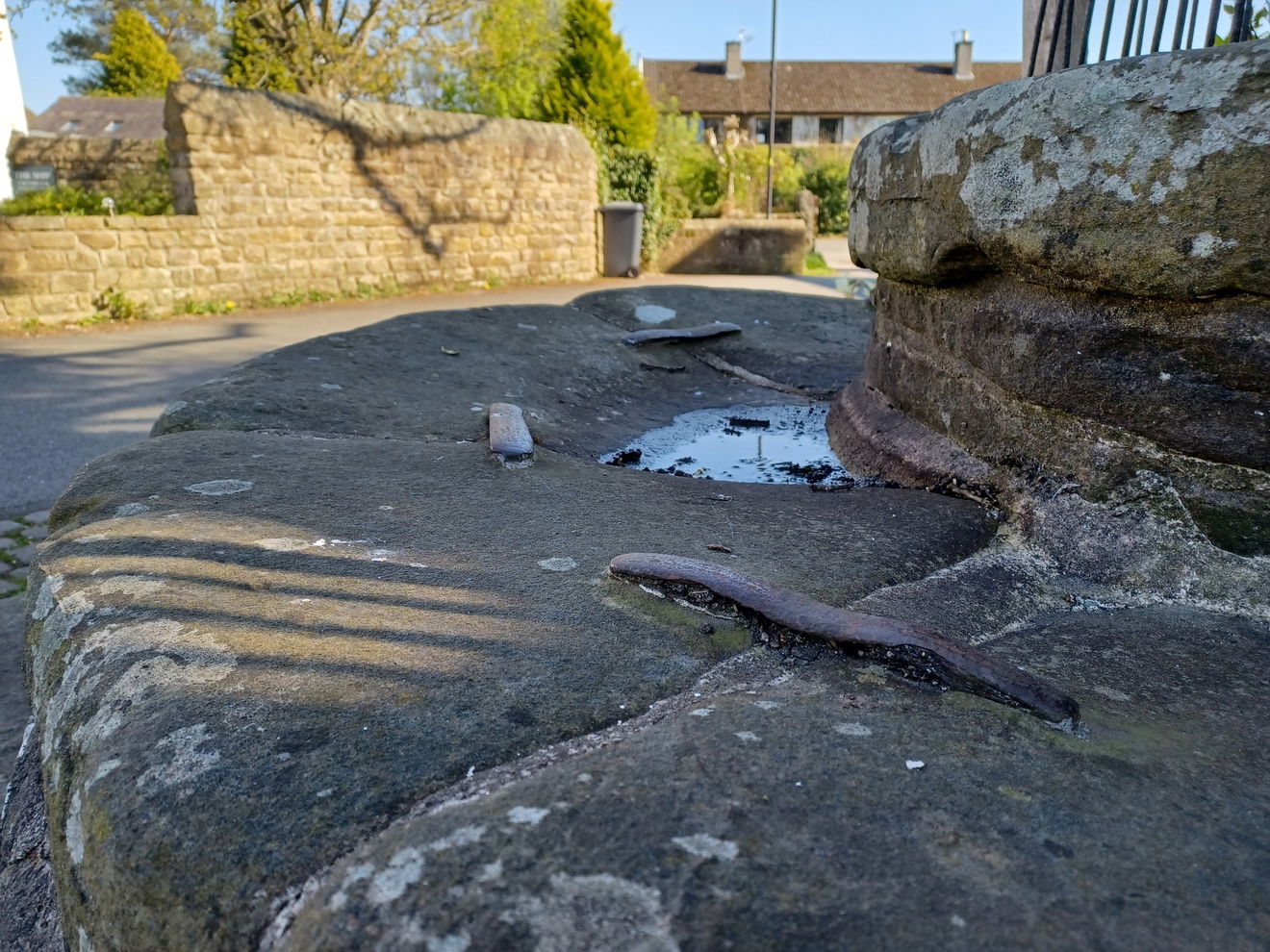
Like all rivers, the River Lune was a valuable resource for the local population, and fish would have been an important food source. The Fish Stones would have been an important focal point of village life bringing people together from all around to trade, benefiting the local economy and community, as well as the monks.
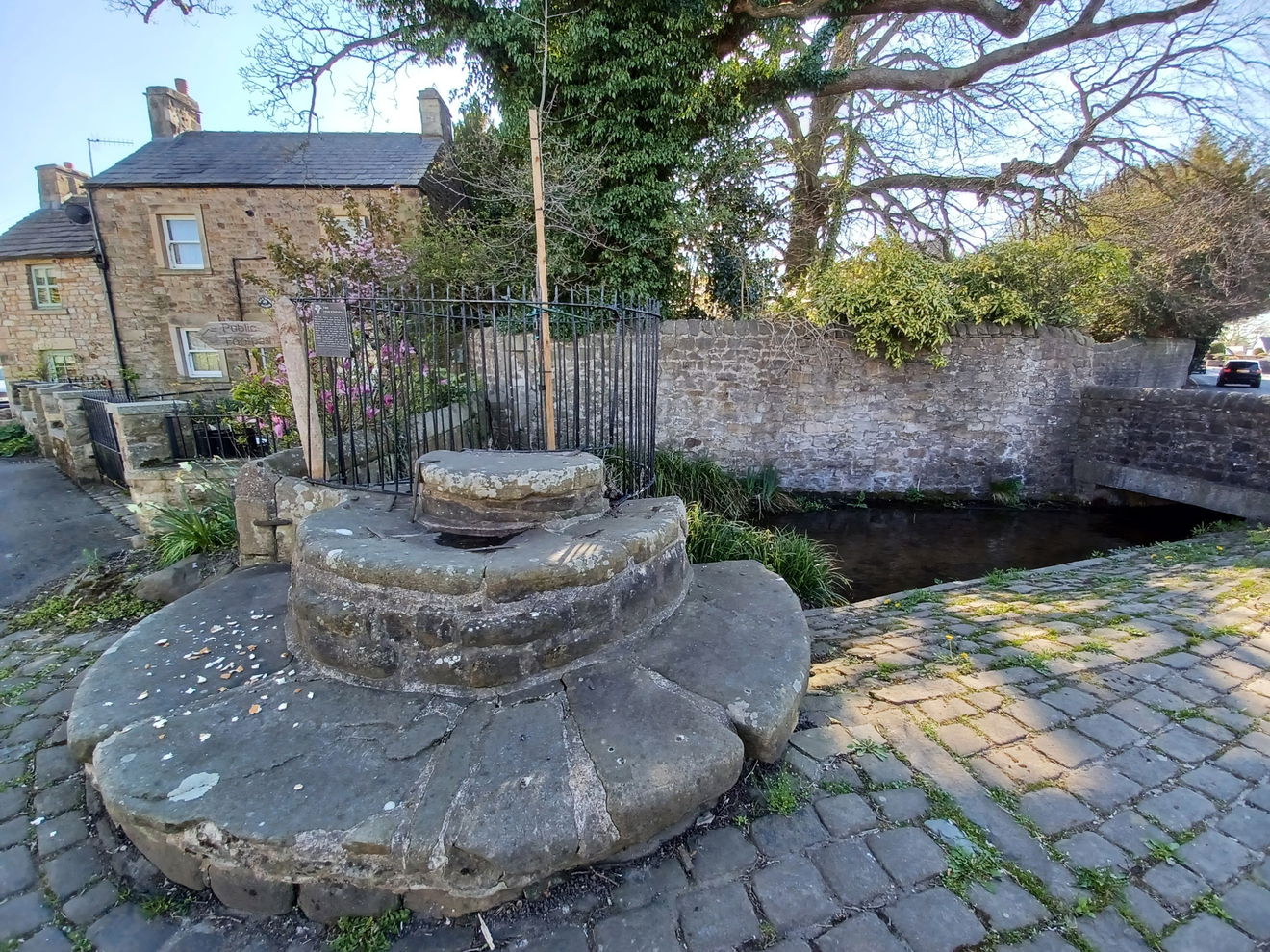
The tiered design of the Fish Stones would have been to help display the fish in an organised way, rather than in a big pile, giving any customers a better view of the selection on offer. The use of sandstone for the steps would have been more about what materials they had locally to build with. Call it an early form of sustainable produce, caught locally and displayed on local stone!

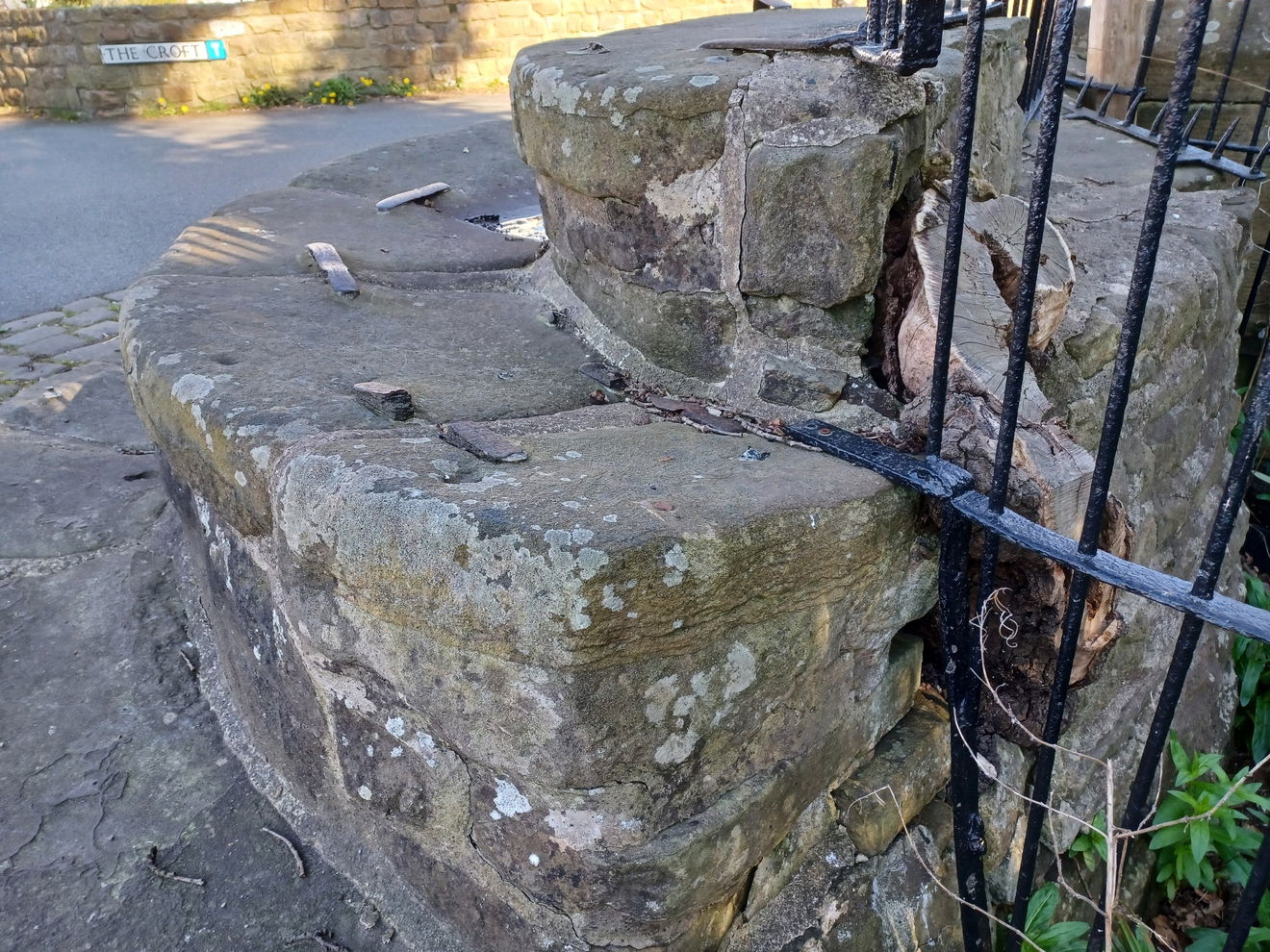
One of the other important and prominent features of the Fish Stones was an ancient oak tree, known as the Caton Oak or Druid's Oak by some, that grew out of the stones. While it is was undoubtably an ancient tree, the story that it dated back to the time of the Druids, before the Romans arrived, is perhaps unlikely.

Sadly, time began to get the better of the oak tree and it began to decline and became dangerous. Villagers and the Parish Council tried their best to preserve it by installing a support to keep it upright but unfortunately by 2007 the trunk was hollow with decay. An acorn from the original oak was planted in the hollow by the High Sheriff of Lancashire, Ruthe Winterbottom, with the hope that a new tree would grow from the old one. The original Caton Oak fell on 20th June 2016 but the new tree survives and will hopefully be there for a few more hundred years.
While there is only rumours of a link to Druids, the name Caton is believed to come from the Norse "Kati" meaning "cheerful" and "ton" signifying a village, hamlet, or farm. This potential Norse influence likely comes from nearby Viking settlements in the region.
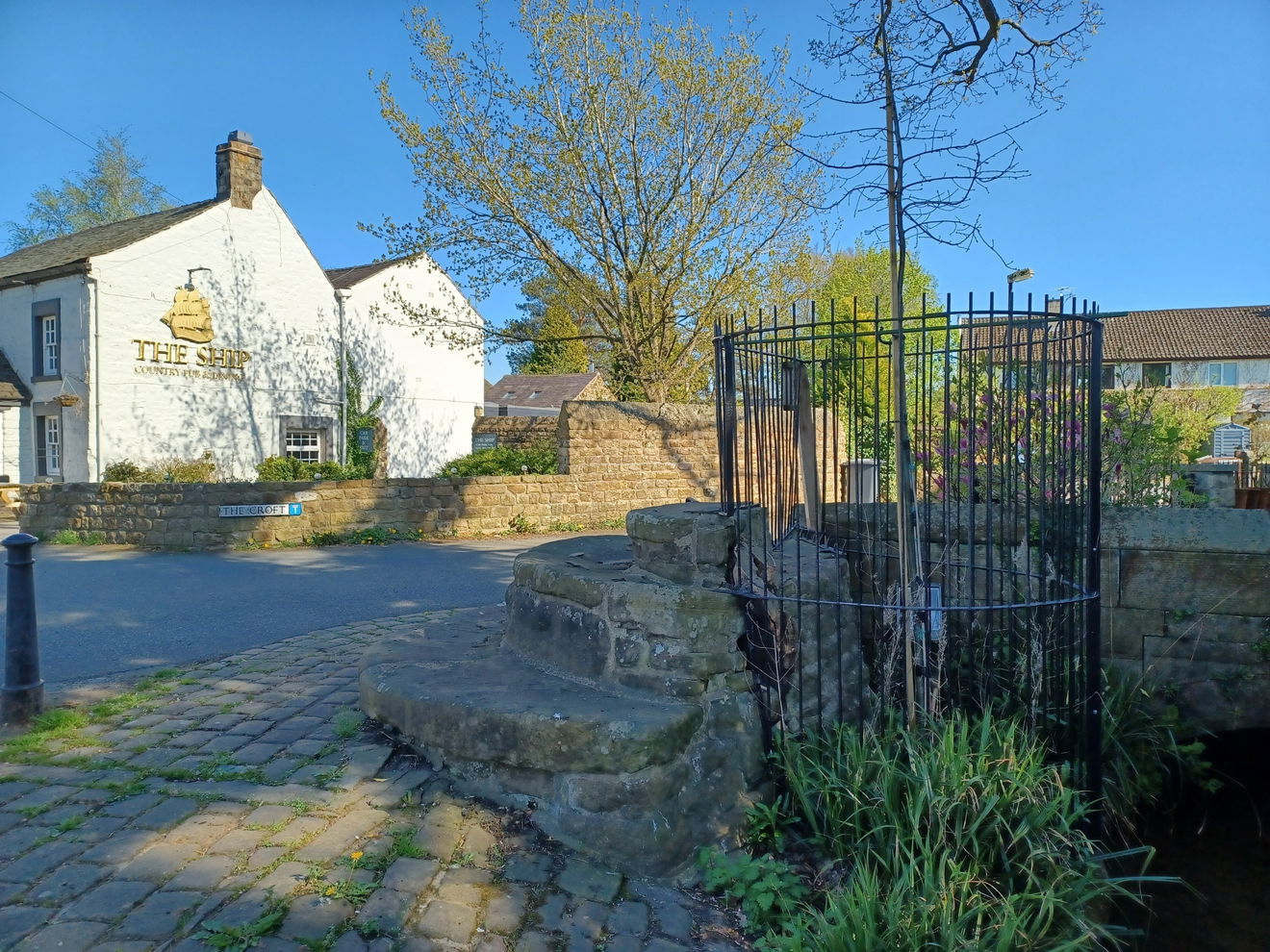
The Fish Stones are a Grade II listed building and remain an important part of the history of Caton, despite their small size.
Get 1 point if you have visited this place. Already visited by 11 VIPs.
Login to the VIP area to add places to your bucket list, mark them as visited and more importantly see where you rank on the league table.
How To Find The Fish Stones
Where Is The Fish Stones?
Lat / Long
54.075827, -2.720255
What three words
Where To Park For The Fish Stones?
Lat / Long
54.076555, -2.718279
What three words
Parking is available a short walk away at Station Road Car Park.
Contributed by Andrew Gardner
I love being outdoors, in nature, and experiencing the relaxation it brings. Wandering through the northern countryside seeing unexpected buildings, historic places and occasionally surprised wildlife is one of life's great pleasures.
More Places from Andrew
More Places In Lancaster
Find more fabulous places in Lancaster, Lancashire and if you know of a place we haven't listed, then let us know.
Lune Aqueduct
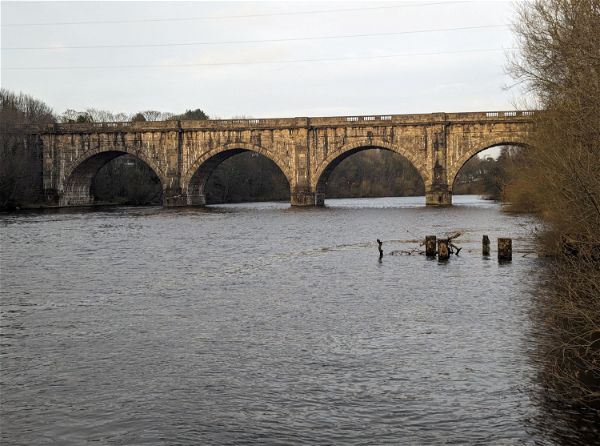
Bridge Lancaster LancashireA Georgian Grade I Listed aqueduct, the largest all-masonry aqueduct in Britain taking the Lancaster Canal over the River Lune.
Warton Old Rectory
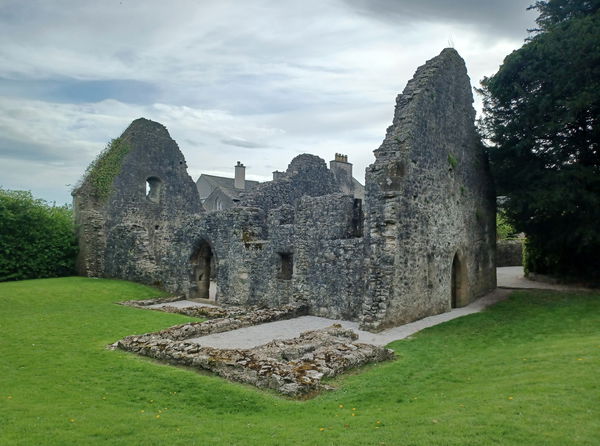
Religious Place Lancaster Lancashire14th century rectory, home for the rector of the local church
Flock Of Words
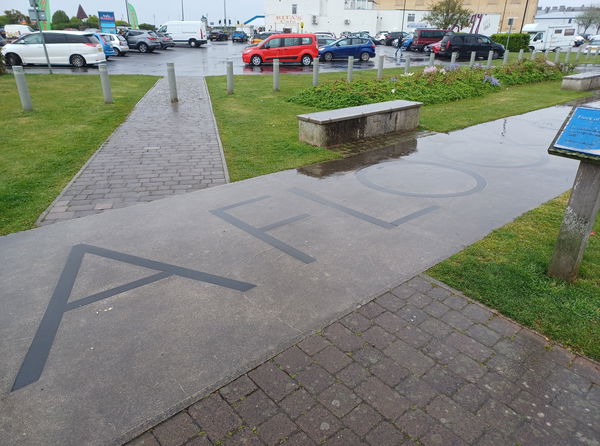
Art Lancaster LancashireA 300m artwork celebrating the link between birds and literature.
More Landmarks
So this landmark wasn't enough and you want more? Don't worry we have you covered.
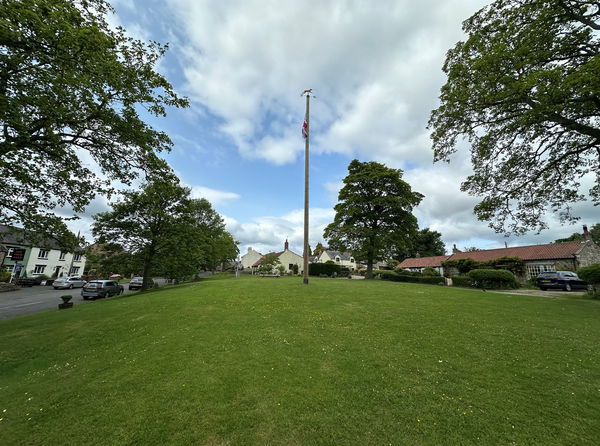
Ovington Maypoles
Landmark Barnard Castle County DurhamA 60 foot tall landmark maypole on the village green in Ovington, County Durham with an echo of a maypole sculpture in its shadow.
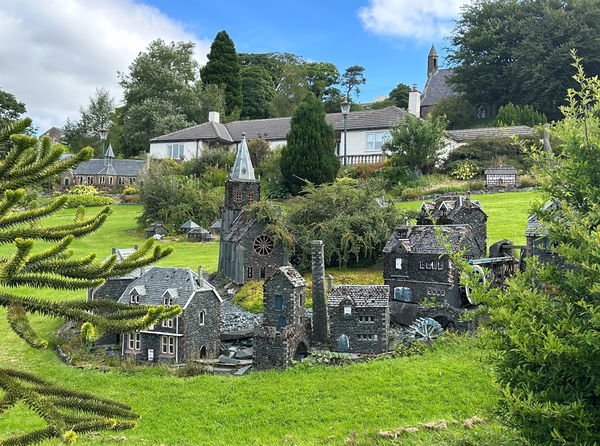
Nenthead Model Village
Landmark Alston NorthumberlandNenthead in minature. A model village designed and handmade by retired miner Lowson Robinson, nestled in the North Peninnes in Cumbria.
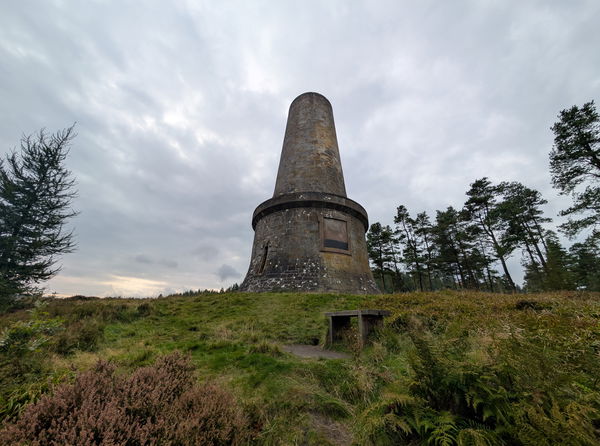
Tyndall-Bruce Monument
Landmark Fife ScotlandA huge monument, built in 1857 to commemorate Onesiphorus Tyndall-Bruce, a significant figure in the area.
Never Miss A Fabulous Place
If you are afraid of missing out on all the fabulous places we post, or just want to be the first to know, then sign up to the Fabulous North.
Each week we will email you all the brand new places that we visit.
Sign Up To Alerts

Find Us On Facebook
We post all our new places daily on our Facebook Groups page, so join the group today and be notified when we add a new place.
Join Our Facebook GroupThe Fish Stones was listed in Landmark // Lancashire // Lancaster