
Cairnpapple Hill
Crag, Rock And Cairn In Falkirk, Scotland
A large cairn with a henge and underground chamber near Bathgate in Scotland.
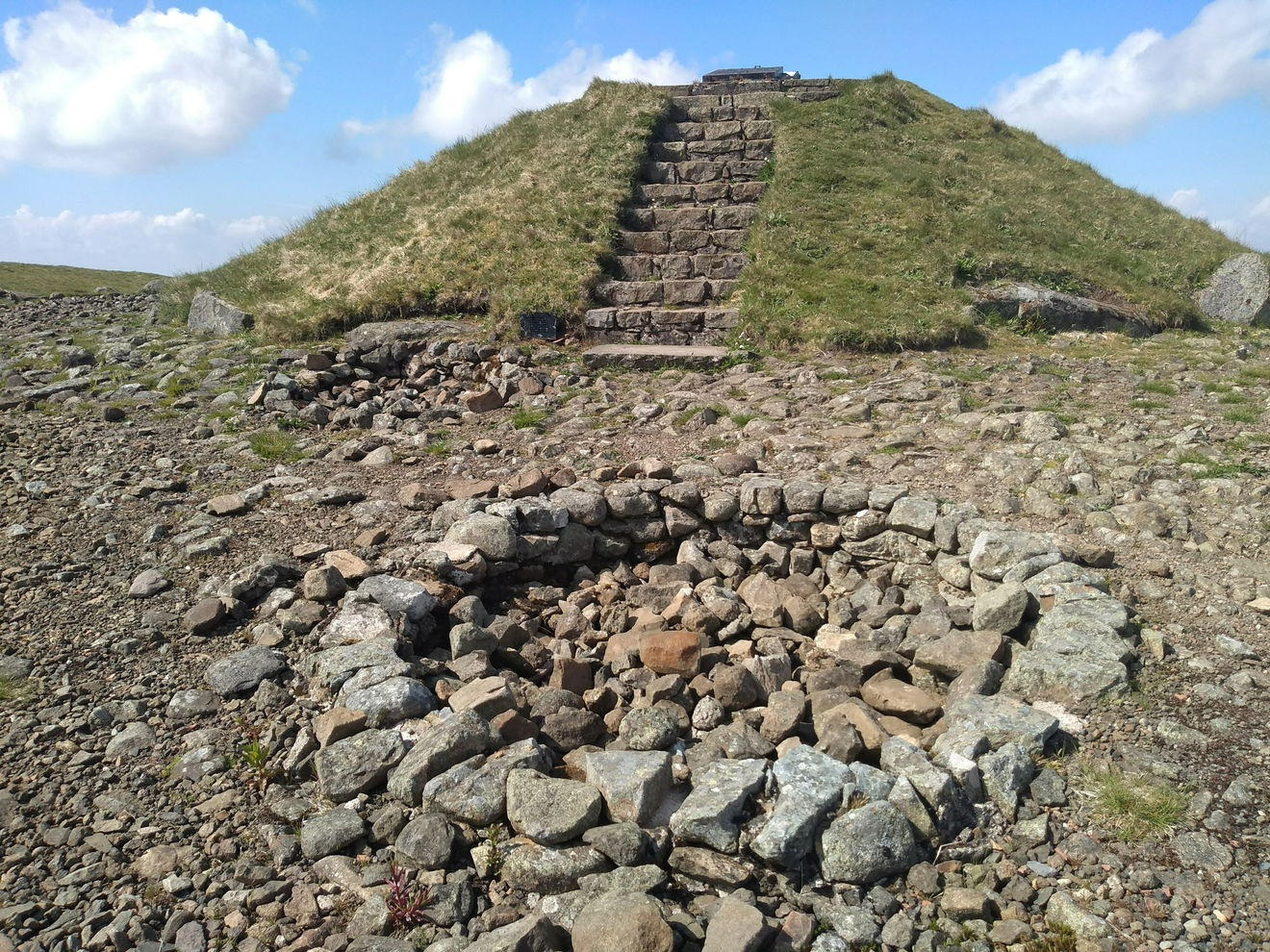
Cairnpapple Hill has been used as a site for religious rituals for around 4000 years and is considered one of the most important mainland archaeological sites in Scotland.
It was when on a hill bagging adventure just up the road that I spotted Cairnpapple Hill on the OS Map. The henge and cairn intrigued me, so off we went for a gander.
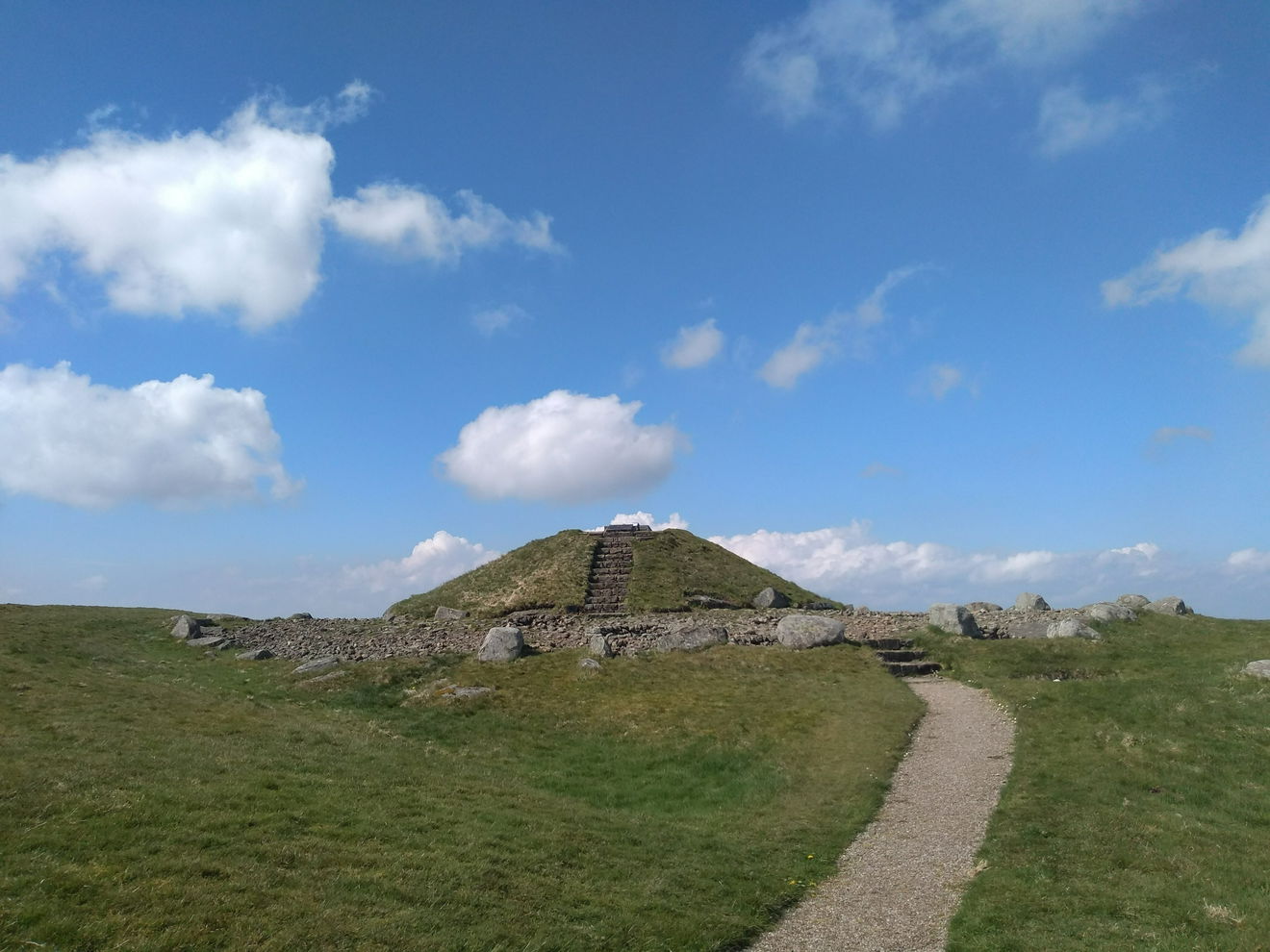
Cairnpapple Hill has been developed over thousands of years and was chosen for its prominent position in the Scottish Lowlands standing at 312m.
Evidence has been found at the site of neolithic rituals dating from around 3500 BC. Precious objects and signs of hearths were discovered that were used for religious offerings. The findings include pottery and stone axe heads which would have come from Cumbria and Wales.
It is estimated that the henge was constructed around 3000 BC. It was surrounded by a bank and a ditch which measured 4m in diameter and cut 1m deep into the rock. There would have been entrances on both the north and south sides.
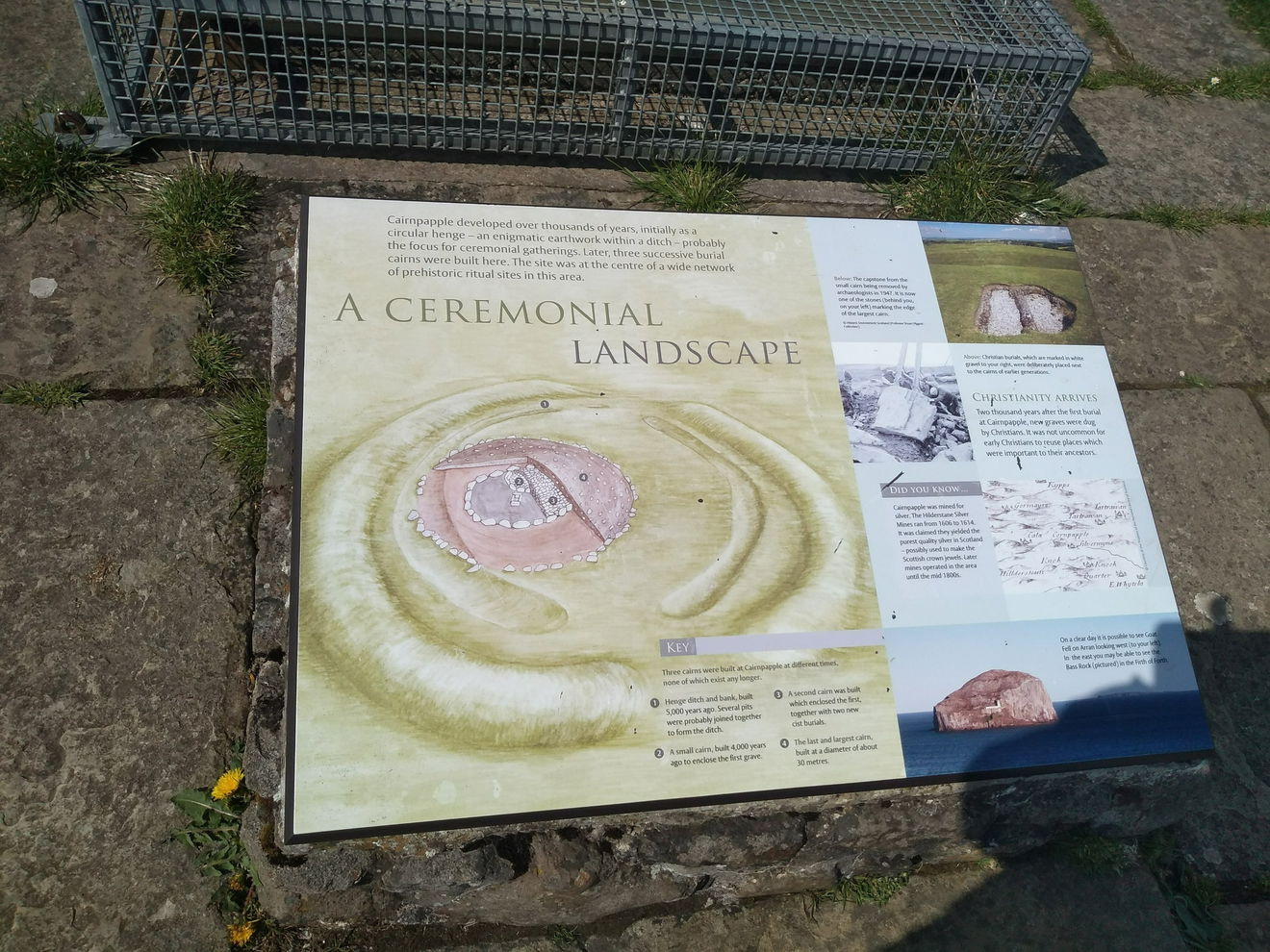
Inside the huge oval structure, were 24 uprights made from timber or standing stones and would have been enclosed. Inside was a smaller inner circle of similar uprights.
In the Bronze Age, a small stone and clay cairn was added inside the monument. There was also a 2m high standing stone added to the east with a setting of smaller stones.
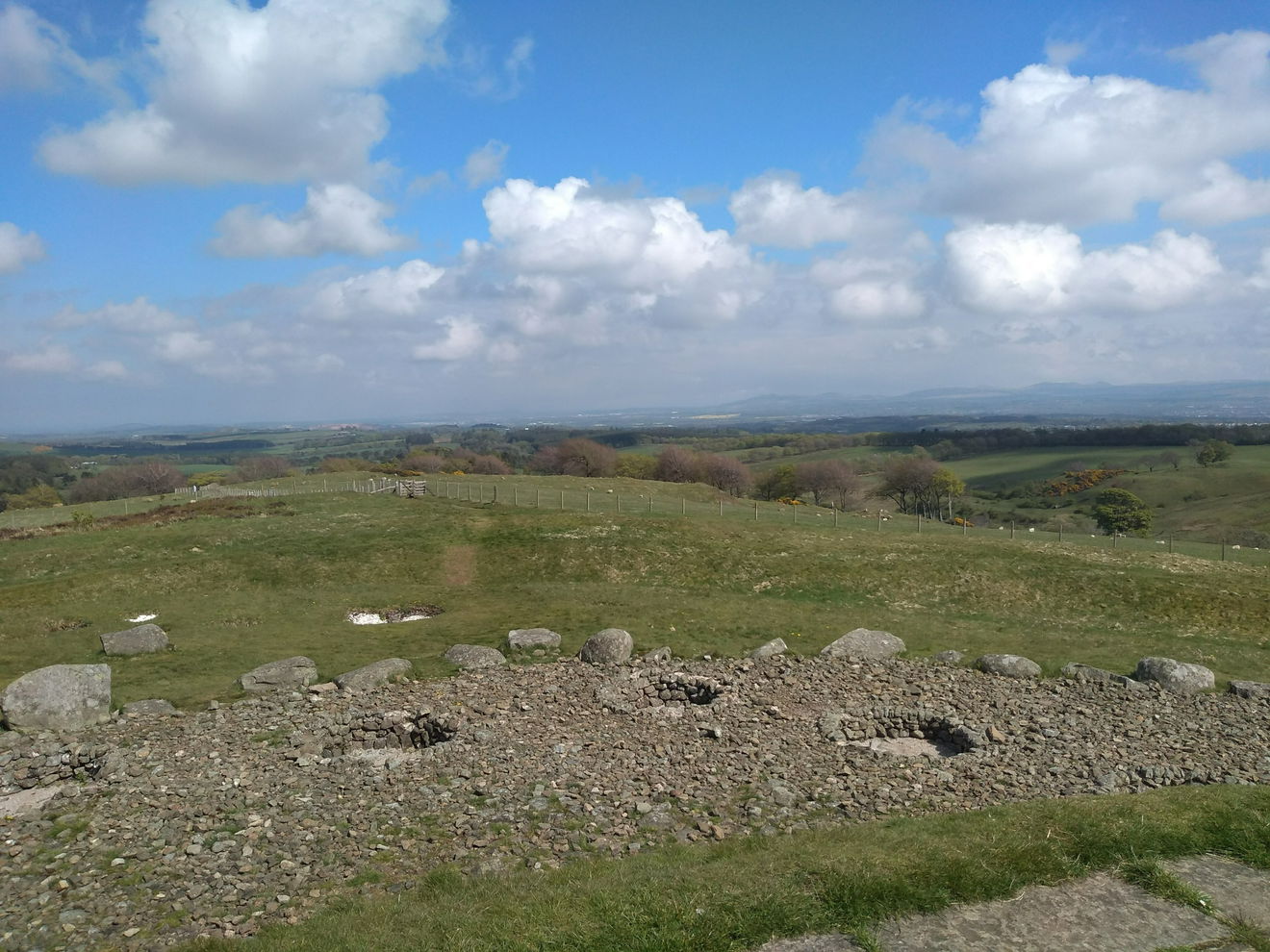
There is an arc of seven small pits, six of which were found to contain cremated bones and two contained bone skewer pins. Today their appearance makes you feel like you have landed on the moon, with what look like large stony craters.
Under the cairn, there were found to be traces of at least one burial, with wooden objects and pottery which has been dated to around 2000 BC. This cairn was later covered by a second much larger cairn of around about 15m in diameter and several metres high. It had a kerb of large stone slabs which incorporated the Bronze Age burial cists (stone coffins).
At a later date, more stone was brought onto the site, increasing the cairn size to around 30m in diameter. It would have enclosed two cremation burials, covered the original ditch and bank, and made the site a tomb monument.
Inside a ditch to the east of the site, four Christian graves dating from around 500 AD to 1000 AD were discovered. The graves bore the typical Christian east to west orientation for burials.
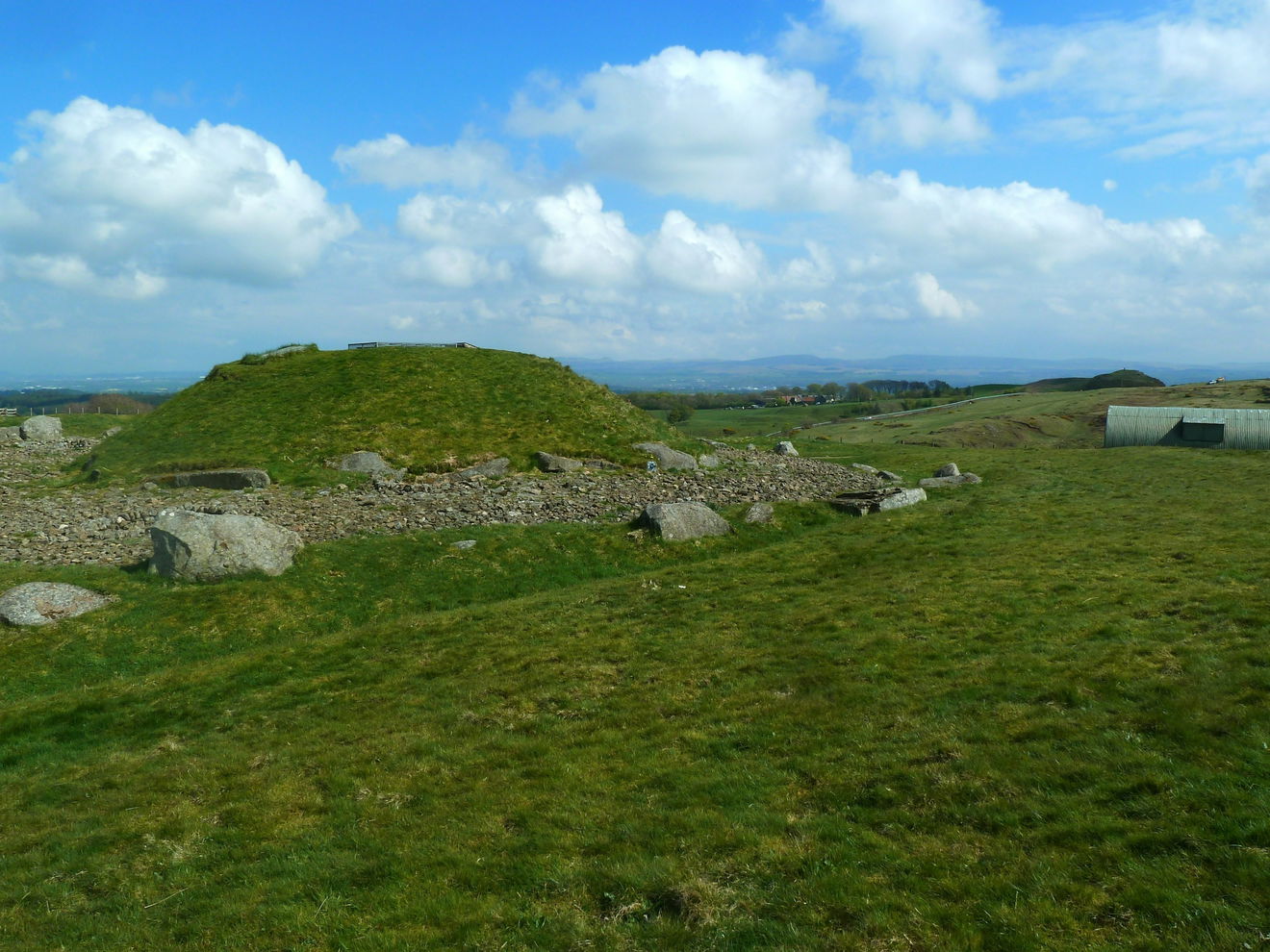
In 1947, excavations led by Stuart Piggott began. This is when the series of ritual monuments and archaeological findings from successive prehistoric periods were discovered.
During this time the excavations were partly covered by a concrete dome replicating the second cairn. This allowed visitors to go inside what was once a solid cairn and see the reconstructed graves.
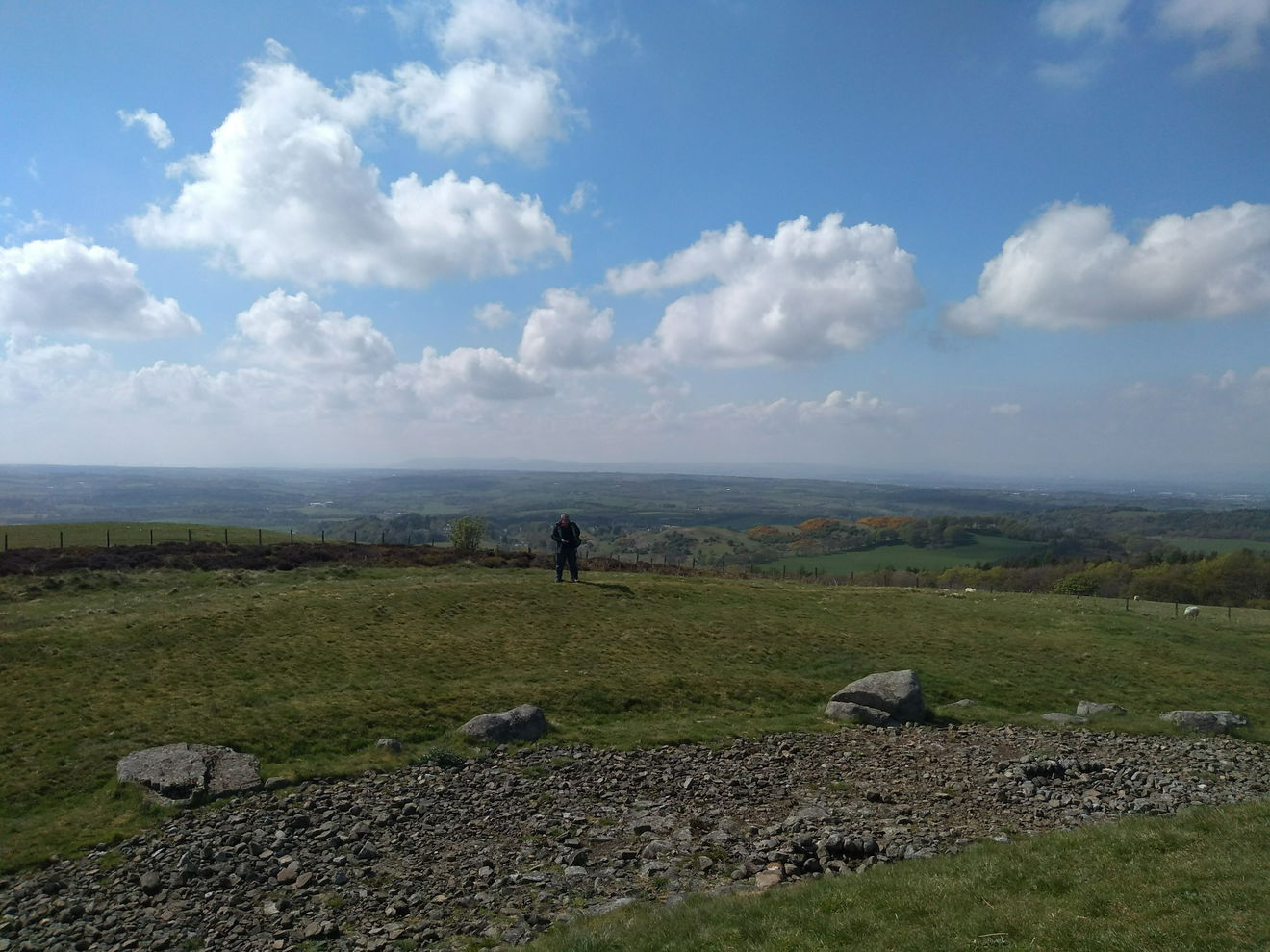
The current display attempts to show all the main phases of the site at the same time. The burial ground, the henge of 24 large stones, the large burial cairn and the rings of pits, ditches and banks. The huge burial chamber is accessible via 14 stone steps and a 11 rung metal ladder.
There is much confusion with the origin of the name 'Cairnpapple'. But it is believed to either be Cairn of the people or Cairn of the eye.
Unfortunately, our visit was between COVID lockdowns and we were unable to access the visitors centre or the cairn chamber.
Cairnpapple Hill is now designated a scheduled ancient monument with Historic Environment Scotland.
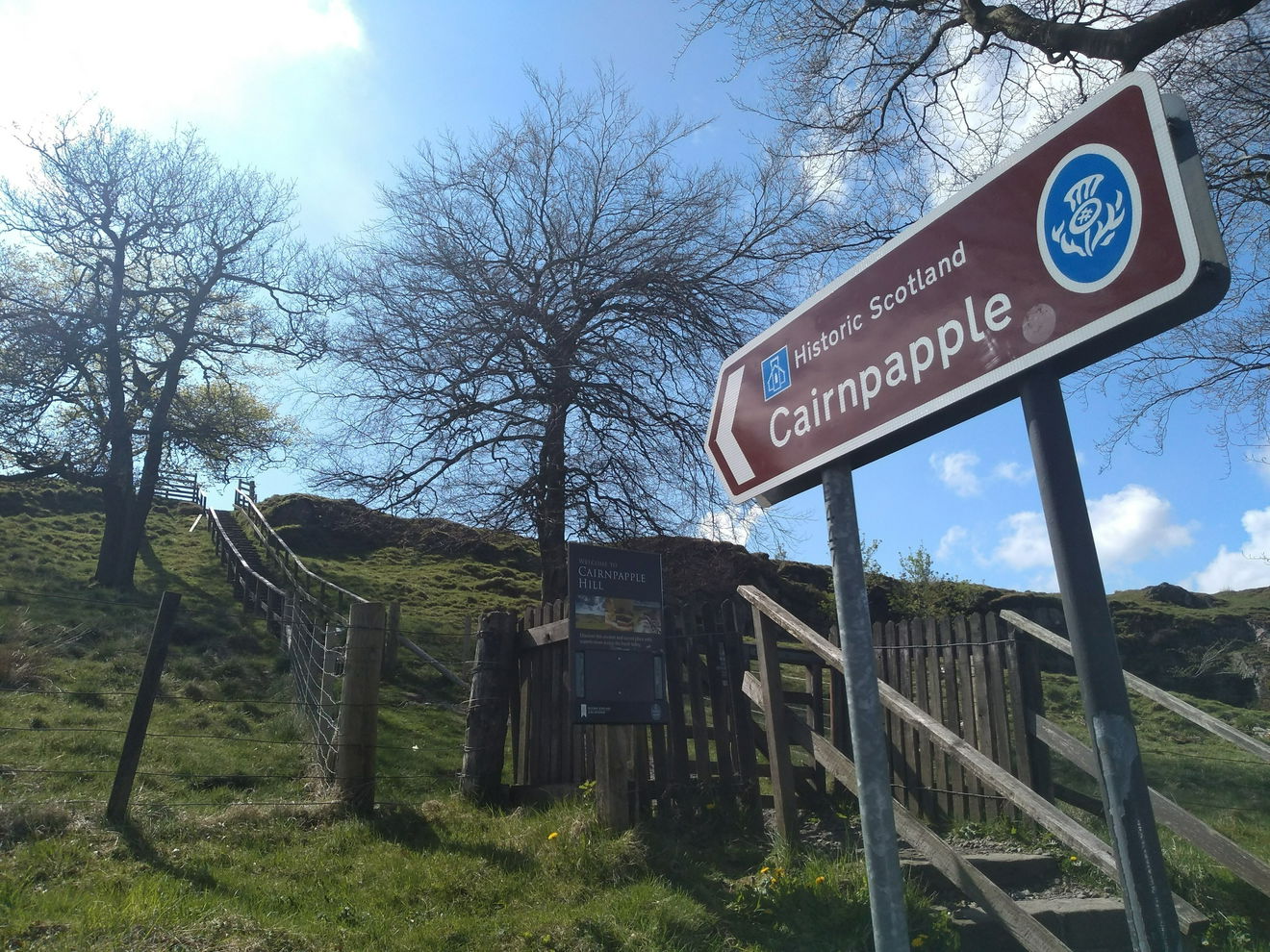
The site and visitors centre are open to the public from April to September.
Parking for Cairnpapple Hill is on the road at the bottom of the steps leading up to the site.
Get 3 points if you have visited this place. Already visited by 16 VIPs.
Login to the VIP area to add places to your bucket list, mark them as visited and more importantly see where you rank on the league table.
How To Find Cairnpapple Hill
Where To Park For Cairnpapple Hill?
Lat / Long
55.92893594606878, -3.6186085683020988
What three words
There is parking for several cars on the roadside, next to the gate leading up to Cairnpapple Hill.
Contributed by Lorraine London
I have been a keen hill walker for many years and more recently enjoy trig bagging. When I'm not exploring Northumberland, County Durham and Yorkshire, I spend most of my holidays in bonny Scotland. Other than hills, I love investigating ruinous buildings and waterfalls. I have been a member of NT and EH for years, which also gives me access to Historic Environment Scotland places.
More Places from Lorraine
More Places In Falkirk
Find more fabulous places in Falkirk, Scotland and if you know of a place we haven't listed, then let us know.
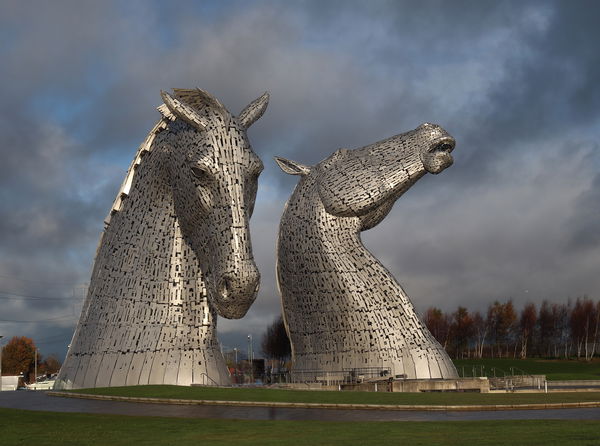
The Kelpies
Art Falkirk ScotlandTwo gigantic sculptures of Clydesdale horse heads paying tribute to Scotland’s heavy horse heritage.
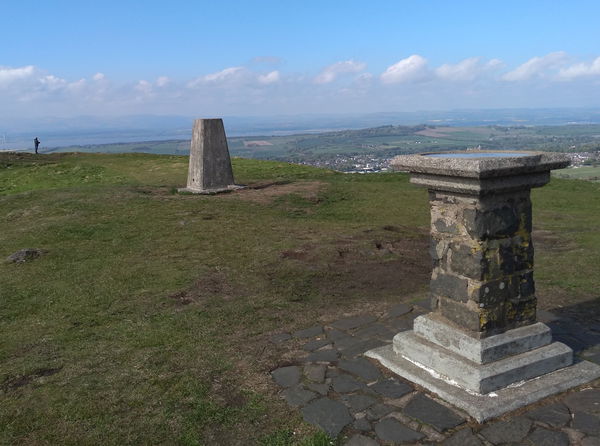
Cocklerue Hill Trig Point
Trig Point Falkirk ScotlandThe Cocklerue Hill trig point sits on an old hill fort (278m) near Linlithgow.
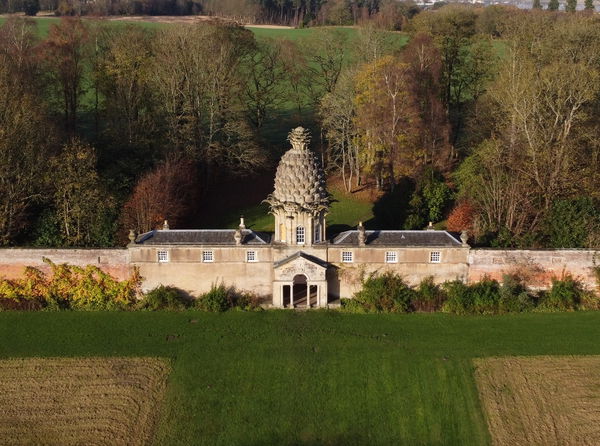
Dunmore Pineapple
Folly Falkirk ScotlandA magnificent pineapple-topped folly located in Dunmore Park near Falkirk.
More Crags, Rocks And Cairns
So this crag, rock and cairn wasn't enough and you want more? Don't worry we have you covered.
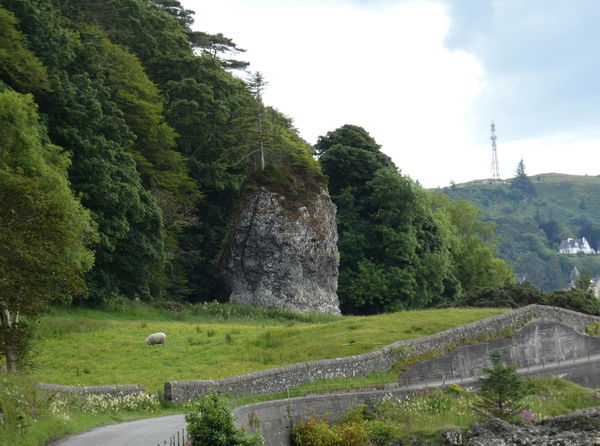
The Dog Stone
Crag, Rock And Cairn Oban ScotlandAn ancient sea stack near Oban with links to Scottish folklore.
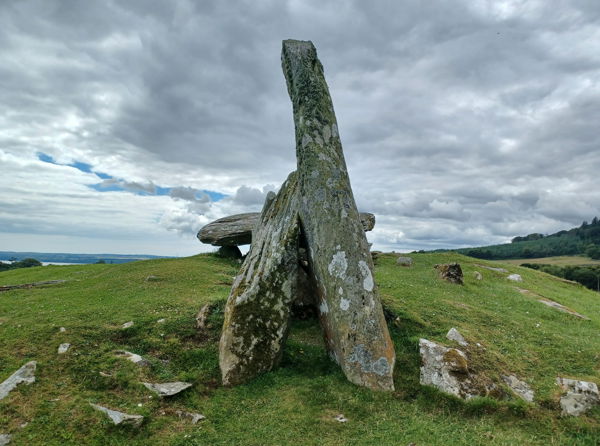
Cairn Holy Chambered Cairns
Crag, Rock And Cairn Newton Stewart ScotlandTwo chambered cairns dating back to the Neolithic period.
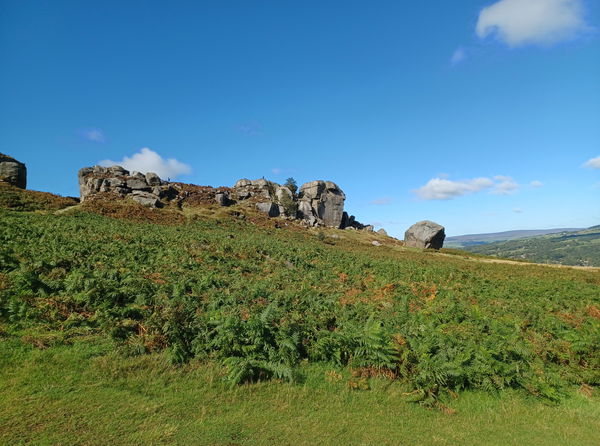
Cow and Calf Rocks
Crag, Rock And Cairn Ilkley Moor West YorkshireA rock formation on Ilkley Moor thought to resemble a Cow and its Calf.
Never Miss A Fabulous Place
If you are afraid of missing out on all the fabulous places we post, or just want to be the first to know, then sign up to the Fabulous North.
Each week we will email you all the brand new places that we visit.
Sign Up To Alerts

Find Us On Facebook
We post all our new places daily on our Facebook Groups page, so join the group today and be notified when we add a new place.
Join Our Facebook GroupCairnpapple Hill was listed in Crag, Rock And Cairn // Scotland // Falkirk