
Crawford Priory
Building In Fife, Scotland
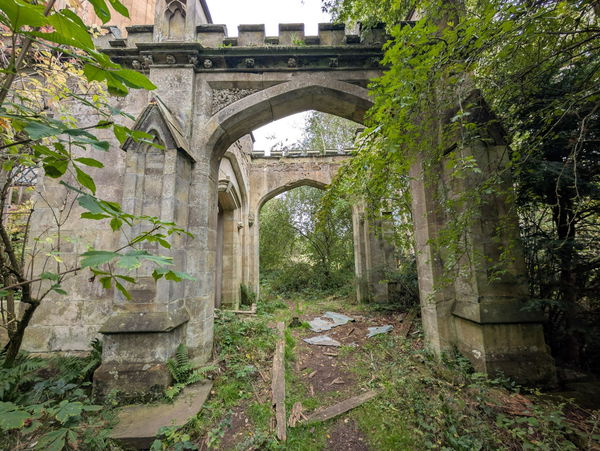
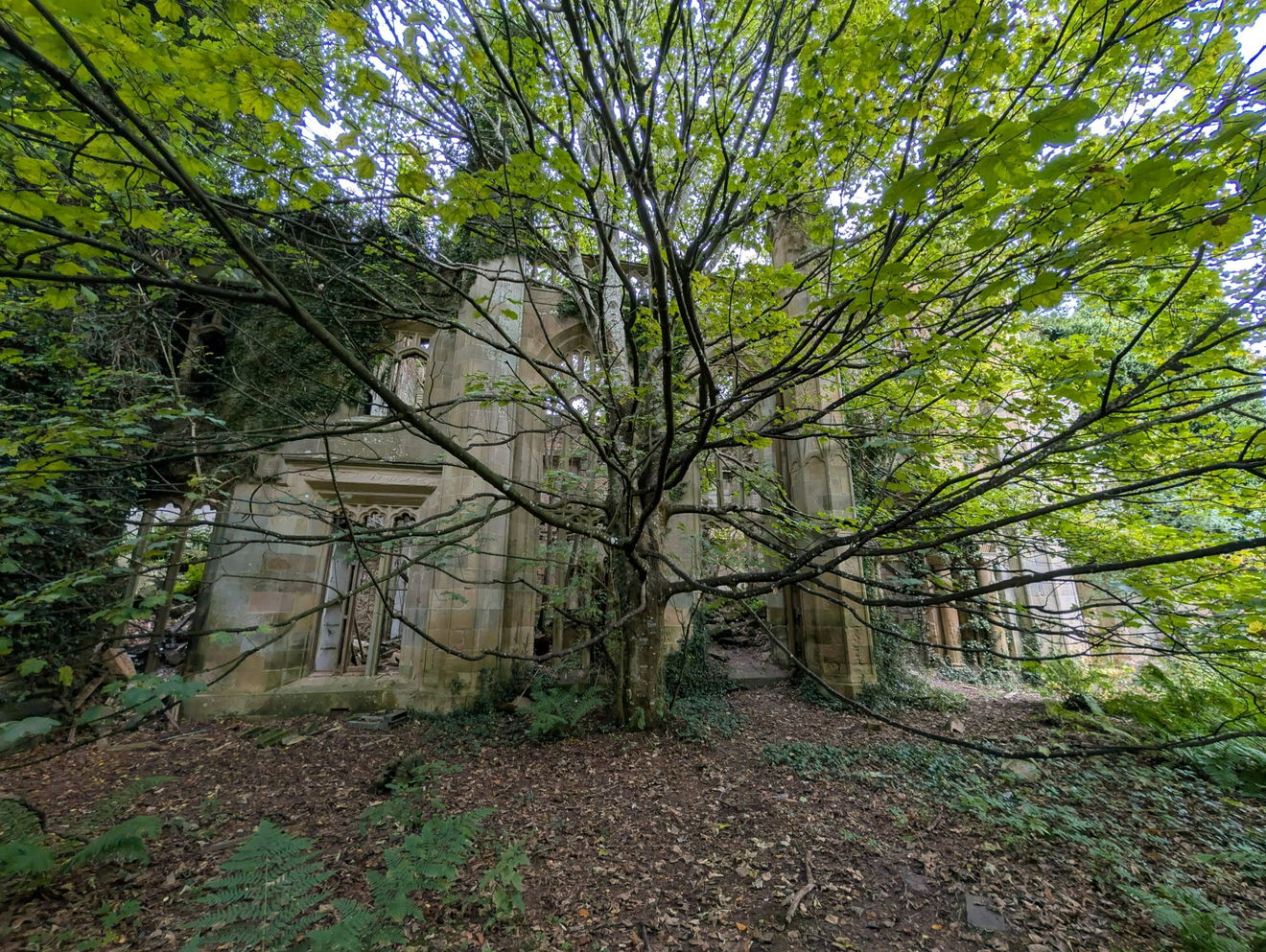
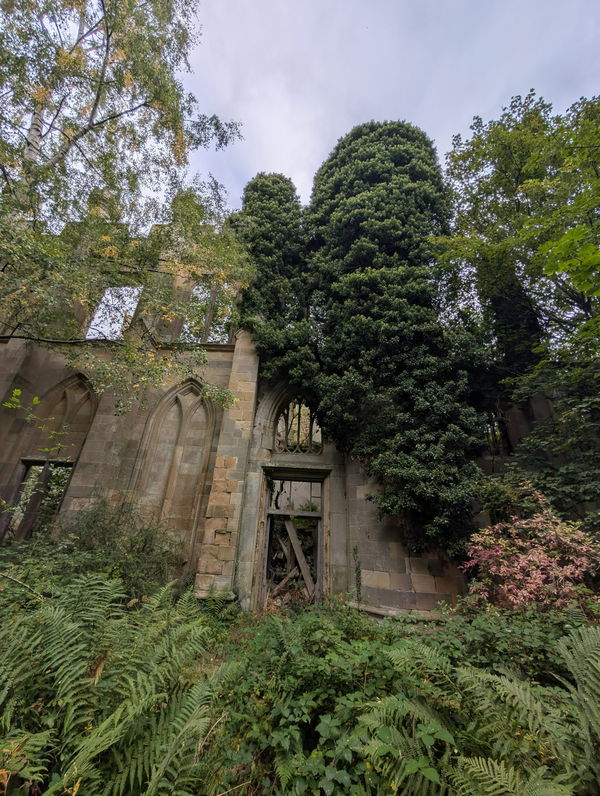
A large ruinous estate house that has been taken over by nature.
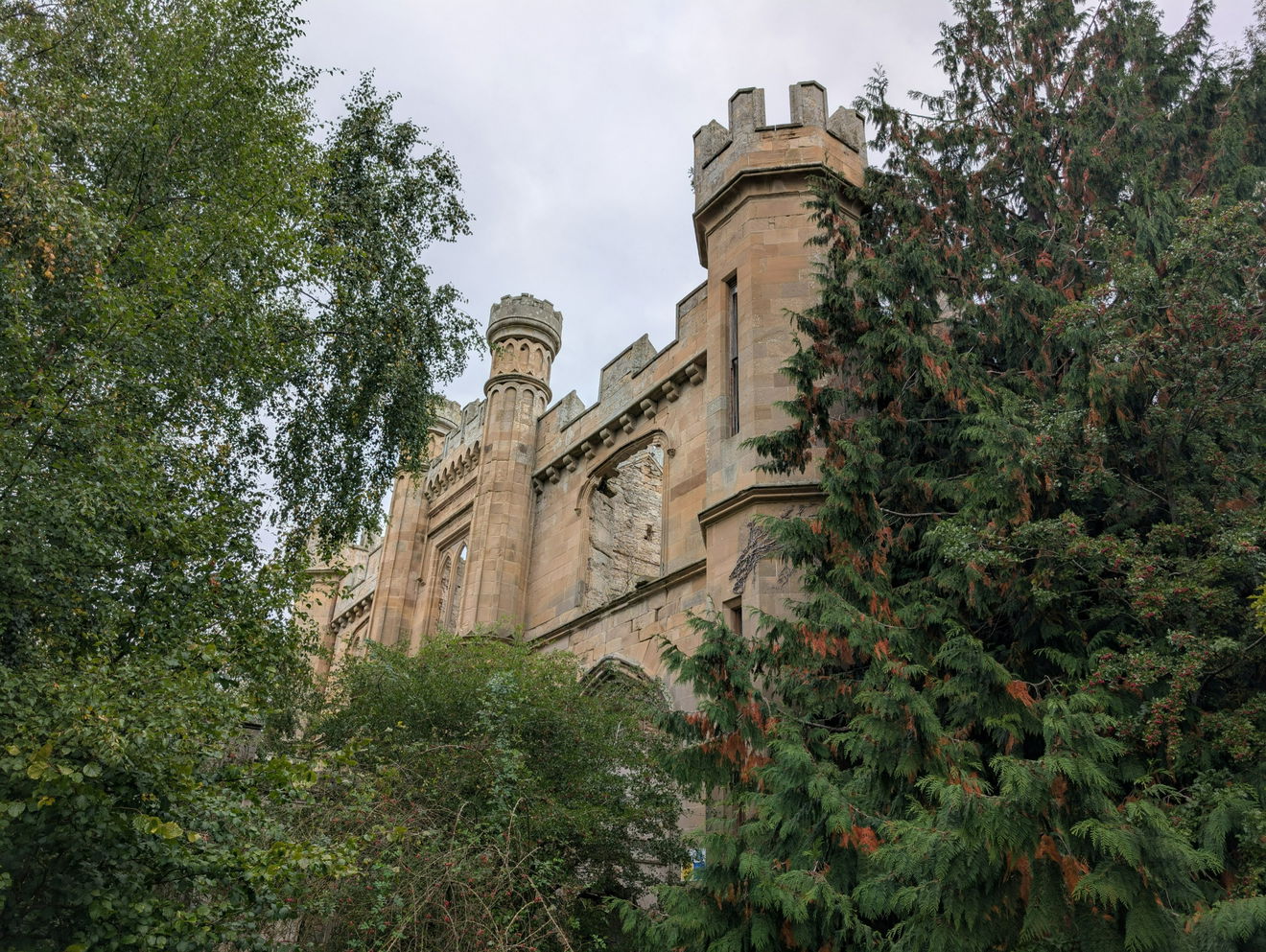
Built in 1758 by George Lindsay-Crawford, the stunning Crawford Priory began it's days as Crawford Lodge.
On spotting Crawford Priory on the OS Map, I had no idea what to expect, but as a lover of ruinous buildings, this amazing place made my day.
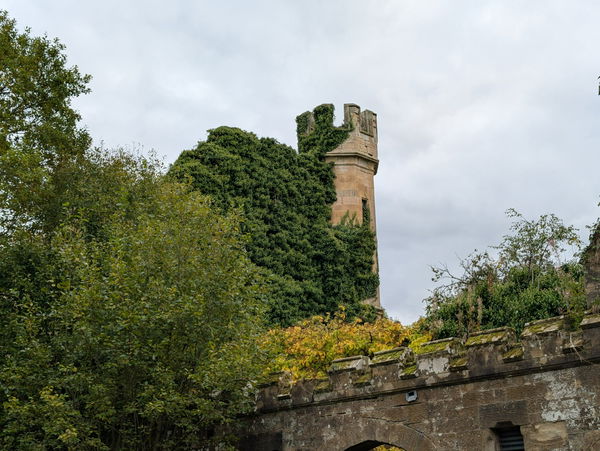
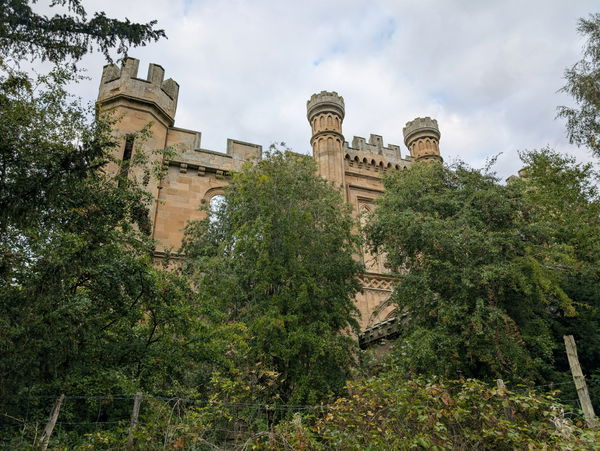
In 1758, George Lindsay-Crawford (21st Earl of Crawford), moved his family from Ayrshire when a fire destroyed Kilbirnie Castle which was their family home.
After a brief stint at Bourntreehill House near Irvine, he decided to settle near the old Lindsay family home near Cupar, and have Crawford Lodge built.
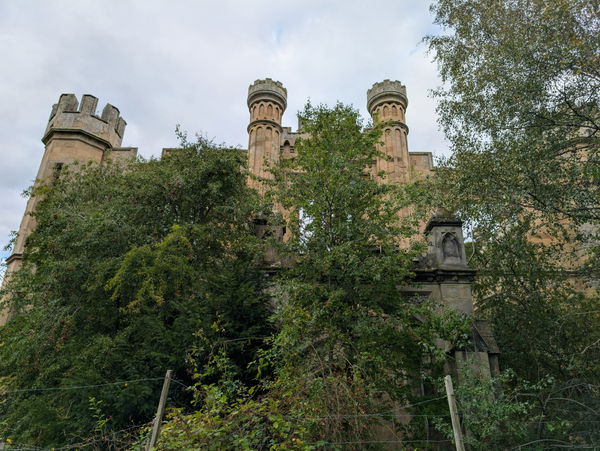
On his death in 1781, the property passed to his eldest son George Lindsay-Crawford (22nd Earl of Crawford).
In 1808, he died unmarried and childless. With a lack of male heirs, the property passed to Lady Mary Lindsay Crawford.
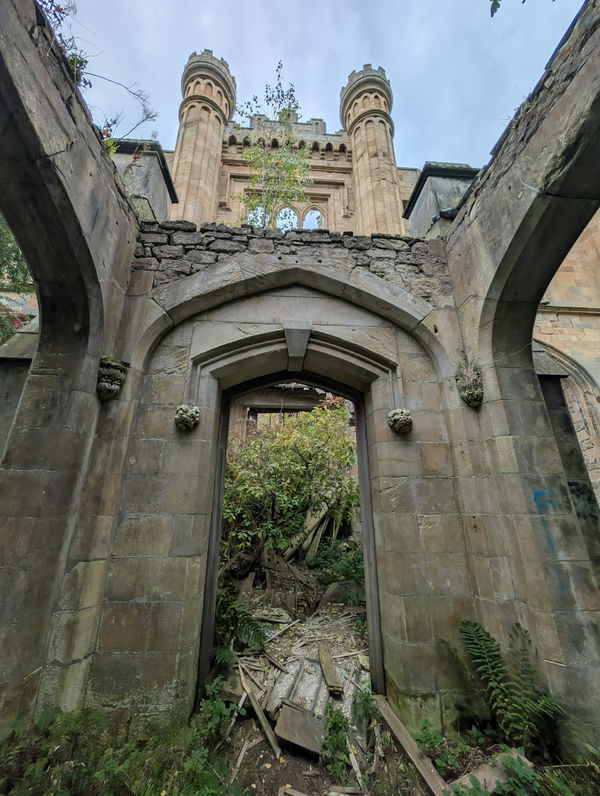
It was under Lady Crawford's leadership, that Crawford Lodge underwent major renovations. She employed the architects David Hamilton and James Cleland, who based their designs around Dunblane Cathedral. The construction work commenced in 1809.
Unhappy with Hamilton's lack of communication, in 1810 she chose to replaced them with James Gillespie Graham. Graham continued with the project, basing his designs on Rossie Priory. The property was finally complete in 1813.
This was when the name was changed to Crawford Priory, matching the new appearance of the building.
The fifty room house, contained a huge grand hall measuring approximately 16m by 9m. It sported stained glass windows by William Raphael Eginton which contained a full length figure of an apostle and family coat of arms. It also was topped off with a decorative ceiling by Thomas Bonnar.
The other rooms were all elegantly decorated and filled with fine art. Very ostentatious!
Lady Crawford loved Crawford Priory, and lived there happily until her death in November 1833.
Her funeral service was held in the grand hall on the 2 December 1833, then she was laid to rest in the family mausoleum.
Following the death of Lady Crawford in 1833, the building fell into disrepair.
Fortunately, in 1871 George Boyle (6th Earl of Glasgow) inherited Crawford Priory, and he decided to embark on a restoration project with the help of William Little.
A 35m gothic tower was added, a new chapel design was implemented on the east wing. He also added a carriage porch and the interior was completely renovated.
In 1890, Boyle died with huge debts, and his heir, David Boyle (7th Earl of Glasgow) was forced to sell off his estates including Crawford Priory.
In 1919, the house passed to the politician Thomas Cochrane who made the house his family seat. In 1920, he commissioned Reginald Fairlie to remodel the property, adding wood panelling and moving the carriage porch.
By 1969, it had passed to Thomas Cochrane (2nd Baron of Cults), who occupied Crawford Priory until his death in 1968.
This was the last time Crawford Priory was lived in.
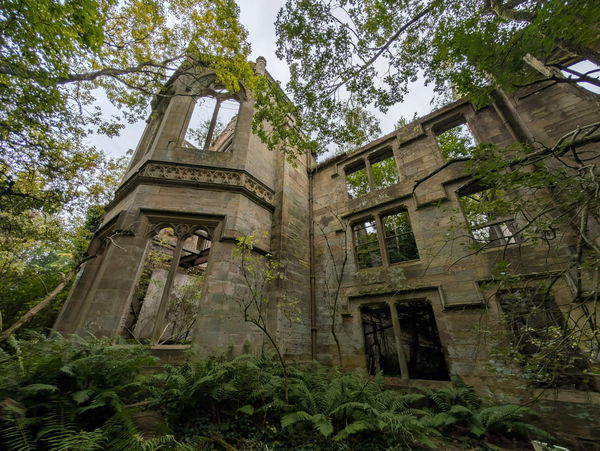
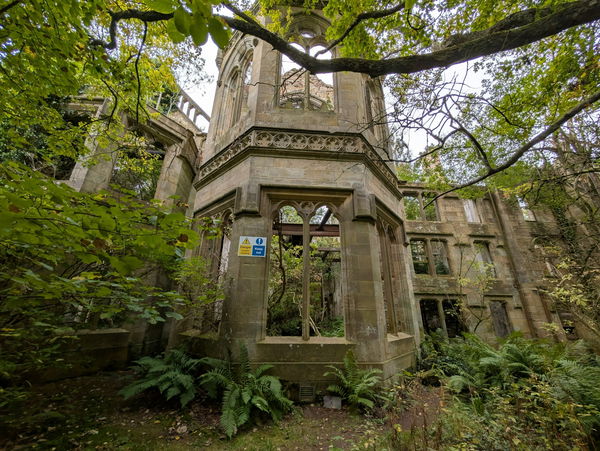
In November 1991, most of the roof was removed. Later that year, a golf course was created in the surrounding area, subject to the buildings retention.
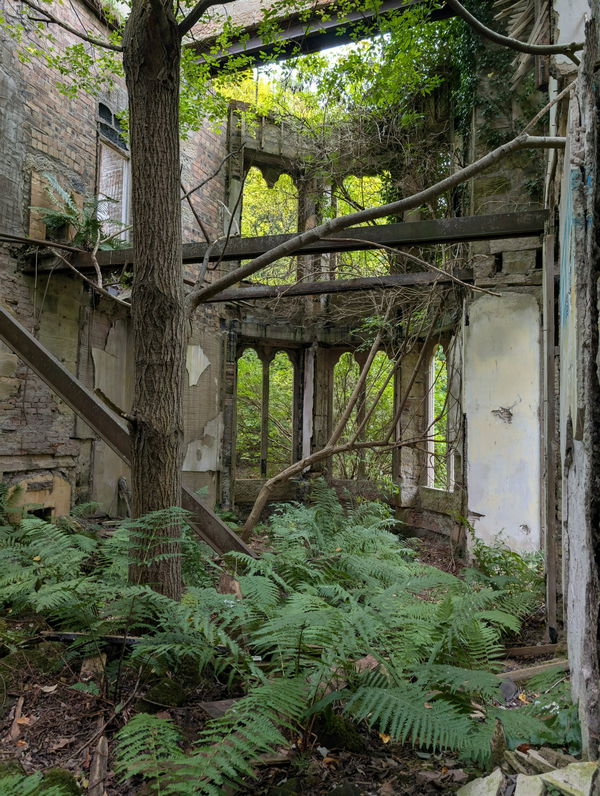
In 1995, the building was gutted by fire and became structurally unstable.
The Cochranes who still own the property made continued efforts to have it demolished, however there were numerous external attempts to salvage the building.
In March 1997, the Cochranes and Historic Environment Scotland placed the building with 1.5 acres of land on the market for £80,000.
No offers were received and all subsequent demolition requests have been rejected.
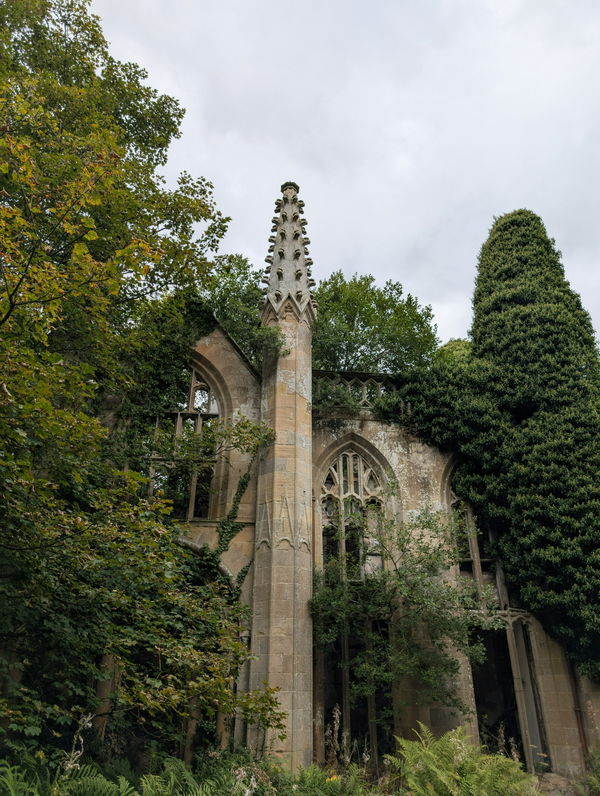
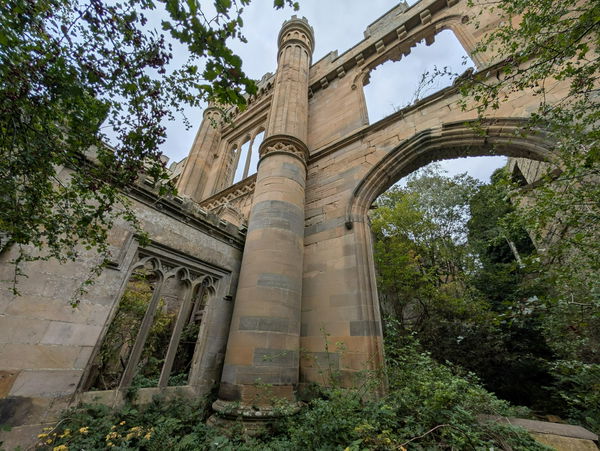
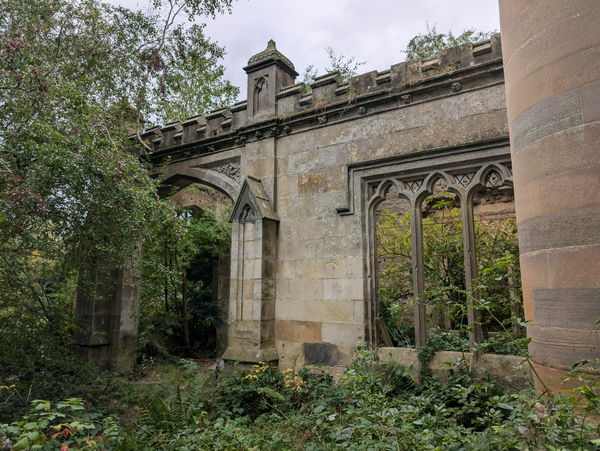
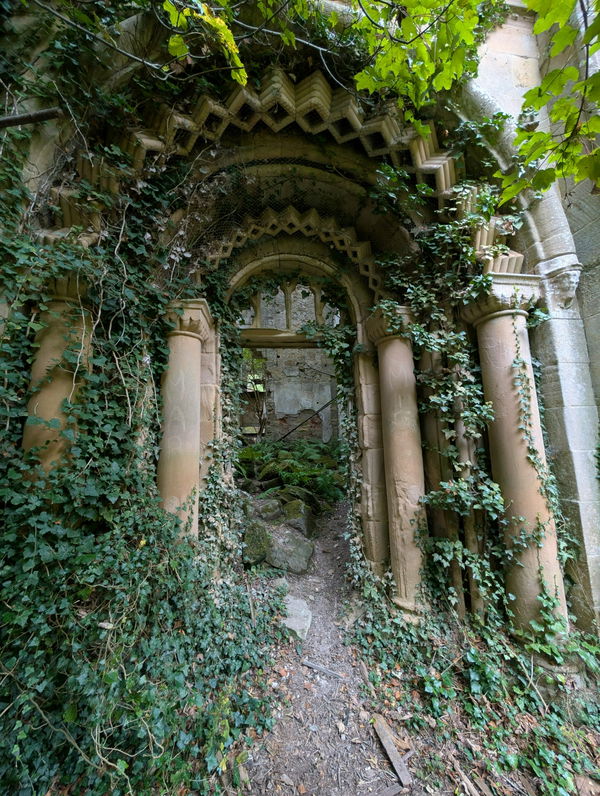
The classic gothic revival sandstone building features octagonal turrets, large arched windows and classic gothic pinnacles.
I would have loved to see this fine building in it's heyday.
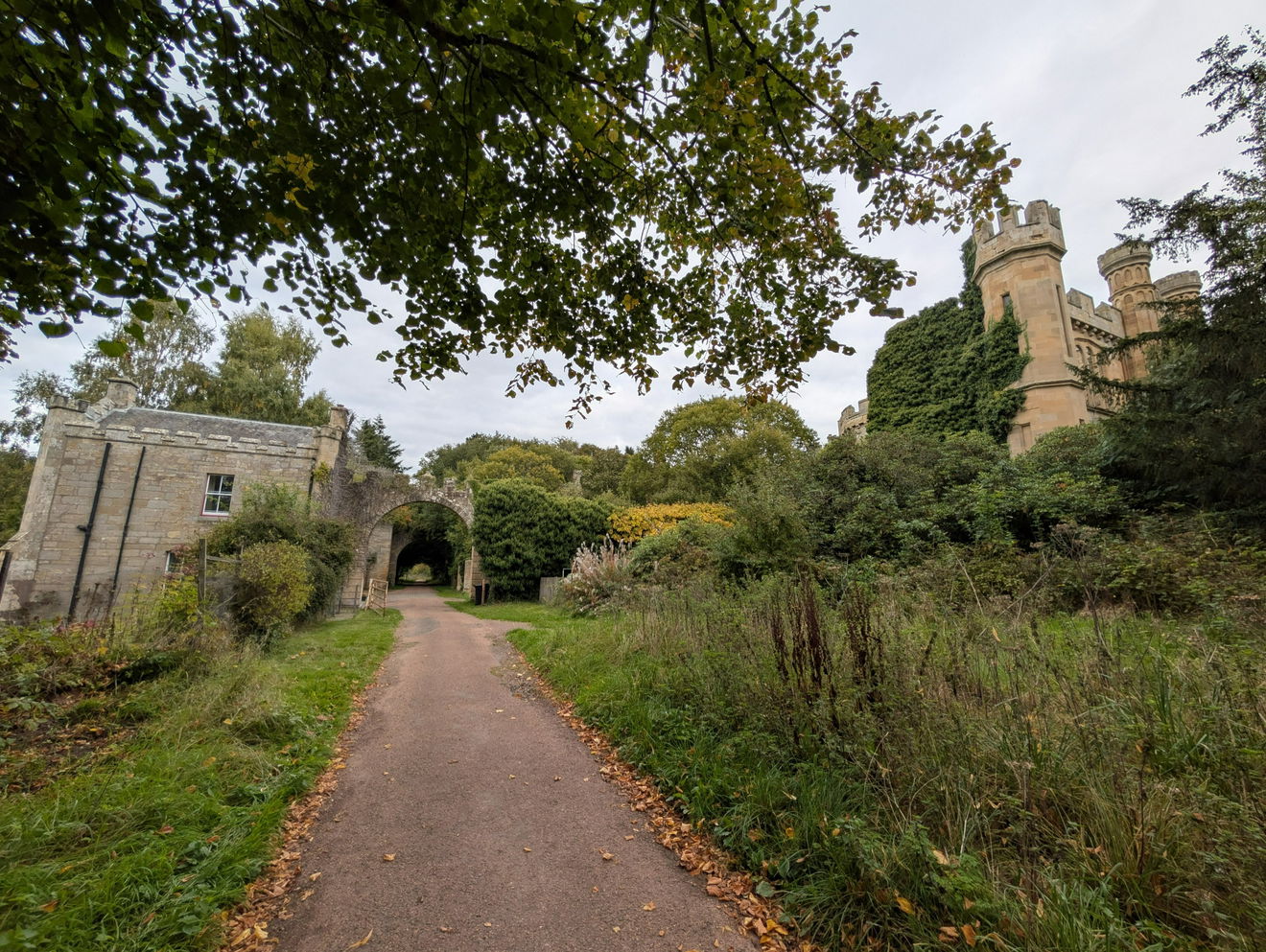
Even though it has been consumed by the surrounding woodland, it's grandeur is formidable and only adds to it's romanticism.
If I only had an endless pit of money, I would be tempted to plough it into this gem.
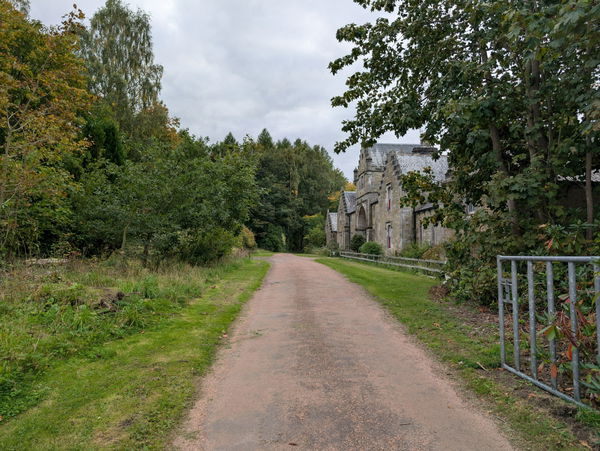
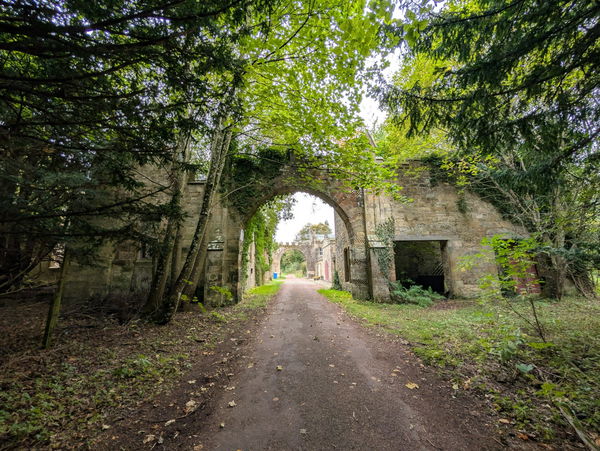
Crawford Priory is Category B Listed Building with Historic Environment Scotland.
It is around 1km to get to Crawford Priory.
The ground around the priory is rough and there is lots of fallen masonry, so please be careful. It is advised that you do not enter the building.
Get 3 points if you have visited this place. Already visited by 5 VIPs.
Login to the VIP area to add places to your bucket list, mark them as visited and more importantly see where you rank on the league table.
How To Find Crawford Priory
Where Is Crawford Priory?
Lat / Long
56.289454282921476, -3.055696330674875
What three words
Where To Park For Crawford Priory?
Lat / Long
56.2941397662152, -3.049610998146629
What three words
There is parking for two cars.
Contributed by Lorraine London
I have been a keen hill walker for many years and more recently enjoy trig bagging. When I'm not exploring Northumberland, County Durham and Yorkshire, I spend most of my holidays in bonny Scotland. Other than hills, I love investigating ruinous buildings and waterfalls. I have been a member of NT and EH for years, which also gives me access to Historic Environment Scotland places.
More Places from Lorraine
More Places In Fife
Find more fabulous places in Fife, Scotland and if you know of a place we haven't listed, then let us know.
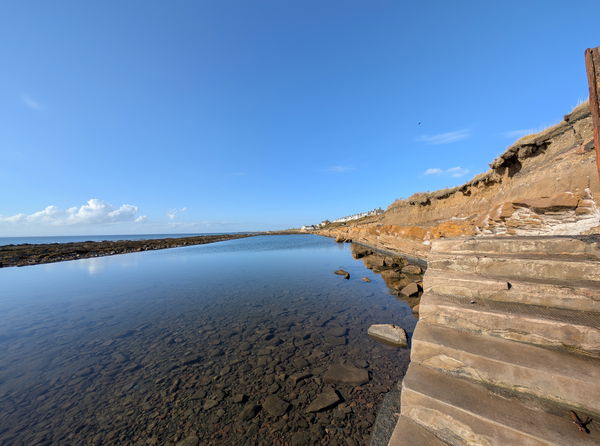
St Monans Tidal Pool
Water Fife ScotlandA 1930's built outdoor tidal swimming pool, on the coastal path at St Monans.
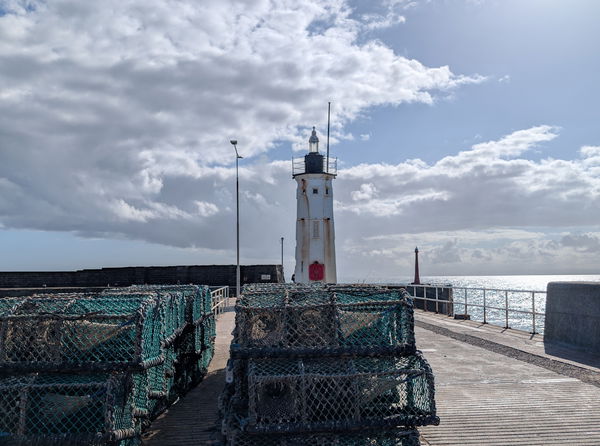
Chalmers Lighthouse
Lighthouse Fife ScotlandA small lighthouse that sits on the end of the west pier at Anstruther Harbour.
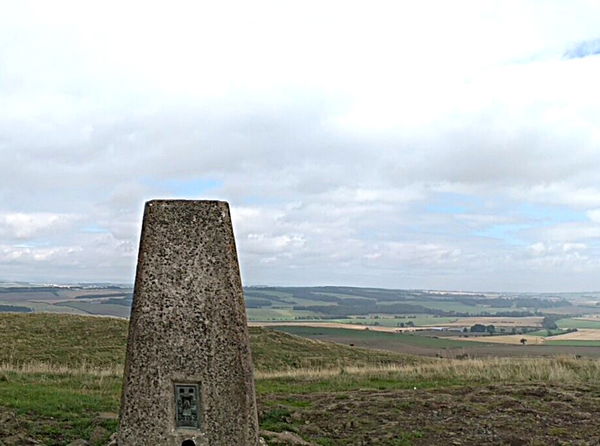
Largo Law Trig Point
Trig Point Fife ScotlandThe Largo Law Trig Point sits on an ancient volcano (290m) near Upper Largo, Fife.
More Buildings
So this building wasn't enough and you want more? Don't worry we have you covered.
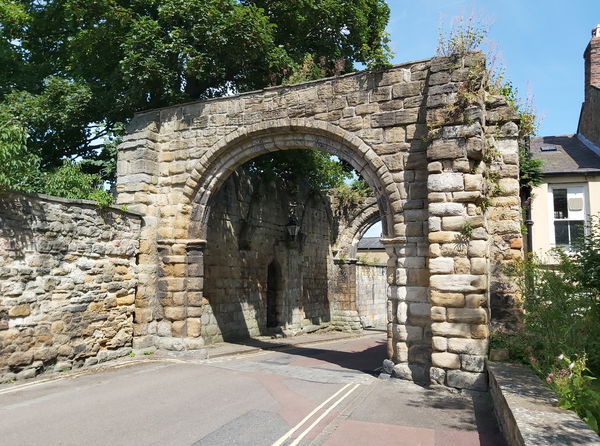
St Wilfrid's Gateway
Building Hexham NorthumberlandThe remains of a gatehouse that lead to an Augustinian Priory Church.
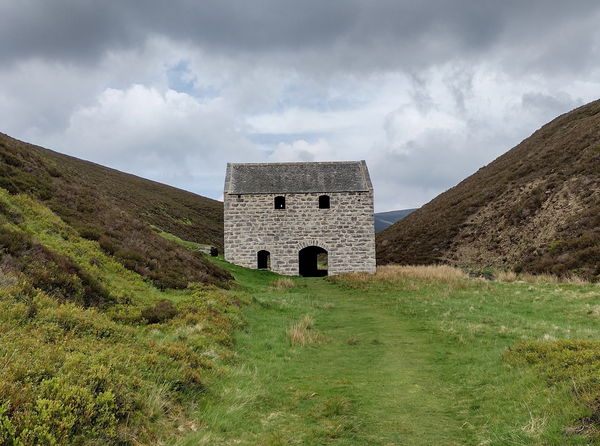
Lecht Mine
Building Ballater ScotlandThe remains of an 18th century iron mine in a beautiful remote spot near Tomintoul.
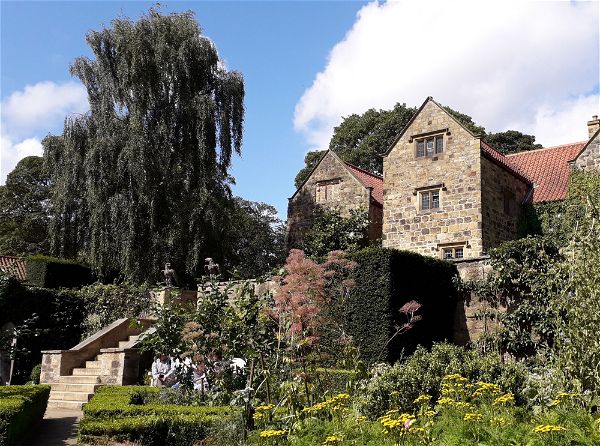
Washington Old Hall
Building Washington Tyne And WearManor house associated with the family of George Washington, first president of the USA.
Never Miss A Fabulous Place
If you are afraid of missing out on all the fabulous places we post, or just want to be the first to know, then sign up to the Fabulous North.
Each week we will email you all the brand new places that we visit.
Sign Up To Alerts

Find Us On Facebook
We post all our new places daily on our Facebook Groups page, so join the group today and be notified when we add a new place.
Join Our Facebook Group