
Kilchurn Castle
Castle In Oban, Scotland
A ruined 15th century castle that was once the seat of the Clan Campbell.
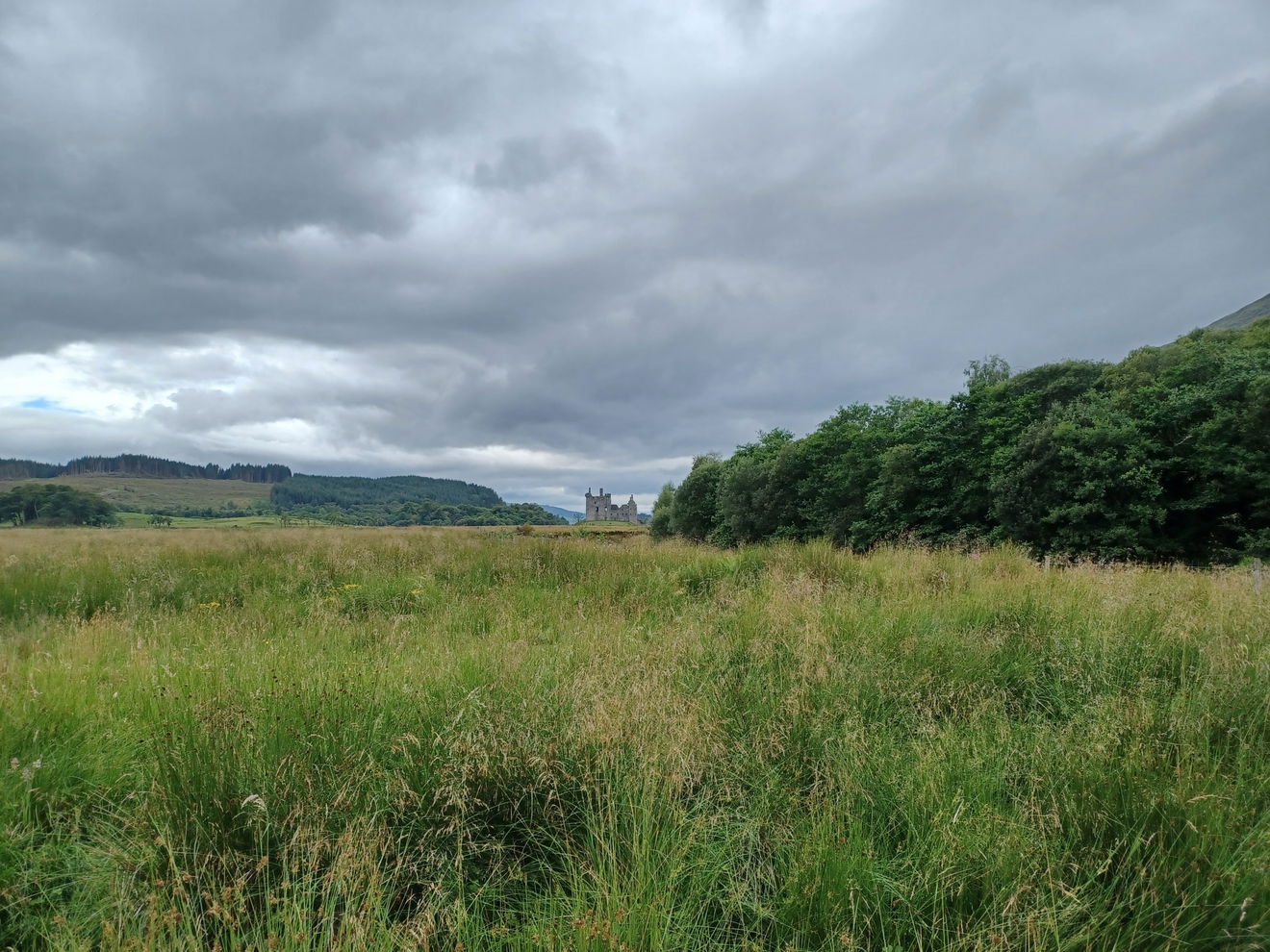
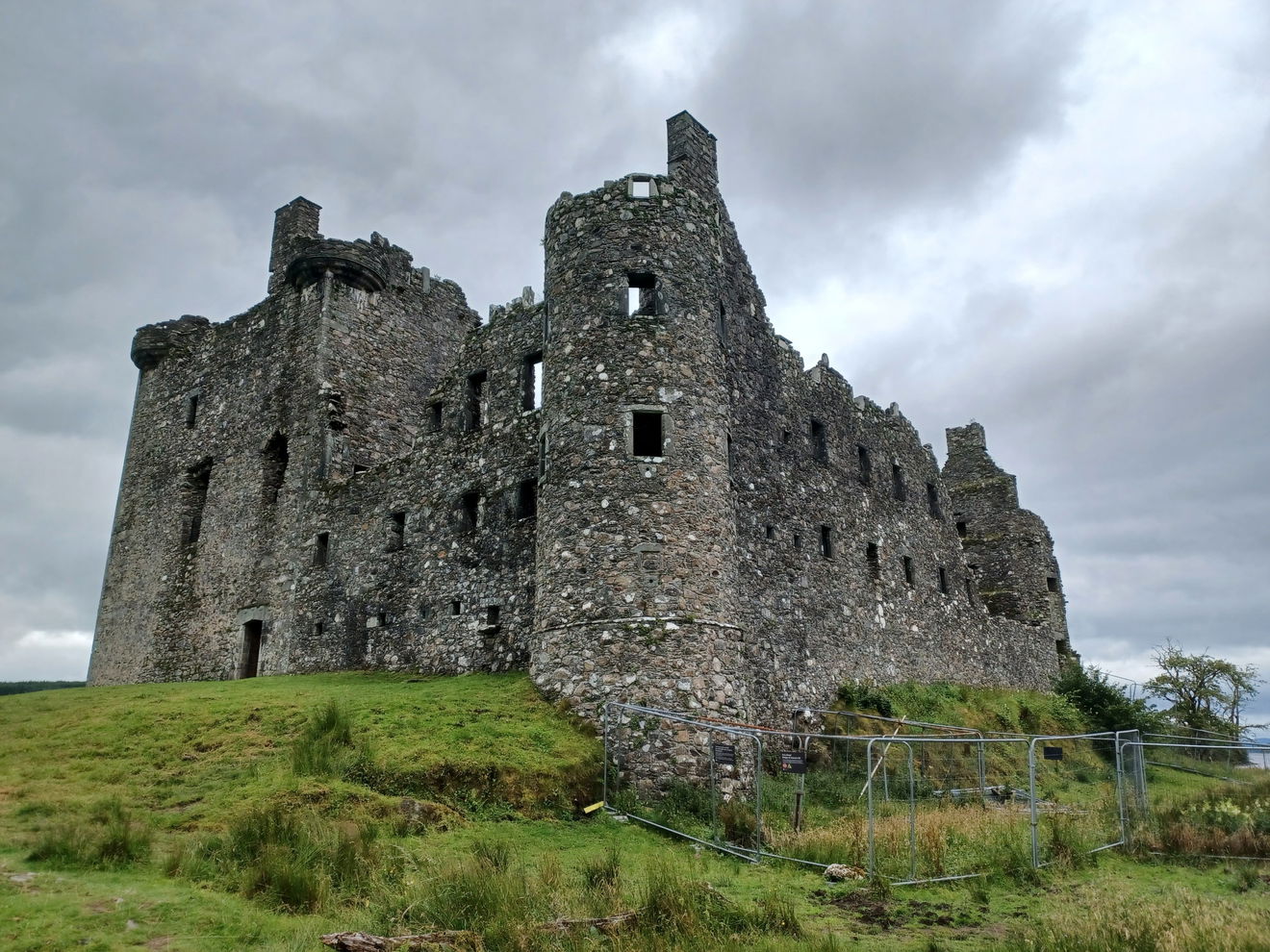
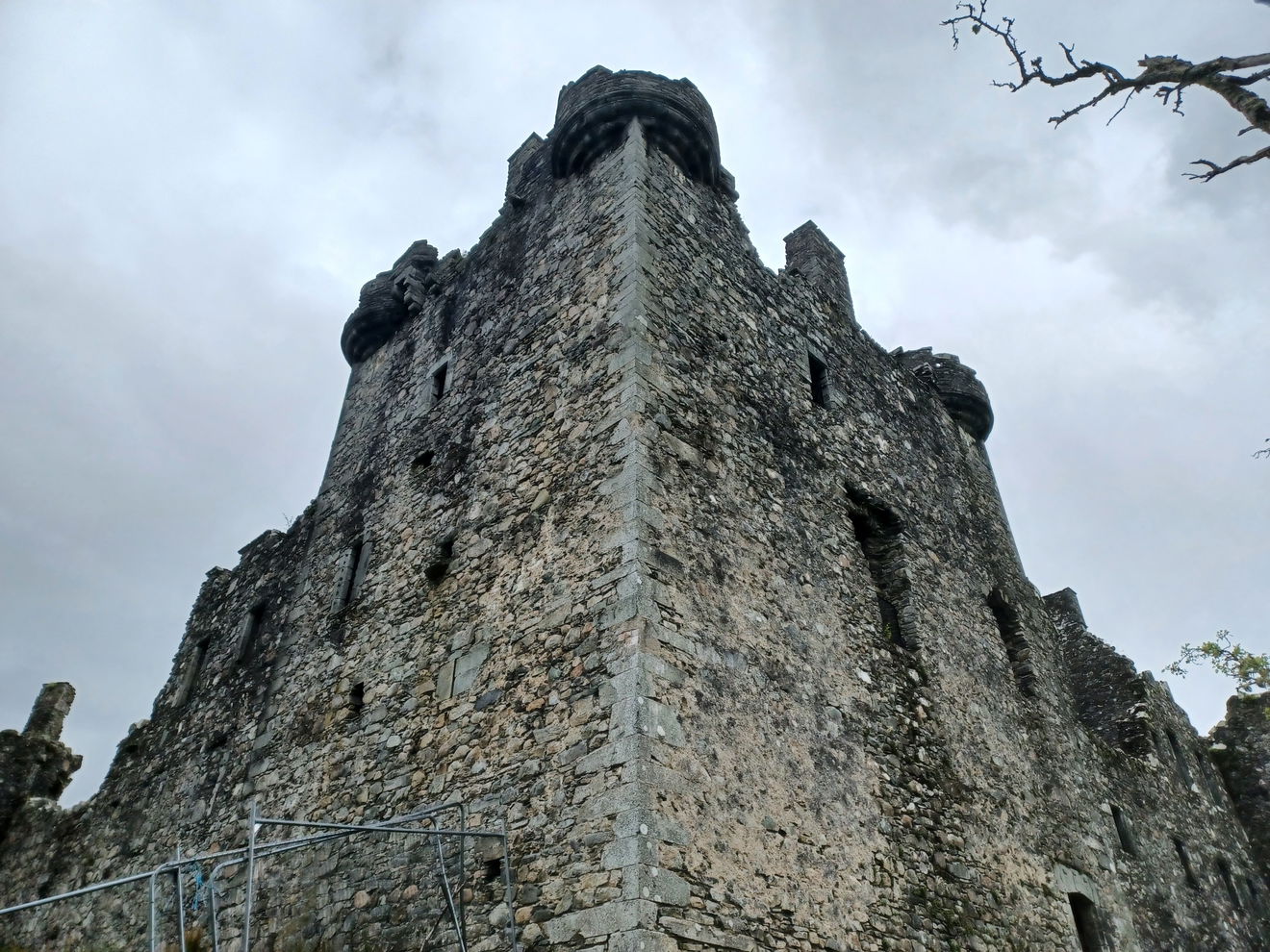
Kilchurn Castle, home to the Campbells of Glenorchy, sits right at the north eastern end of the aptly named Loch Awe, beneath the peaks of Ben Cruachan. The location gives it the feel of a romantic ruin nowadays although its past is far from romantic as it played a central role in the Jacobite Rebellions.

The origins of the castle can be traced back to the 15th century when Sir Colin Campbell, first Lord of Glenorchy, sought to consolidate his family's power in the strategically important region of Argyll. In 1440 construction began on a five-storey tower house, which was a common feature of Scottish castles of the period.

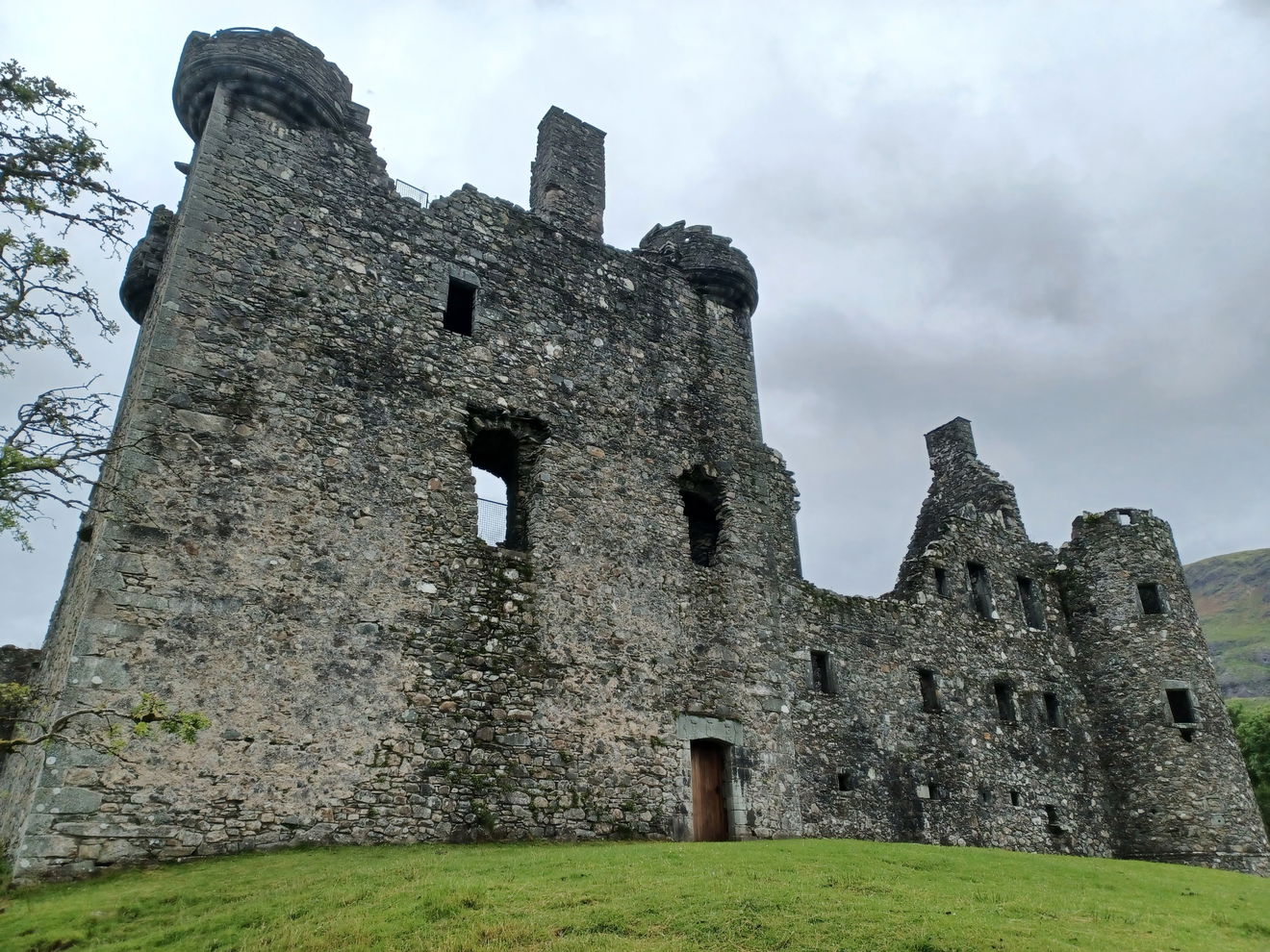
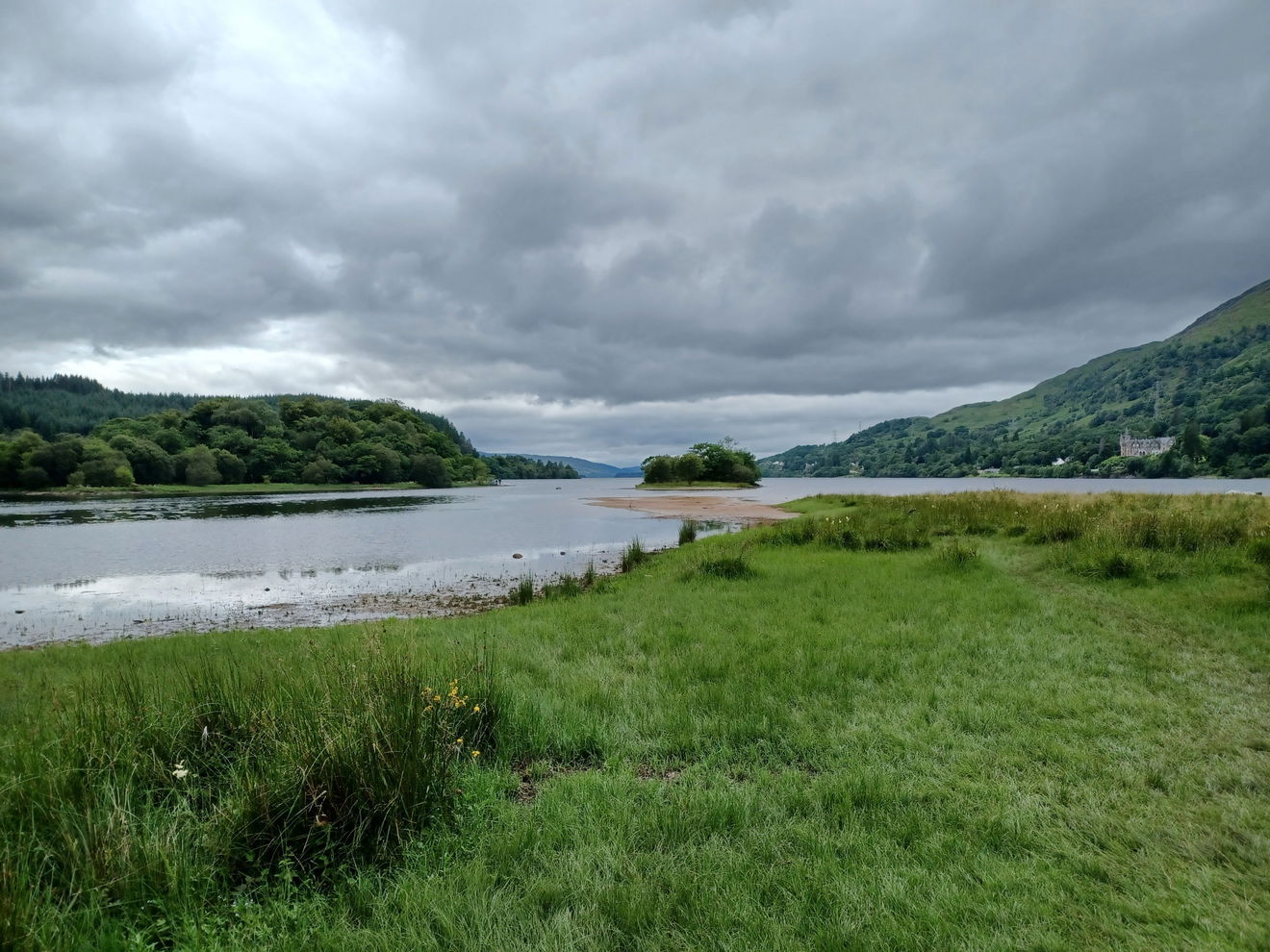
The tower house was designed to show the power and rising influence of the Campbell Clan in the surrounding area, it was part of a wider network of fortresses, including Taymouth Castle and Finlarig Castle, belonging to the Clan. The location chosen was tactical, on what was then a small island in the heart of Loch Awe. The intervening years has seen the water levels fall and the castle now sits on a peninsular.
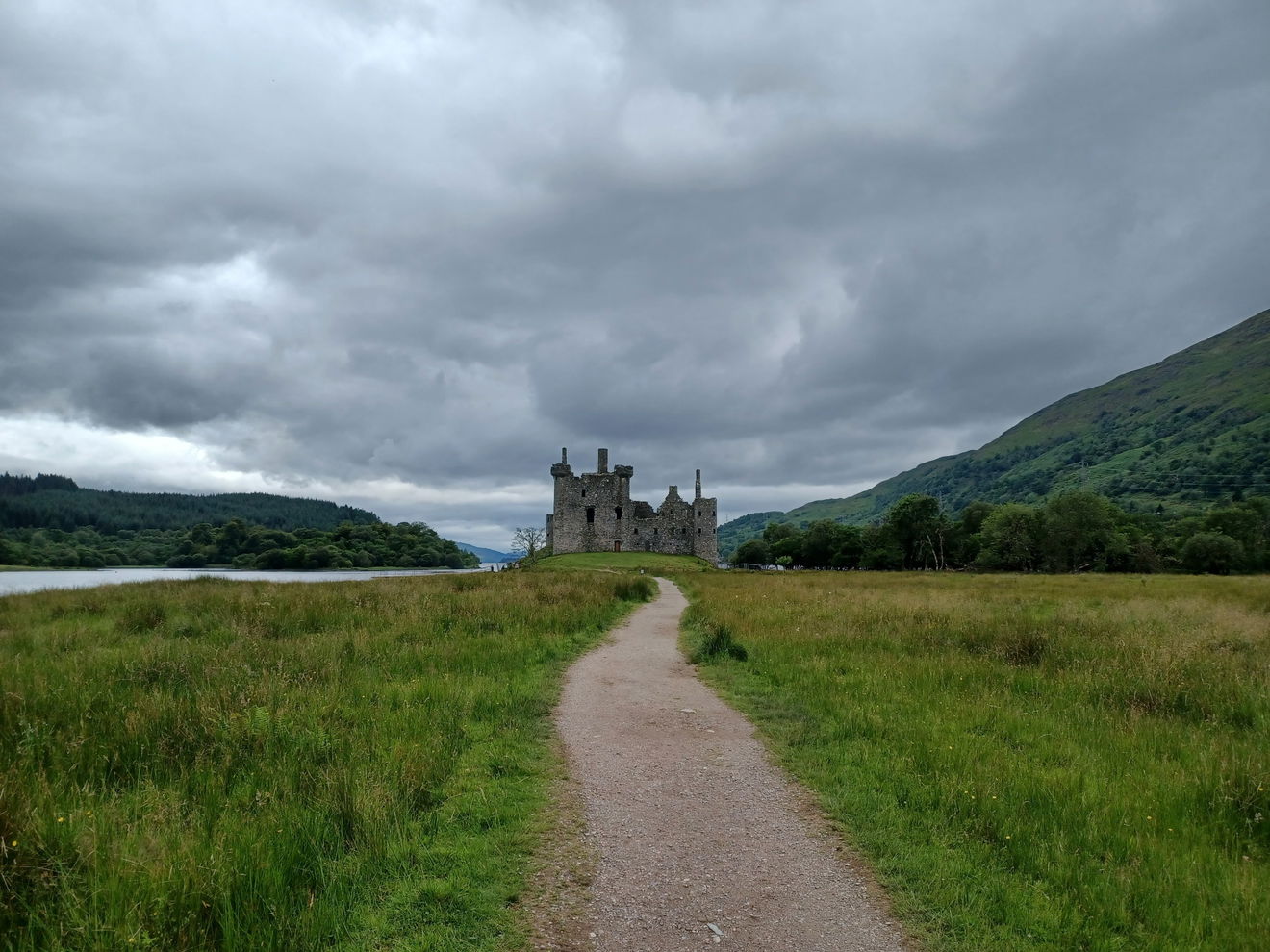
The following 200 years saw significant expansion of Kilchurn Castle, the majority of which took place in the late 16th and early 17th century under the ownership of Sir John Campbell. He added a large, rectangular courtyard with a high wall around the tower house as well as adding a great hall, bakehouse and garrison accommodation within this wall. This helped transform the castle from a family home into a seat of power, the principal residence of the Campbells of Glenorchy.
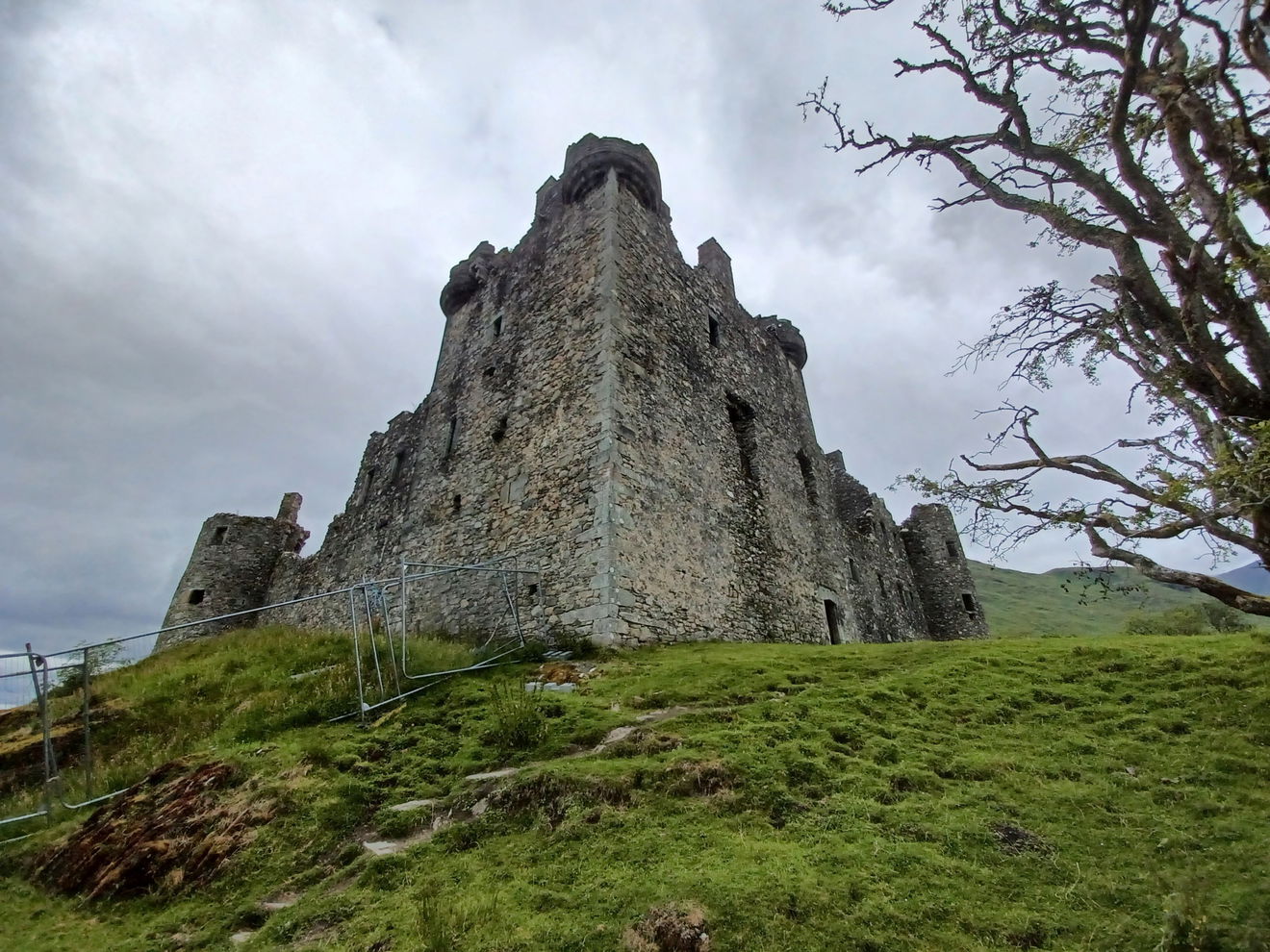
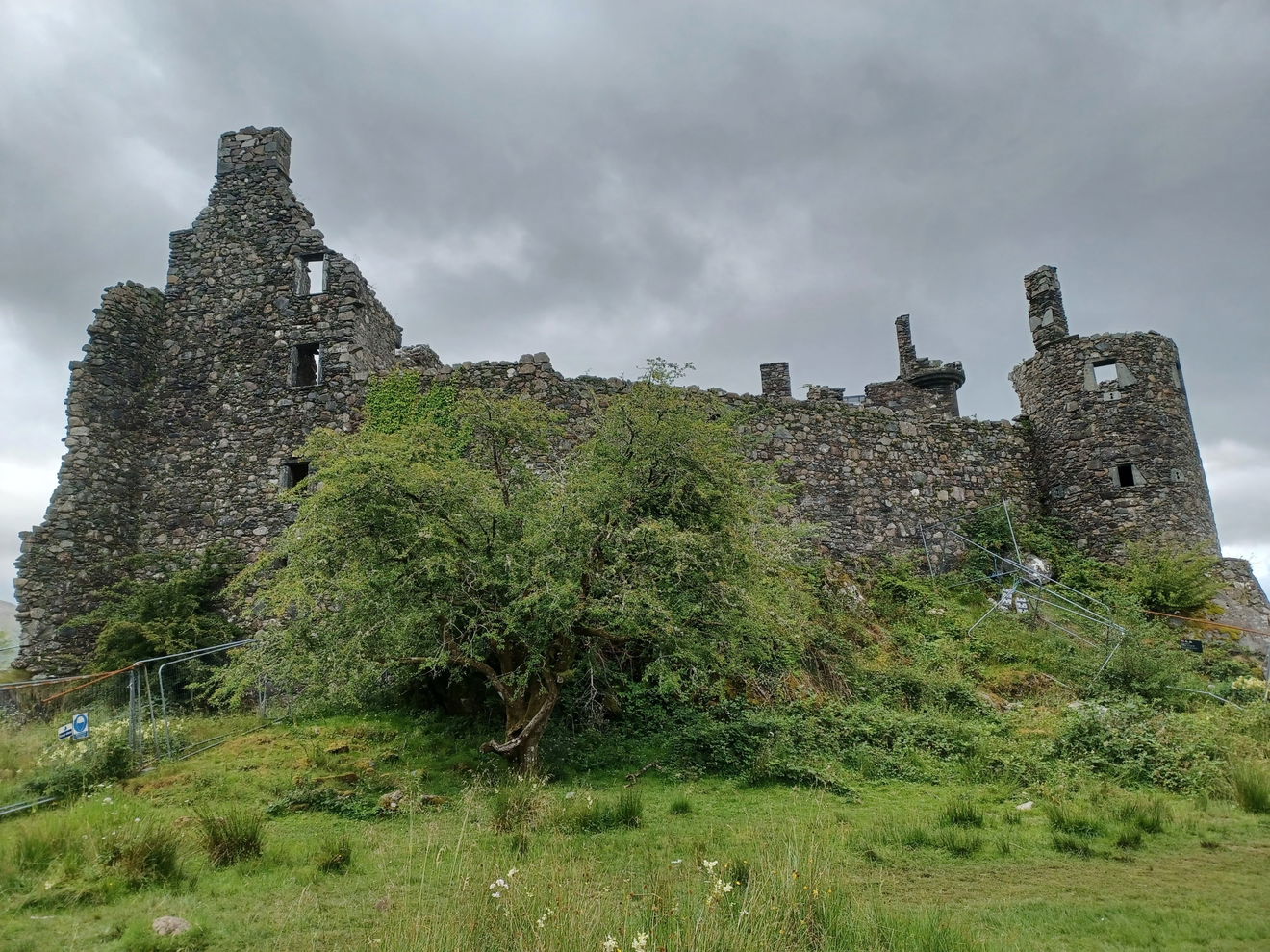
The 17th century saw the construction of the “Barrack Block”, a three-storey, L-Shaped building designed to house a permanent garrison. This signalled a move towards the castle being a professional military outpost. This was beneficial during the Jacobite Rebellions, where the castle was used by Government forces to house Hanovarian troops who were used to control the Highlanders. Its remote location made it difficult for Jacobite forces to attack it.
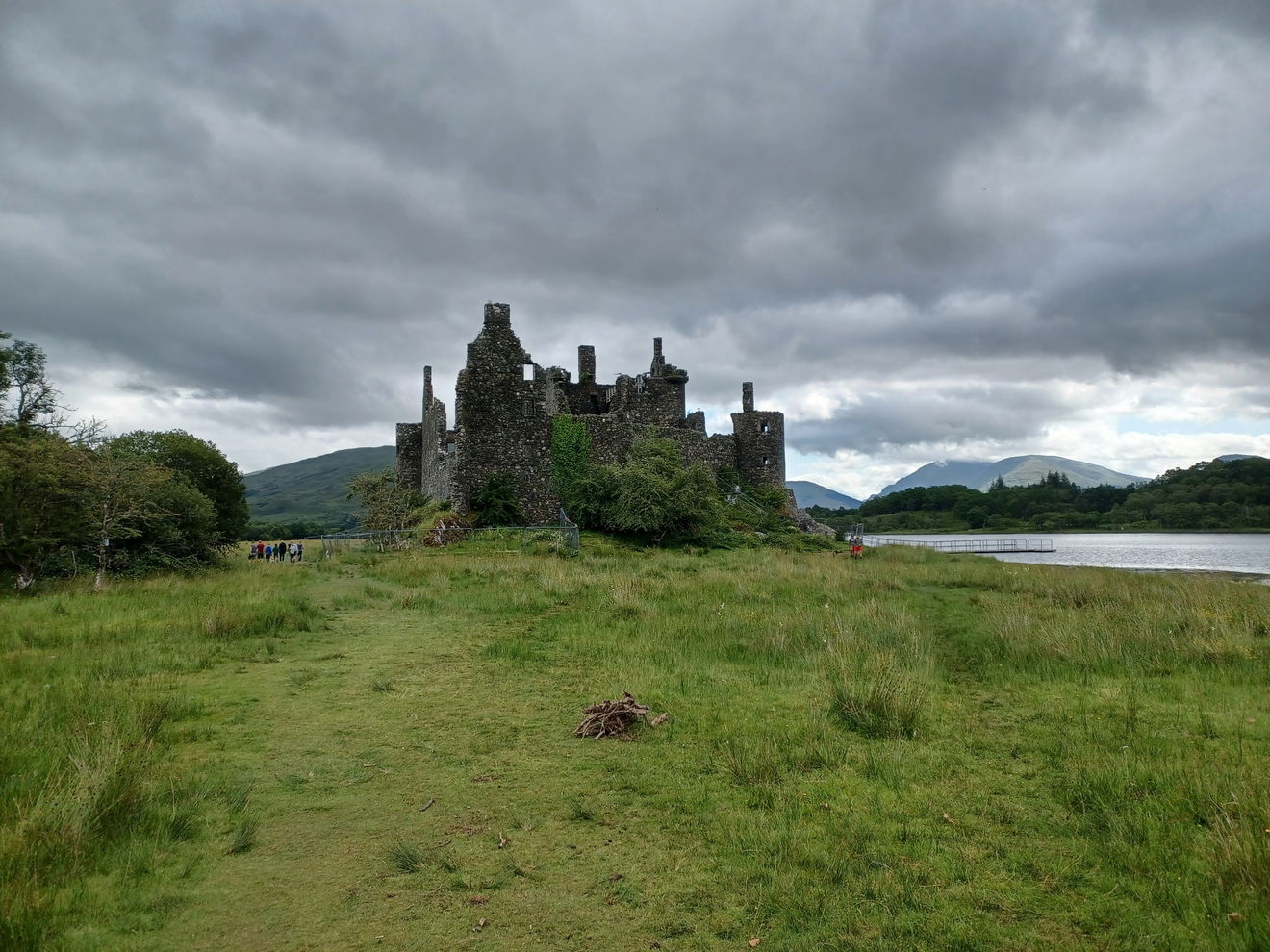
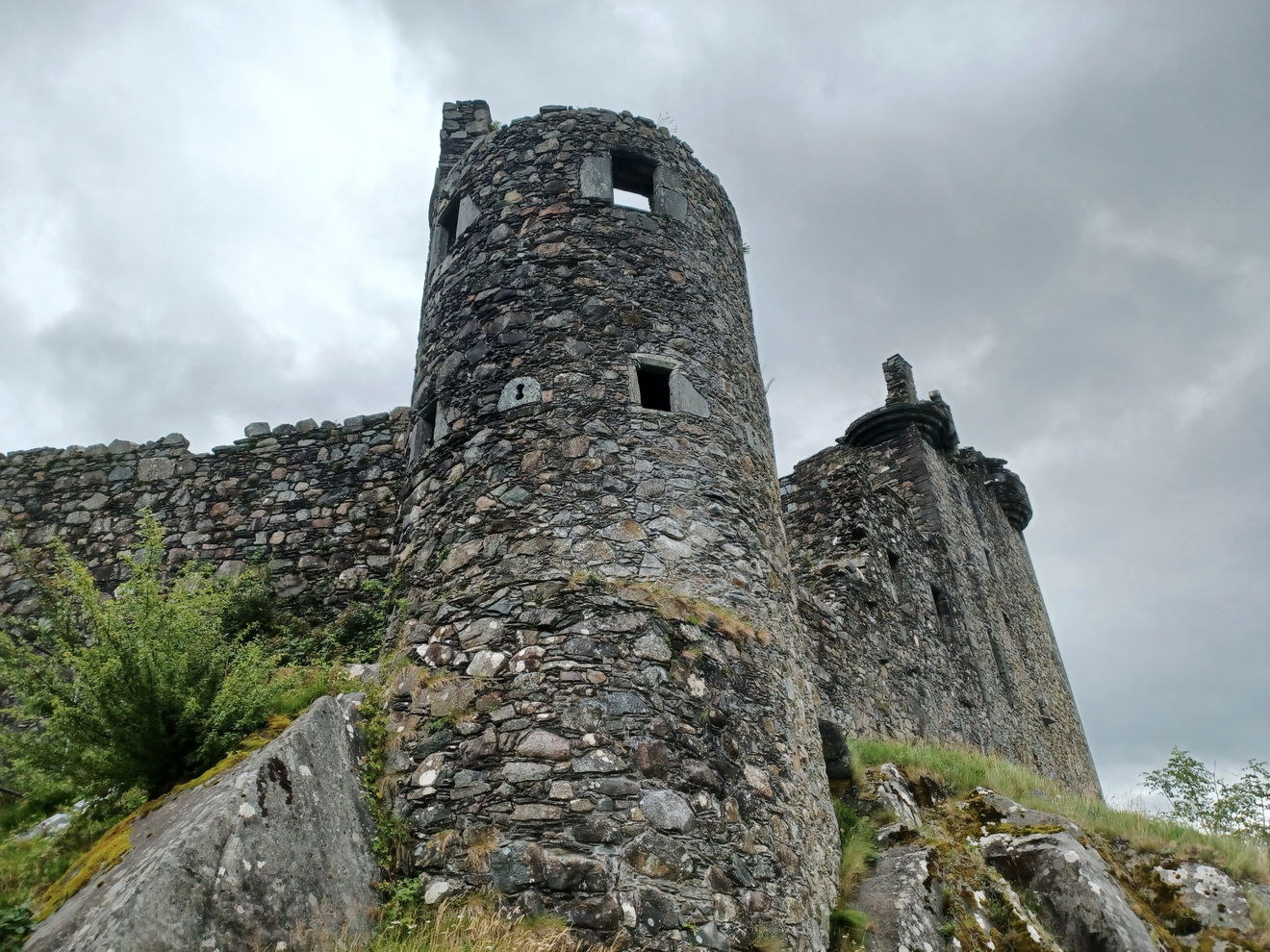
Following the defeat of the Jacobites at Culloden in 1746, the Government tightened the control they had over the Highlands and military control of the area became less pressing so the strategic importance of Kilchurn Castle reduced. The irony of its demise was that it came, not at the hands of rebellious Highlanders or as the result of a siege, but via a storm in 1760 which caused the collapse of the castle wall and barrack blocks. The cost of repair and lack of a strategic role saw the castle abandoned.
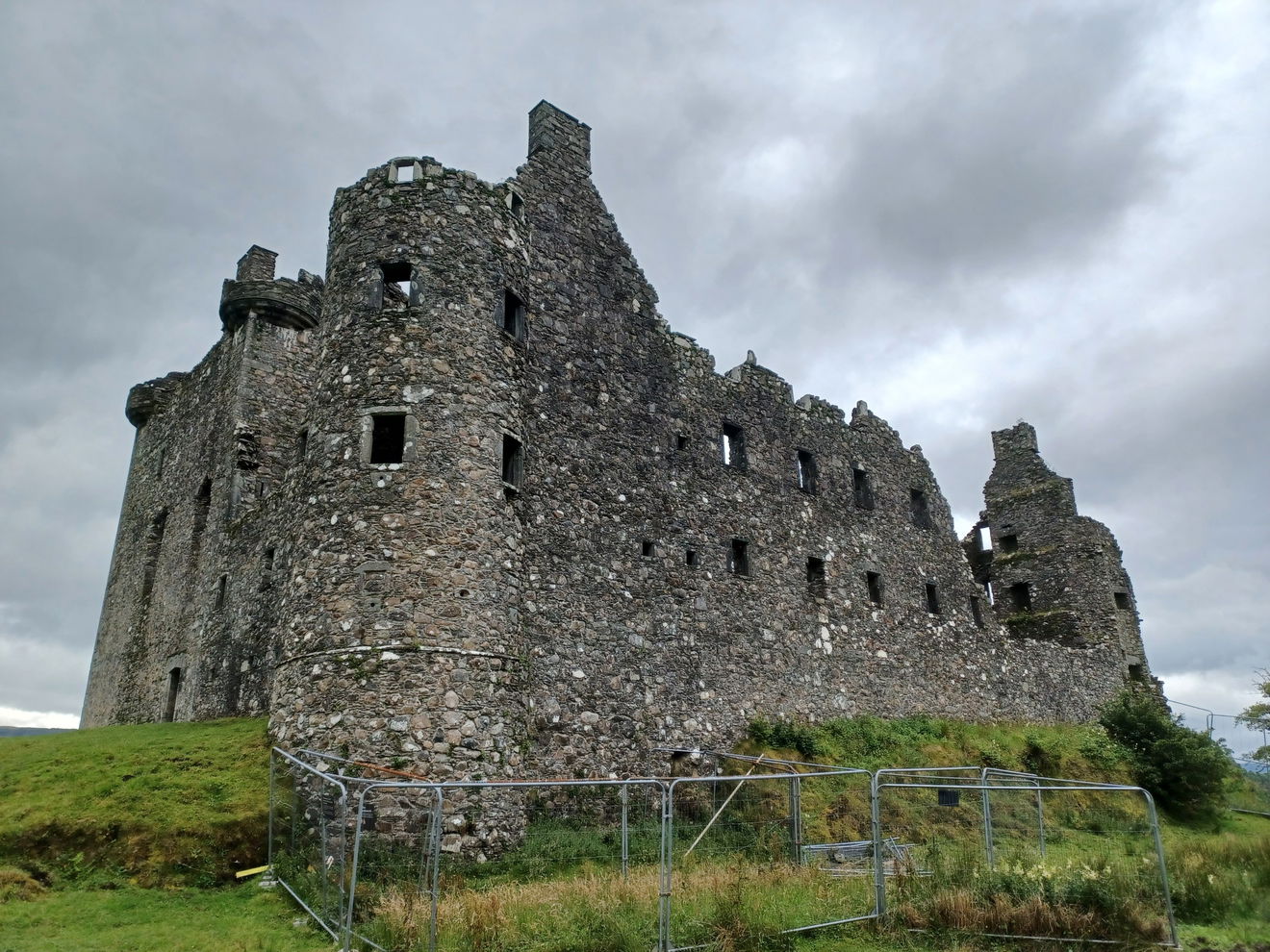
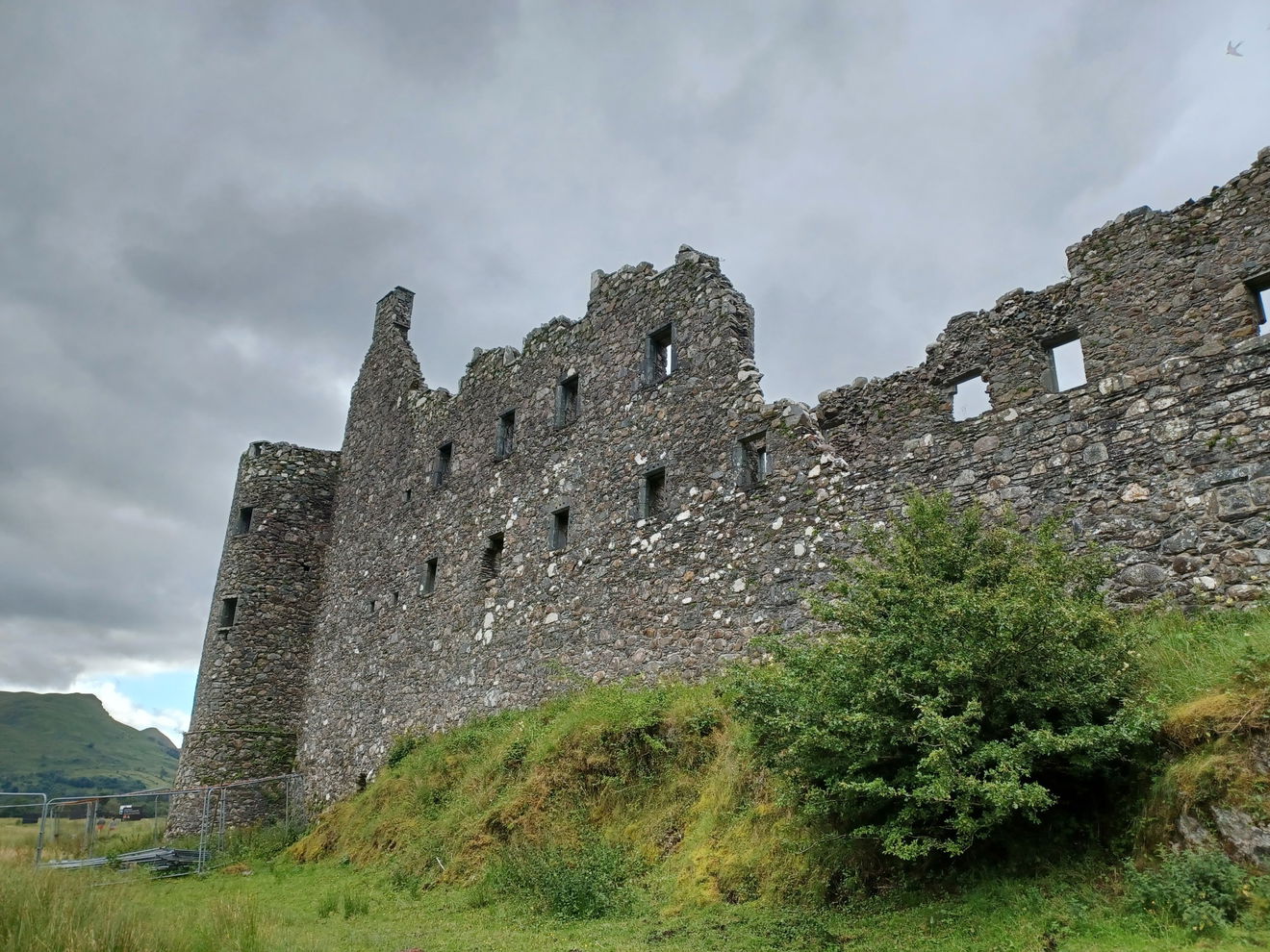
The abandonment of Kilchurn Castle saw it enter a second phase of its history, that of a romantic ruin. The Romantic movement swept across Europe during the 18th and 19th centuries and saw artists, poets and writers become obsessed with ruins! Kilchurn was perfect to serve as a muse for many including J.M.W. Turner, who painted the 1802 watercolour “Kilchurn Castle, Loch Awe”, depicting the ruined castle against a dramatic stormy sky.
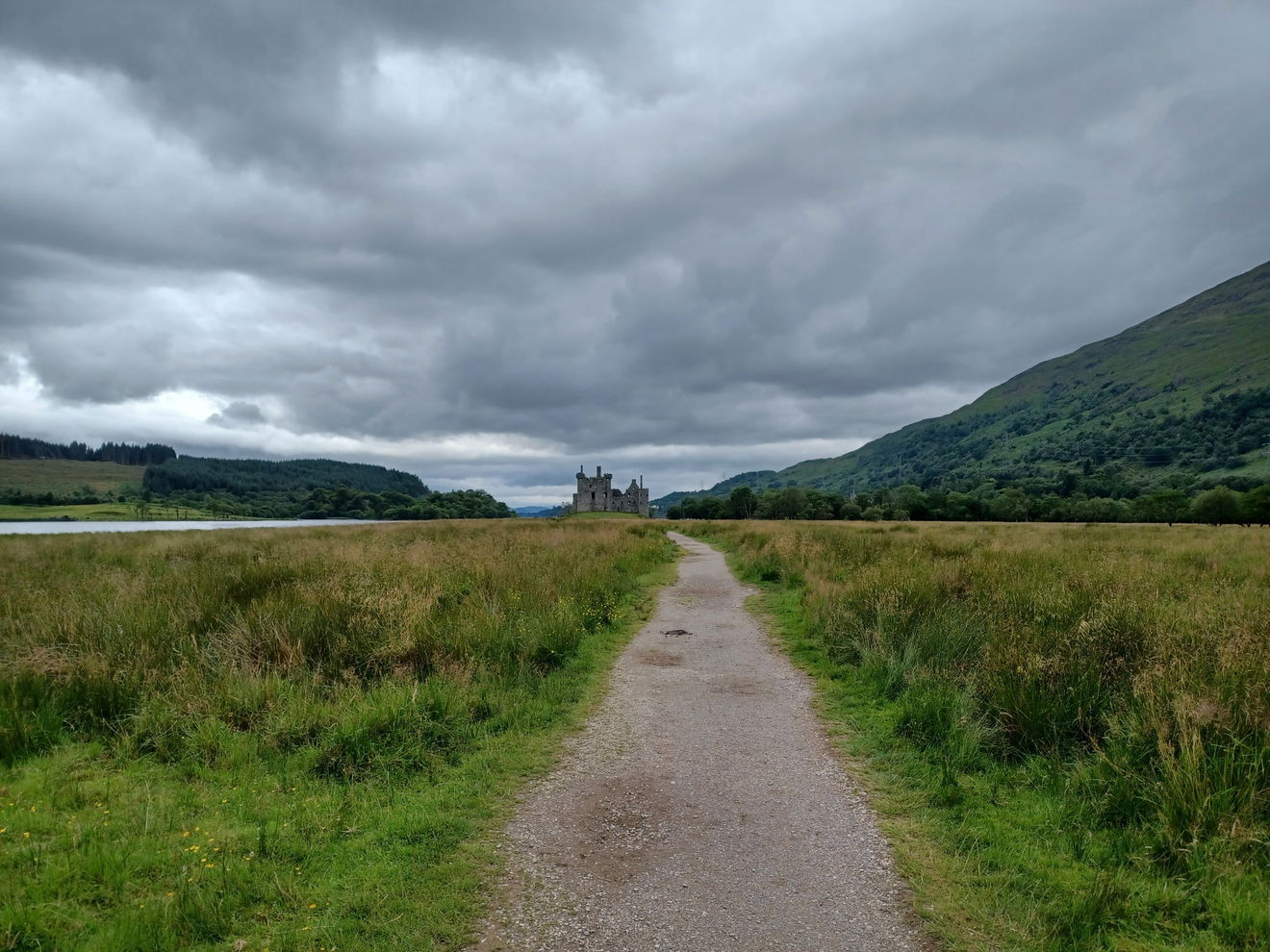
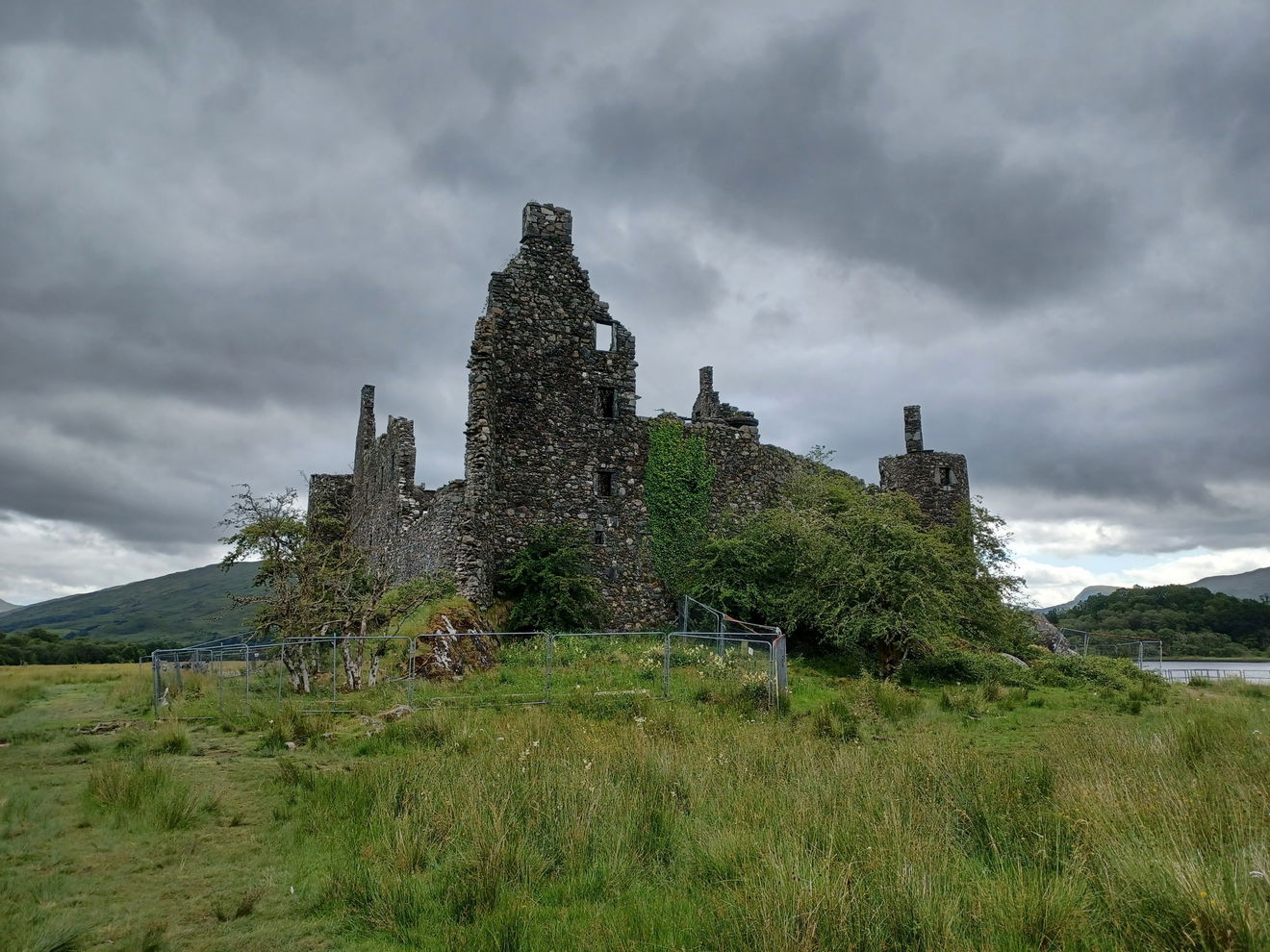
Today, Kilchurn Castle is under the care of Historic Environment Scotland and is protected as a Scheduled Monument. The site is currently fenced off due to unstable stonework that is in the process of being repaired, but you can still walk up to it and around it to get an idea of how impressive it must have been in its heyday.
Get 3 points if you have visited this place. Already visited by 16 VIPs.
Login to the VIP area to add places to your bucket list, mark them as visited and more importantly see where you rank on the league table.
How To Find Kilchurn Castle
Where Is Kilchurn Castle?
Lat / Long
56.403727, -5.0273877
What three words
Where To Park For Kilchurn Castle?
Lat / Long
56.407254, -5.0178686
What three words
Parking is available a short walk away, just off the A85.
Contributed by Andrew Gardner
I love being outdoors, in nature, and experiencing the relaxation it brings. Wandering through the northern countryside seeing unexpected buildings, historic places and occasionally surprised wildlife is one of life's great pleasures.
More Places from Andrew
More Places In Oban
Find more fabulous places in Oban, Scotland and if you know of a place we haven't listed, then let us know.
Dunstaffnage Castle and Chapel
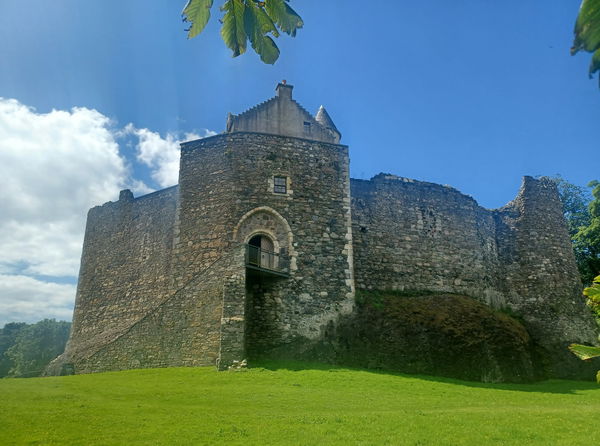
Castle Oban ScotlandOne of Scotland's oldest stone castles, built in the 1220s.
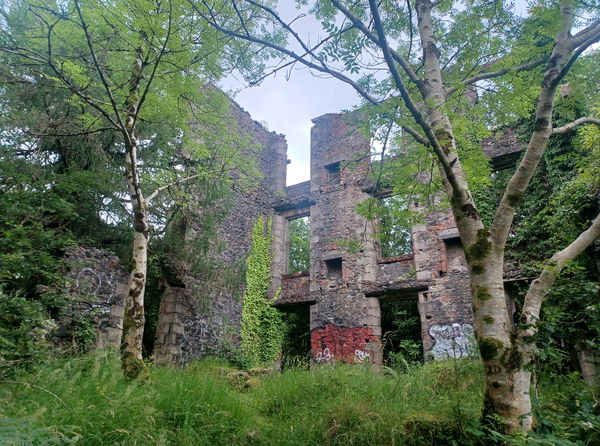
Oban Hydropathic Sanatorium
Building Oban ScotlandAn unfinished hotel left to ruin in the hills near Oban.
More Castles
So this castle wasn't enough and you want more? Don't worry we have you covered.
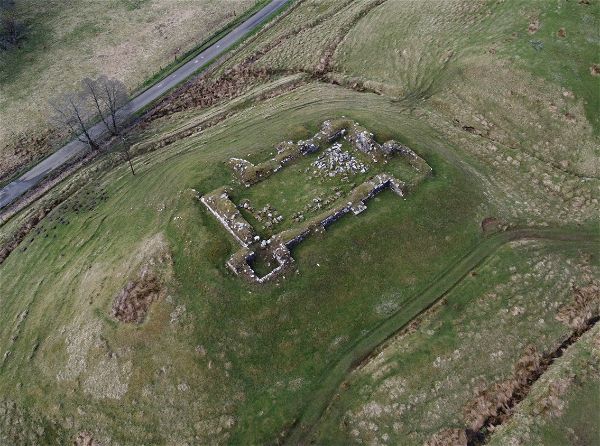
Dally Castle
Castle Bellingham NorthumberlandExplore 13th century Dally Castle ruins, one of Northumberland's earliest hall houses showcasing medieval architecture.
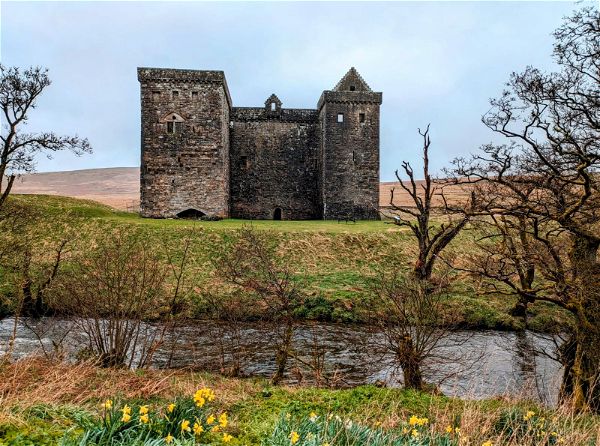
Hermitage Castle
Castle Newcastleton ScotlandA ruined border fortress built in the 13th century and associated with battles and Mary, Queen of Scots.
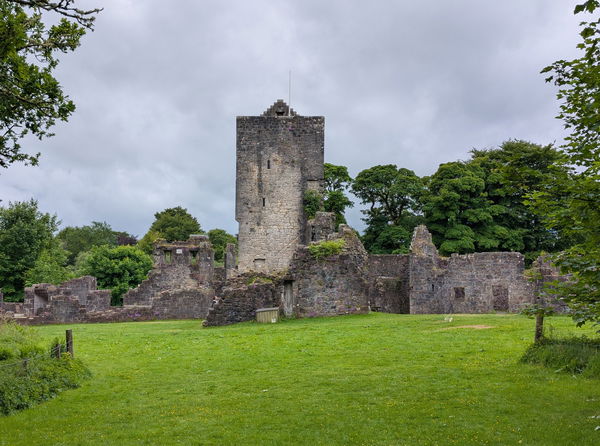
Mugdock Castle
Castle Milngavie ScotlandA fantastic 14th century ruinous castle that has had many extensions and gardens added over the ages.
Never Miss A Fabulous Place
If you are afraid of missing out on all the fabulous places we post, or just want to be the first to know, then sign up to the Fabulous North.
Each week we will email you all the brand new places that we visit.
Sign Up To Alerts

Find Us On Facebook
We post all our new places daily on our Facebook Groups page, so join the group today and be notified when we add a new place.
Join Our Facebook Group