
Lochleven Castle
Castle In Perth, Scotland
The famous castle built on an island in the middle of Loch Leven, where Mary Queen of Scots was imprisoned.
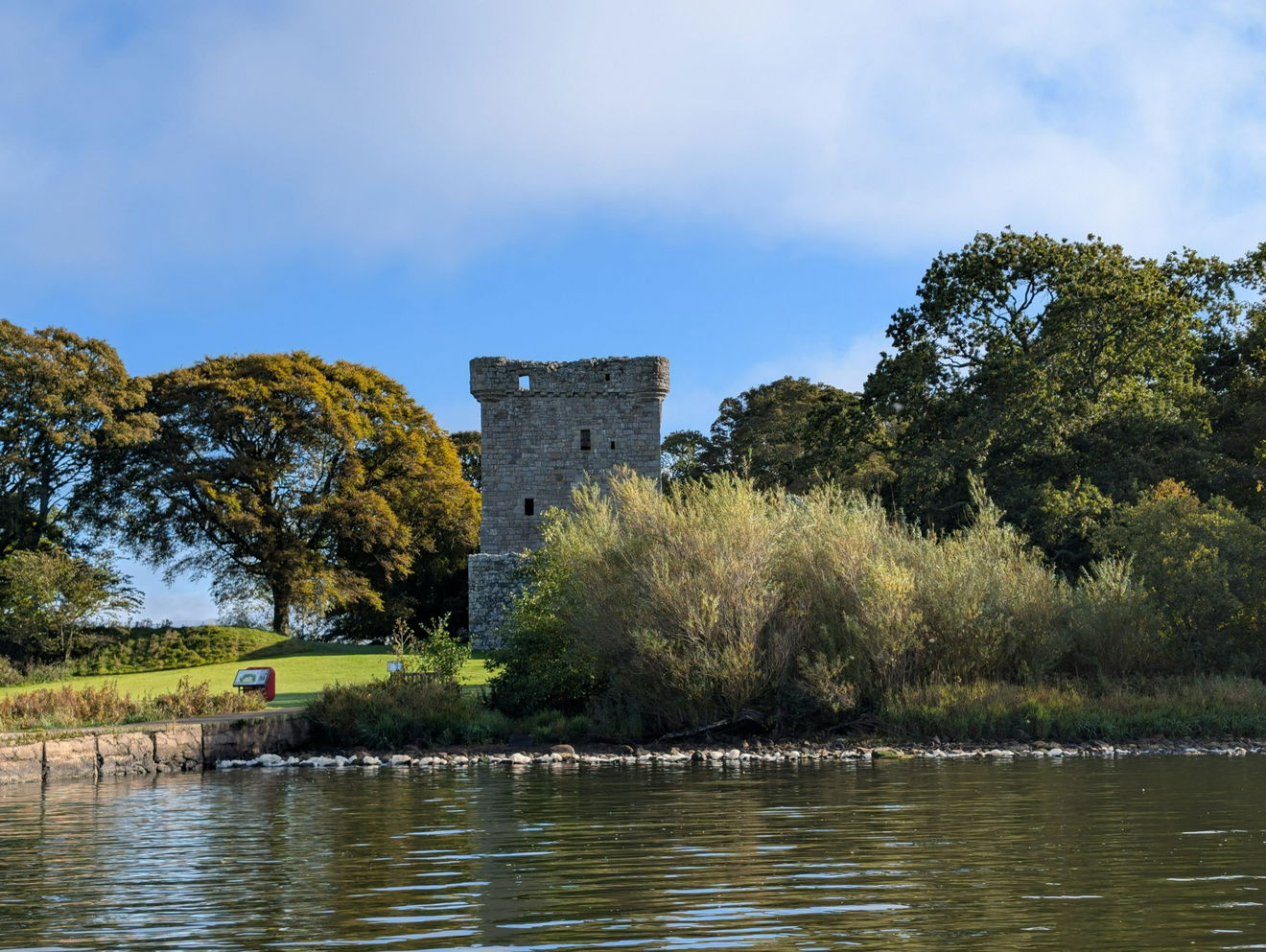
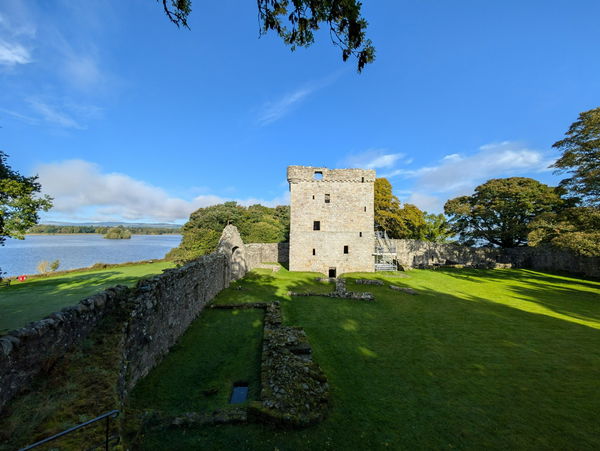
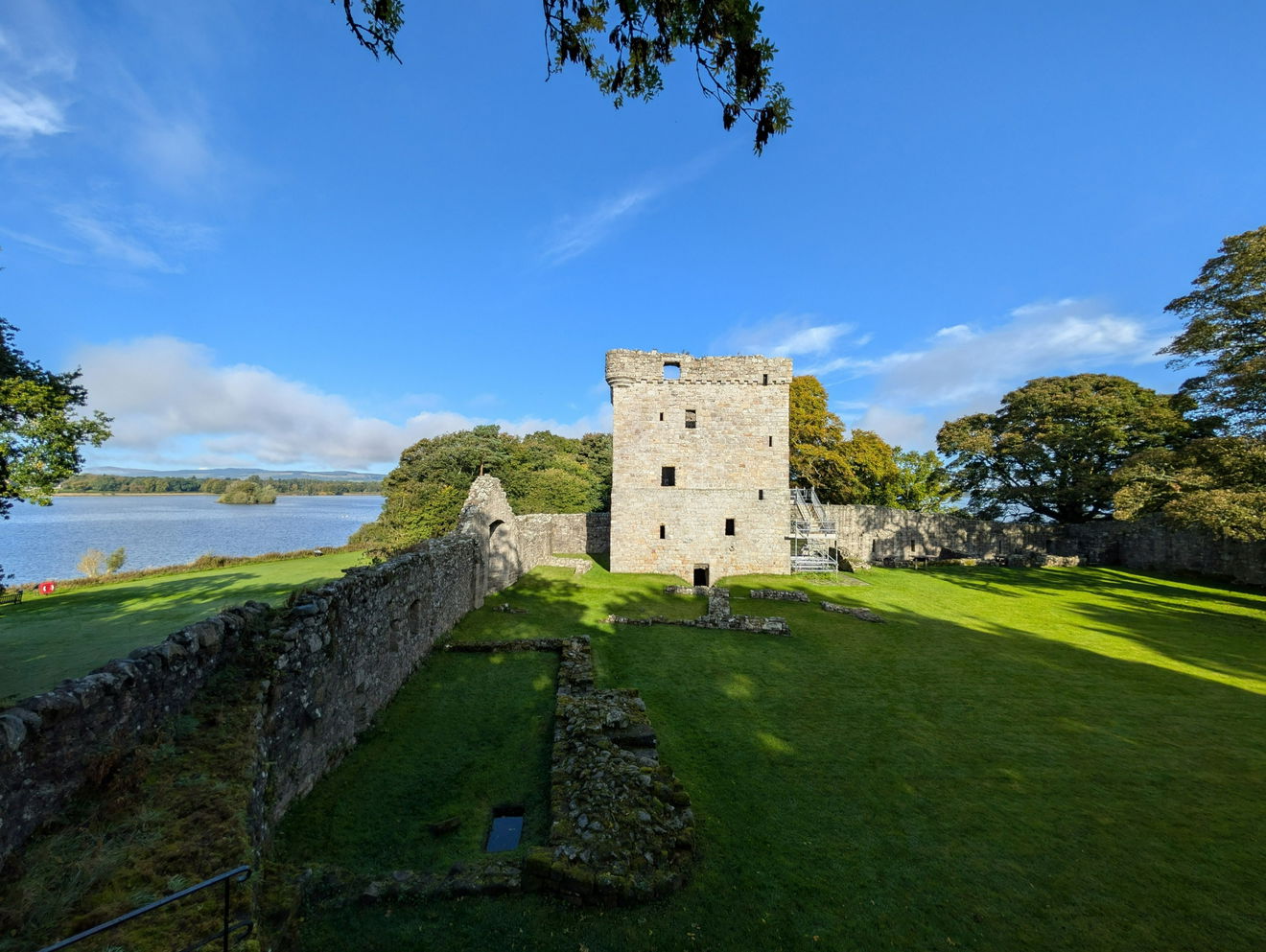
Lochleven Castle is a ruinous castle that stands on an island in the middle of Loch Leven in Kinross.
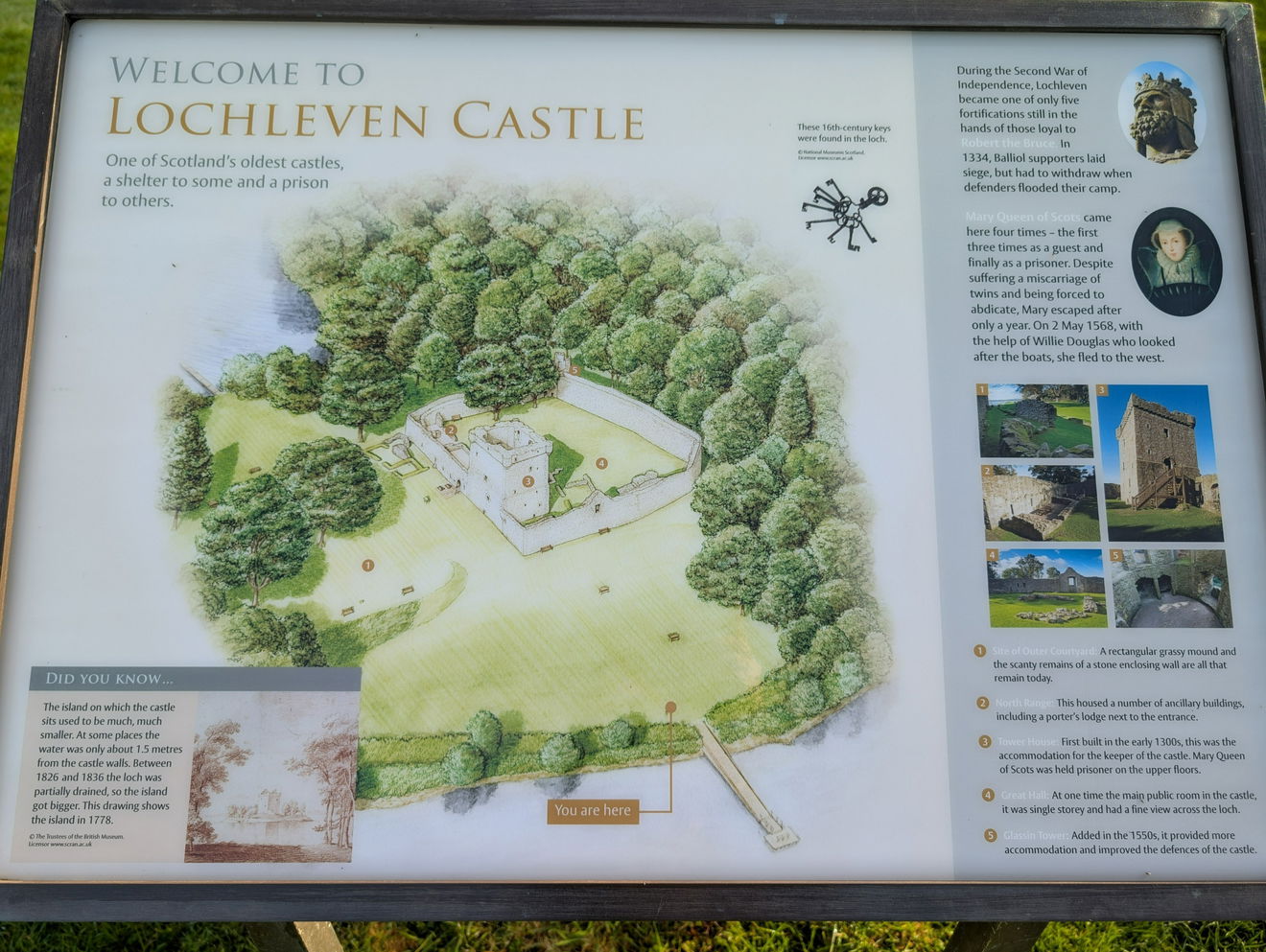
The island was originally much smaller with the water lapping only 1.5 metres from the castle walls. However, between 1826 and 1836 the loch was partially drained to make the island larger and protect the castle.
History Of Lochleven Castle
This is another castle which has witnessed many English/Scottish skirmishes.
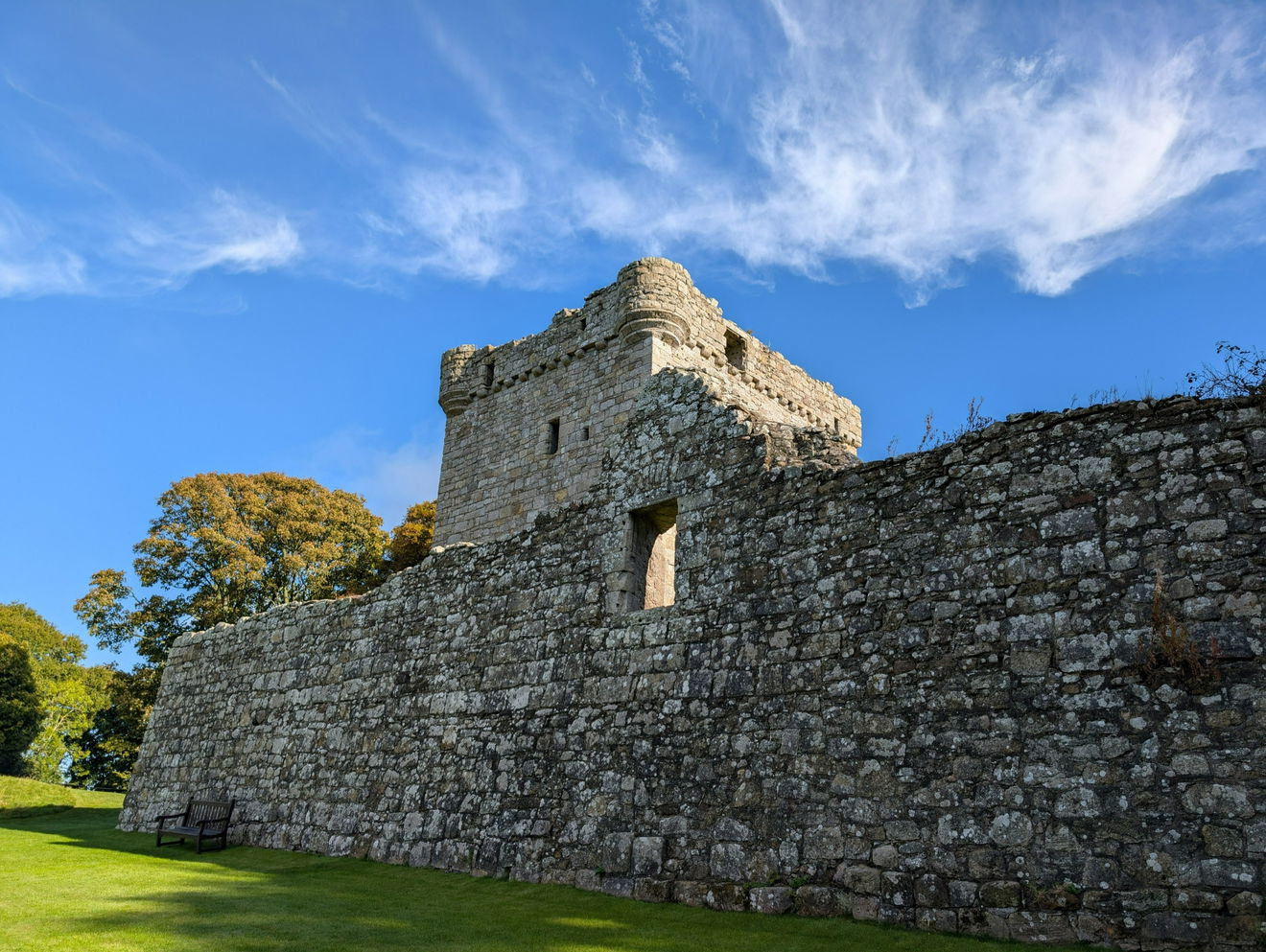
It was held by the English during the early years of the First War of Scottish Independence between 1296 and 1328. But it was regained by the Scots in the early 1300's, some sources say by Sir John Comyn, while others suggest William Wallace. It was around this time that the defensive curtain wall was built, probably by the English but this still remains uncertain.
Whatever the case, it was most definitely in the hands of the Scots by 1313 when King Robert I is known to have visited. He would return to the castle again in 1323.
In 1335, the English supporters of Edward Balliol once again besieged the castle during his fight to become King of Scotland.
In 1390, King Robert II (Robert Stewart) granted the castle to Sir Henry Douglas, the husband of his niece. However, it was William Douglas the 1st Earl of Douglas, who firmly established the castle for the Douglas family by making some major improvements.
Famous Prisoners
The castle was first used as a prison by Robert the Bruce in 1316, when he imprisoned pro-English John MacDougall of Lorn. Many others were held here, including Robert Stewart in 1369, before he became King Robert II.
Most famously, Mary Queen of Scots was imprisoned at the castle between June 1567 and May 1568.
Before becoming a prisoner here, she stayed a few times as a guest in better circumstances. In 1562 she stayed for a week, recovering from a fall from her horse. Then in 1563, she attended a meeting here with the protestant minister John Knox. Finally in September of 1565, she stayed as a guest of William Douglas. It was only two years later that he would become her jailer rather than her host.
The Courtyard Buildings
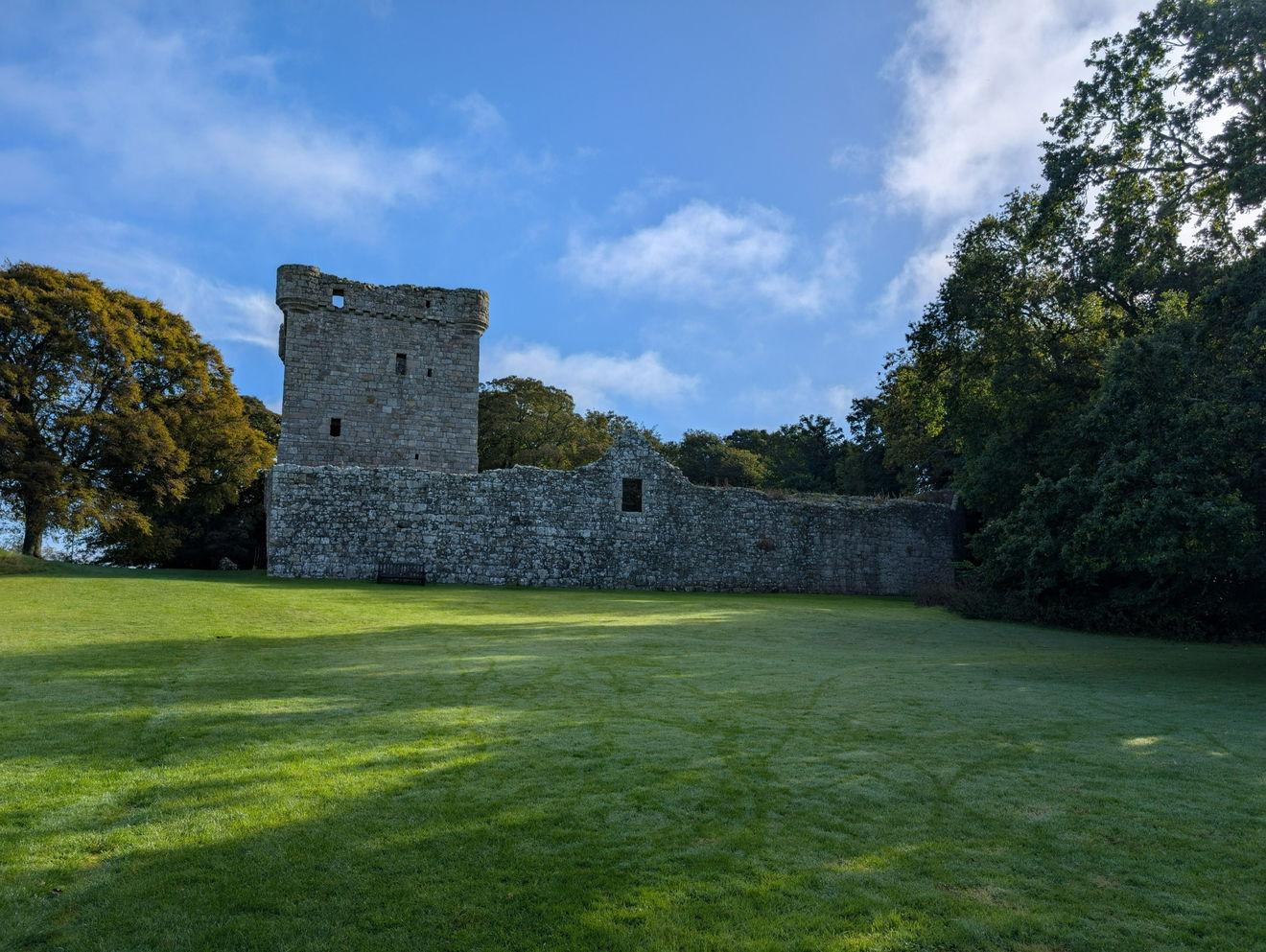
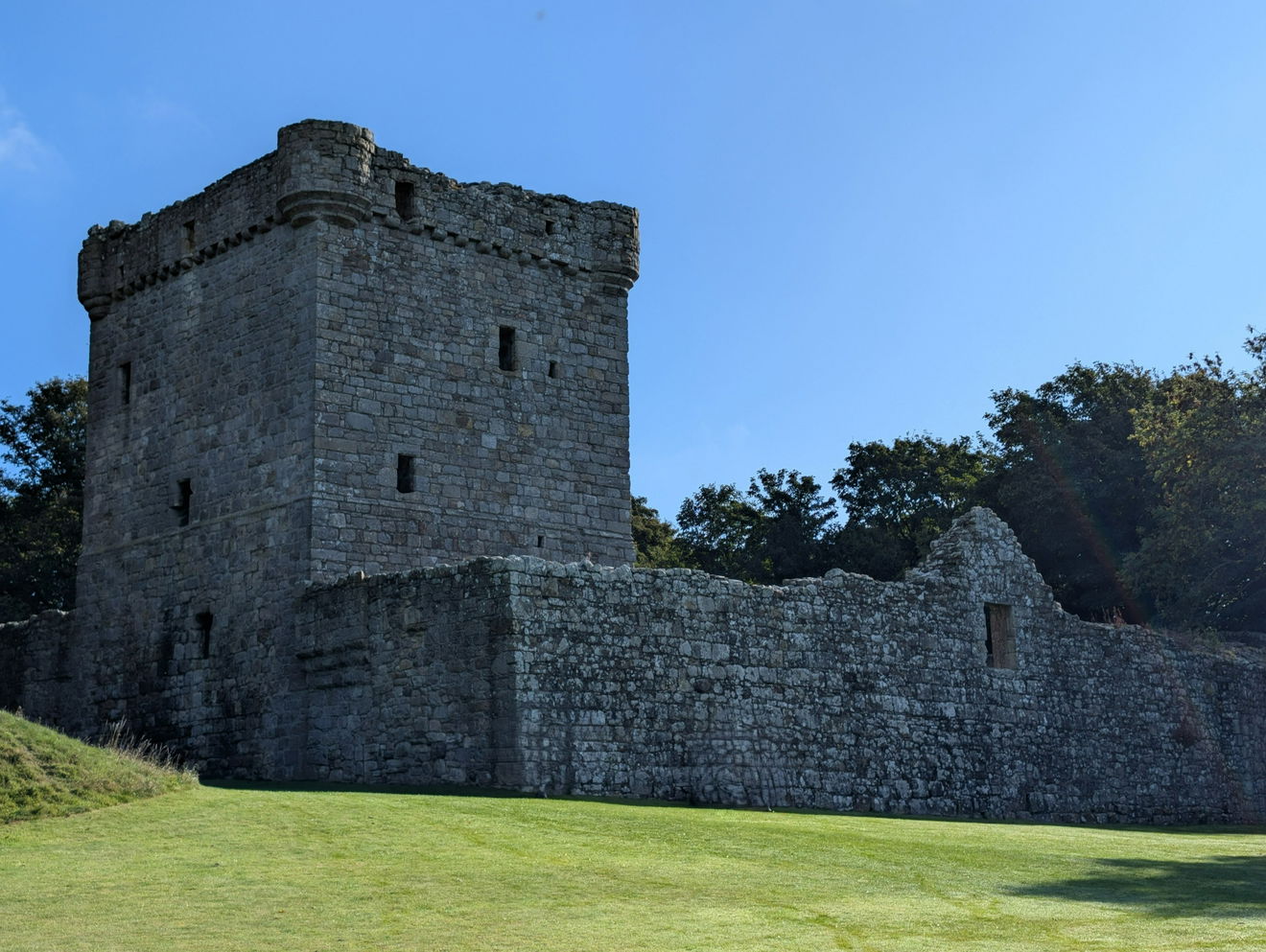
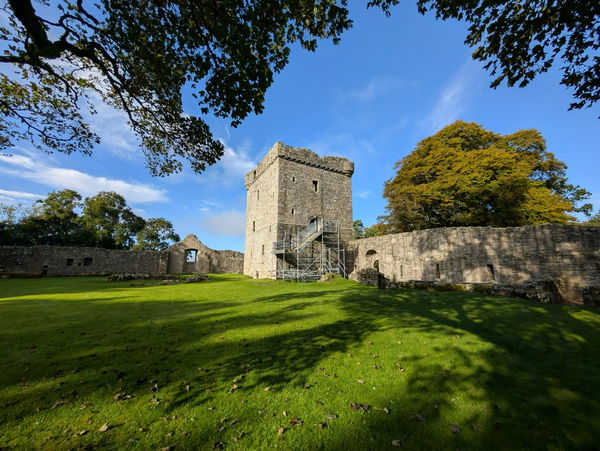
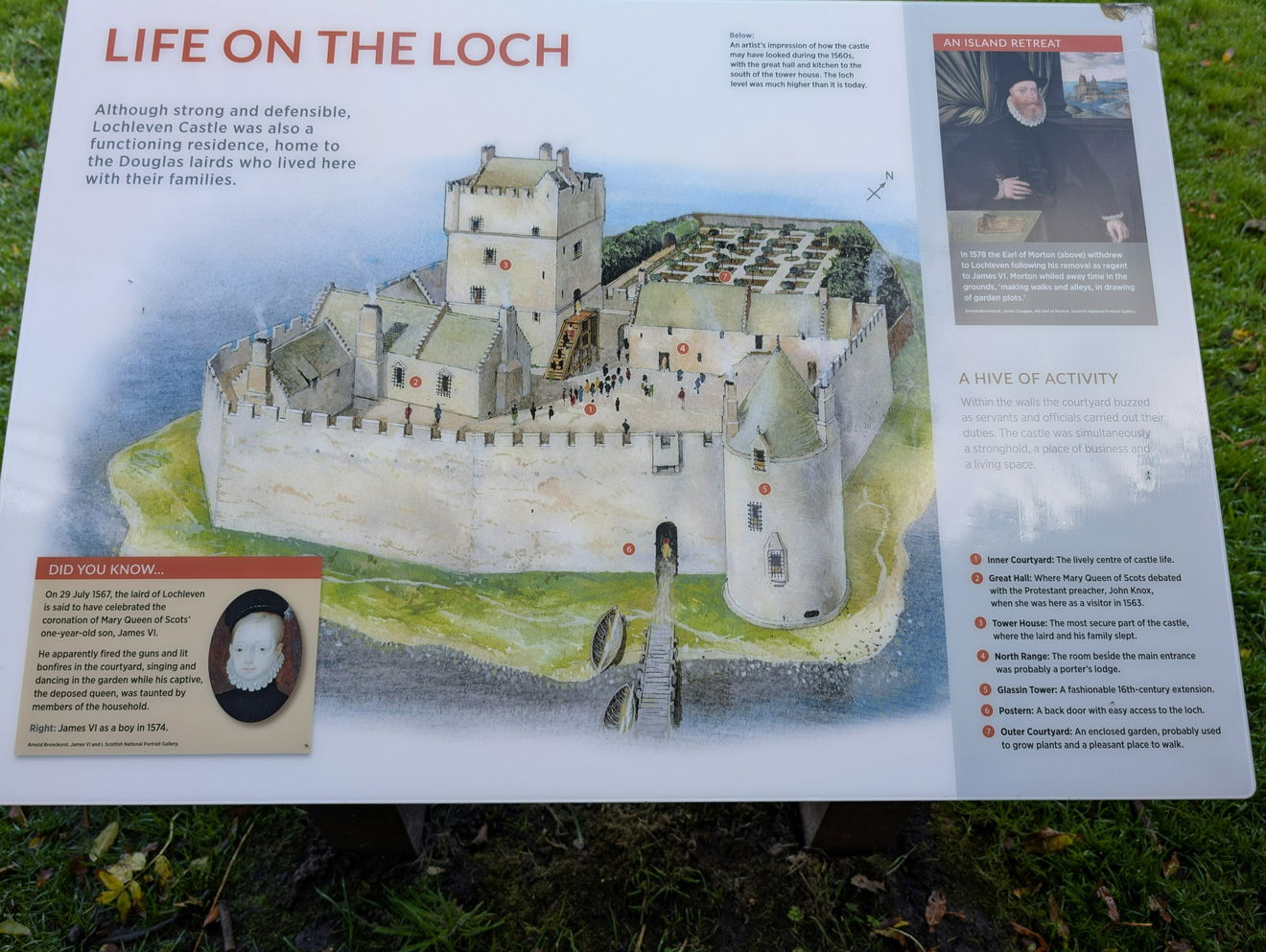
The castle is contained within a large rectangular curtain wall. Within these walls is an inner courtyard which contains the tower house, the round Glassin Tower and the foundations of other castle buildings, including the great hall and the porter's lodge.
The Bakehouse
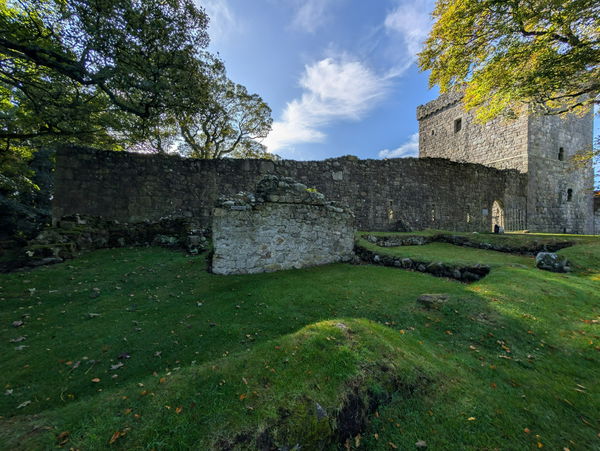
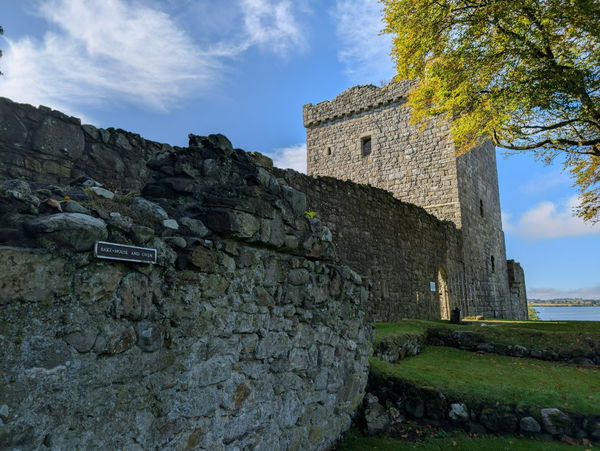
The area on the outside of the curtain wall is the outer courtyard. It is here on the left before entering the gate, that you can find the ruins of the bakehouse and oven.
The Entrance
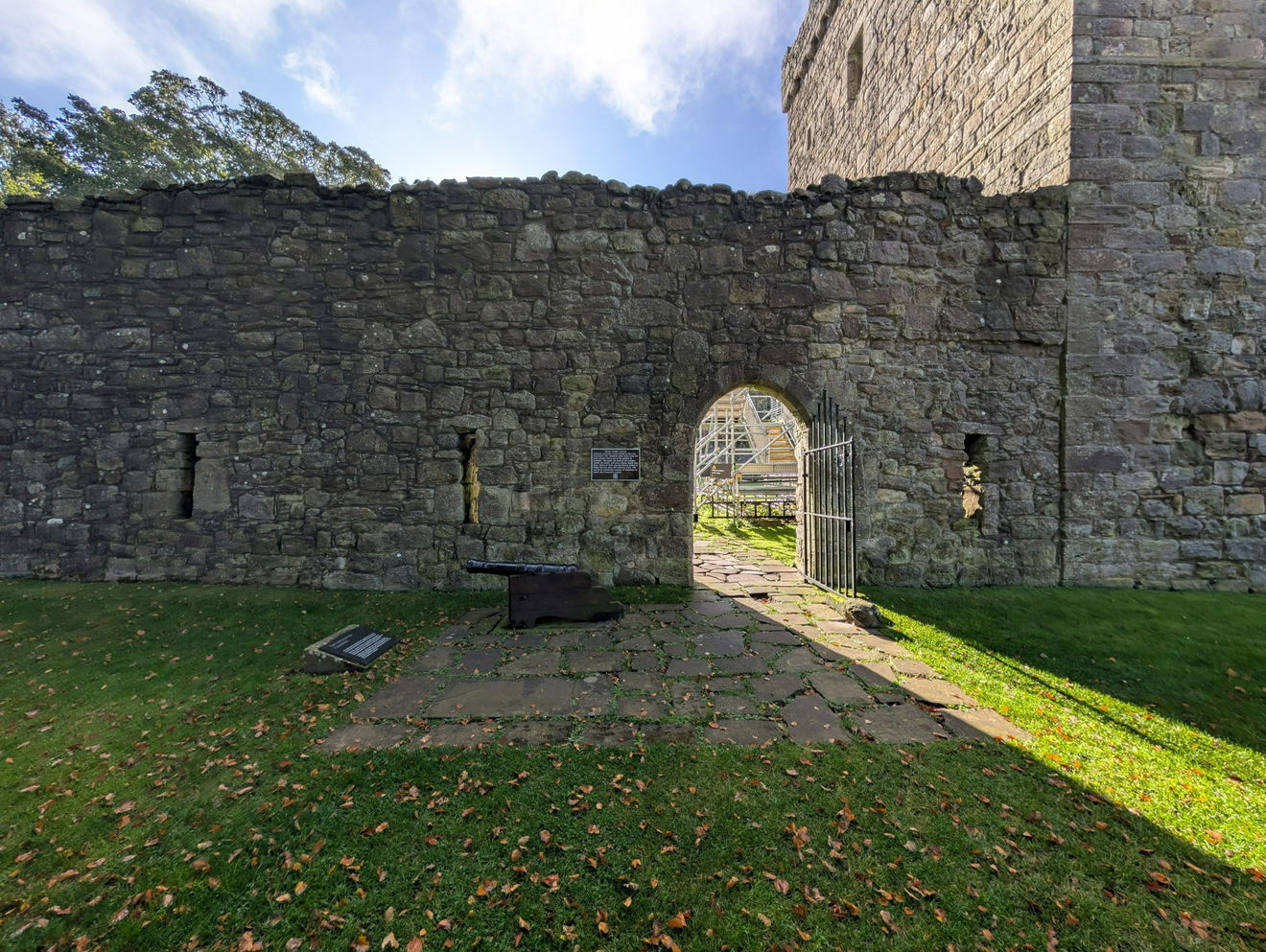
Access to the castle is through a gate on the northern section of the curtain wall. Interestingly the north wall was constructed later and is not as thick as the other walls.
The cannon at the gate is not part of the original castle defences and how it ended up here is a mystery.
The North Range
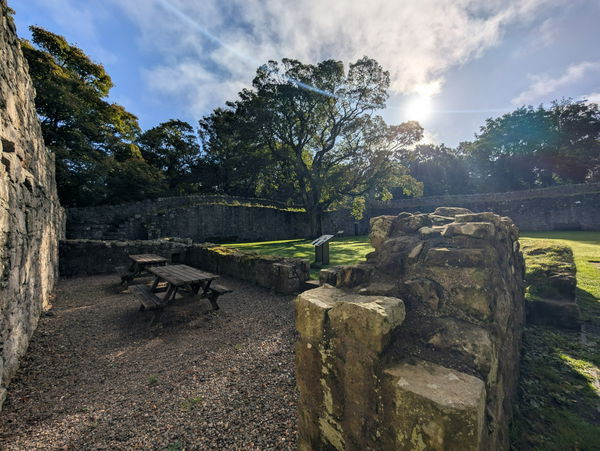
As you pass through the gate, you will find the north range to the left. Part of these ruinous buildings would have been the porter's lodge.
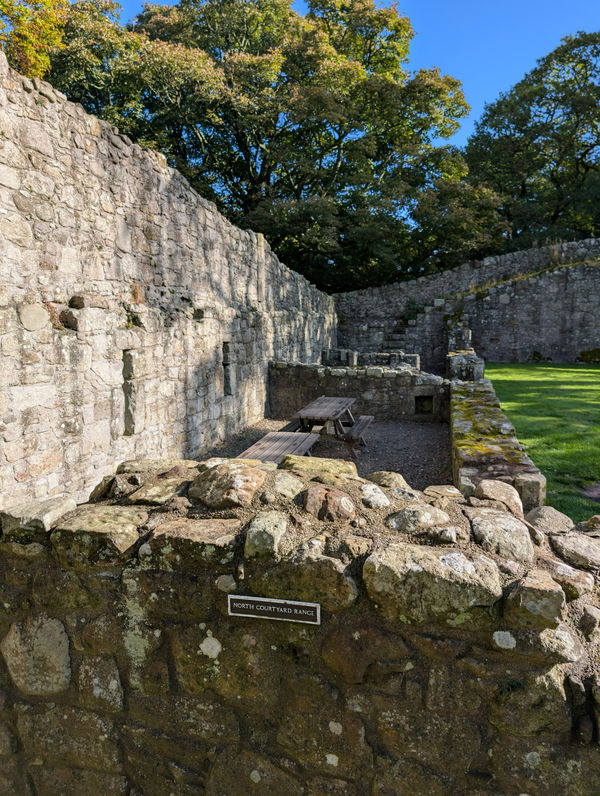
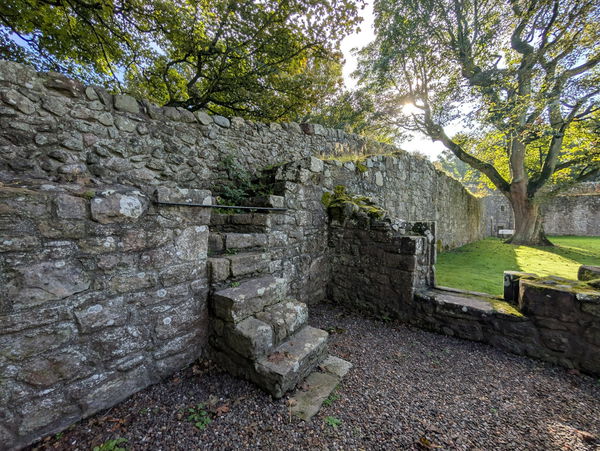
There are also steps leading up to the wall walk and parapet (no longer accessible), from where incoming intruders could be observed.
The Tower House
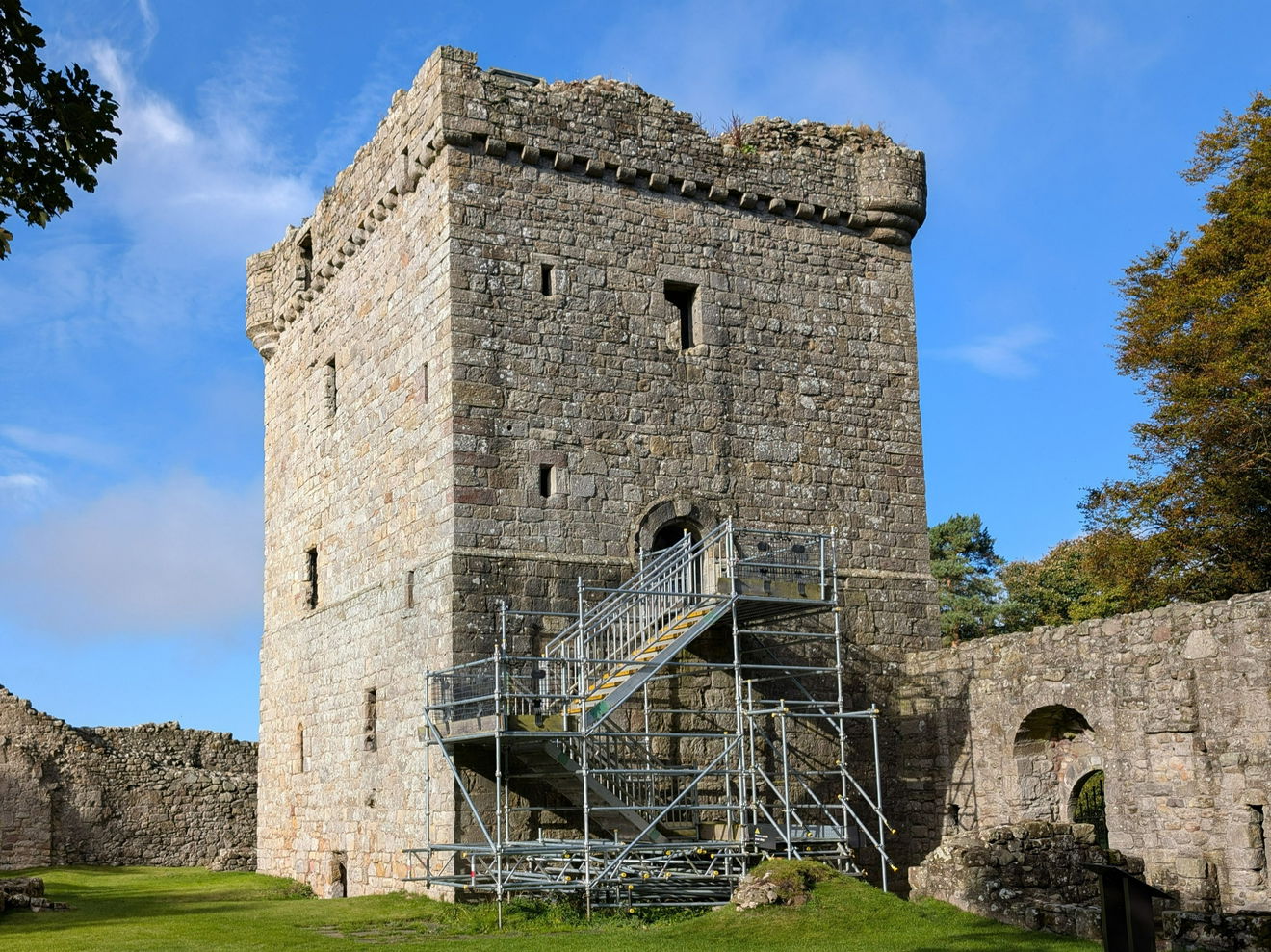
The five storey tower house was built in the early 1300's, making it one the oldest in Scotland. It was built to accommodate the resident laird and was the safest place in the castle. It was in the upper floors of the tower house that Mary Queen of Scots spent most of her time while imprisoned here.
The tower is 11.2m by 9.7m, with walls up to 2.5m thick. The wall head has a single row of corbels (projecting stones) and three of the corners have attractive rounded turrets. There would have been a parapet running around the wall walk from which I bet the views would have been awesome.
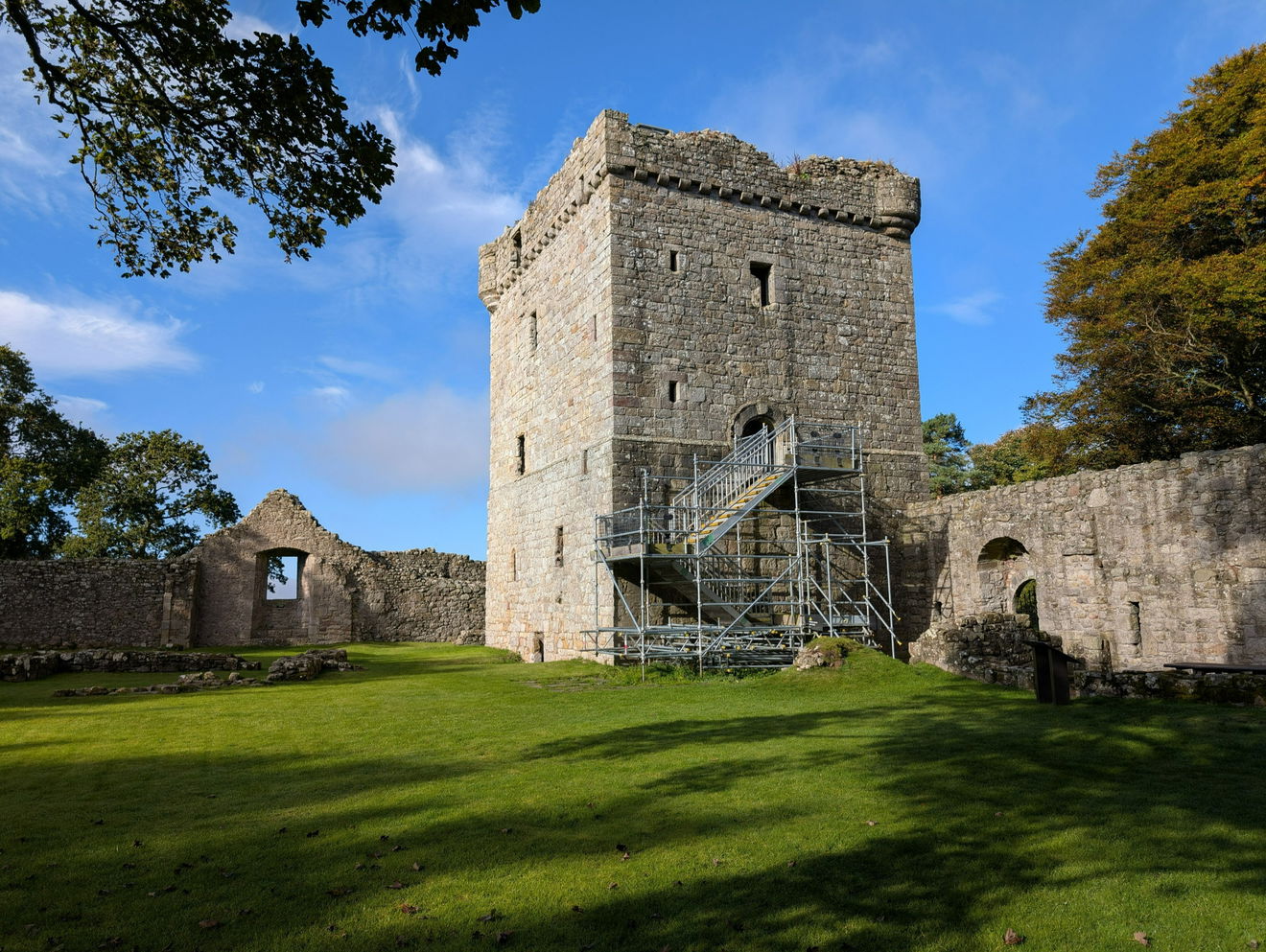
Access to the lower floors of the tower house is through a small doorway on the tower's south wall, fortunately I am vertically challenged, so no problem for me.
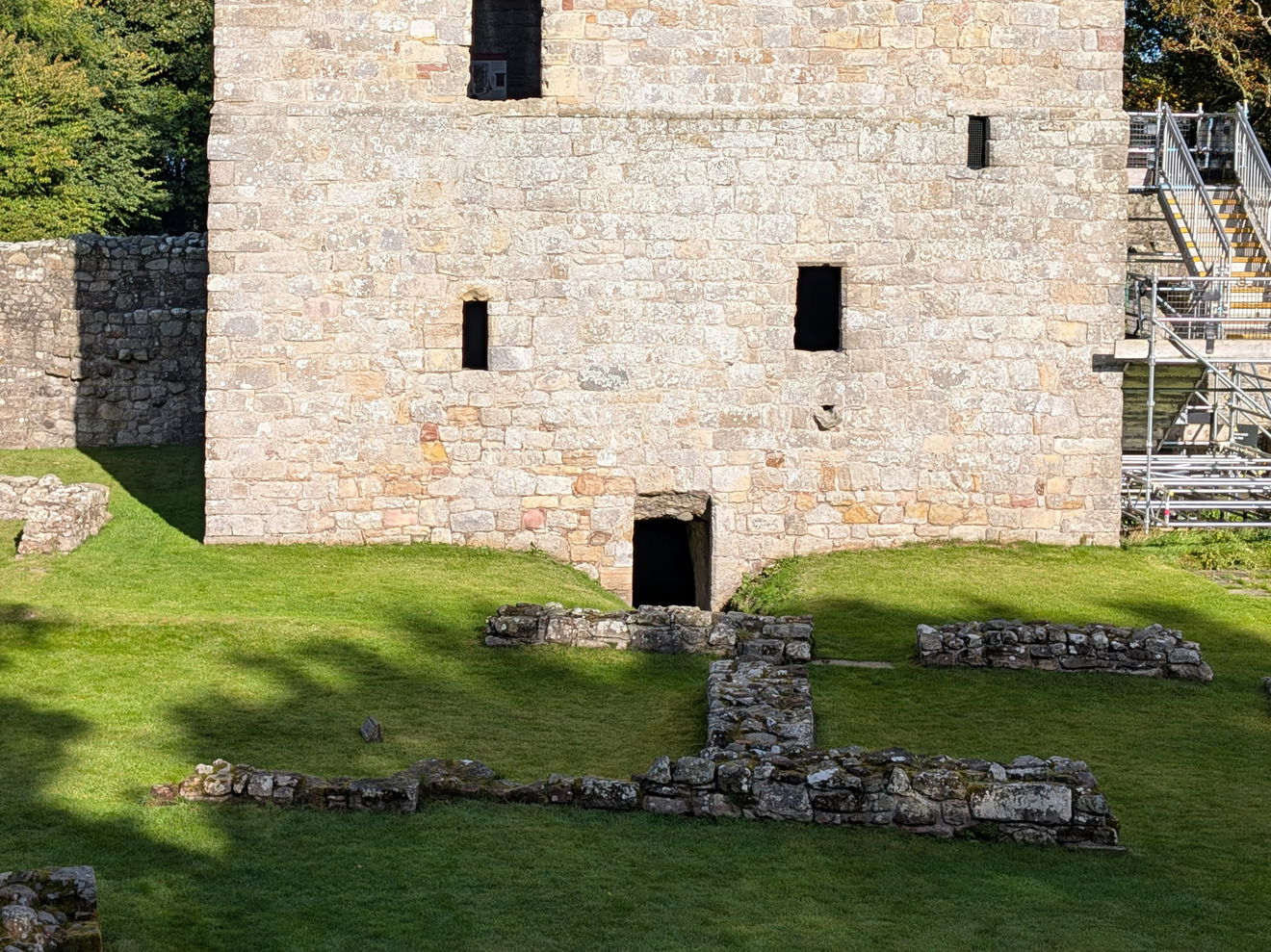
The ground floor of the tower house contains a vaulted cellar which was used for storage.
Access to the floor above is via steps and a hatch.
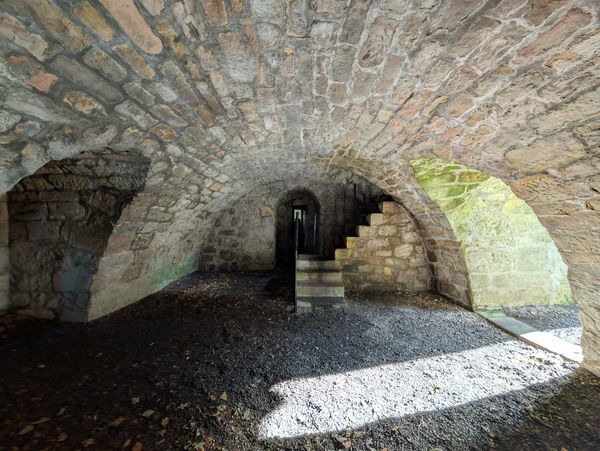
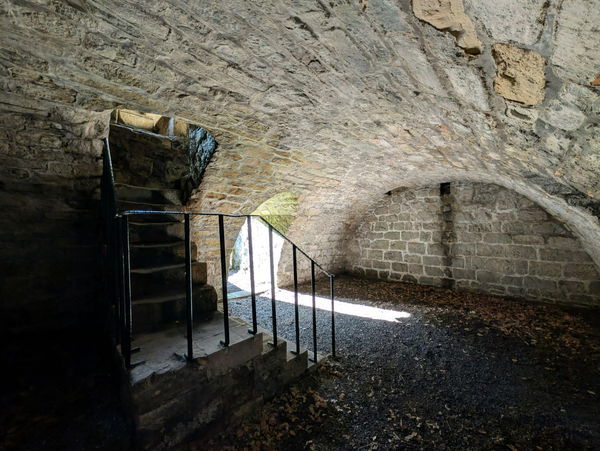
The first floor contains the kitchen. The kitchen also has a vaulted ceiling, which is a treat for a vaulted ceiling lover like myself. The kitchen has an enormous fireplace which was used for both cooking and helping heat the floors above.
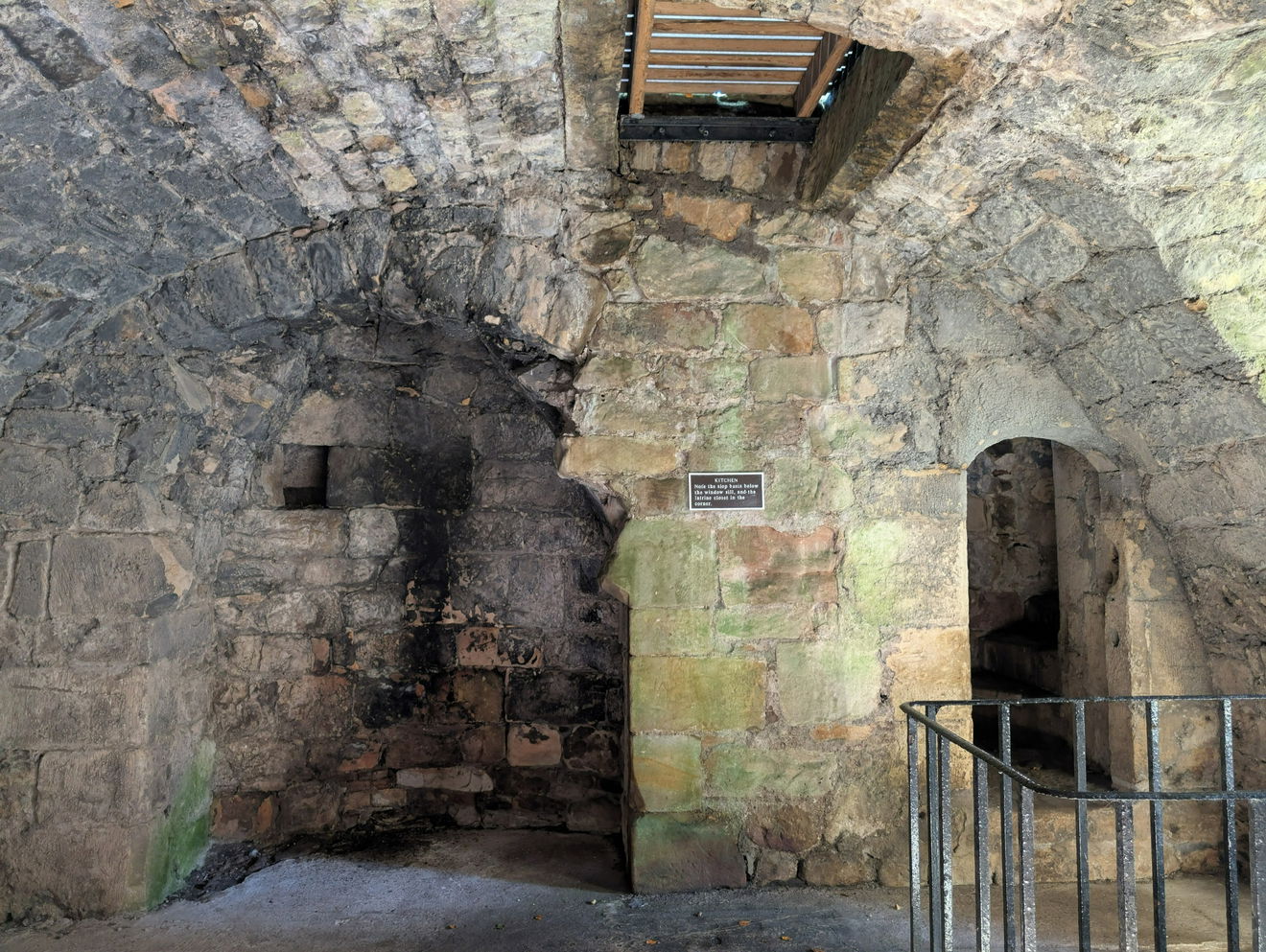
Of course when you cook you have waste, so keep an eye out for the slot in the wall beneath the window. This is where the slops would have been disposed of.
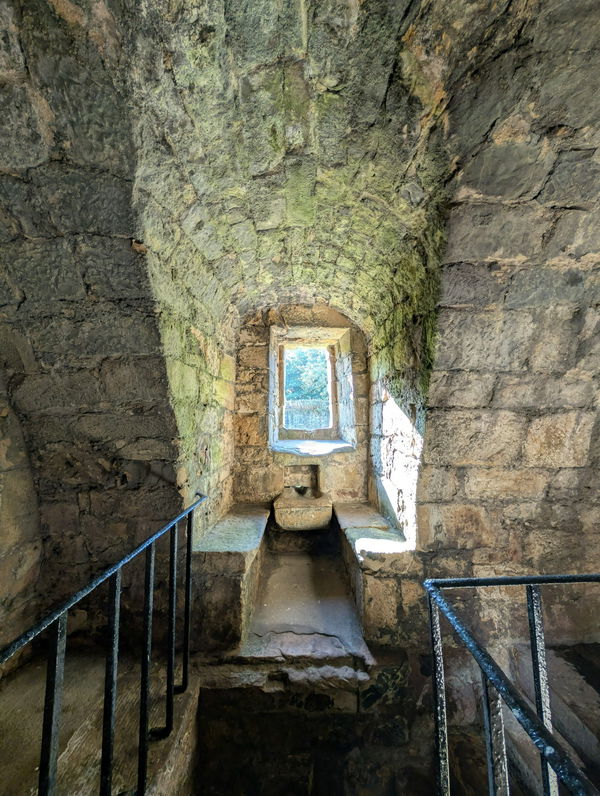
There is also a convenient latrine (loo) in the corner of the room.
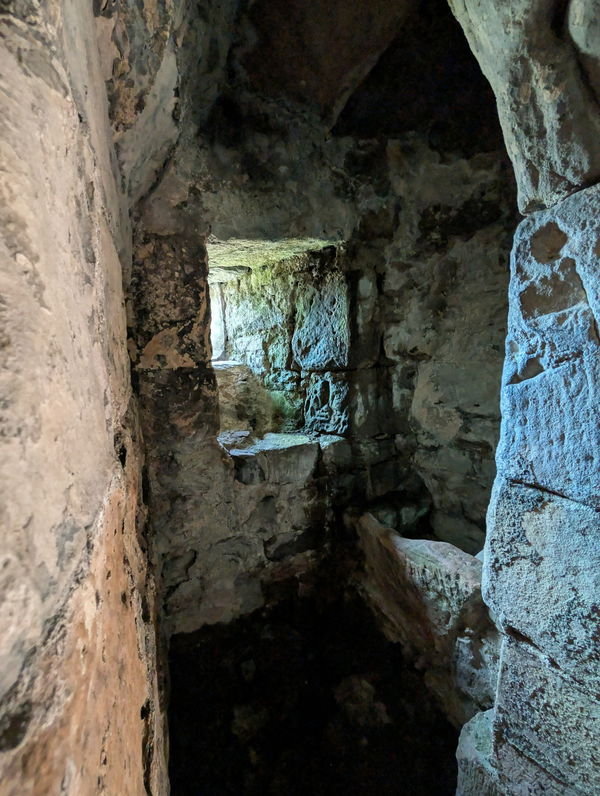
Next up is the second floor. Access to this part of the building is via a scaffold stairway which takes you to what was the main entrance to the tower house. The location of the entrance made it much easier to defend the resident laird and his family.
The second floor contains the hall, thiswas the main area used for daily living and dining for the laird. On entering the hall you can see the sizable fireplace and windows with seats that would provide views over the loch and courtyard.
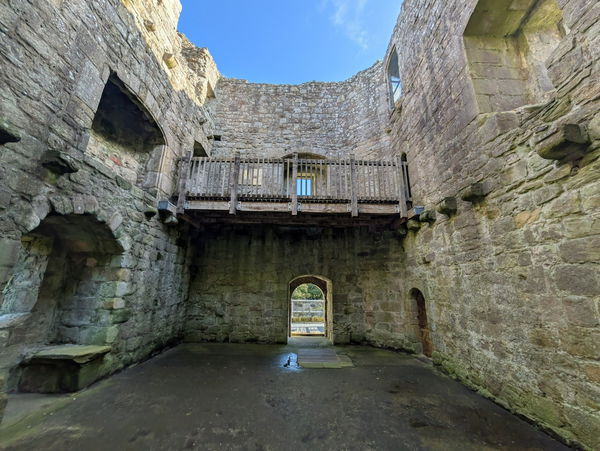
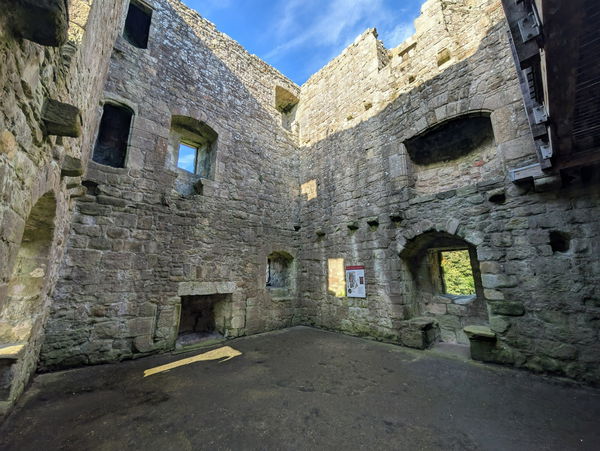
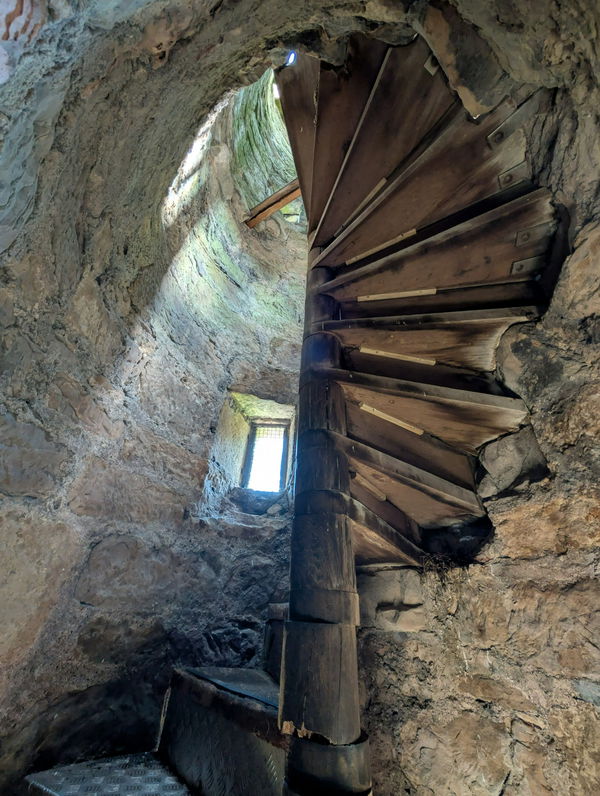
Returning to the entrance of the hall, their is a spiral staircase that takes you up to a platform on the third floor. Steady on those steps, they're quite steep.
The third floor contained the laird's bedroom. The fireplace, windows and latrine/garderobe are all still evident.
From here you can also see the remains of the inaccessible fourth floor. This would have contained bedrooms for the lairds family and again you can make out where the windows, fireplace and latrine/garderobe existed.
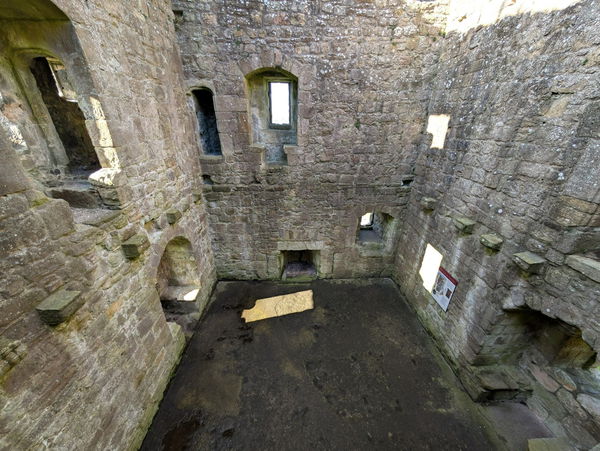
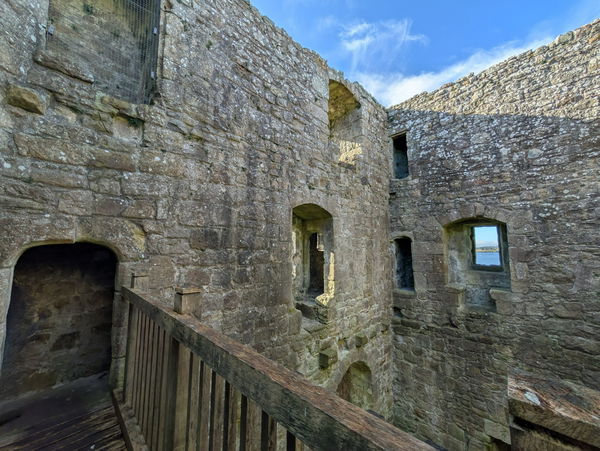
It was in these upper floors that Mary Queen of Scots was held captive for the majority of her time here.
Within a month of her arrival, Mary fell ill and went on to lose the twinsthat she had conceived with her third husband, James Hepburn (Earl of Bothwell). Their bodies are buried somewhere on the castle grounds.
By 24 July 1567, Mary had abdicated as Queen of Scots, handing the realm to her infant son James.
After making many attempts at fleeing the island, one night she finally escaped. With the help of George Douglas (the brother of her jailer), she dressed as a servant and stole the castle keys and walked out. She was rowed across the loch where George was waiting for her with 200 horsemen, and they fled to Niddry Castle in West Lothian.
The Great Hall
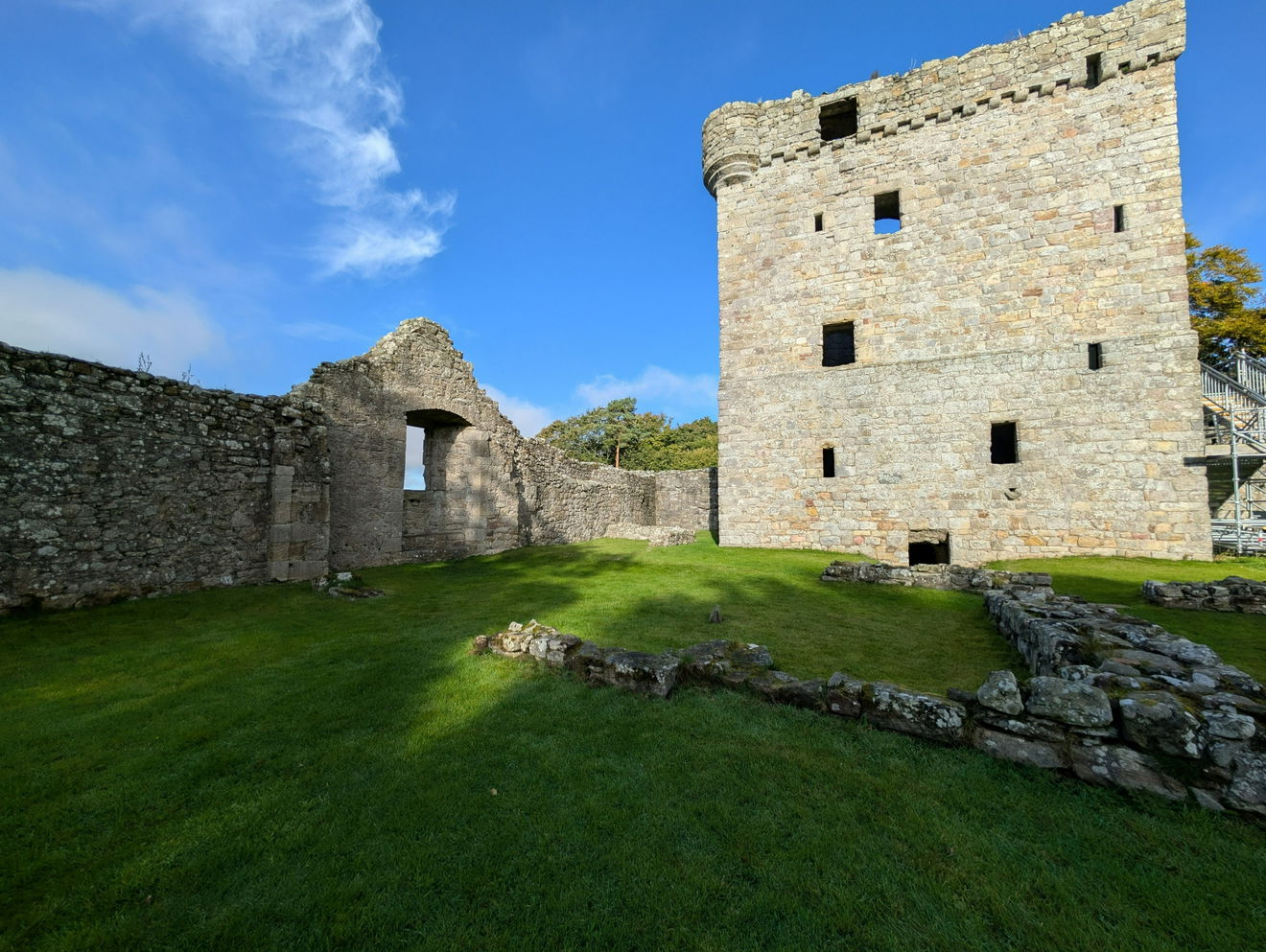
Although ruinous, you can see the foundations of the great hall next to the tower house. This was the main area for entertaining guests and would have been where Mary Queen of Scots debated business with John Knox the Protestant minister in 1563. It was also used by Mary's jailer (William Douglas), while she was held prisoner in his normal accommodation in the tower.
The Kitchen
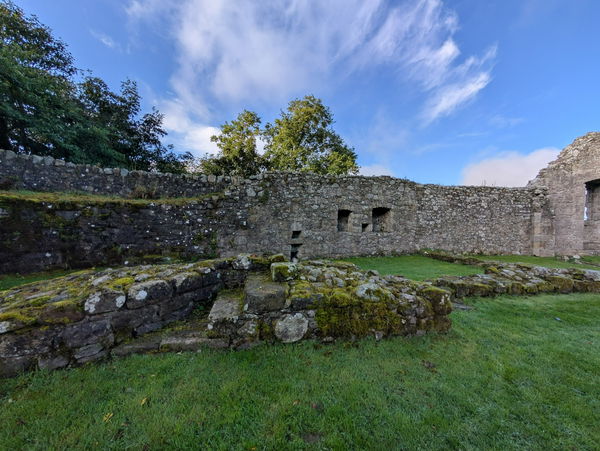
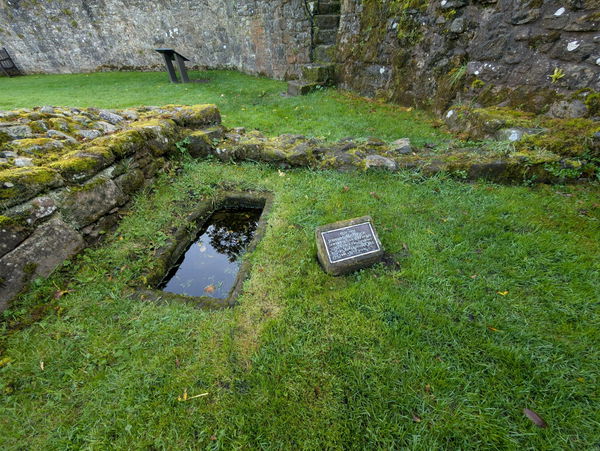
Next to the great hall is the kitchen which served the great hall. You can see the remains of the fireplace and dough trough where a vast amount of bread dough would be kneaded then proved.
The Parapet
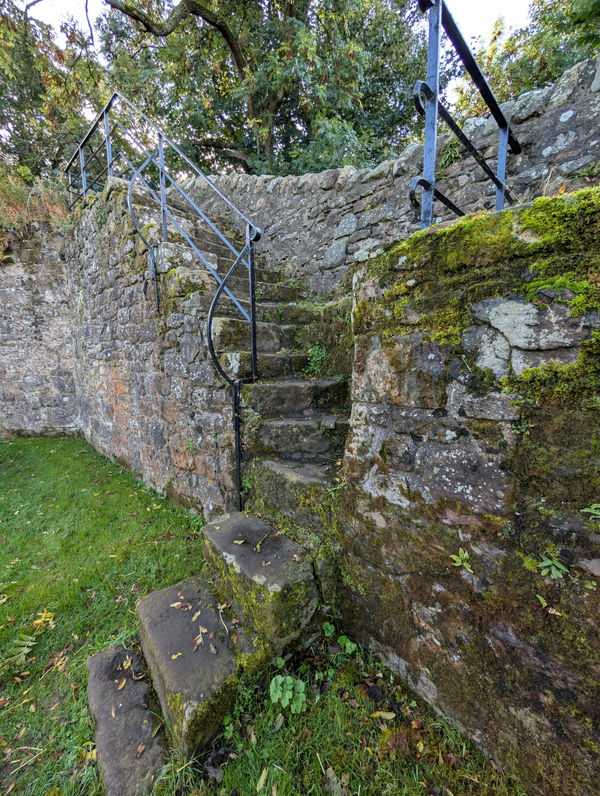
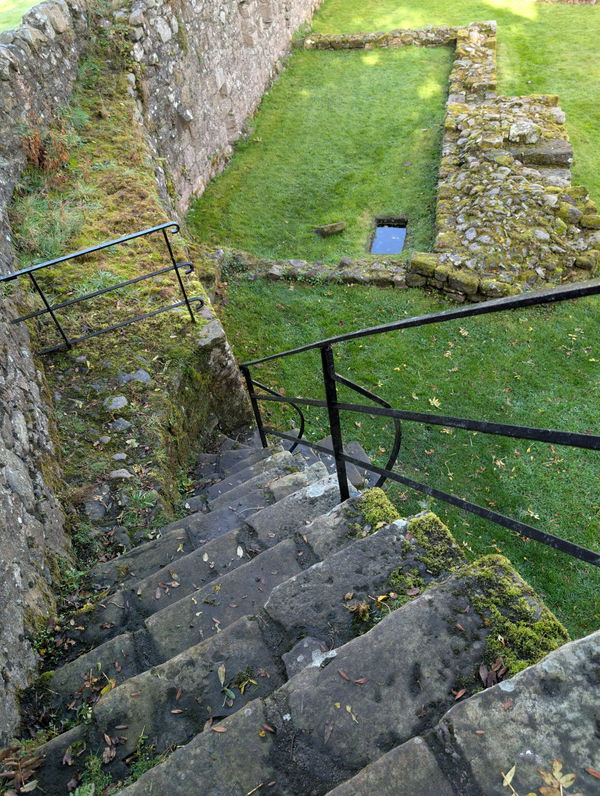
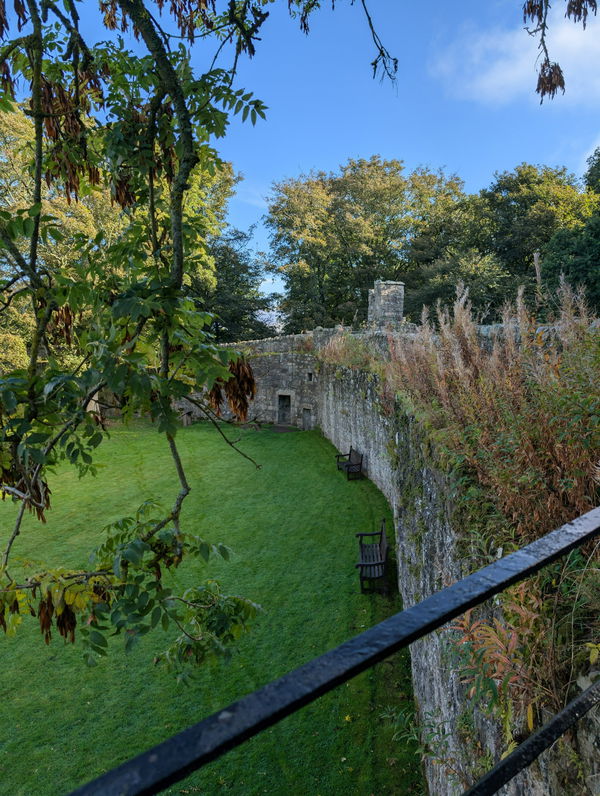
Next to the kitchen, in the south corner of the courtyard is a set of steps that will take you up to the wall walk and parapet. Be careful on the steps, but the effort is rewarded with splendid views over courtyard.
The wall walk and parapet would have stretched along a large portion of the curtain wall, although it would not have been from the original construction but much later.
The Glassin Tower
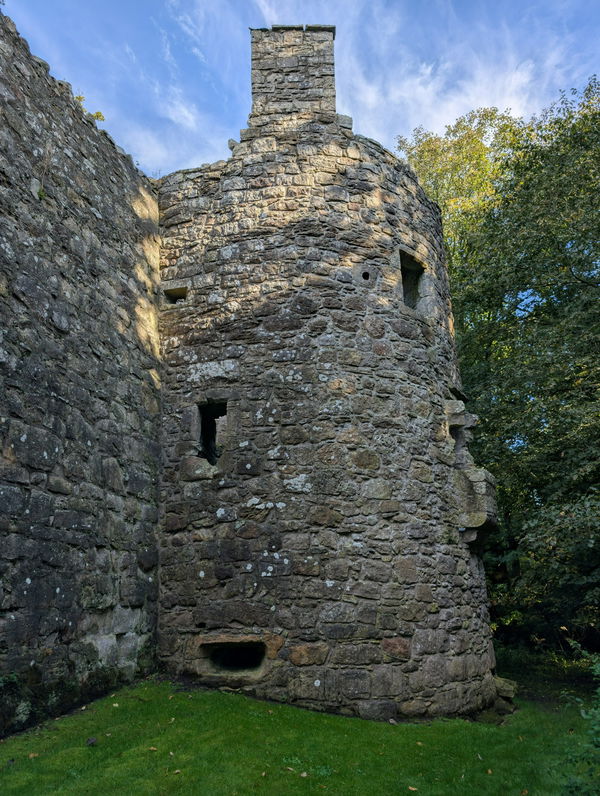
The Glassin Tower is a well preserved round tower that sits in the south east corner of the curtain wall. It is how I would imagine the tower from the Rapunzel fairy tale would look. It was built around 1550 to provide additional accommodation and improve the castle's appearance and defences.
There is still much mystery as to what 'Glassin' means.
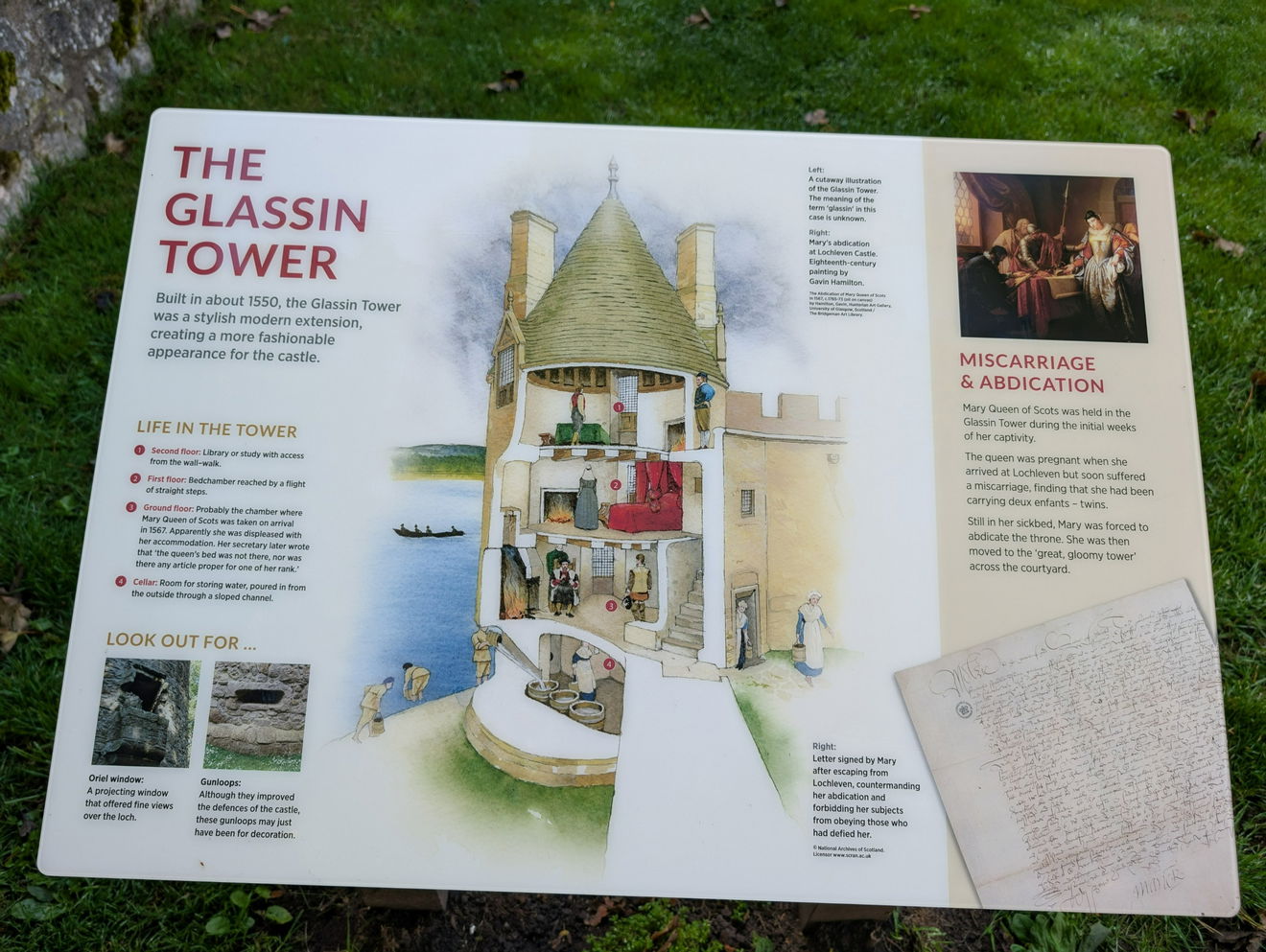
The Glassin Tower is where Mary Queen of Scots would have stayed initially during her imprisonment at Lochleven Castle, apparently she was less than pleased with her accommodation.
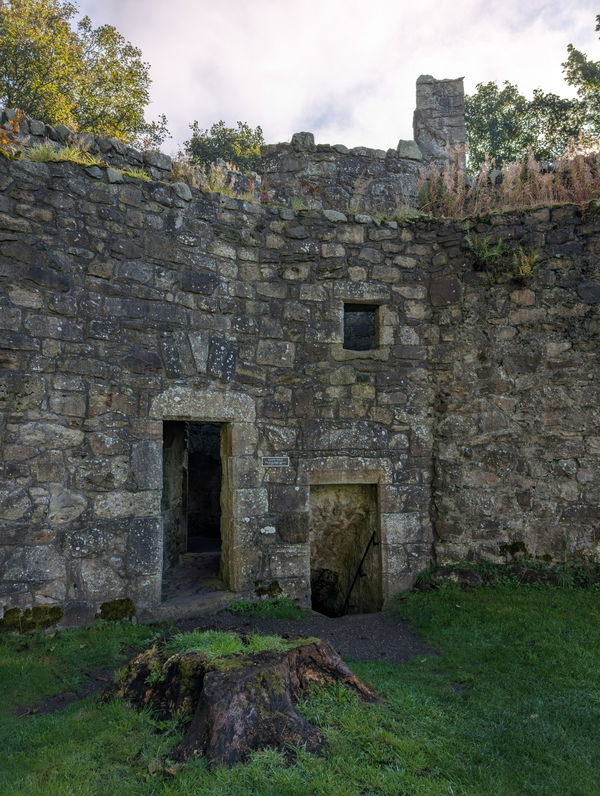
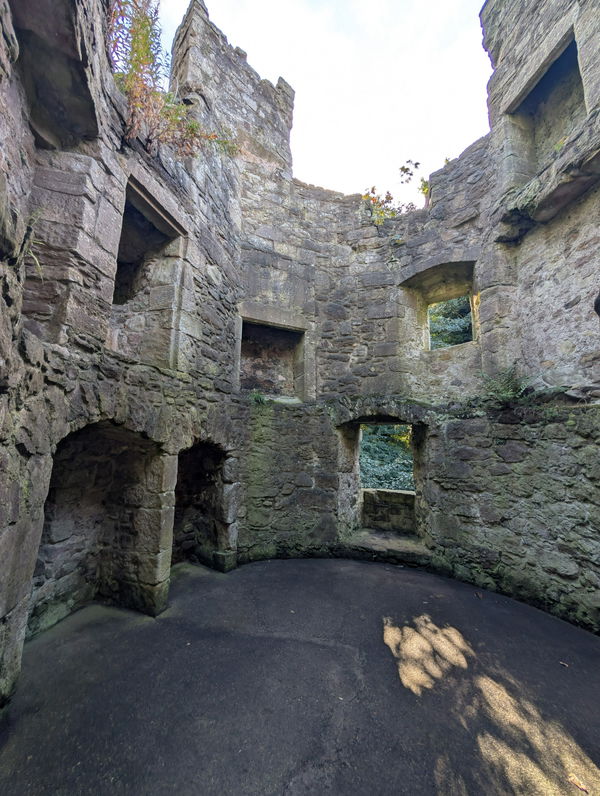
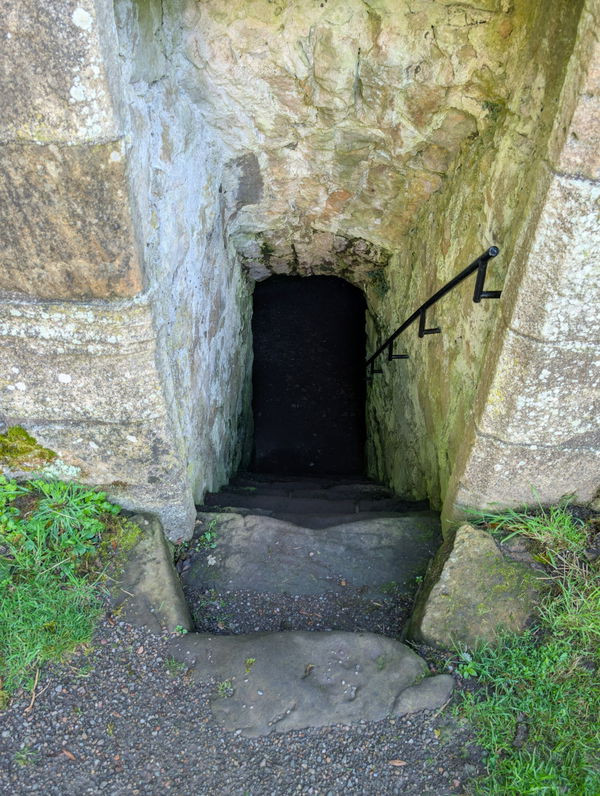
The tower has a cellar which is reached via some steps and a small doorway, again not a problem for a shorty like me. The cellar was used primarily for collecting and storing water.
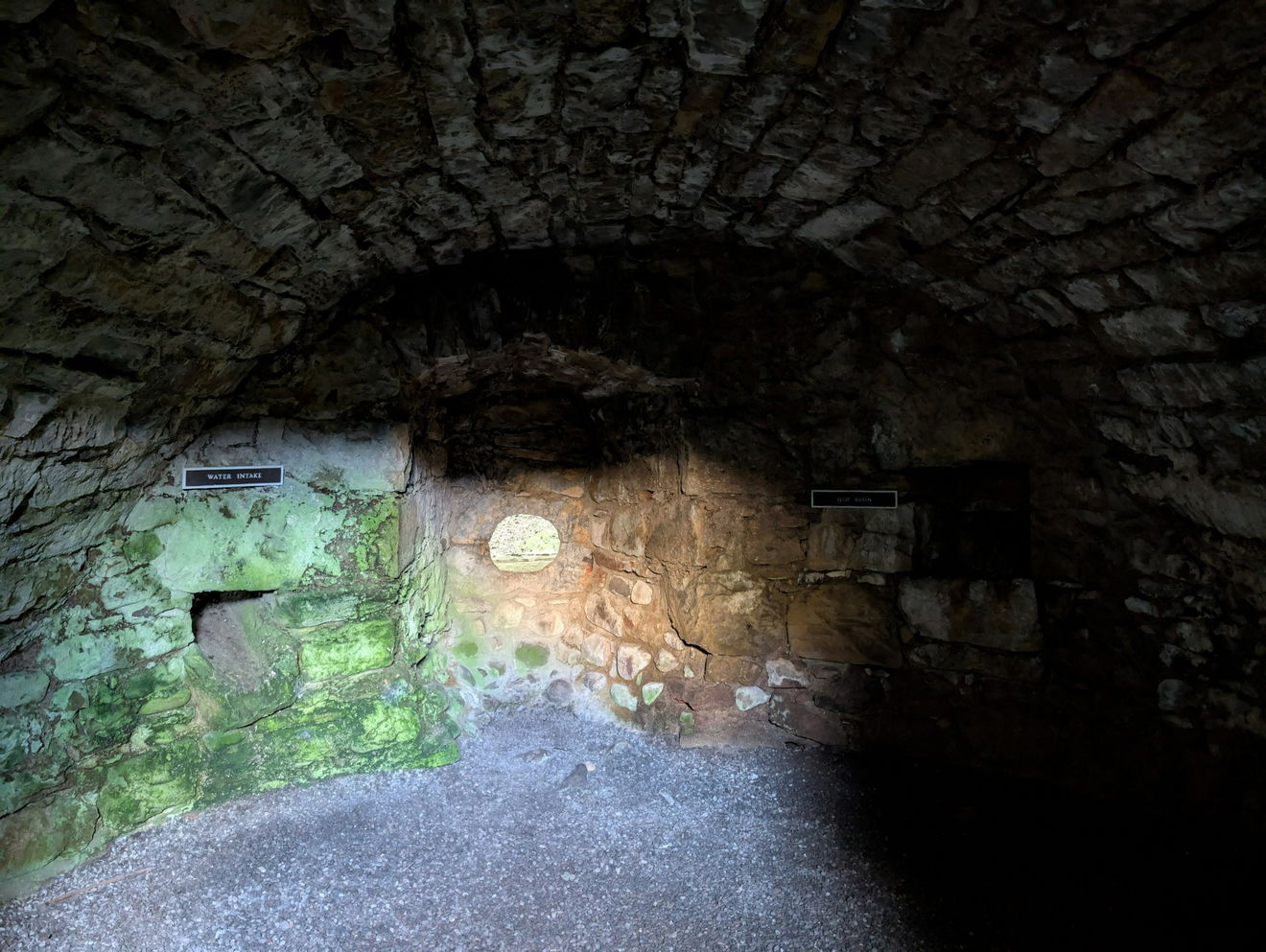
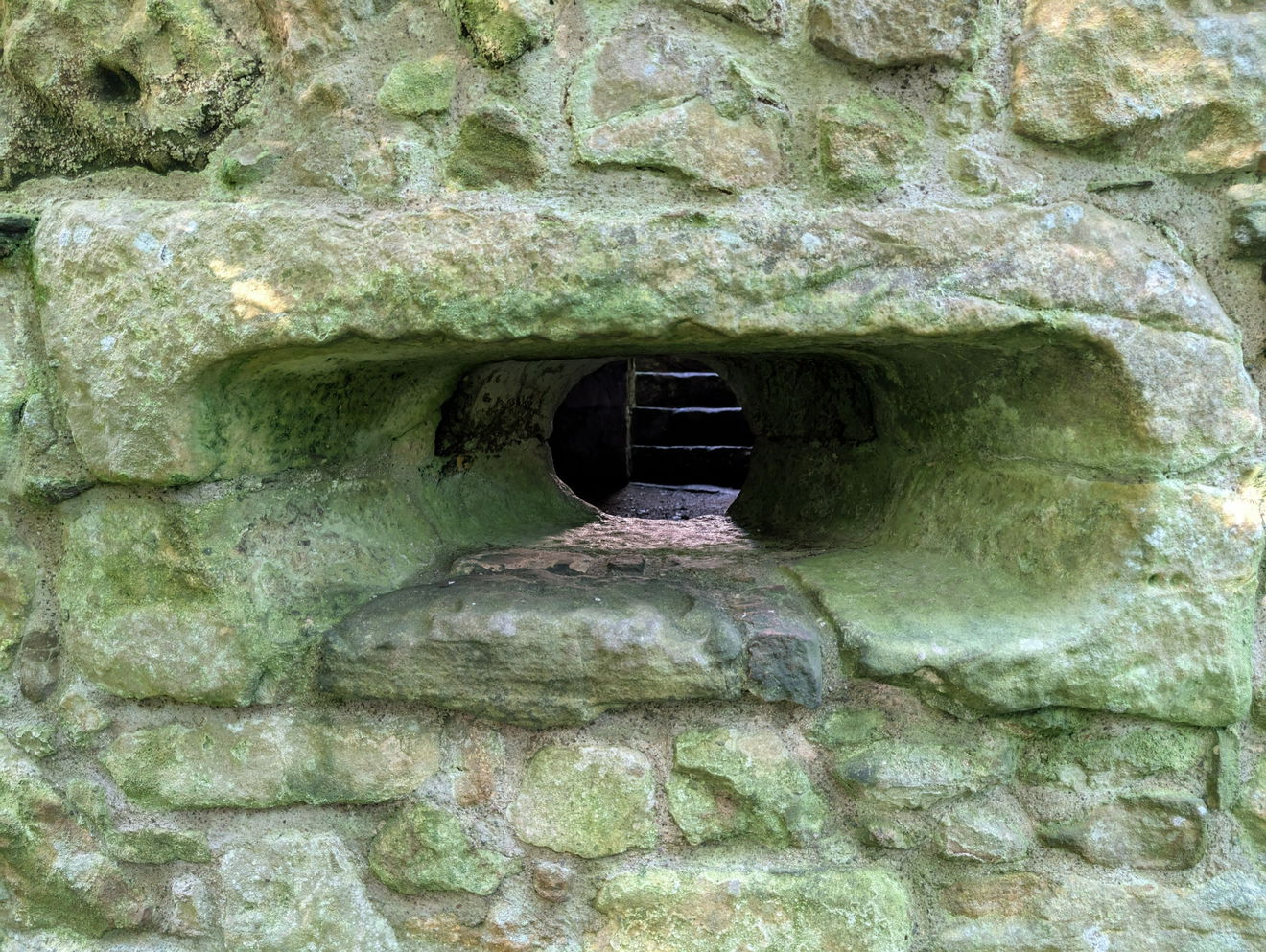
It has a vaulted ceiling and contains channels to allow water to be collected from the loch, and waste to be disposed of through a slop drain.
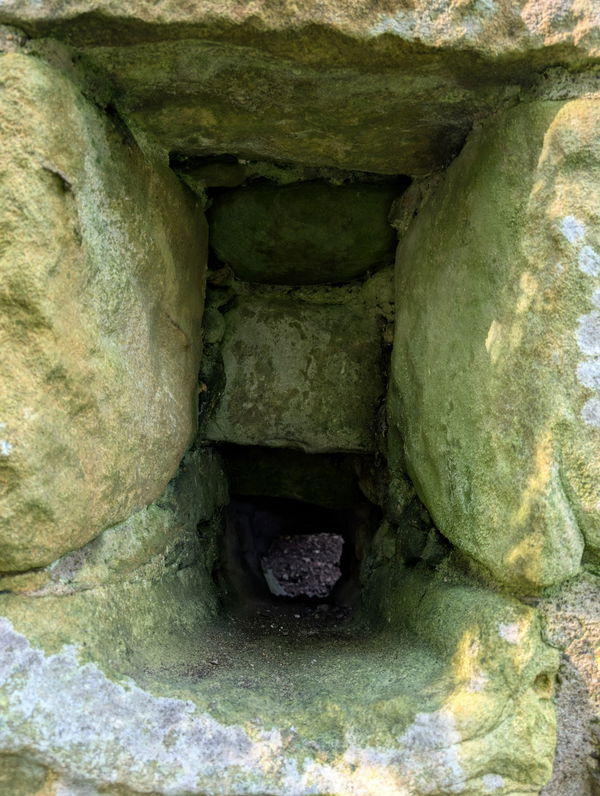
From outside the tower you can see where the water would have been pouring into the cellar.
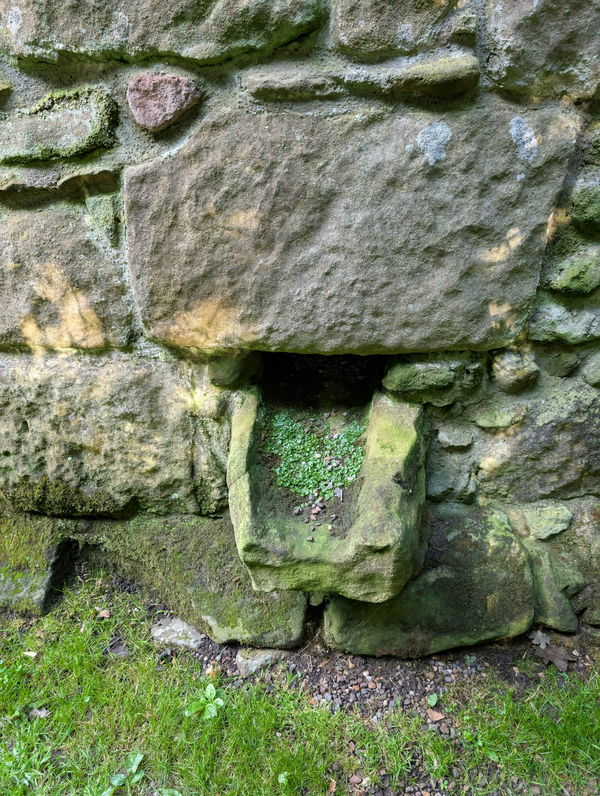
Also you can see the exit of the slops drain on the outer wall.
The ground floor of the tower was probably used as a living area. While the first floor would have served as a bedroom and the small area on the second floorwas probably a study/library.
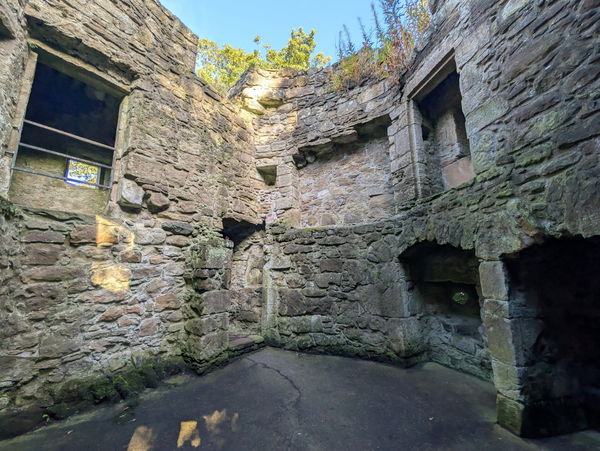
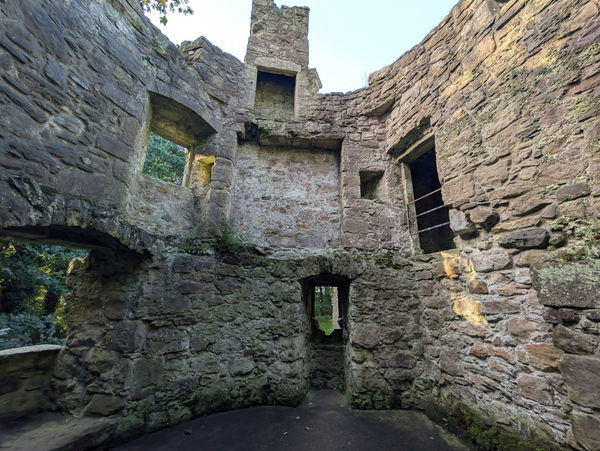
As the tower was also built to strengthen defences, you will also find gunholes in the tower walls.
The Postern Gate
On the south east wall, next to the Glassin Tower is where the postern gate was located. This would have been the secondary entrance for a more inconspicuous entry or exit to the castle.
The Latter Years
In 1588, when Sir William Douglas of Lochleven became the 6th Earl of Morton, he relocated to his new residence, Newhouse in Kinross. It was at this point Lochleven Castle fell out of use and became more of a feature on the landscape.
By 1675, Sir William Bruce bought the estate from the Douglas's and built Kinross House near Newhouse, and Newhouse was subsequently demolished.
In the 18th century, the estate passed from the Bruce's to the Graham family, and then in the 19th century to the Montgomery's. Kinross House is no longer a home but a high end exclusive rental property.
On your boat trip to and from the island, keep an eye out on the western shores of the loch for Kinross House, it is really quite impressive.
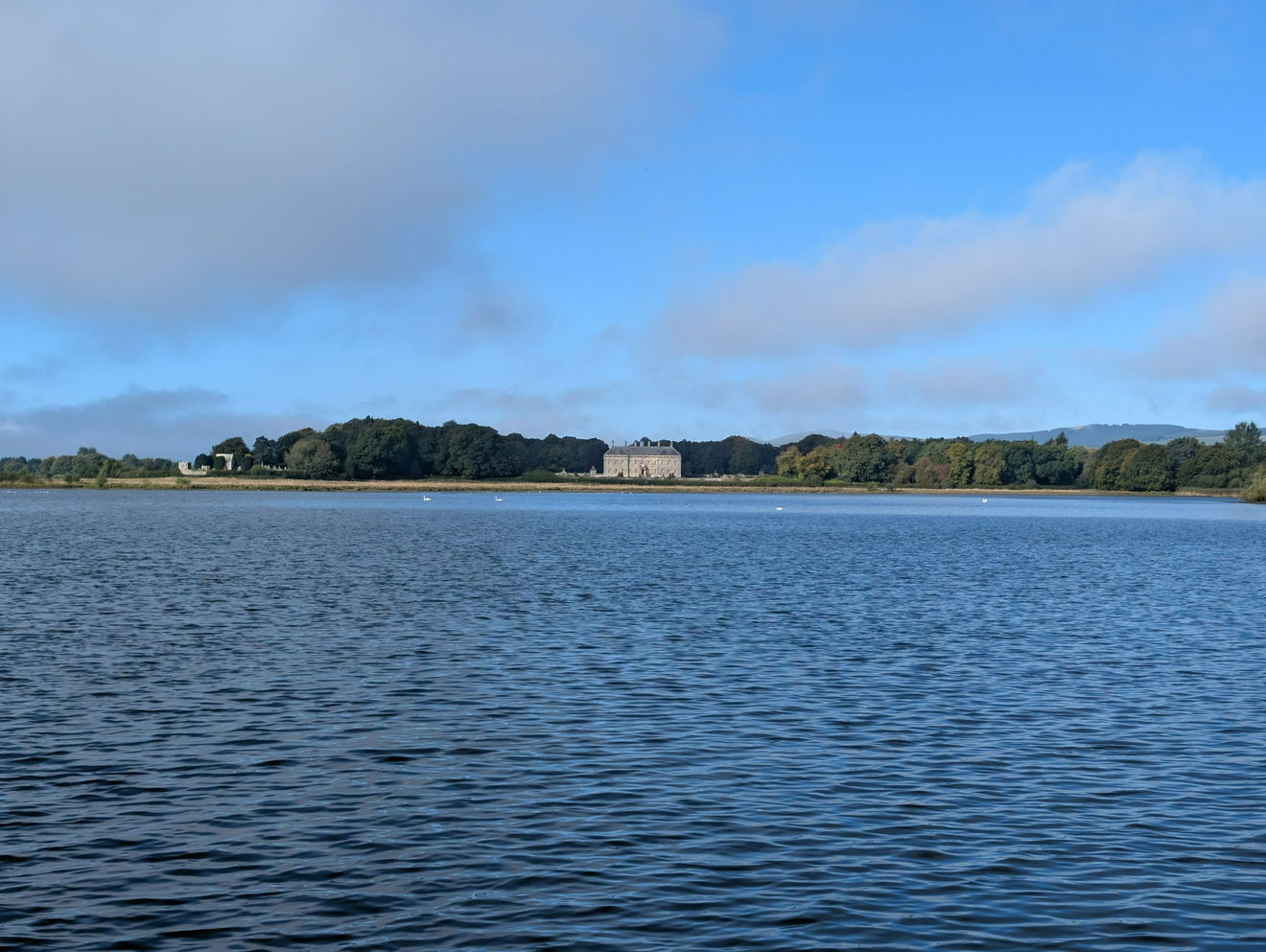
Access by Boat
The castle is only accessible by boat. During the summer they run regularly but close in the winter months. Please check the website as adverse weather conditions effect the services and it is recommended you book in advance to avoid disappointment.
Amazingly, the same chap that had took us to the Loch Leven island also took us to Inchmahome Priory on Lake Monteith. The staff are very helpful and informative.
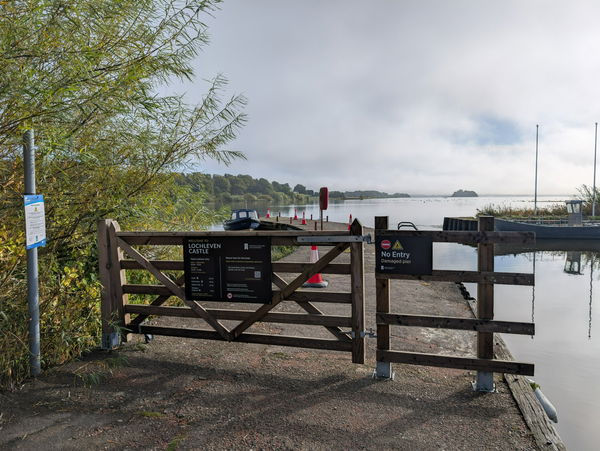
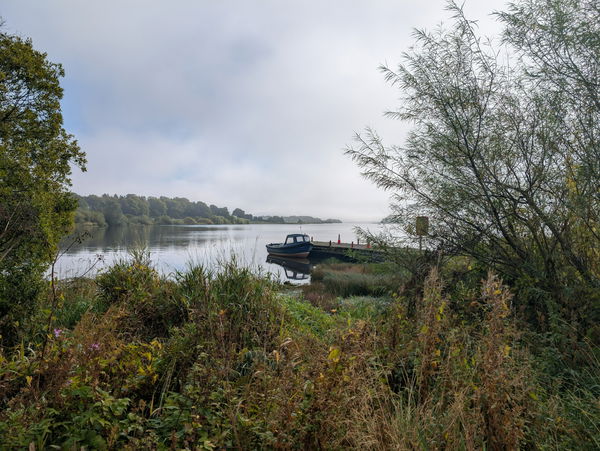
Lochleven Castle is a listed Scheduled Monument in the care of Historic Environment Scotland.
Get 4 points if you have visited this place. Already visited by 6 VIPs.
Login to the VIP area to add places to your bucket list, mark them as visited and more importantly see where you rank on the league table.
How To Find Lochleven Castle
Where Is Lochleven Castle?
Lat / Long
56.20081200003727, -3.392003531431592
What three words
Where To Park For Lochleven Castle?
Lat / Long
56.199877182278264, -3.4176500892963007
What three words
There is a large car park next to the boat jetty.
Contributed by Lorraine London
I have been a keen hill walker for many years and more recently enjoy trig bagging. When I'm not exploring Northumberland, County Durham and Yorkshire, I spend most of my holidays in bonny Scotland. Other than hills, I love investigating ruinous buildings and waterfalls. I have been a member of NT and EH for years, which also gives me access to Historic Environment Scotland places.
More Places from Lorraine
More Places In Perth
Find more fabulous places in Perth, Scotland and if you know of a place we haven't listed, then let us know.
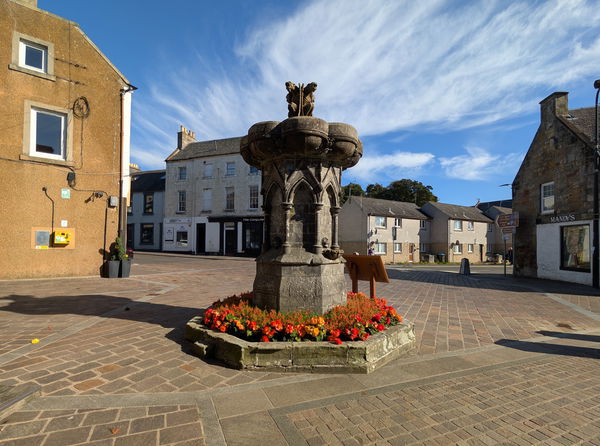
Crosswell Fountain Kinross
Fountain Perth ScotlandAn ornate fountain on Kinross High Street, which contains a time capsule from 1885.
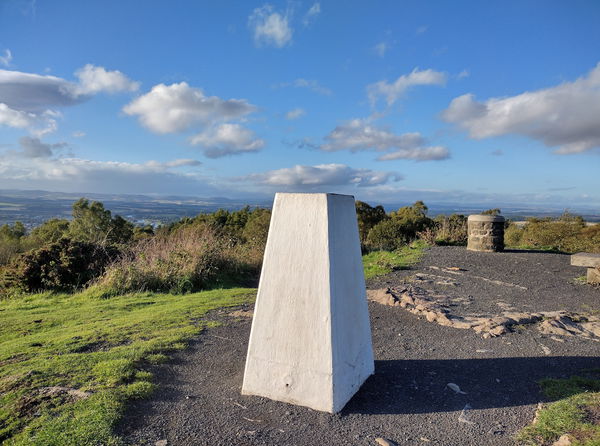
Kinnoull Hill Trig Point
Trig Point Perth ScotlandThe Kinnoull Hill trig point sits on Kinnoull Hill (222m) above Perth.
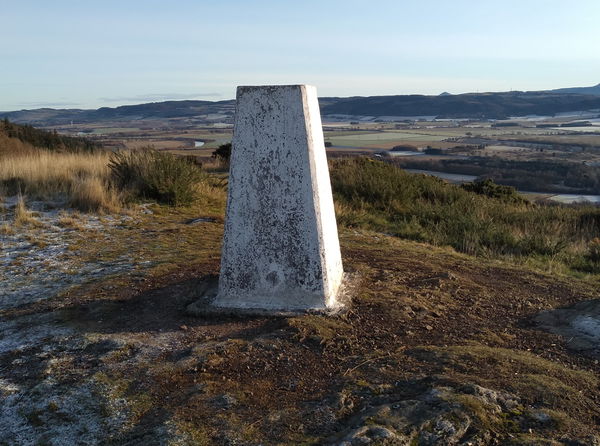
Moncreiffe Hill Trig Point And Hill Fort
Trig Point Perth ScotlandThe Moncreiffe Hill trig point sits on a hill fort (185m) near Perth.
More Castles
So this castle wasn't enough and you want more? Don't worry we have you covered.
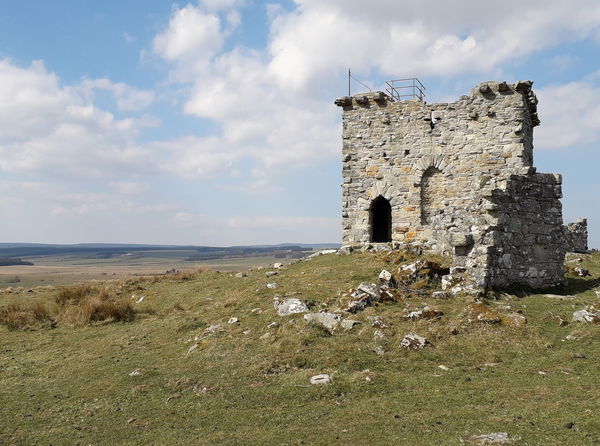
Rothley Castle
Castle Morpeth NorthumberlandA grade II listed, 18th century gothic folly, built for the Wallington Hall estate.
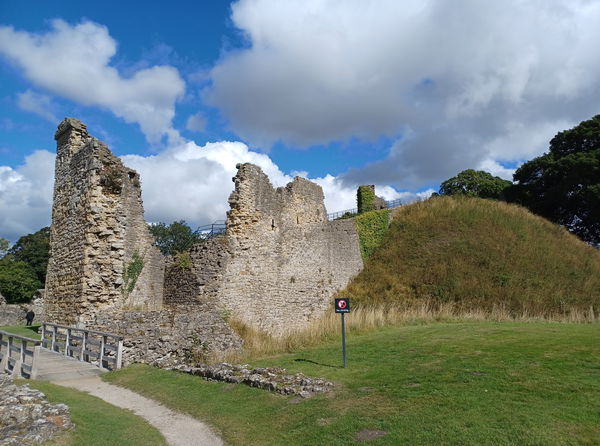
Pickering Castle
Castle Pickering North YorkshireA ruined castle in the centre of Pickering that dates from the Norman period.
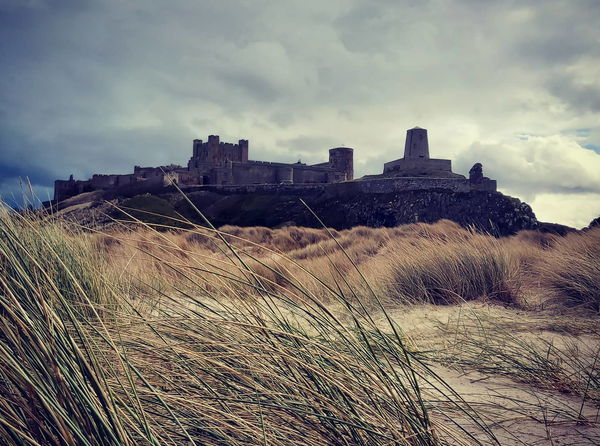
Bamburgh Castle
Castle Bamburgh NorthumberlandThe seat of the ancient kings of Northumbria and a mighty stronghold on the coast of Northumberland.
Never Miss A Fabulous Place
If you are afraid of missing out on all the fabulous places we post, or just want to be the first to know, then sign up to the Fabulous North.
Each week we will email you all the brand new places that we visit.
Sign Up To Alerts

Find Us On Facebook
We post all our new places daily on our Facebook Groups page, so join the group today and be notified when we add a new place.
Join Our Facebook Group