
Mugdock Castle
Castle In Milngavie, Scotland
A fantastic 14th century ruinous castle that has had many extensions and gardens added over the ages.
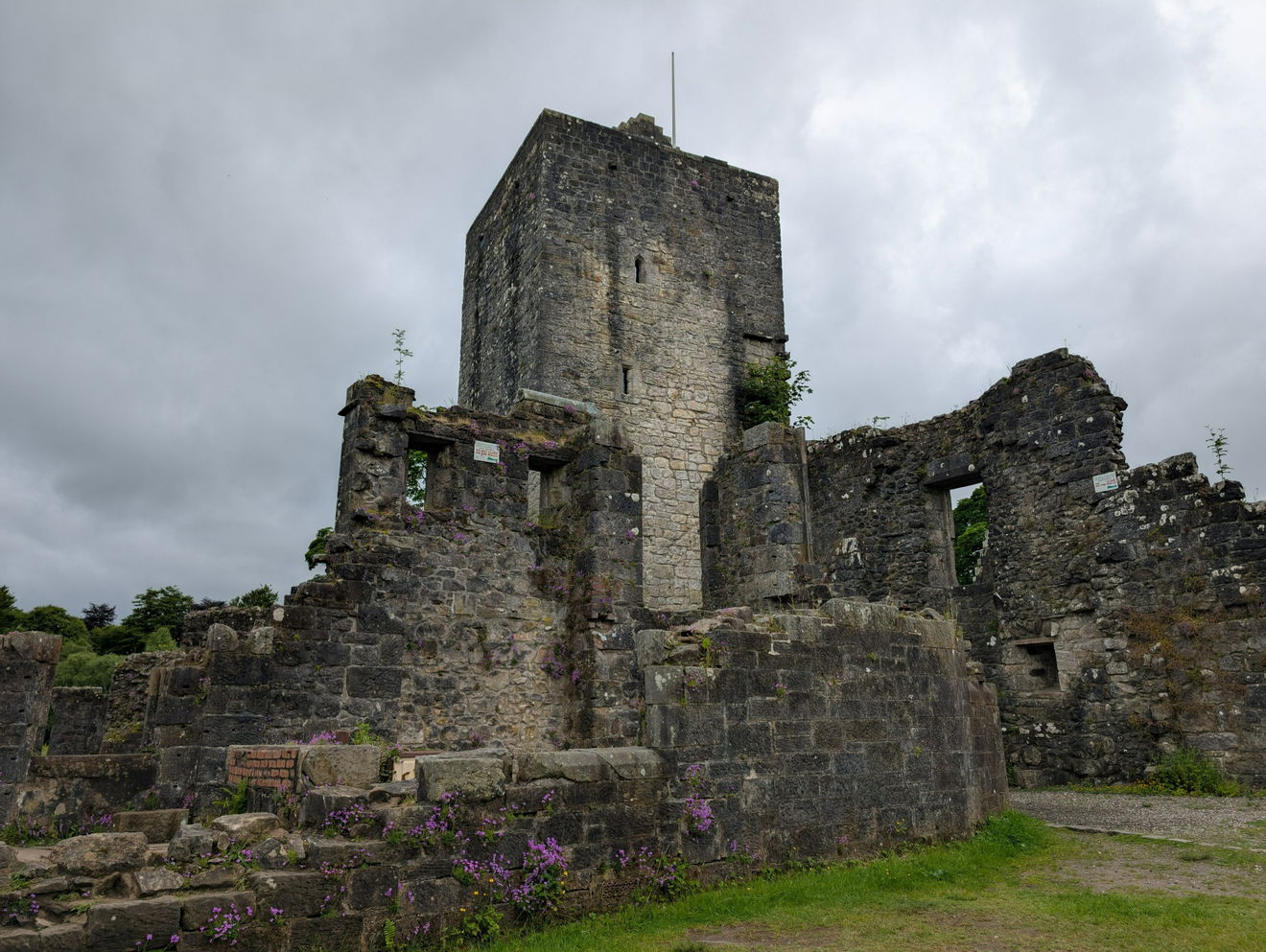
Mugdock Castle was built 1372 by Sir Patrick de Graham, the son of Sir David de Graham.
It was built as a defensive stronghold and a residence which has been heavily extended and renovated throughout its lifetime.
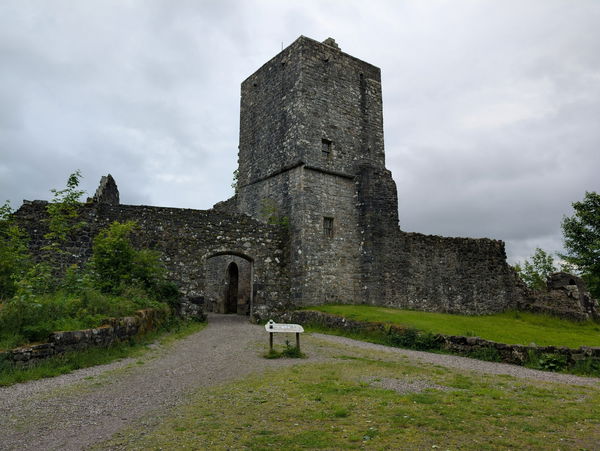
On planning a day out, I spotted Mugdock Castle on my OS Map within Mugdock Country Park. As a lover of ruinous castles and a keen walker, this was a must.
Mugdock Castle has an extensive history and has been extensively extended over the years, so I investigated which parts came when.
The lands around Mugdock were acquired by David de Graham of Dundaff from the Earl of Lennox in the mid 1200's. However, it wasn't until 1327 that the first castle was built at Mugdock.
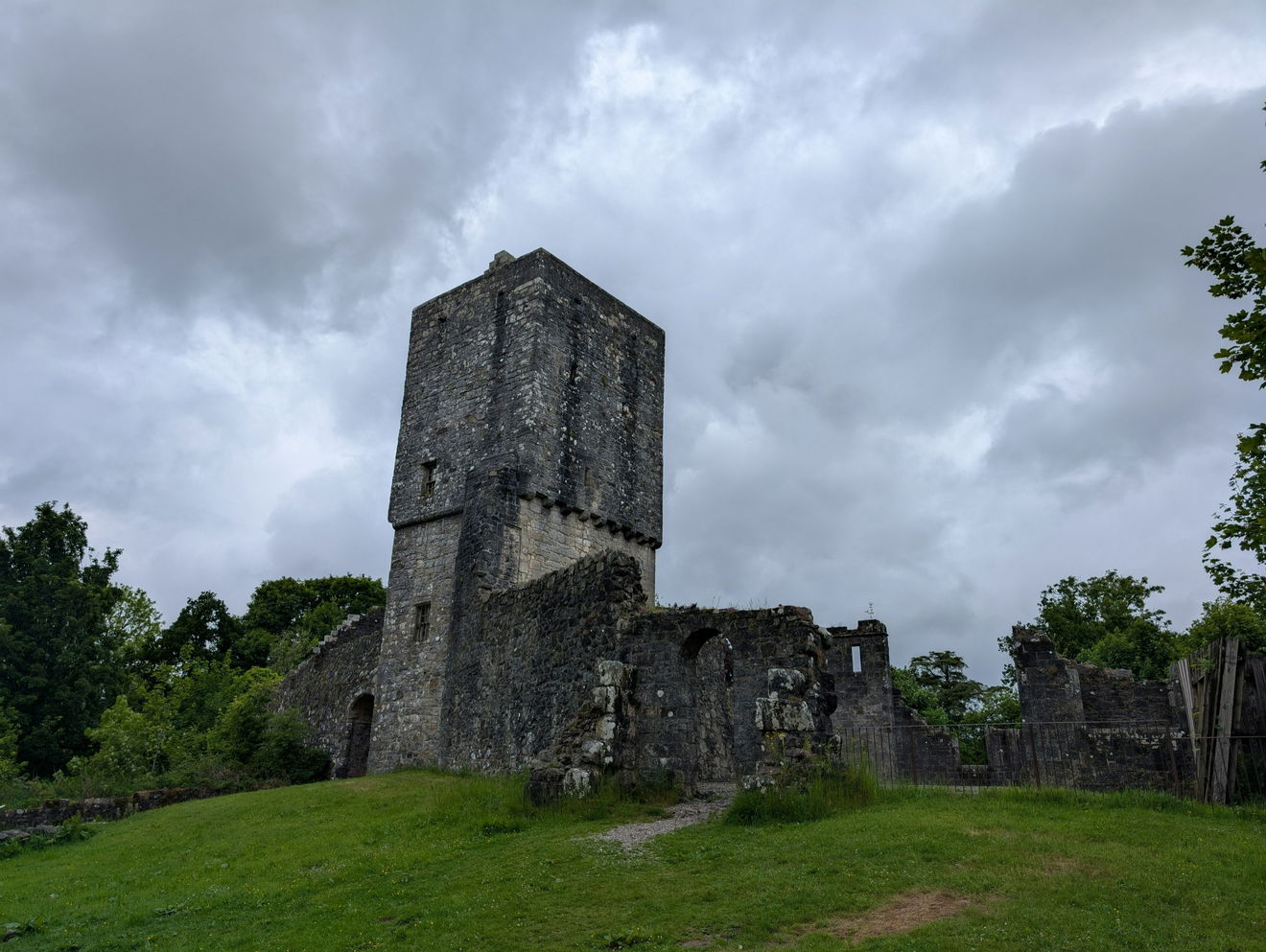
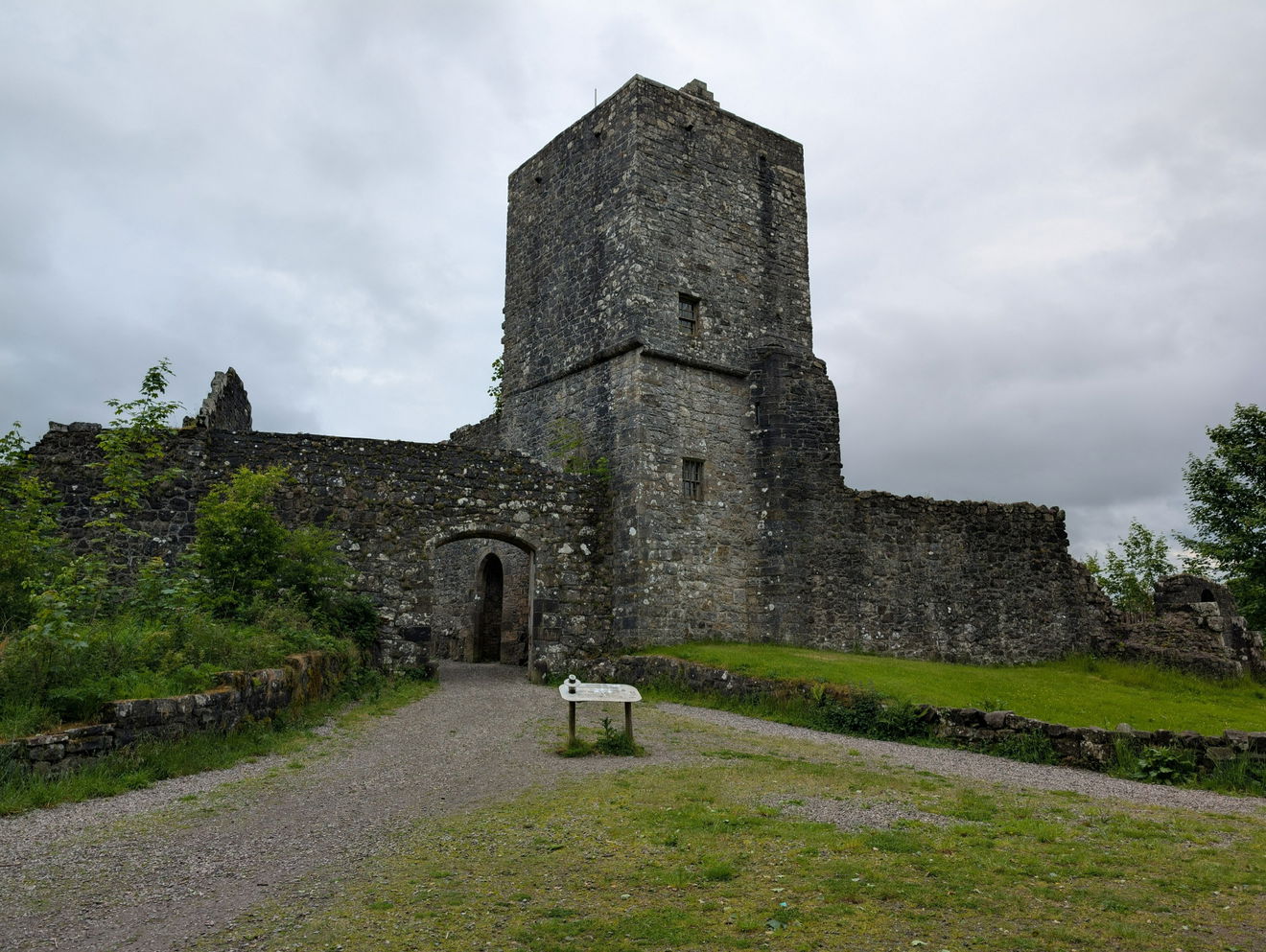
The first castle comprised of the prominent south west tower and a further tower to the north west, both would have been arranged around a courtyard along with other buildings, within the curtain walls. The original entrance into the courtyard is to the right of the south west tower.
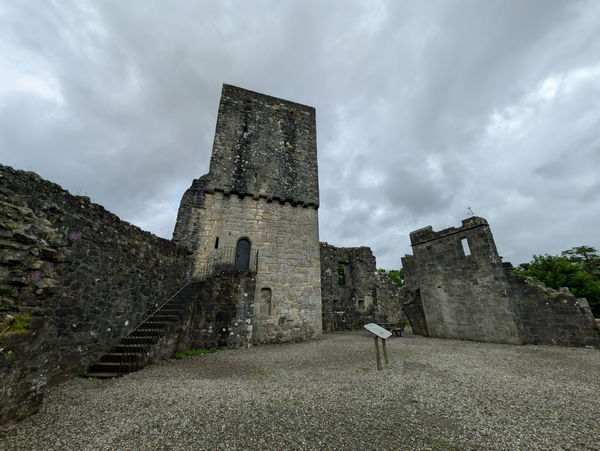
You can still see a line of corbels projecting between the upper and lower floors, making the tower look top heavy.
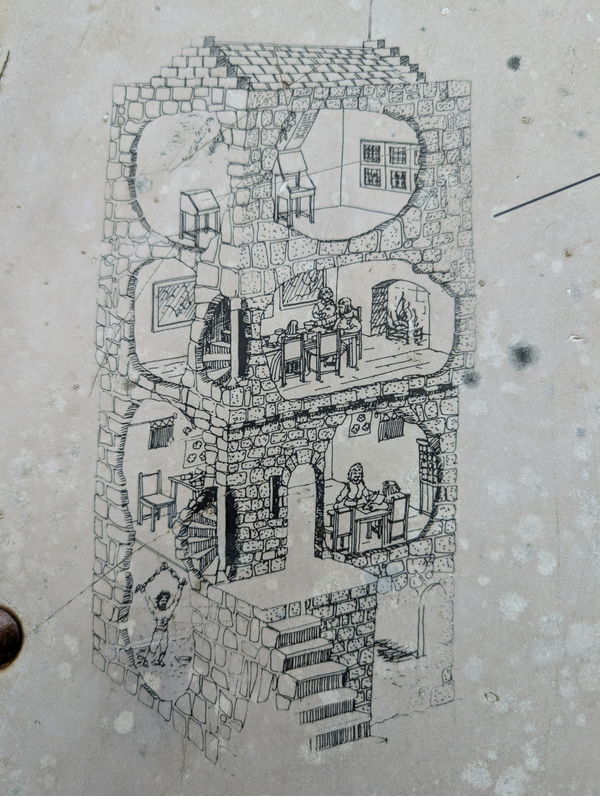
The tower has been renovated as a museum, however it sadly wasn't open when we visited.
The entrance was on the first floor of the east wall. Like many tower houses, this is done to make it easier to defend from attack. The first floor was where business would be conducted. The second floor would be the main living space for the family with the bedrooms above. The ground floor contains a vaulted basement which would have been used for storage and a prison cell. Over the years, the functions of each floor would have changed to fit the buildings purpose.
The only other ruins that remain from the first castle, are parts of the gatehouse and sections of curtain wall.
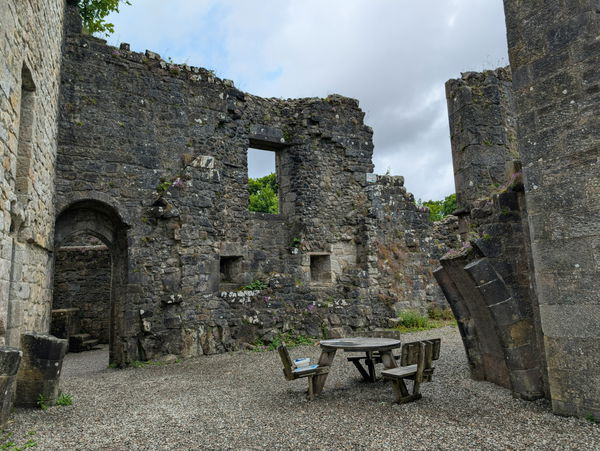
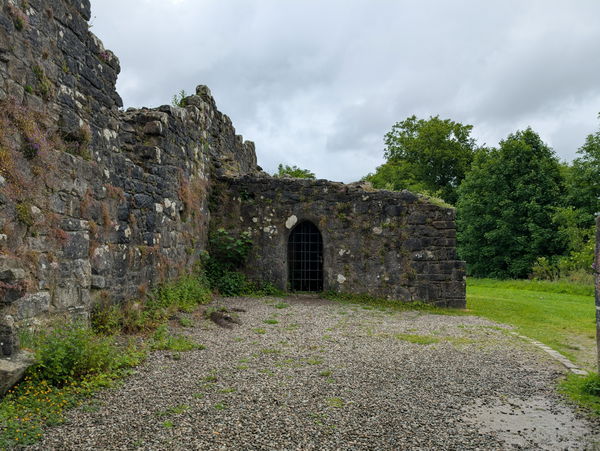
In 1458, the lands became a Barony of Mugdock, promoting the noble position of the Graham's.
It was during the mid 1400's that the castle was extended. An outer wall was built to the left of the south west tower, creating an outer courtyard. The outer courtyard had its entrance on the south wall next to the tower.
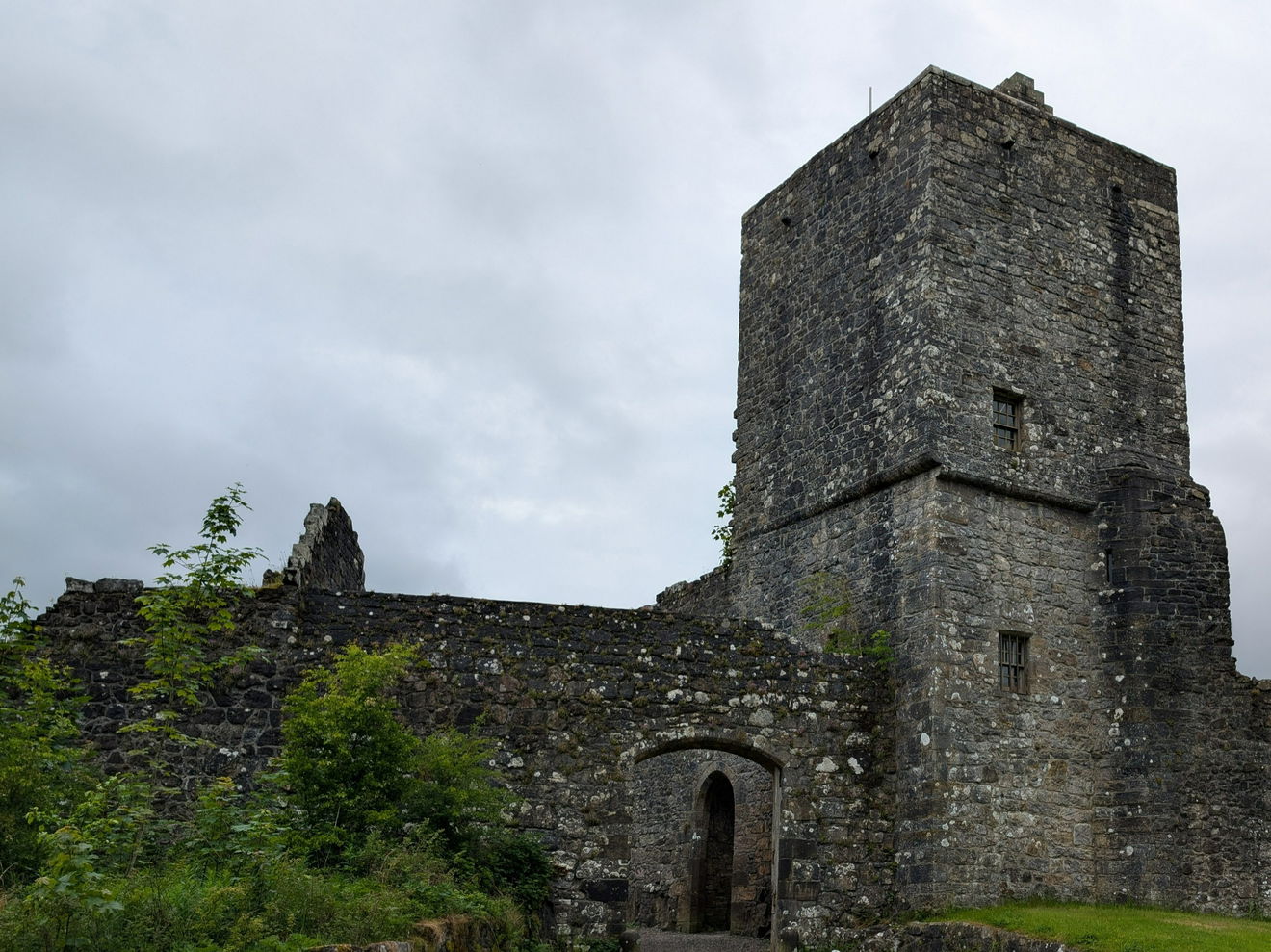
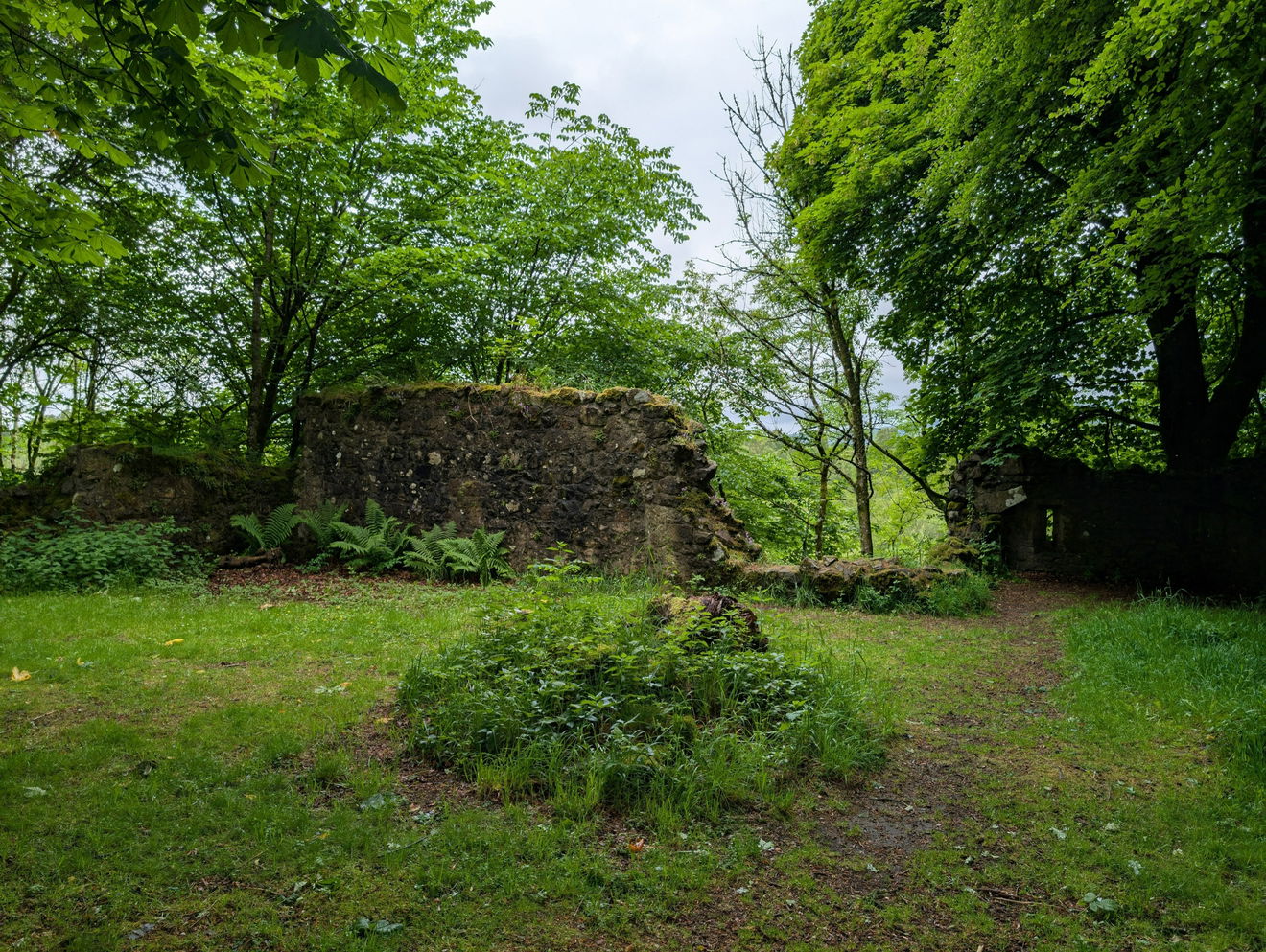
Inside the outer courtyard are the ruins of various buildings, and although most date from the 1500's, there may have been some buildings against the inside of the curtains wall.
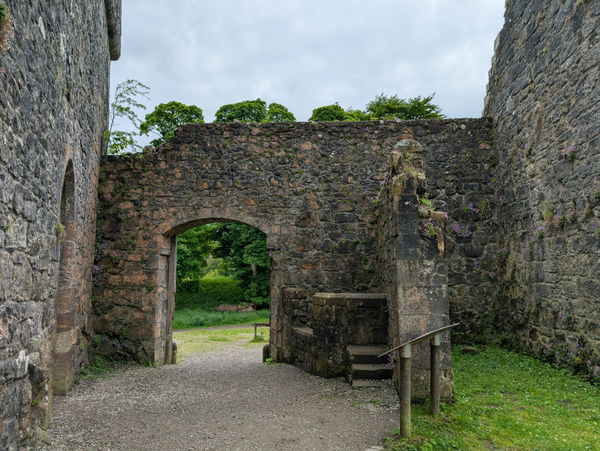
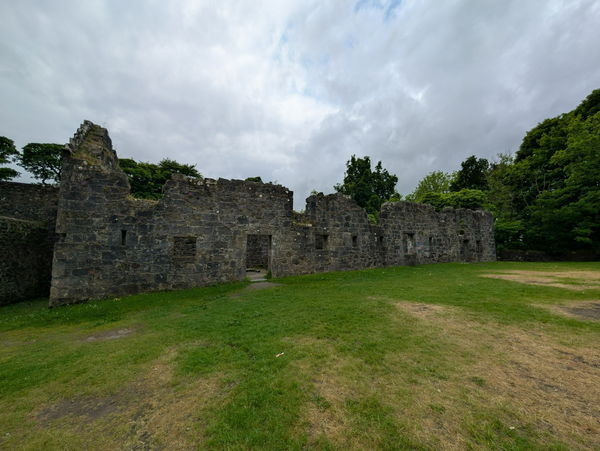
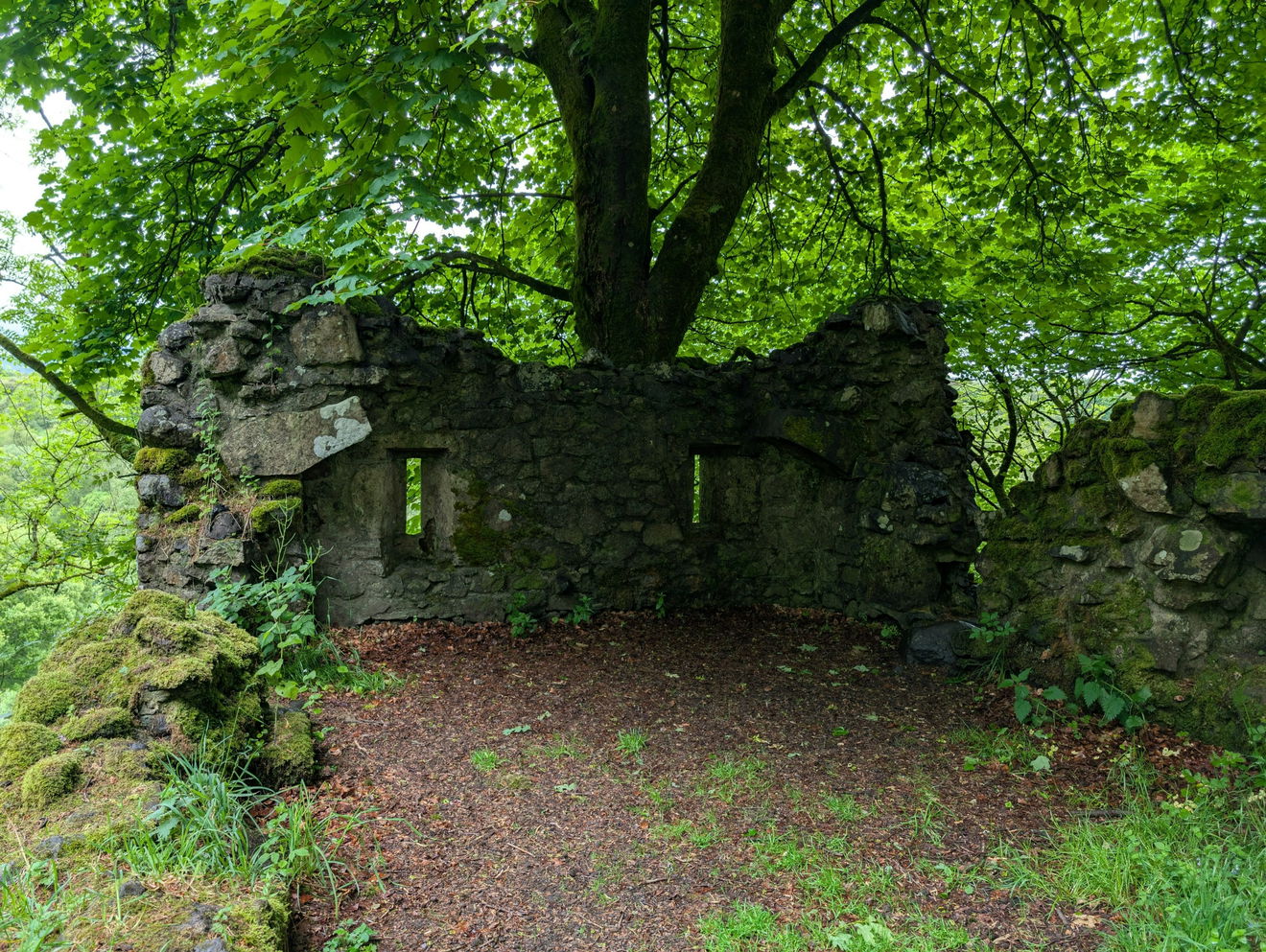
It was also during the 1400's, that a Garderobe Tower, loos to you and me, were constructed at the far north of the courtyard.
The most famous of the Montrose Grahams was James Graham, the 1st Marquess of Montrose, who may well have been born at Mugdock Castle in 1612.
He had a very active decade in the 1640's. I will try and summarise it for you; He fought in many battles, was imprisoned, then sacked, then became King's commander, then sacked again, only to be executed in 1650.
His lands were briefly in the hands of the Marquess of Argyll, until he too was executed and Mugdock once again returned to the Graham's in 1661.
It was then that the castle was restored, probably by James Graham, 2nd Marquess of Montrose (Marquess the Good) and a mansion was built within the castle walls.
The chapel could have been added at this point too, at the far north of the courtyard, near the Garderobe Tower.
In 1682, the Grahams moved into Buchanan Auld House near Drymen, but kept Mugdock Castle as their family's official seat.
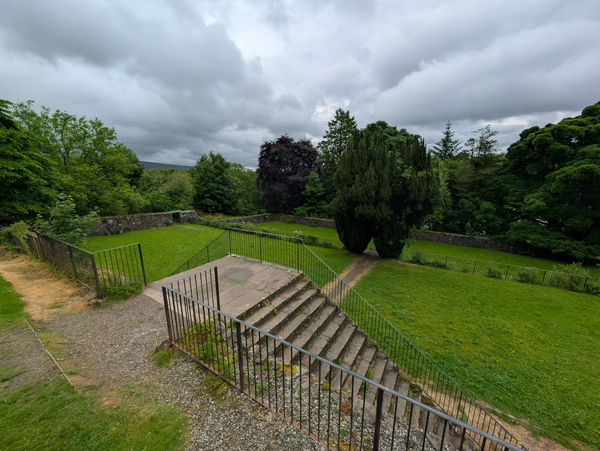
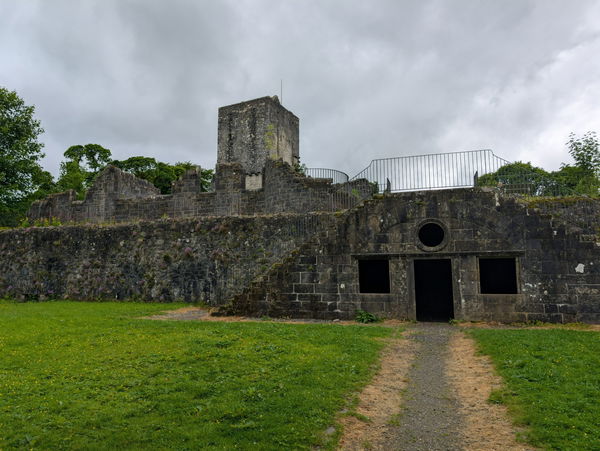
In 1820, while still in the hands of the Graham's, a terraced walled garden and summer house were built to the east of the castle. I have always wanted a walled garden, so I definitely had garden envy. The gardens are vast and I would have loved to have seen them in there heyday. I love the quirky shaped summerhouse which is built into the steps of the terrace.
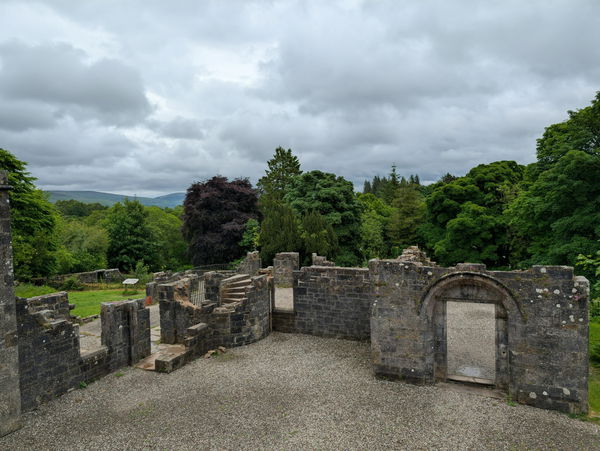
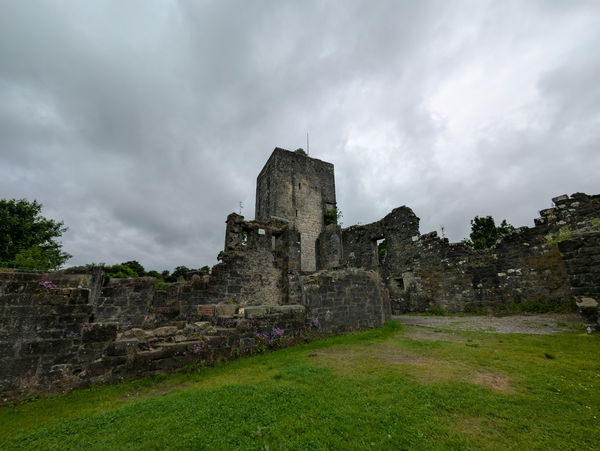
In 1874, a local historian John Guthrie Smith, and relative of the Smith's that were leasing nearby Craigend Castle, began leasing Mugdock Castle.
Soon after his arrival, Smith had the old mansion demolished and built a Scottish baronial style house incorporating the ruins of the old castle, designed by the architects Cambell Douglas & Sellars.
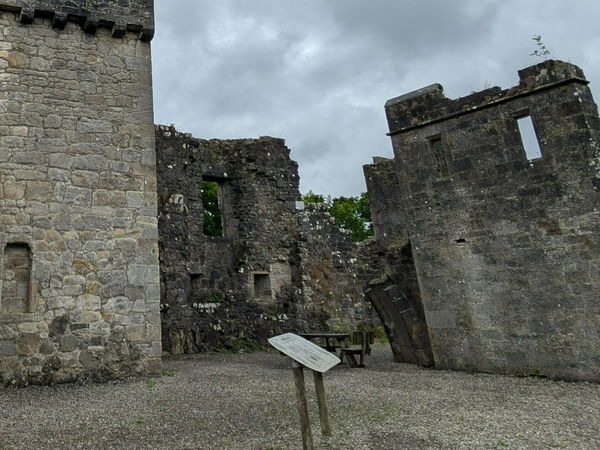
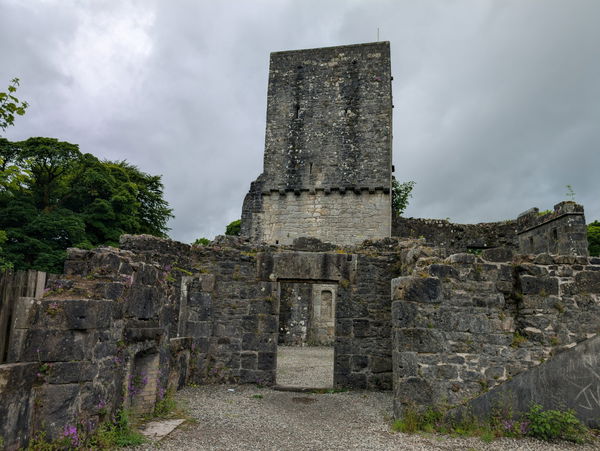
The surviving south west tower was incorporated into the new building, via a first floor passage which was built over an arched bridge.
The house contained three floors and was L shaped. The front door faced the tower, creating a small courtyard.
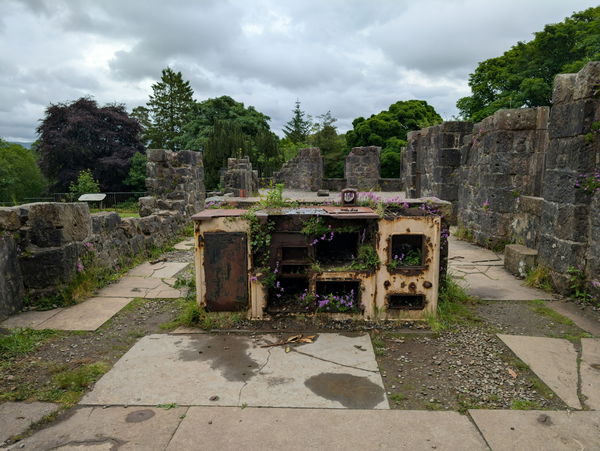
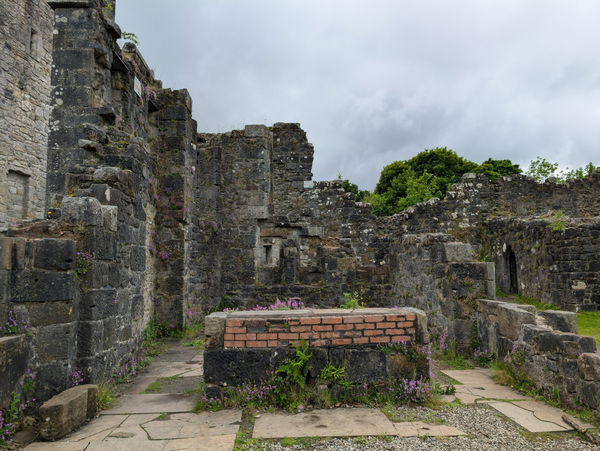
In the 1880's, the house was further extended using designs by James Sellars.
This part of the ruins really gets the imagination going. As a kid, I used to love role playing in ruins like this, pretending it was my house. The only thing that was missing was a toy tea set. Imagine cooking on that range, making fires in those fireplaces, and climbing up those spiral staircases.
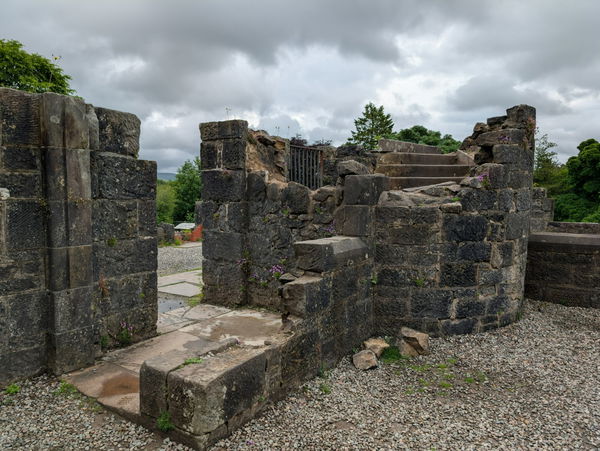
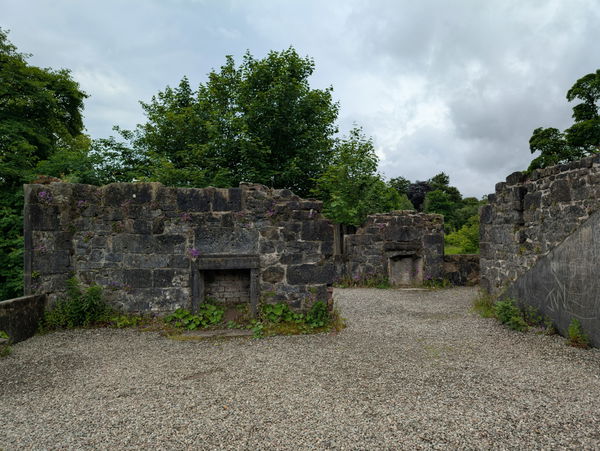
Now we move onto the west of the castle grounds. There is an array of buildings in this area, mainly built around the Victorian era.
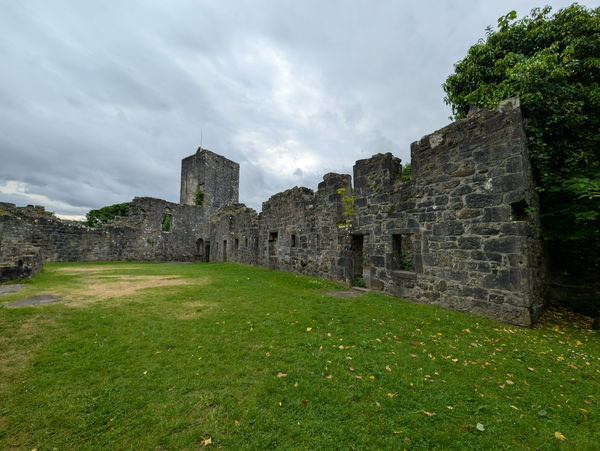
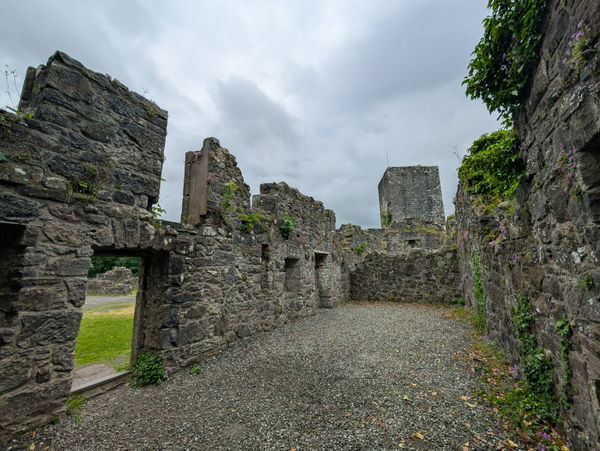
The two storey domestic buildings would have changed use to meet the needs of the castle. There would probably been building here from the 1400's, but they would have been improved and expanded other the centuries. The primary use of the buildings would be for accommodation and storage.
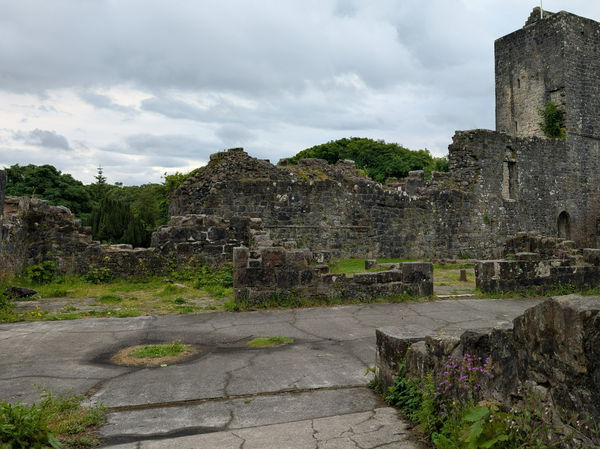
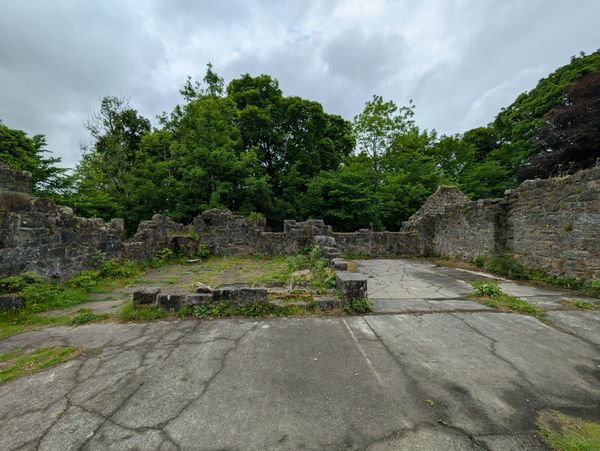
The other buildings to the west of the castle grounds would have met the needs of the castle's residents. They would have contained stables for the horses and carriages, and in latter days, laundry rooms.
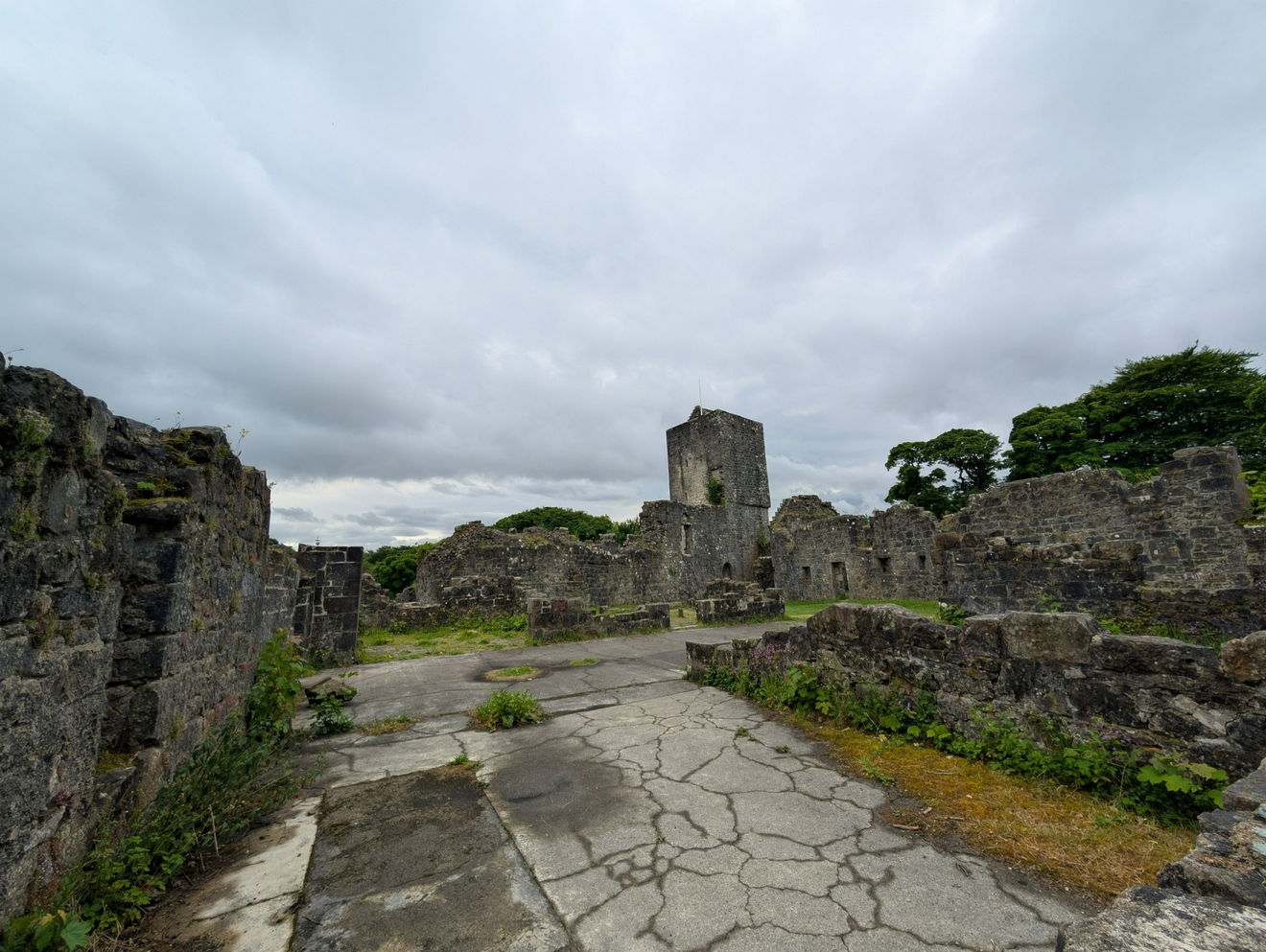
In the early 1940's, the house was requisitioned by the government, during World War II.
Remember the House of Fraser? The owner of the retail chain, Hugh Fraser, bought Mugdock Castle from the Duke of Montrose in 1945.
In 1966, Mugdock burned down, taking with it the remaining 16th century outbuildings. As a result, the following year the house was mostly demolished to the foundations.
In 1981, Lord Fraser's son Sir Hugh Fraser, gifted the castle and the surrounding estate to Central Regional Council for use as a country park.
Mugdock Country Park was subsequently established in 1987 and has become a popular attraction, including the ruins of this splendid castle.
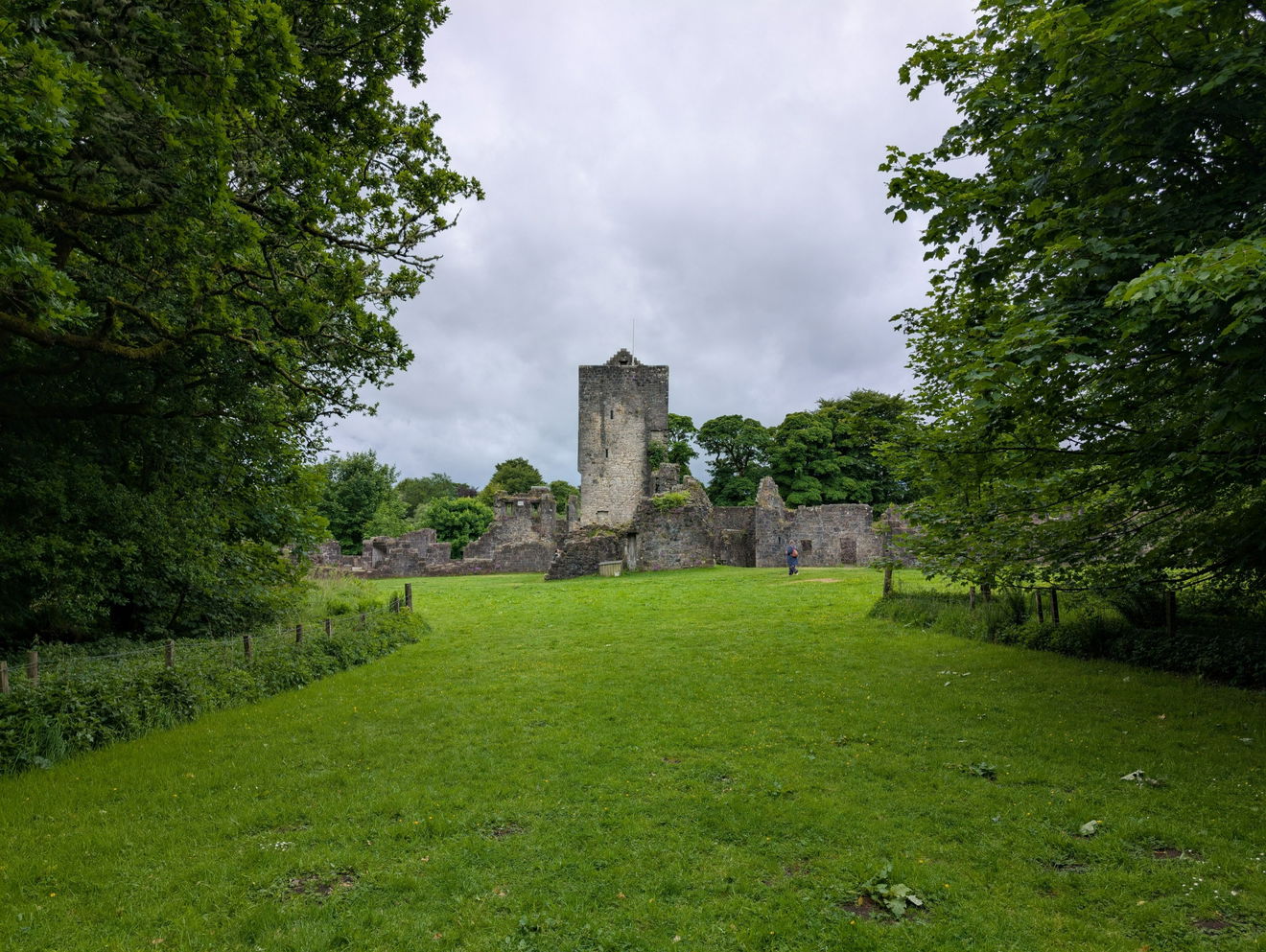
The Mugdock Country Park South Car Park is only a short distance from Mugdock Castle, however, if you fancy making a day of it, why not try the Mugdock Circular Walk that also takes in Craigend Castle and Mugdock Anti-Aircraft Gun Placement.
Mugdock Castle is a Scheduled Ancient Monument and a Category A Listed Building with Historic Environment Scotland.
For a quick visit to just the castle, follow the above route, or find on OS Maps.
Get 3 points if you have visited this place. Already visited by 3 VIPs.
Login to the VIP area to add places to your bucket list, mark them as visited and more importantly see where you rank on the league table.
How To Find Mugdock Castle
Where Is Mugdock Castle?
Lat / Long
55.96549450709733, -4.324625217830791
What three words
Where To Park For Mugdock Castle?
Lat / Long
55.96337, -4.31731
What three words
There is parking for a several cars Mugdock Country Park South car park.
Contributed by Lorraine London
I have been a keen hill walker for many years and more recently enjoy trig bagging. When I'm not exploring Northumberland, County Durham and Yorkshire, I spend most of my holidays in bonny Scotland. Other than hills, I love investigating ruinous buildings and waterfalls. I have been a member of NT and EH for years, which also gives me access to Historic Environment Scotland places.
More Places from Lorraine
More Places In Milngavie
Find more fabulous places in Milngavie, Scotland and if you know of a place we haven't listed, then let us know.
Craigend Castle
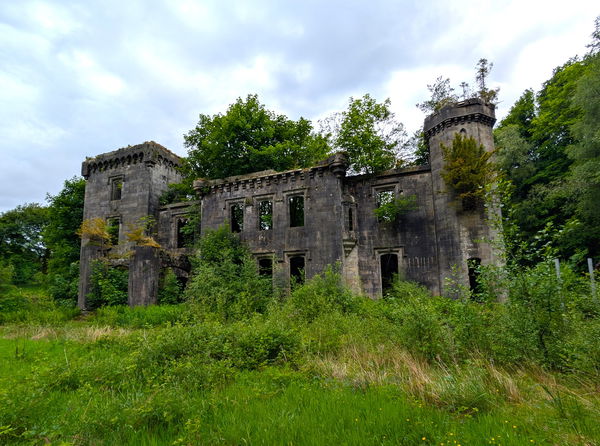
Building Milngavie ScotlandA ruinous country house, that was built in 1812 and has now succumbed to nature in the Mugdock Country Park.
John Frederick Bateman Memorial
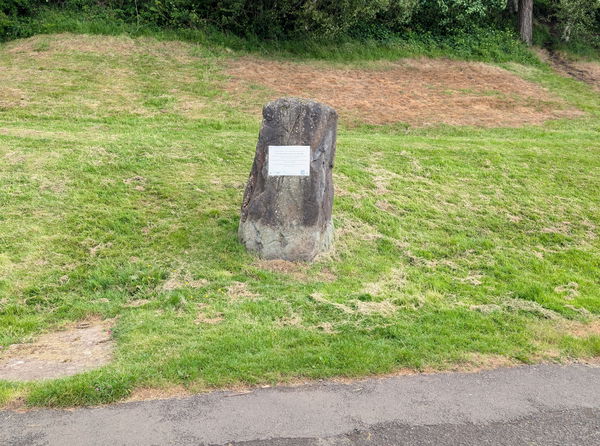
Standing Stone Milngavie ScotlandA memorial stone celebrating John Frederick Batesman's engineering achievements in bringing clean water to the area.
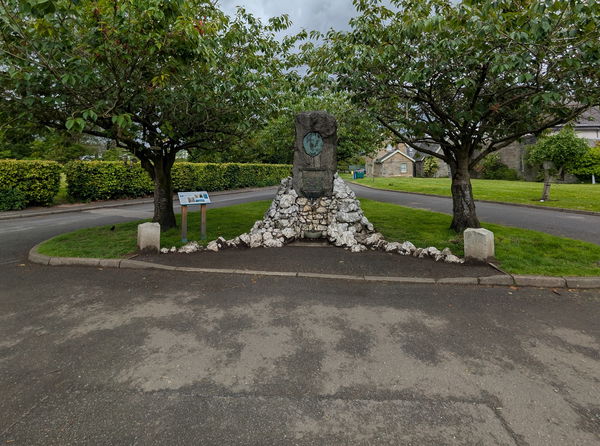
James M Gale Memorial
Fountain Milngavie ScotlandA water fountain celebrating the achievements of the engineer James M Gale, who brought a supply fresh water to Glasgow.
More Castles
So this castle wasn't enough and you want more? Don't worry we have you covered.
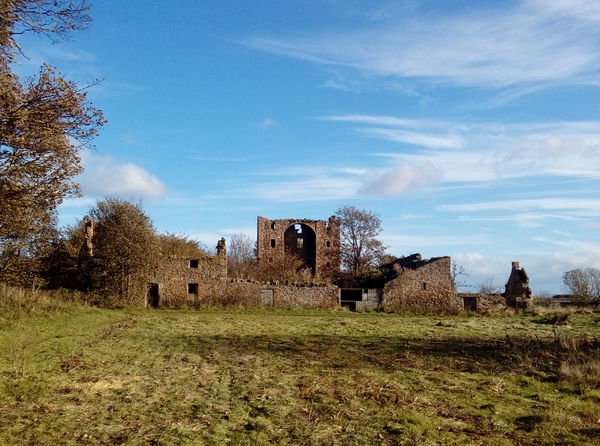
Saltcoats Castle
Castle East Lothian BordersSaltcoats Castle is a ruinous courtyard castle near Gullane in East Lothian.
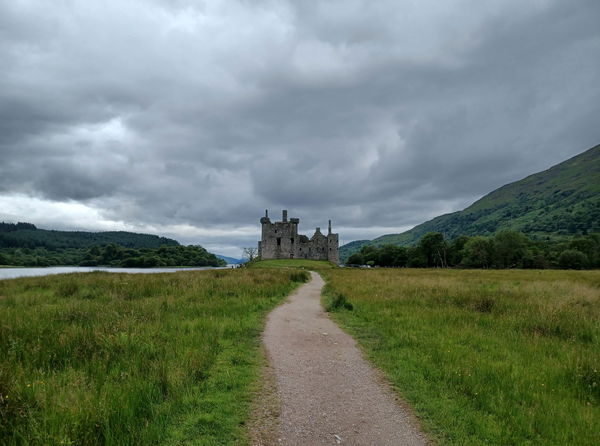
Kilchurn Castle
Castle Oban ScotlandA ruined 15th century castle that was once the seat of the Clan Campbell.
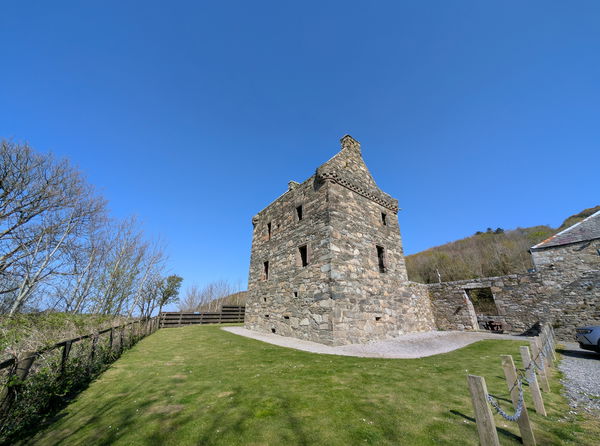
Carsluith Castle
Castle Newton Stewart ScotlandA delightful and well preserved tower house near Newton Stewart.
Never Miss A Fabulous Place
If you are afraid of missing out on all the fabulous places we post, or just want to be the first to know, then sign up to the Fabulous North.
Each week we will email you all the brand new places that we visit.
Sign Up To Alerts

Find Us On Facebook
We post all our new places daily on our Facebook Groups page, so join the group today and be notified when we add a new place.
Join Our Facebook Group