
Castle Campbell
Castle In Stirling, Scotland
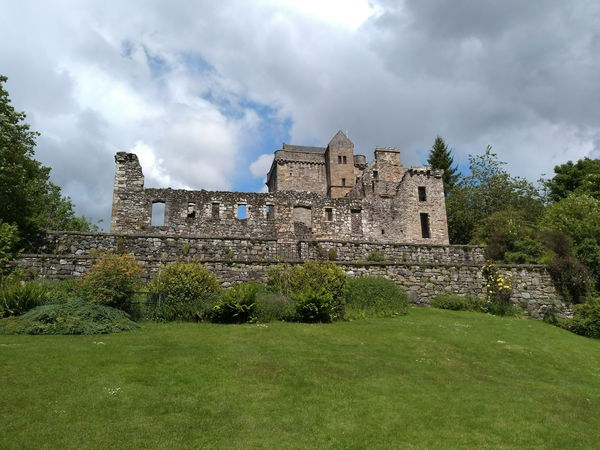
An impressive 15th century ruinous castle, located in a fantastic position on the foothills of the Ochils near Dollar.
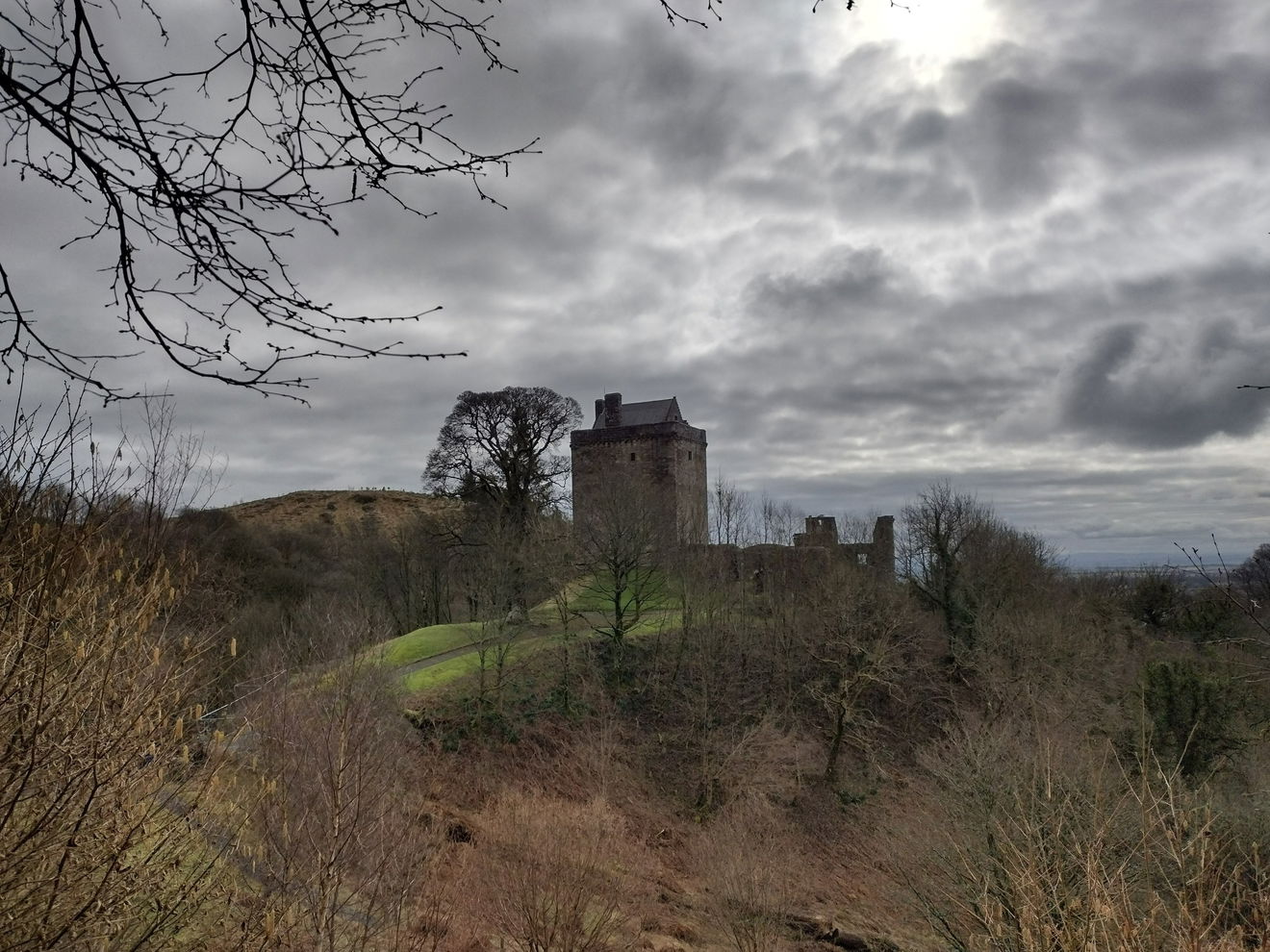
Castle Campbell is a fantastic 15th century castle high up in Dollar Glen. It's position might mean an uphill walk to reach it, but the reward is well worth it.
The castle was the lowland seat of the Earls of Argyll. It was originally named Gloom, thought to derive from the word 'glom' meaning a chasm in the narrow gorge. It is most certainly isn't a gloomy place at all!
It is possible that the castle was built on the site of an old 12th century motte and bailey, as the landscape fits perfectly as a naturally defended location.
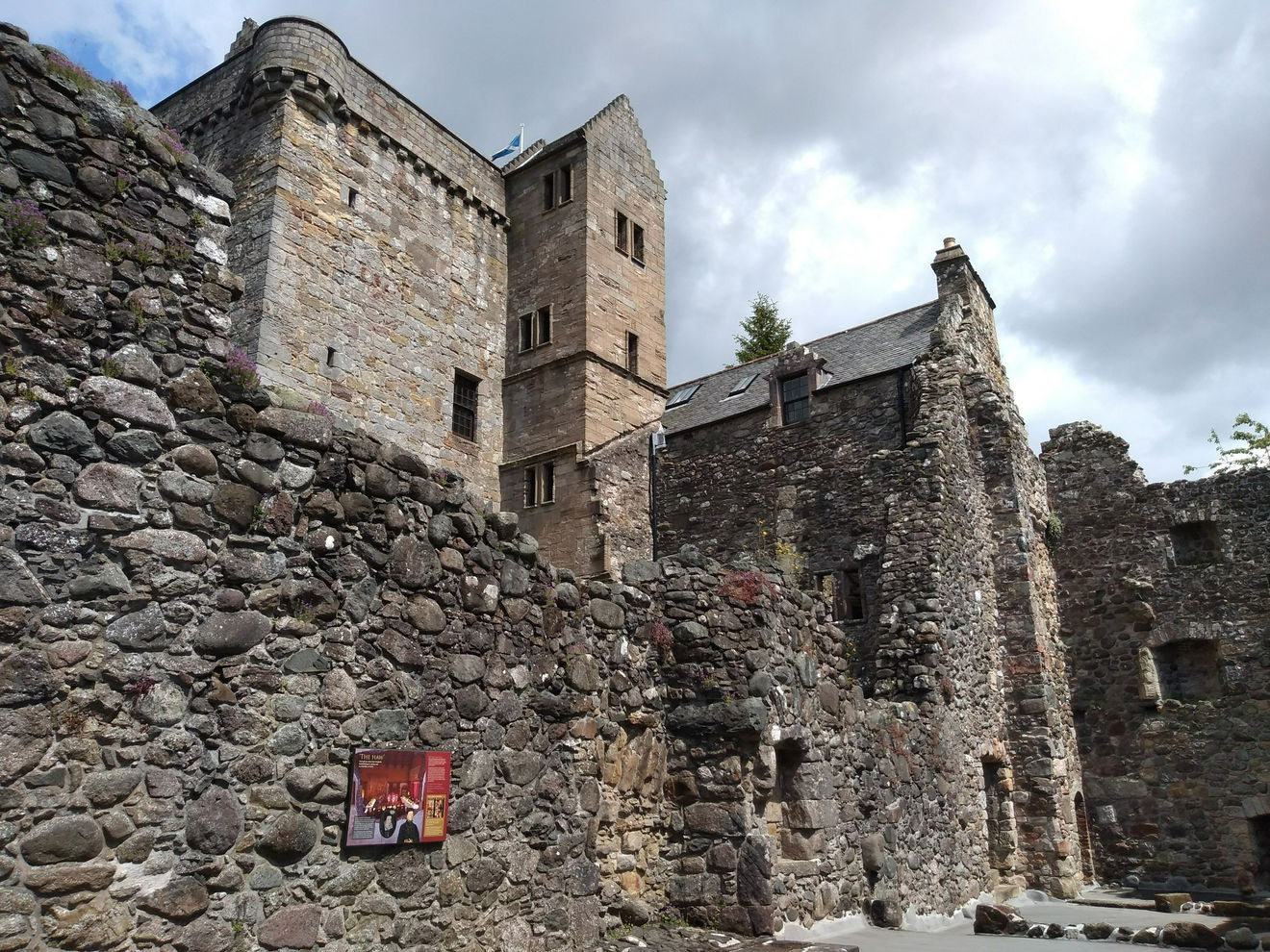
The initial tower house was built in 1430 by John Stewart, Lord Lorne. By 1460, it had passed to Colin Campbell, the 1st Earl of Argyll through his marriage to Lord Lorne's daughter, Isabel.
In 1490, Campbell petitioned King James IV to change the name of the castle from Gloom to Castle Campbell, and who could blame him.
The power of the Campbell family extended from Argyll in the west into central Scotland, where Campbell held the position of Master of the Household to King James III of Scotland.
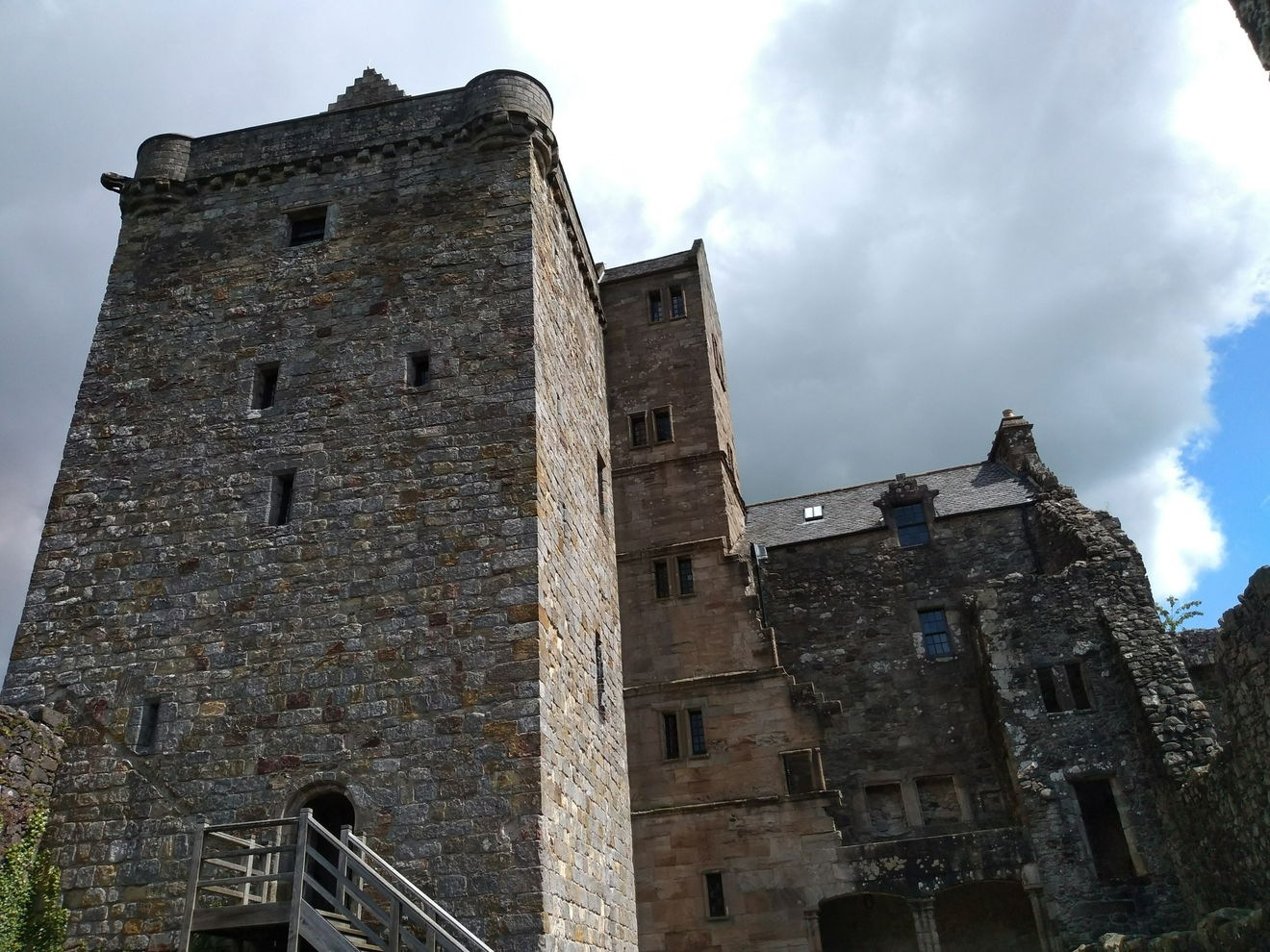
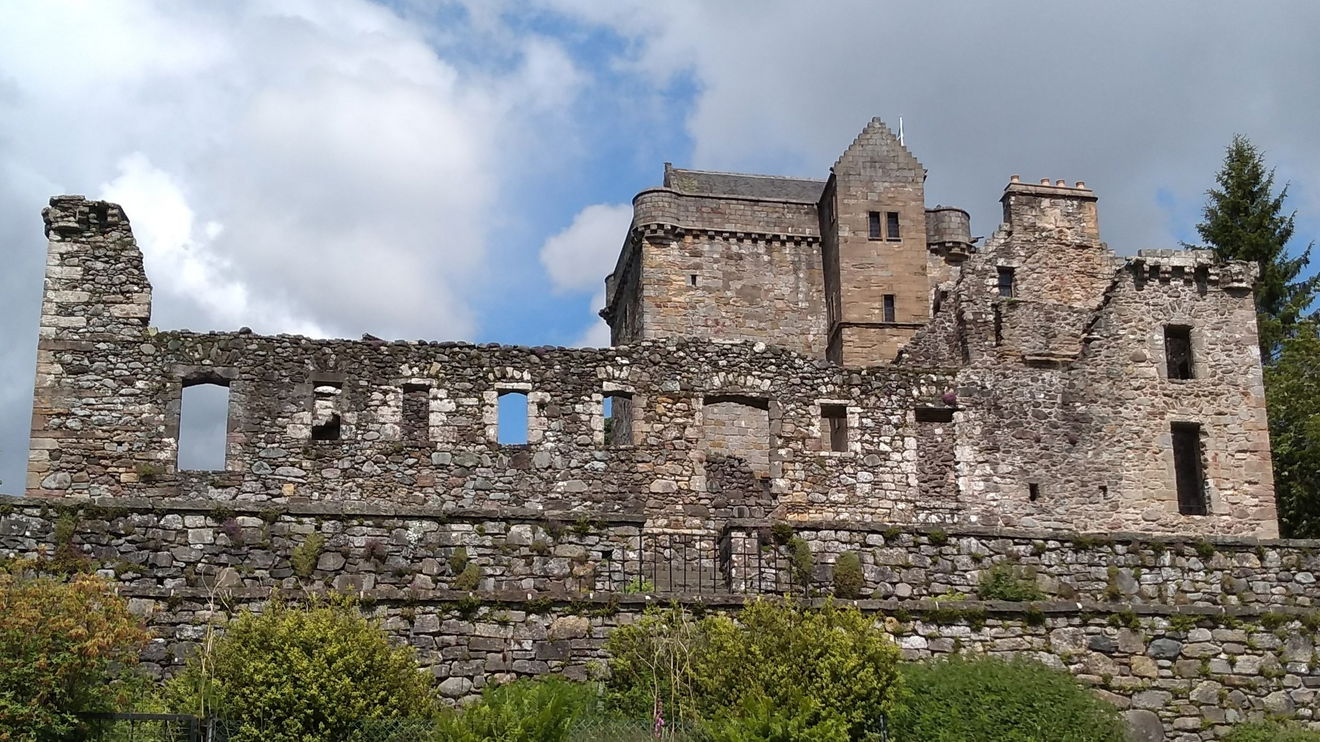
The east range above was added first. It consisted of a tower house with other buildings, such as a bakehouse and stables arranged around the courtyard inside the curtain wall.
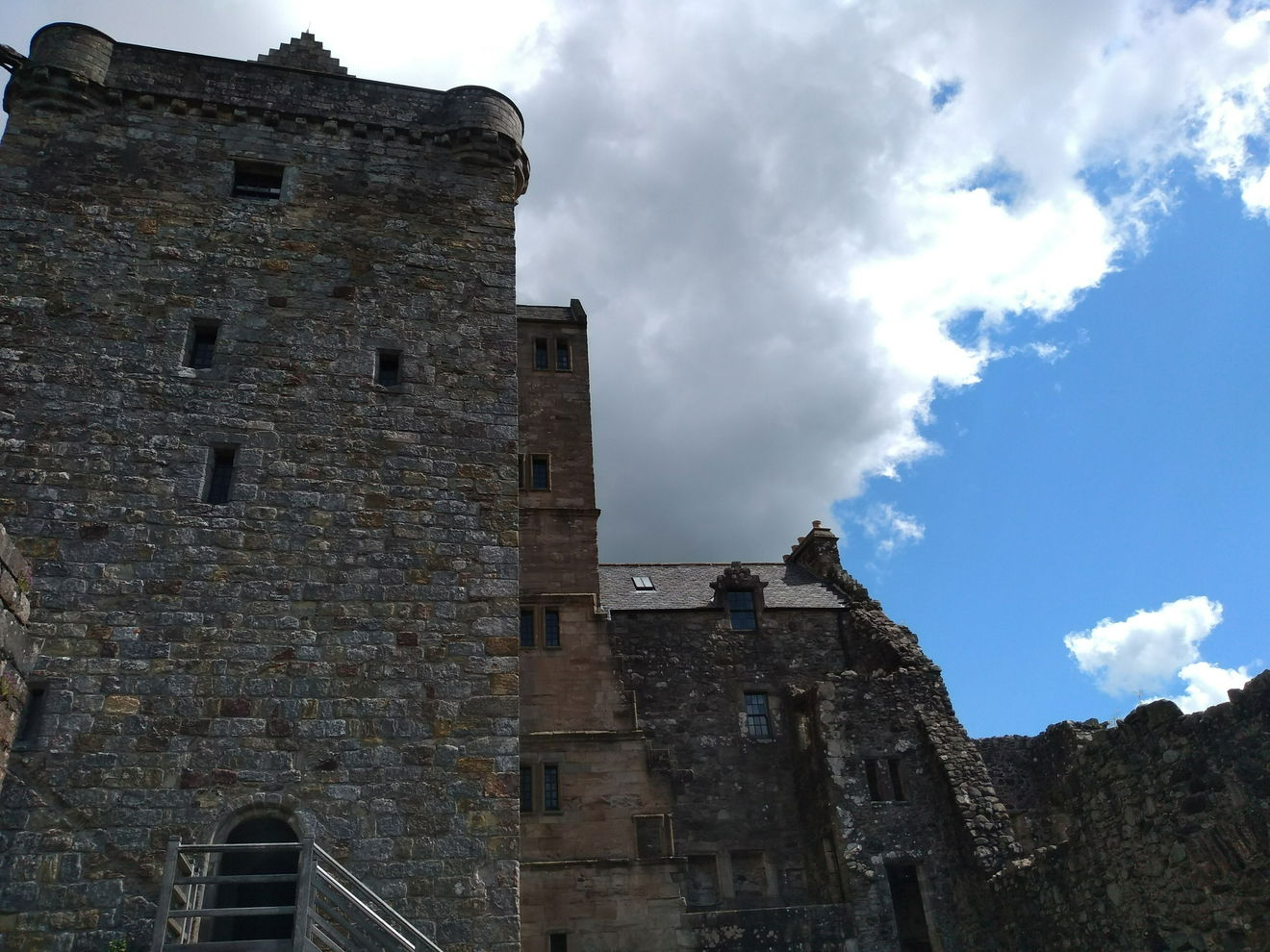
The 20m tall tower was the family's residence with a storage cellar on the ground floor, the hall and main entrance on the first floor, and private chambers on the upper floors.
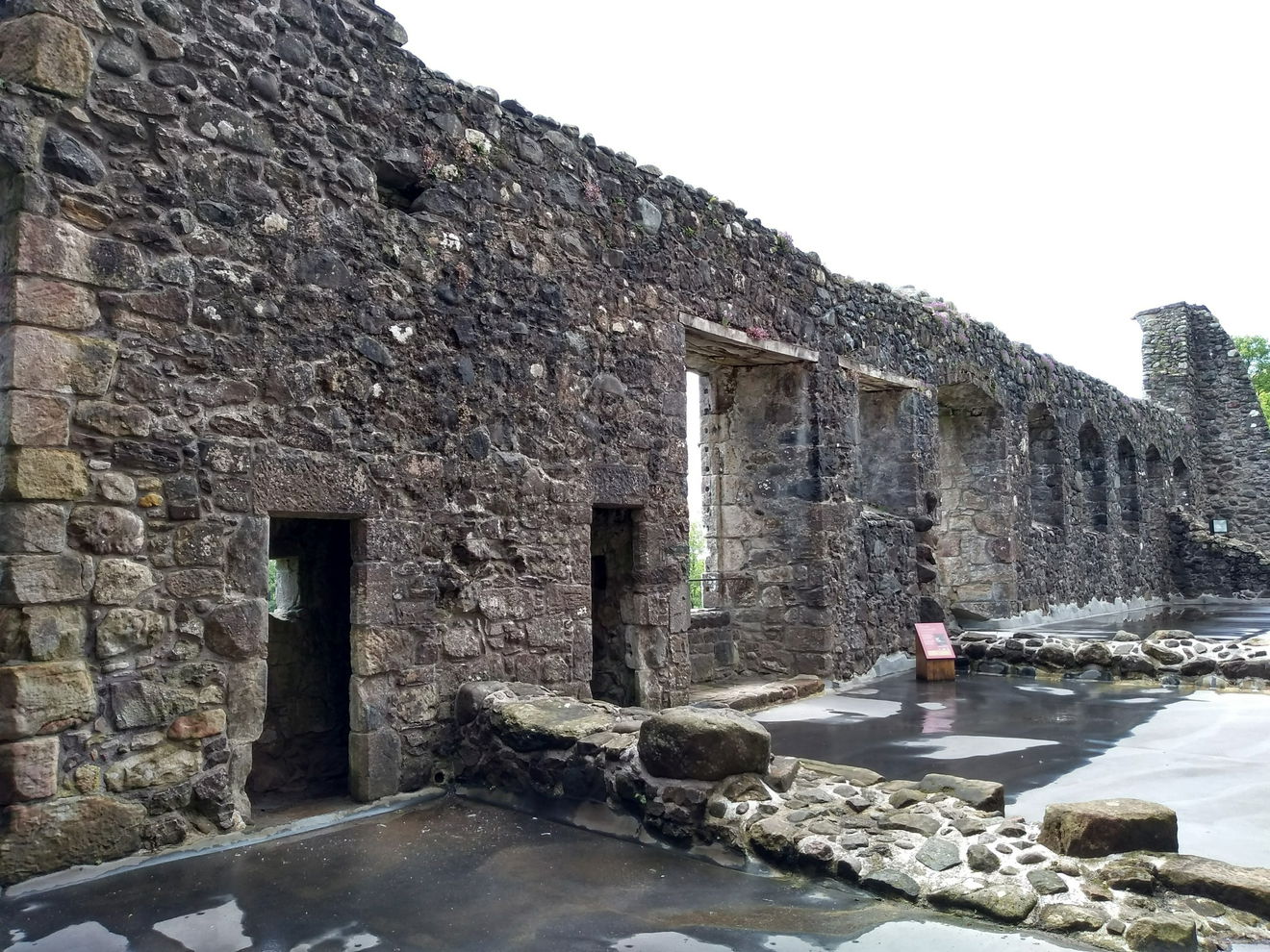
The south range was added after the accession of the 2nd Earl in 1493.
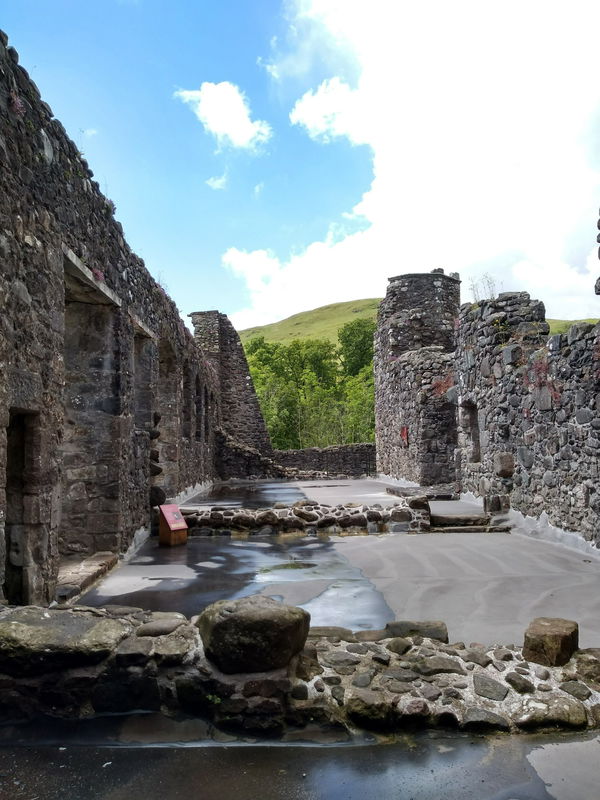
It looks like Campbell stole some ideas for the south range, as it strikes a remarkable resemblance to the King's Old Building at Stirling Castle, which was built for James IV in the 1490s.
The two storey range included a hall, an outer chamber and bedchamber with large south facing windows which overlook the gardens and views beyond. There was also additional private lodgings which were accessed by two symmetrical stairways.
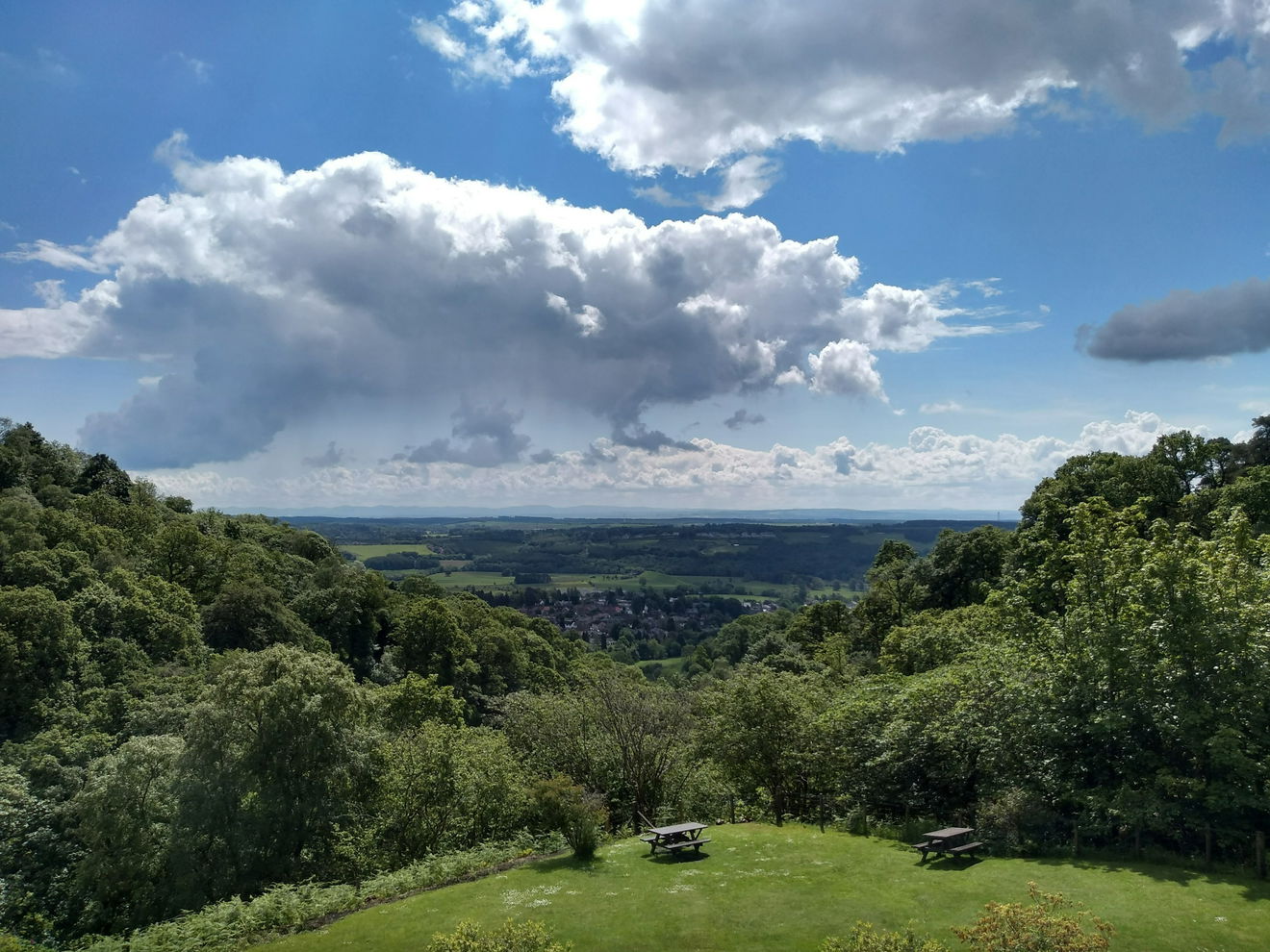
In 1556, Archibald Campbell, the 4th Earl of Argyll, welcomed the feisty Protestant preacher John Knox to the castle, Campbell himself being a strong supporter of the Protestant cause.
In January 1563, Mary Queen of Scots, stayed at Castle Campbell during the marriage of Campbell's sister to James Stewart, Lord Doune. Although Knox disapproved of all the dancing and fun, he still returned in February 1564 for a meeting with Campbell.
In more ostentatious times, Colin Campbell, the 6th Earl of Argyll, had 18 pieces of tapestry made to decorate the castle in 1584.
Six years later in 1590, the next Earl, Archibald Campbell, refurbished the guest chambers in the east tower. He also created a two arched loggia (exterior covered galleries) linking the east and south ranges and added a couple of new staircases, completing the trendy transformation.
An inventory of the castle was made in 1595, which listed the extravagant furniture, tapestries, carpets and other items, including a total of 47 beds.
In 1651, Archibald Campbell, 1st Marquess of Argyll, placed the crown on Charles II of Scotland's head at Scone. However, he was not a fan of the King's invasion of England, and the following year he opted to support Oliver Cromwell's Commonwealth instead. In 1653, Cromwell's forces were garrisoned at Castle Campbell and in July of 1654, the Royalist rebels attacked and set light to the castle.
Argyll was executed on 27 May 1661, and his son, the 9th Earl chose to build Argyll's Lodging just down the road fromStirling Castle, rather than renovate Castle Campbell.
Other than the castle being used briefly as garrison during the Jacobite rising of 1715, the castle was abandoned.
In 1805, the castle was sold to Crauford Tait of Harviestoun, who owned the adjacent estate. In 1859, both Harviestoun and Castle Campbell was bought by a Sir Andrew Orr, who went on to retire at Harviestoun Castle.
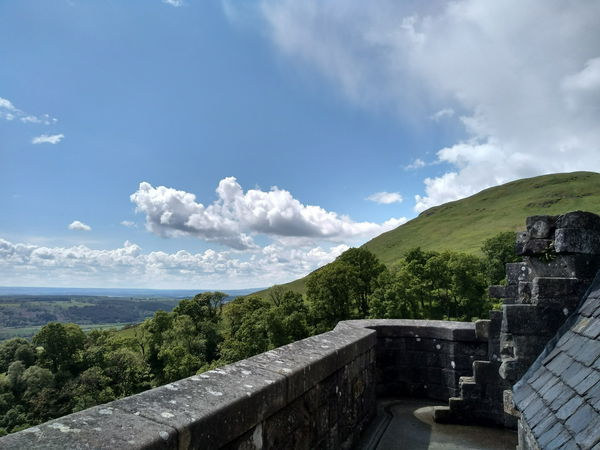
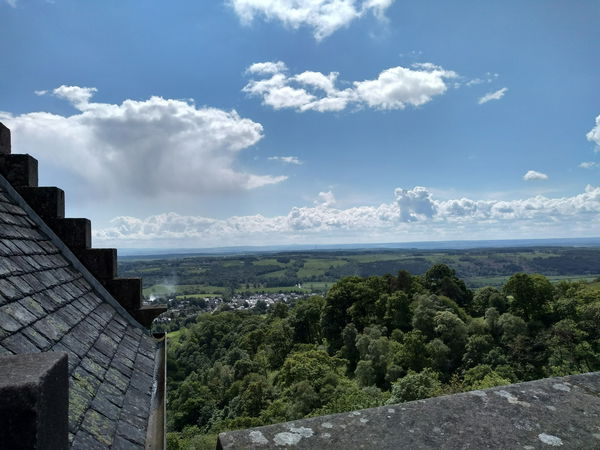
In 1948, the owners of the Harviestoun estate gave Dollar Glen to the National Trust for Scotland, who arranged for the castle to be cared for by the Ministry of Works. Restoration works have included a new roof on the tower, which allows visitors to access the wall walk, from where the views are incredible. It is owned by National Trust for Scotland and operated by Historic Environment Scotland, meaning both organisation's members gain free admission while the castle is cared for by both organisations.
We managed to visit Castle Campbell before it was closed after a masonry inspection. It has now reopened and we hope to return to once again enjoy the castle, grounds and glen, as well as updating our photo's.
It is open daily between 1 Apr and 30 Sept, but closes for the winter season.
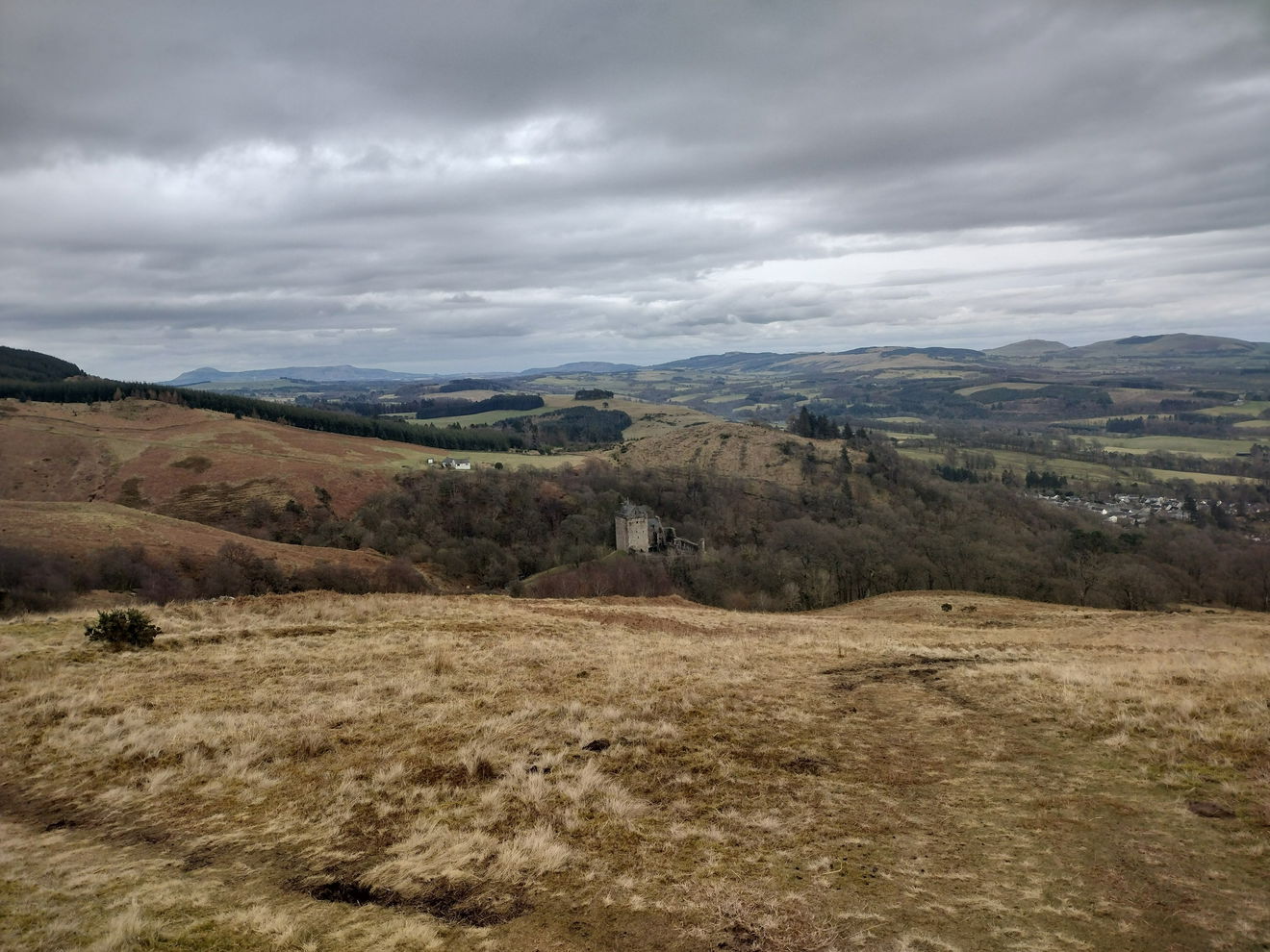
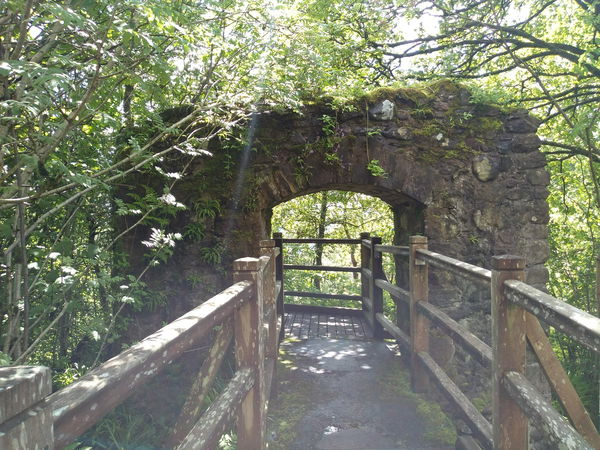
It is worth making a day of it, there are some great paths along the gorge in the Dollar Glen. There are also paths higher on the slopes where the Burn of Care and the Burn of Sorrow tumble into the Dollar Burn.
If you feel particularly energetic, you could climb further up the hills and get a true reflection on the wonderful position of this remarkable castle.
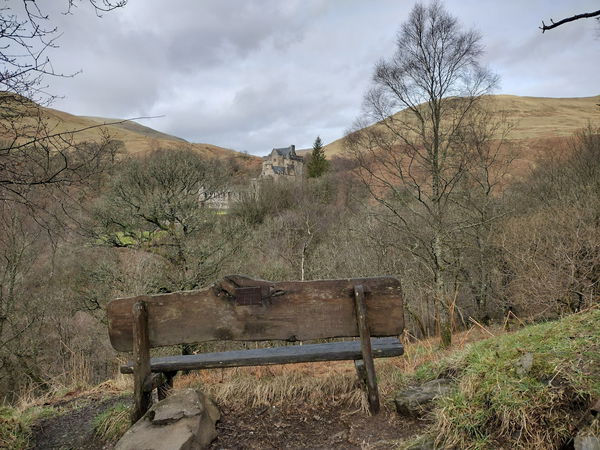
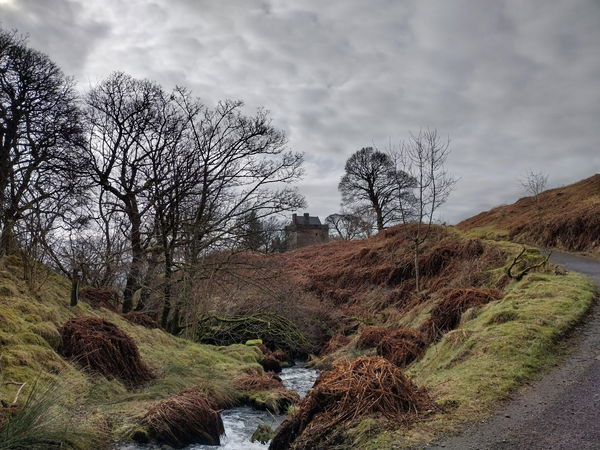
Castle Campbell is a Scheduled Monument with Historic Environment Scotland.
Get 3 points if you have visited this place. Already visited by 6 VIPs.
Login to the VIP area to add places to your bucket list, mark them as visited and more importantly see where you rank on the league table.
How To Find Castle Campbell
Where Is Castle Campbell?
Lat / Long
56.174926879250016, -3.6746645320420592
What three words
Where To Park For Castle Campbell?
Lat / Long
56.17518568486832, -3.671873007668787
What three words
There is a car park for a few cars at the top of the hill, but they get filled quickly. There is an additional car park further down the road for more cars at ///treating.date.detective.
Contributed by Lorraine London
I have been a keen hill walker for many years and more recently enjoy trig bagging. When I'm not exploring Northumberland, County Durham and Yorkshire, I spend most of my holidays in bonny Scotland. Other than hills, I love investigating ruinous buildings and waterfalls. I have been a member of NT and EH for years, which also gives me access to Historic Environment Scotland places.
More Places from Lorraine
More Places In Stirling
Find more fabulous places in Stirling, Scotland and if you know of a place we haven't listed, then let us know.
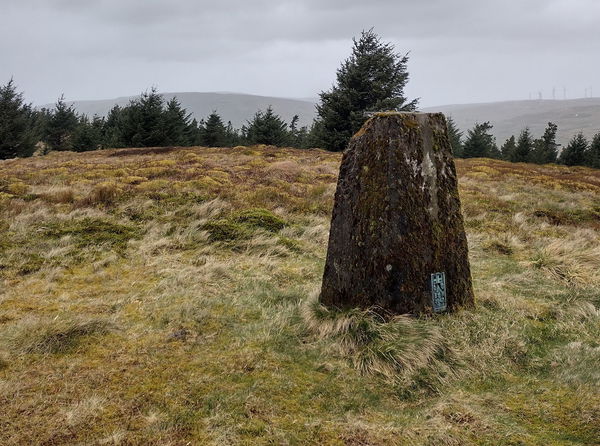
Cairnoch Hill Trig Point
Trig Point Stirling ScotlandThe Cairnoch Hill trig point is sits above the Carron Valley Reservoir (413m) near Kilsyth.
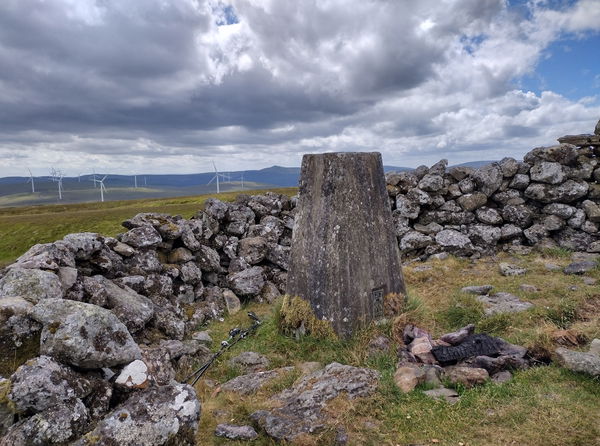
Carleatheran Trig Point
Trig Point Stirling ScotlandThe Carleatheran trig point is sits on the Gargunnock Hills (485m) near Kippen.
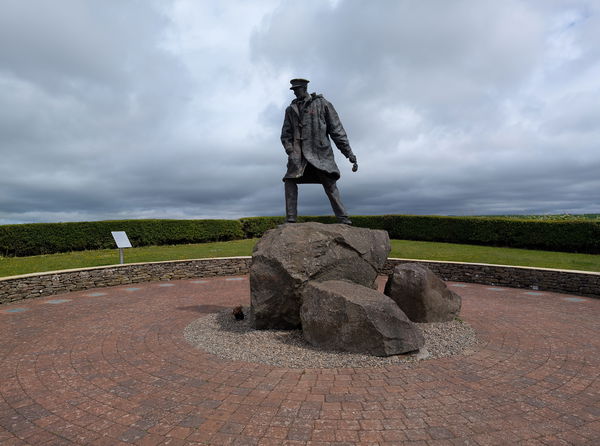
David Stirling Memorial
Statue Stirling ScotlandA statue commemorating David Stirling, the founder of the SAS.
More Castles
So this castle wasn't enough and you want more? Don't worry we have you covered.
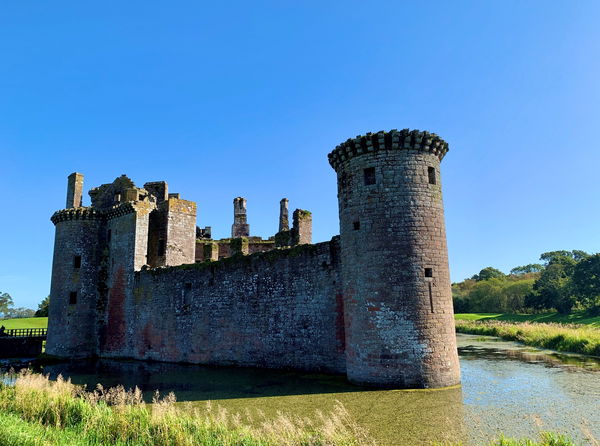
Caerlaverock Castle
Castle Dumfries And Galloway ScotlandA substantial and imposing 13th century ruin of a new castle sits in contrast with the modest footprint of an old castle.

Cartington Castle
Castle Rothbury NorthumberlandA lovely little 12th century ruined castle just outside of Rothbury.
Never Miss A Fabulous Place
If you are afraid of missing out on all the fabulous places we post, or just want to be the first to know, then sign up to the Fabulous North.
Each week we will email you all the brand new places that we visit.
Sign Up To Alerts

Find Us On Facebook
We post all our new places daily on our Facebook Groups page, so join the group today and be notified when we add a new place.
Join Our Facebook Group