
Clifton Hall
Building In Penrith, Cumbria
The remains of a tower that was part of a 15th century manor house.
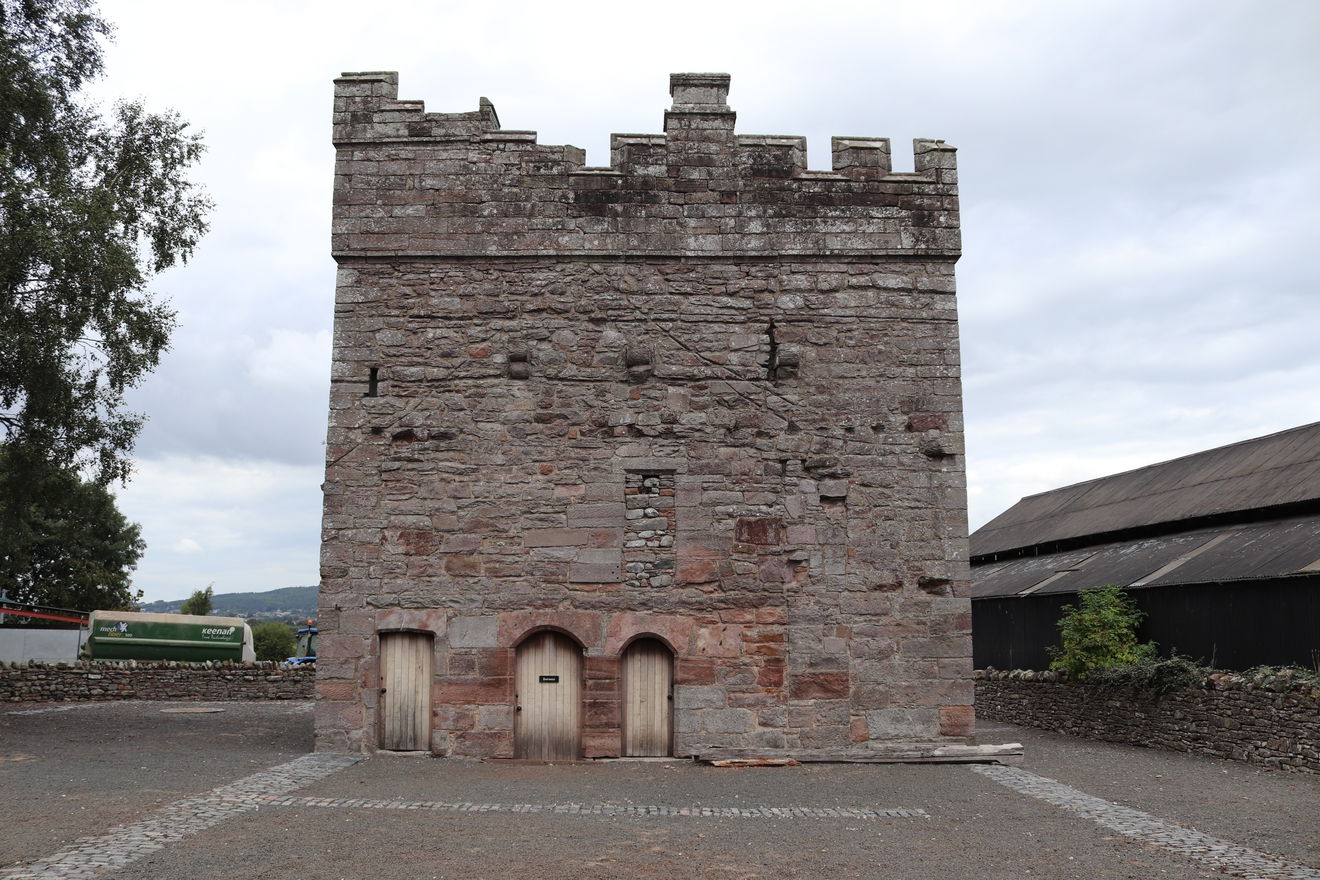
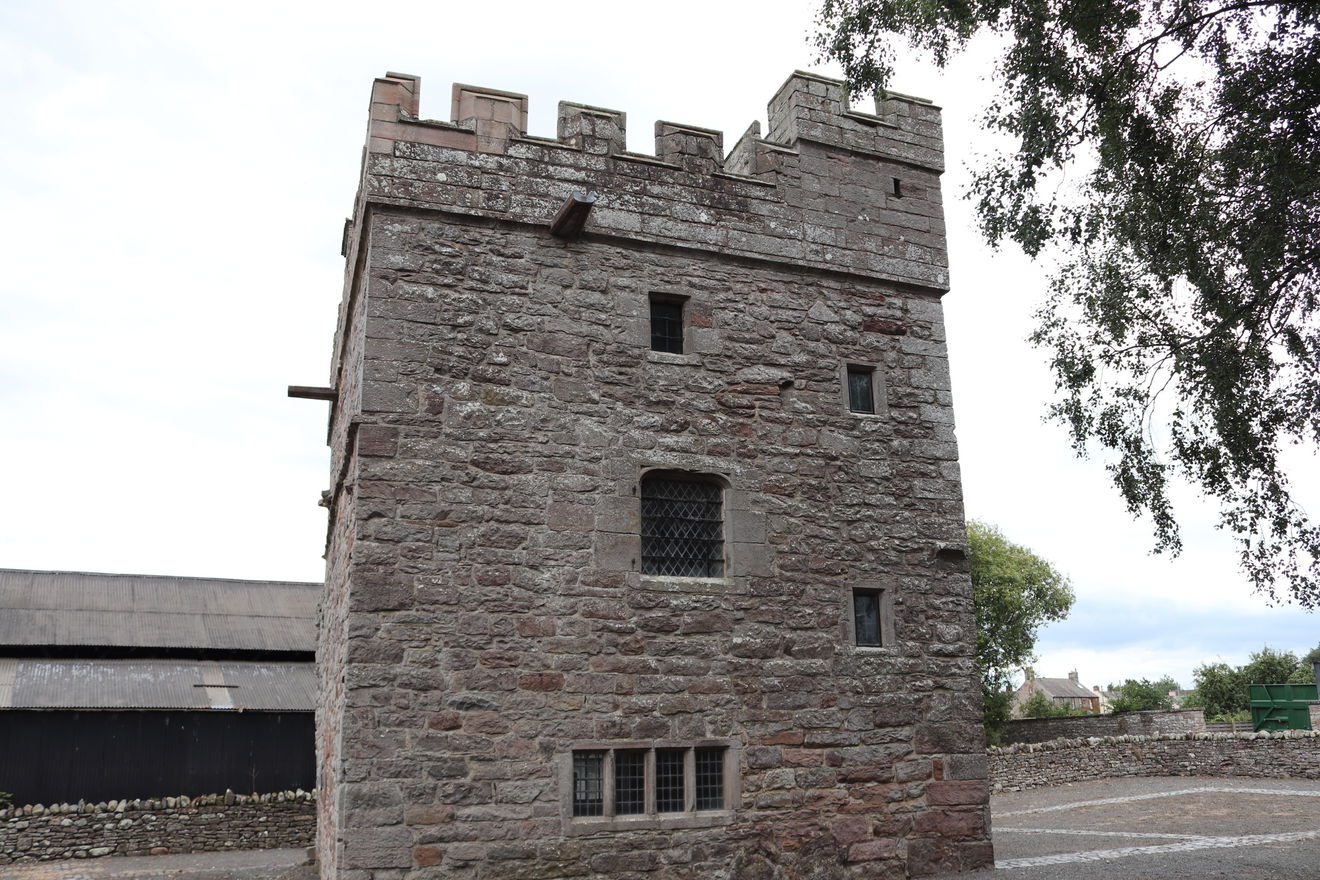
Clifton Hall, located in the village of Clifton, a few miles south of Penrith in Cumbria, is primarily known for its surviving 15th century Pele tower, which was once part of a much larger manor house complex that was demolished in the early 19th century to make way for a new farmhouse.
The land on which the manor house was built has been owned by two families throughout its history, the Engaines and Wyberghs. The Engaine family held the manor of Clifton from at least the 12th century and were feudal lords, meaning that they provided military service in exchange for the land. They may have held an earlier manor house on a different area of land nearby.
In 1412, the manor passed to the Wybergh family through the marriage of Eleanor Engaine to William Wybergh of St Bees. The Wyberghs spent several centuries at Clifton Hall and carried out much of the building work. The initial Clifton Hall was constructed around 1400, in an "H"-plan layout, which was a common style in Cumbria at the time. This design included a central hall with two wings: one for living quarters and the other for service rooms.
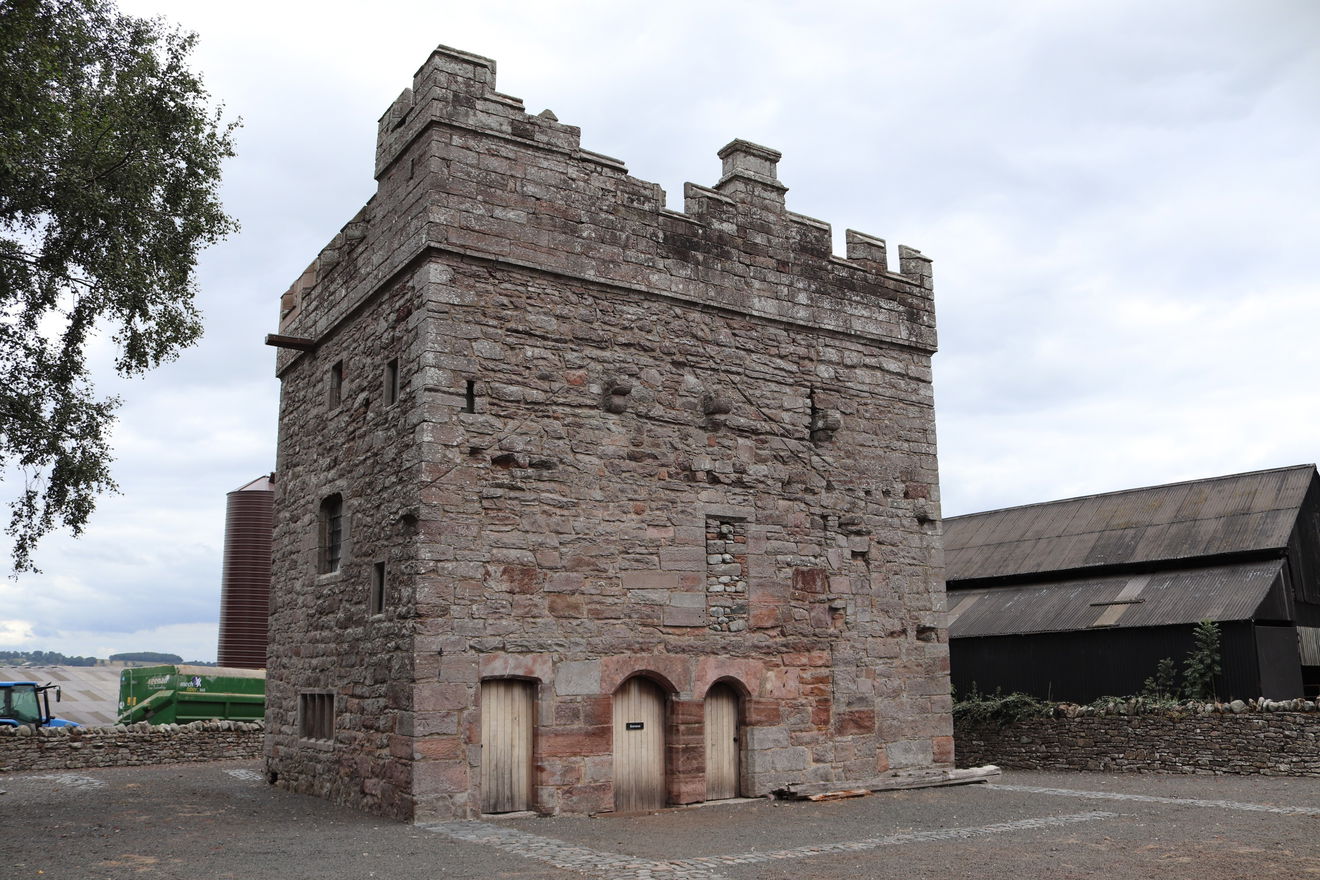
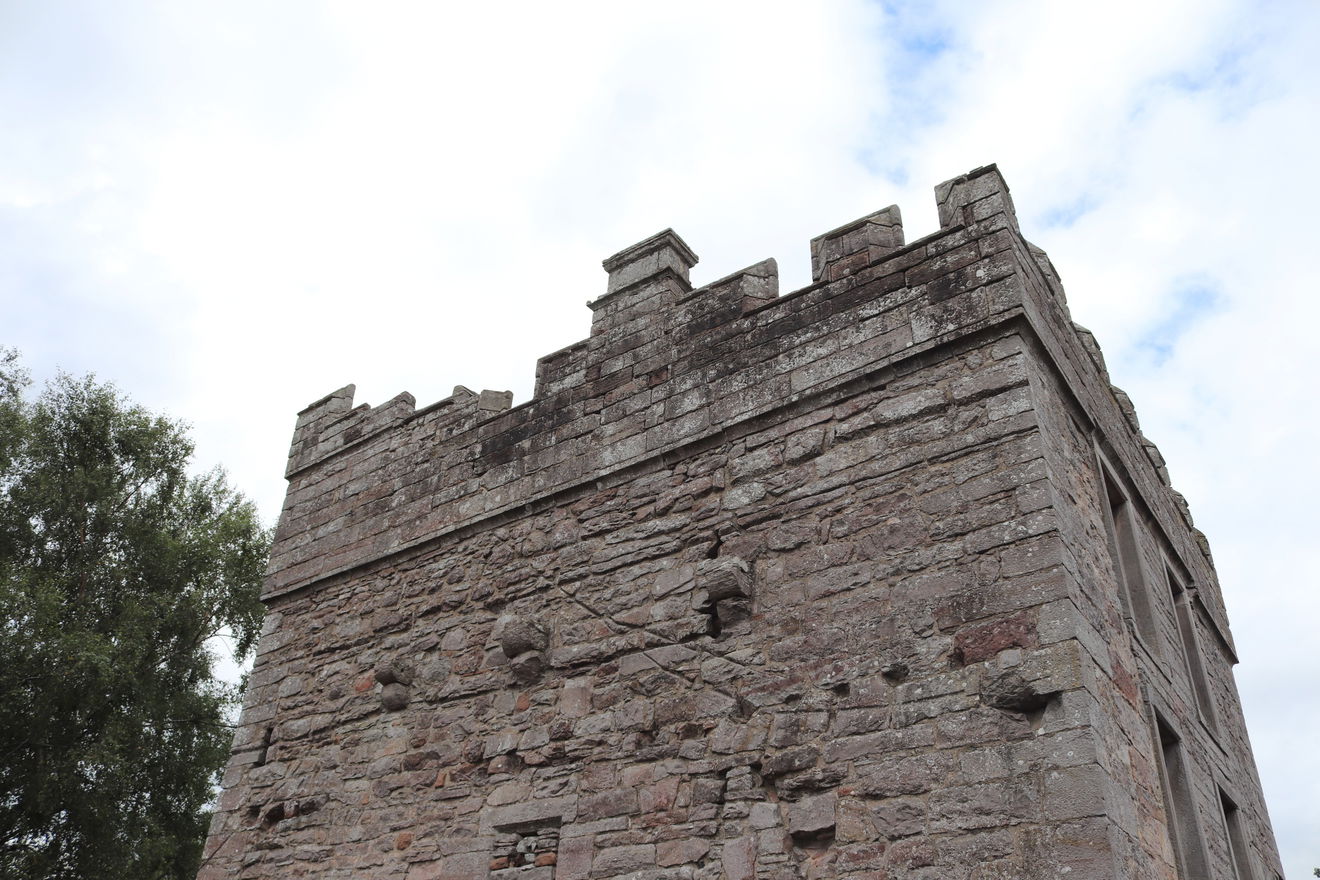
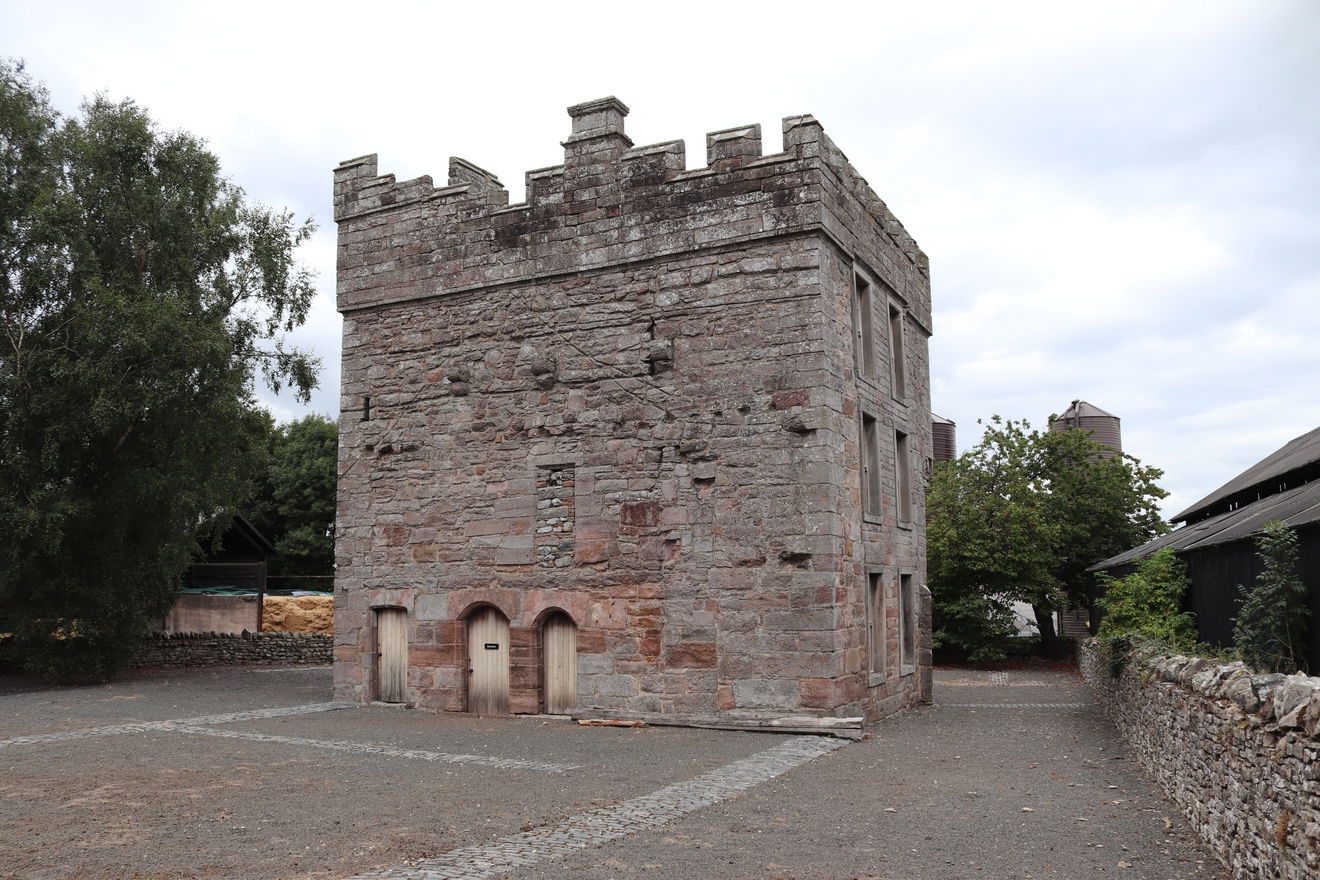
Sadly, all that survives of Clifton Hall today is the Pele tower, which is believed to have been added to the original layout around 1475. While known as a Pele tower it doesn't have the thick walls and narrow slit windows of many other Pele towers, which perhaps suggests that it was as much to demonstrate the wealth and power of the owners, as it was defensive.
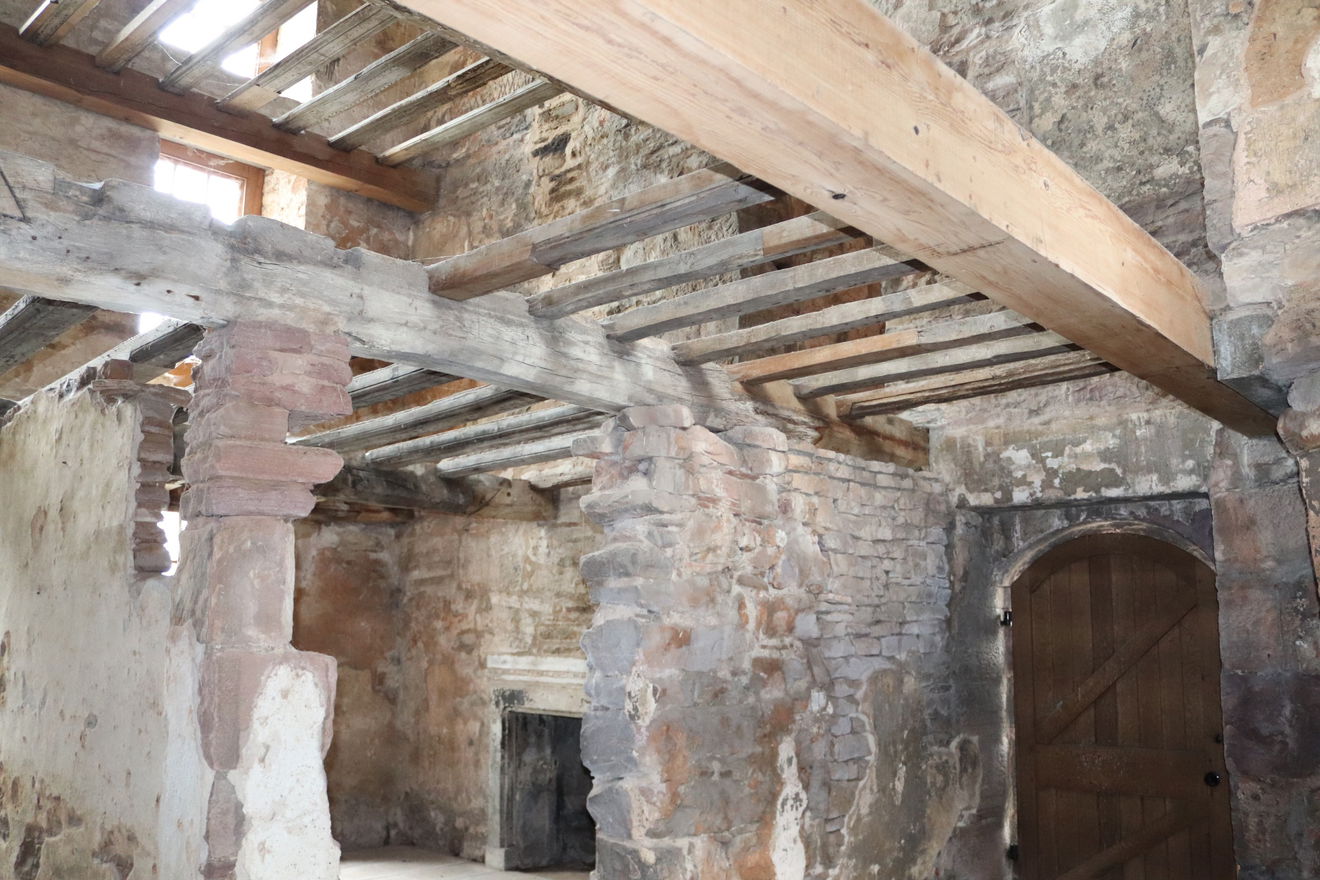
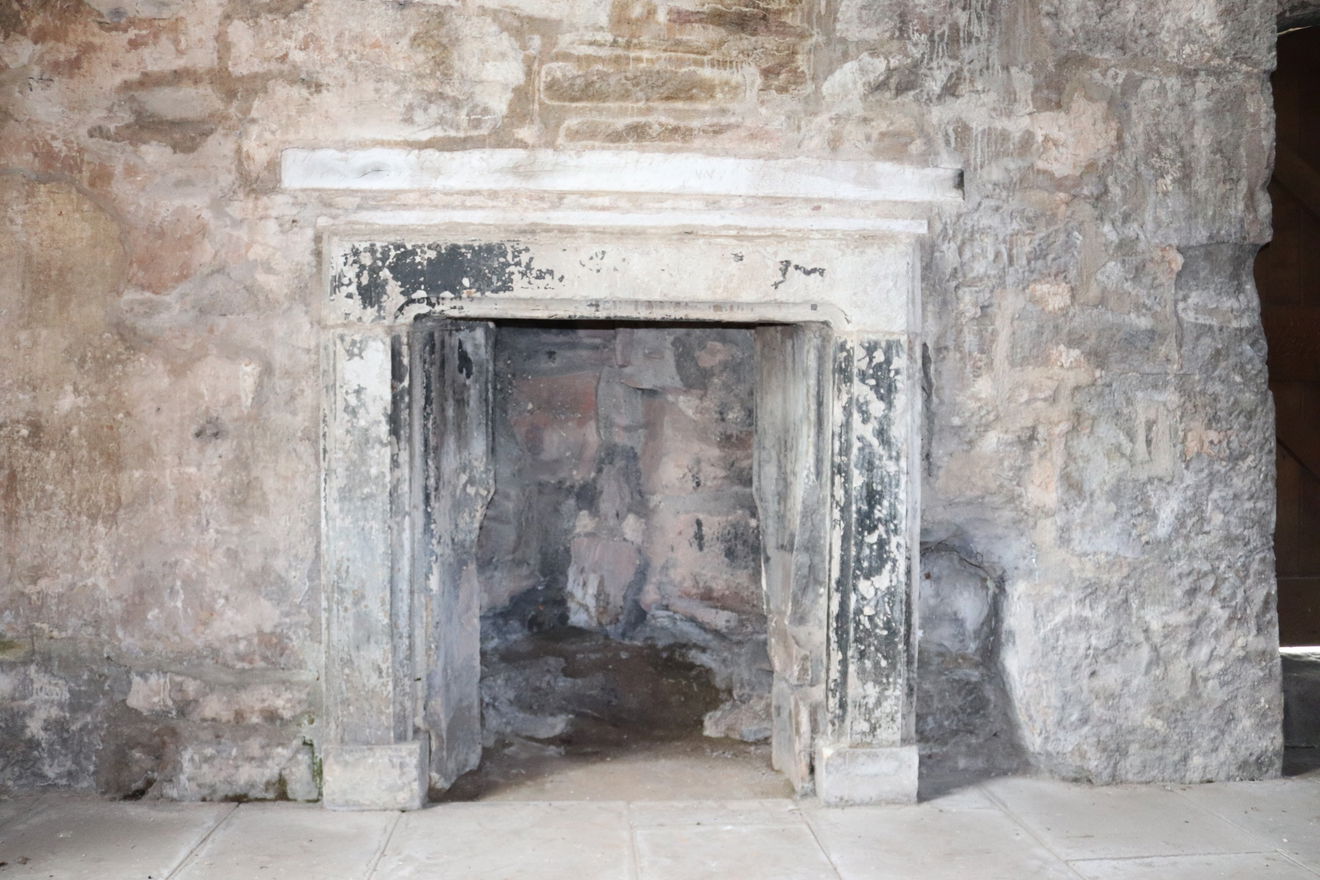
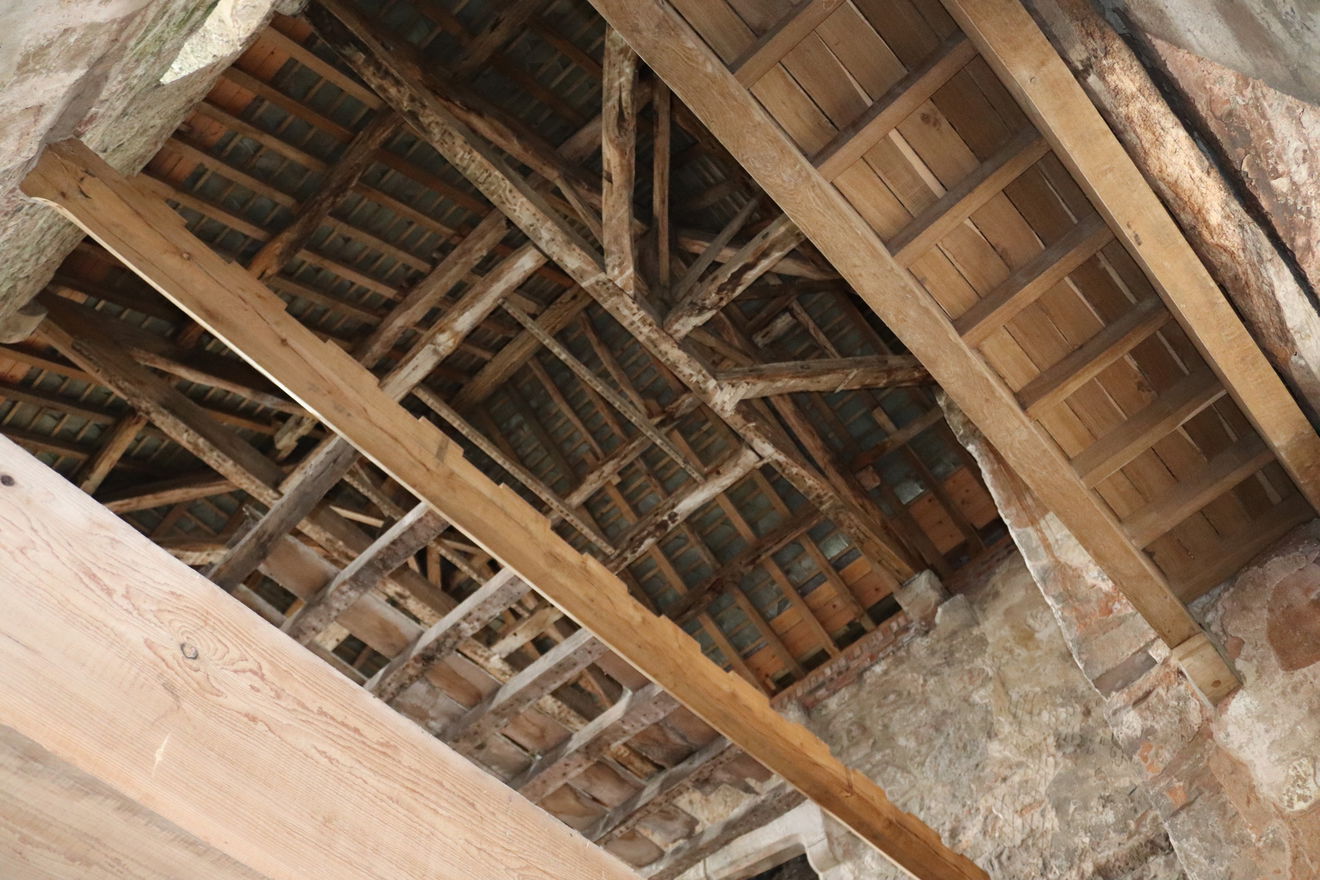
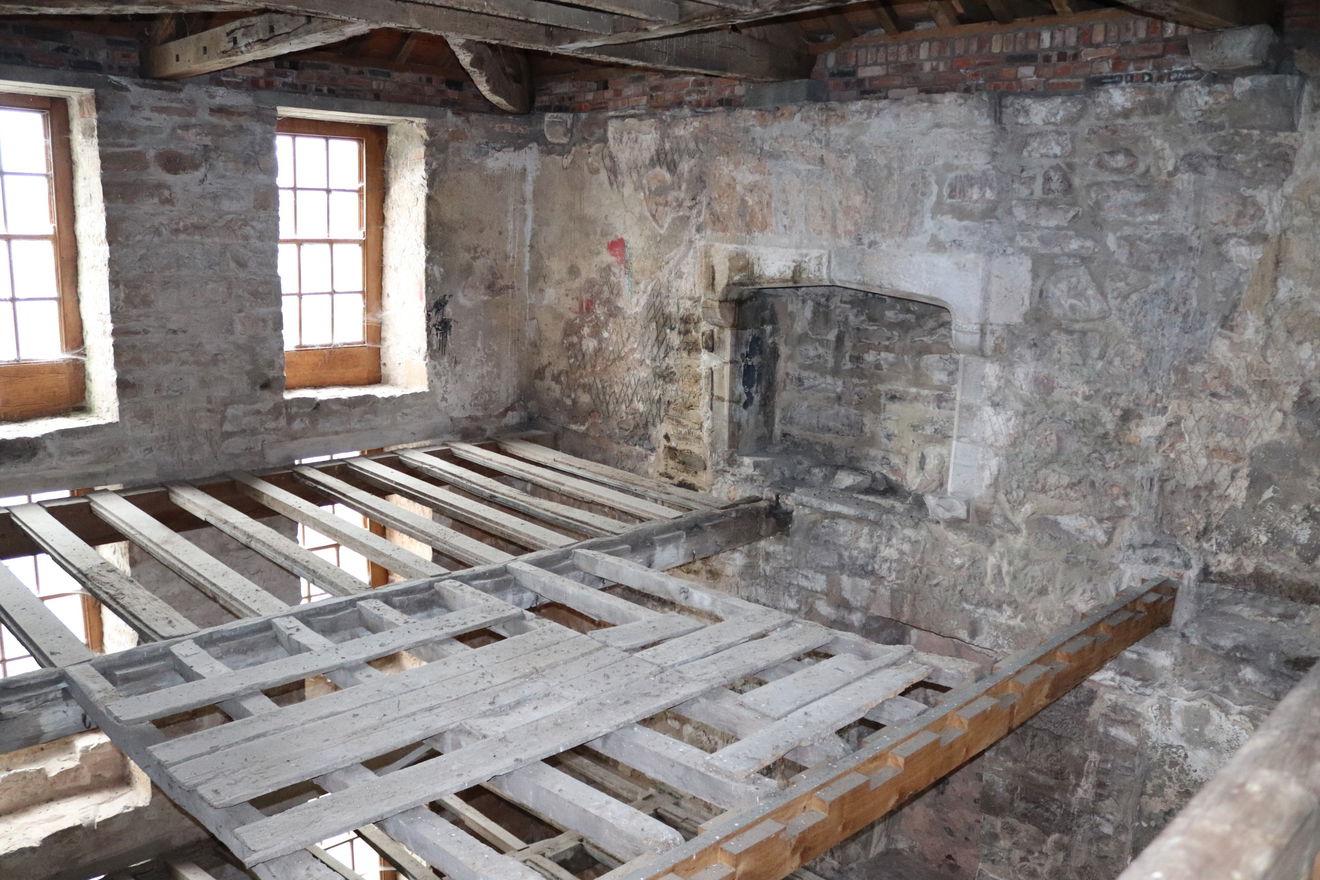
The tower is three-storeys high and constructed from red sandstone and is much changed from the original layout with an internal staircase replacing an outside one and the ground floor being divided into a series of rooms, but original features such as the fireplaces and garderobe (toilet) are still visible.
The timber manor house was replaced by a stone building in the early 17th century but it was during this period that the Wybergh family's fortunes began to wane. During the English Civil War the family supported the Royalist Army, which led to financial difficulties and legal disputes, but they held onto their estate. During the Jacobite risings of 1715 and 1745, William Wybergh was kidnapped by Scottish soldiers and the hall was occupied and plundered by Jacobites just before the Battle of Clifton Moor (the last battle fought on English soil).
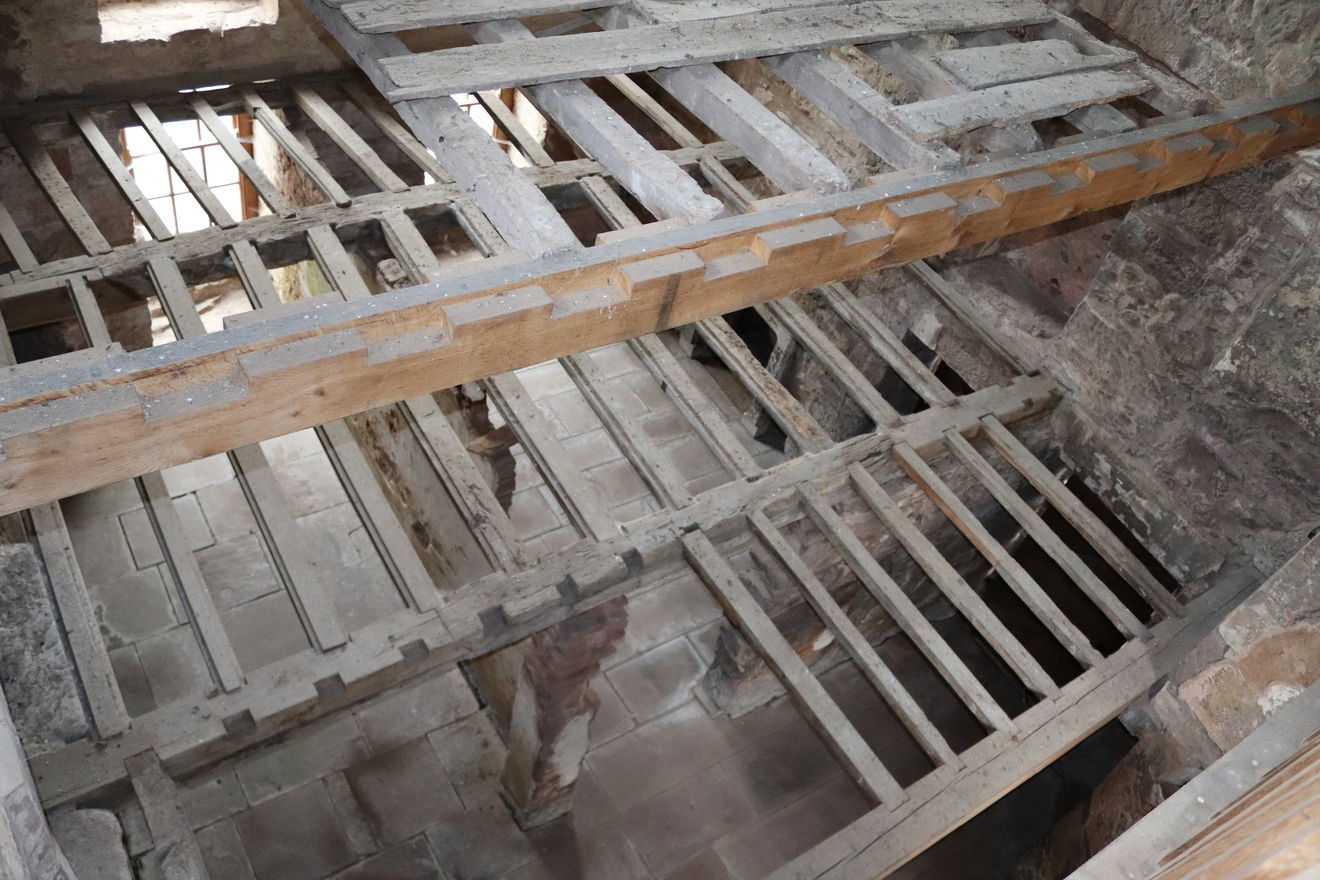
By the early 19th century, the manor house, excluding the Pele tower, was deemed impractical and was demolished. In 1819, it was recorded that only the solitary tower remained. The tower was then used as a farm building until 1973 when the site was taken over by the Department of the Environment and subsequently English Heritage, who look after it today.
Get 2 points if you have visited this place. Already visited by 21 VIPs.
Login to the VIP area to add places to your bucket list, mark them as visited and more importantly see where you rank on the league table.
How To Find Clifton Hall
Where To Park For Clifton Hall?
Lat / Long
54.63601, -2.726627
What three words
Parking is in the layby over the road from the site to the front of the church.
Contributed by Andrew Gardner
I love being outdoors, in nature, and experiencing the relaxation it brings. Wandering through the northern countryside seeing unexpected buildings, historic places and occasionally surprised wildlife is one of life's great pleasures.
More Places from Andrew
More Places In Penrith
Find more fabulous places in Penrith, Cumbria and if you know of a place we haven't listed, then let us know.
Long Meg And Her Daughters
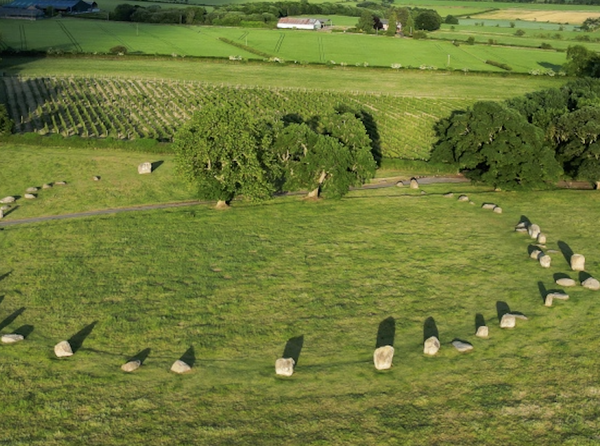
Standing Stone Penrith CumbriaLong Meg and Her Daughters are a series of curious Neolithic standing stones forming a circle on a hillside in the western foothills of the Pennines.
Glassonby Stone Circle
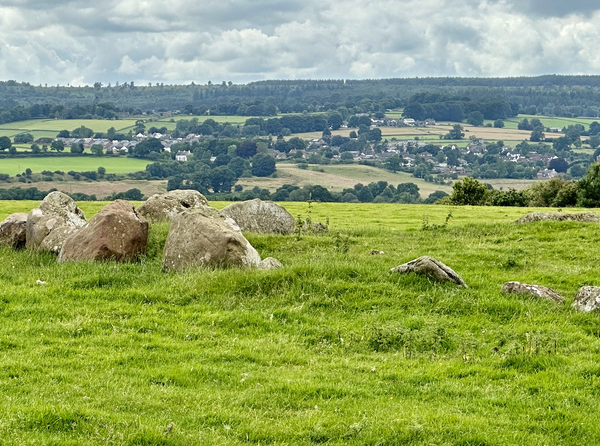
Stone Circle Penrith CumbriaThe Glassonby Stone Circle, was the site of a 1900s excavation of remains of burnt bones, a Bronze Age collared urn and a mysterious blue faience bead.
Lowther Castle
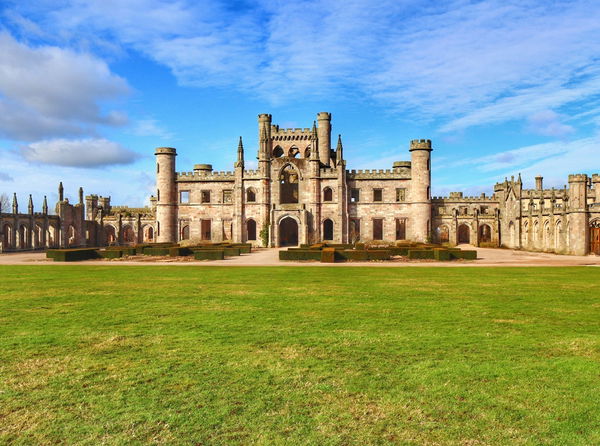
Castle Penrith CumbriaA skeleton of a castle built by the Lowther family who have owned this estate since before the 11th century.
More Buildings
So this building wasn't enough and you want more? Don't worry we have you covered.
Tower House
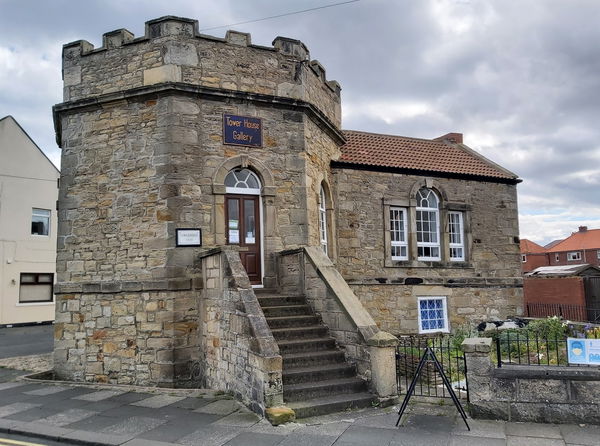
Building Seaton Valley NorthumberlandA castelled octagonal building in Seaton Sluice that was once a tax office, harbour master house and now a gallery.
Benwell Vallum Crossing
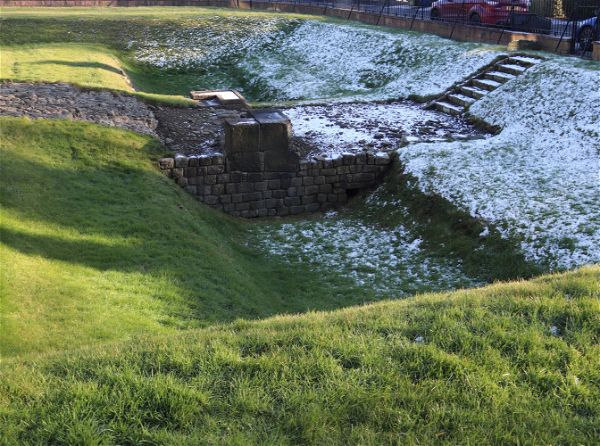
Building Benwell Tyne And WearThe ruins of a crossing used to allow Roman soldiers and goods across the Vallum.
Master Mariners Homes
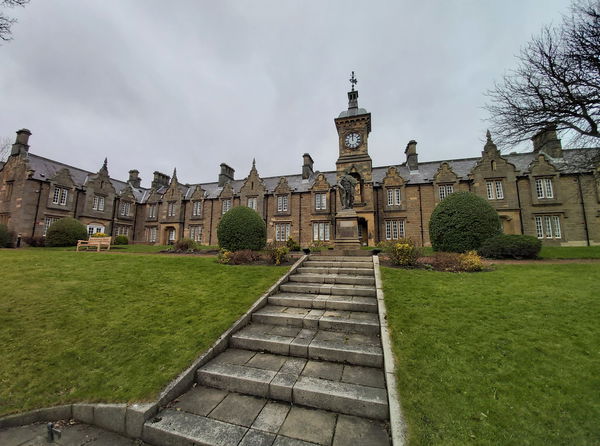
Building North Shields Tyne And WearA Grade II listed building in North Shields built in 1893-94 to provide accommodation for retired and needy seafarers and their wives.
Never Miss A Fabulous Place
If you are afraid of missing out on all the fabulous places we post, or just want to be the first to know, then sign up to the Fabulous North.
Each week we will email you all the brand new places that we visit.
Sign Up To Alerts

Find Us On Facebook
We post all our new places daily on our Facebook Groups page, so join the group today and be notified when we add a new place.
Join Our Facebook Group