
Gisborough Priory
Religious Place In Middlesbrough, North Yorkshire
A ruinous Augustinian Priory in Guisborough, North Yorkshire.
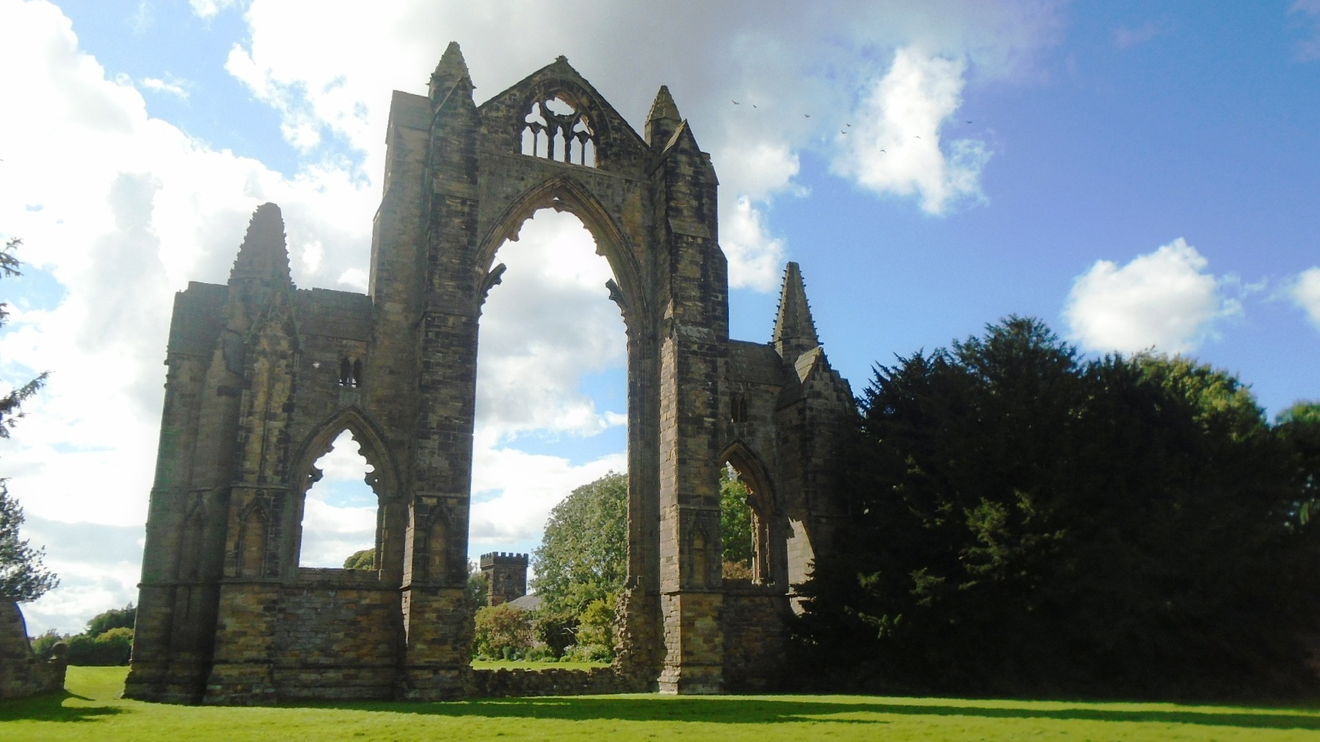
Gisborough Priory is a ruined Augustinian priory in Guisborough, North Yorkshire. It was founded as the 'Priory of St Mary' in around 1119 by Robert de Brus, the 1st Lord of Annandale and 1st Lord of Skelton.
It was when meeting up with an old friend in the cafe opposite the priory that we realised that we had not visited it before. After a lovely lunch with views over the priory, we headed over to have a look around.
Guisborough was already established as a town at the time of the priory was built. A church and mill were recorded in Guisborough from 1086 in the Domesday Book which refers to the town as 'Ghigesburg'.
In recent years, we have spent many holidays in recent years in Dumfries and Galloway where Robert the Bruce is famous. I was not expecting for the de Brus (the Bruces) to be so prevalent in this area, but it appears that this is where the de Brus story began in the UK.
Following the Norman Conquest, William the Conqueror gave lands in this area to the Count of Mortain, who in turn passed them to his buddy Robert de Brus, the Lord of Skelton. Robert de Brus was born in France and was one of the largest landowners in the north.
After building the Priory, Robert de Brus appointed his younger brother, William de Brus, to be the first Prior of Gisborough and the Brus family continued to be the primary patrons of the priory.
By 1272, the Yorkshire line of the de Brus family died out with the death of the childless Peter IV de Brus. At this point, the Fauconberg and Thweng families, who married Peter's sisters, took over the patronage and continued to do so for several centuries.
Gisborough Priory was totally destroyed by fire in 1289 whilst undergoing repairs to the leadwork on the roof. During excavations evidence of the fire were found in the form of pieces of fused metal that had melted and penetrated the floor in the heat of the fire.
It was then rebuilt in a Gothic style on a much grander scale that took over a century to complete, due to the high costs and civil unrest from Scottish raiders. It remains regarded as among the finest surviving examples of early Gothic architecture in England.
After Henry VIII was excommunicated for divorcing Catherine of Aragon in 1533, 'The Act of Supremacy' passed and he became the Head of the Church of England. The priory along with all the church's property was now part of his estate.
In 1535 he ordered a survey of the church's property and all monasteries worth less than £200 annually were suppressed. Gisborough with its annual income of over £628 made it the fourth wealthiest in Yorkshire. After a second survey was ordered, Prior James Cockerell was accused of a number of offences and was forced to resign. The more compliant Robert Pursglove was then placed in charge.
The locals were not happy with the priory's dissolution as they gained economic benefit from its presence. In 1536, around 500 families depended on it for their livelihood. In 1536 much of northern England rose in a rebellion known as the Pilgrimage of Grace against Henry VIII's break with the pope.
Although Prior Pursglove ensured that his priory was not involved in the rebellion, Cockerell, then retired, backed resistance to the Act of Supremacy. This stance led to his execution the following year. The suppression of the priory came on 24 December 1539, when the prior and 24 canons signed the deed surrendering their priory to the Crown. The priory was formally dissolved on 8 April 1540 and surrendered to the king's men on 22 December 1540, making it one of the last monastic houses in England to be suppressed.
Initial plans to turn the buildings into a foundation for priests came to nothing and the site was leased to Thomas Legh, who began to destroy the monastery buildings almost immediately.
In 1545, Thomas Legh died and by 1547 the priory was leased to Thomas Chaloner, who had already arranged to marry Legh's widow, Joan. In 1550 he bought the site for £998.
Chaloner, a London born diplomat, courtier, soldier and author, was a supporter of religious reform. Gisborough was one of many estates he owned and it was not until the mid-17th century that the Chaloners established Gisborough as their main seat.
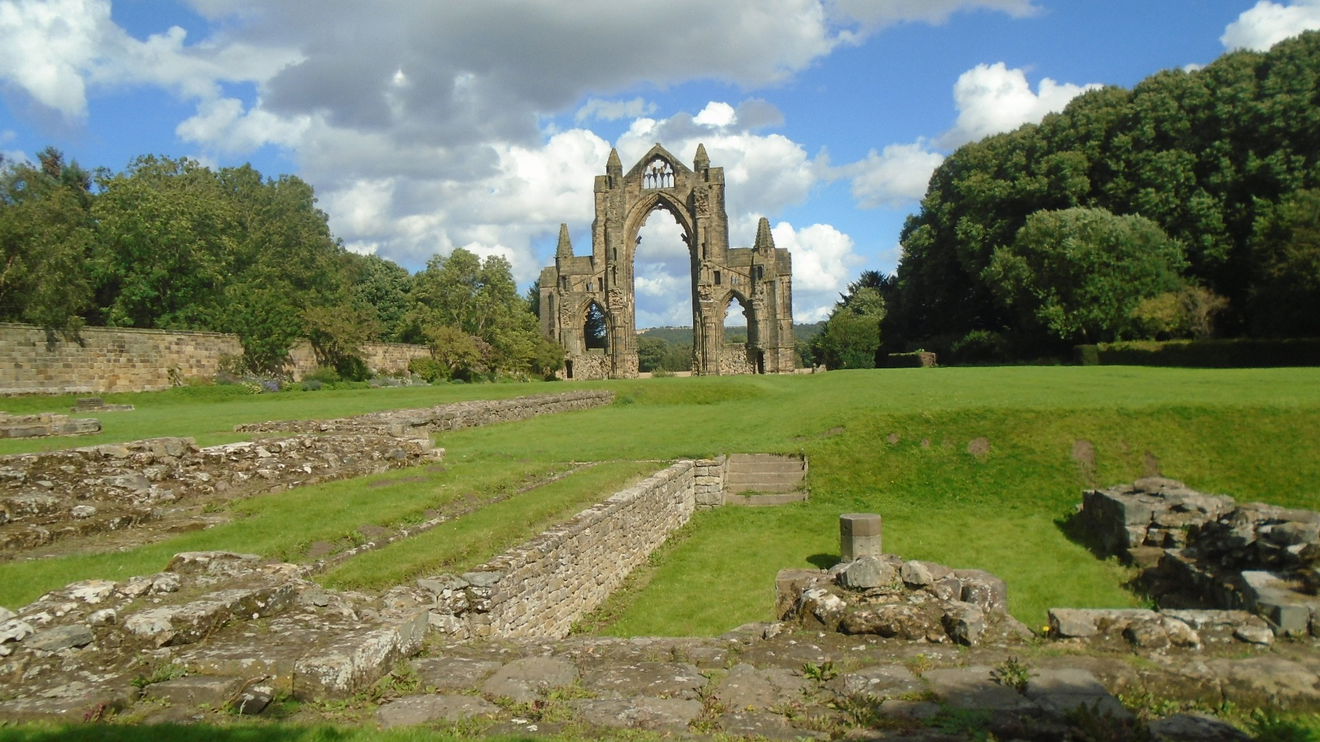
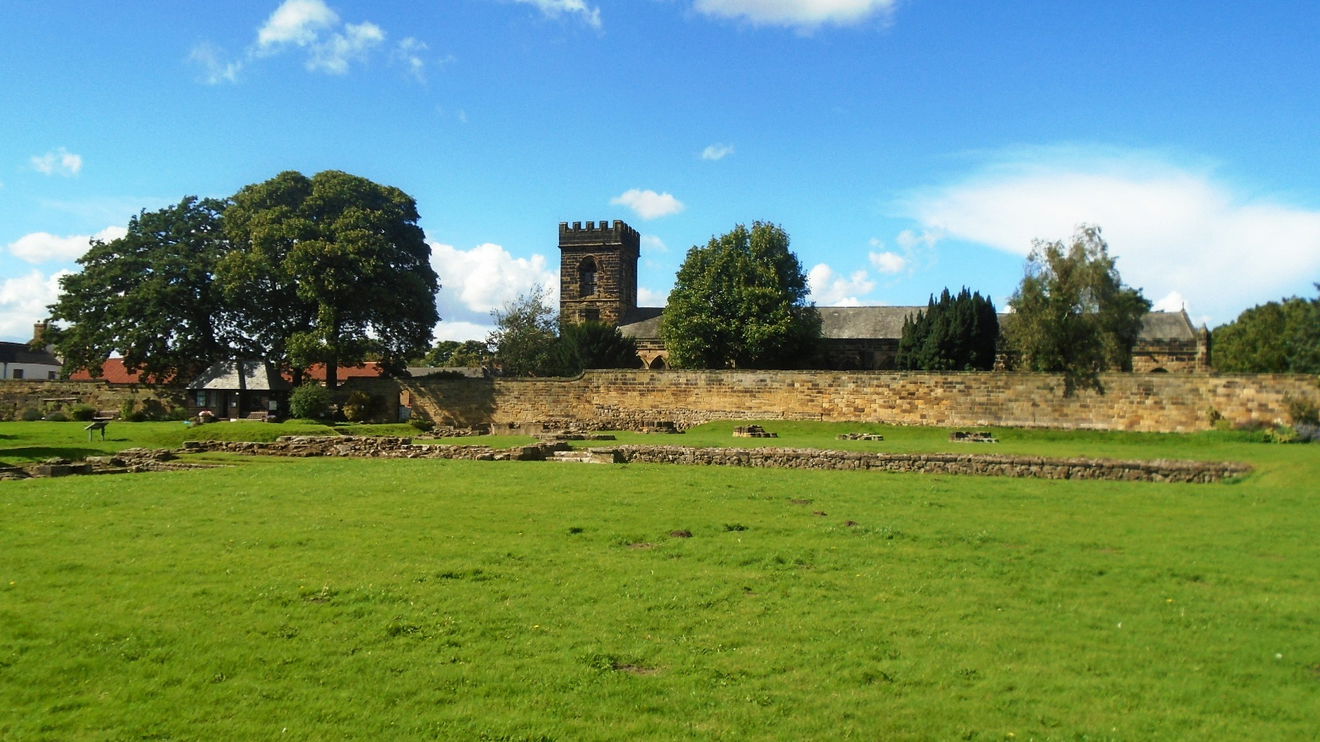
By 1709 all that remained of the priory buildings was the gatehouse, parts of the west range, and the east end. These were kept as landscape features for the Old Hall which no longer exists, where Chaloner resided and later integrated in the design of the garden.
In the 1860's, Captain Thomas Chaloner and William Downing Bruce were the first to carry out excavation on the site. Since then, further archaeological excavations have taken place in the priory grounds.
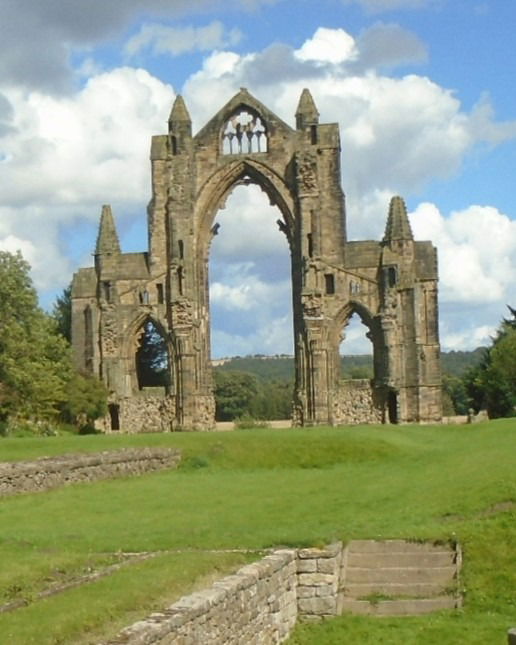
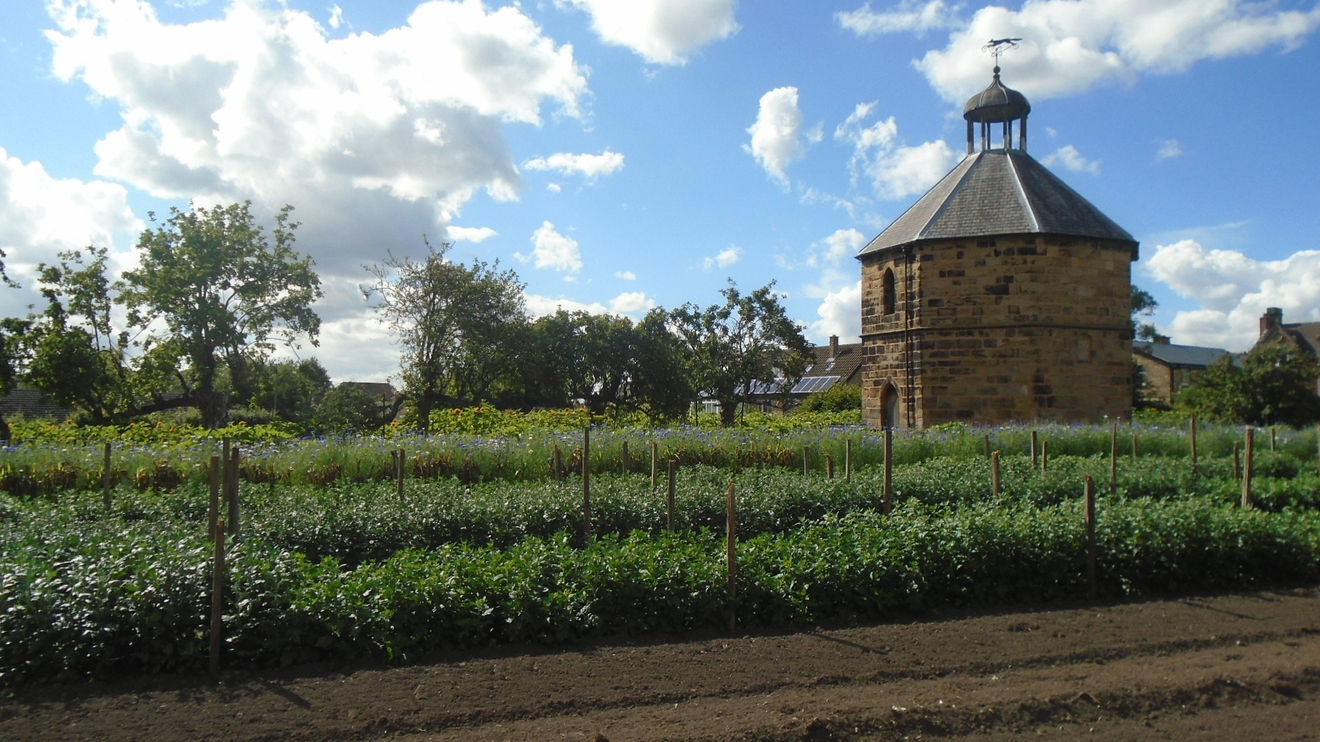
In addition to the east window, surviving visible fragments of the site include the lower courses of the west range. There is also a 14th-century octagonal dovecote to the west which is still in use today, though only as garden storage and it cannot be visited and is not part of the priory grounds.
Although the remains of Gisborough Priory are scant in comparison to others, the rich history and location of the the priory make it a must visit.
To the south of the priory church is the cloister and domestic buildings. The cloister that were destroyed in the fire of 1289 and were rebuilt to a new larger 35m square. Excavations to the western end of the refectory range, found three vaulted cellars above which was the refectory (Dining Hall). A service passage survives between the kitchen and the refectory.
The southern end of the cloister containing the dormitory range and chapter house, have yet to be excavated.

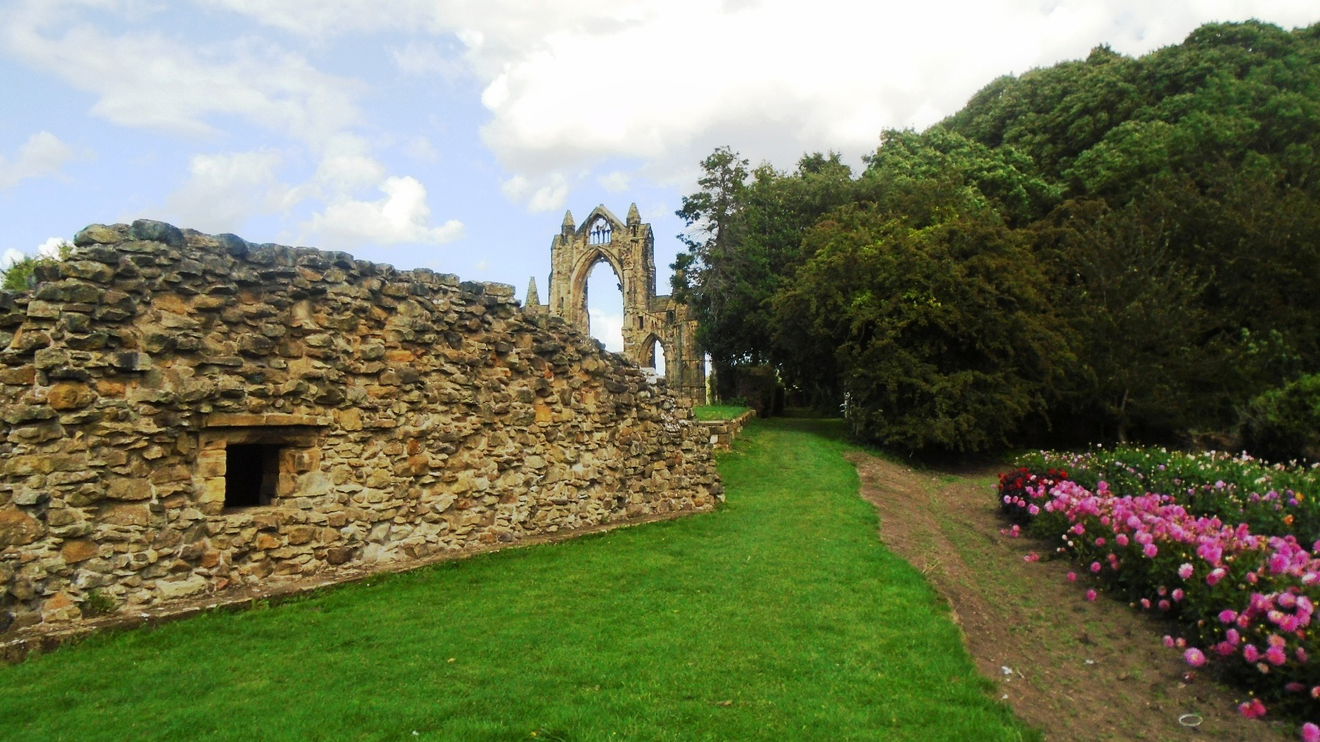
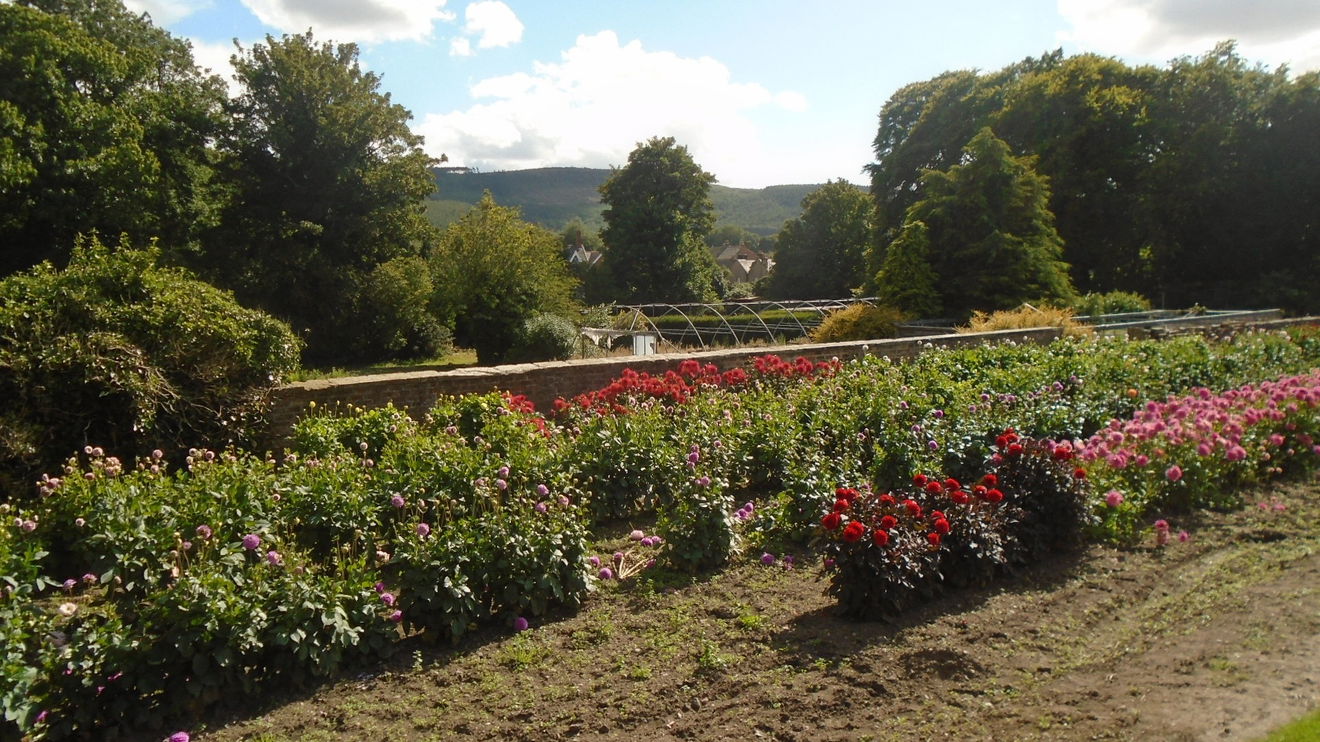
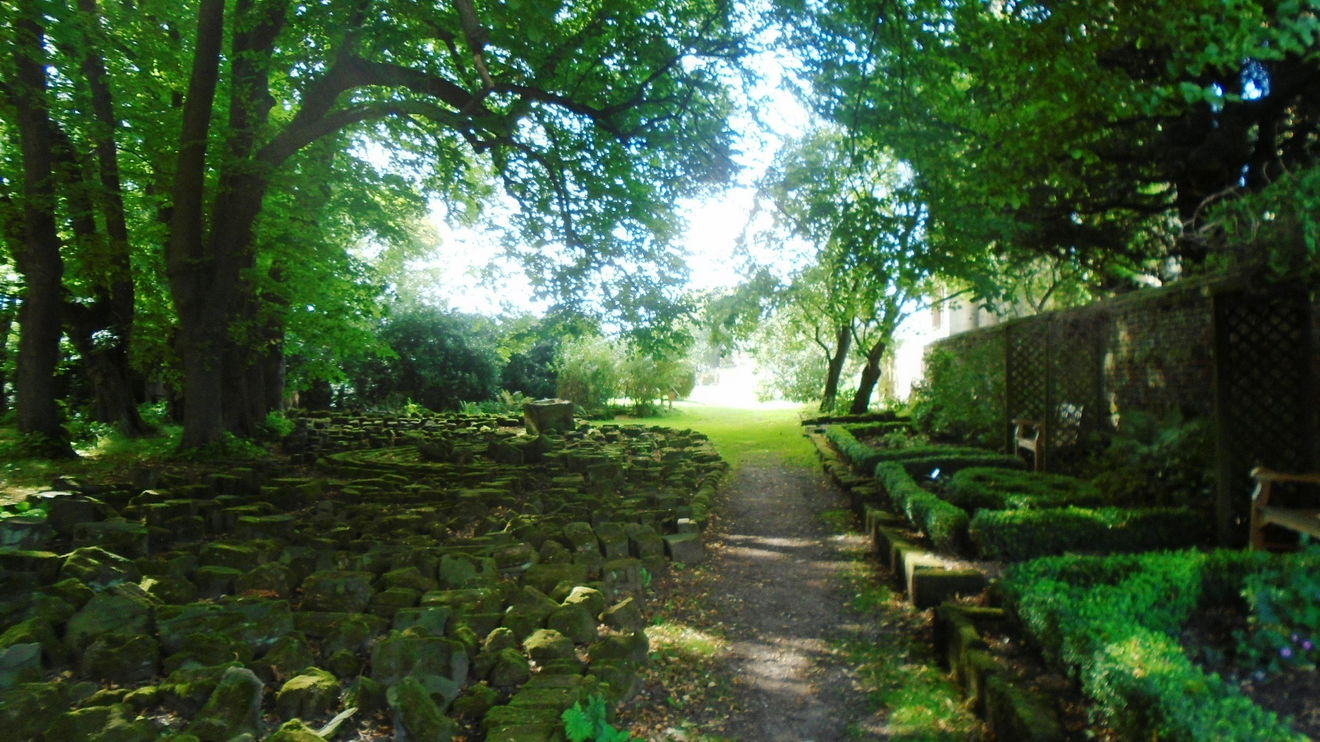
The Priory Gardens including the Monk's Walk were originally laid out by the Chaloners in the 18th century.
In the late 19th century, Margaret Chaloner, wife of the first Lord Gisborough, laid out formal gardens of a typical late-Victorian and Edwardian design with elaborate bedding schemes and gravelled paths. There was a rose garden and a sunken Italian garden with an ornamental pool at its centre.
The gardens are now maintained by a volunteer group are accessible next to the priory ruins and are open to the public throughout the year. The gardens are a tranquil area to wander around and listen to the birds. There are also fragments of other buildings associated with the priory on the site.
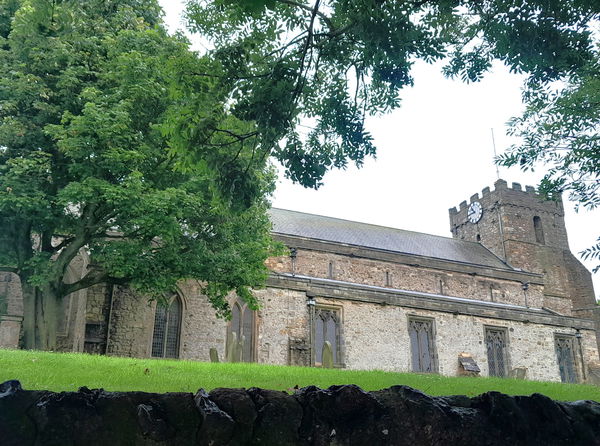
An impressive survival from the priory is the Brus Monument (Cenotaph), which can now be found in the neighbouring Church of St Nicholas. The monument commemorates many of the Bruce (de Brus) family including Robert the Bruce, the priory's founder, Robert I de Brus and the first prior William de Brus. It dates back to the early 16th century and would have have stood prominently in the priory church. It was probably moved soon after the suppression in 1539.
Unfortunately, we didn't have time to visit the church, so will need to return. If any of our generous VIP's wish to share their pictures, I would love to add them to this write up.
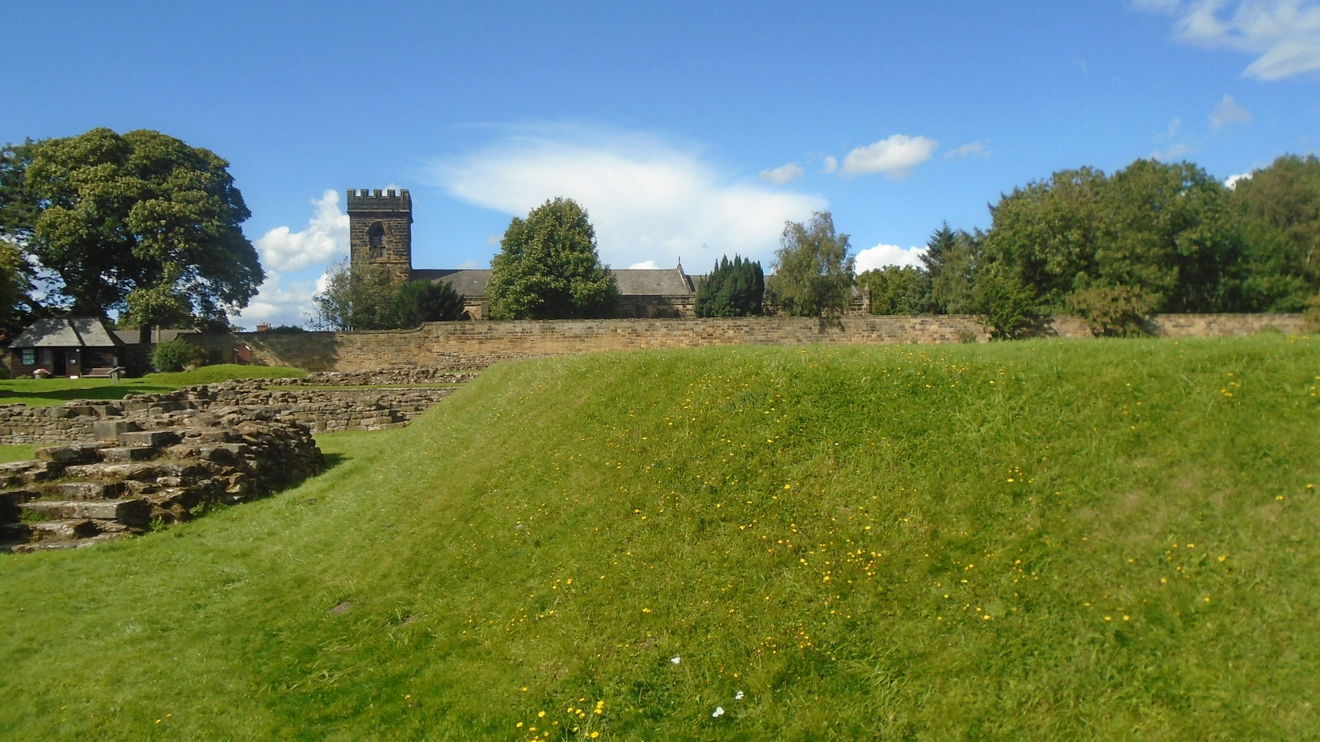
It is still owned by the Chaloners but is in the care of English Heritage as a Scheduled Monument.
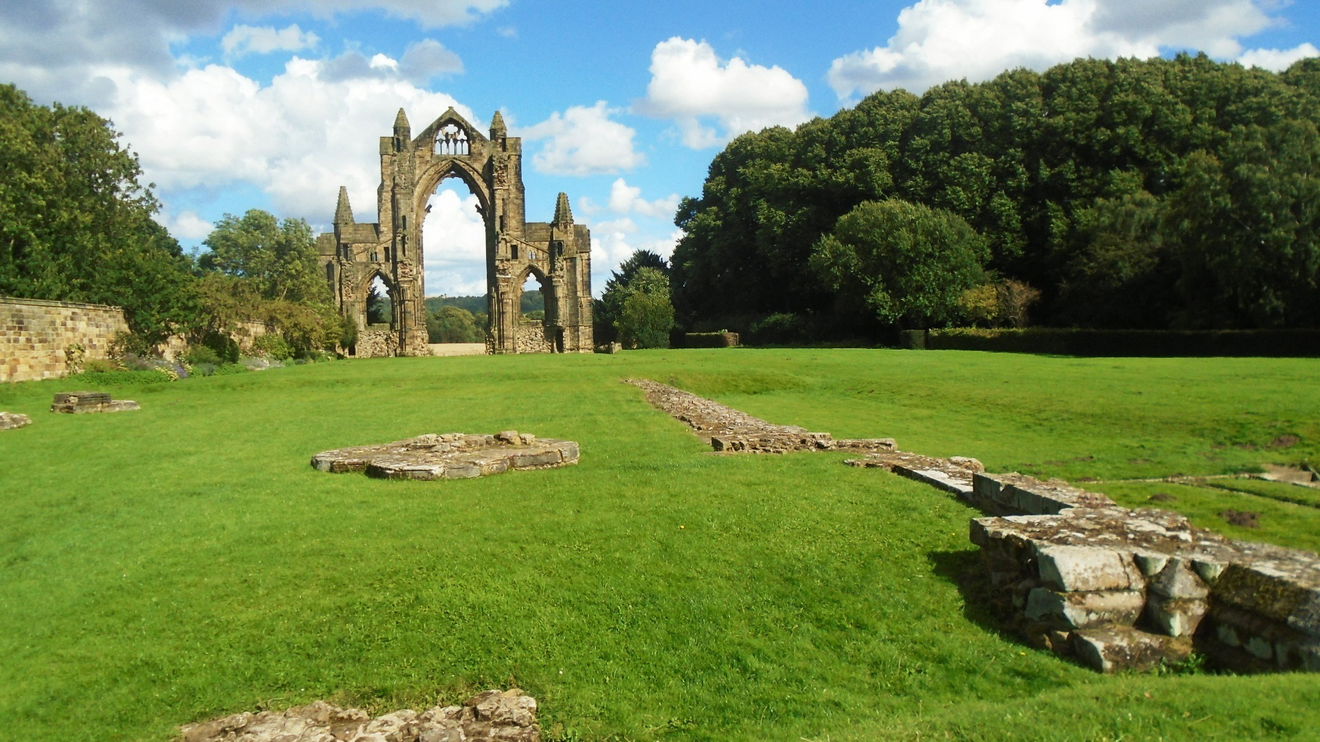
Parking is in the Church Square car park next to the entrance.
Get 2 points if you have visited this place. Already visited by 50 VIPs.
Login to the VIP area to add places to your bucket list, mark them as visited and more importantly see where you rank on the league table.
How To Find Gisborough Priory
Where Is Gisborough Priory?
Lat / Long
54.53637077820866, -1.0472330070251306
What three words
Where To Park For Gisborough Priory?
Lat / Long
54.536887426769624, -1.049048862578046
What three words
There is room for several cars in the Church Square car park next to the Priory.
Contributed by Lorraine London
I have been a keen hill walker for many years and more recently enjoy trig bagging. When I'm not exploring Northumberland, County Durham and Yorkshire, I spend most of my holidays in bonny Scotland. Other than hills, I love investigating ruinous buildings and waterfalls. I have been a member of NT and EH for years, which also gives me access to Historic Environment Scotland places.
More Places from Lorraine
More Places In Middlesbrough
Find more fabulous places in Middlesbrough, North Yorkshire and if you know of a place we haven't listed, then let us know.
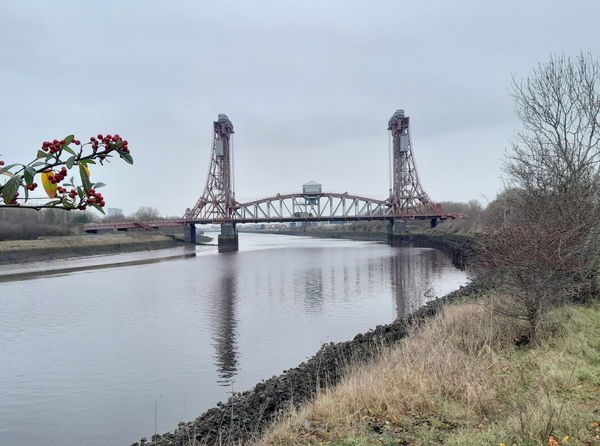
Newport Bridge
Bridge Middlesbrough North YorkshireA vertical Lift bridge, which was once the biggest in the world.
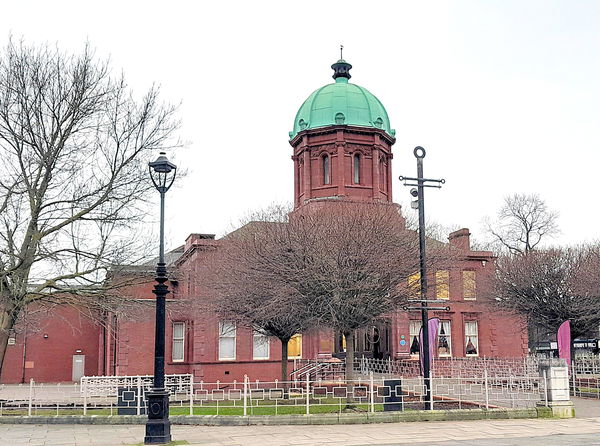
Dorman Museum
Museum Middlesbrough North YorkshireEdwardian Gothic-style museum, featuring local and natural history displays and a ceramics collection.
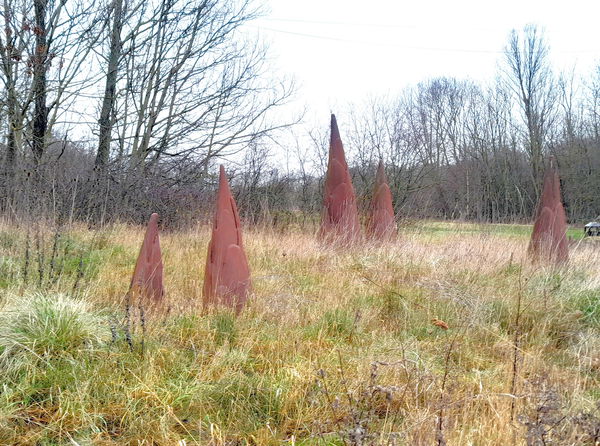
Germination Sculptures Portrack Marsh
Art Middlesbrough North YorkshireHuge plant shoots created by Andrew McKeown from Corten Steel.
More Religious Places
So this religious place wasn't enough and you want more? Don't worry we have you covered.
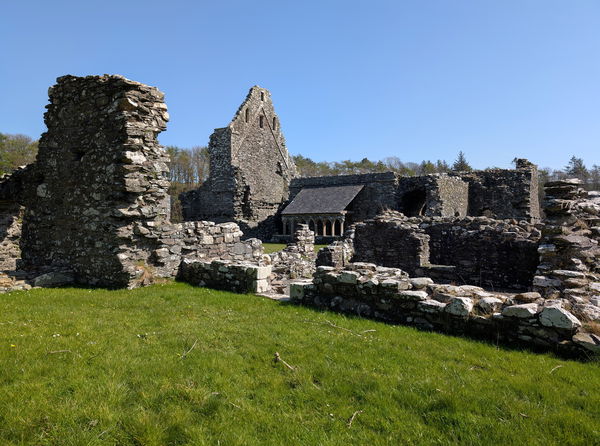
Glenluce Abbey
Religious Place Dumfries And Galloway ScotlandA beautiful ruinous abbey in Glenluce near Stranraer, that was the home of Cistercian monks for over 400 years.
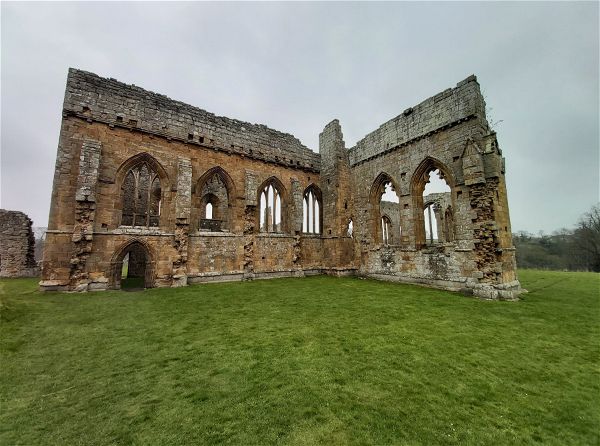
Egglestone Abbey
Religious Place Barnard Castle County DurhamBeautiful ruins of small monastery founded by White Canons set above a bend in the River Tees near Barnard Castle.
St Mary The Virgin Easington Village
Religious Place Peterlee County DurhamA noticeable Norman Church commanding a hill in Easington Village.
Never Miss A Fabulous Place
If you are afraid of missing out on all the fabulous places we post, or just want to be the first to know, then sign up to the Fabulous North.
Each week we will email you all the brand new places that we visit.
Sign Up To Alerts

Find Us On Facebook
We post all our new places daily on our Facebook Groups page, so join the group today and be notified when we add a new place.
Join Our Facebook GroupGisborough Priory was listed in Religious Place // North Yorkshire // Middlesbrough