
Lunga
Landscape In Oban, Scotland
The largest of the Treshnish Isles in Argyll and Bute.
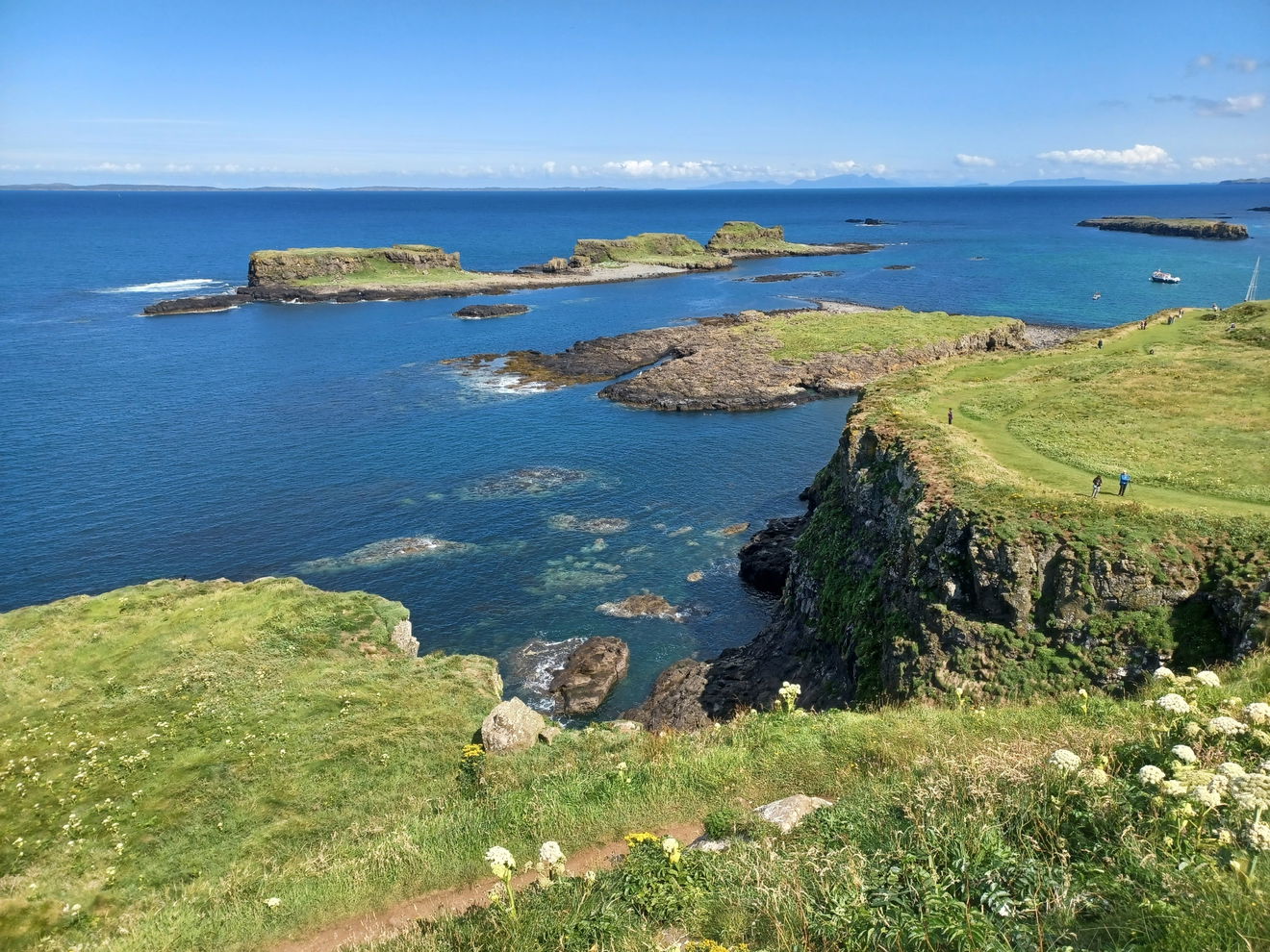
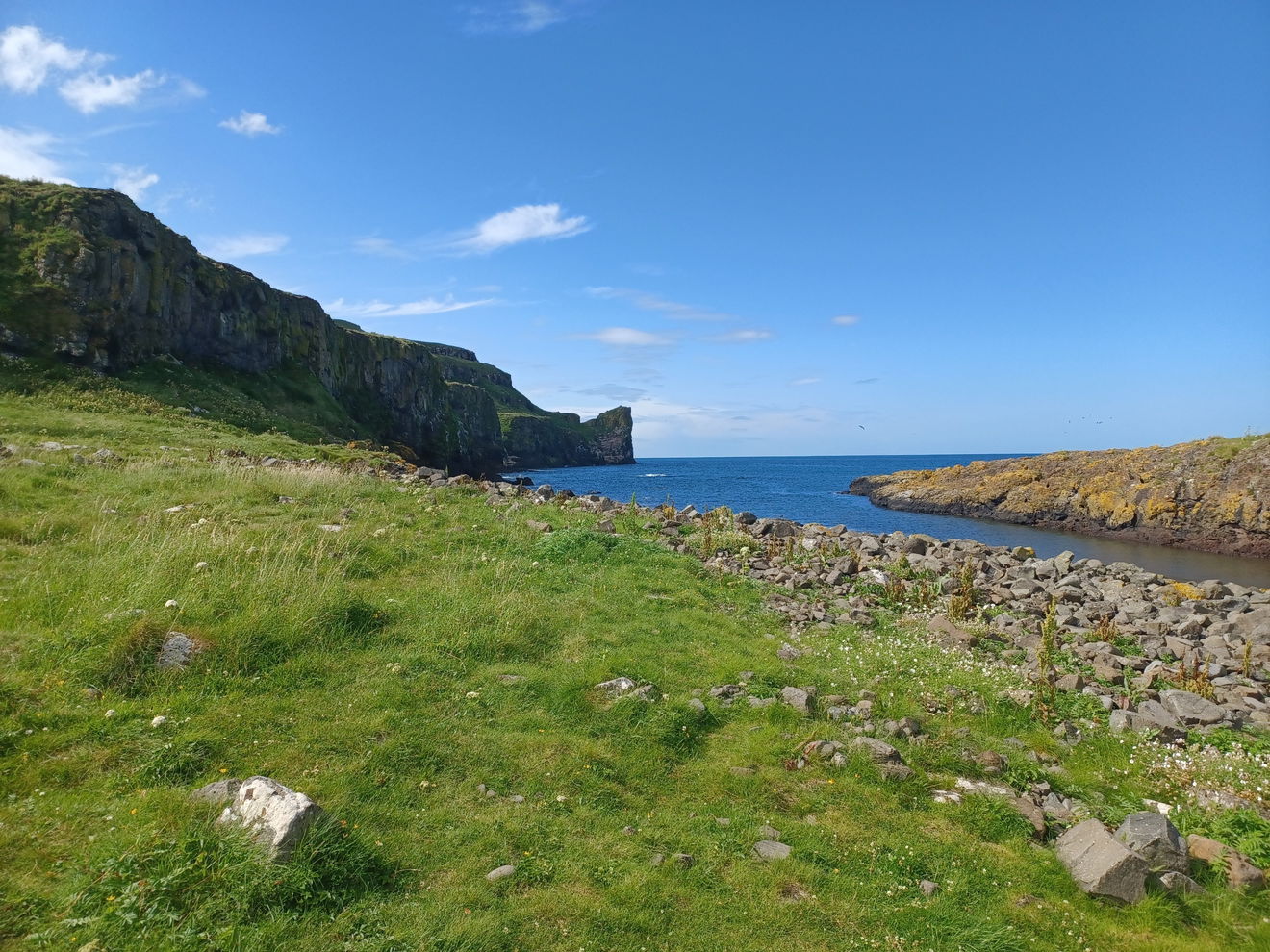
Around 7km off the west coast of the Isle of Mull lies a rugged island of basalt, around 1.5km in length, that is a haven for seabirds. The island of Lunga, which is the largest of the Treshnish Isles, rises to a height of around 100m and has a name that derives from the Norse for “Long Ship”, which gives a hint towards its boat like shape.
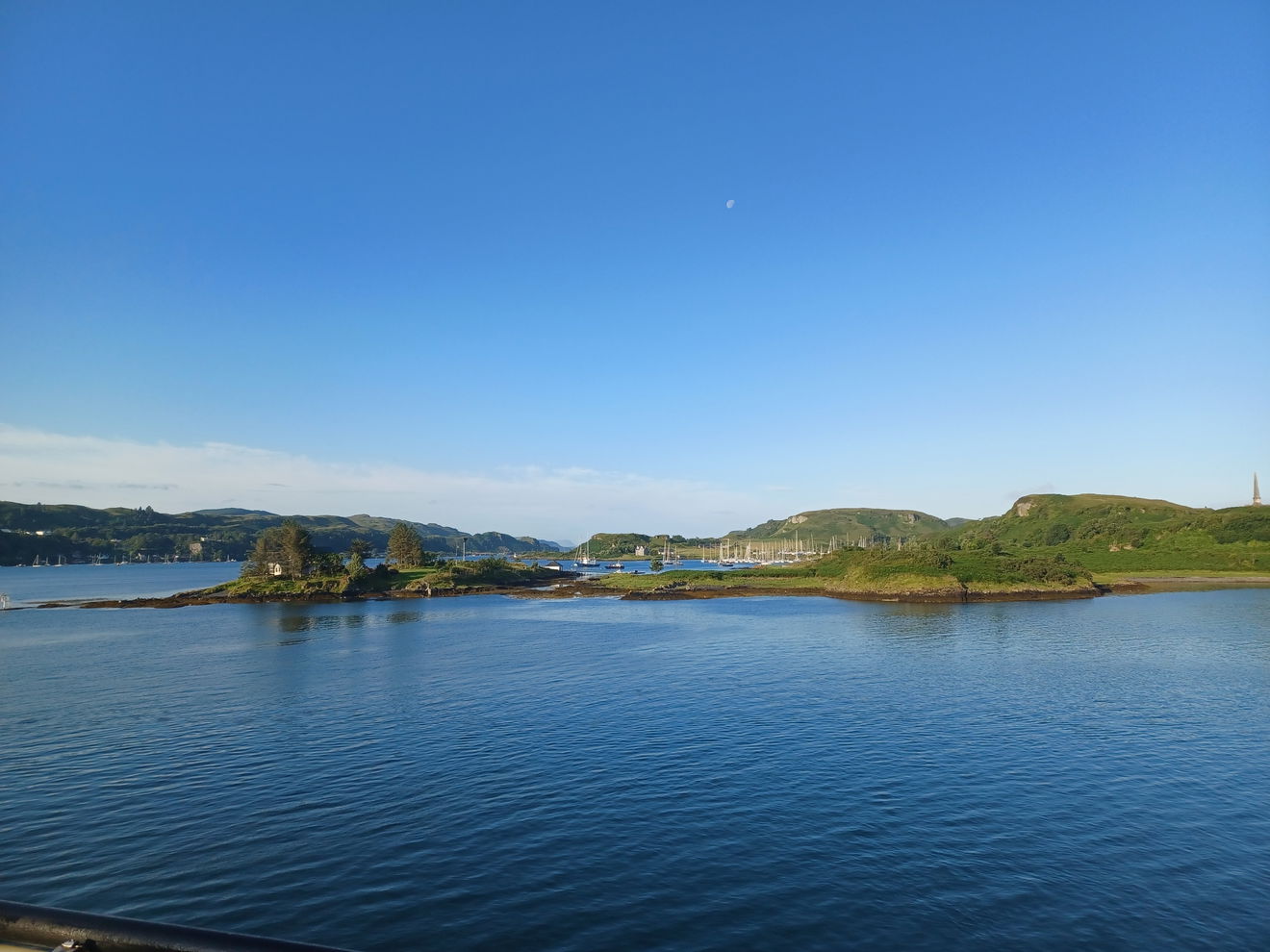
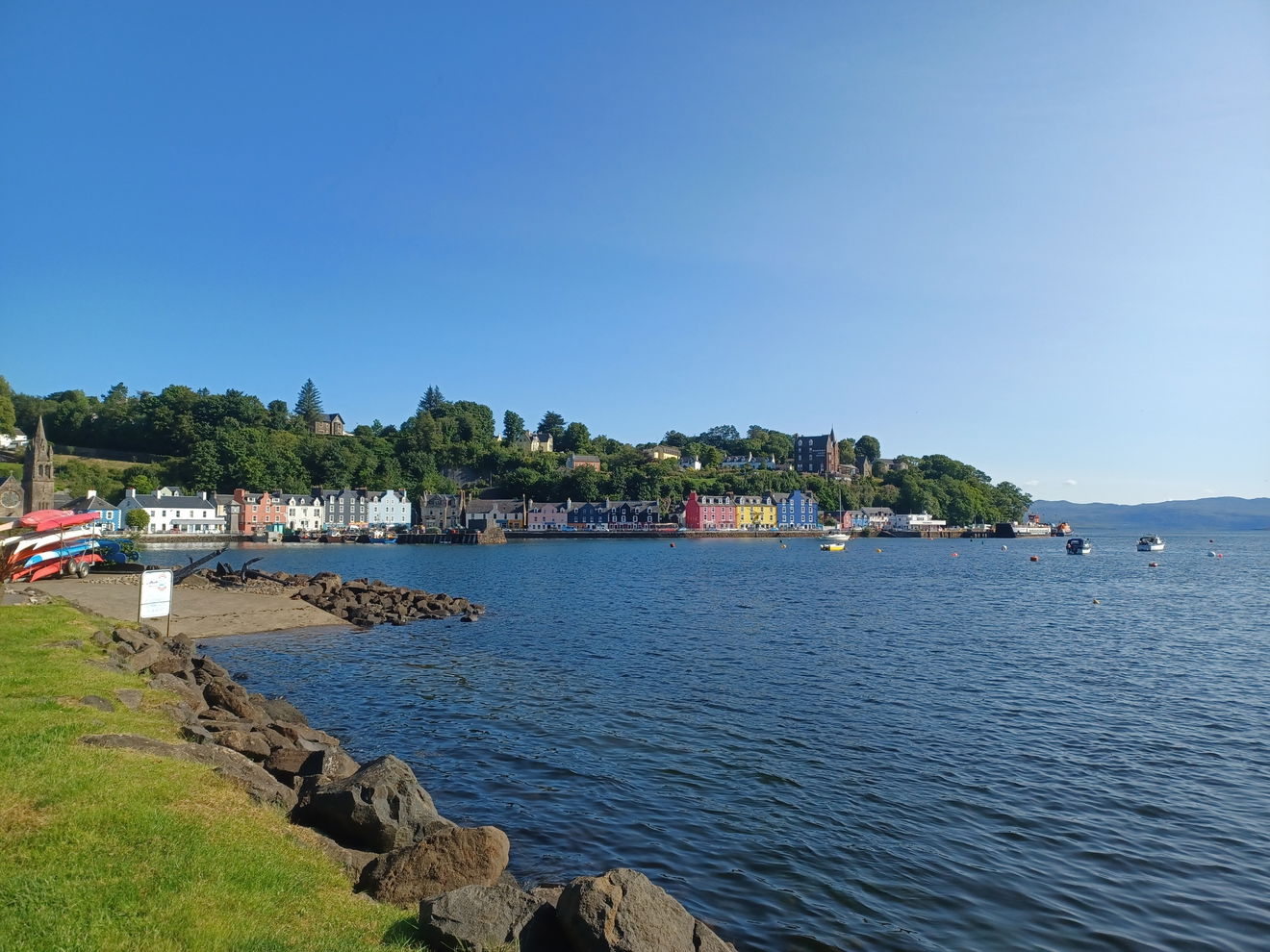
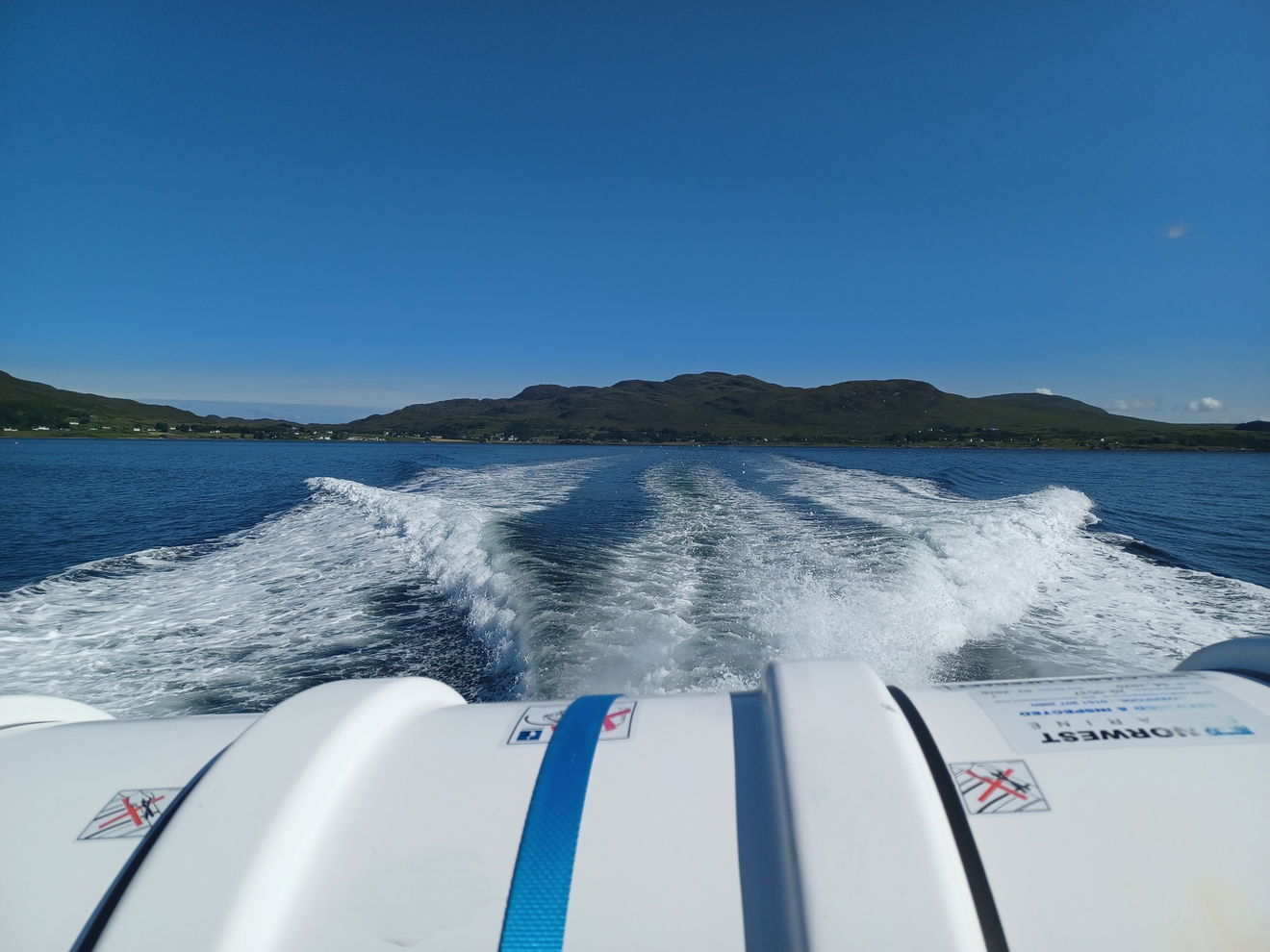
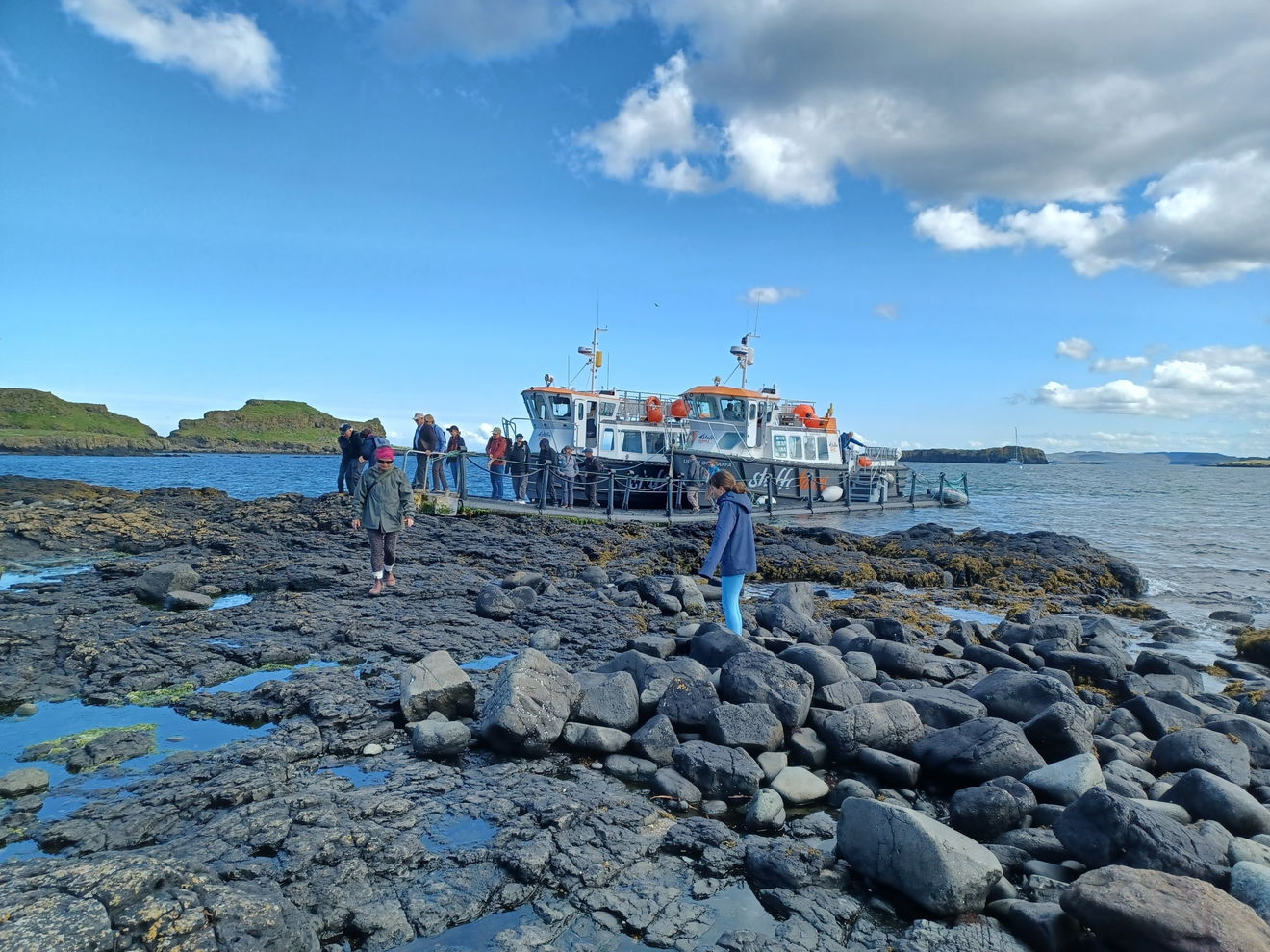
It is the geology of the island that makes it so attractive to seabirds as the ancient lava flows that formed it, created tiered basalt columns and sea stacks which provide multiple locations for these birds to nest. Given its location, you would be correct in thinking you can only access the island by boat, and we did just this travelling from our base in Oban, via the ferry to Mull and a bus trip to Tobermory, where the boat departs from.
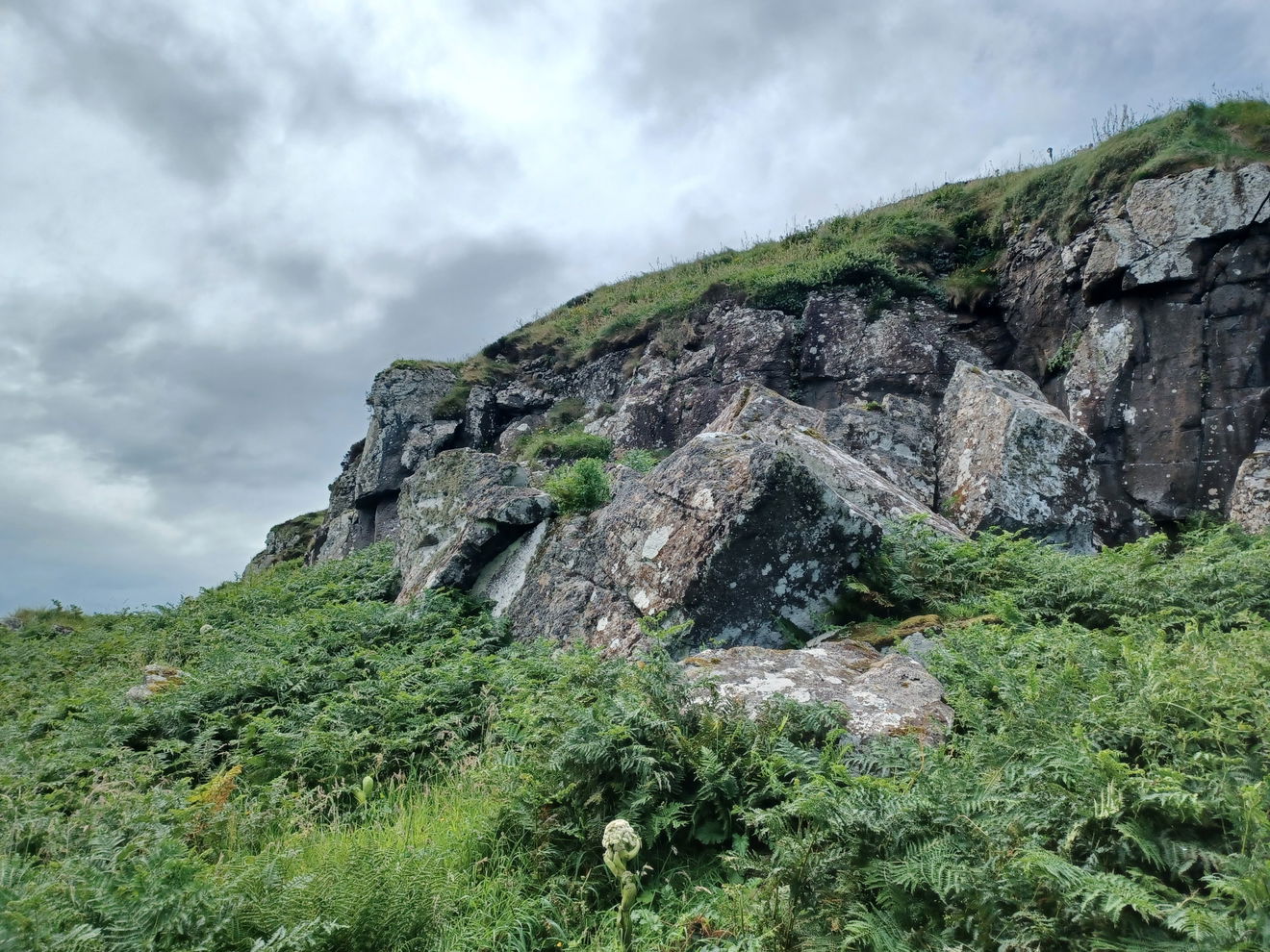
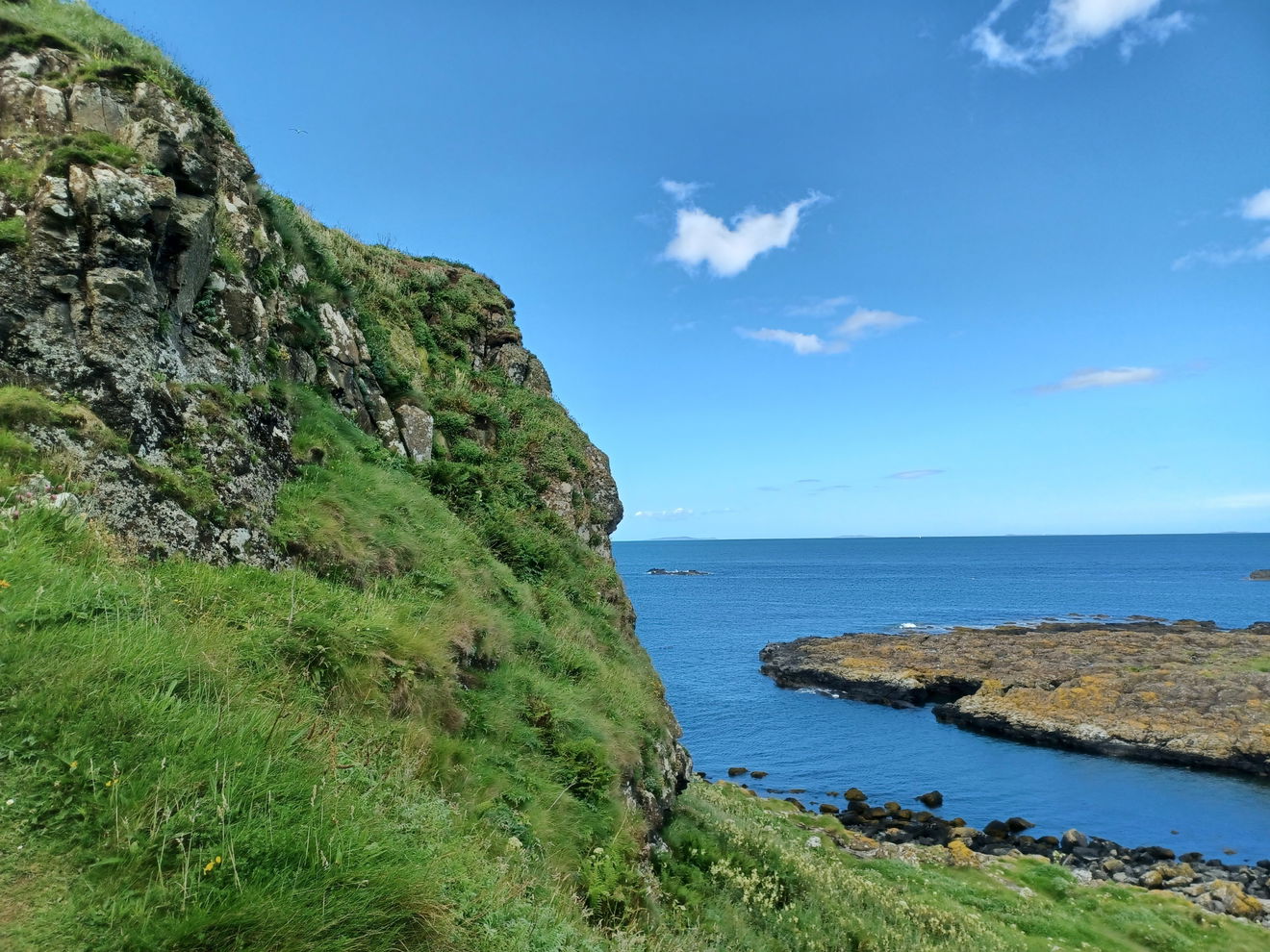
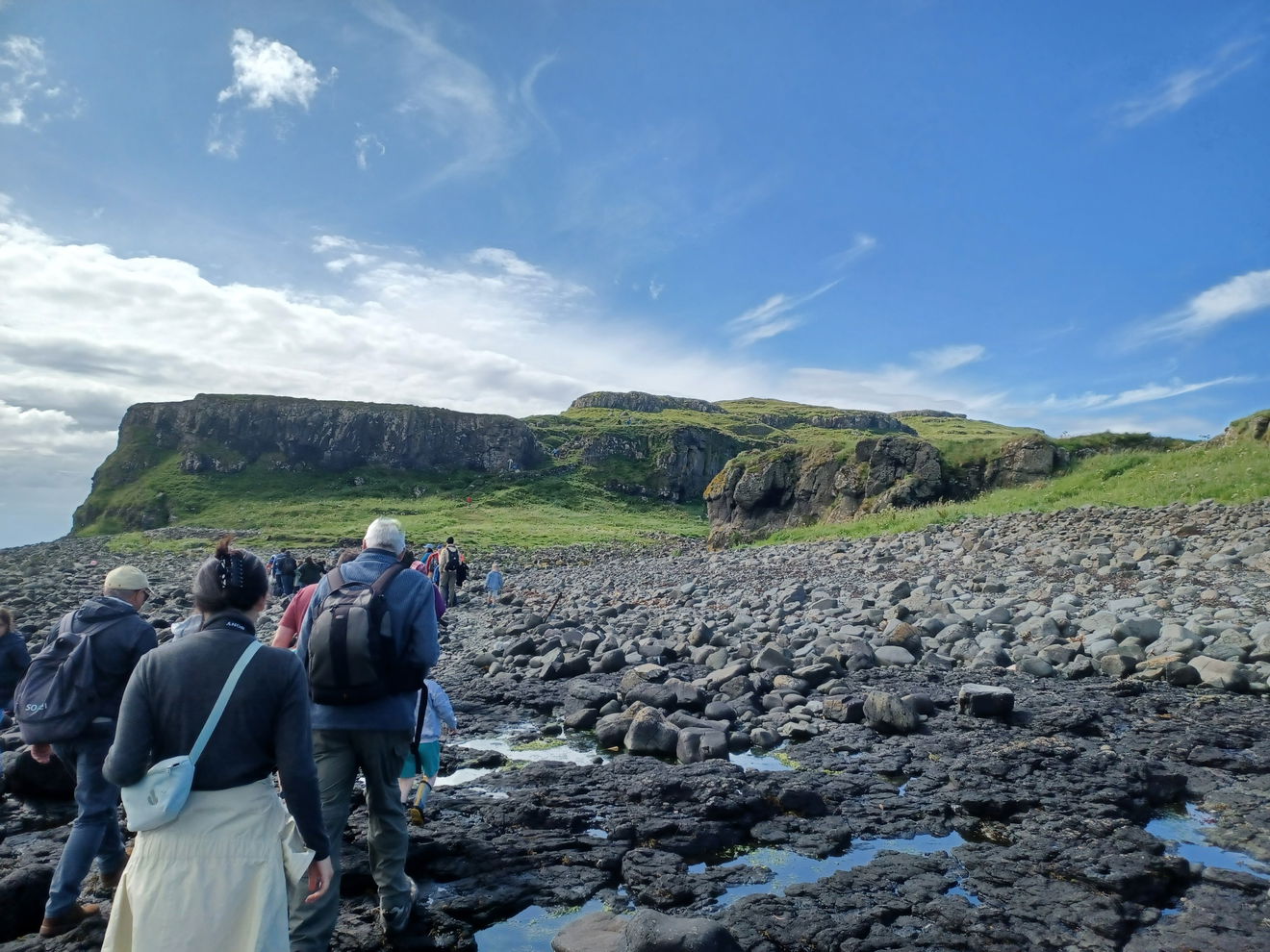
You arrive at Lunga via a rocky shore and have to pick your way across the rocks to get to the path up to the birds. While a tricky route to navigate it can be done by most, with care, indeed there were many older people, some with sticks, who managed to get across. There follows a steep scramble up a dirt path, between rocky outcrops, to a flat grassy plateau where you will find the bird everyone has come to see.
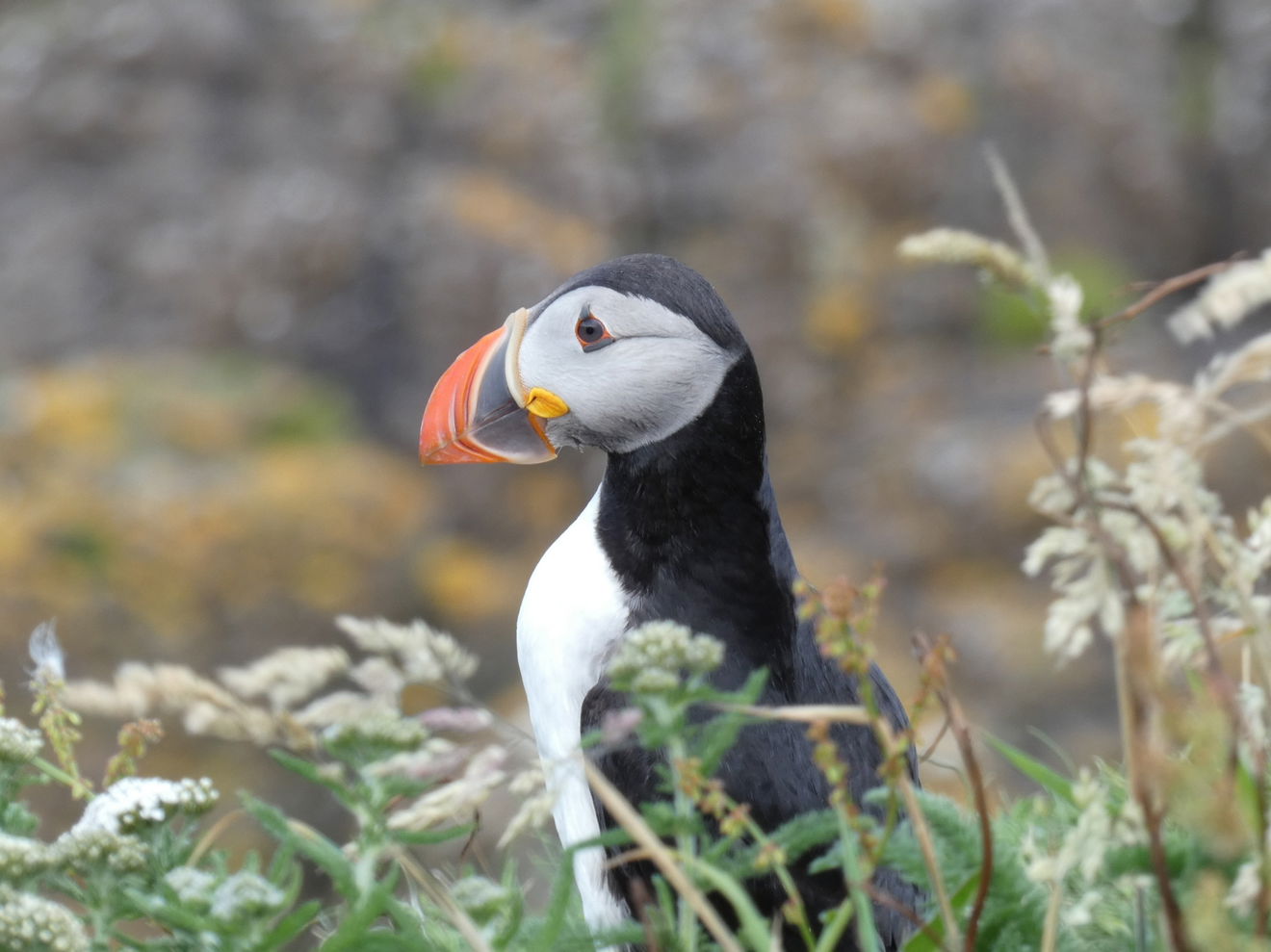
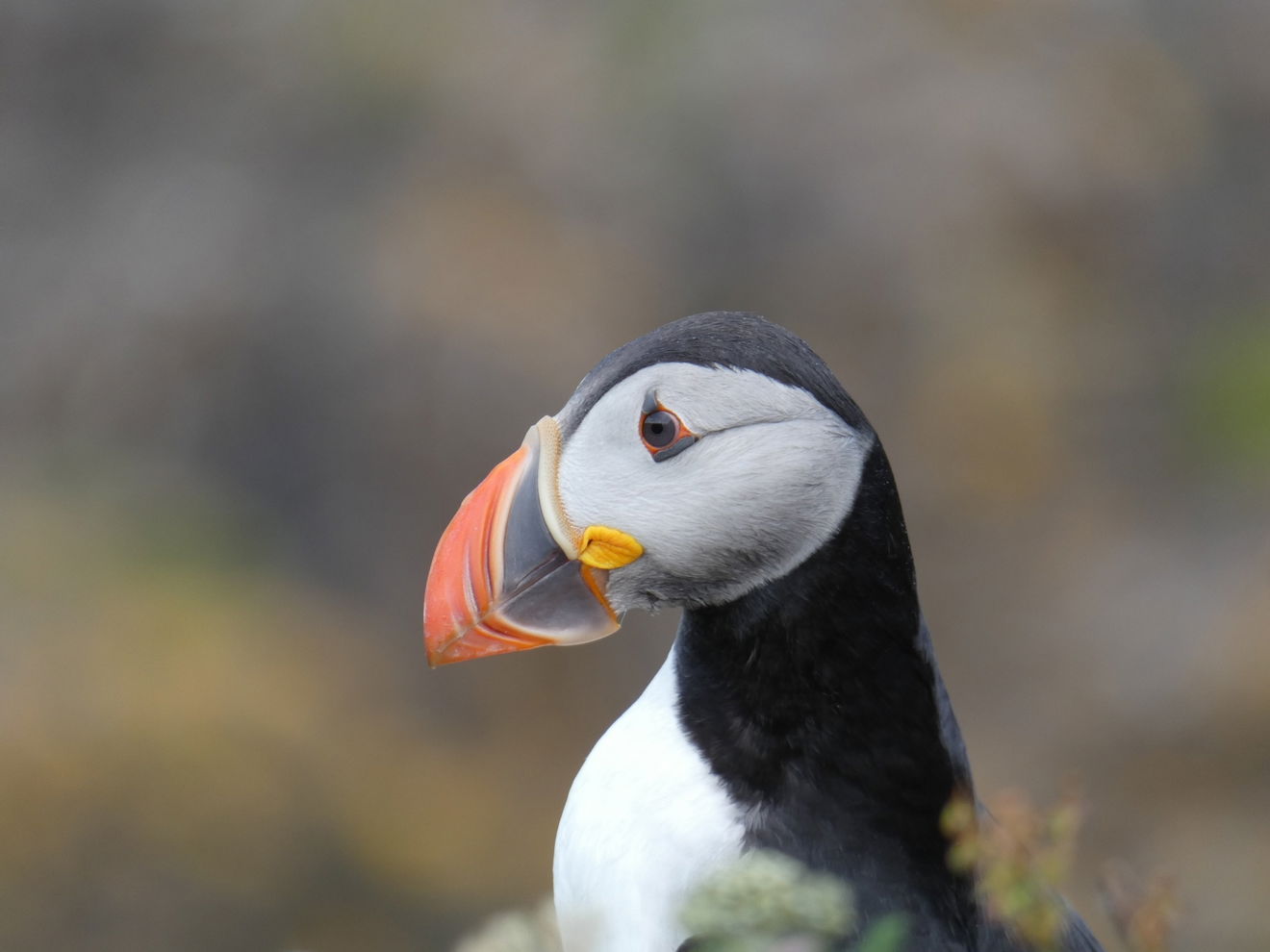
The Atlantic Puffin only comes ashore to breed, spending the rest of the year out at sea, and it is the star attraction wherever it chooses to set up nest. The nesting areas are roped off to give the birds some space, but you can still get very close to them. They are so used to people that they seem unconcerned by your presence, our guide told us that they actually like when people come to visit as they keep the Skuas (which like to eat the Pufflings) away, making it safer for them to come out their burrows.
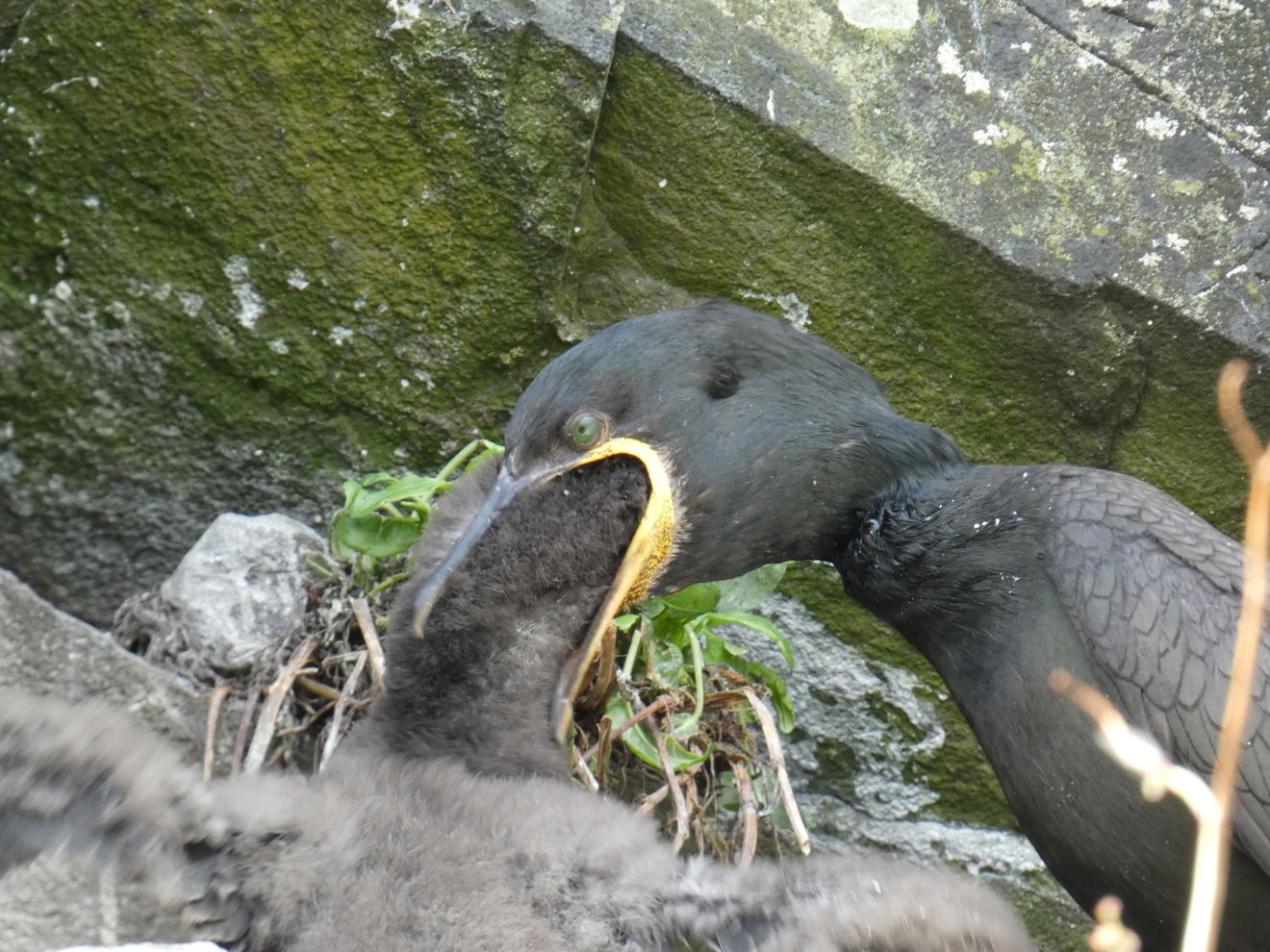
You can walk the paths around the edge of the island, though they are quite narrow and require care, to take in the views and spot the other birds that make the island their home. Many Shags nest on the cliffs and in rocky crevices, some of which are right next to the path! Keep your eyes peeled or you may find you get a fright as they request you to keep back, they are not shy in giving you a loud warning!
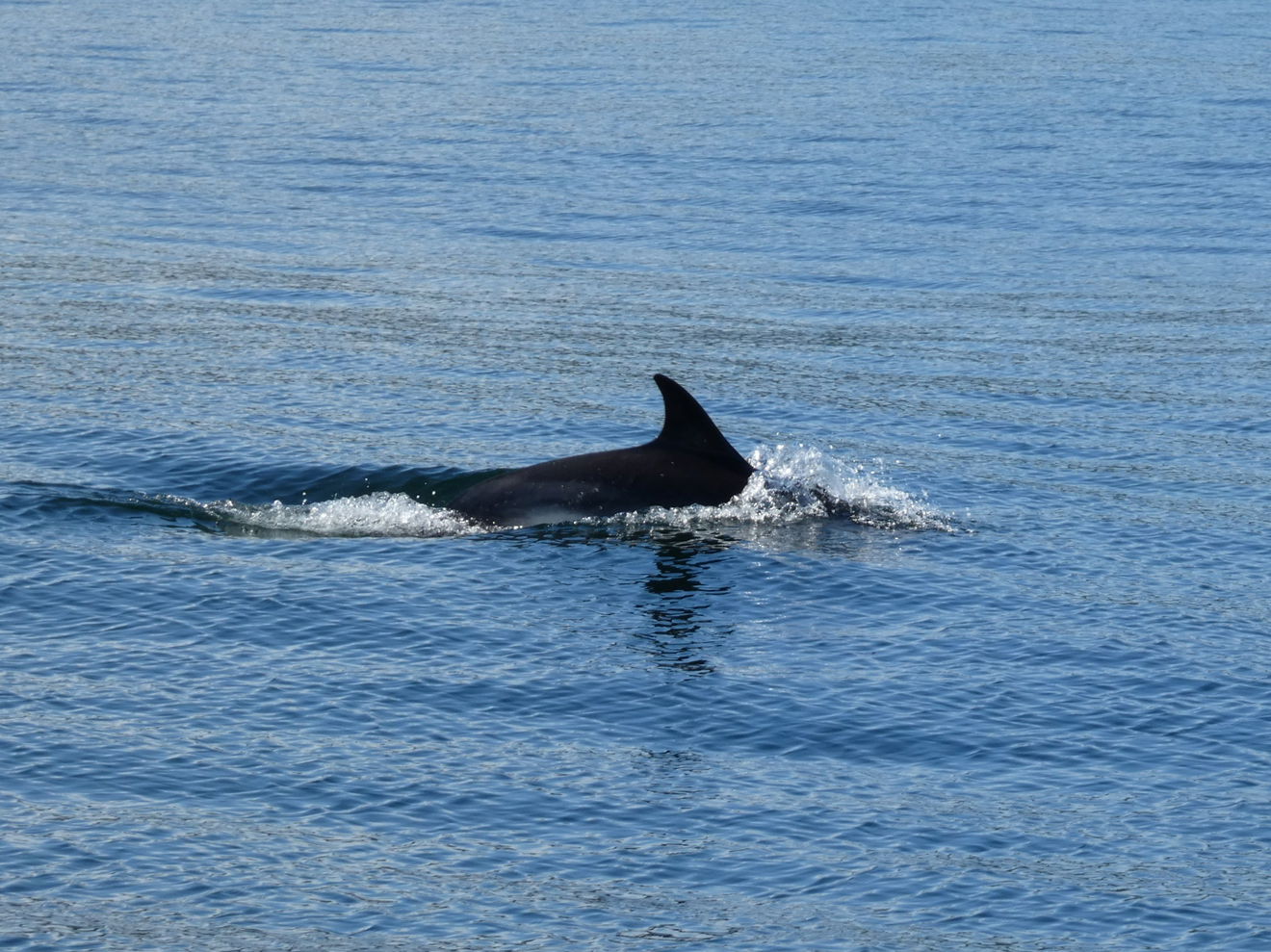
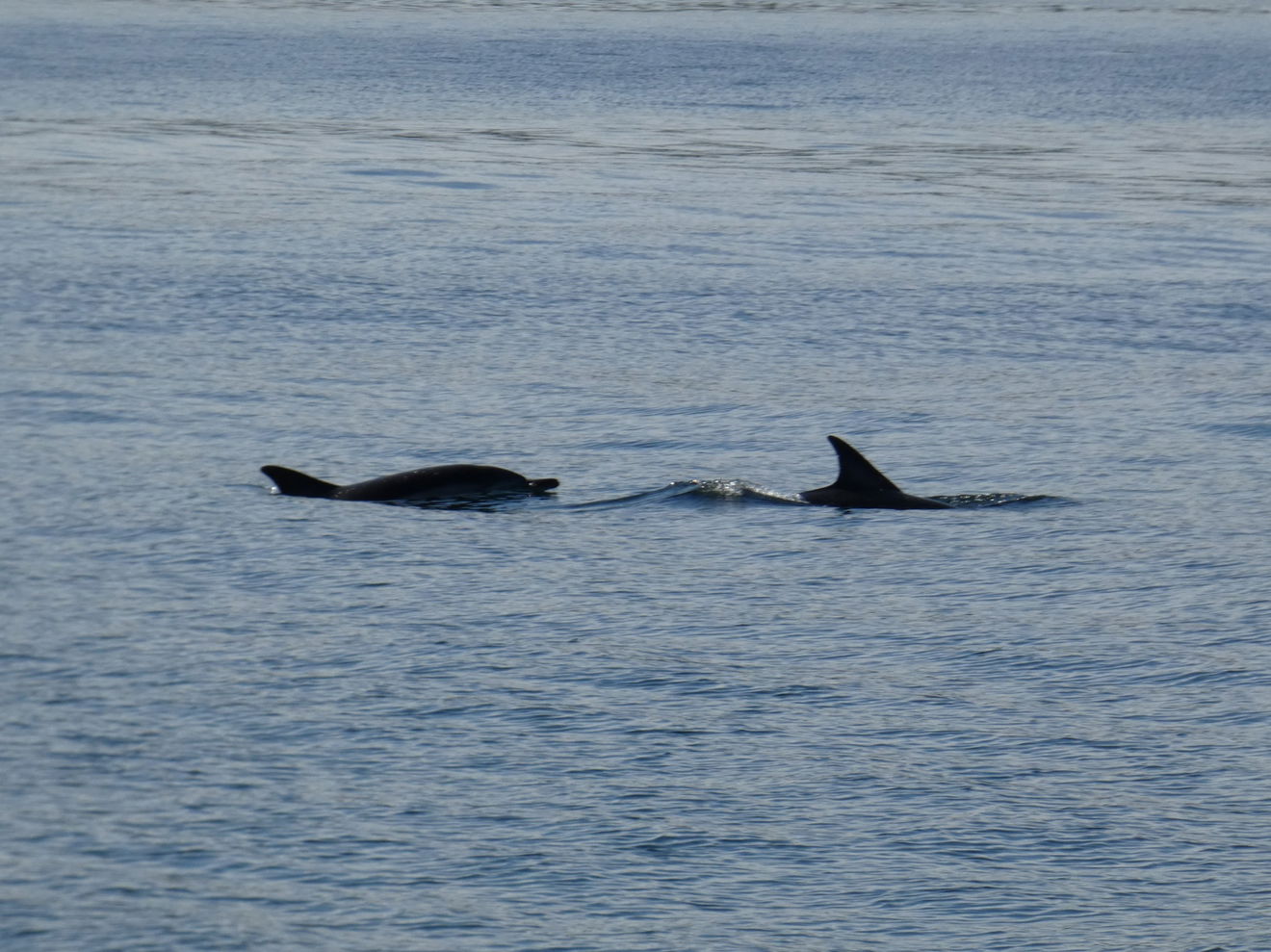
During our visit we spotted loads of wildlife including Common Dolphins on the trip over, Puffins, Shag, Kittiwake, Gannet, Guillemot, Razorbill, Fulmar and Manx Shearwater.
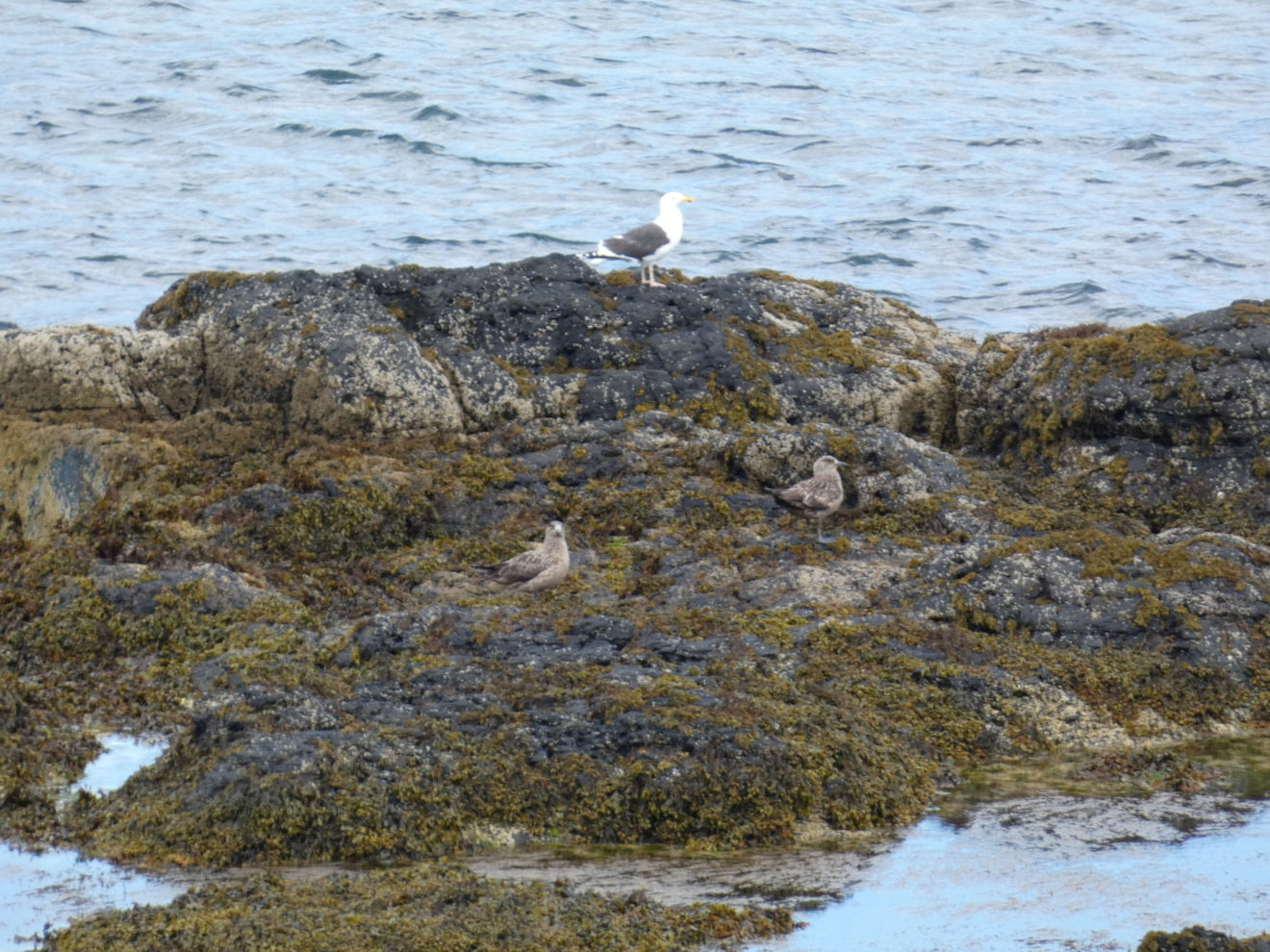
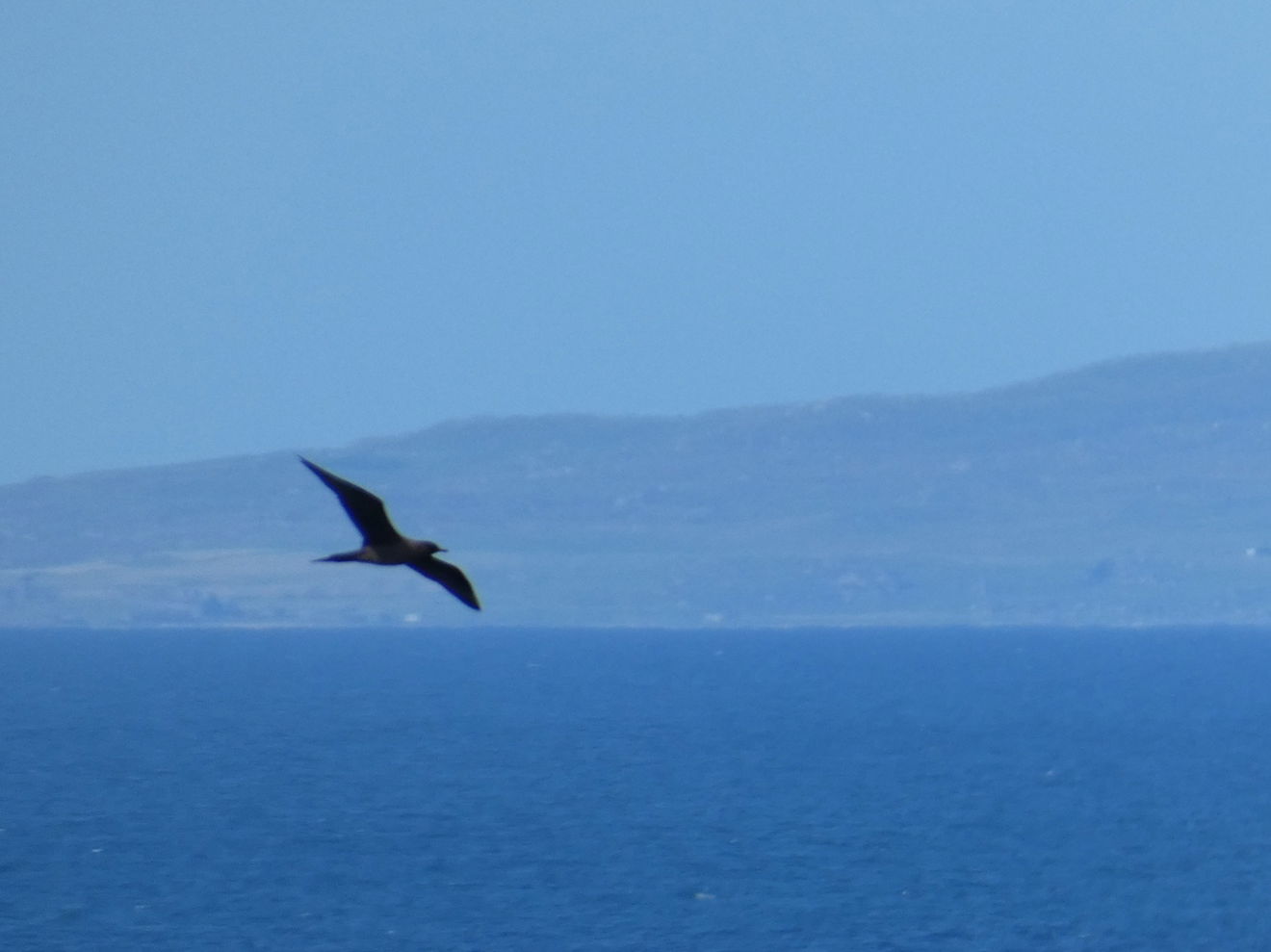
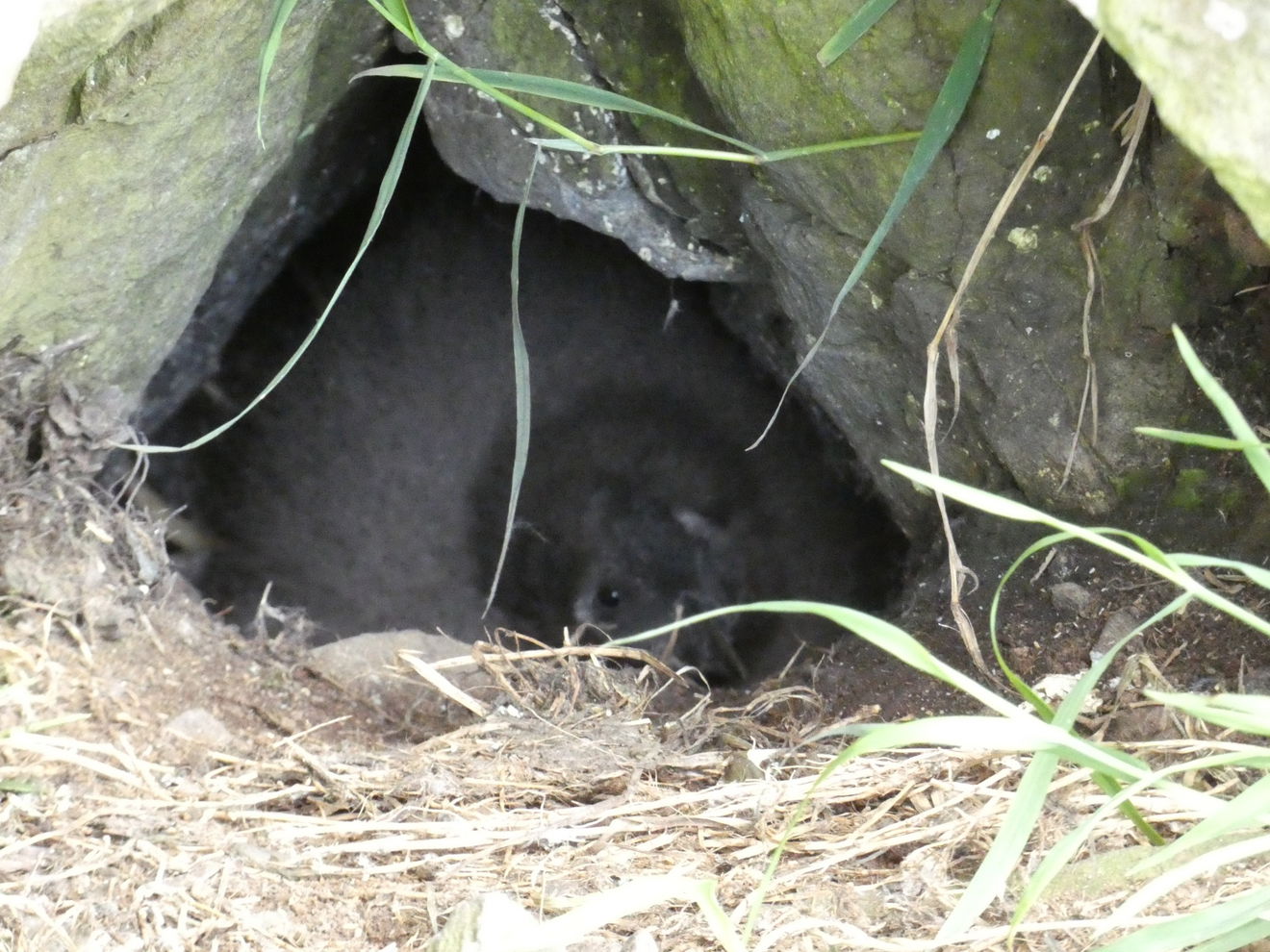
Excitingly for us, we also spotted Great Skua and Arctic Skua, both of which spent their time chasing the gulls and other birds to try and steal their food. We were also lucky enough to spot a Puffling in a small rock crevice next to the footpath.
While it is now a haven for seabirds, it was once a place where people actually lived. Archaeological evidence suggests that human habitation was long-standing though sparse, with people using it for grazing animals. There are remains of a small, blackhouse village on the eastern side of the island, which you can walk round. These buildings would have housed a small crofting community. The last inhabitants of the island are believed to have left in the early 20th century.
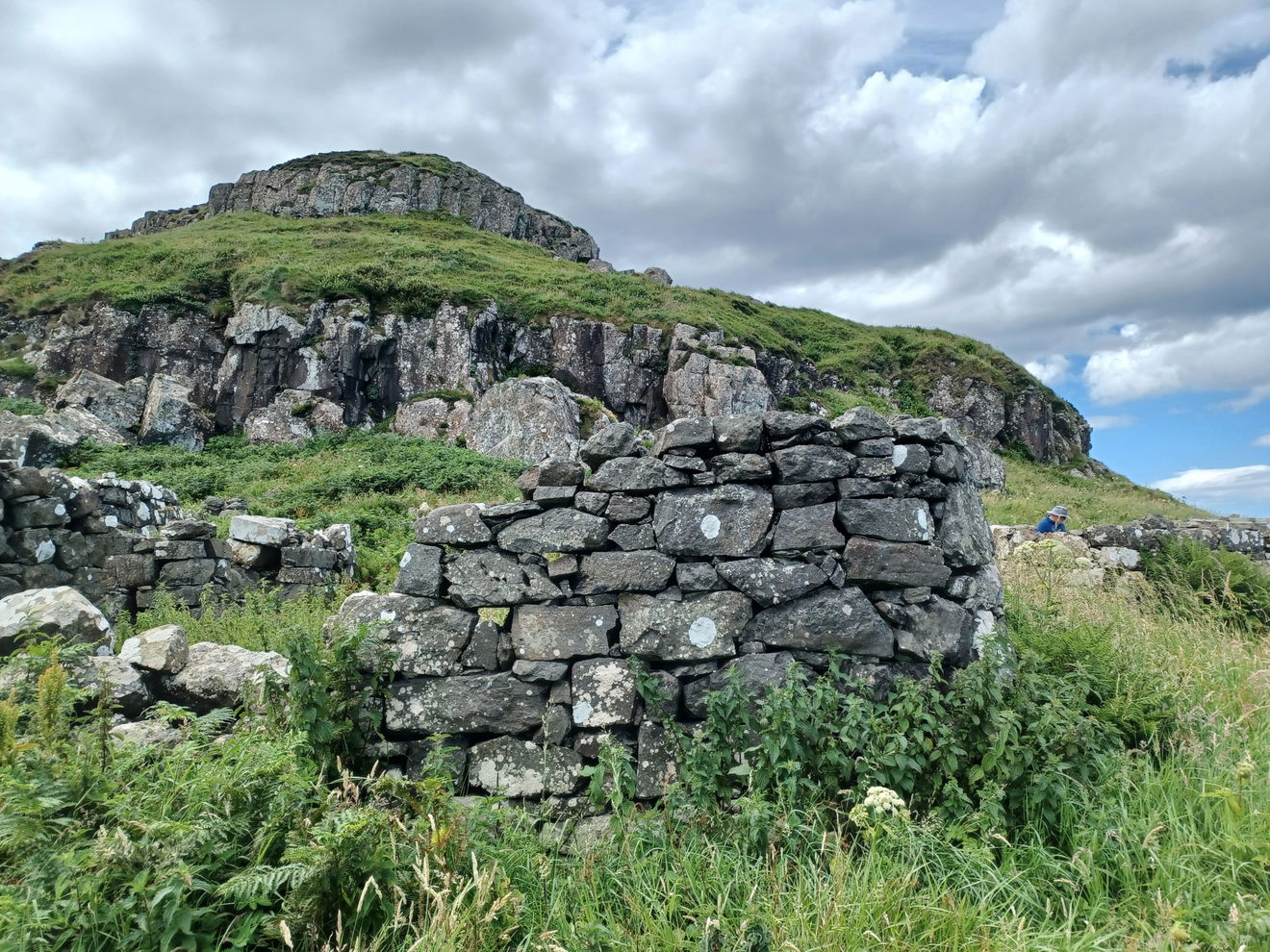
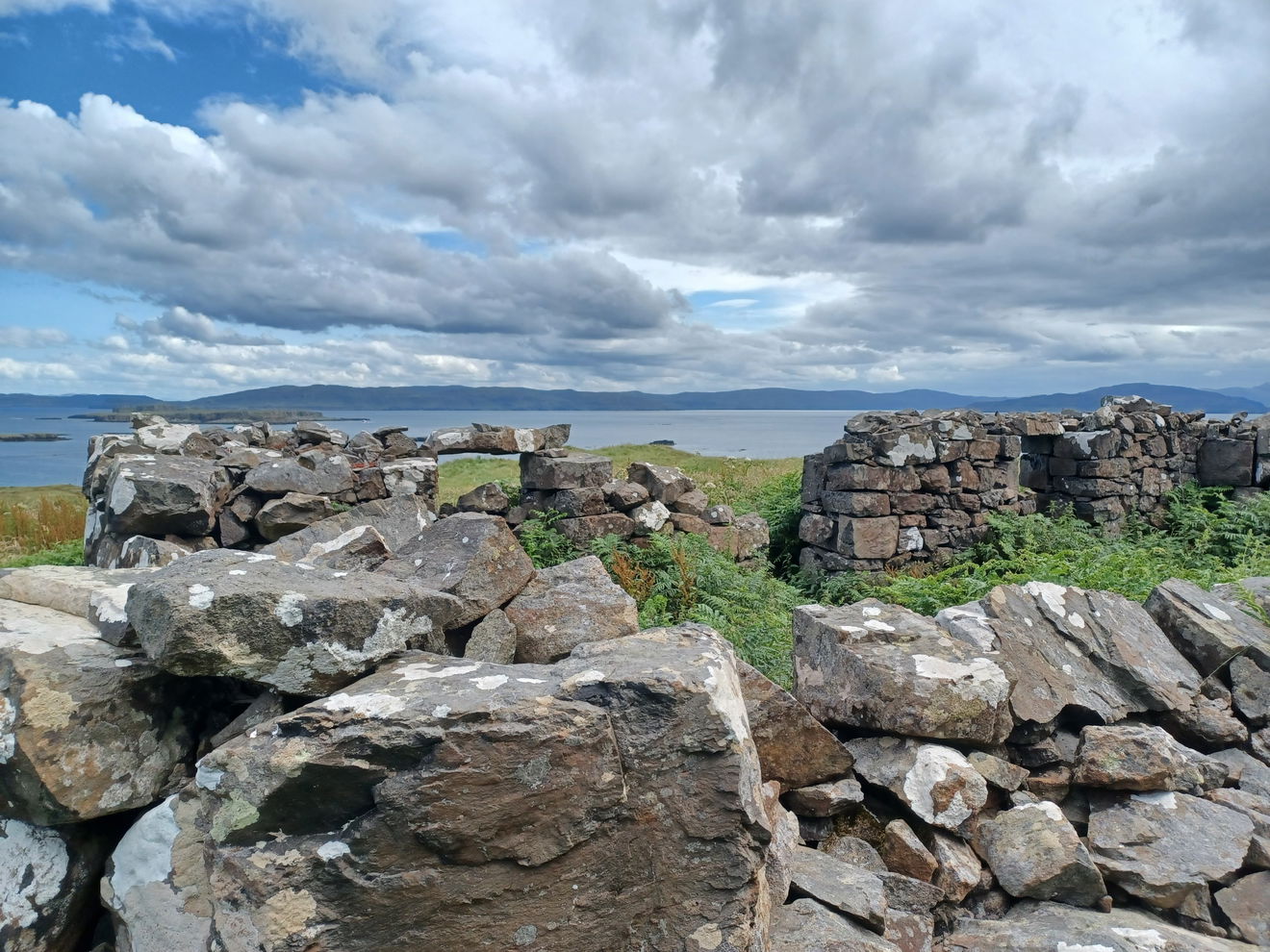
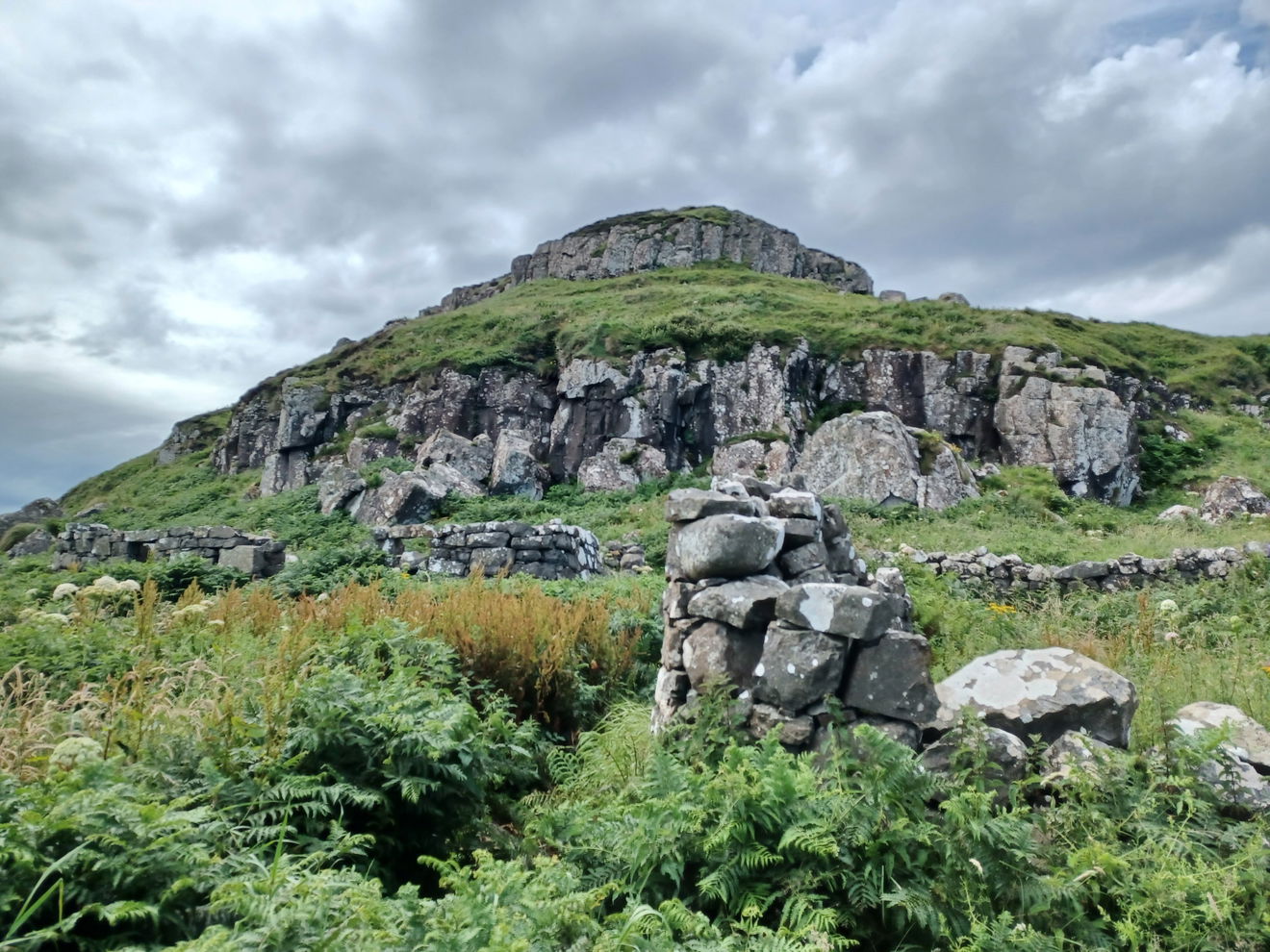
The loss of human habitation, while sad, meant the island could be reclaimed and be allowed to flourish, the human colony being replaced by a one of birds. The island is now designated a Site of Special Scientific Interest and a Special Protection Area, both of which afford it a high level of protection.
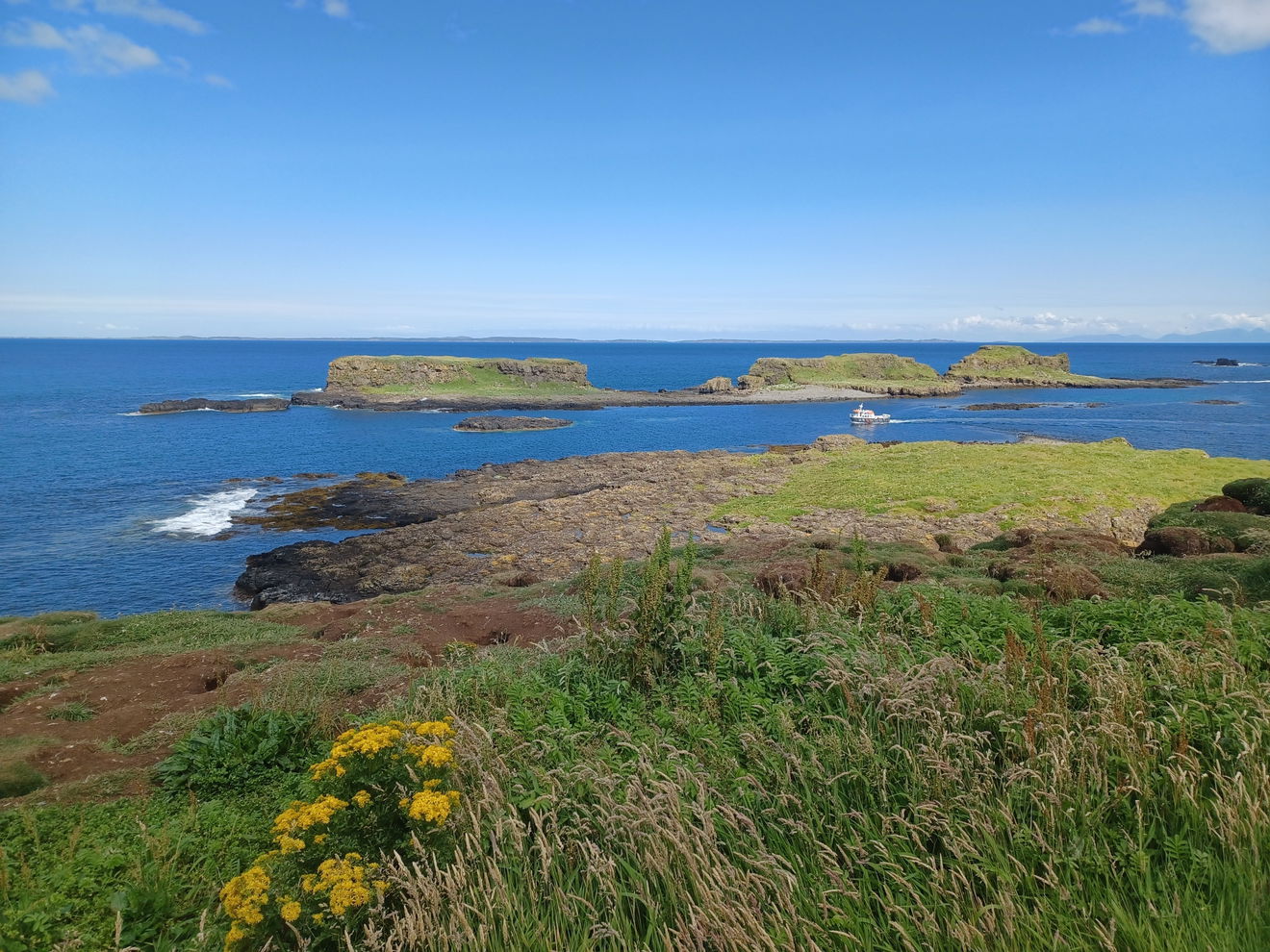
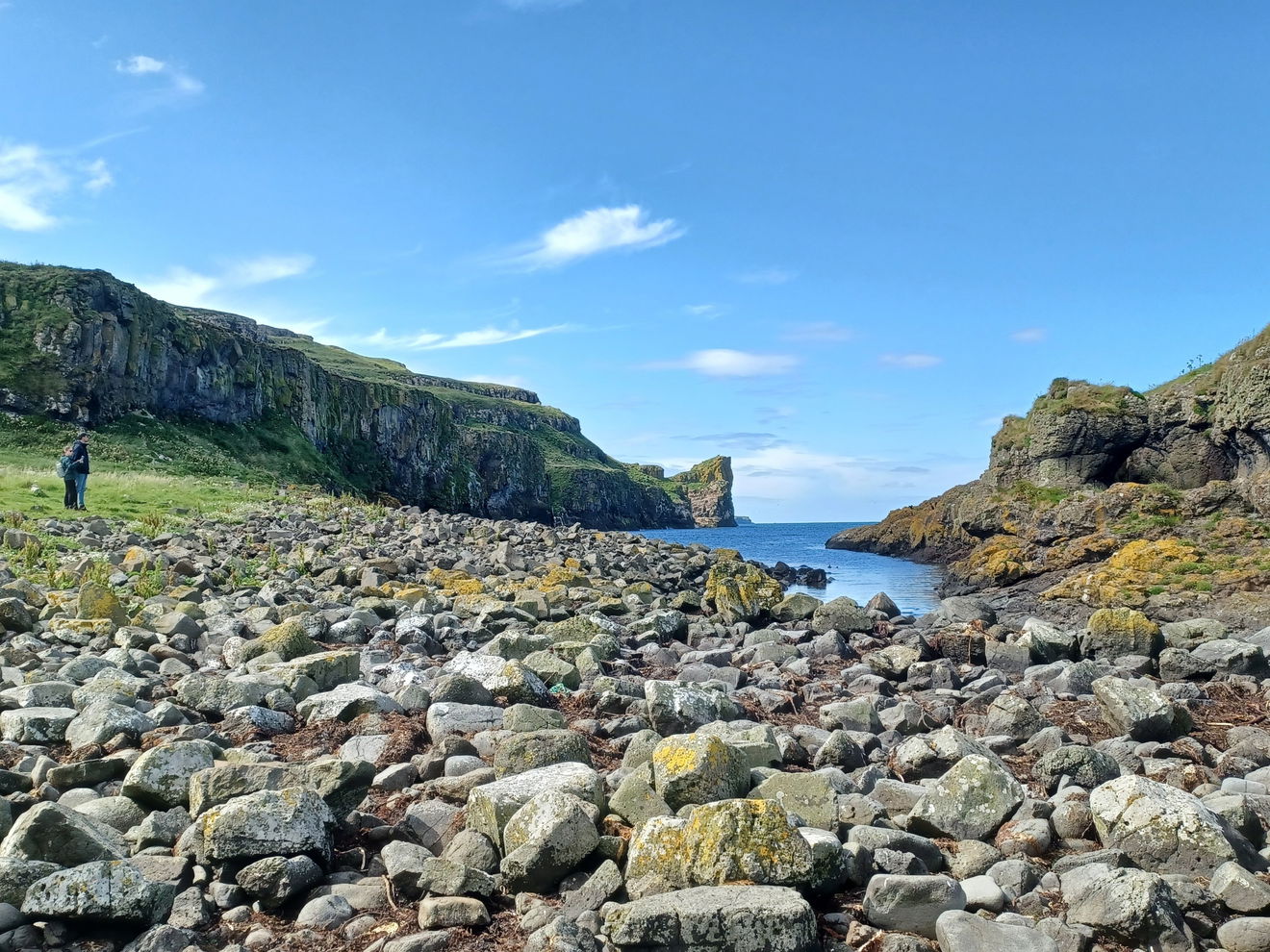
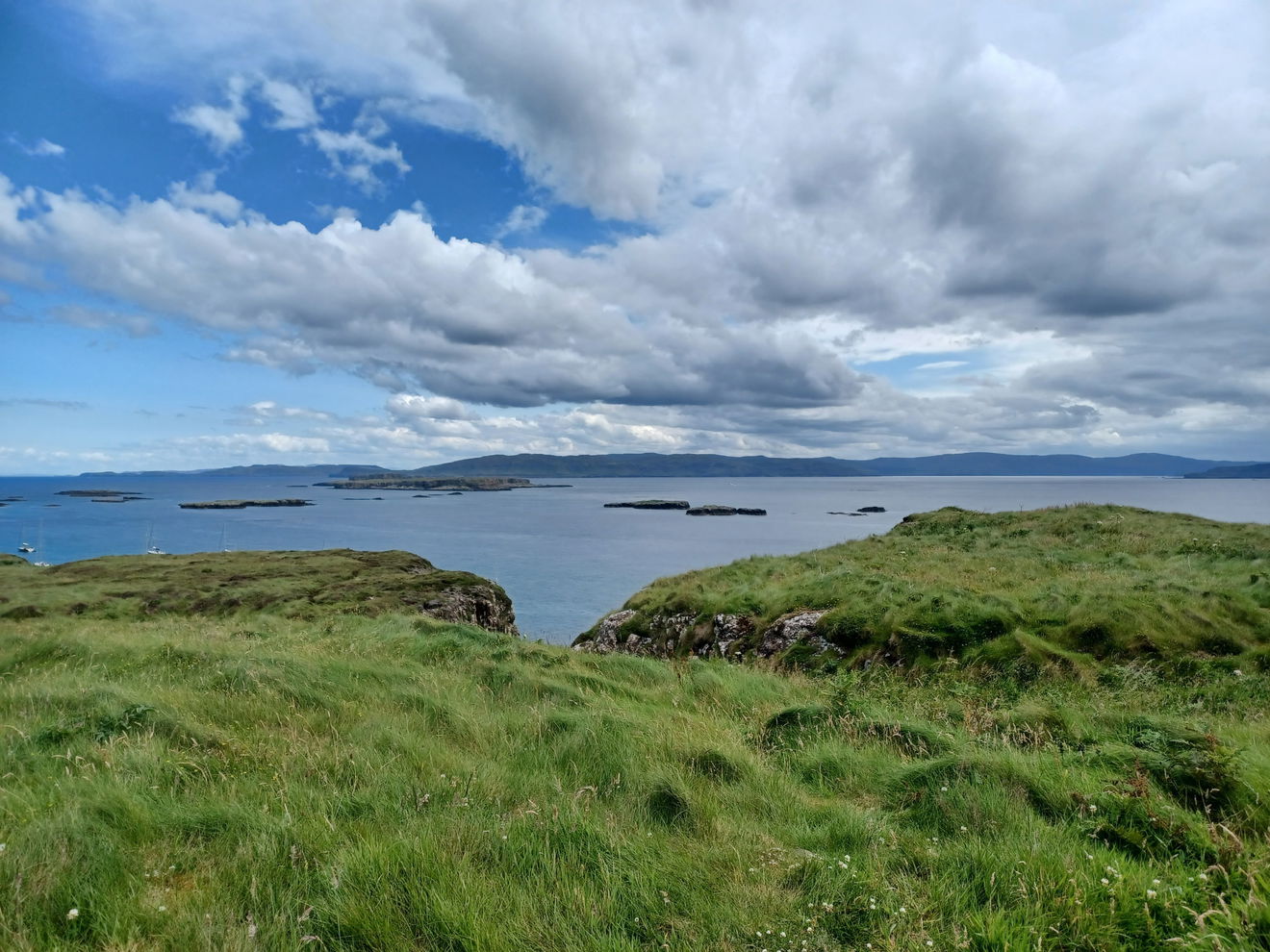
It is also managed and owned by the National Trust of Scotland.

Get 5 points if you have visited this place. Already visited by 2 VIPs.
Login to the VIP area to add places to your bucket list, mark them as visited and more importantly see where you rank on the league table.
How To Find Lunga
Where To Park For Lunga?
Lat / Long
56.620514, -6.0684603
What three words
There is no parking on the Island as it is only reachable by boat. We travelled from Tobermory after getting the ferry from Oban to the Isle of Mull. Parking is available in Tobermory at the Ledaig Car Park by the harbour.
Contributed by Andrew Gardner
I love being outdoors, in nature, and experiencing the relaxation it brings. Wandering through the northern countryside seeing unexpected buildings, historic places and occasionally surprised wildlife is one of life's great pleasures.
More Places from Andrew
More Places In Oban
Find more fabulous places in Oban, Scotland and if you know of a place we haven't listed, then let us know.
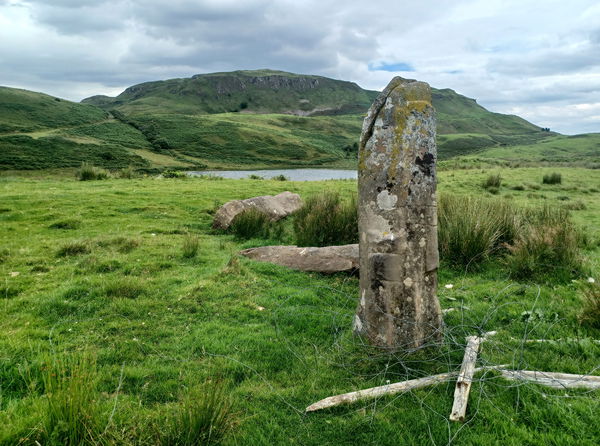
Duachy Standing Stones
Standing Stone Oban ScotlandThree prehistoric standing stones overlooking Dubh Loch.
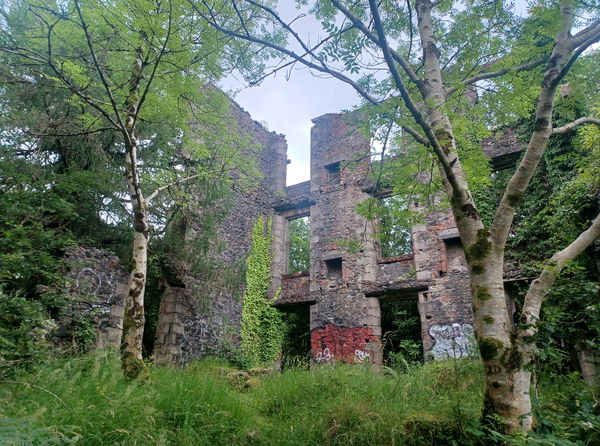
Oban Hydropathic Sanatorium
Building Oban ScotlandAn unfinished hotel left to ruin in the hills near Oban.
More Landscapes
So this landscape wasn't enough and you want more? Don't worry we have you covered.
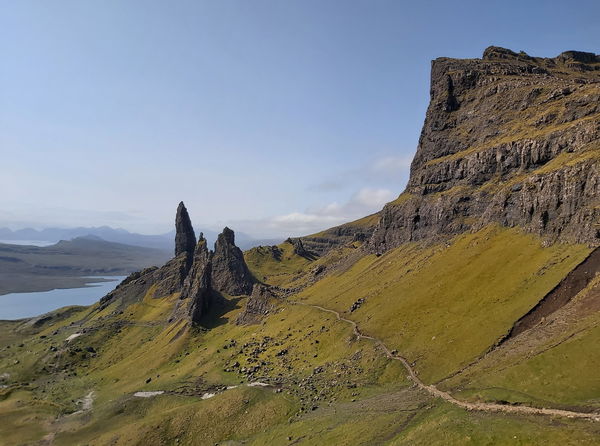
Old Man Of Storr
Landscape Skye ScotlandAn amazing landscape on Skye caused by an ancient landslide.
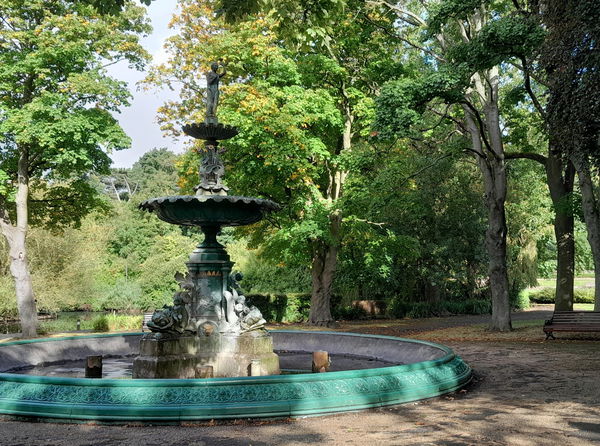
Ward Jackson Park
Landscape Hartlepool County DurhamA well-kept park with Victorian and Edwardian Features, modern works such as spiders and mosaics, plus the poignant ‘Heroism of the Silent Gun’ Boer War memorial.
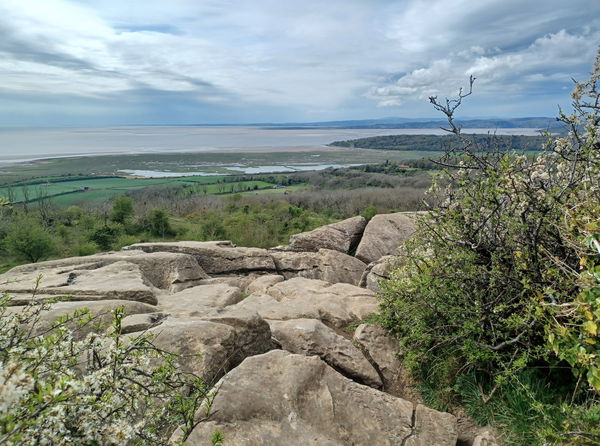
Warton Crag Nature Reserve
Landscape Lancaster LancashireBeautiful mosaic of limestone pavement, grassland and ancient woodland.
Never Miss A Fabulous Place
If you are afraid of missing out on all the fabulous places we post, or just want to be the first to know, then sign up to the Fabulous North.
Each week we will email you all the brand new places that we visit.
Sign Up To Alerts

Find Us On Facebook
We post all our new places daily on our Facebook Groups page, so join the group today and be notified when we add a new place.
Join Our Facebook Group