
Main Dyke Stone
Landmark In Gosforth, Tyne And Wear
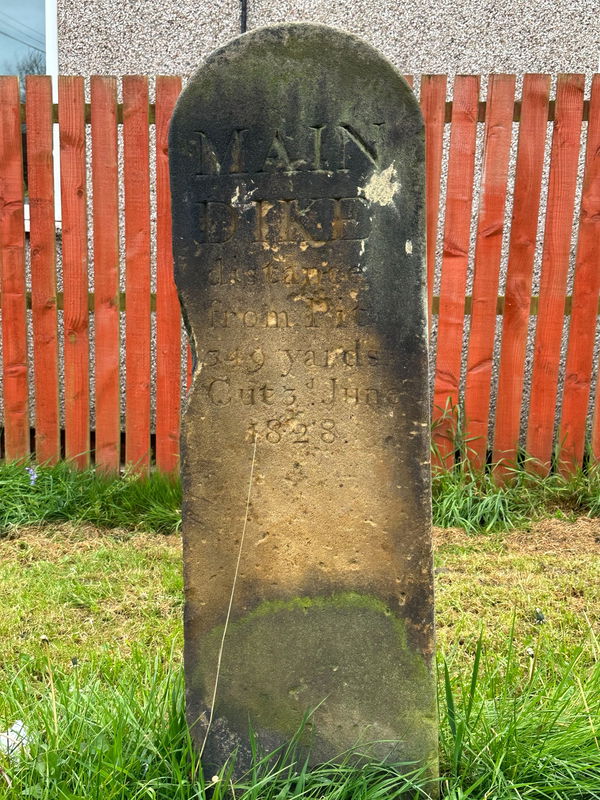
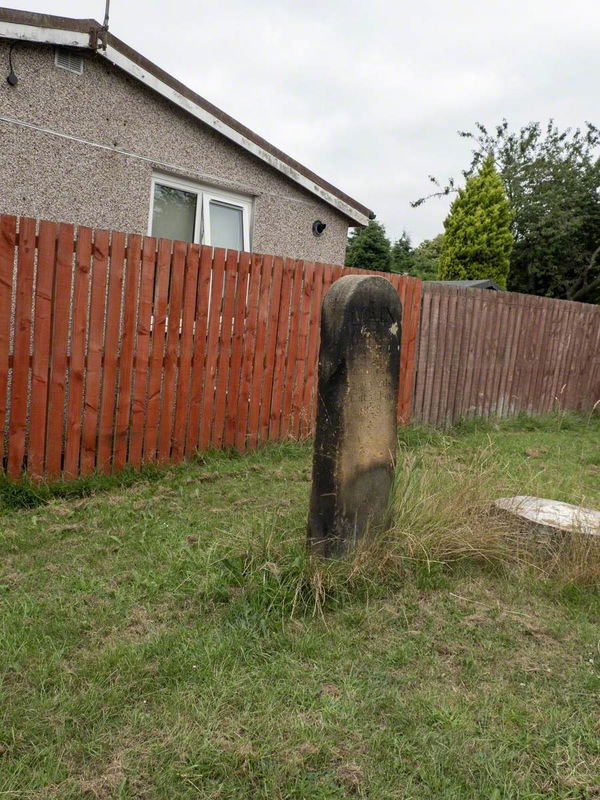
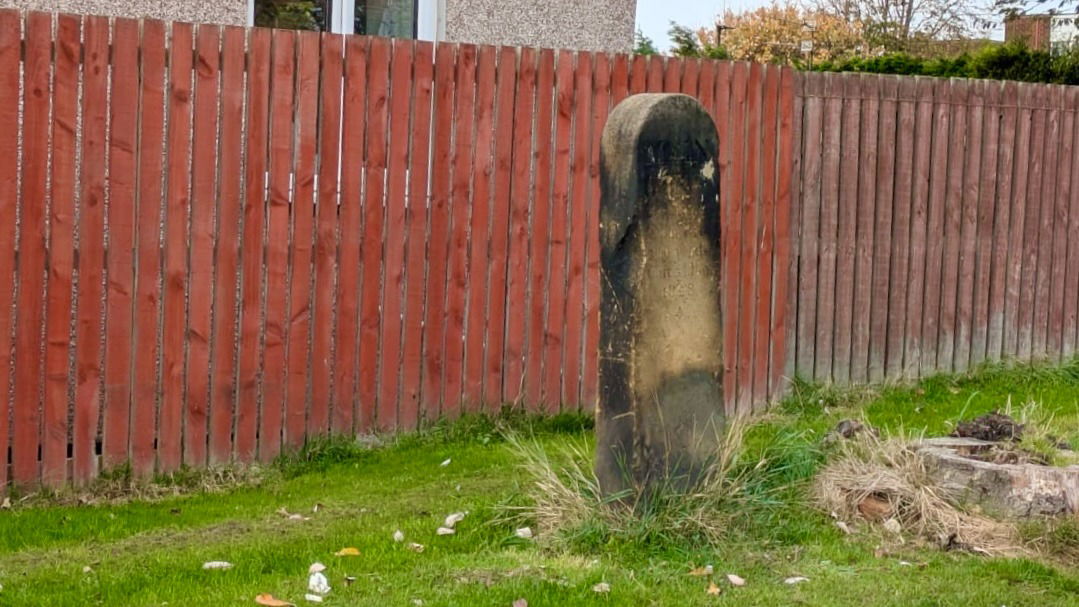
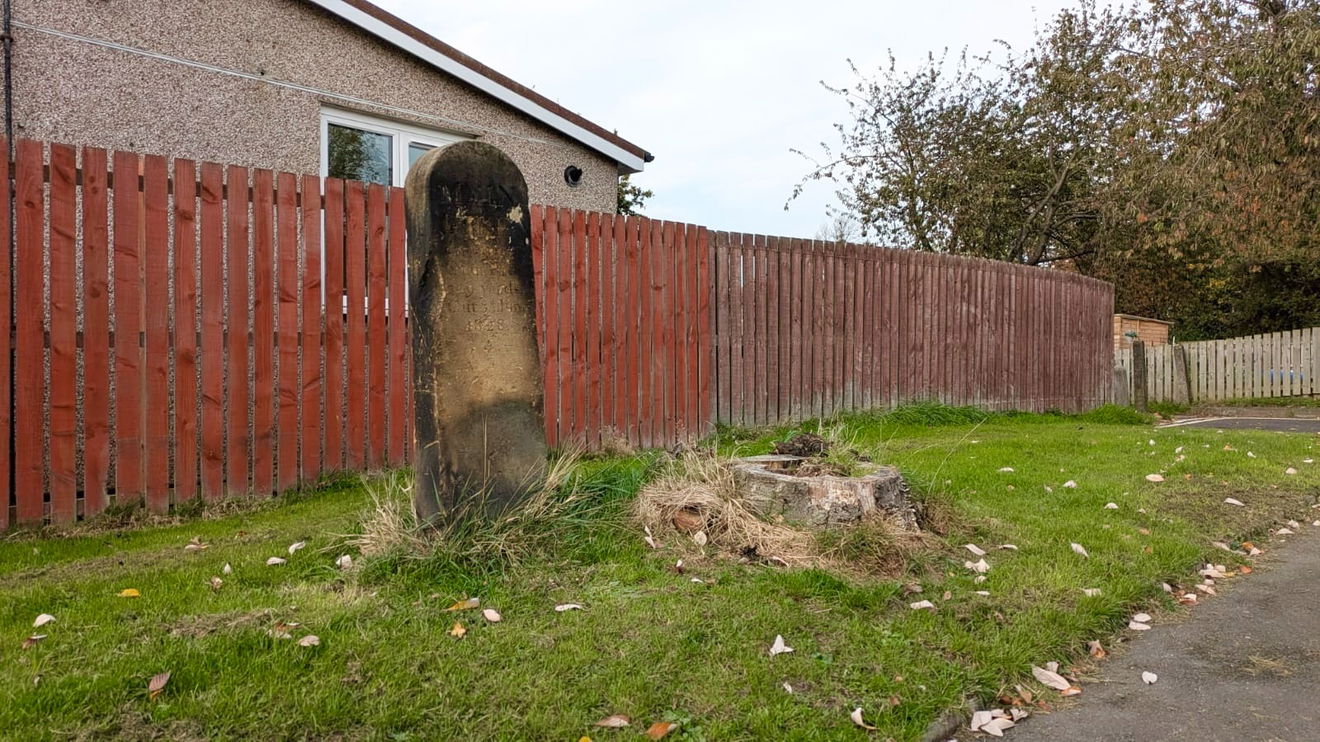
A discreet sandstone monolith in South Gosforth that notes the line of the Ninety Fathom Dyke and the distance from the Gosforth Colliery Shaft.
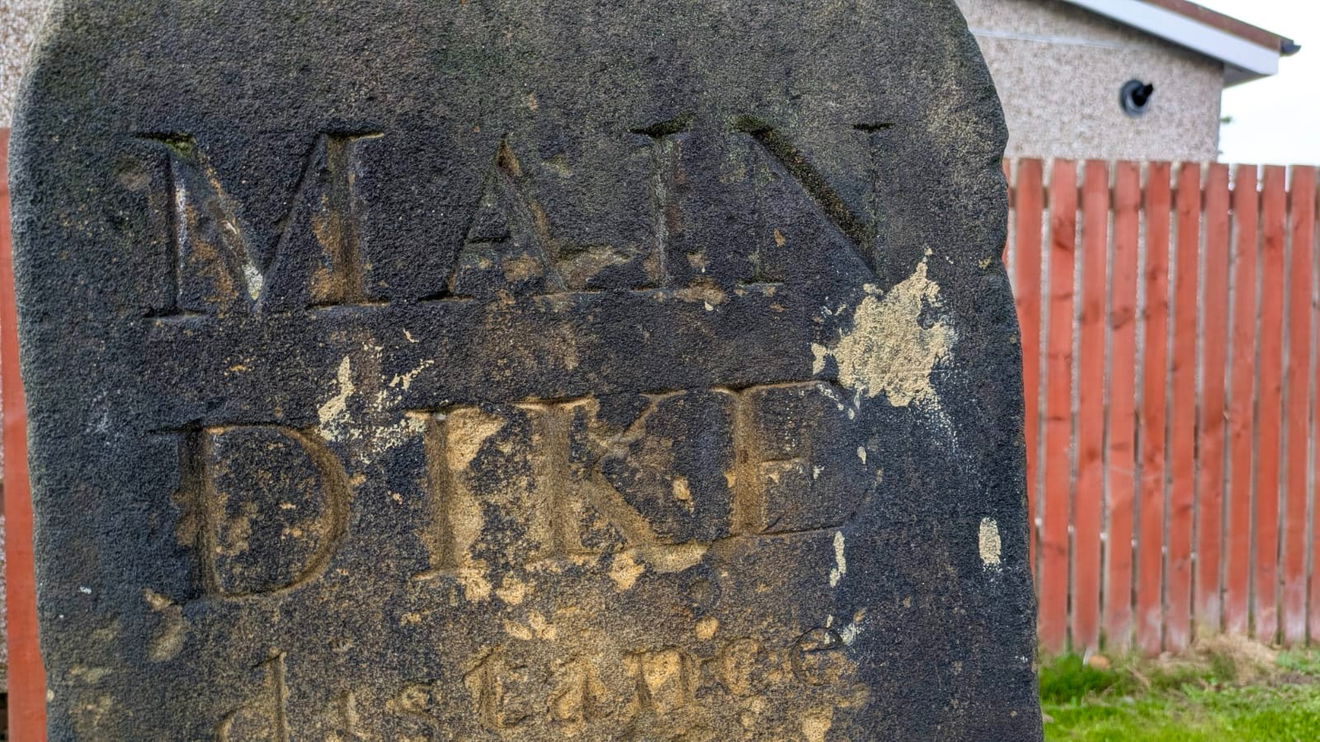
This weekend, we skipped the hills and stayed local, driving to Gosforth to complete one of Pevsner's'Perambulations'.
Lots of fascinating things to dig up and digest about what used to be known as Bulman Village, but a little further down the road in South Gosforth lies this memorial, the Main Dyke Stone.
Well done if you've done your geology homework and know this spot! We didn't and were excited to read about the history behind it!
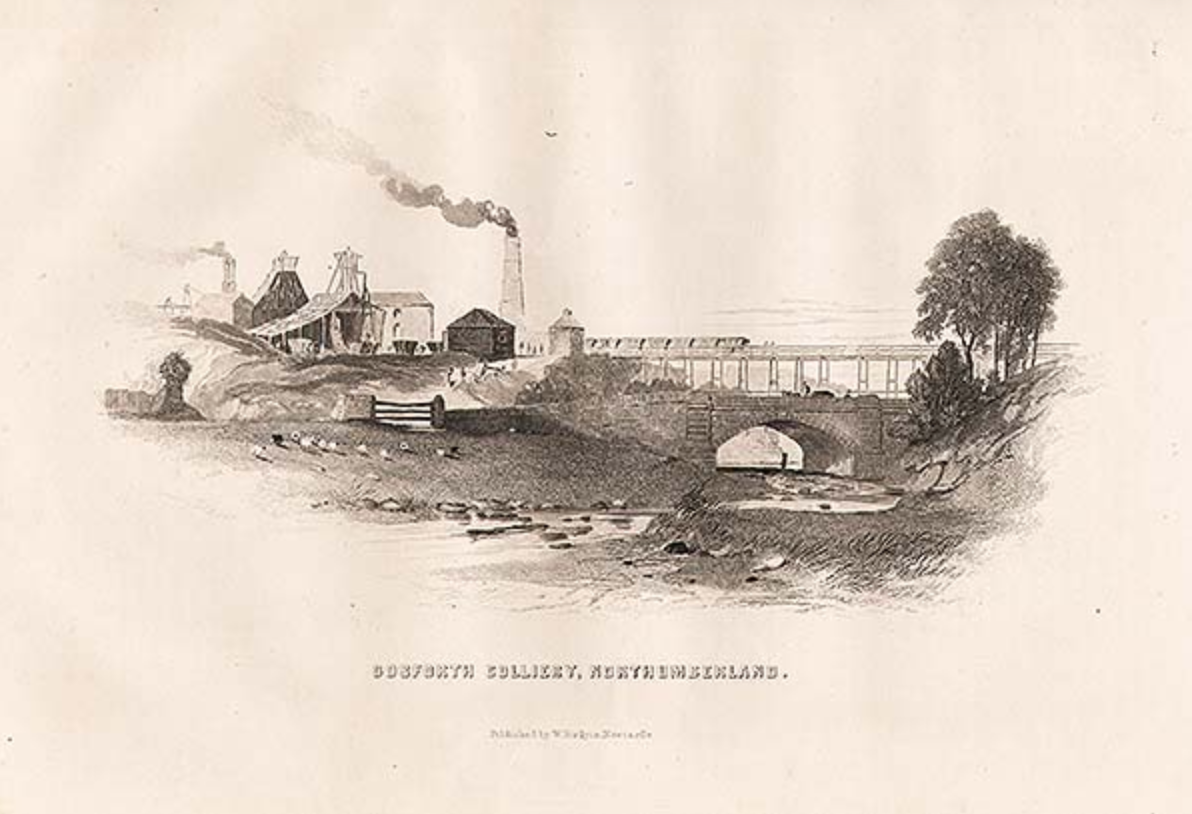
The Main Dyke Stone (also known as the Dike Stone) marks the line of a geological fault in the land. When the Gosforth Colliery was established in 1825, a shaft was sunk to try and establish the source of the coal, but lo and behold, the colliery company ran into bother because they hit the 90 Fathom Dyke. There would have been a lot of damning and blasting as the 90 Fathom Fault is a complicated geological phenomenon, which was discovered in Northumberland, where, over mega annums, the earth has been crunched up and displaced over 290 million years ago by a long period of mountain building, and which has left a weak point in the land.
The image is an antique line engraving published in 'A History of Coal, Coke and Coal Fields' by W. Fordyce in 1860.
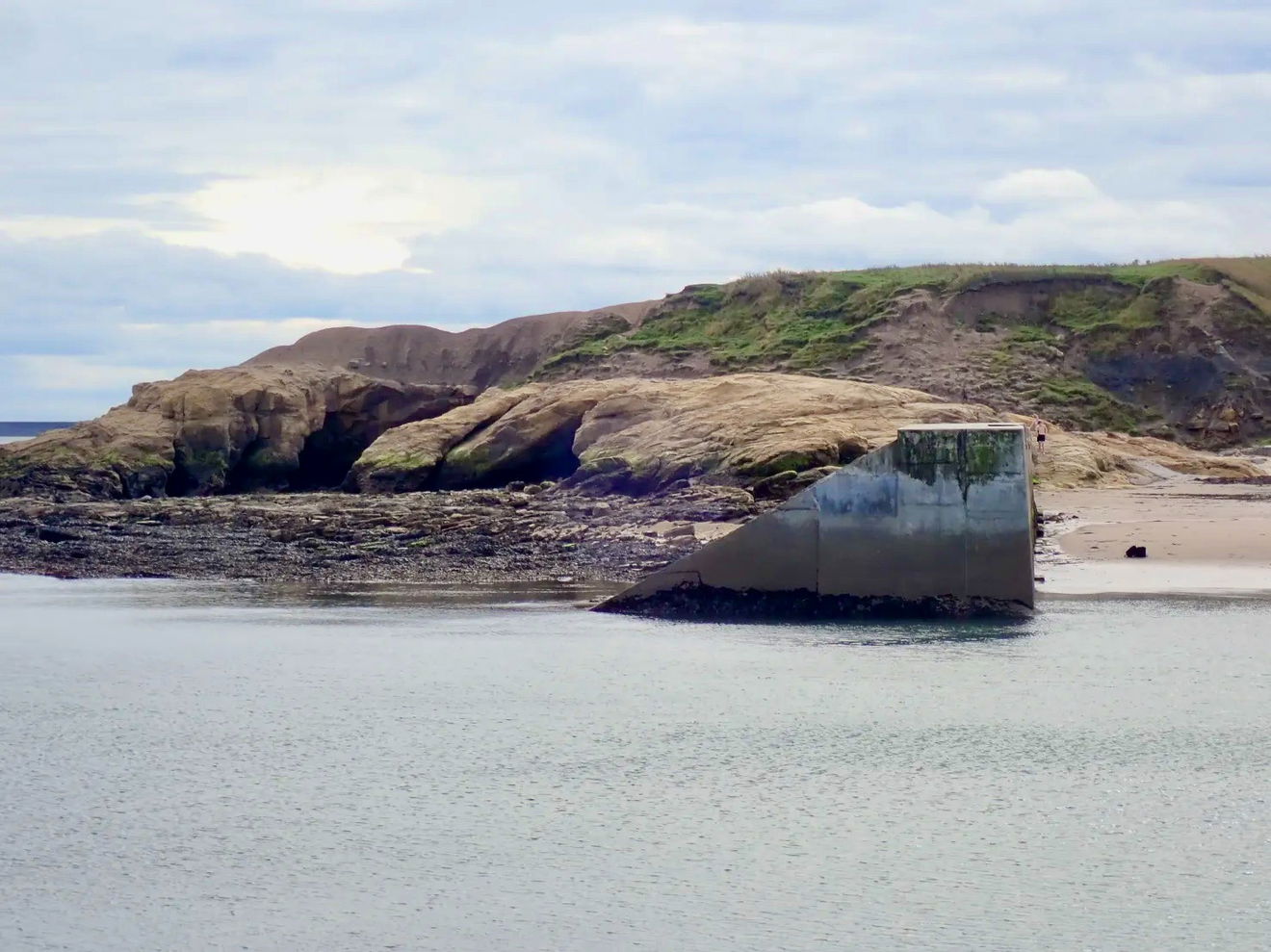
If you go to the shore at Cullercoats, you see evidence of this where there are two sections of rock that are millions of years different in age lying side by side. The Carboniferous shale lies to the south, and to the north is Permian, yellow sandstone, much younger in age. This is a fault line where many millions of years ago a series of breaks in the earth's crust created a weak point after continents collided and the Iapetus Ocean closed. This is known as the 90 Fathom Fault Line.
Anyhooooo...back to South Gosforth and the damning and blasting...literally!
Miners couldn't reach the coal they needed as a result of the fault line, and work continued over the next few years to try and ascertain the location of the coal seam. At first just hit a plateau of solid rock. This was at great cost to the executors Messrs Brandling, as the shaft had to be sunk to 181 fathoms (1 fathom equates to 6ft) before any sort of quality coal was found.
It was no picnic! There were two shafts with a pumping engine and a wagonway three and a half miles long to the Tyne. Although the first shaft was sunk in 1825, it was four years before the first coal was 'won' on 31st January 1829, when a good seam was identified, and work commenced.
There was much jubilation and celebration and to mark the occasion, a grand subterranean ball was held for those who had put in the back-breaking work to reveal the seam. Who'd say no to a subterranean ball after all?
A huge L shaped room was hewn 1100ft (335m) below the earth which was 15ft (4.5m) wide and the floor was flagged. Organisers placed seats around the 'ballroom' and illuminated the area with candles and oil lamps. Can you imagine? Sadly no polaroids of the overmen and under managers in their glad-rags.
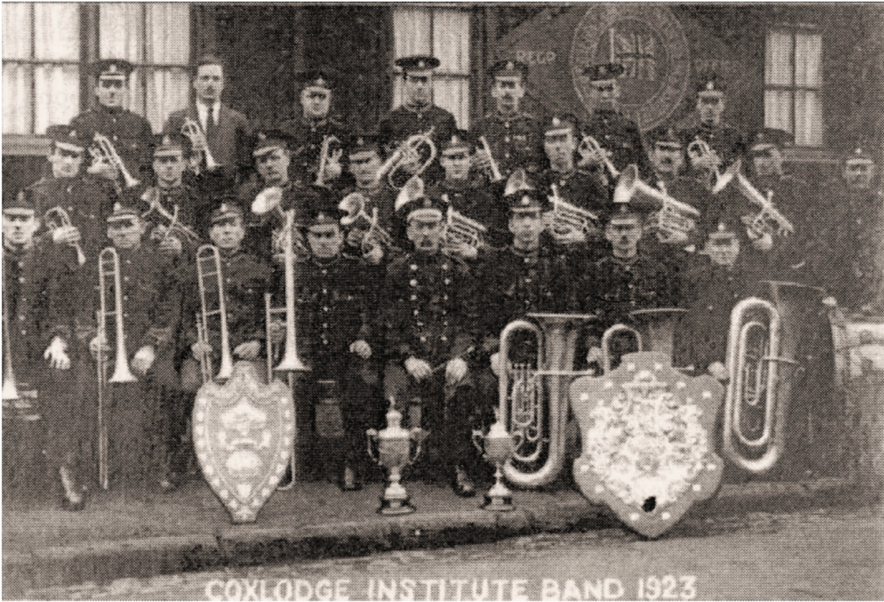
Image is from the IBEW (the History of Brass Bands) website.
In a turn up for the books, the grand of Gosforth mixed with the hoi-polloi, fraternising beneath the earth's surface with the miners. Between 9:30 in the morning and 3:00 in the afternoon, people of all social standings were ferried up and down in a basket between the surface and the ballroom to partake in the dancing and merriment where the Coxlodge Brass Band (this image is taken 94 years later!) played a plethora of tunes, and people drank punch and malt liquor and lined their giddy tummies with plain biscuits. Guests were ceremoniously shown the coal face and were encouraged to hew their own piece of coal as a keepsake of the prestigious occasion.
The men engaged in the work, their wives and daughters and sweethearts, several neighbours with their wives, the proprietors and agents with their wives, and sundry friends of both sexes who had courage to avail themselves of the privilege; all these gradually found their way to the bottom of the shaft. Immediately on their arrival there they proceeded to the extremity of the drift, to the face of the coal, where each person hewed a piece of coal as a memento of the visit, and then returned to the ball-room. As soon as a sufficient number of guests had assembled dancing commenced, and was continued without intermission till three o'clock in the afternoon. No distinction was made among the guests, and born and bred ladies joined in a general dance with born and bred pitmen's daughters. All now returned in safety, and in nice, clean, and well-lined baskets, to the upper regions, delighted with the manner in which they had spent the day. It was estimated that between two and three hundred persons were present, and nearly one-half of them were females.
Unknown source
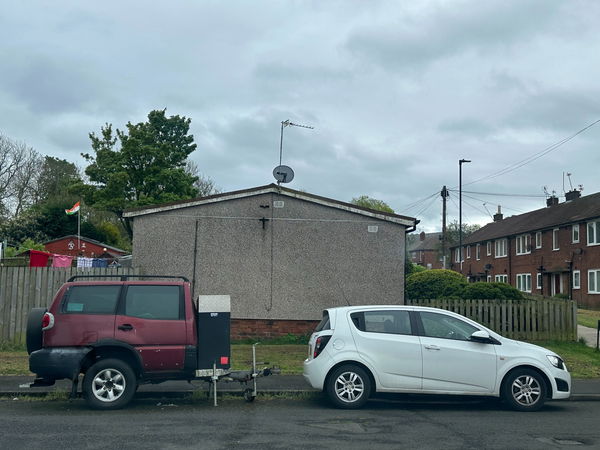
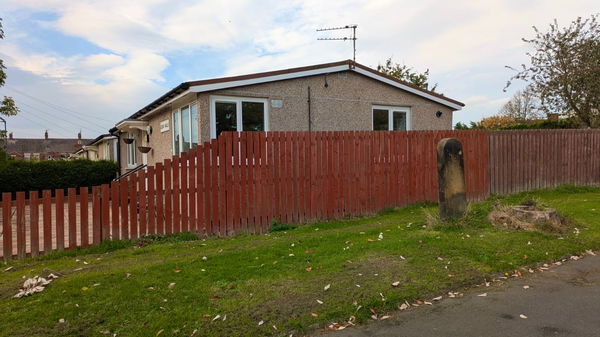
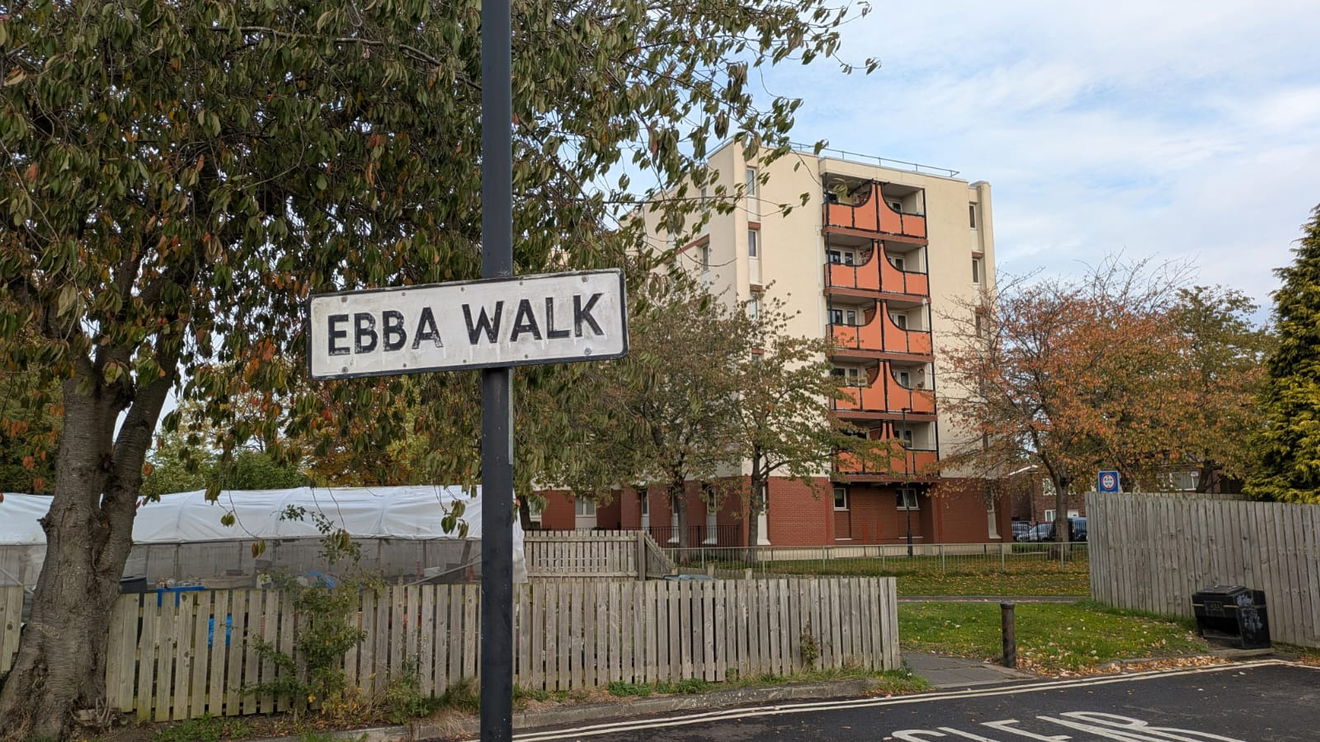
So, in between the pebbledash of these wartime prefabs, so untypical of Gosforth, which were only ever built as temporary accommodation, but are still standing eighty years on, lies the Main Dyke Stone; a reminder of what lies beneath, and the efforts and energies that went into securing the black stuff for Tyneside.
Get 2 points if you have visited this place. Already visited by 10 VIPs.
Login to the VIP area to add places to your bucket list, mark them as visited and more importantly see where you rank on the league table.
How To Find Main Dyke Stone
Where To Park For Main Dyke Stone?
We just parked on the road next to the stone.
Contributed by Jos Forester-Melville
Highland loving human. Thalassophile. I love a good smile. Happiest heading for the hills with my pickup filled with kids and dogs! Working four days, we enjoy a Fridate, and usually spend it scouting out new scenery. I love a gated track, a bit of off roading and if it involves a full ford, well, that gets extra points! I go nowhere without a flask and binoculars, and love the small things in life that make it big…Goldcrests, dry stone walls, Deadman’s fingers, blackberries and quality clouds.
More Places from Jos
More Places In Gosforth
Find more fabulous places in Gosforth, Tyne And Wear and if you know of a place we haven't listed, then let us know.
Gosforth Nature Reserve
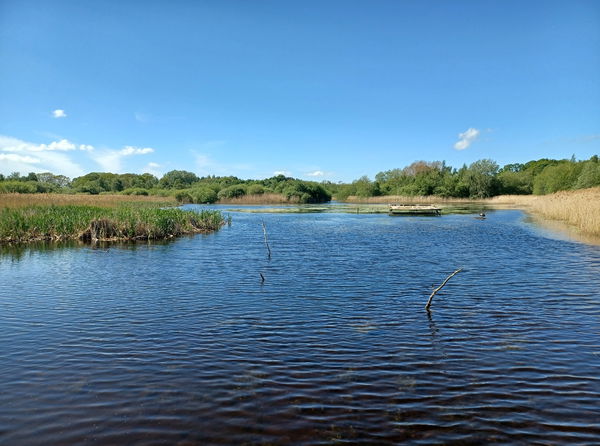
Landscape Gosforth Tyne And WearA nature reserve set within Gosforth Park where you can see birds, otters, deer and much more.
North Gosforth Chapel
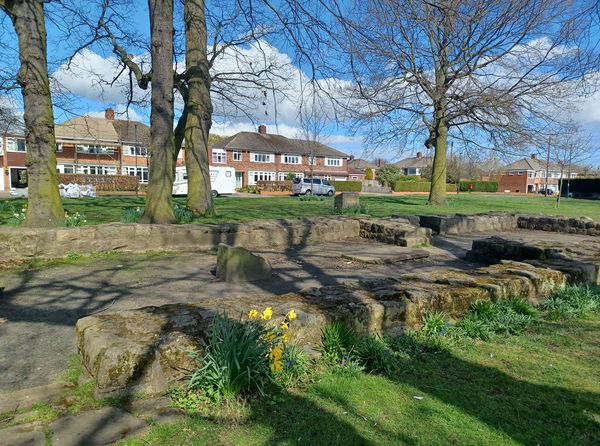
Religious Place Gosforth Tyne And WearRuins of a 13th century chapel in the middle of a housing estate.
More Landmarks
So this landmark wasn't enough and you want more? Don't worry we have you covered.
Beacon On Beacon Hill South
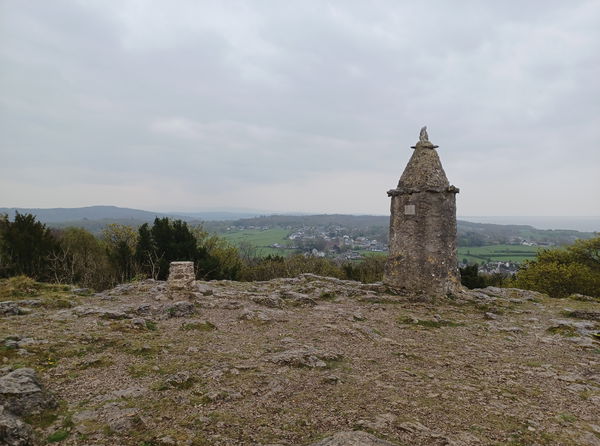
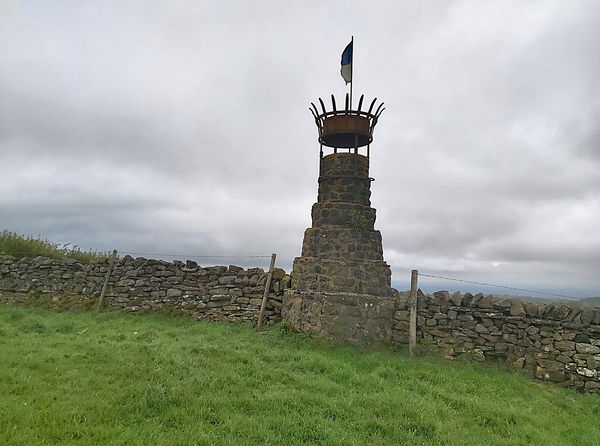
Landmark Richmond North YorkshireA beacon on a hill just outside Richmond that was supposidly erected for Millennium celebrations.

High Moorsley Weather Radar Station
Landmark Houghton-le-Spring Tyne And WearA distinguished weather radar station that can be seen for miles.
Never Miss A Fabulous Place
If you are afraid of missing out on all the fabulous places we post, or just want to be the first to know, then sign up to the Fabulous North.
Each week we will email you all the brand new places that we visit.
Sign Up To Alerts

Find Us On Facebook
We post all our new places daily on our Facebook Groups page, so join the group today and be notified when we add a new place.
Join Our Facebook GroupMain Dyke Stone was listed in Landmark // Tyne And Wear // Gosforth