
St Romald's Church
Religious Place In Barnard Castle, County Durham
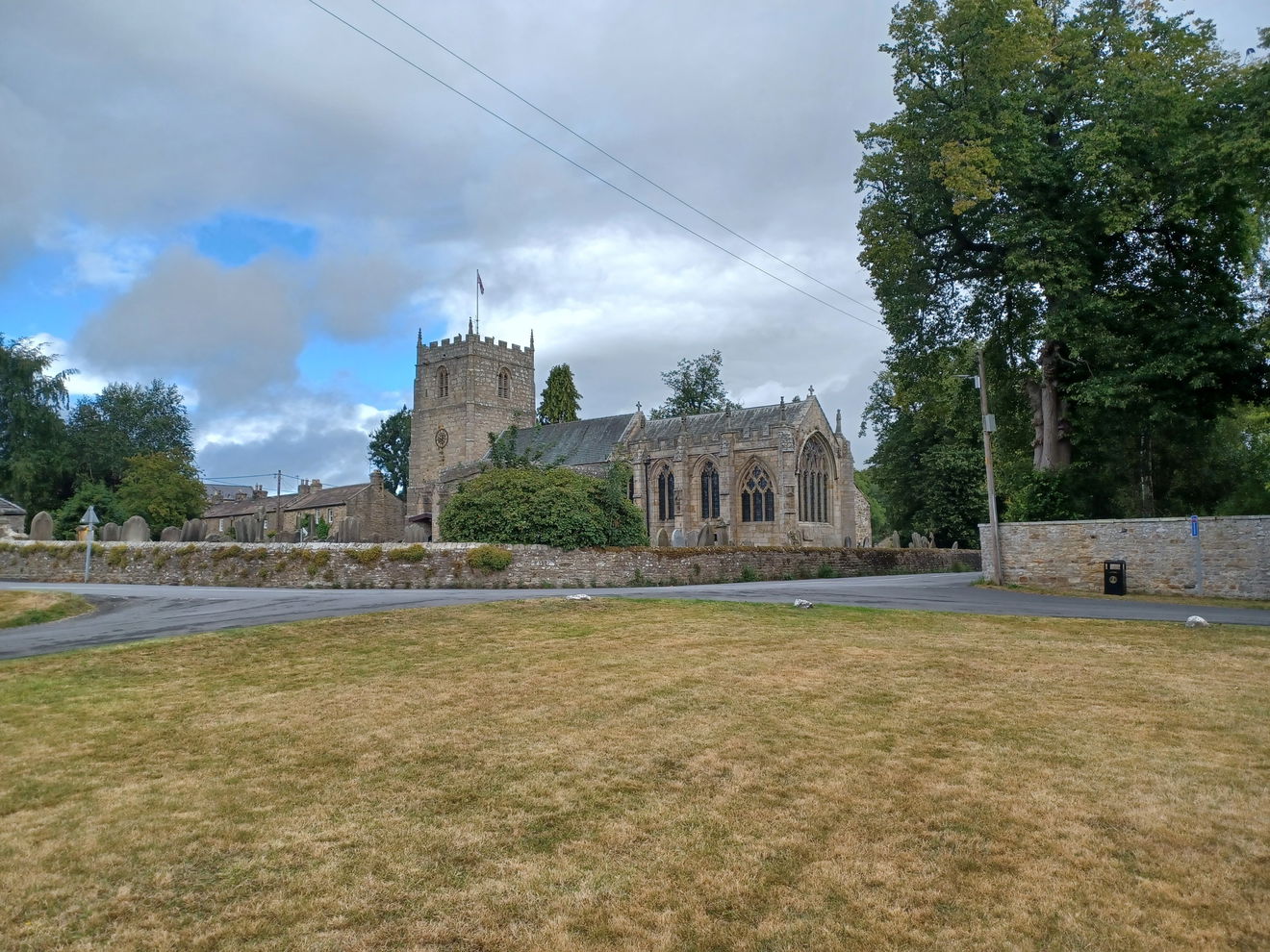
A Church in Romaldkirk known as the "Cathedral of the Dales" and dating back to Saxon times.
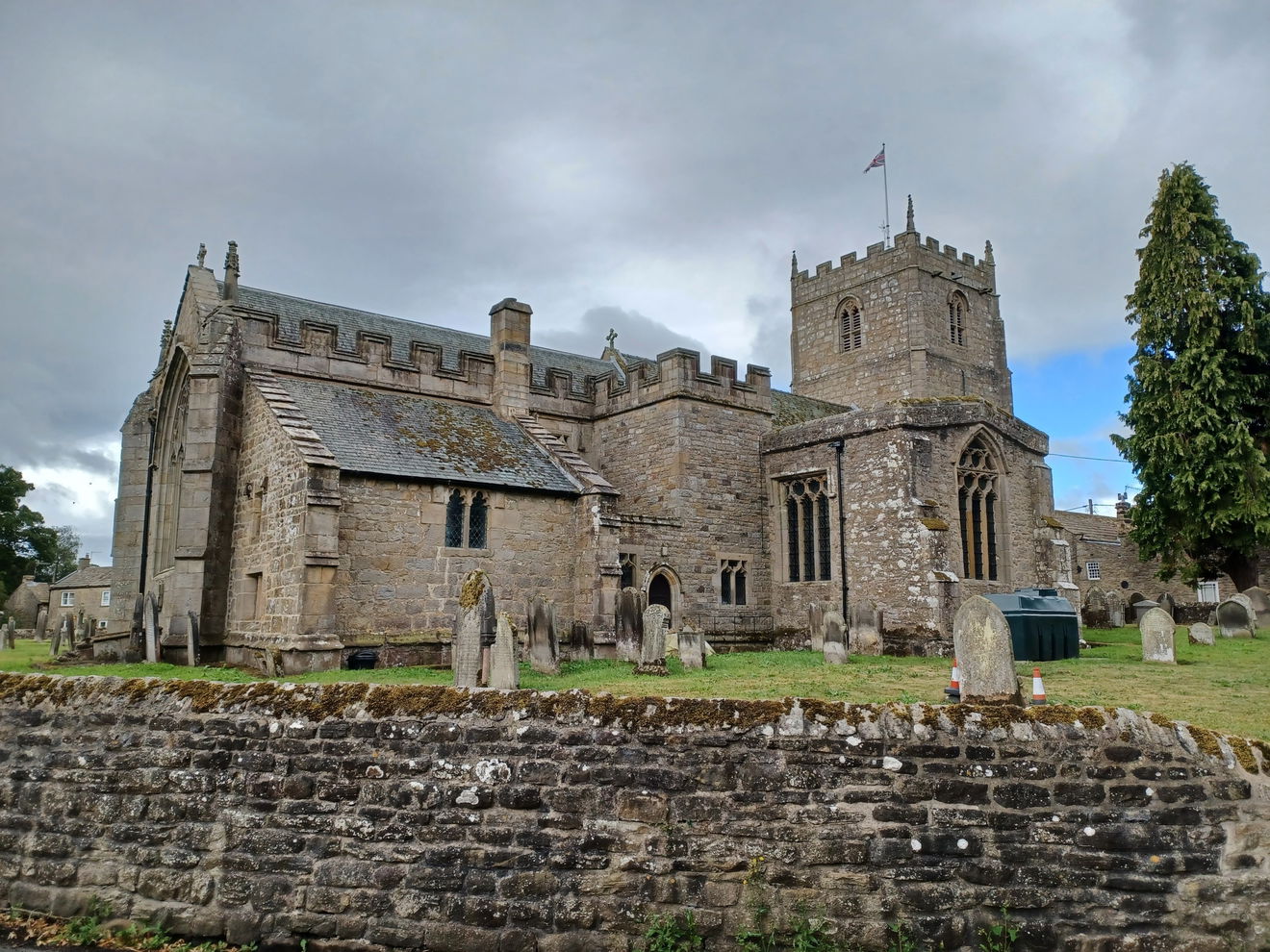
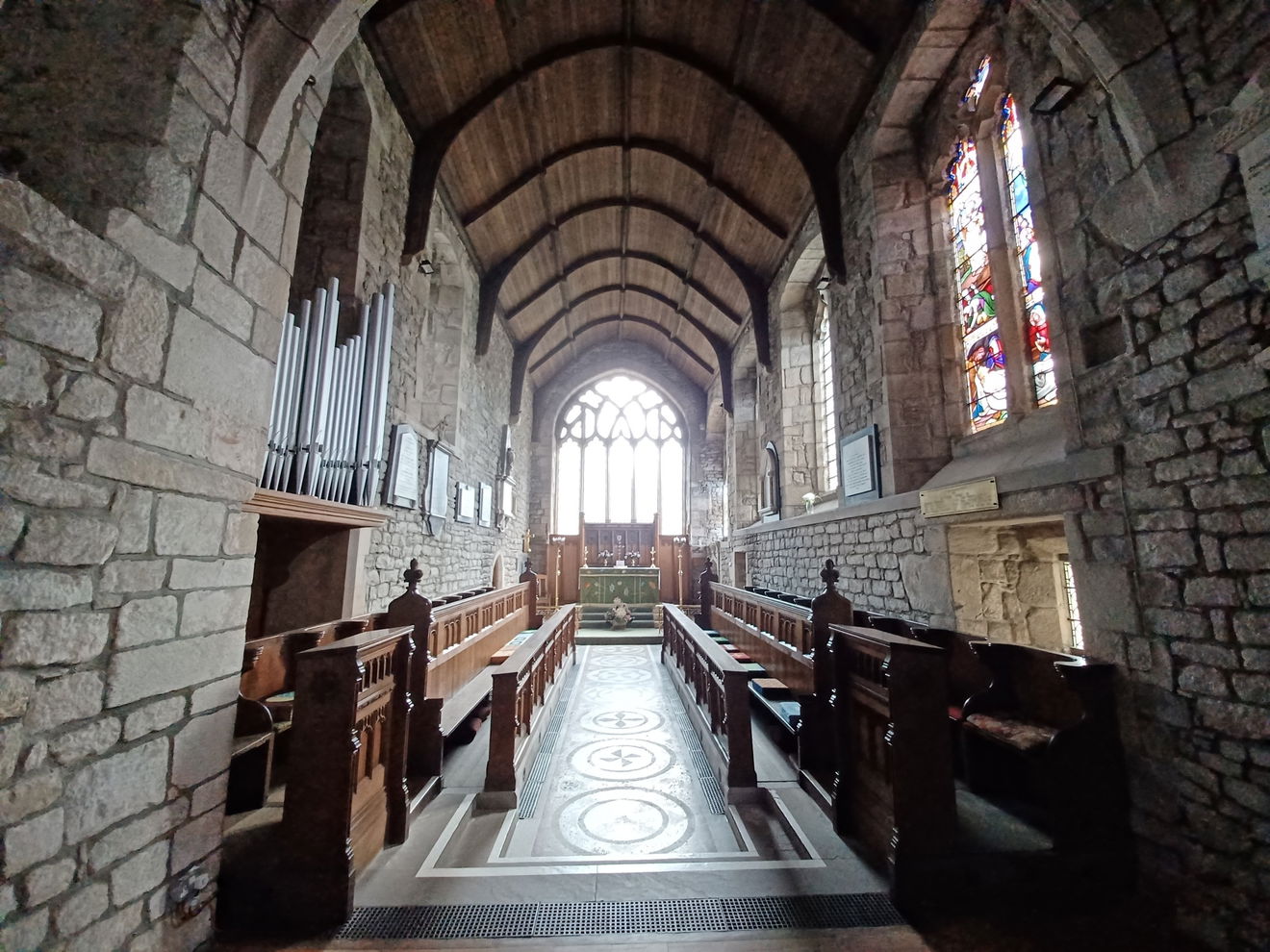
In the small village of Romaldkirk lies a building known as the “Cathedral of the Dales”, St Romald's Church is a Grade I listed building that has a history dating back to Saxon times. The name Romaldkirk literally means “Romald's Church” so the village is well named, though the origins of that name are a little hazy, with some thinking it is named after the little-known Saxon Saint Romald or Rumwald who announced his Christian Creed following his baptism at 3 days old!
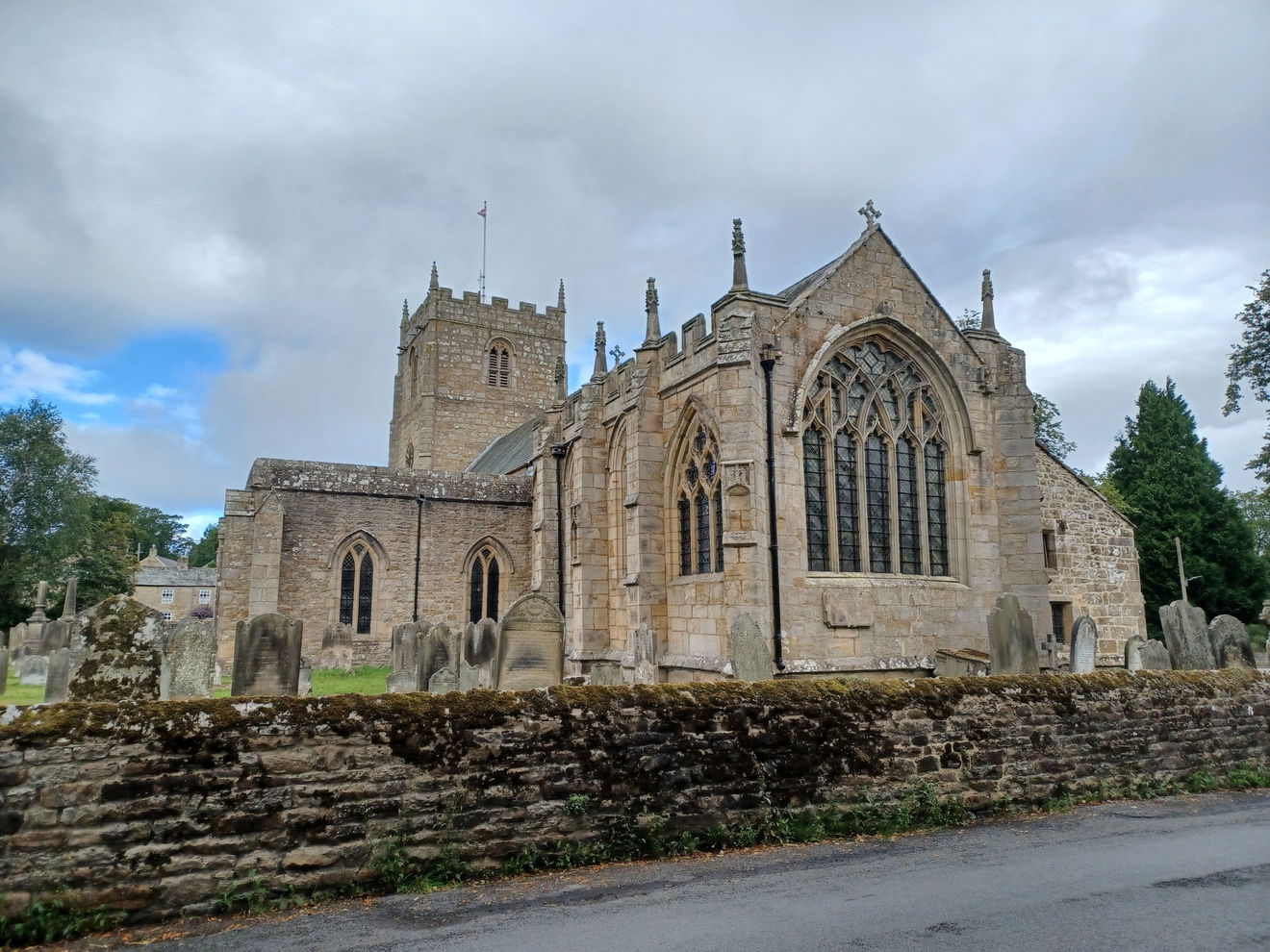
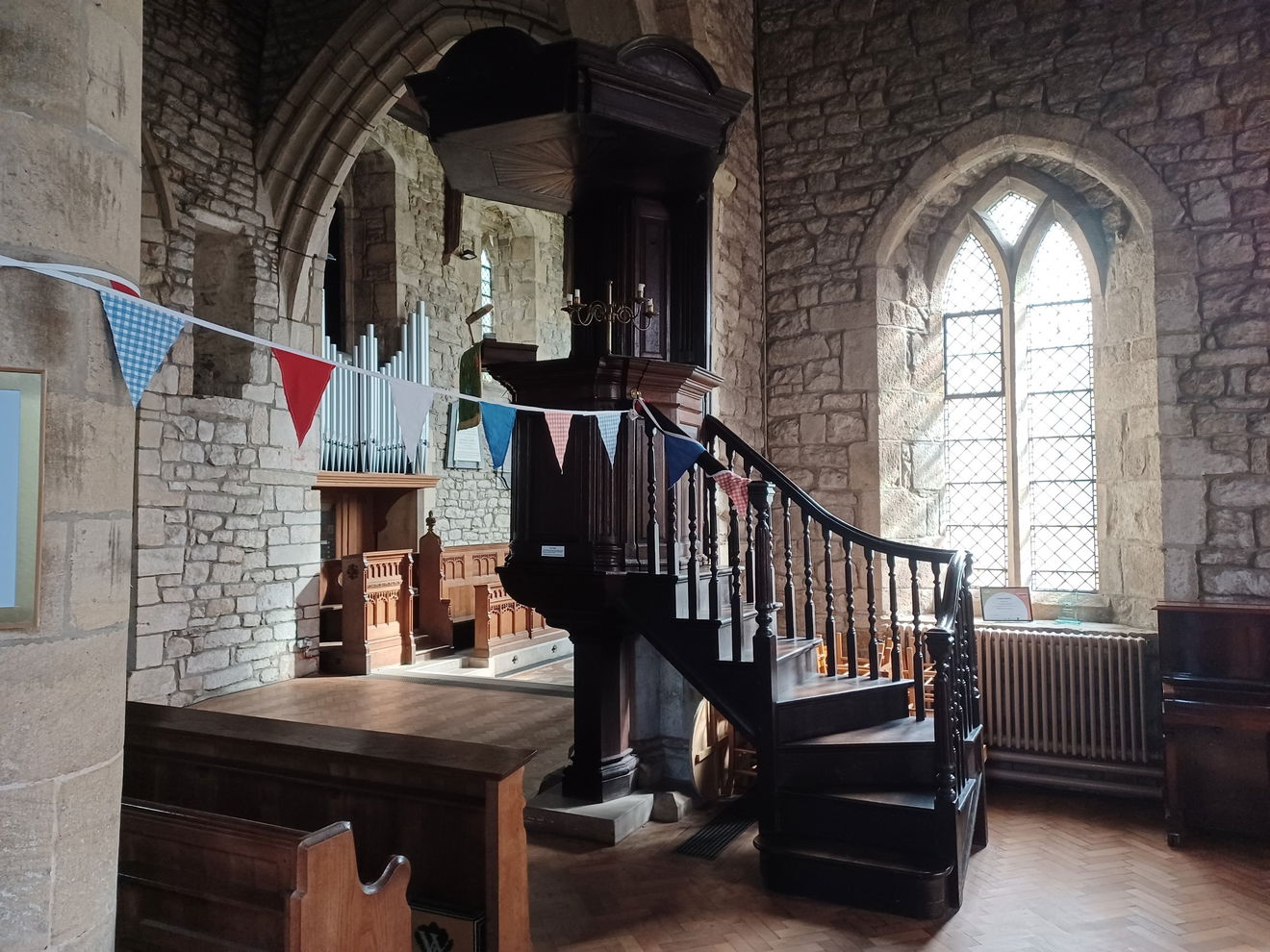
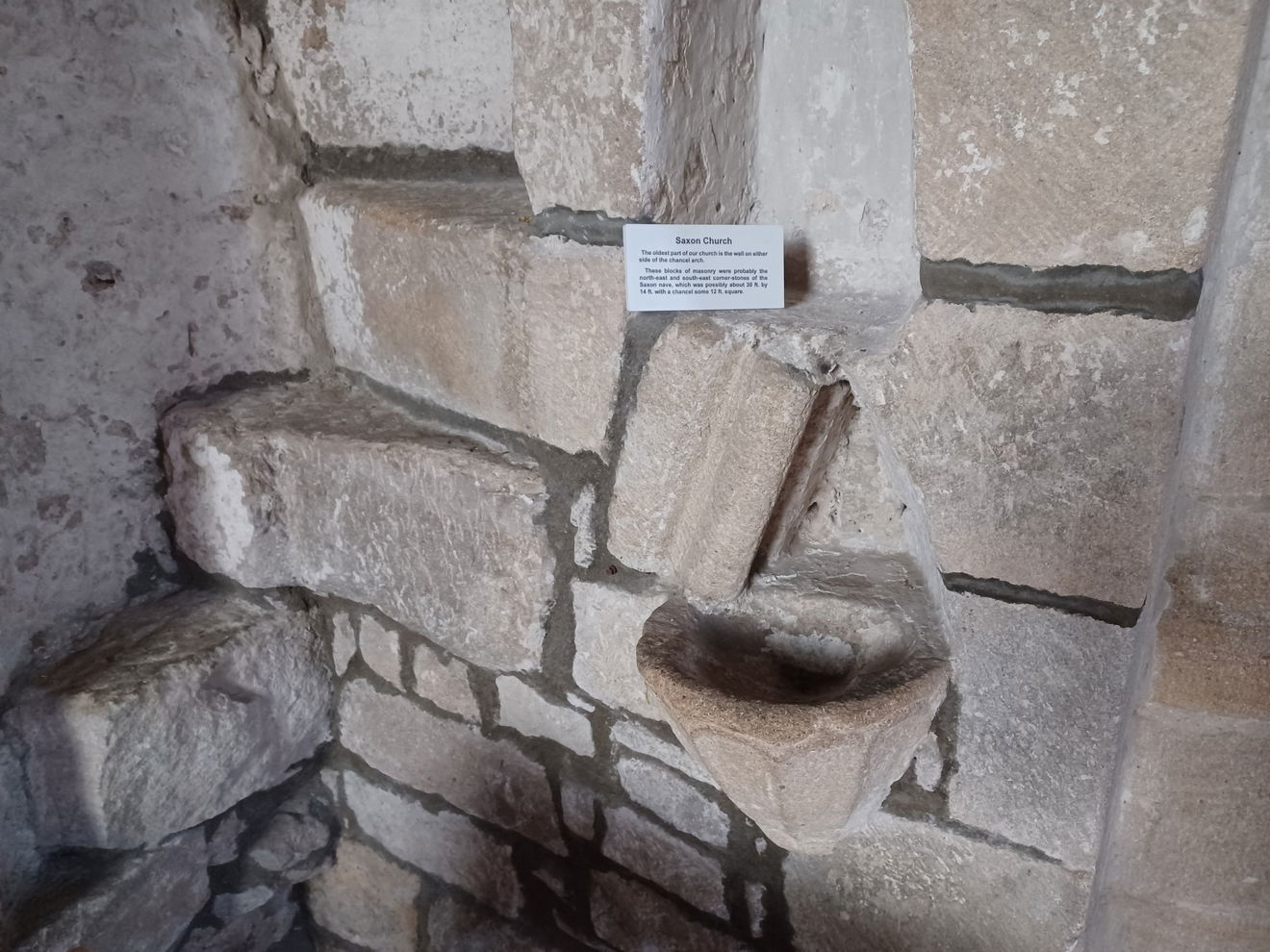
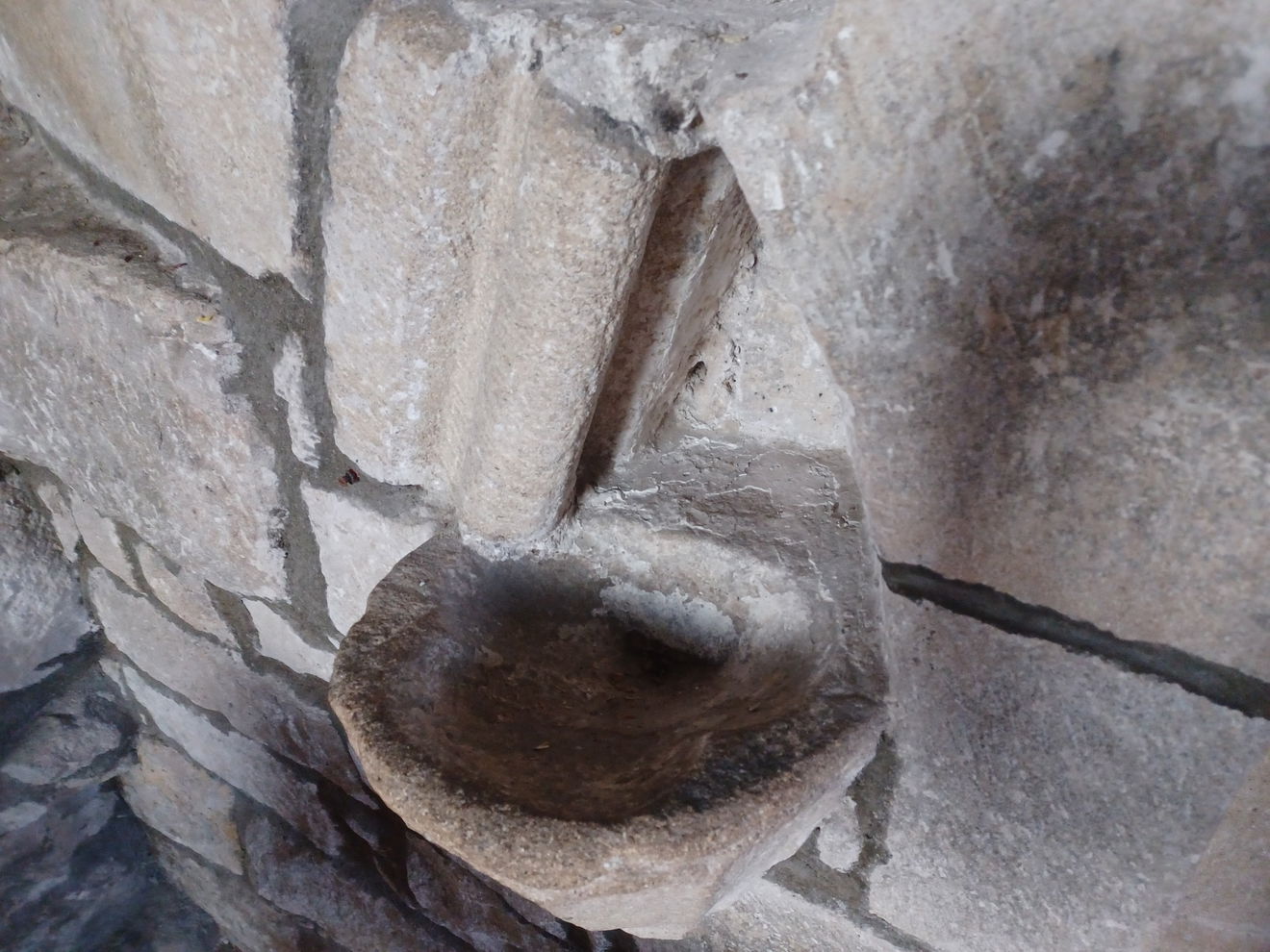
Whatever the truth there is definitely evidence that the location of St Romald's had been a spiritual centre since before the arrival of the Normans in 1066. The Chancel Arch contains visible remains of Anglo-Saxon masonry, chiefly the north-east and south east corner stones of the original Nave and what looks like an old staircase.
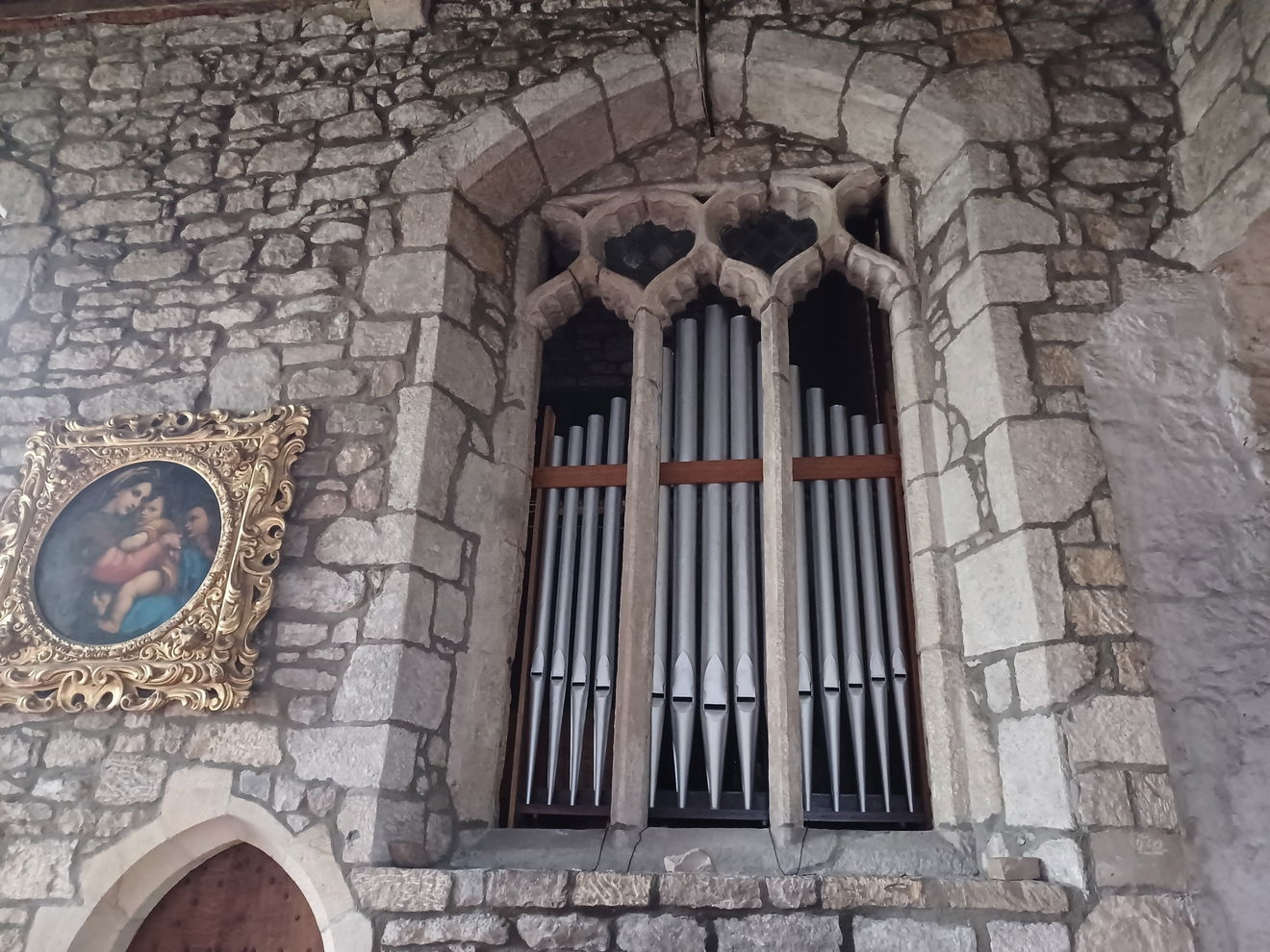
Following the Norman Conquest, the north of England suffered terribly at the hands of the Scots under the rule of King Malcom Canmore around 1070. In 1086, The Domesday Book described Romaldkirk, or Romoldscherce as it was called then, as being “waste” which gives an idea of the devastation wrought! The current Church, literally rose from those ashes.
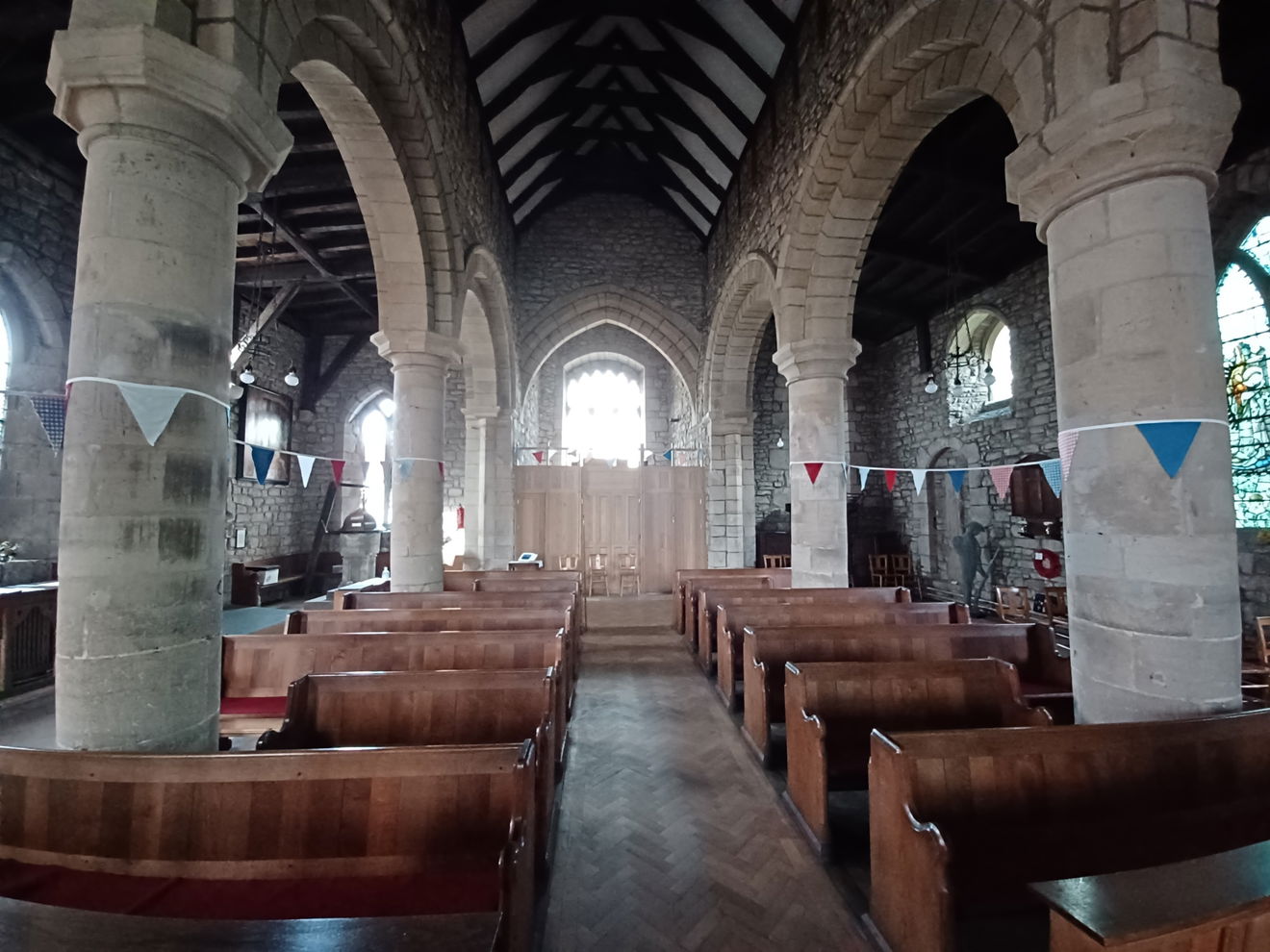
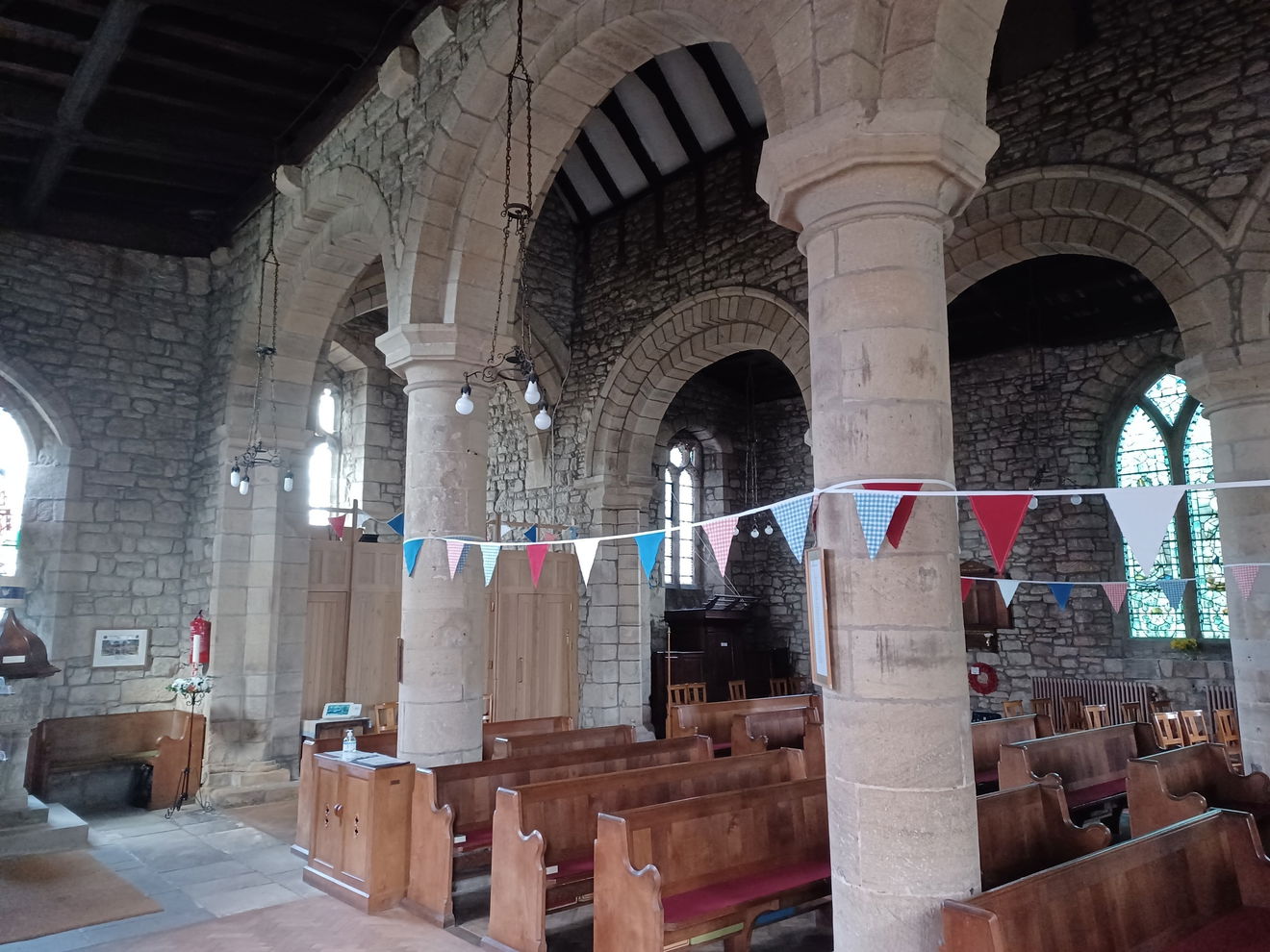
The re-build began around 1155 and the Norman influence can clearly be seen in the arches of the Nave, which are semi-circular and supported by circular pillars with circular capitals. One interesting thing to note is that a number of the capitals have different decoration which suggests the reconstruction may have been staggered or the masons involved were provincial ones who had not yet come into contact with the “modern” artistic styles of the south of England.
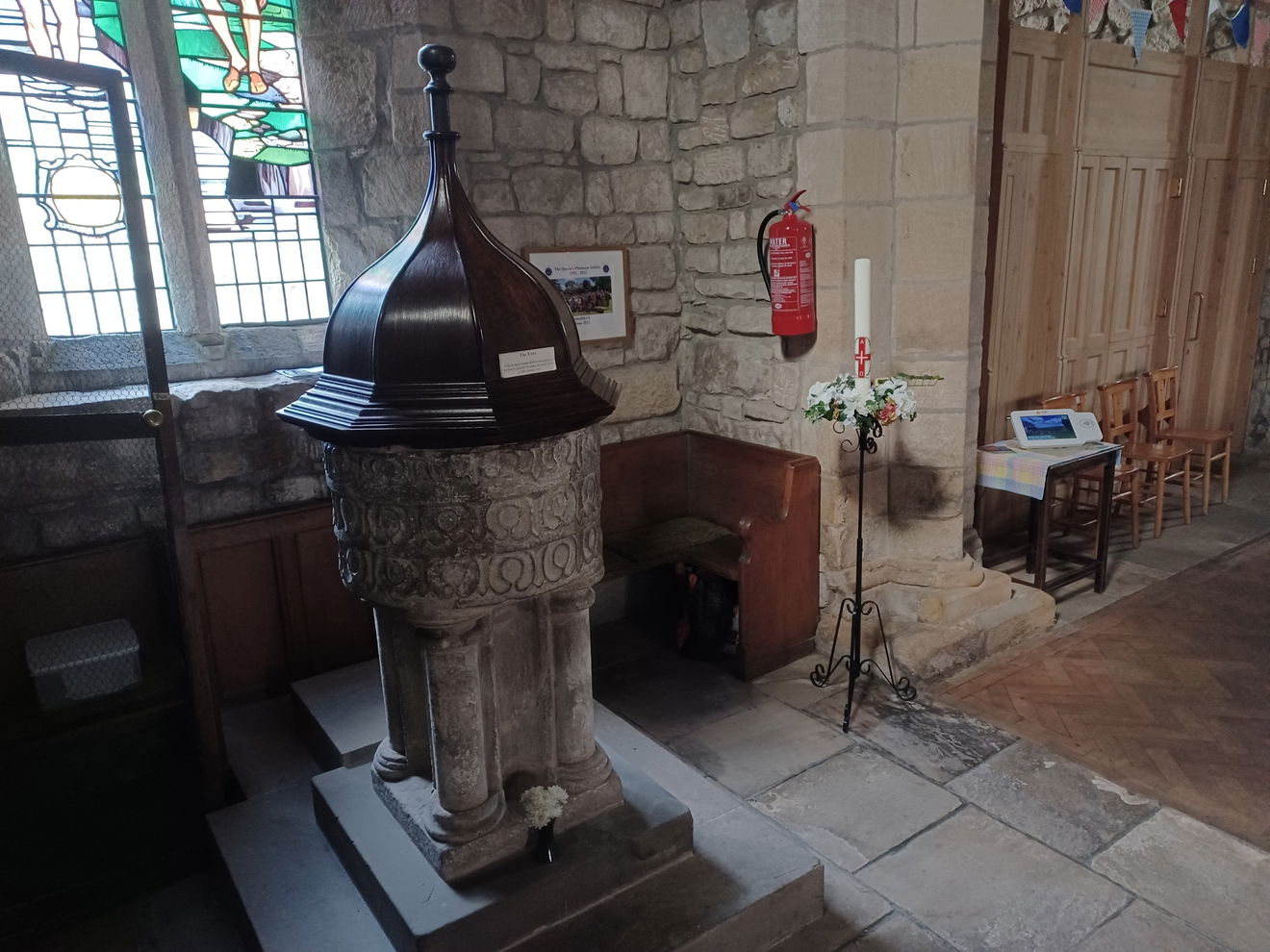
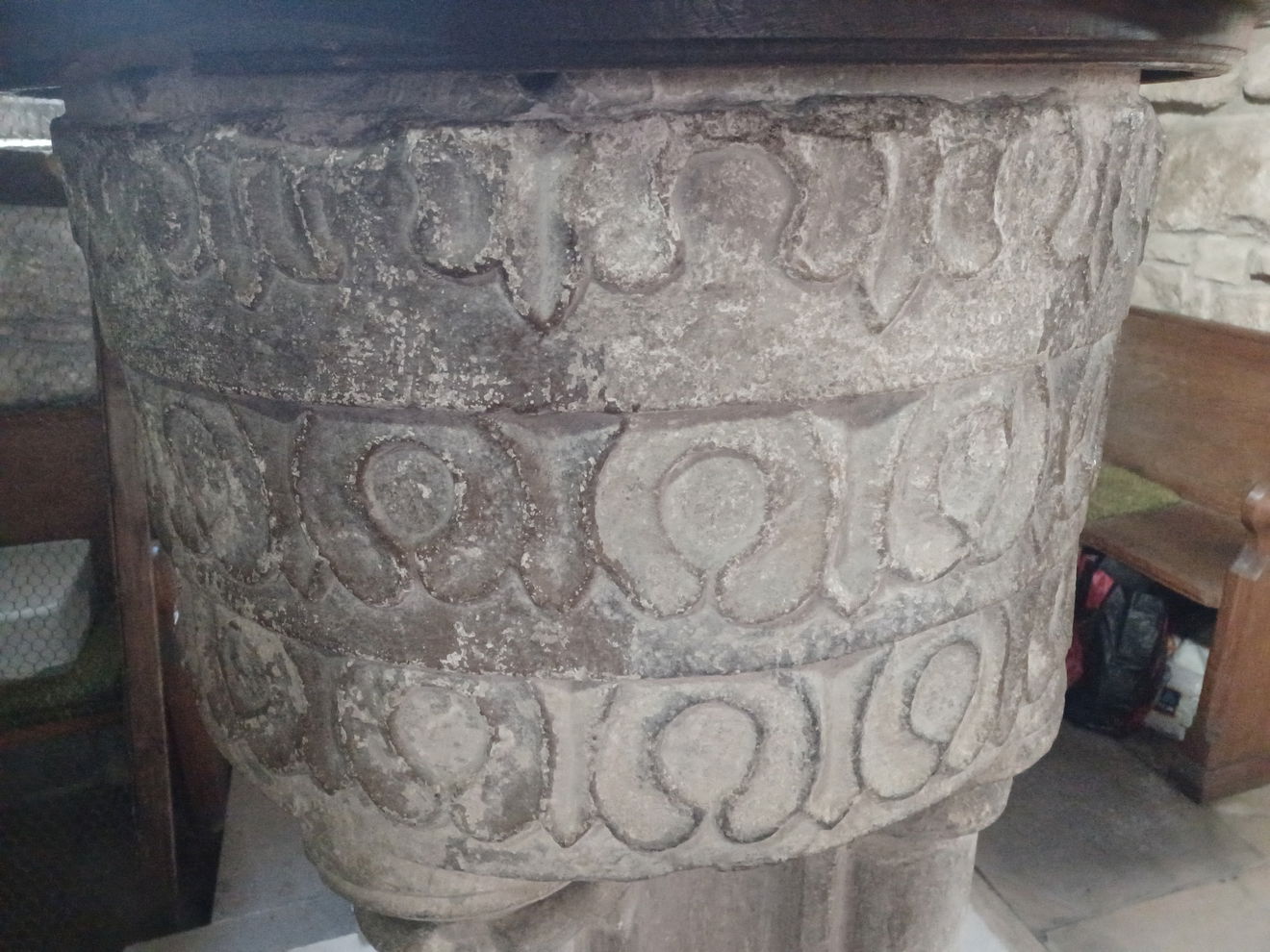
This is also reflected in the Font, which is thought to be late 12th or early 13th century in origin. It consists of a large, circular stone bowl which is decorated with an unusual design of three tiers of horseshoes. This is not a design seen elsewhere and suggests the involvement of a stonemason with a particularly individual style.
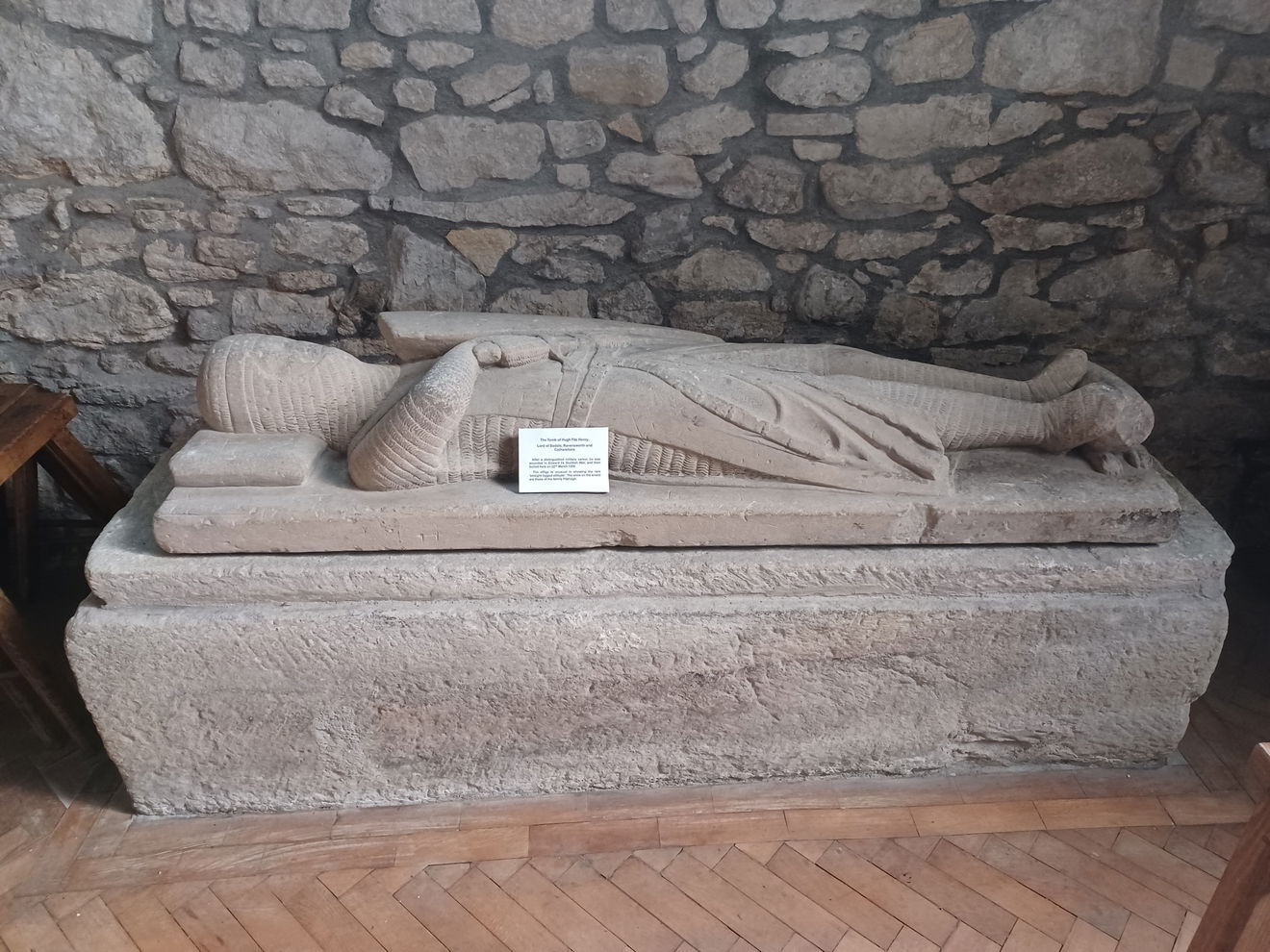
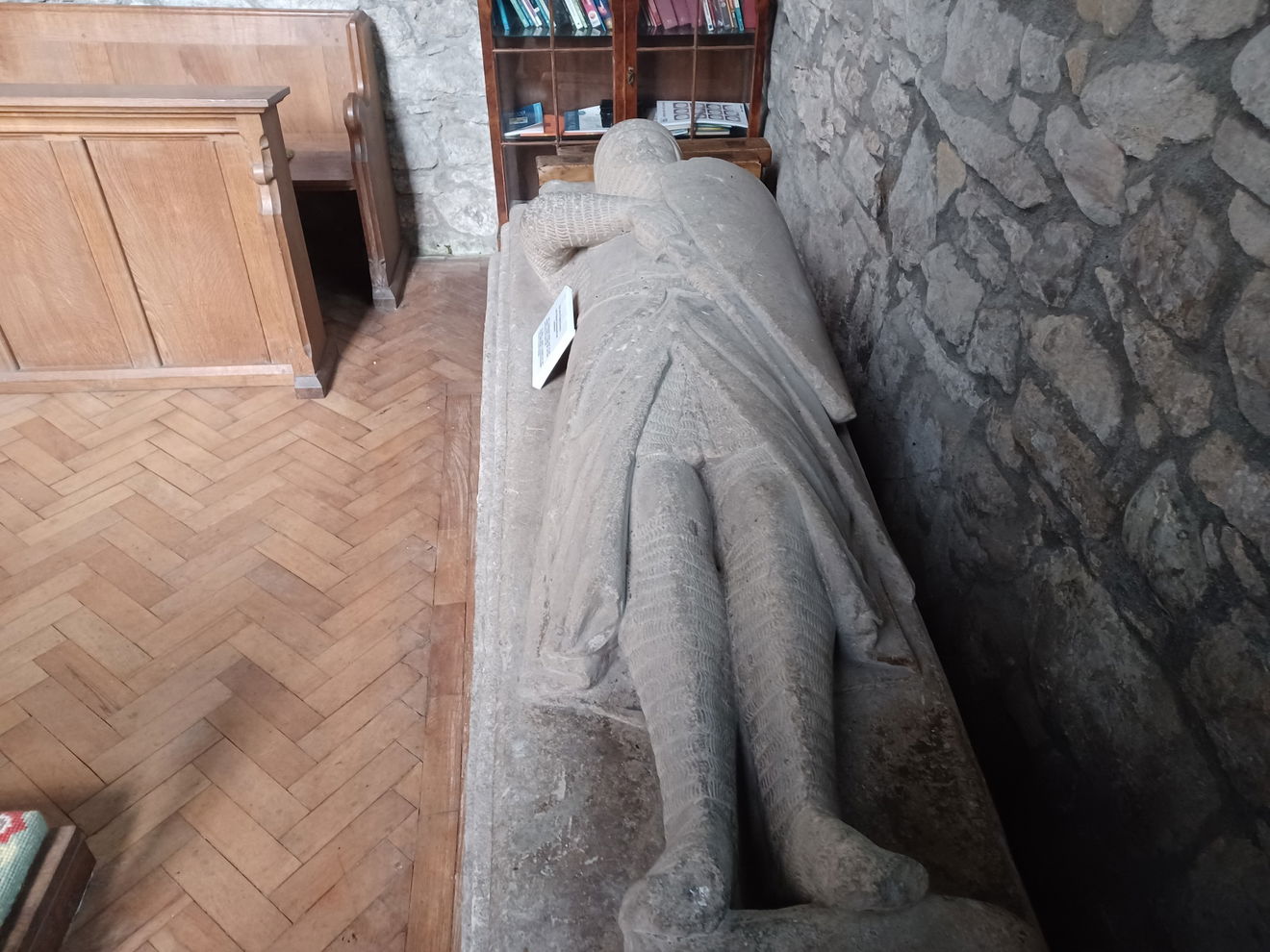
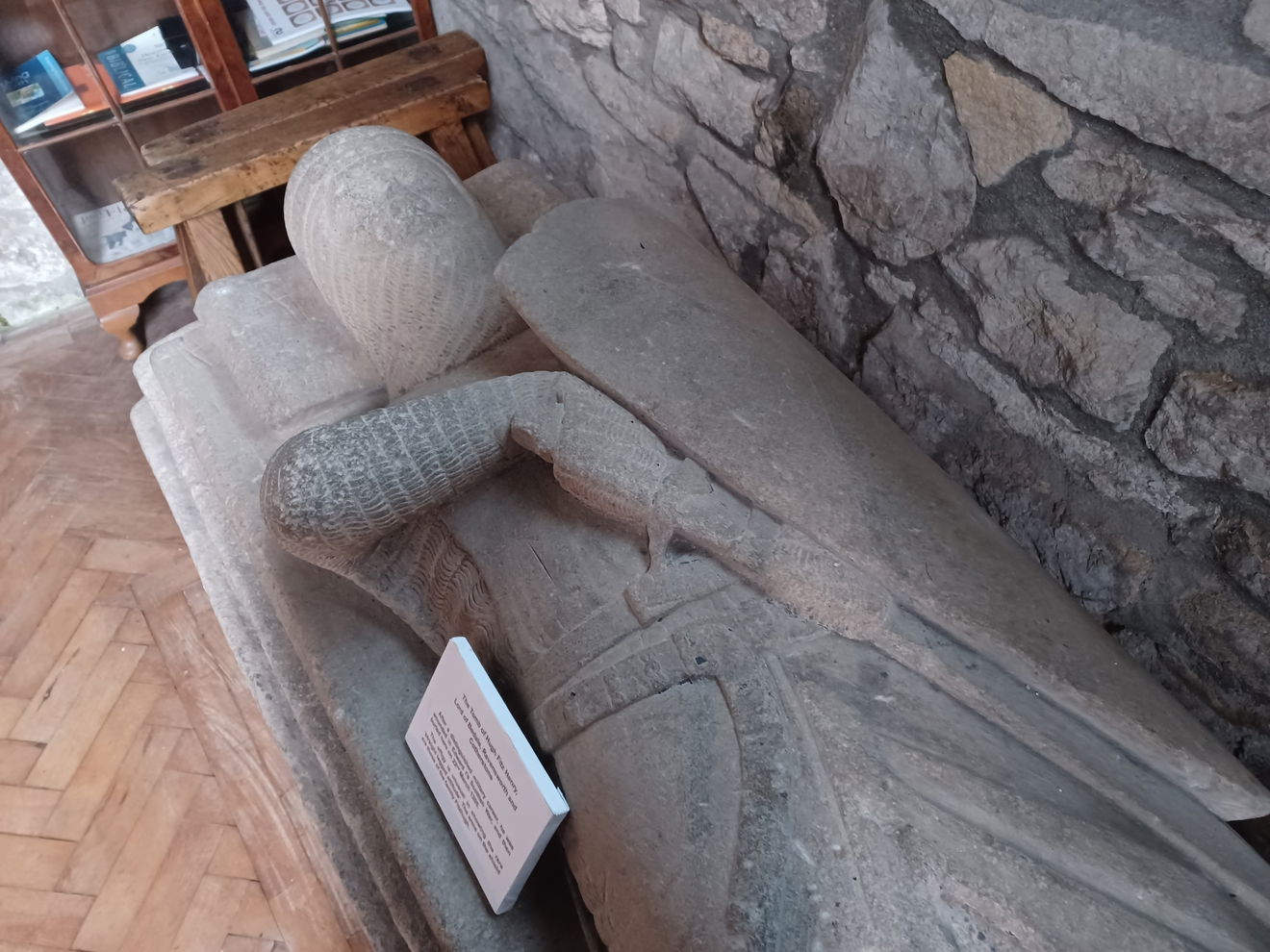
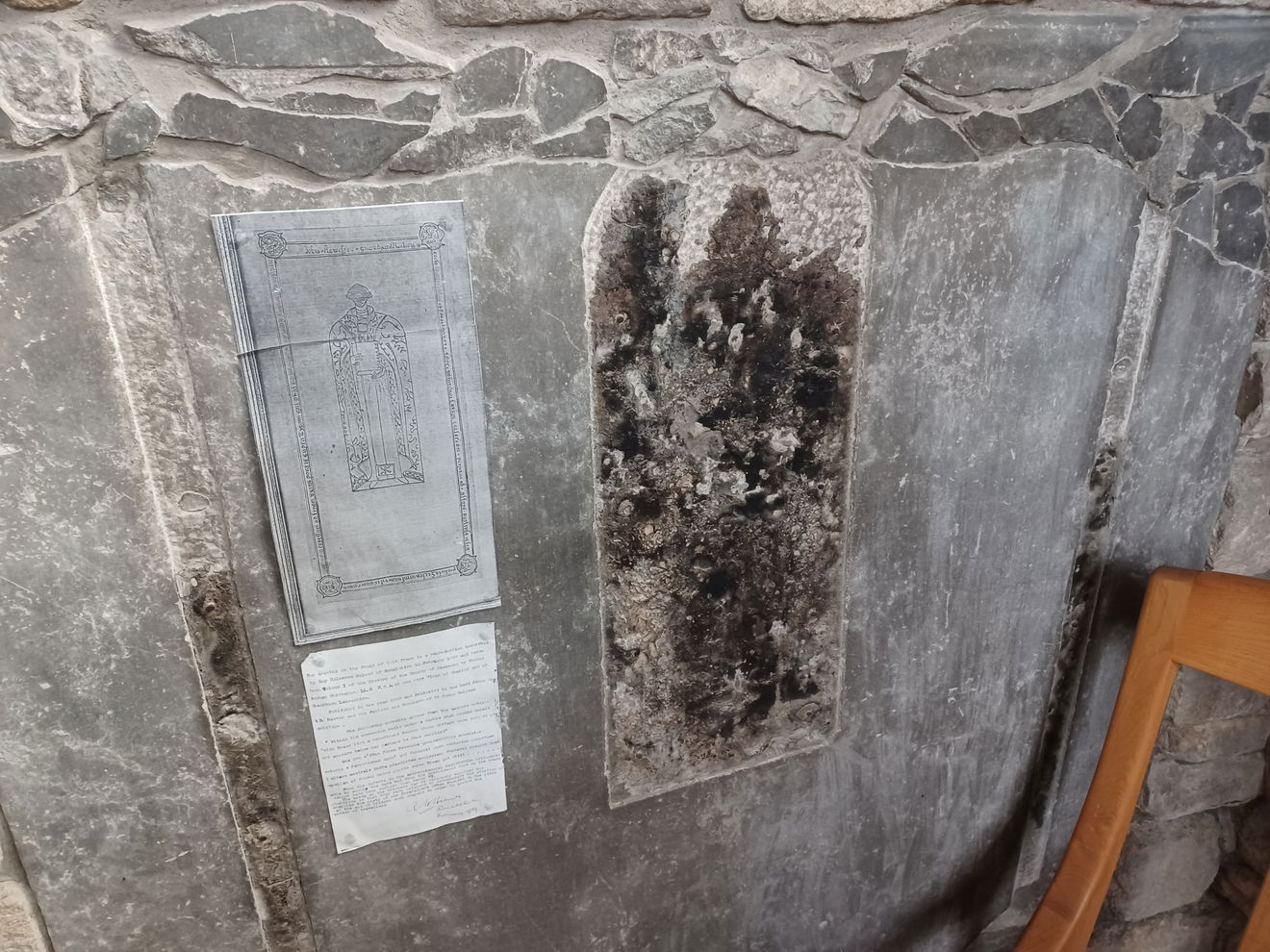
Along with the Font, there are a number of other interesting artefacts within the Church. The effigy of Sir Hugh Fitz Henry, Lord of Bedale, Ravensworth, and Cotherstone which is located in the north Transept. Sir Hugh, who died in 1305 while in Scotland on campaign with King Edward I, is depicted in chain mail, holding a shield and drawing his sword. Unusually, he is in the straight-legged position rather than the more traditional crossed leg one.
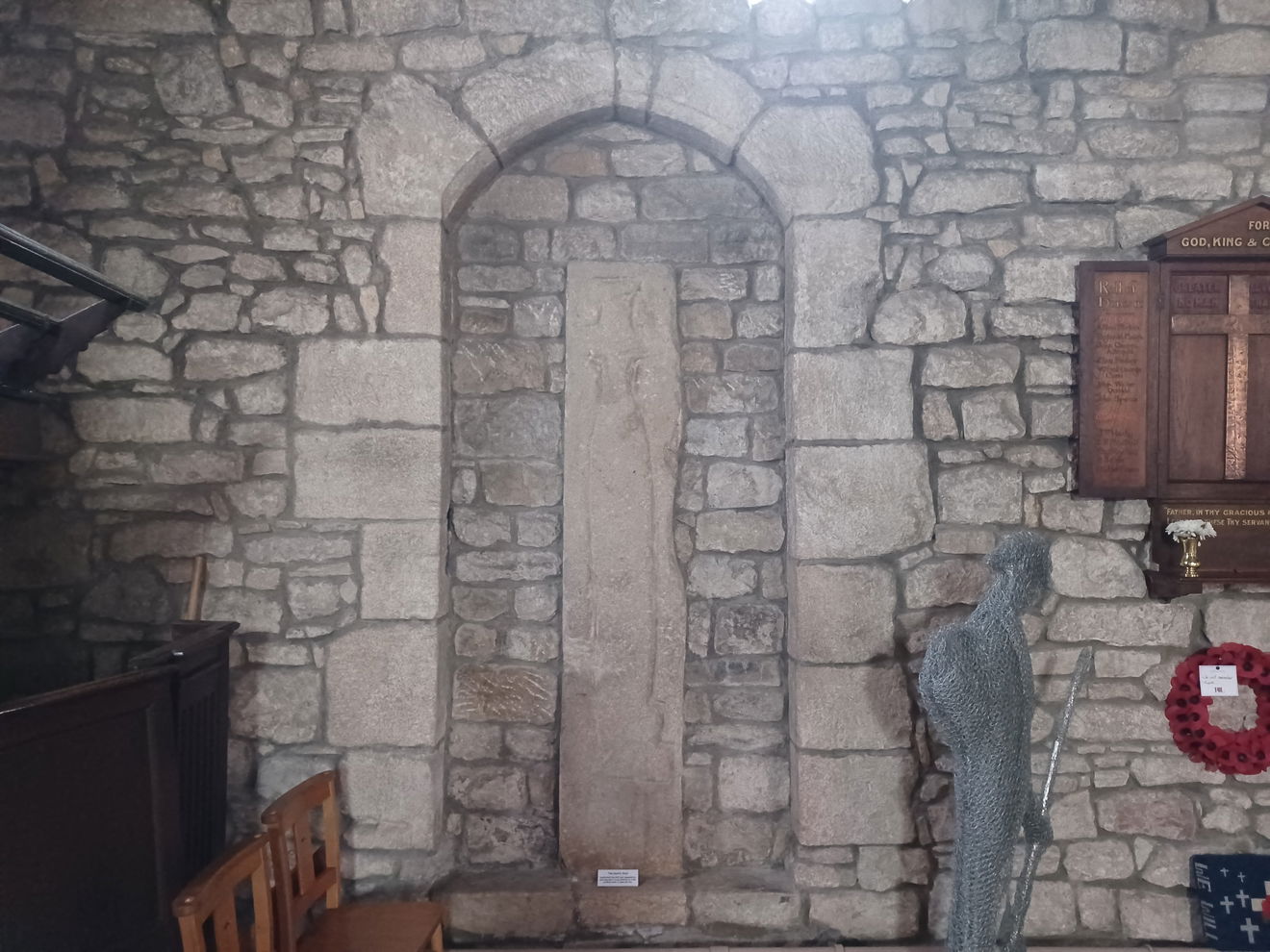
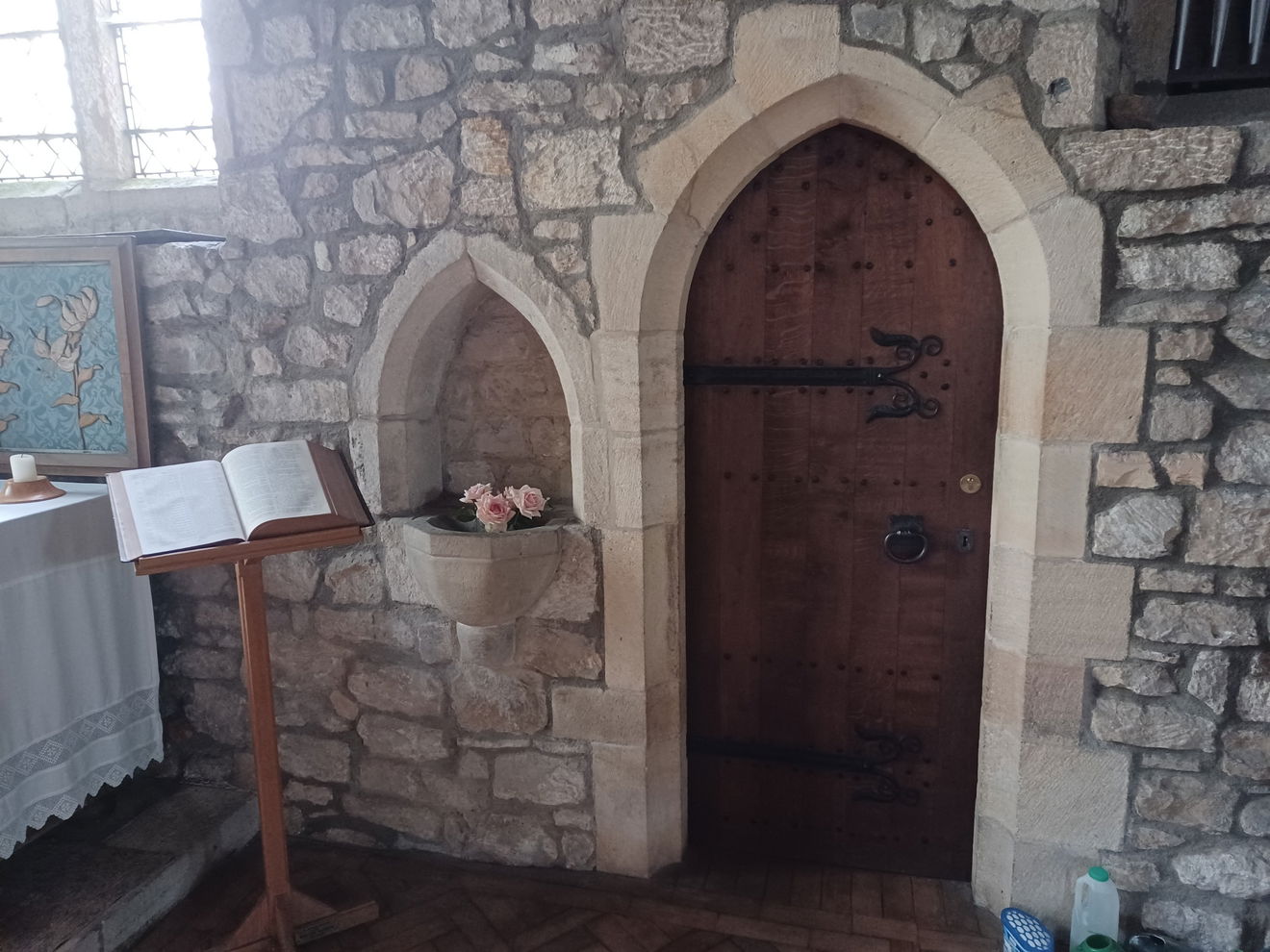
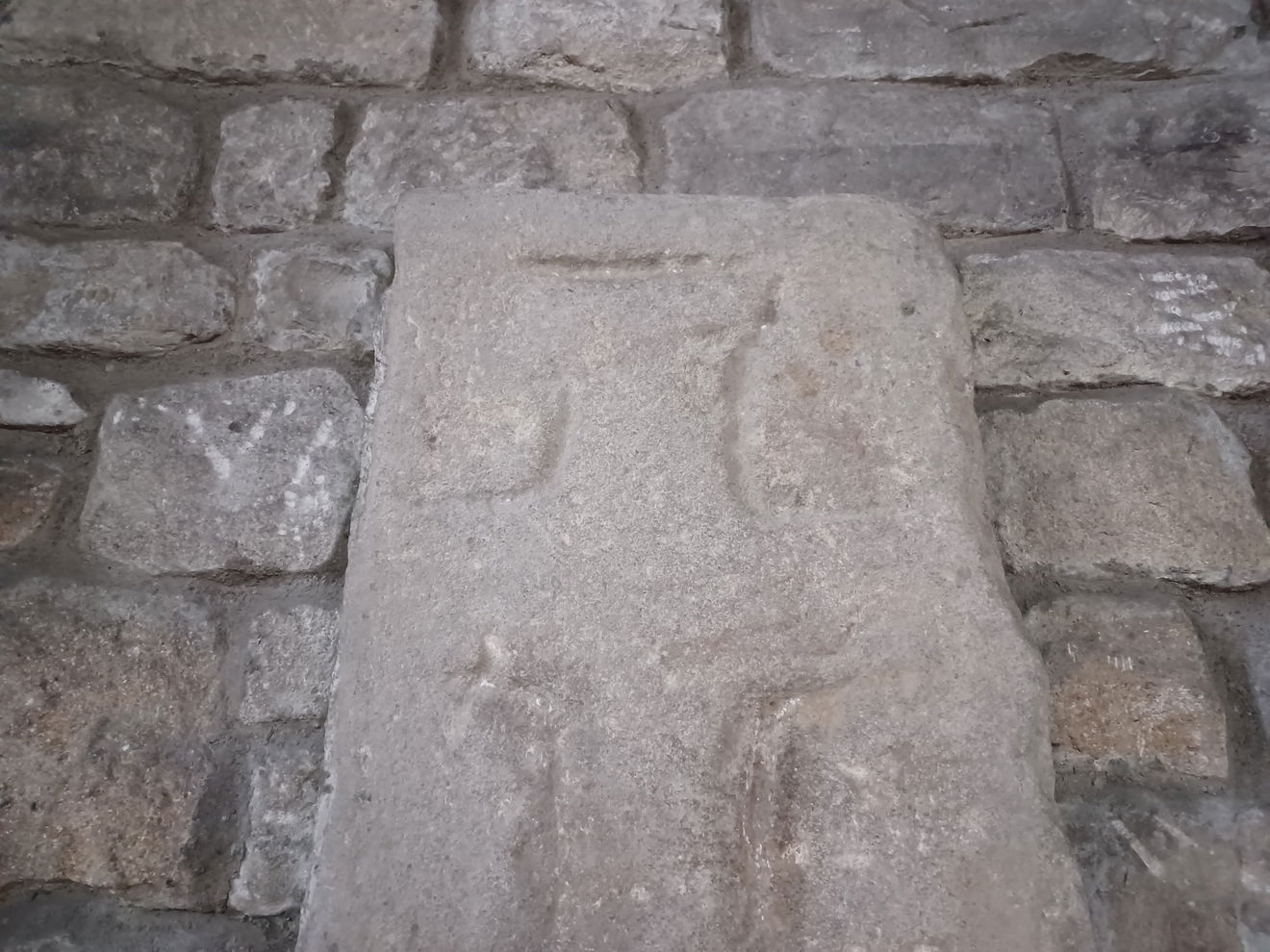
The north wall of St Romald's is where you can find the scarily named Devil's Door. This is now blocked up with stone but, this common medieval feature would have originally been a wooden door through which it was believed the Devil would exit the Church following the baptism of a child, thus purging them of original sin.
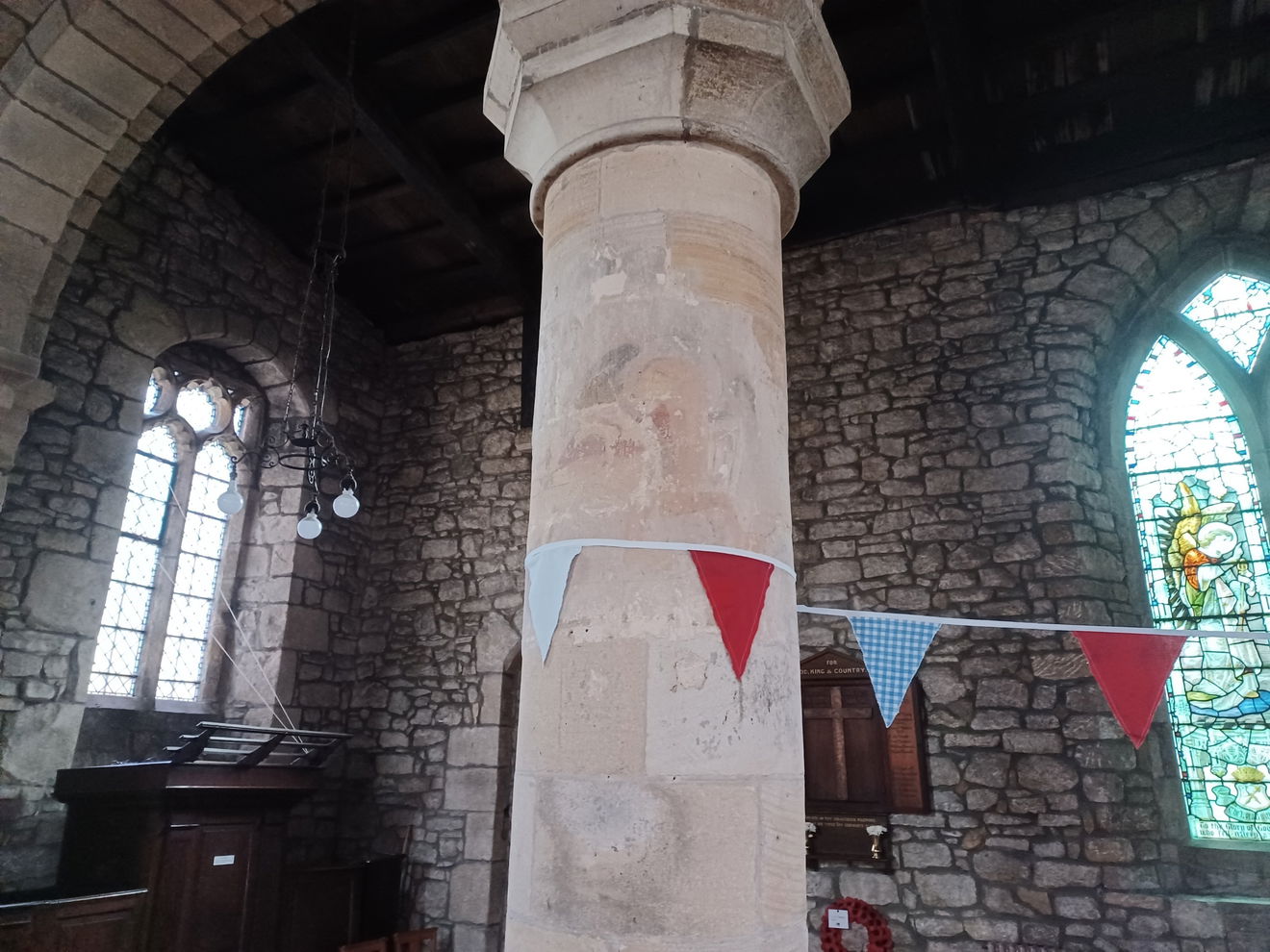
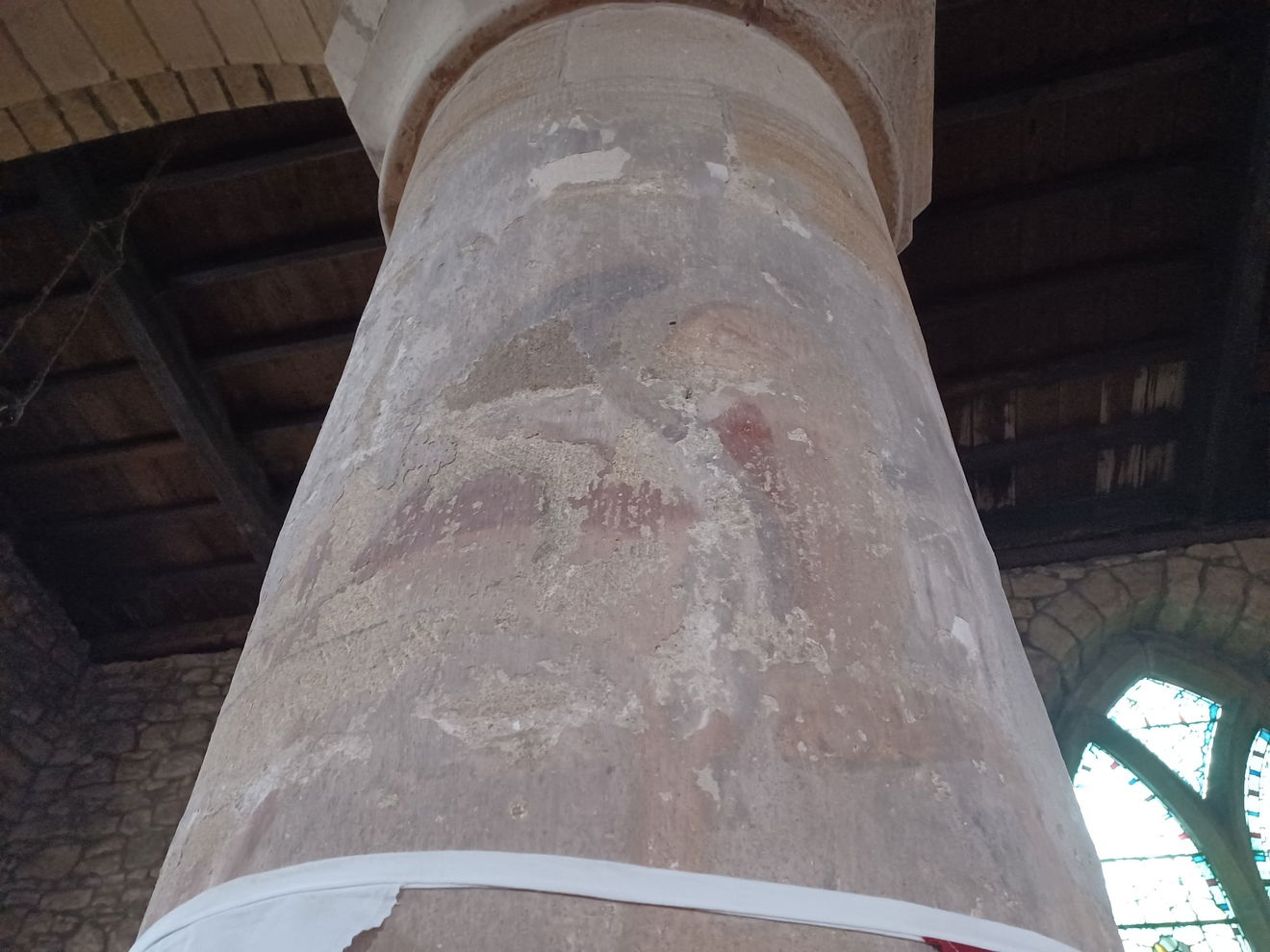
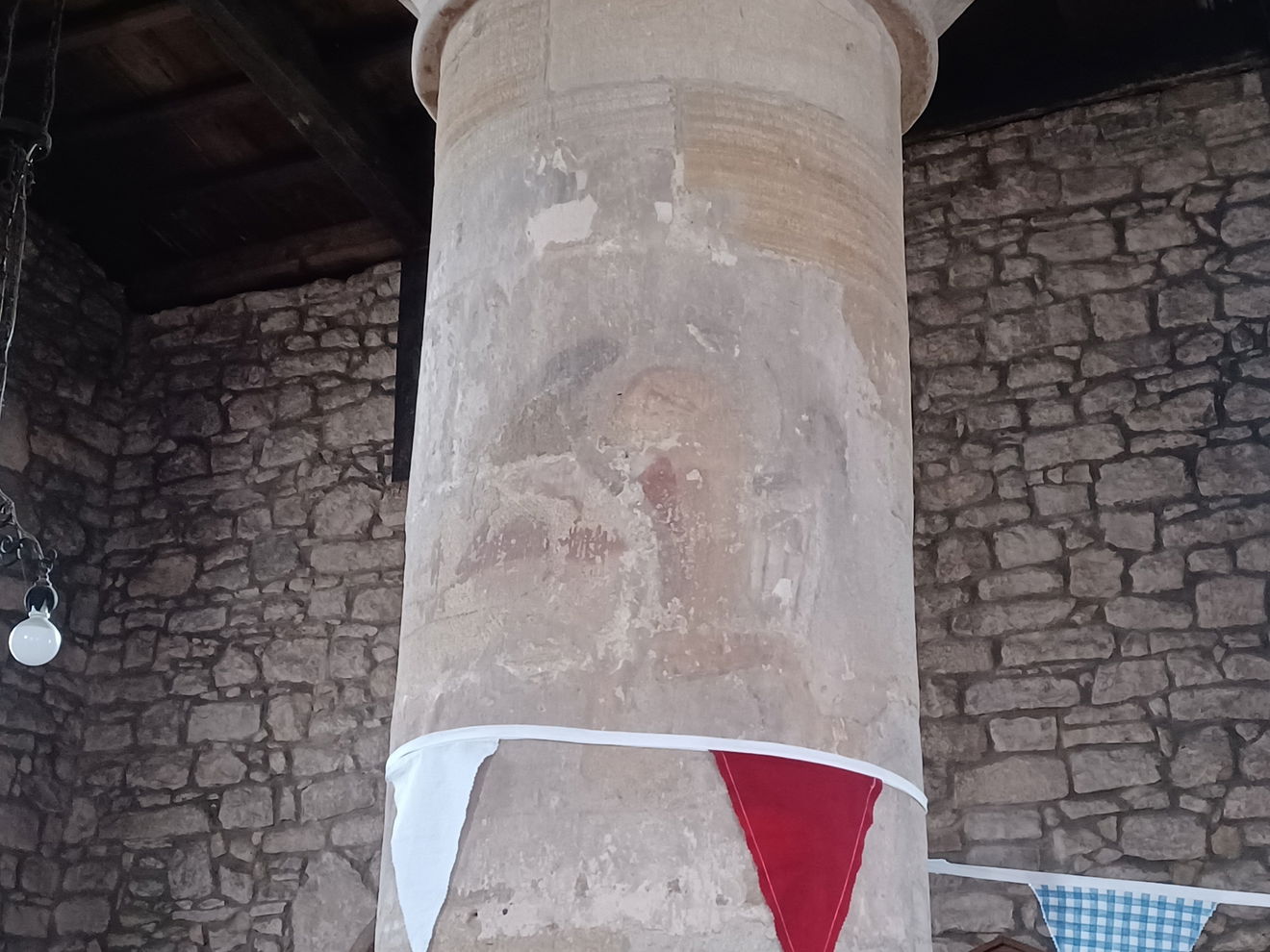
The final feature of interest is one that is more subtle than the others and one we almost missed! Four of the pillars of the Nave are adorned with the remnants of frescos which depict the four Evangelists, Matthew, Mark, Luke and John. They are now very hard to see but St. Mark is the clearest.
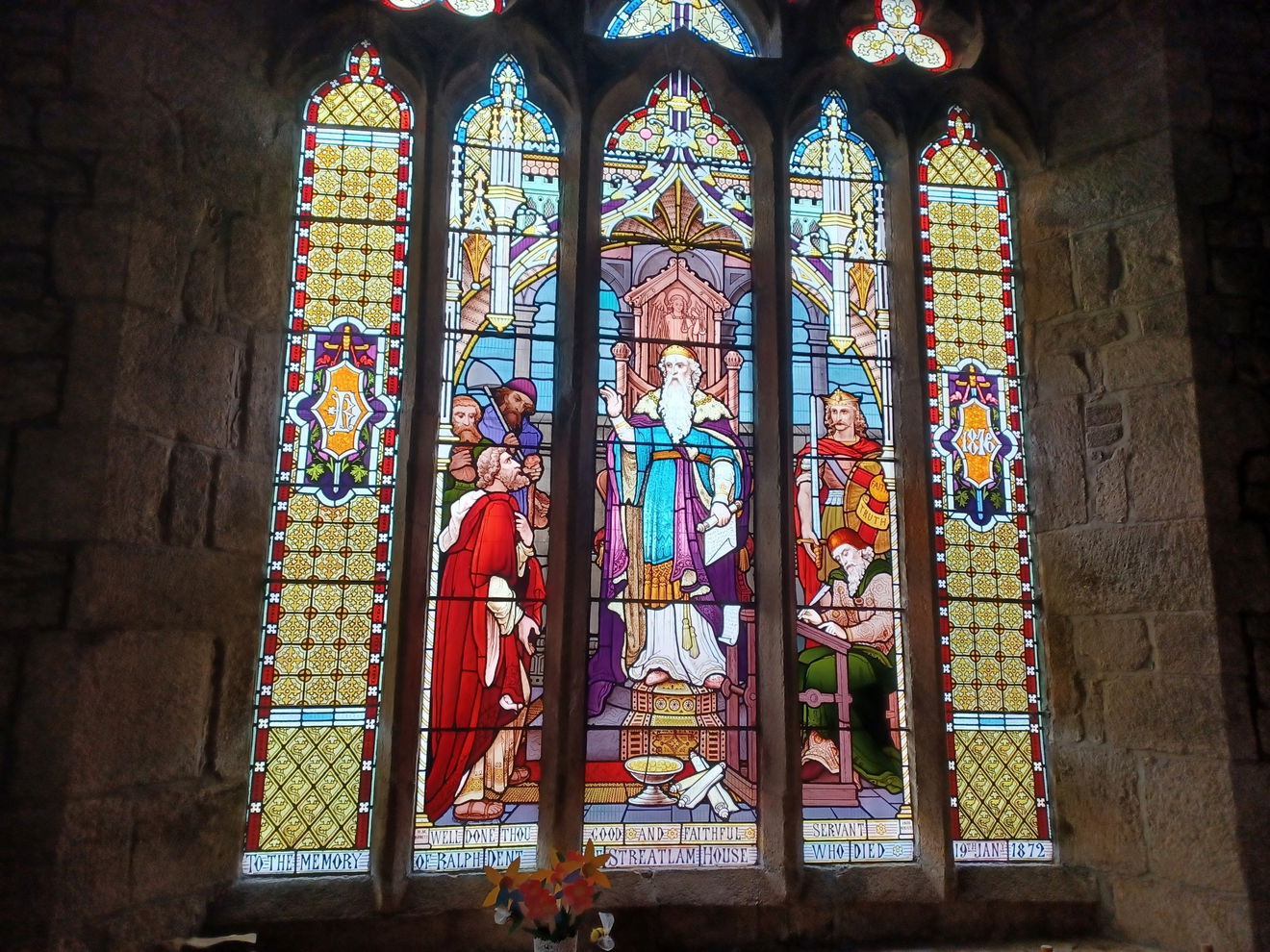
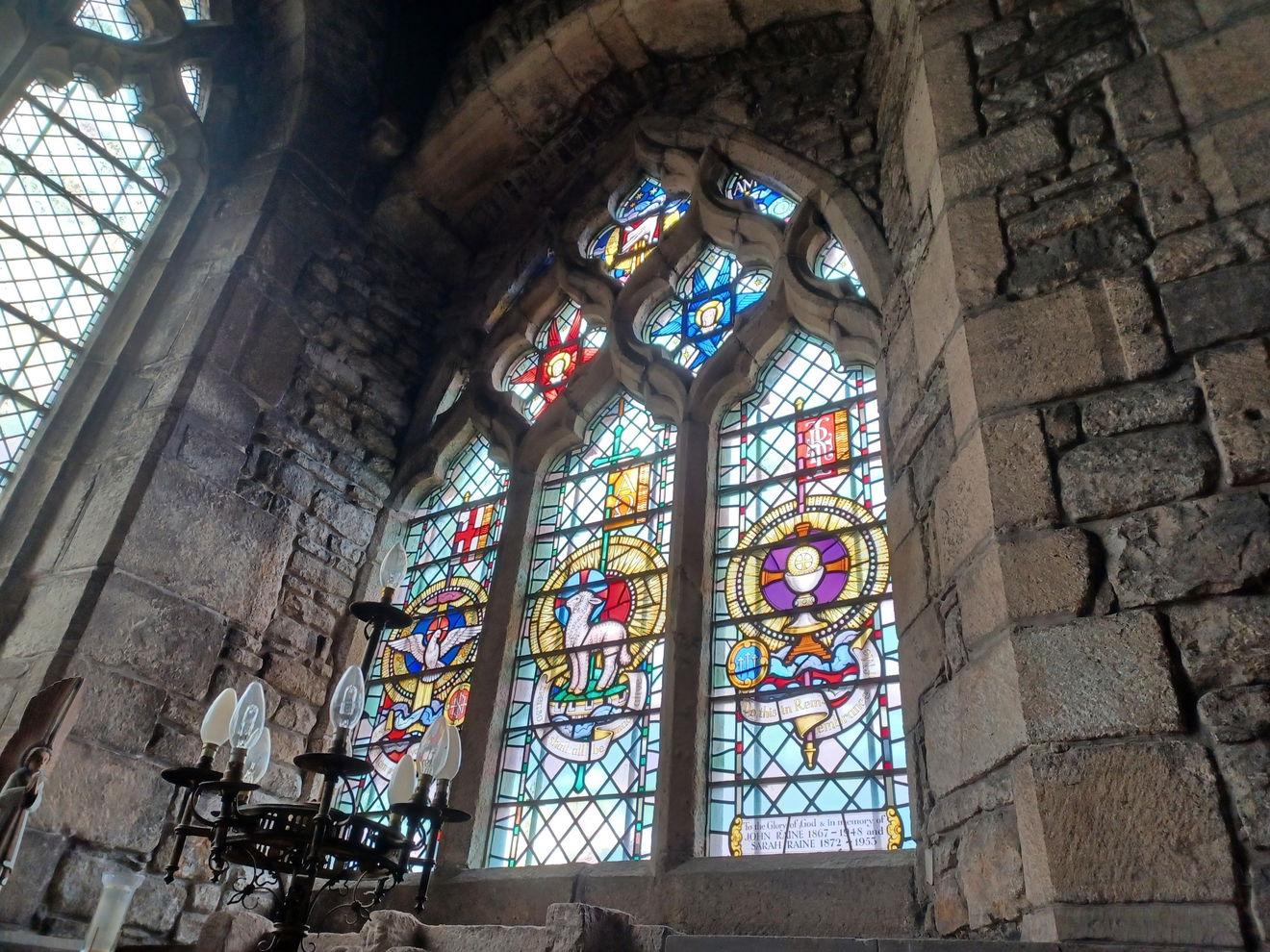
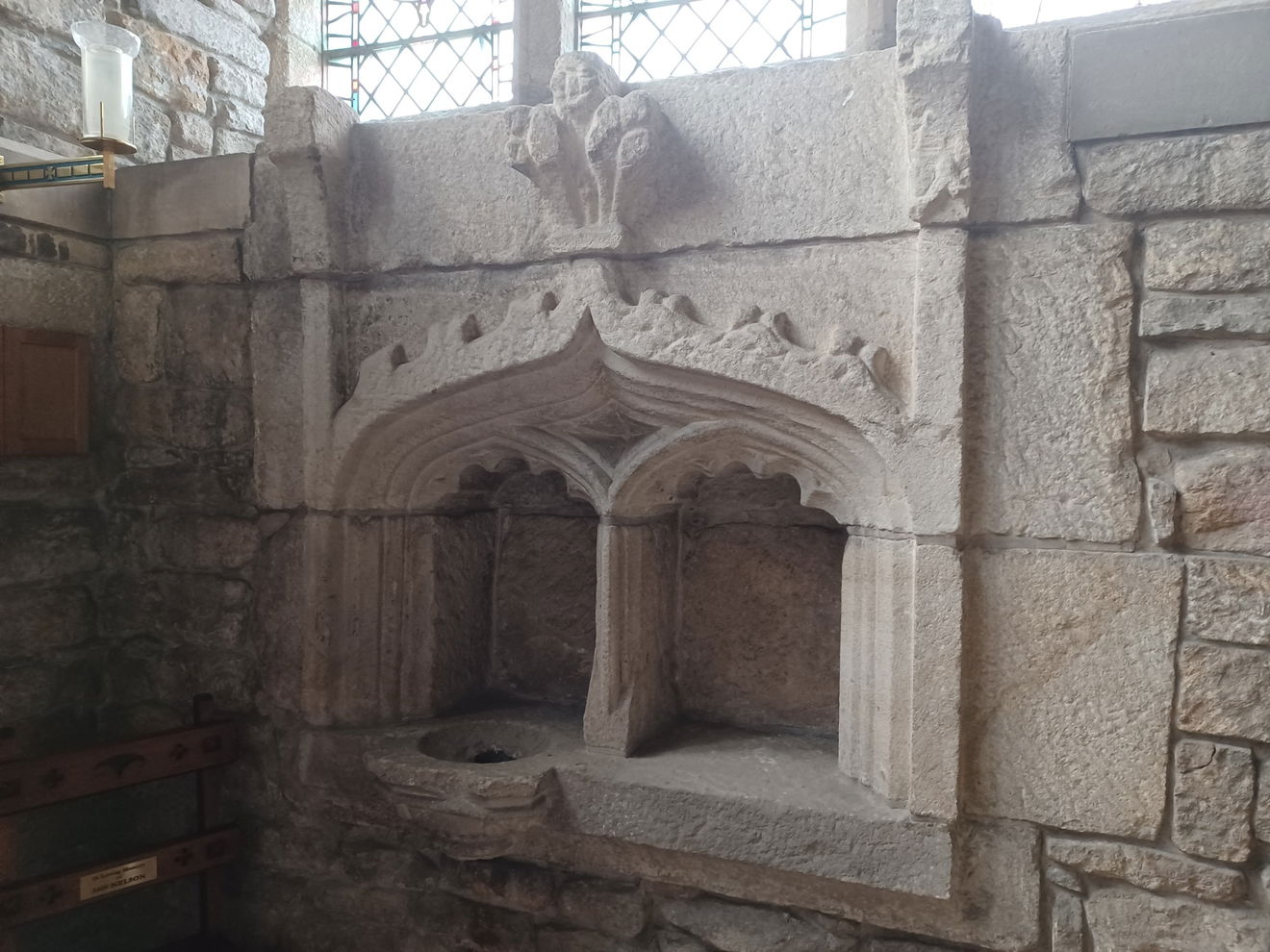
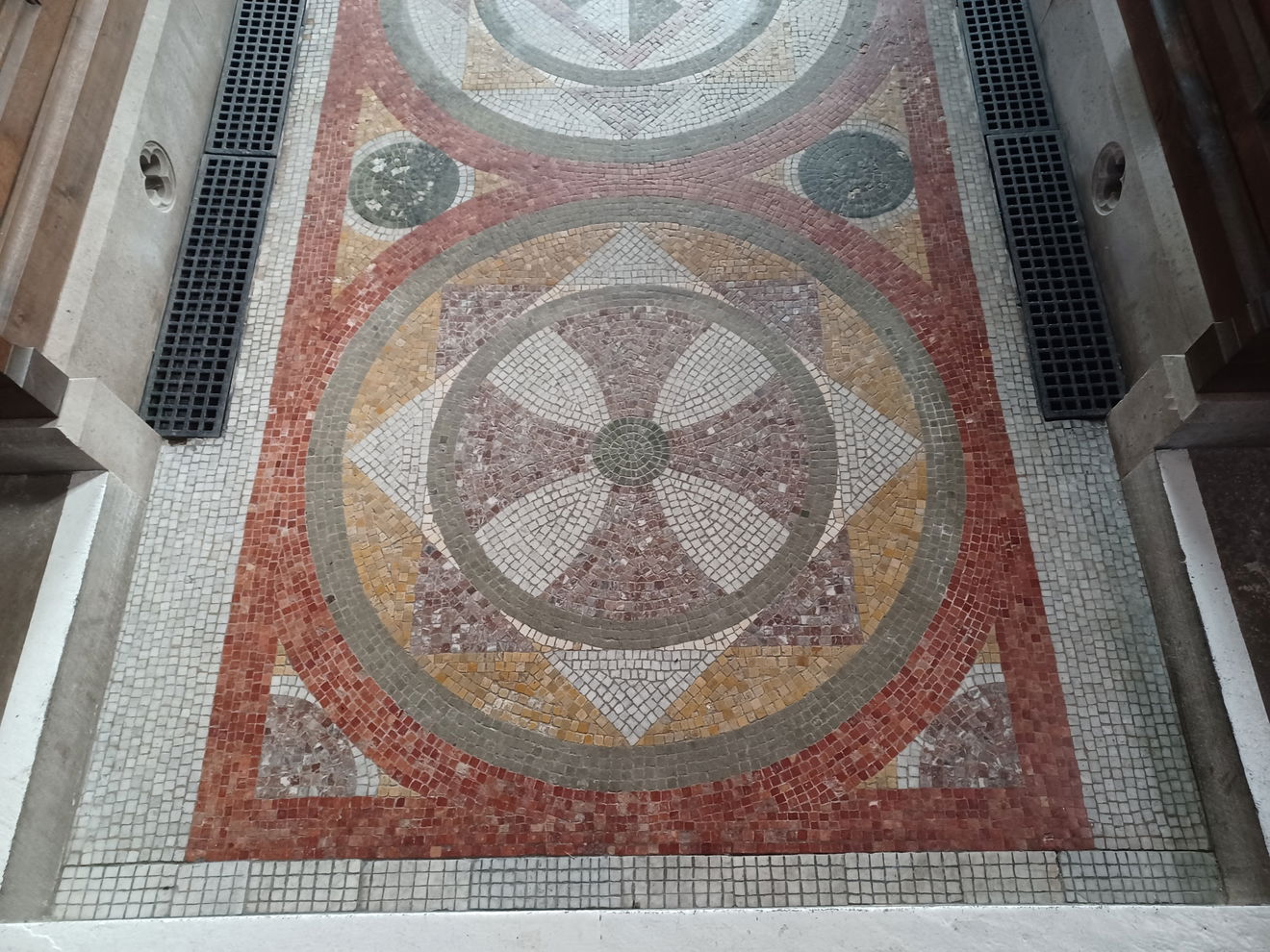
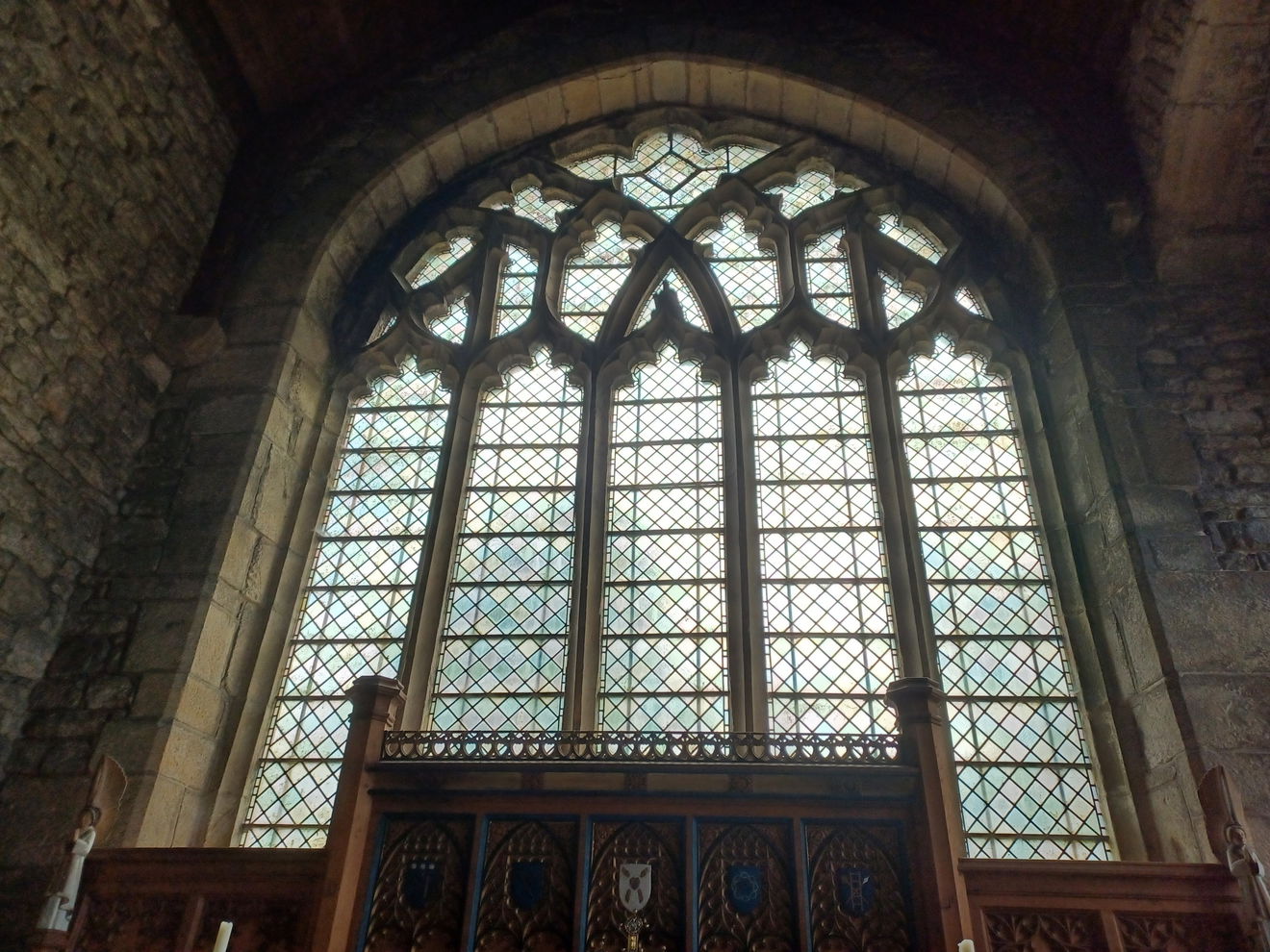
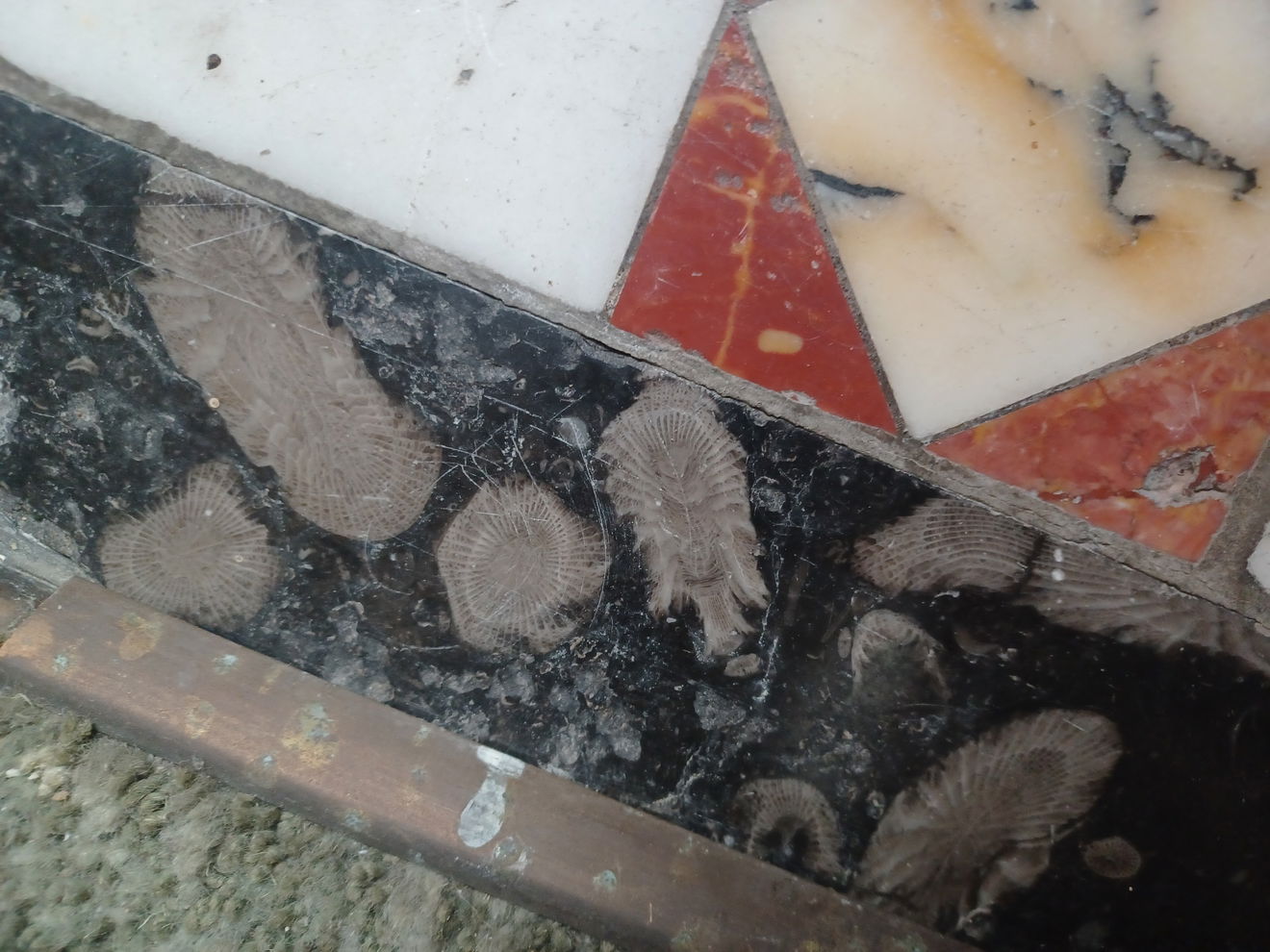
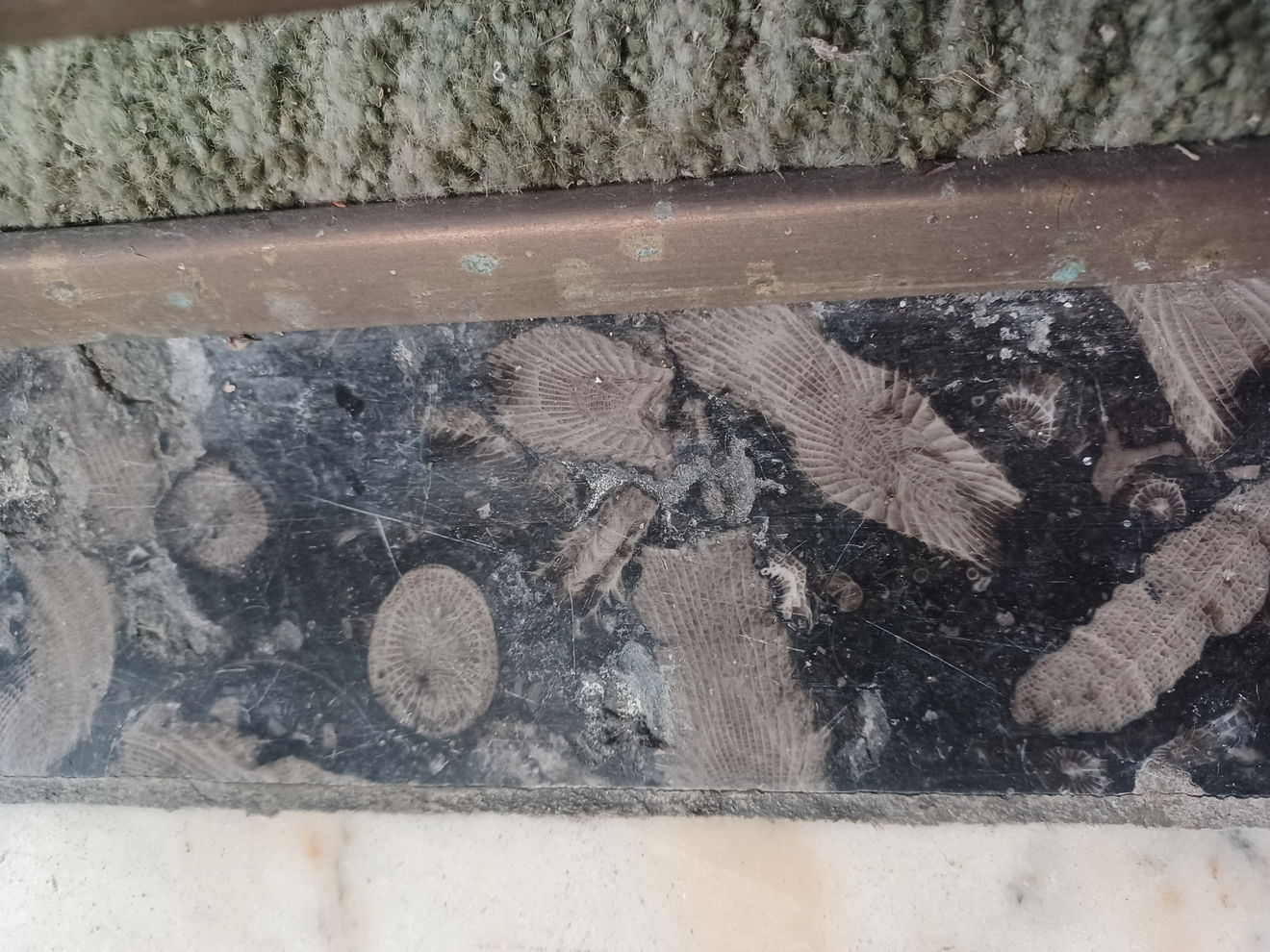
There are some fabulous stained-glass windows and some small details of the fabulous Frosterley Marble and loads of other little bits and bobs to keep your interest during your visit.
Get 3 points if you have visited this place. Already visited by 22 VIPs.
Login to the VIP area to add places to your bucket list, mark them as visited and more importantly see where you rank on the league table.
How To Find St Romald's Church
Where Is St Romald's Church?
Lat / Long
54.594314, -2.008886
What three words
Where To Park For St Romald's Church?
Lat / Long
54.594314, -2.010254
What three words
Parking is available nearby in the Rose and Crown Pub Car Park.
Contributed by Andrew Gardner
I love being outdoors, in nature, and experiencing the relaxation it brings. Wandering through the northern countryside seeing unexpected buildings, historic places and occasionally surprised wildlife is one of life's great pleasures.
More Places from Andrew
More Places In Barnard Castle
Find more fabulous places in Barnard Castle, County Durham and if you know of a place we haven't listed, then let us know.
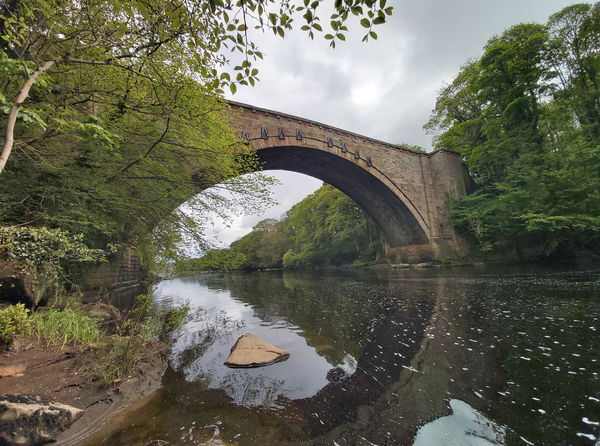
Winston Bridge Spitfire
Bridge Barnard Castle County DurhamA bridge spanning the River Tees where Ray Hanna flew his Spitfire under.
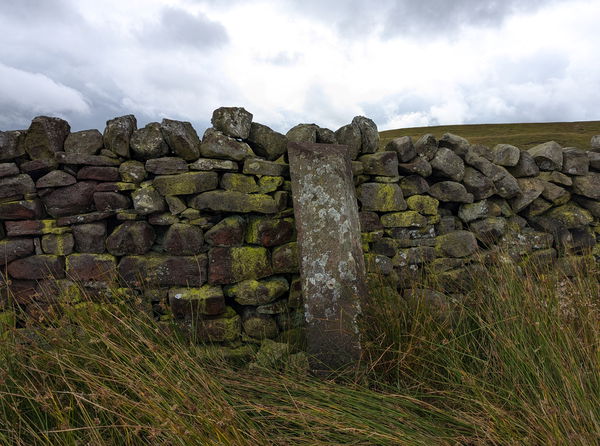
Badger Way Stoop
Landmark Barnard Castle County DurhamA Grade II Listed Ancient waymarker on an old trading route along the County Durham and North Yorkshire border.
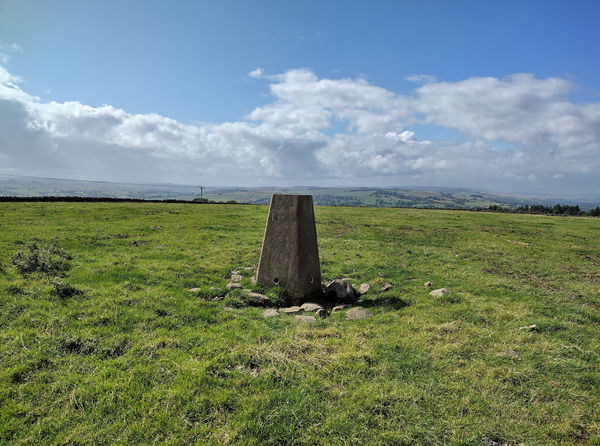
Moss Mire Trig Point
Trig Point Barnard Castle County DurhamThe Moss Mire trig point sits in a field opposite a disused quarry (308m) near Barnard Castle.
More Religious Places
So this religious place wasn't enough and you want more? Don't worry we have you covered.
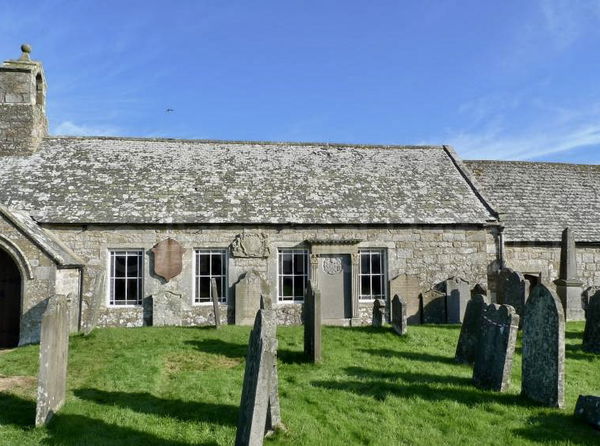
St Cuthbert's Corsenside
Religious Place Ridsdale NorthumberlandThe smallest place of sanctuary, rolling out of West Woodburn, between the road and the river, lies the church of St Cuthbert's, Corsenside.
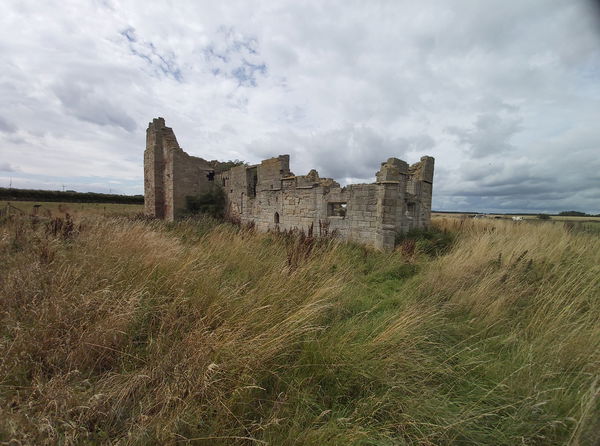
Low Chibburn Preceptory
Religious Place Druridge Bay NorthumberlandThe ruins of a Medieval Hospitaller.
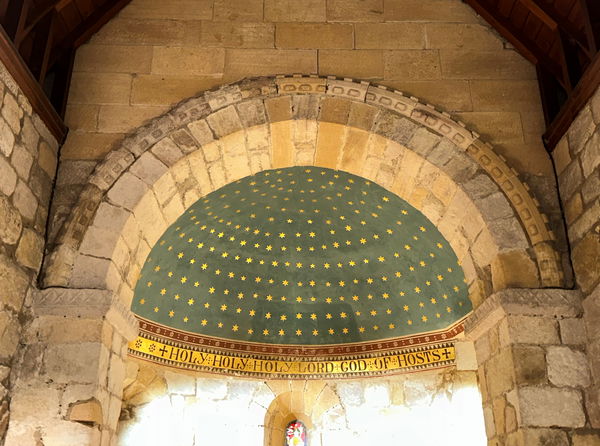
Holy Trinity Church Old Bewick
Religious Place Chillingham NorthumberlandA tiny place of worship, hidden away, with a hefty nine hundred year history and notable Norman architectural features.
Never Miss A Fabulous Place
If you are afraid of missing out on all the fabulous places we post, or just want to be the first to know, then sign up to the Fabulous North.
Each week we will email you all the brand new places that we visit.
Sign Up To Alerts

Find Us On Facebook
We post all our new places daily on our Facebook Groups page, so join the group today and be notified when we add a new place.
Join Our Facebook GroupSt Romald's Church was listed in Religious Place // County Durham // Barnard Castle