
The Sigurd's Cross
Landmark In Lancaster, Lancashire
Ancient Viking Cross dated between 865 and 950 in the graveyard of St Wilfrid's Church.
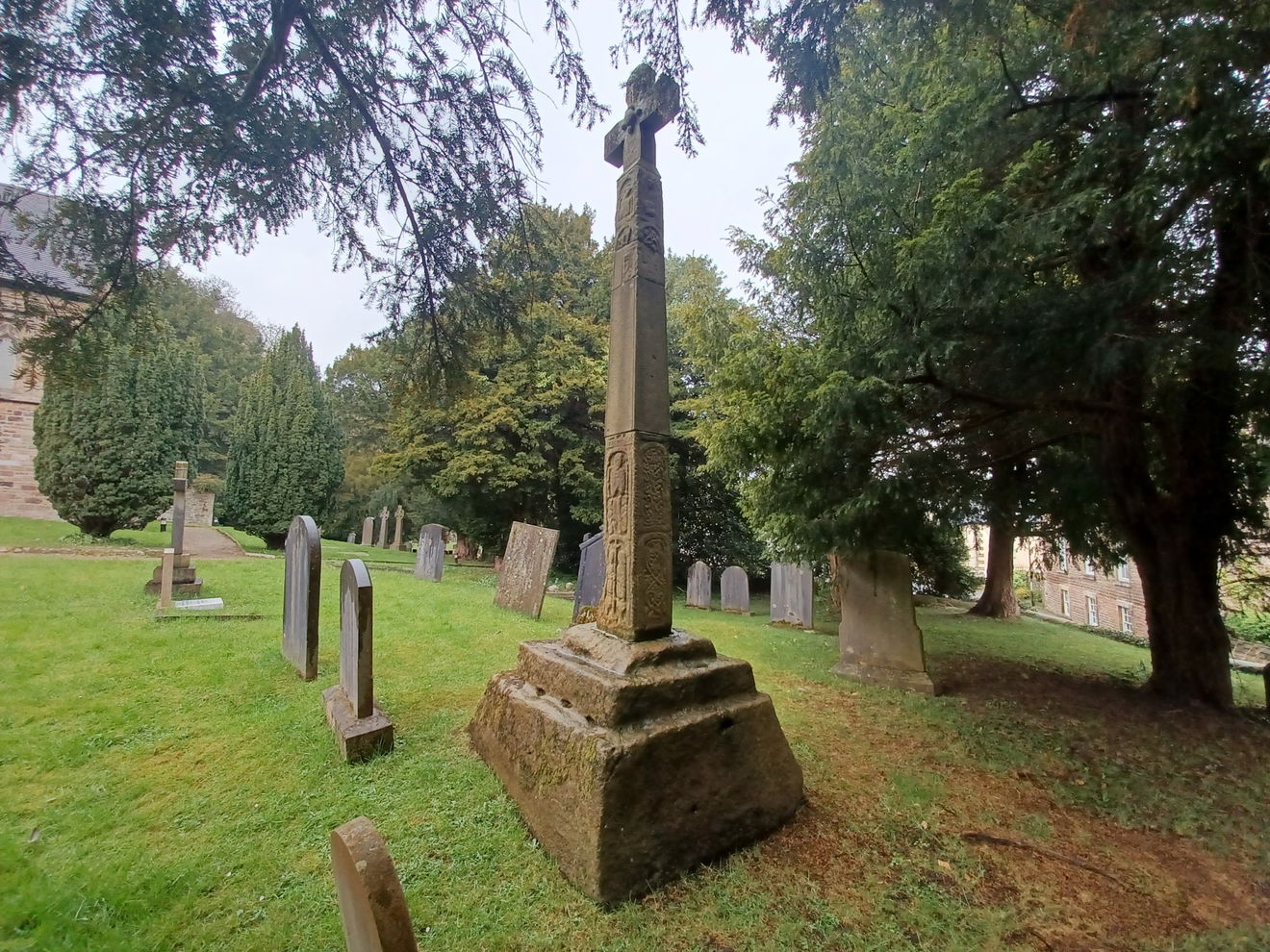
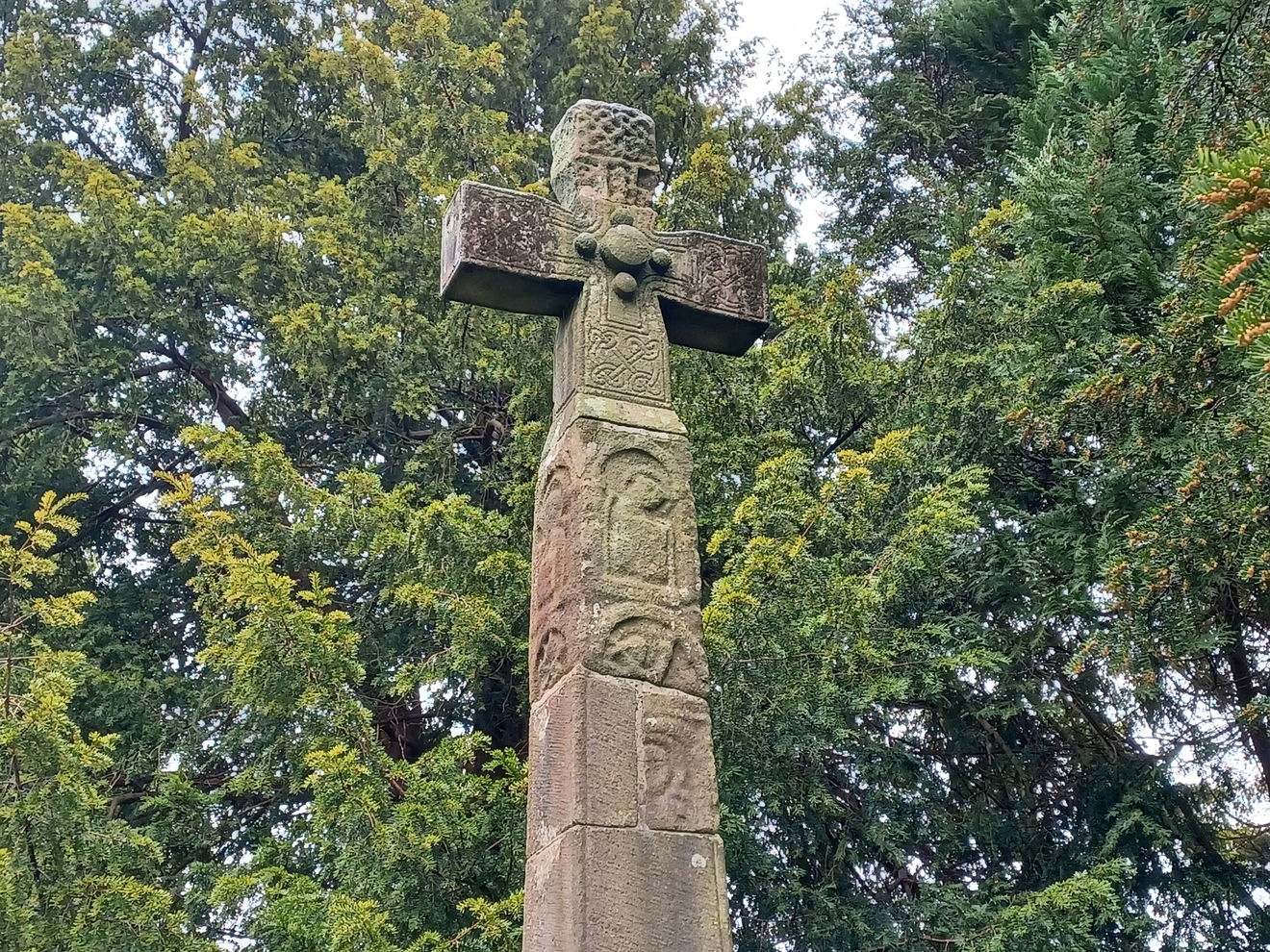
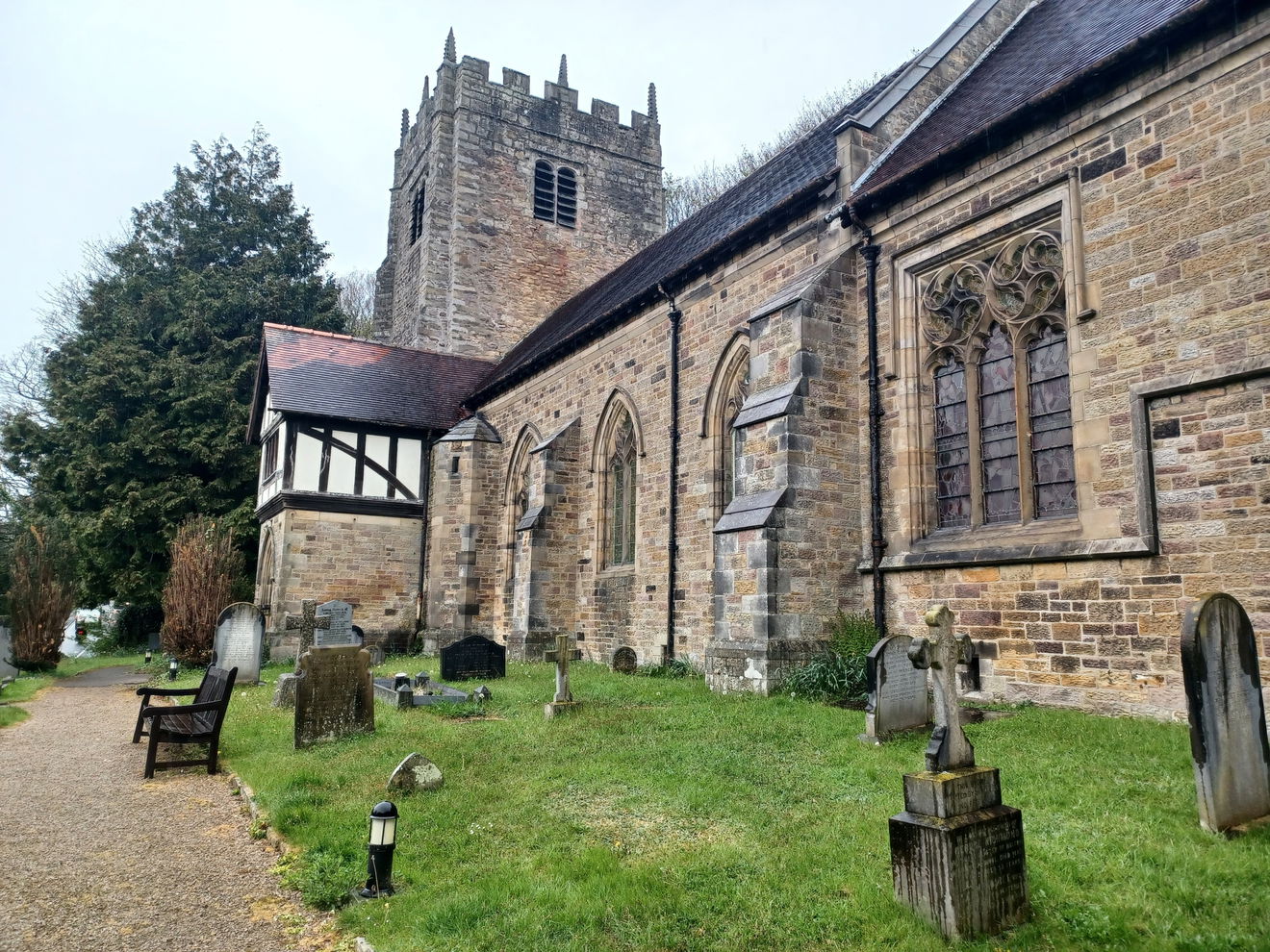
Sigurd's Cross is an ancient cross created in around the 9th century. It stands in the graveyard of St Wilfrid's Church in Halton and depicts the story of Sigurd the Dragon Slayer through several intricate carvings. We were very excited to come across this ancient piece of history and it is amazing to see how the artwork has survived the centuries and how much work must have gone into creating the images.
So to start, I will give you a quick rundown of the story of Sigurd the Dragon Slayer to give you an insight into the content of the carvings. Researching all of this Norse mythology hurt my brain a little, but this is the gist:
Sigurd was born to the Norse God Odin who was killed at Ragnarok, and consequently Sigurd was fostered by Regin, a talented blacksmith. Regin tasked Sigurd with retrieving the Andvaranaut ring - a treasure Regin had become obsessed with obtaining - which was stolen by Regin's brother Fafnir. Regin wanted his brother killed, but Fafnir had turned himself into a dragon (naturally!) and hid away. Sigurd found him and killed him but thought the ring looked pretty good, so he killed Regin too, keeping the treasure for himself. Unfortunately for him, the ring was cursed and Sigurd suffered further misfortunes. All sounds very Lord of the Rings!
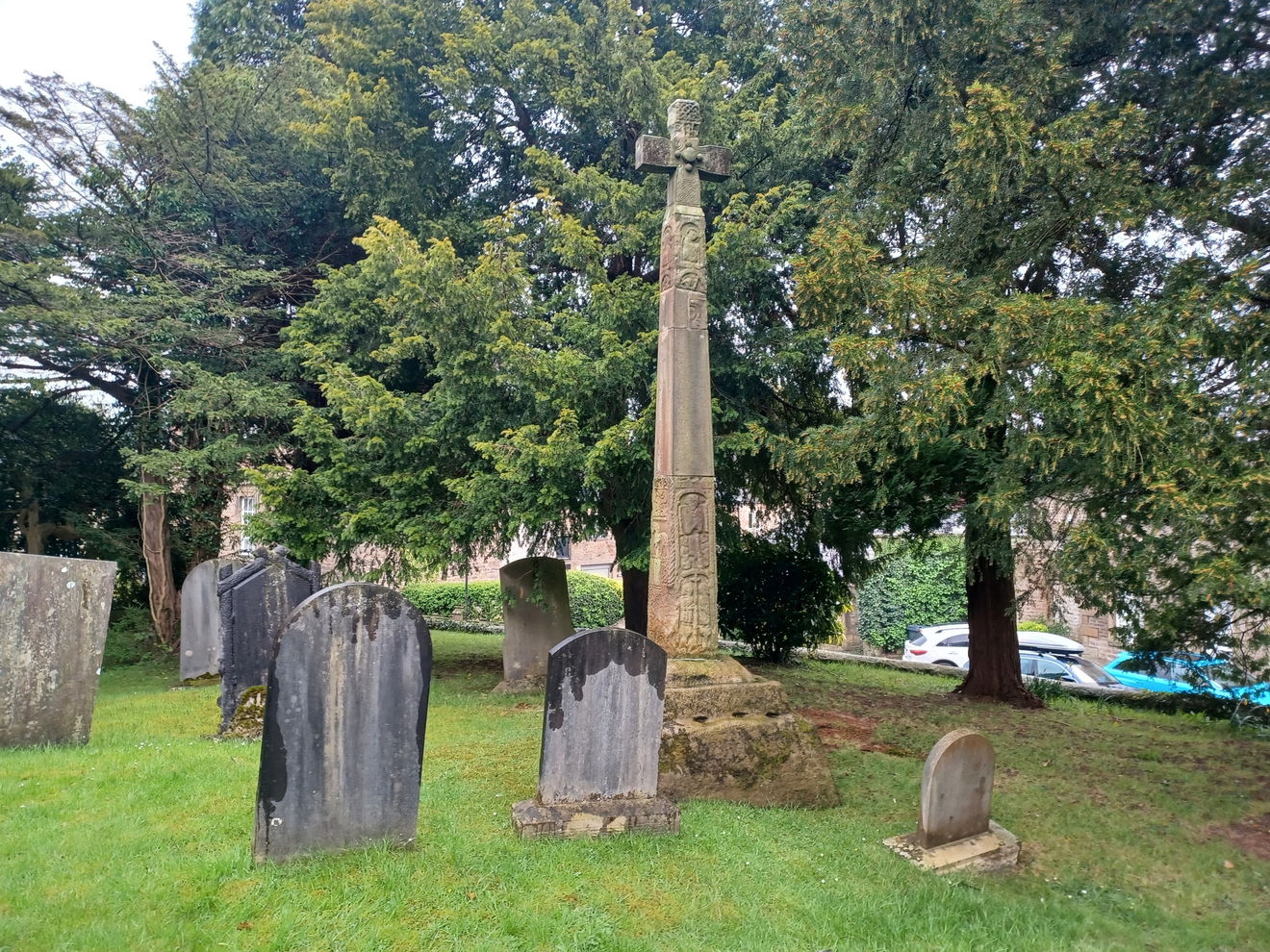
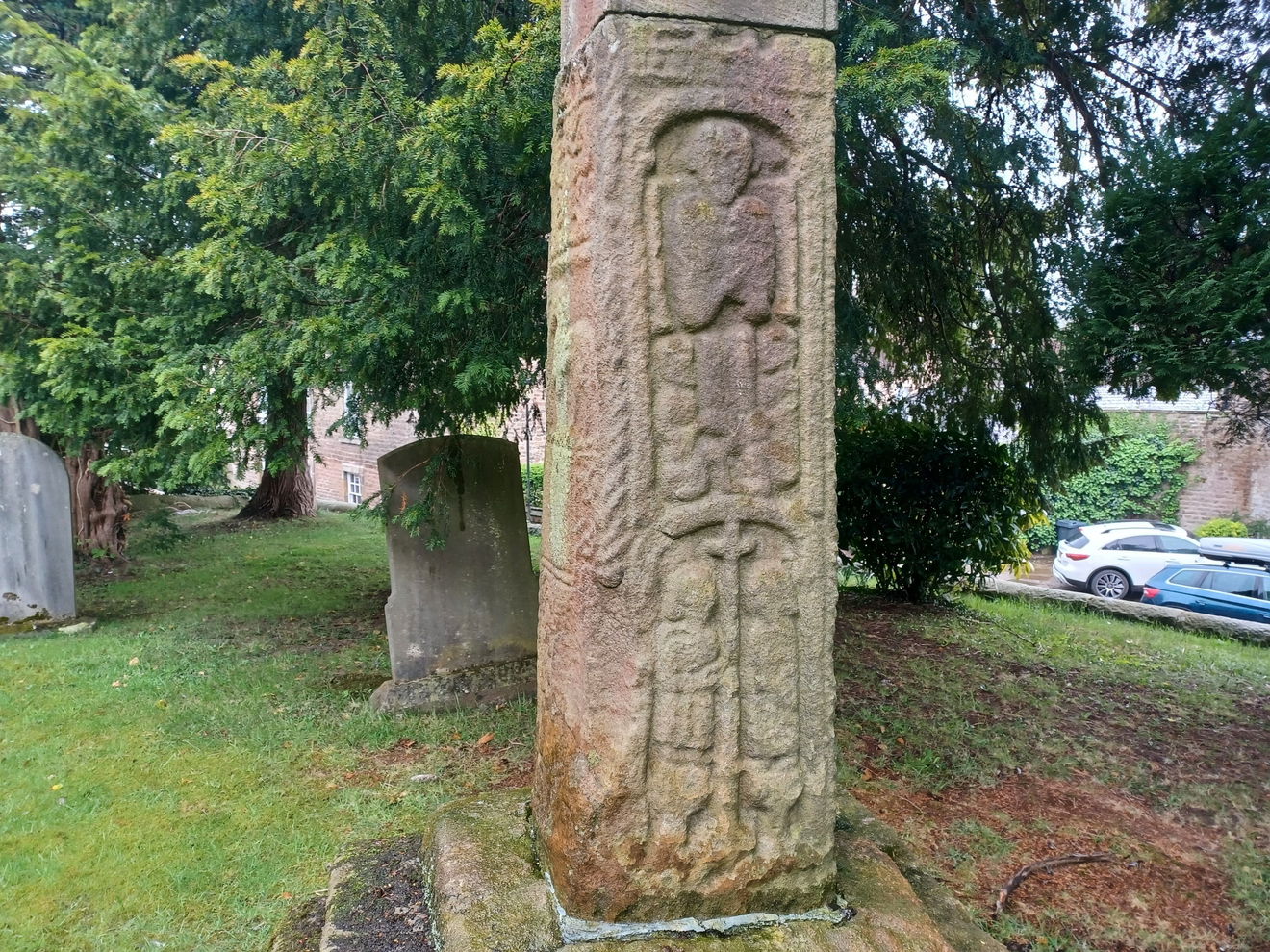
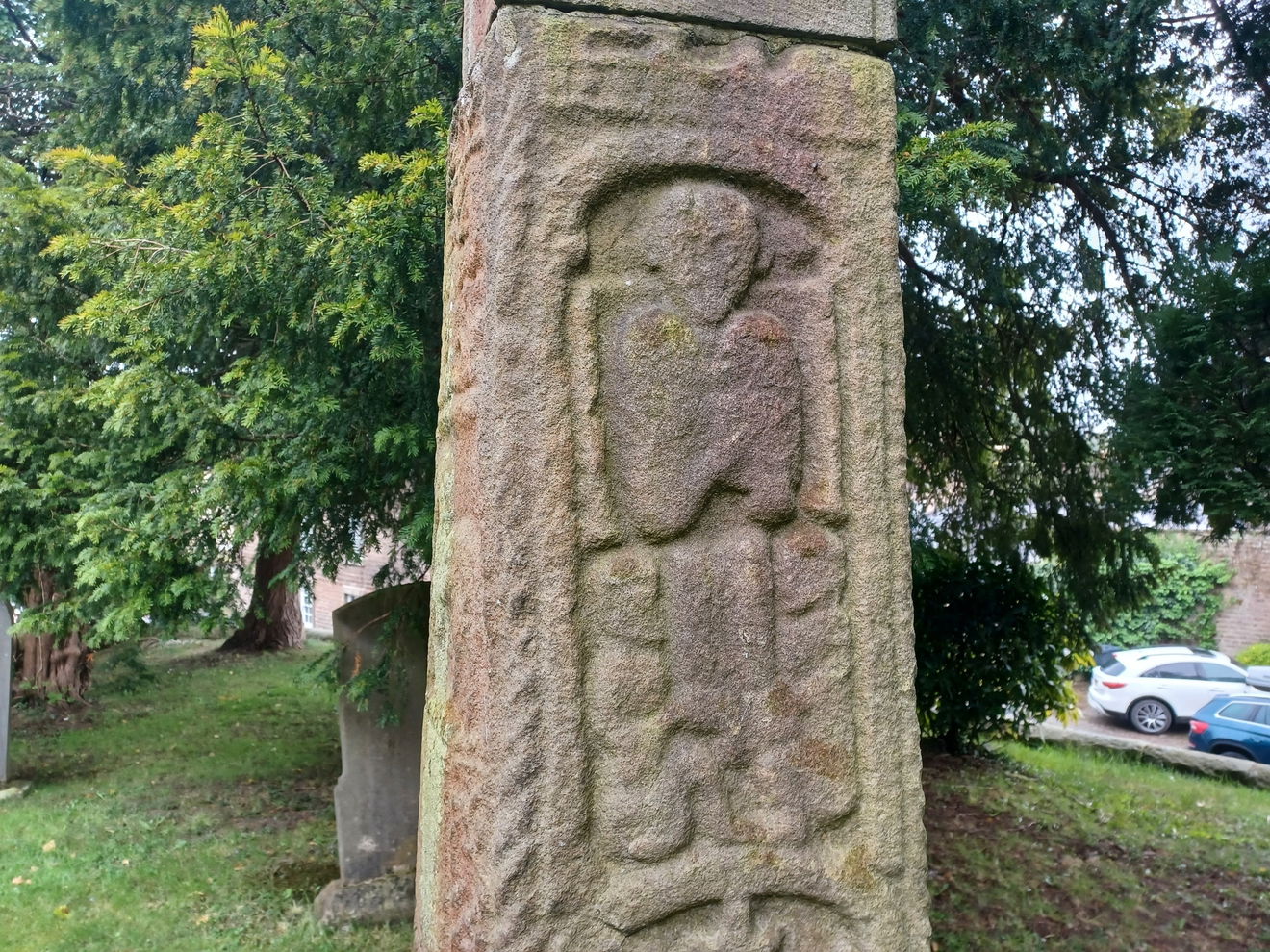
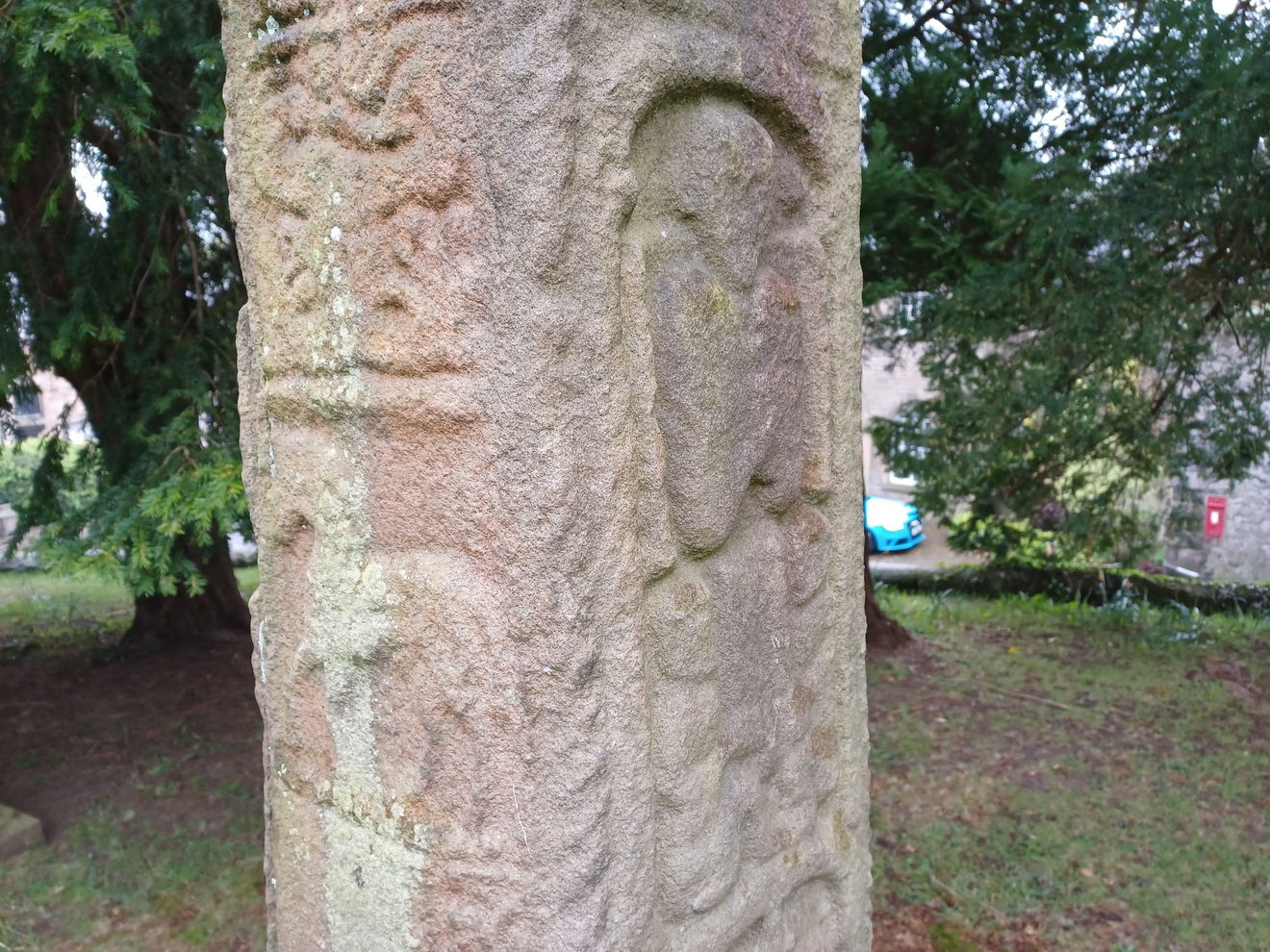
This story explains some of the panels of the cross. In one scene there is an image of Regin the blacksmith with his hammer in hand surrounded by blacksmithing tools - it's a bit tricky to see what's going on in this panel but perhaps this is due to the years of weathering it has undergone. It may have also been painted at the time to make the story clearer. Above this panel, Regin is beheaded after he had been killed by Sigurd. There is another scene depicting Sigurd roasting the dragon's heart which again is a bit tricky to decipher.
On one of the other sides, there is a much more clear image of Sigurd's horse and of Fafnir the dragon above it. On one of the other sides there is some elaborate Viking knotwork and on the final panel some clear figures can be seen. There is a figure which may be an angel sitting with two figures holding his legs, and another panel below it with two figures holding a cross. These are the best preserved panels, and depict Christian symbols which was not unusual in Viking times, as Norse Vikings became Christianised.
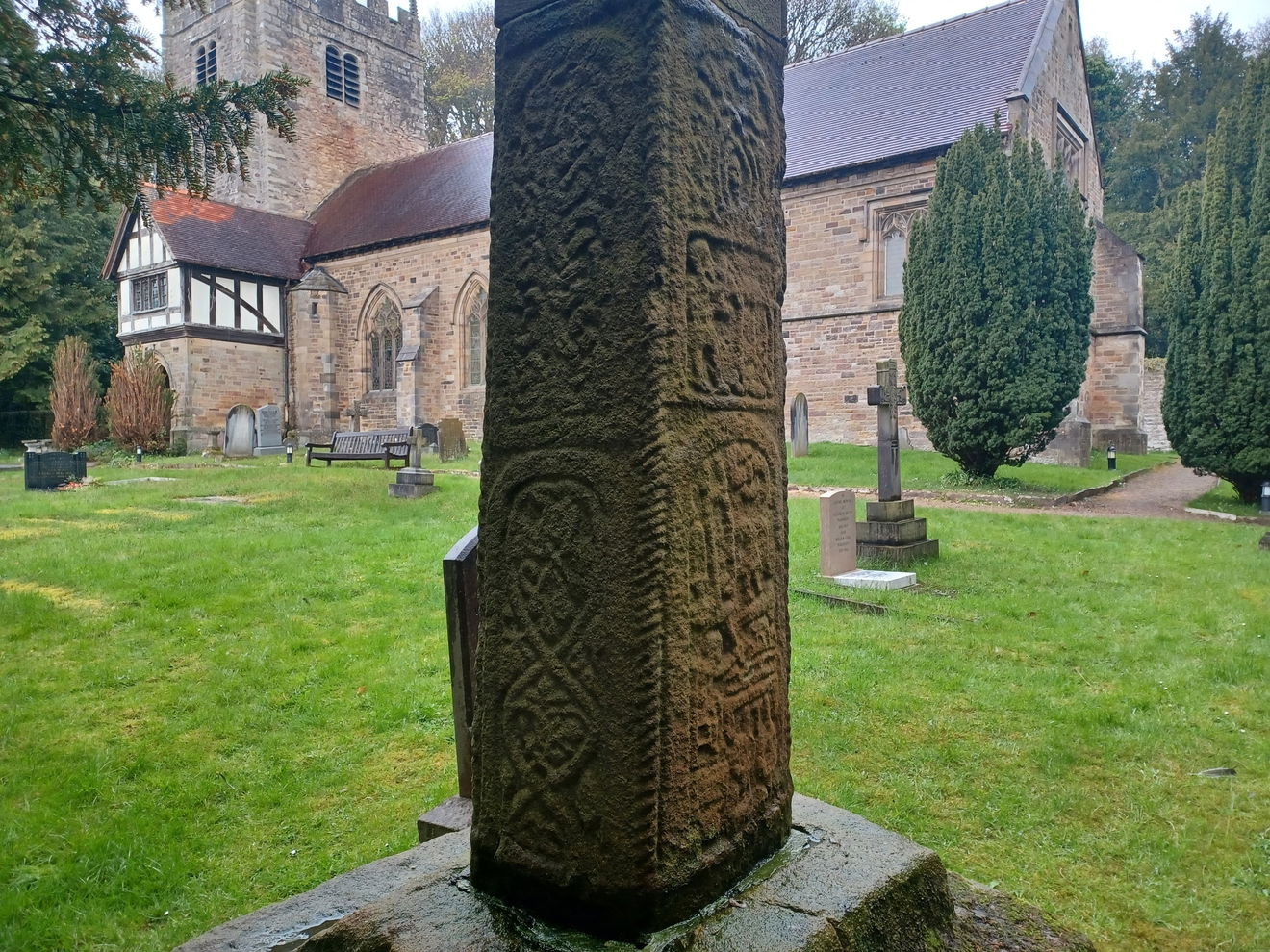
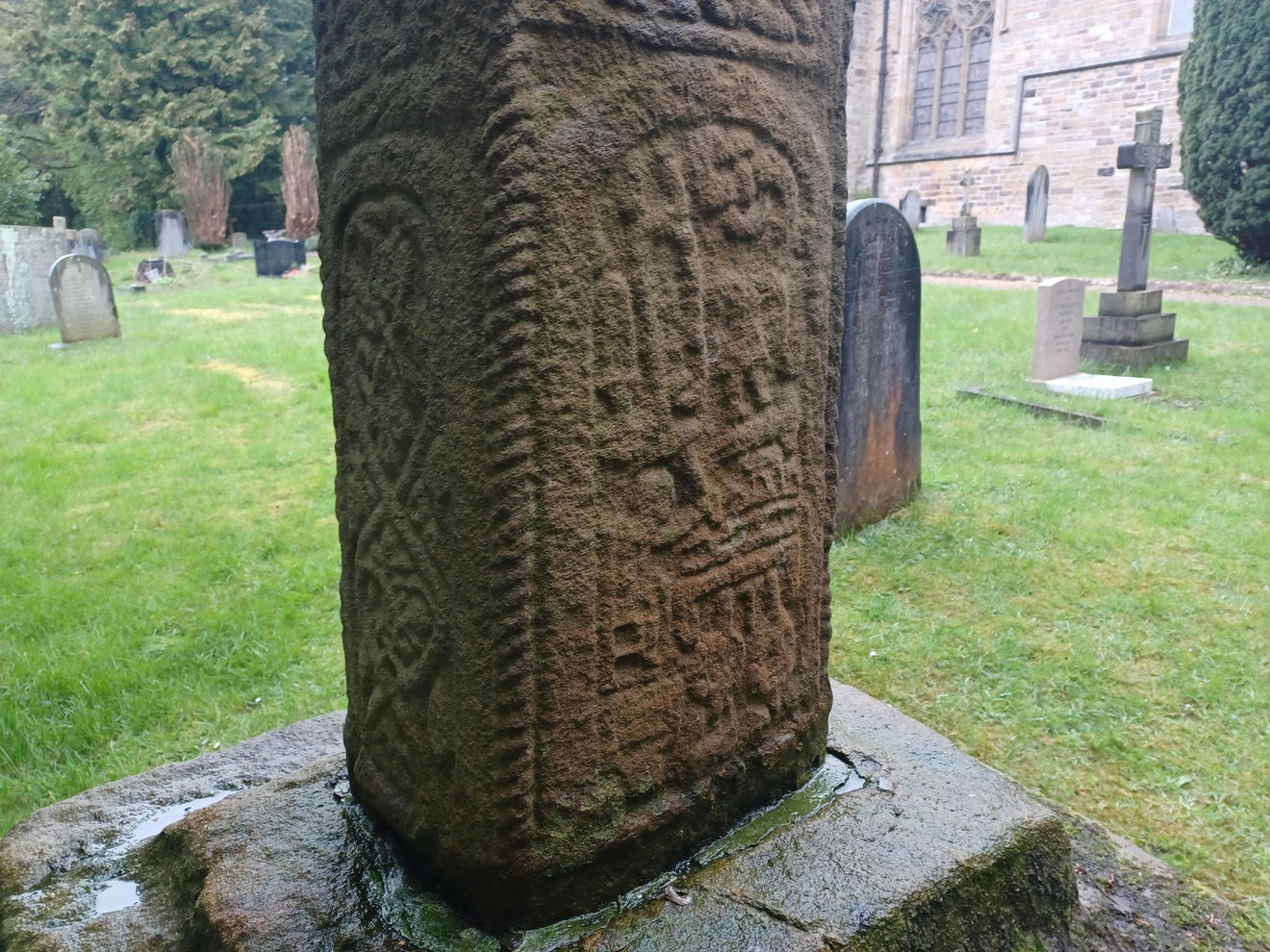
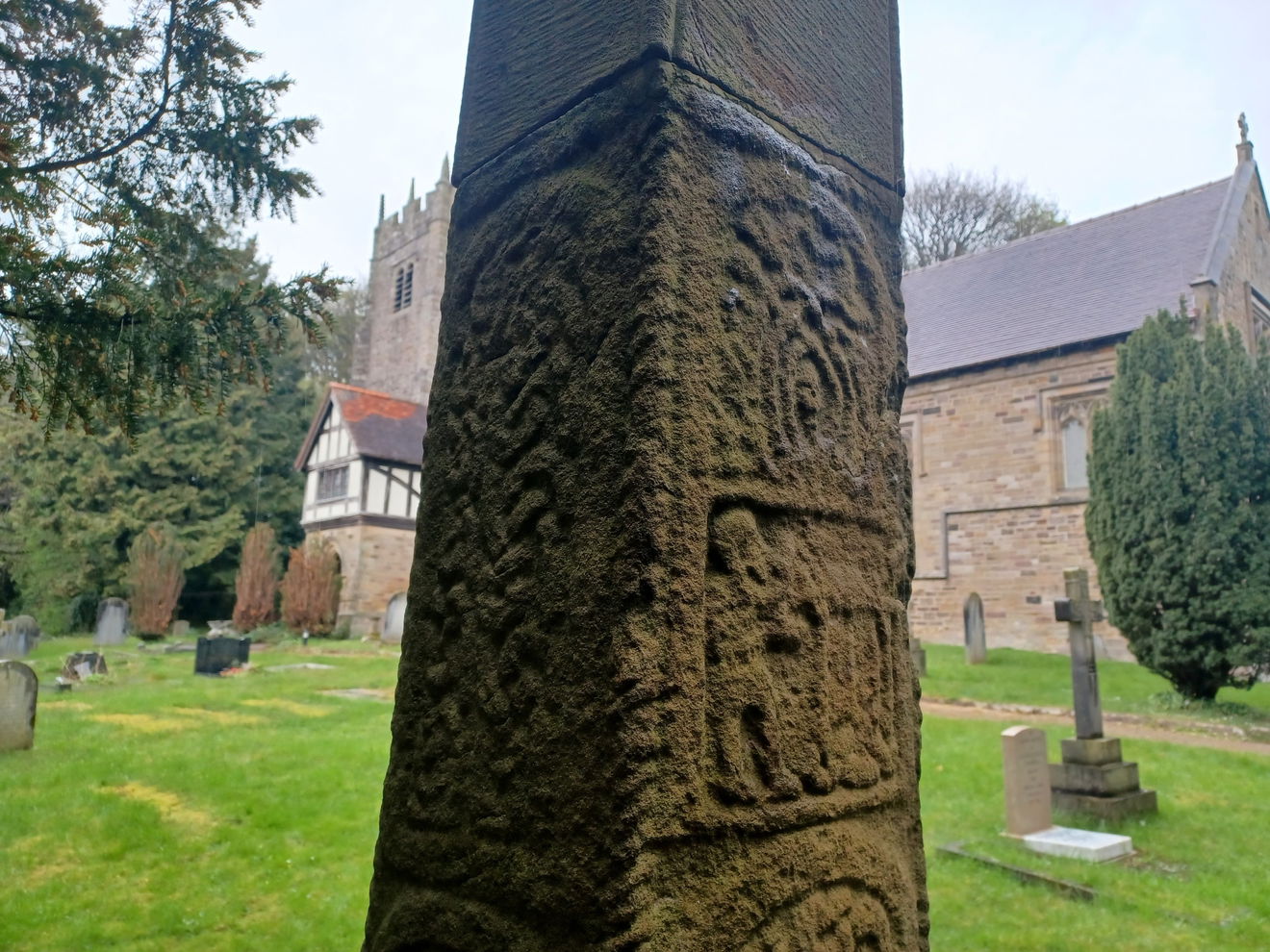
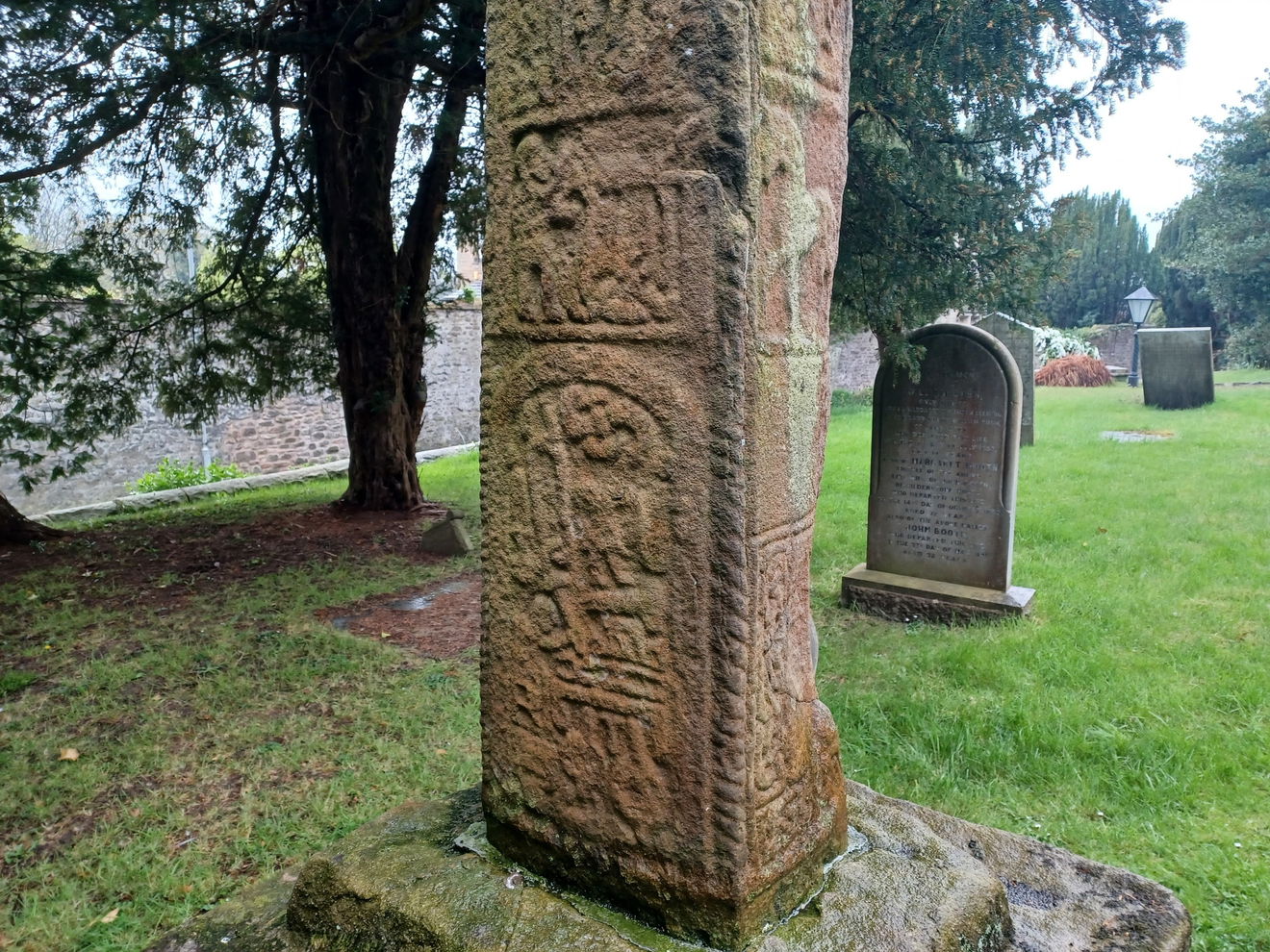
The cross has changed over the centuries and in 1635 the local rector Richard Jackson removed the top part of the cross and it is not known what happened to it sadly. Bizarrely, he also turned the bottom part of the cross with the Sigurd story on into a sundial. In 1891, the monument was pieced back together into what we see today. The cross that sits on the top of the monument is made from stone from differing dates, but the top arm of the cross dates from the Anglo-Saxon period in around the 8th or 9th century and is the oldest part of the cross.
This is a fascinating piece of history in a quiet Lancashire town, and if you want to extend your visit you can have a wander to the nearby Motte and Bailey Castle which dates from around the 11th century.
Get 3 points if you have visited this place. Already visited by 14 VIPs.
Login to bag this placeHelp fuel the next adventure
Fabulous North is free, with no annoying adverts and fuelled by an unhealthy desire to poke around castles, hills, churches and suspicious-looking bits of stone.
If you enjoy what we do, you can help keep us exploring.
Champion This Place
Got a special memory of The Sigurd's Cross, a story to tell or simply a soft spot for it? Champion The Sigurd's Cross and we'll add your name, photo and a short message to this page, while your support helps us keep Fabulous North exploring.
How To Find The Sigurd's Cross
Where Is The Sigurd's Cross?
Lat / Long
54.075881, -2.766883
What three words
Where To Park For The Sigurd's Cross?
Lat / Long
54.076905, -2.761829
What three words
We parked at The Greyhound pub car park and had a lovely meal there too. If you don't intend to have food, you can park across the River Lune at the old railway station car park. ///coder.coasting.input
Contributed by Sandra Clemens
I love the great outdoors and have been a National Trust & English Heritage member for years. I also love going off the beaten track and finding places like Sharp's Folly or Rothley Castle which are hidden gems in Northumberland. My favourite recent hike was climbing Red Screes in the Lake District on a whim, not fully grasping how high 776m was. It was still an achievement to conquer a Wainwright walk and I hope to do more one day.
More Places from Sandra
More Places In Lancaster
Find more fabulous places in Lancaster, Lancashire and if you know of a place we haven't listed, then let us know.
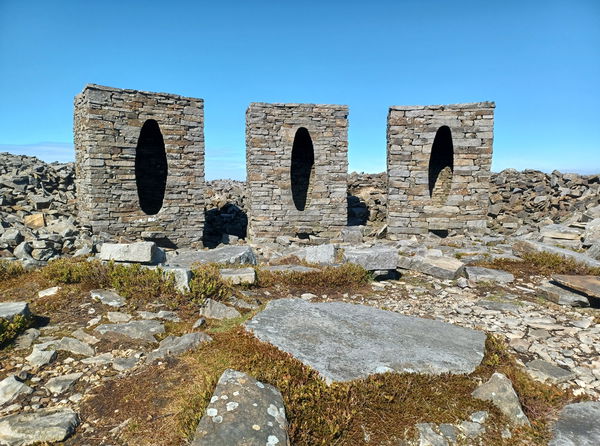
Clougha Pike Chambers
Art Lancaster LancashireArtwork by Andy Goldsworthy in the heart of the Forest of Bowland.
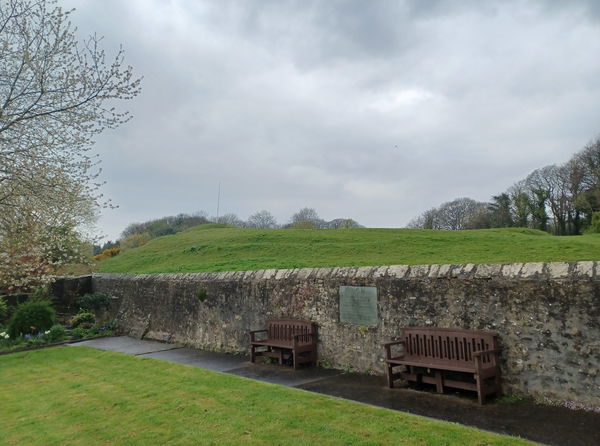
Halton Motte and Bailey Castle
Castle Lancaster LancashireA Motte and Bailey Castle thought to date from the 11th century.
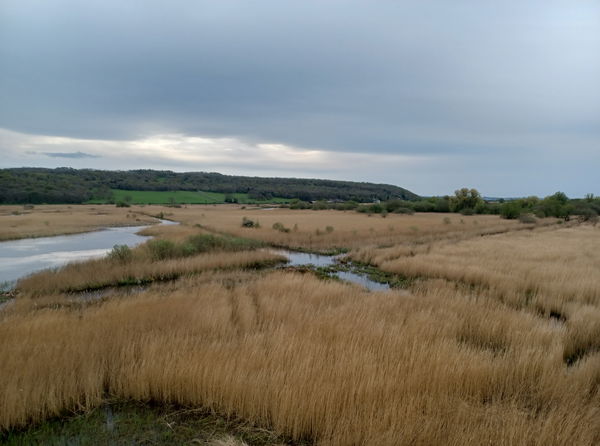
RSPB Leighton Moss
Landscape Lancaster LancashireRSPB Reserve that is home to the largest reed bed in the north west of England.
More Landmarks
So this landmark wasn't enough and you want more? Don't worry we have you covered.
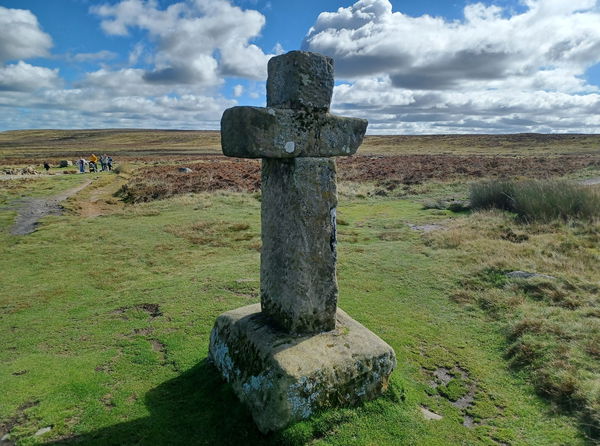
Cowper's Cross
Landmark Ilkley Moor West Yorkshire12th century cross, possibly a Christianised monolith.
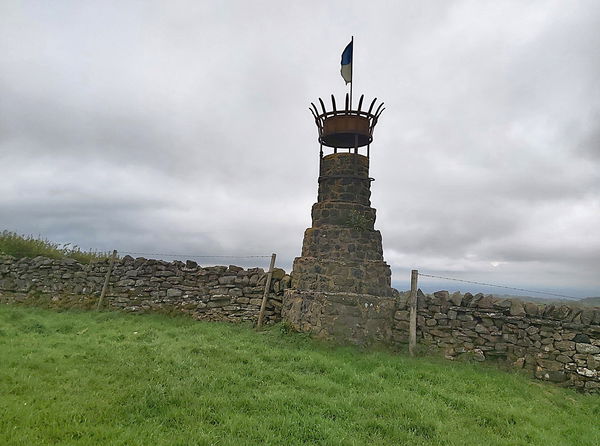
Beacon On Beacon Hill South
Landmark Richmond North YorkshireA beacon on a hill just outside Richmond that was supposidly erected for Millennium celebrations.
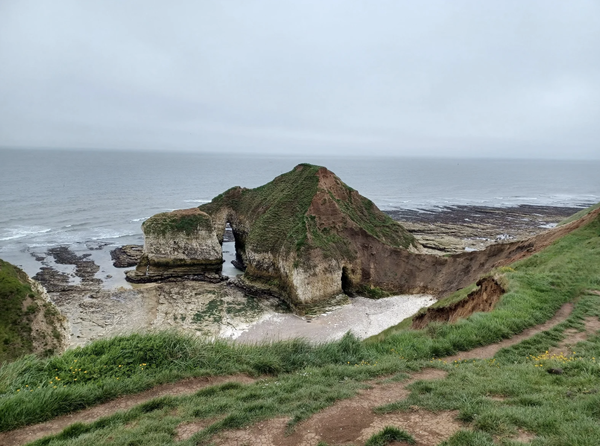
The Drinking Dinosaur
Landmark Flamborough East Riding Of YorkshireA sea arch and rock formation that is said to resemble a drinking dinosaur at Flamborough Head.
Never Miss A Fabulous Place
If you are afraid of missing out on all the fabulous places we post, or just want to be the first to know, then sign up to the Fabulous North.
Each week we will email you all the brand new places that we visit.
Sign Up To Alerts

Find Us On Facebook
We post all our new places daily on our Facebook Groups page, so join the group today and be notified when we add a new place.
Join Our Facebook GroupThe Sigurd's Cross was listed in Landmark // Lancashire // Lancaster