
Tullich Church And Pictish Stones
Religious Place In Ballater, Scotland
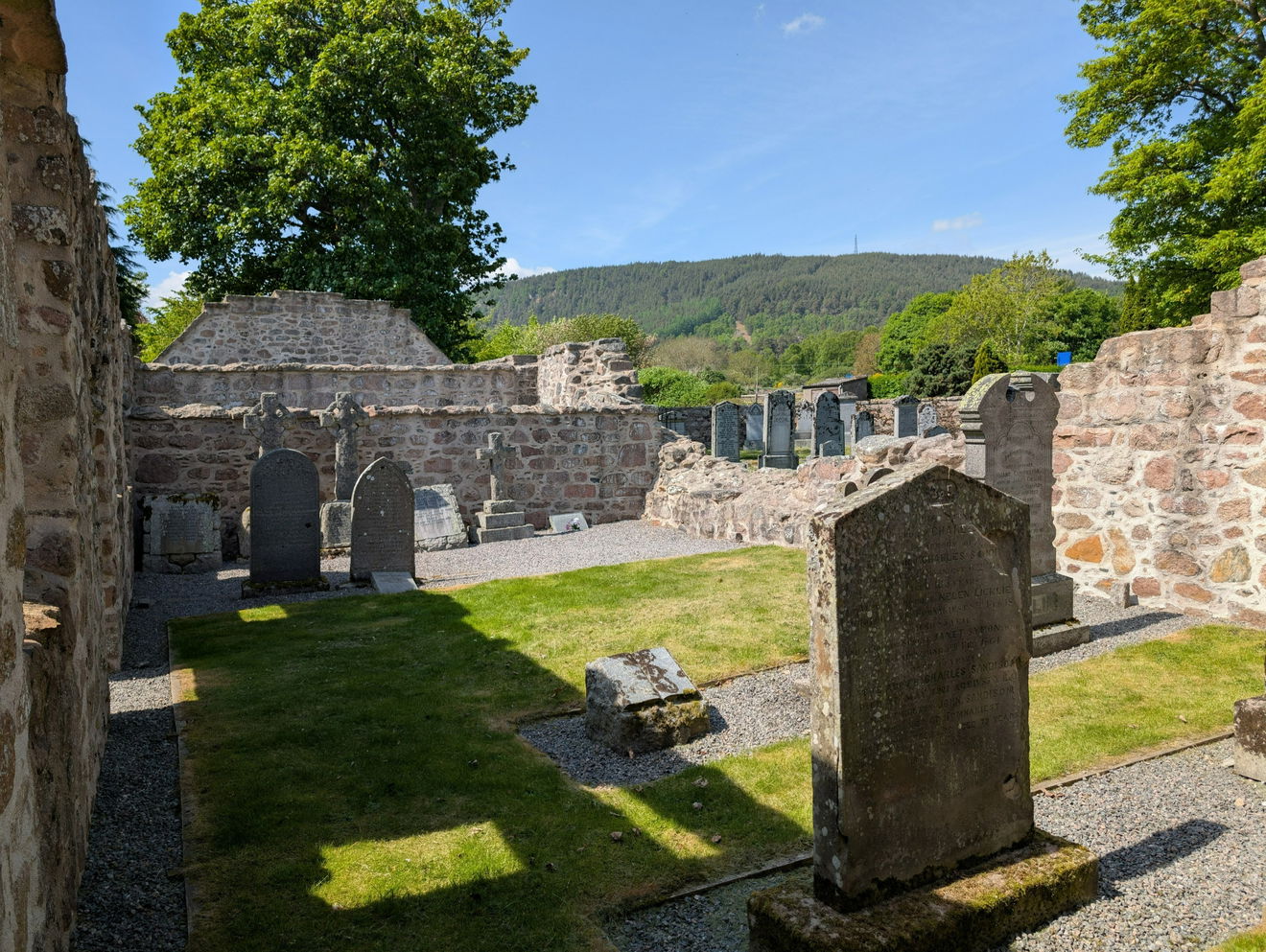
The remains of a medieval church with a display of Pictish Stones.
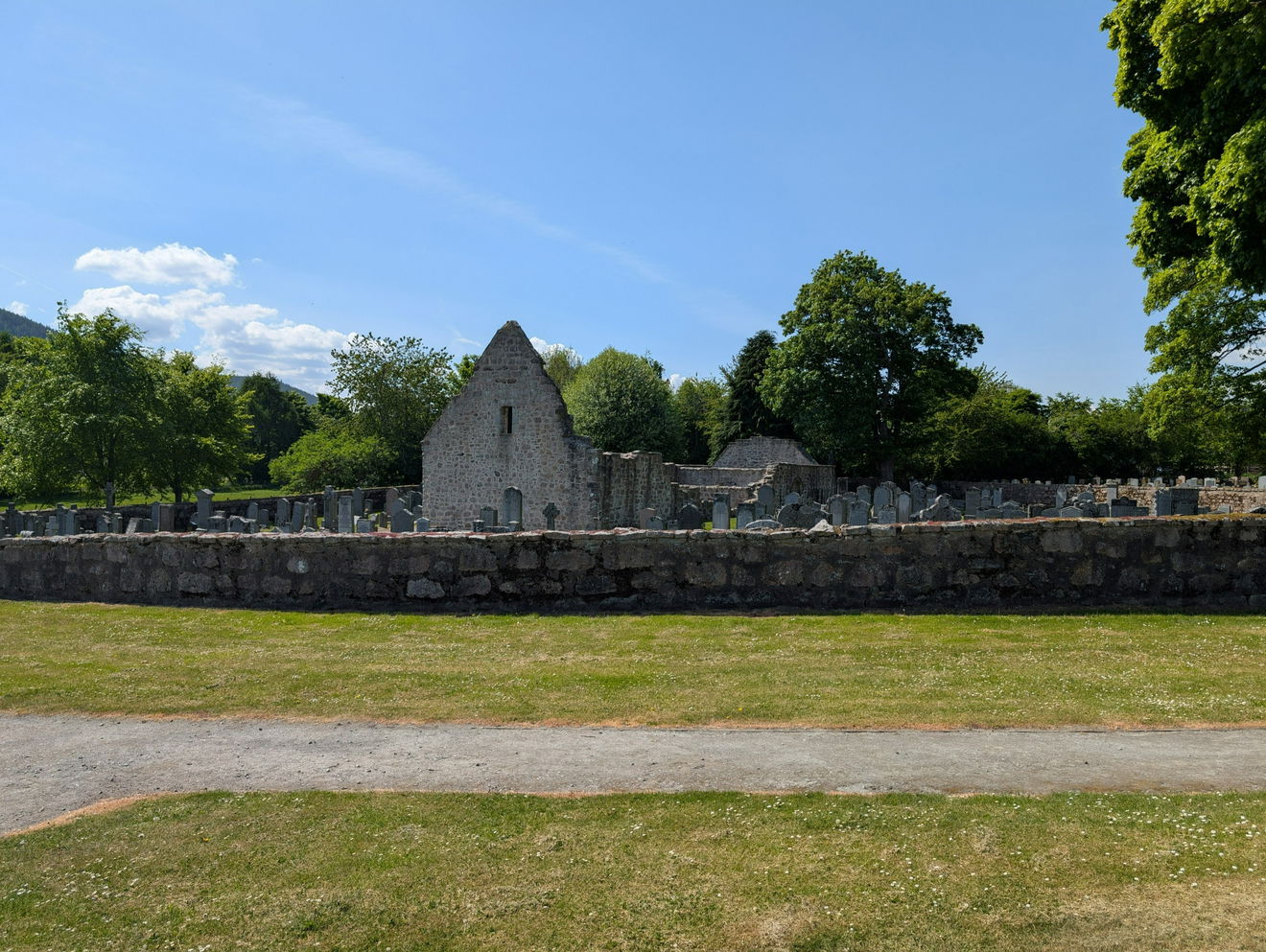
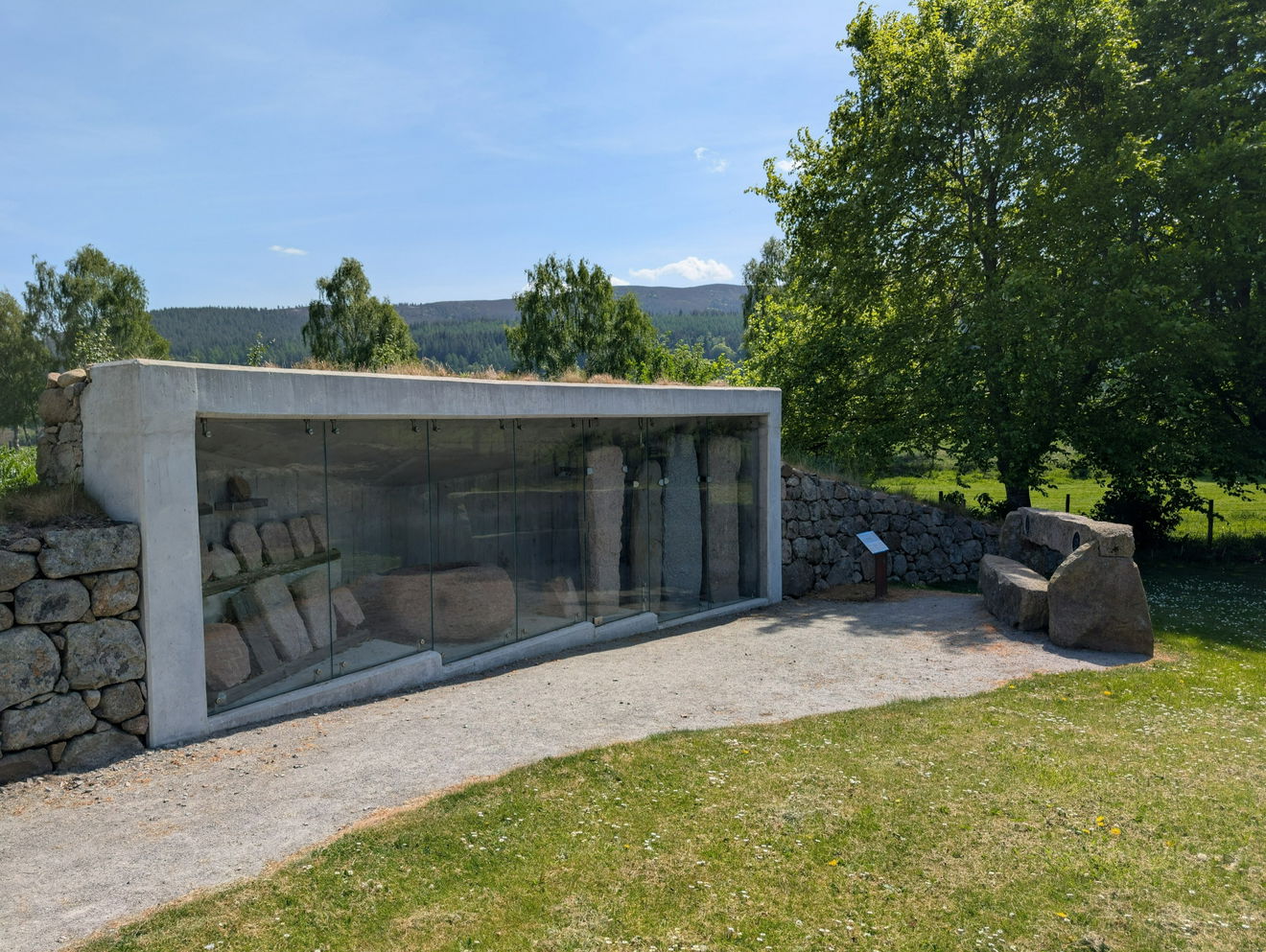
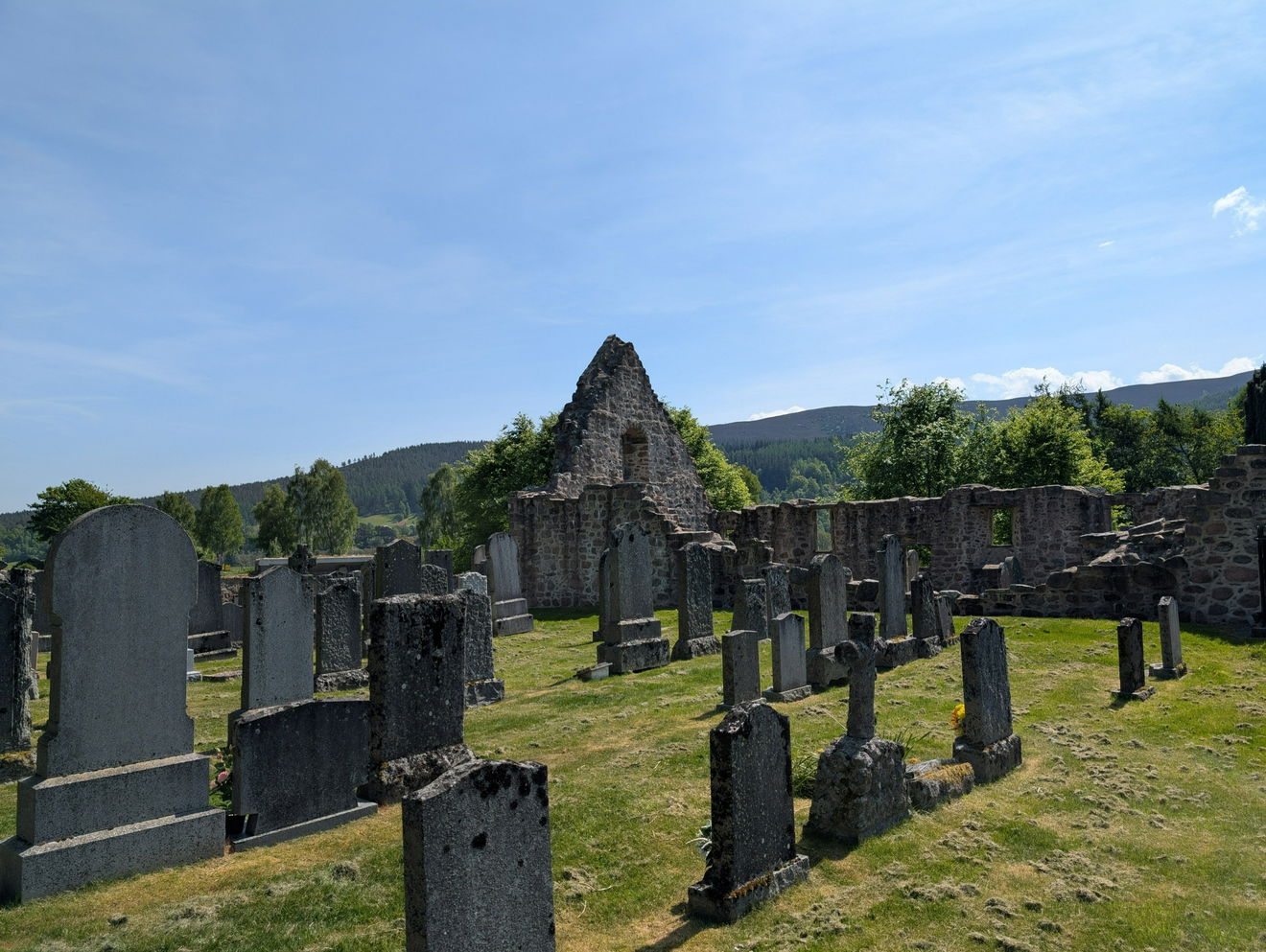
Tullich Church is in fact the ruinous remains of St Nathalan's Kirk in Ballater. The Kirk is set in a peaceful spot overlooking the foothills of Mount Keen. Next to the churchyard is a large display of several Pictish Stones.
We accidently came across Tullich Church when passing in the car. As I am drawn to ruinous places of religion, we had to pull into the car park and visit this little beauty.
Tullich is the birthplace of St. Nathalan who was a nobleman that owned a large estate where he grew a variety of crops which he distributed to the poor.
In the 7th century, St Nathalan founded the Kirk in Tullich. He then went on to build a small chapel on the Aberdeenshire clifftops at Cowie and churches at Bothelim and Colle.
Legend tells of a very rainy summer, where Nathalan cursed the heavy rain which was hindering his harvest. In penitence for his cursing, he padlocked his own right arm to his right leg, tossed the key into the River Dee and set off to walk to Rome seeking forgiveness. When he reached Rome he sat down to a fish supper, but when he cut open the fish, there was the key that he had thrown into the Dee. There is a pool in the River Dee nearby that is still called 'the key pool'.
In his later life, Nathalan was appointed as the bishop of Tullich. He died in 678AD.
As a legacy, Ballater's Masonic Lodge is named 'The Lodge of St Nathalan of Tullich-in-Mar'. He is also one of the saints depicted in the Millennium Murals at St. Mary's Cathedral in Aberdeen and the Roman Catholic Church in Ballater is named after him. In Stonehaven, one of the stained glass windows in the Church of St James the Great features him.
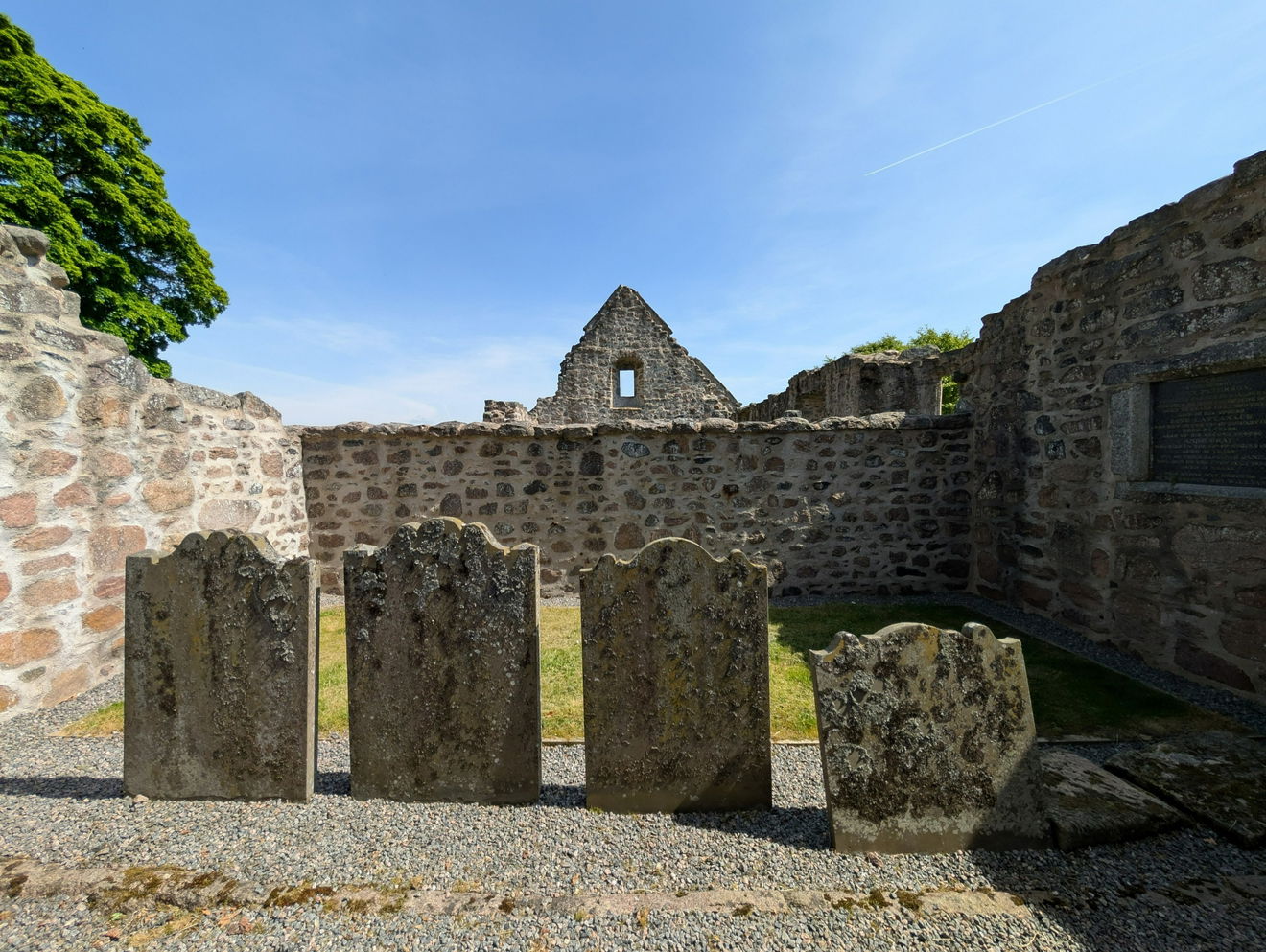
The kirk houses memorial stones, some of which are the Pictish Stones in their original location. Just outside the churchyard is a large protective shelter containing many more of the Pictish Stones.
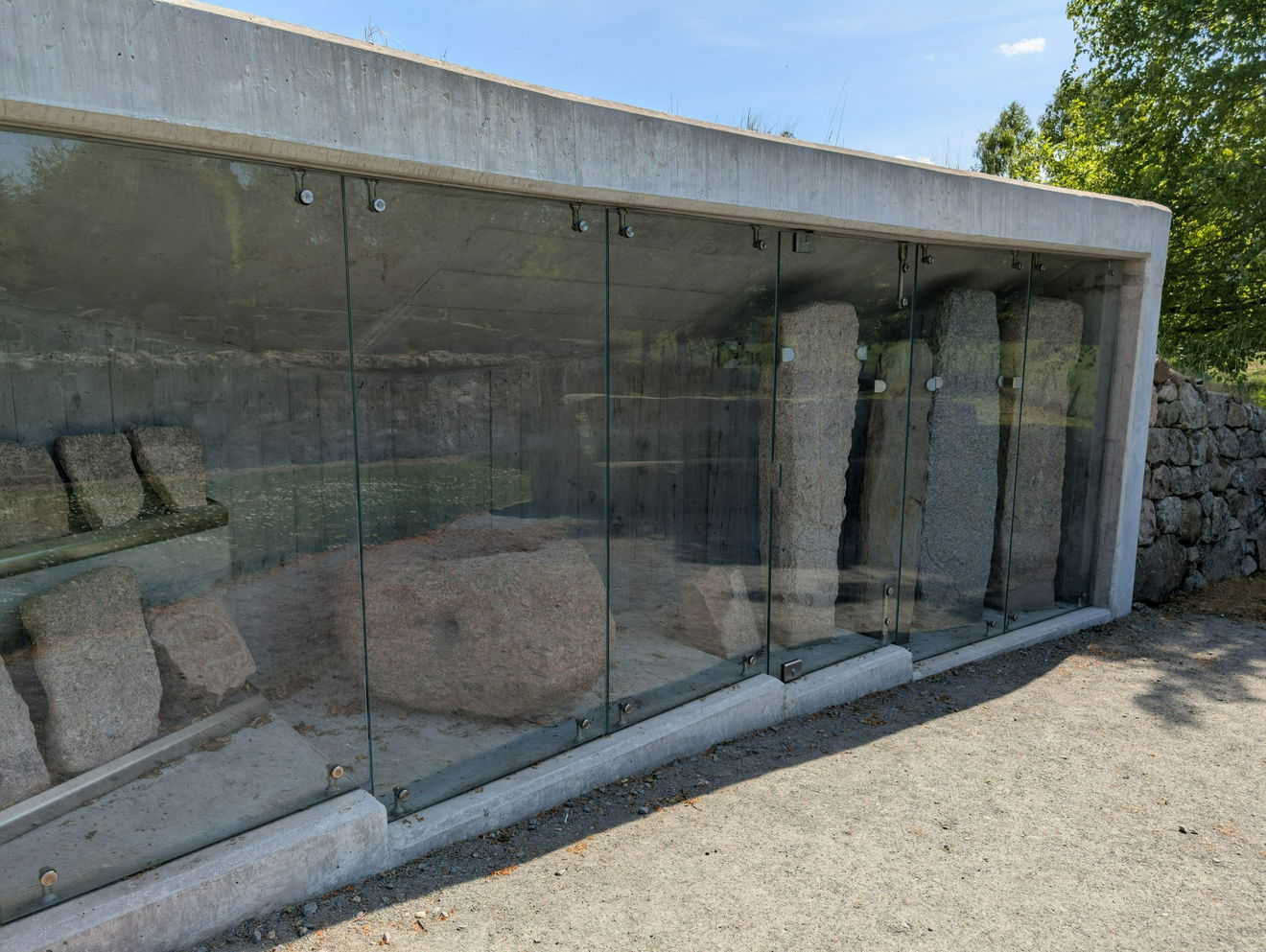
There are twenty seven stones and a stone font that were found within the area around Tullich Church. Most of them and be found in the large protective shelter.
Many of the stones are incised within crosses in various forms. There is also a Class I stone (unworked stone with symbols incised, but no crosses, dating back to the 6th, 7th and 8th century) and ornate fragments of possible Class III type (stones that feature no idiomatic Pictish symbols, that could be be cross-slabs, gravemarkers, free-standing crosses or composite stone shrines, originating from the 8th or 9th century).
You can also see two of the stones on display at Ballater Station, unfortunately we were heading in the opposite direction, so were unable to visit them on this occasion.
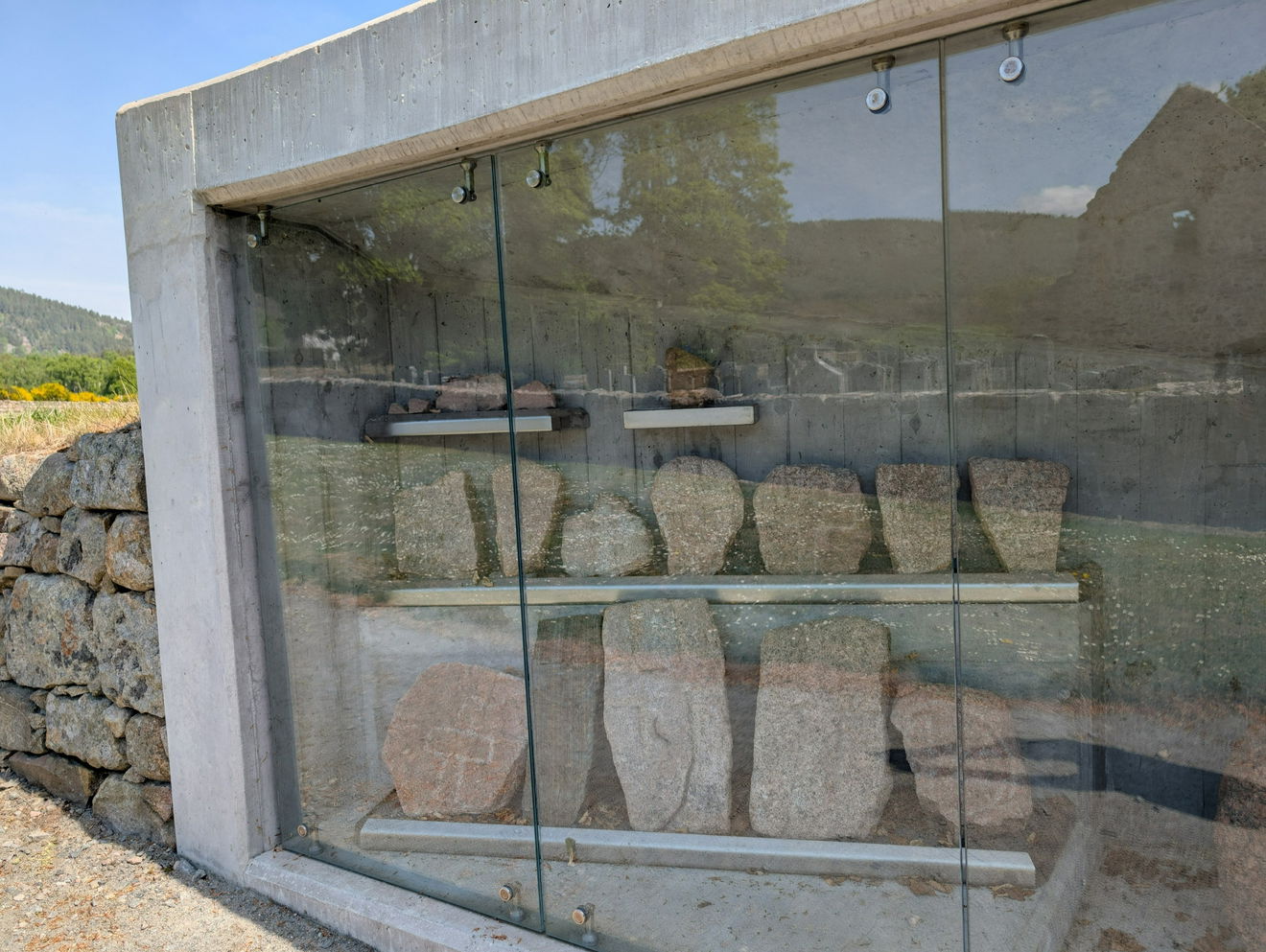
The Picts were groups of people that lived north of the Firth of Forth in Scotland in the Early Middle Ages. There is a fascination to learn more of their way of life and culture from uncovered texts and and Pictish stones.
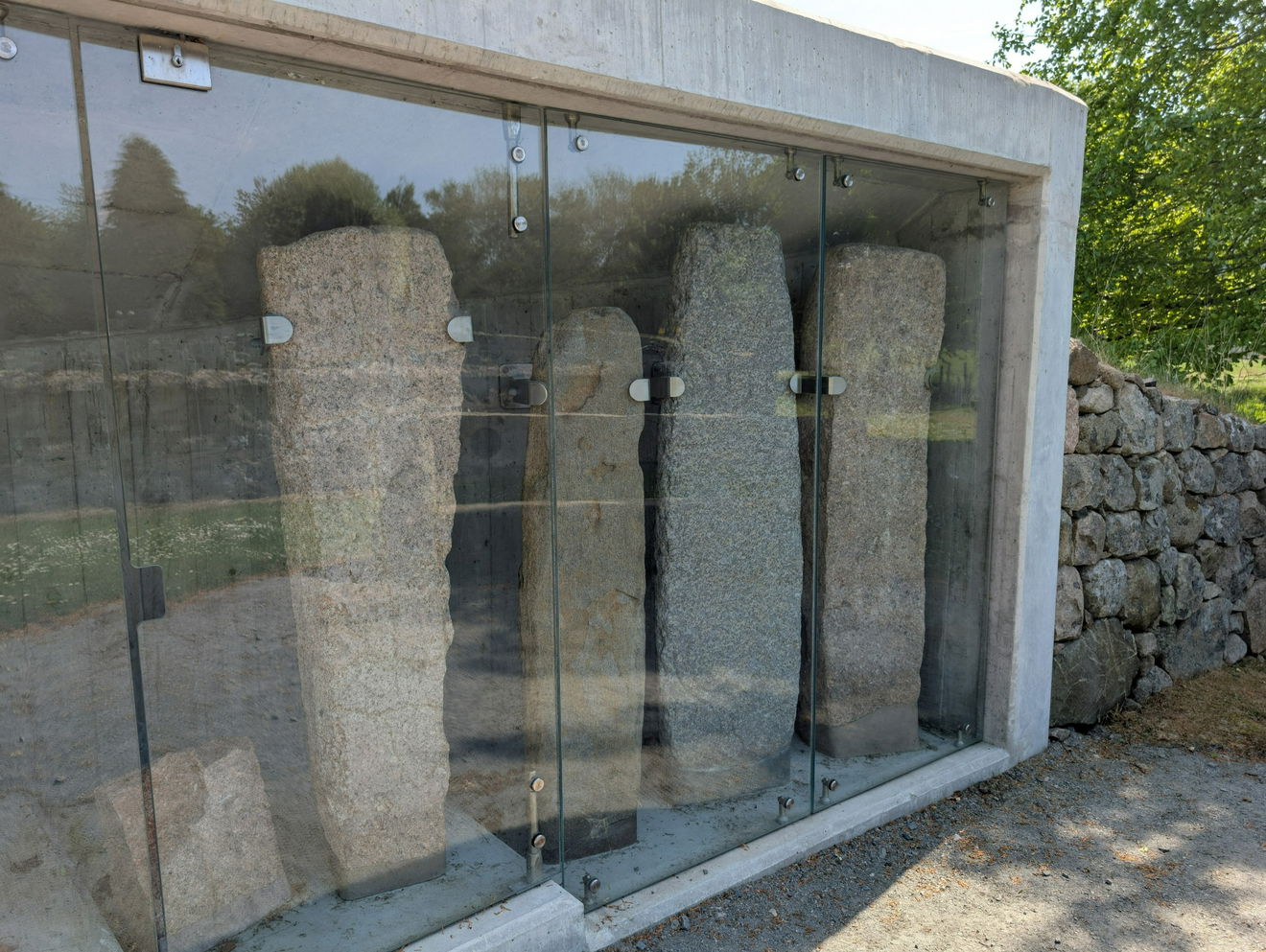
Around 20% of recorded Pictish stones have been found in Aberdeenshire. The purpose of stones and the meaning of the symbols is not clearly understood, however it is an honour and privilege to be able to get a close look at these important symbols of history.
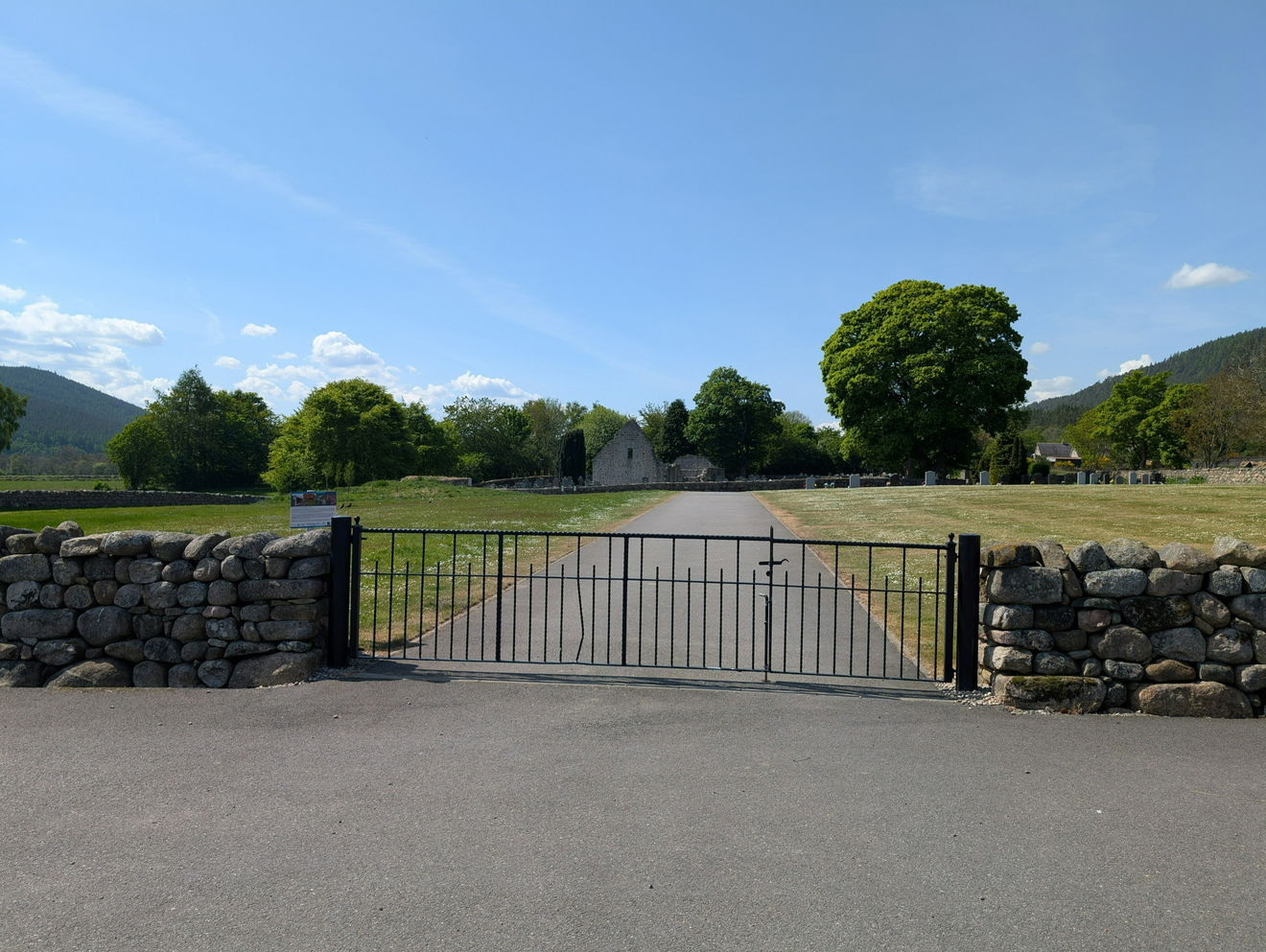
There is a handy large car park right next to the church grounds.
Get 3 points if you have visited this place. Already visited by 2 VIPs.
Login to the VIP area to add places to your bucket list, mark them as visited and more importantly see where you rank on the league table.
How To Find Tullich Church And Pictish Stones
Where Is Tullich Church And Pictish Stones?
Show Place On Google MapsLat / Long
57.06484701449475, -3.0065945130972245
What three words
Where To Park For Tullich Church And Pictish Stones?
There is a large car park at the cemetery entrance.
Contributed by Lorraine London
I have been a keen hill walker for many years and more recently enjoy trig bagging. When I'm not exploring Northumberland, County Durham and Yorkshire, I spend most of my holidays in bonny Scotland. Other than hills, I love investigating ruinous buildings and waterfalls. I have been a member of NT and EH for years, which also gives me access to Historic Environment Scotland places.
More Places from Lorraine
More Places In Ballater
Find more fabulous places in Ballater, Scotland and if you know of a place we haven't listed, then let us know.
Corriemulzie Lime Kiln
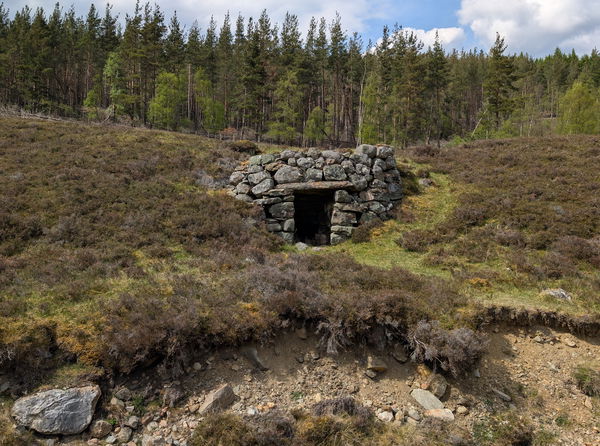
Lime Kiln Ballater ScotlandA hidden lime kiln on the banks of the Corriemulzie Burn near Braemar.
Lochnagar Trig Point
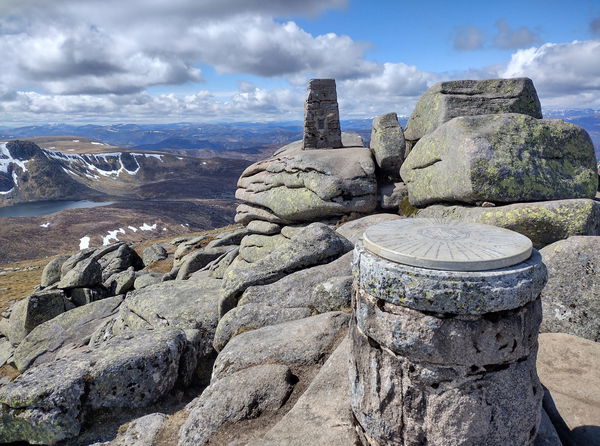
Trig Point Ballater ScotlandThe Lochnagar trig point is the highest of the White Mounth Munros (1155m) near Ballater, Aberdeenshire.
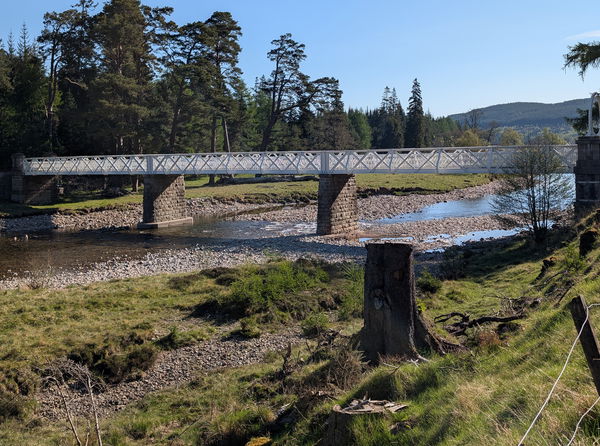
Victoria Bridge Mar Lodge Estate
Bridge Ballater ScotlandA beautiful lattice girder bridge, built in 1905 to provide easy access to the Mar Lodge Estate.
More Religious Places
So this religious place wasn't enough and you want more? Don't worry we have you covered.
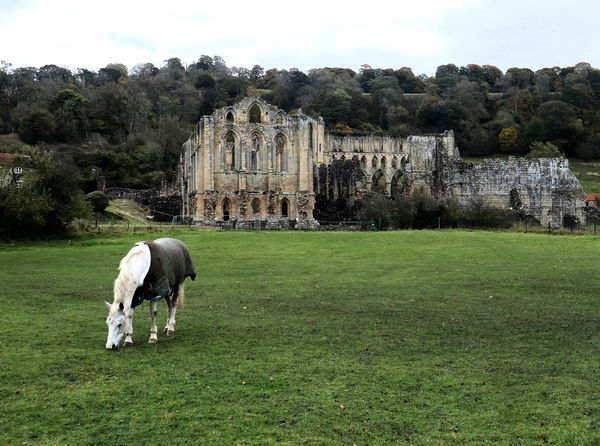
Rievaulx Abbey
Religious Place Helmsley North YorkshireRuined 12th century abbey in the beautiful Rye Valley, North Yorkshire
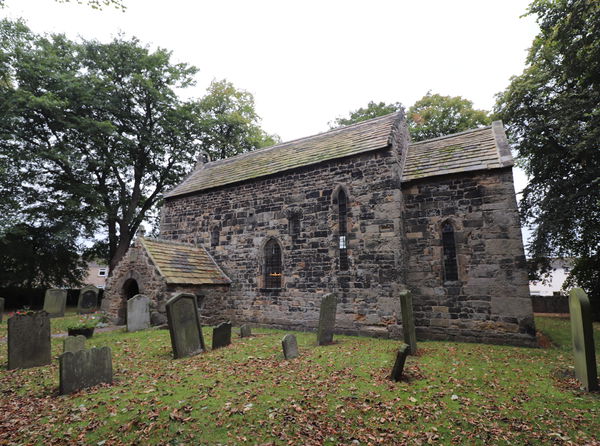
Escomb Saxon Church
Religious Place Bishop Auckland County DurhamFounded about AD 670–675, it is one of the oldest Anglo-Saxon churches in England.
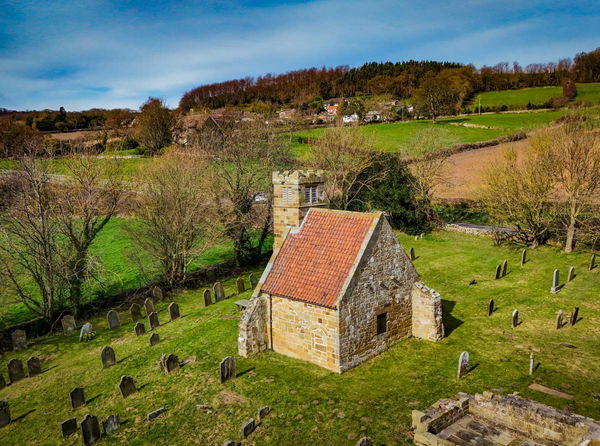
St Andrew’s Old Church Upleatham
Religious Place Saltburn North YorkshireSt Andrew’s Old Church in Upleatham is a small historic church in North Yorkshire, known for its Norman architecture and quiet, rural setting.
Never Miss A Fabulous Place
If you are afraid of missing out on all the fabulous places we post, or just want to be the first to know, then sign up to the Fabulous North.
Each week we will email you all the brand new places that we visit.
Sign Up To Alerts

Find Us On Facebook
We post all our new places daily on our Facebook Groups page, so join the group today and be notified when we add a new place.
Join Our Facebook GroupTullich Church And Pictish Stones was listed in Religious Place // Scotland // Ballater