
Whale Bone Arch
Landmark In Whitby, North Yorkshire
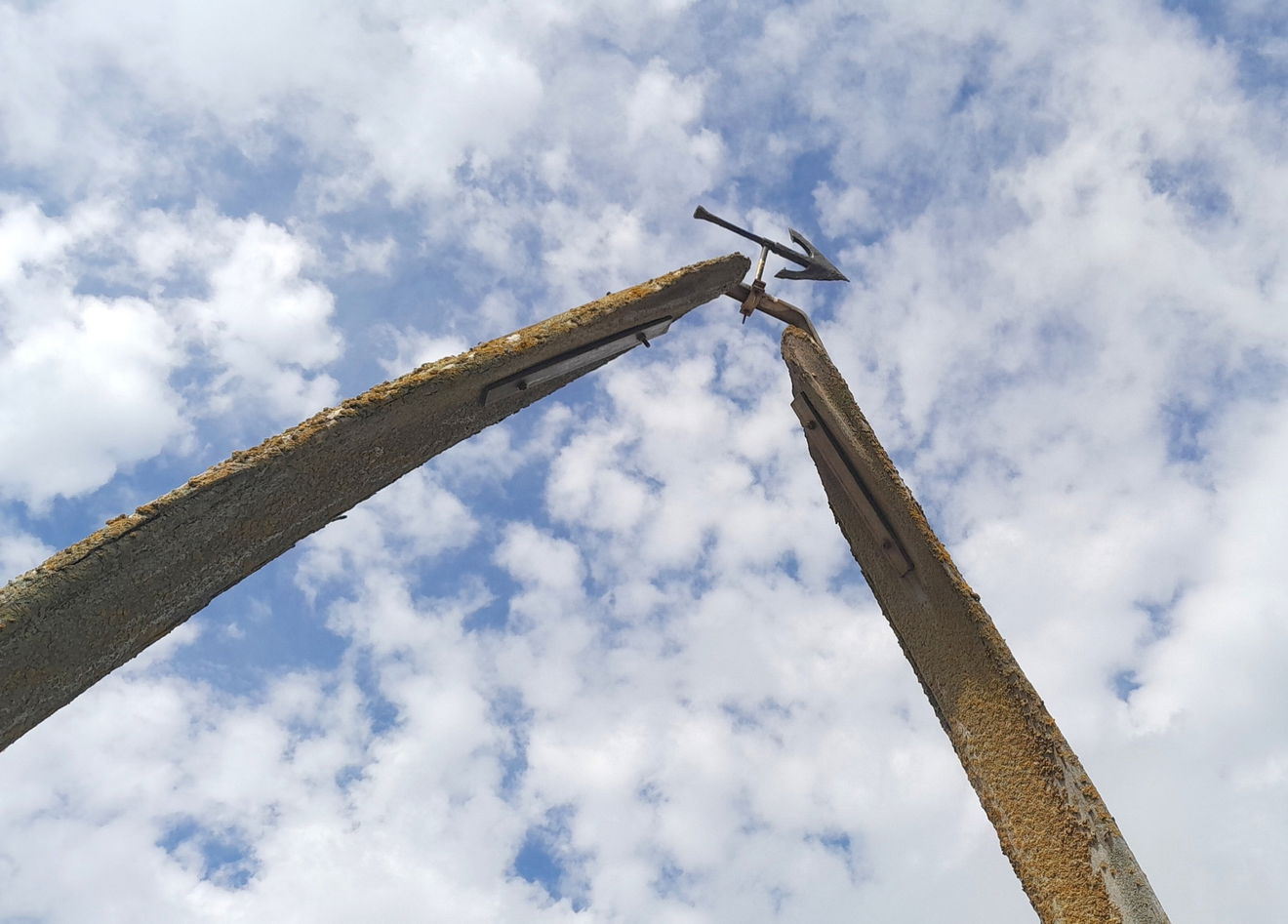
The jaw bones of a whale as a reminder of the whaling industry of Whitby.

Up on West Cliff, Whitby, if you choose to walk up the Kyber Pass, you will come to a set of whale jawbones. They frame the view over to St Mary's and Whitby Abbey and remind you that once Whitby was a hive of activity due to whaling. Can you imagine that odious aroma hanging over the town?
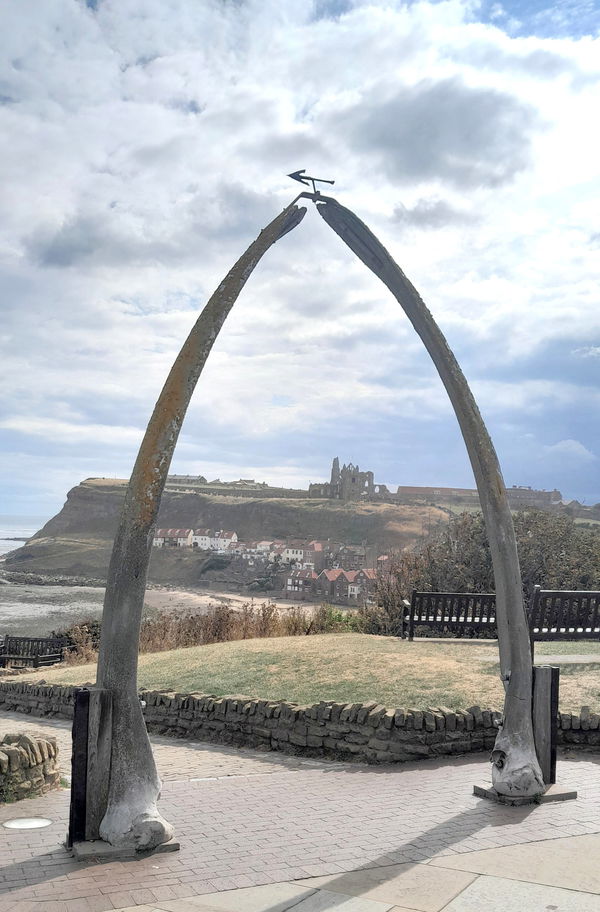
Whaling is centuries old, unfortunately, I guess, because these majestic beasts represented a big payday. In Whitby, whaling as an industry began in the mid-18th century with two ships, and by its peak, the number had increased to 55. The crew on the boats would boast about their catch and place the jawbones on the spars. The last whaling ship was decommissioned in 1837. Whaling continued in other parts of the UK.
This industry brought prosperity to the town. There is a likelihood that many whaling ships were built here, and the products from the whale were processed here and exported. It was mainly Bowhead whales (Balaena mysticetus) that were harpooned and brought to Whitby. They have the largest mouth of any animal, so their jawbones are huge. They may be the longest living animal at 200 years, and they have a diet of Krill, which are small shrimp-like marine crustaceans. The Bowhead has a structure called baleen attached to its mouth. It is like bristles and consists of keratin, which filters the Krill.
William Scoresby (1760 to 1829) was the town's most successful Whaler, spending 50 years in the business, capturing over 2000 whales. There are some details on the post Crows Nest, which he improved.
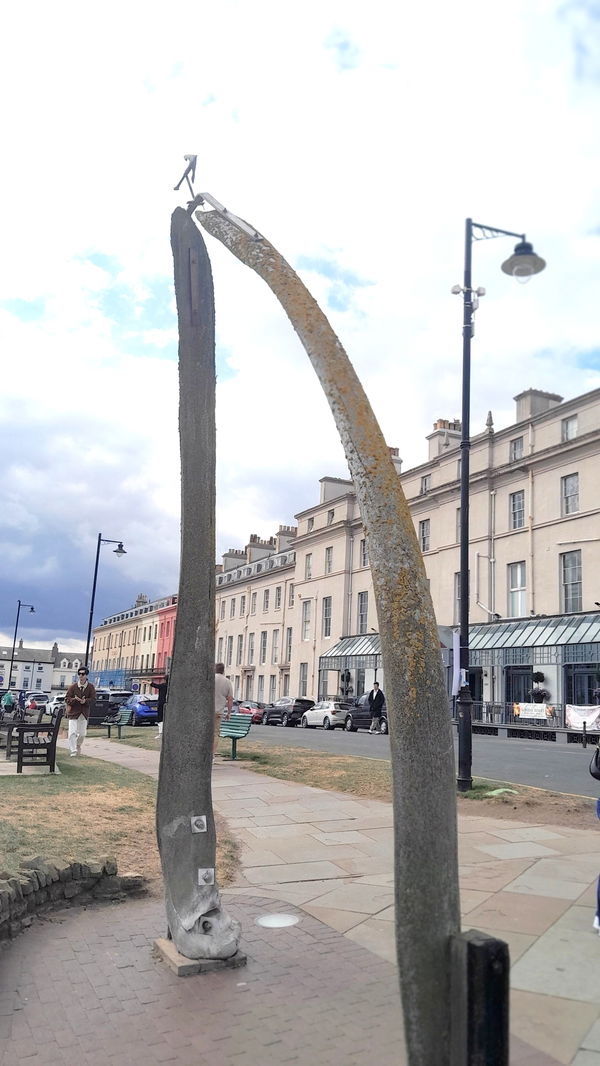
This is how the whale was processed. Its intestines and other fatty tissues were boiled to extract oil used for lighting lamps, making soap and as a lubricant for machinery that the Industrial Revolution had just created. Fatty by-products called fenks were used for fertiliser, Prussian Blue pigment (blue was a sort-after colour and hard to produce) and ammonia from the decomposing parts. Skirt hoops, corsets, buggy whips, parasols and fishing rods were made from the bones and baleen.
Arhh! The stench of boiling blubber!
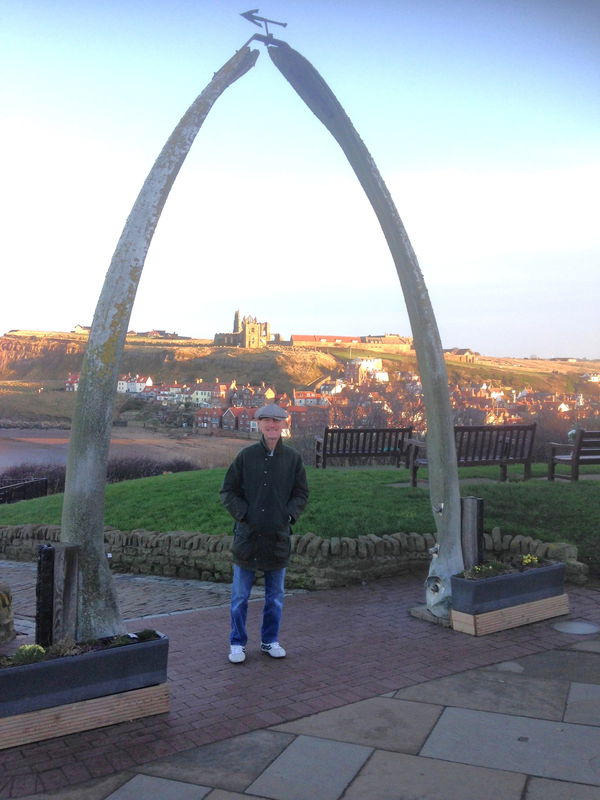
Other mammals were also caught in the Arctic region during this period too including 25,000 seals and 55 polar bears. The population of Bowhead Whales declined before 1966 when they became a protected species. Whaling from Whitby was non-existent and eventually banned in the UK in 1986.
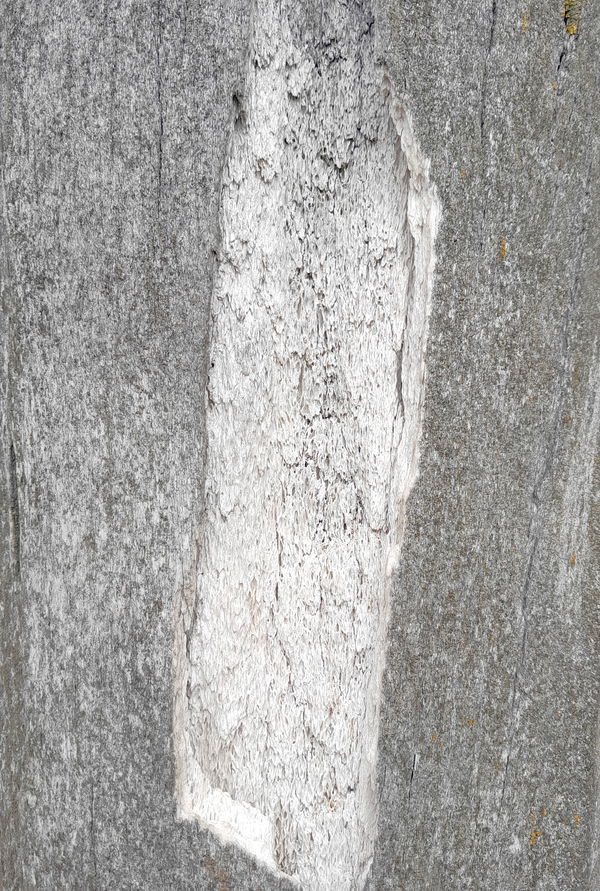
The whale bones first appeared in 1853, possibly as a result of a false, affected bias. They were replaced in 1963 with a pair gifted by Norway and in 2003 from native Alaskan Inuit's who legally hunt. These are showing wear so let us hope that the next set is repurposed plastic.
The arrow atop the arch points north. How do you know? Well, the nearby statue of Captain James Cook has the points of the compass around its base.
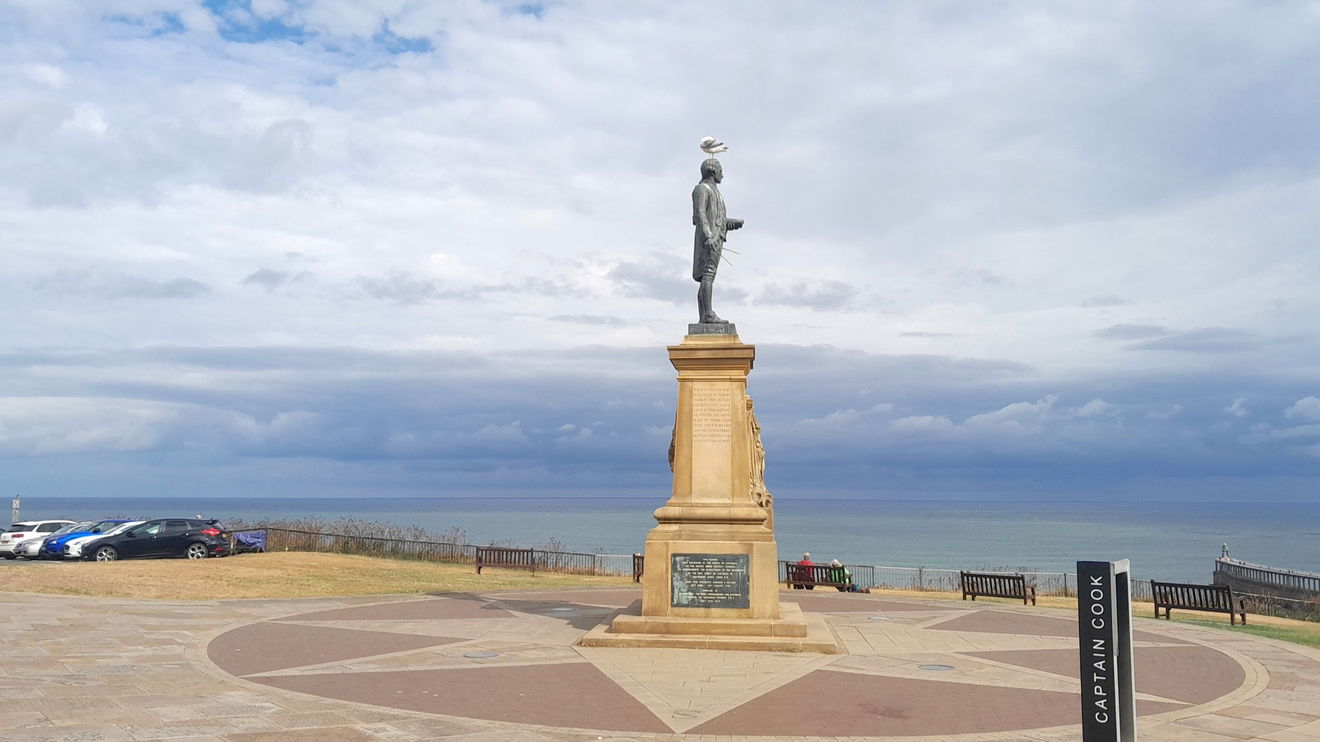
Would you now like to know about Captain James Cook? Have a look at the link, or maybe something else in the area.
You may enjoy a preamble down/up to the colourful beach huts and Whitby Pavilion (café and free toilets).
Get 2 points if you have visited this place. Already visited by 140 VIPs.
Login to the VIP area to add places to your bucket list, mark them as visited and more importantly see where you rank on the league table.
How To Find Whale Bone Arch
Where To Park For Whale Bone Arch?
Lat / Long
54.490419, -0.616903
What three words
Most parking on the West Cliff is on street and charged. It will be very busy during peak times. There are large car parks on the East side where a good walk up to the West Cliff will stretch those legs. It is also precarious to drive from the Pier Road up the Kyber Pass, due to the amount of people about and twisting road. So best to enter the town from the West side if you are intent on parking on this side.
Contributed by Rosalind Parker
Thank you for reading. I hope it sparks your interest. It’s always a pleasure to get out and explore, whatever the weather. I enjoy uncovering little snippets of information, especially when they’re obscure, amusing, or meaningful. All photos were taken on a mobile phone.
More Places from Rosalind
More Places In Whitby
Find more fabulous places in Whitby, North Yorkshire and if you know of a place we haven't listed, then let us know.
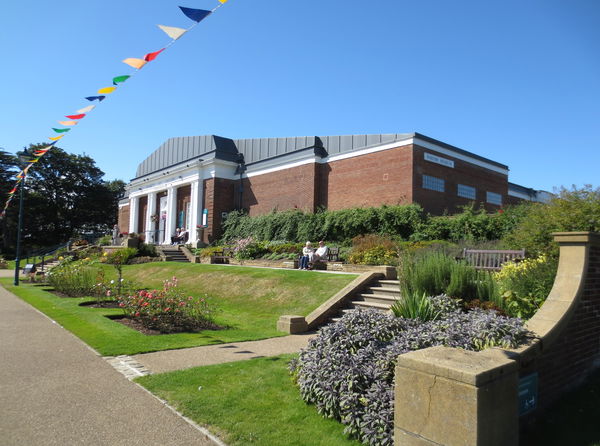
Pannett Park
Landscape Whitby North YorkshireA 1920's park in Whitby that also houses a Museum and Art Gallery on site.
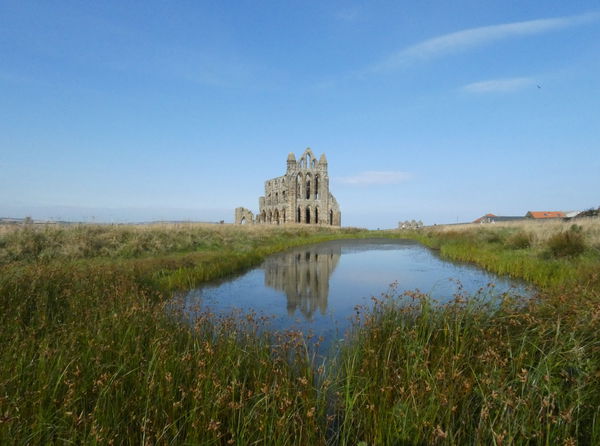
Whitby Abbey
Religious Place Whitby North YorkshireThe ruins of a 7th Century Christian Monastery which later became a Benedictine Abbey overlooking the north sea and town of Whitby. Famous for featuring in Bram Stoker's Dracula.
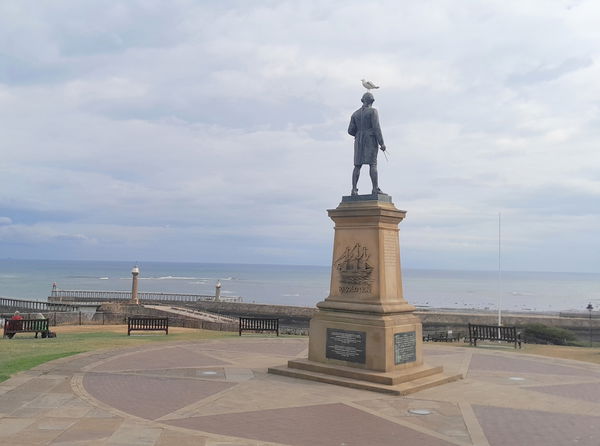
Captain Cook Memorial
Statue Whitby North YorkshireA statue to commemorate the 18th-century explorer and navigator who changed the western perceptions of world geography.
More Landmarks
So this landmark wasn't enough and you want more? Don't worry we have you covered.
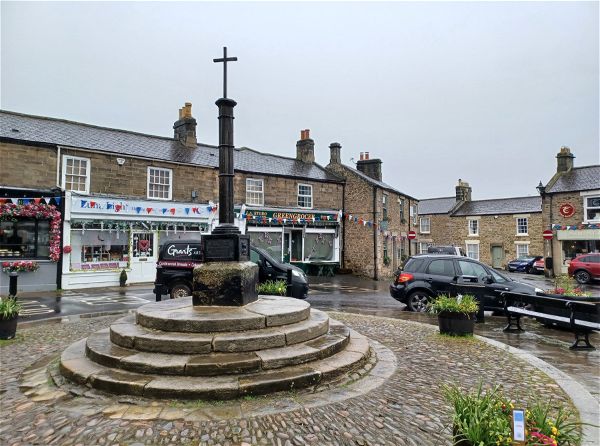

High Moorsley Weather Radar Station
Landmark Houghton-le-Spring Tyne And WearA distinguished weather radar station that can be seen for miles.
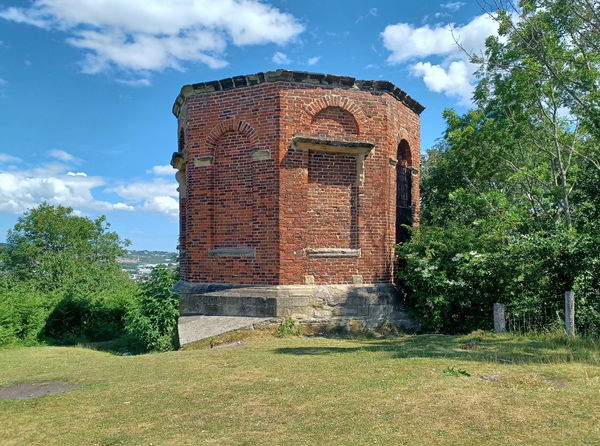
The Summerhill
Landmark Gateshead Tyne And WearAn octagonal folly, once part of the Stella Hall estate in Blaydon.
Never Miss A Fabulous Place
If you are afraid of missing out on all the fabulous places we post, or just want to be the first to know, then sign up to the Fabulous North.
Each week we will email you all the brand new places that we visit.
Sign Up To Alerts

Find Us On Facebook
We post all our new places daily on our Facebook Groups page, so join the group today and be notified when we add a new place.
Join Our Facebook GroupWhale Bone Arch was listed in Landmark // North Yorkshire // Whitby