
Hexham Old Gaol
Building In Hexham, Northumberland
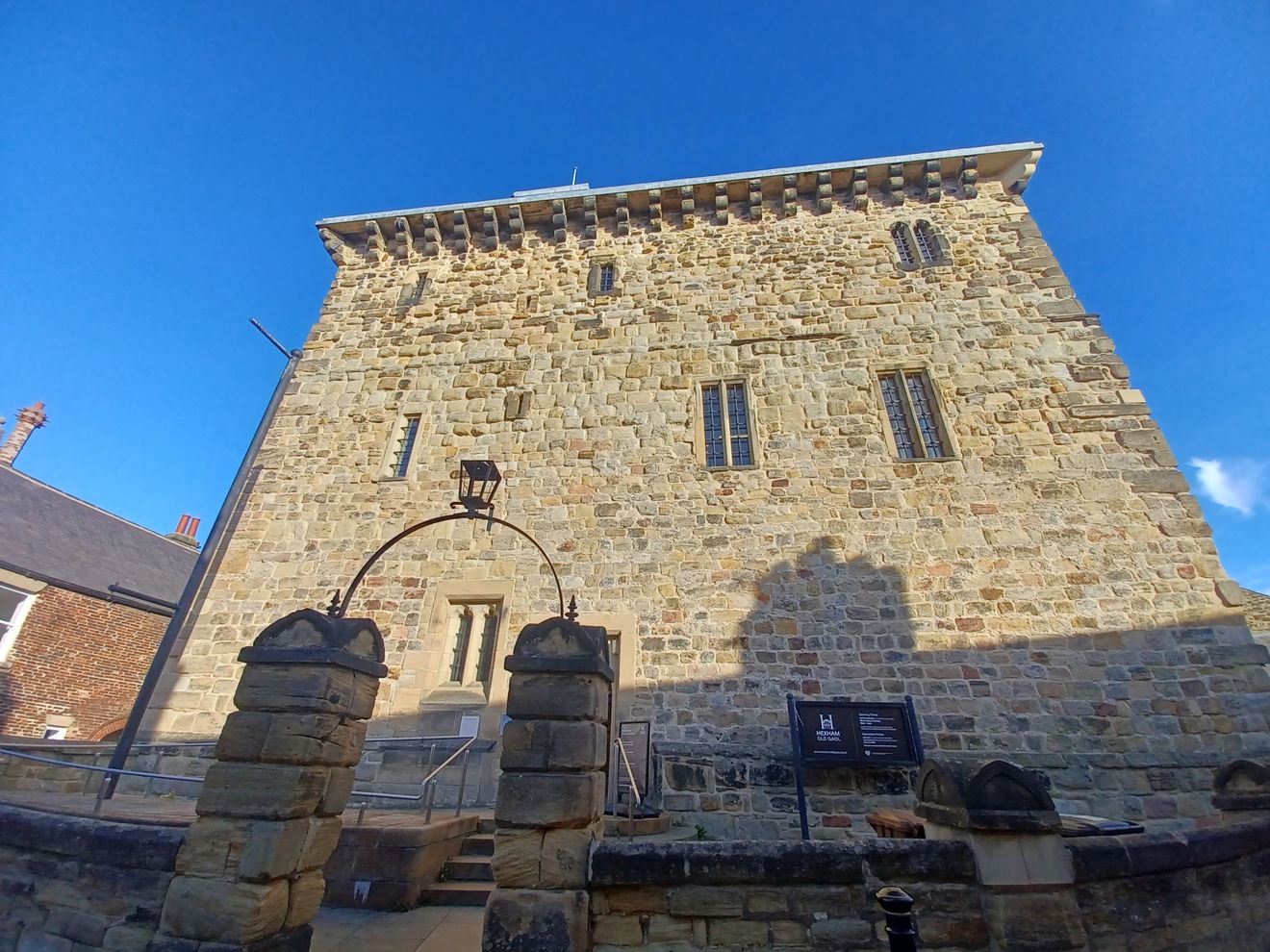
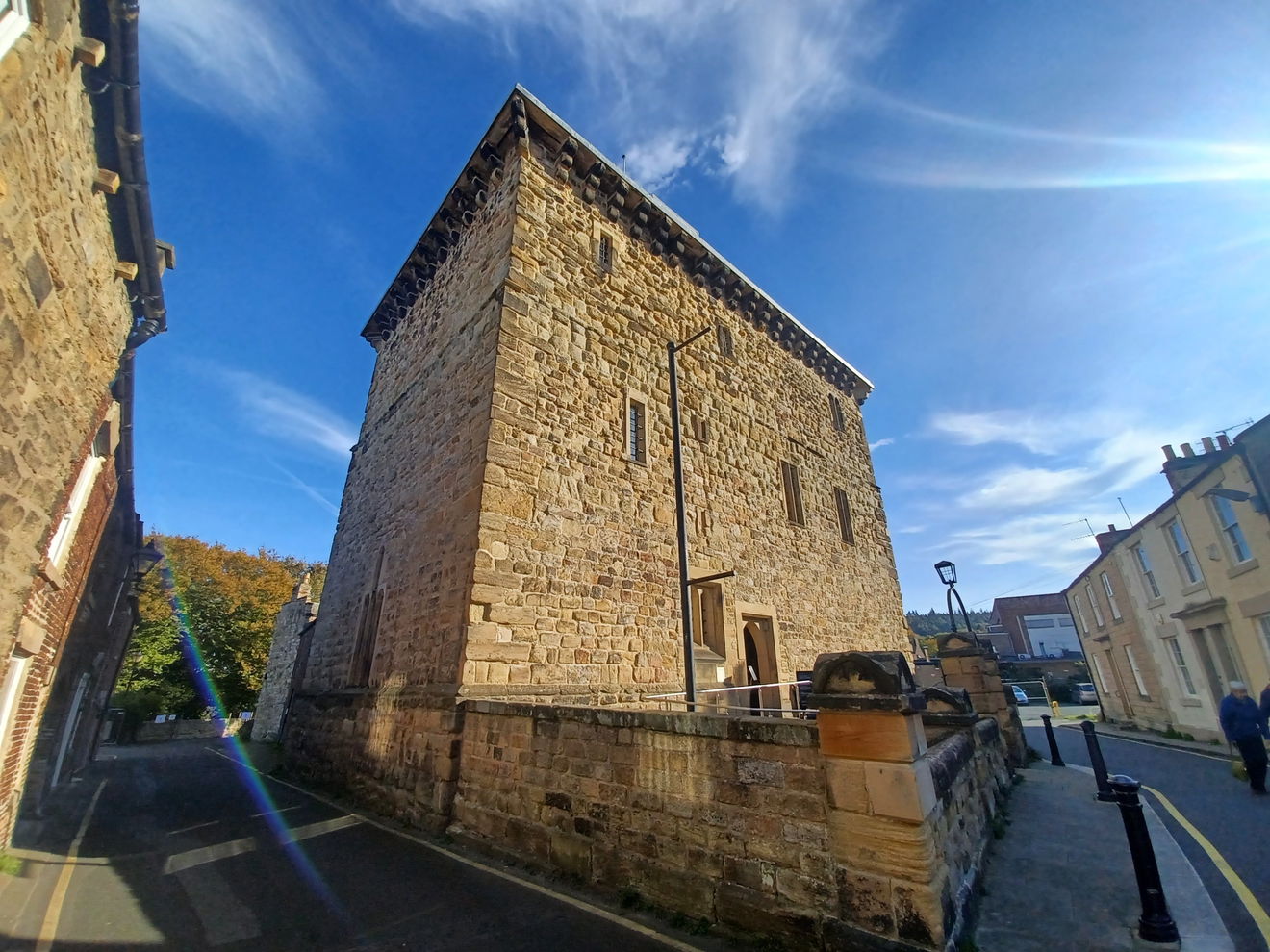
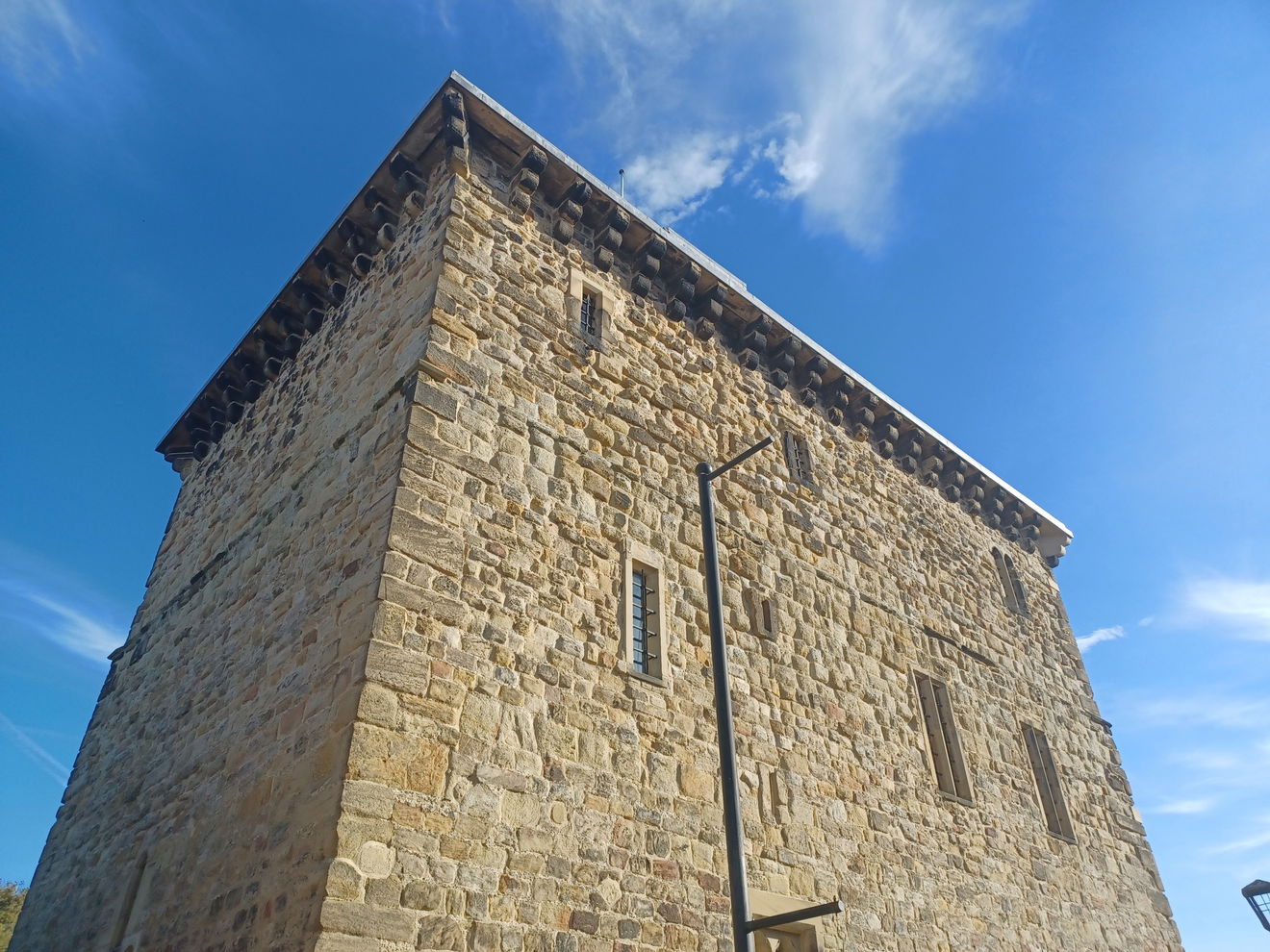
England's oldest gaol, built in 1333 from the stone of the Corbridge Roman site.
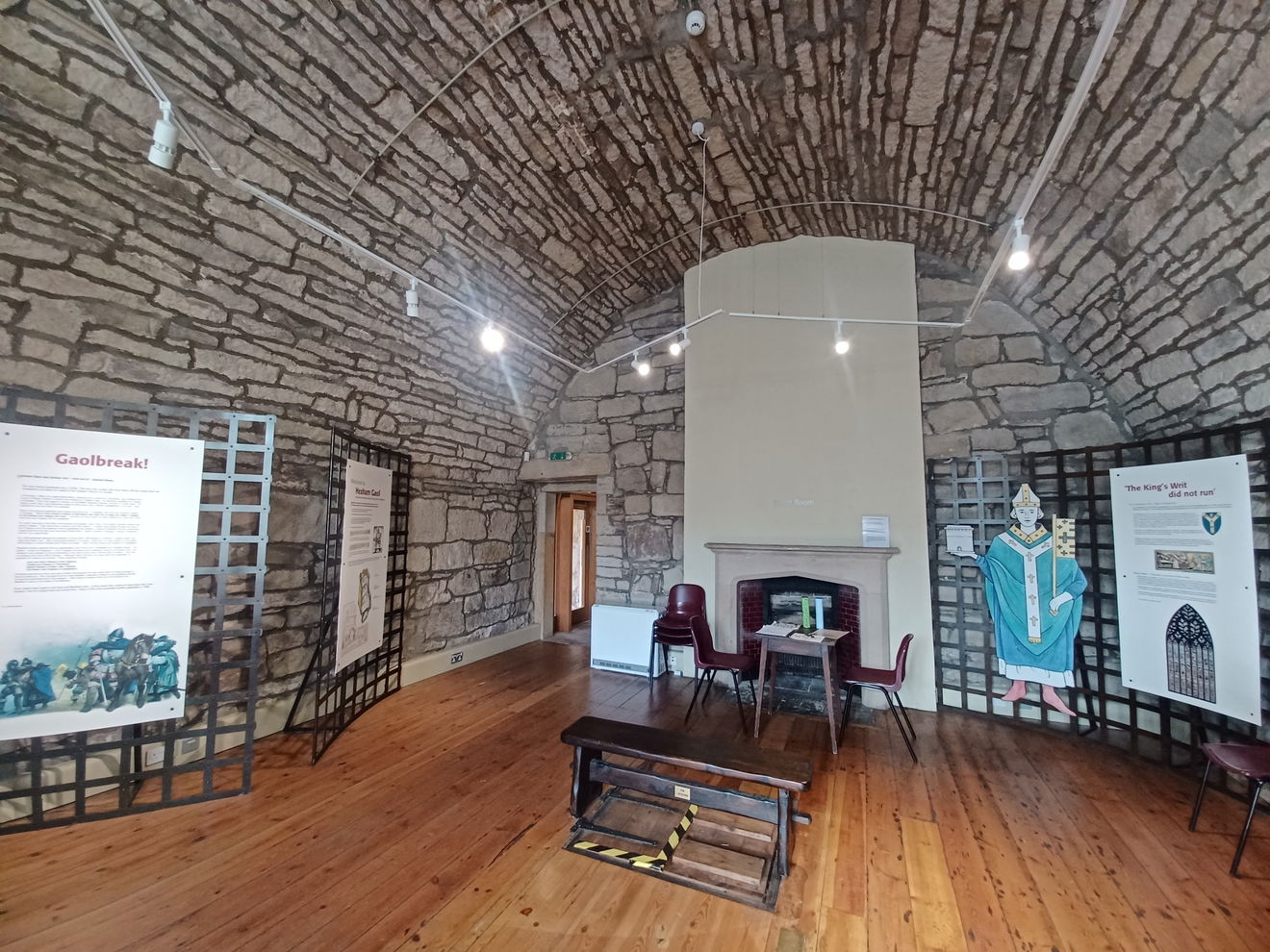
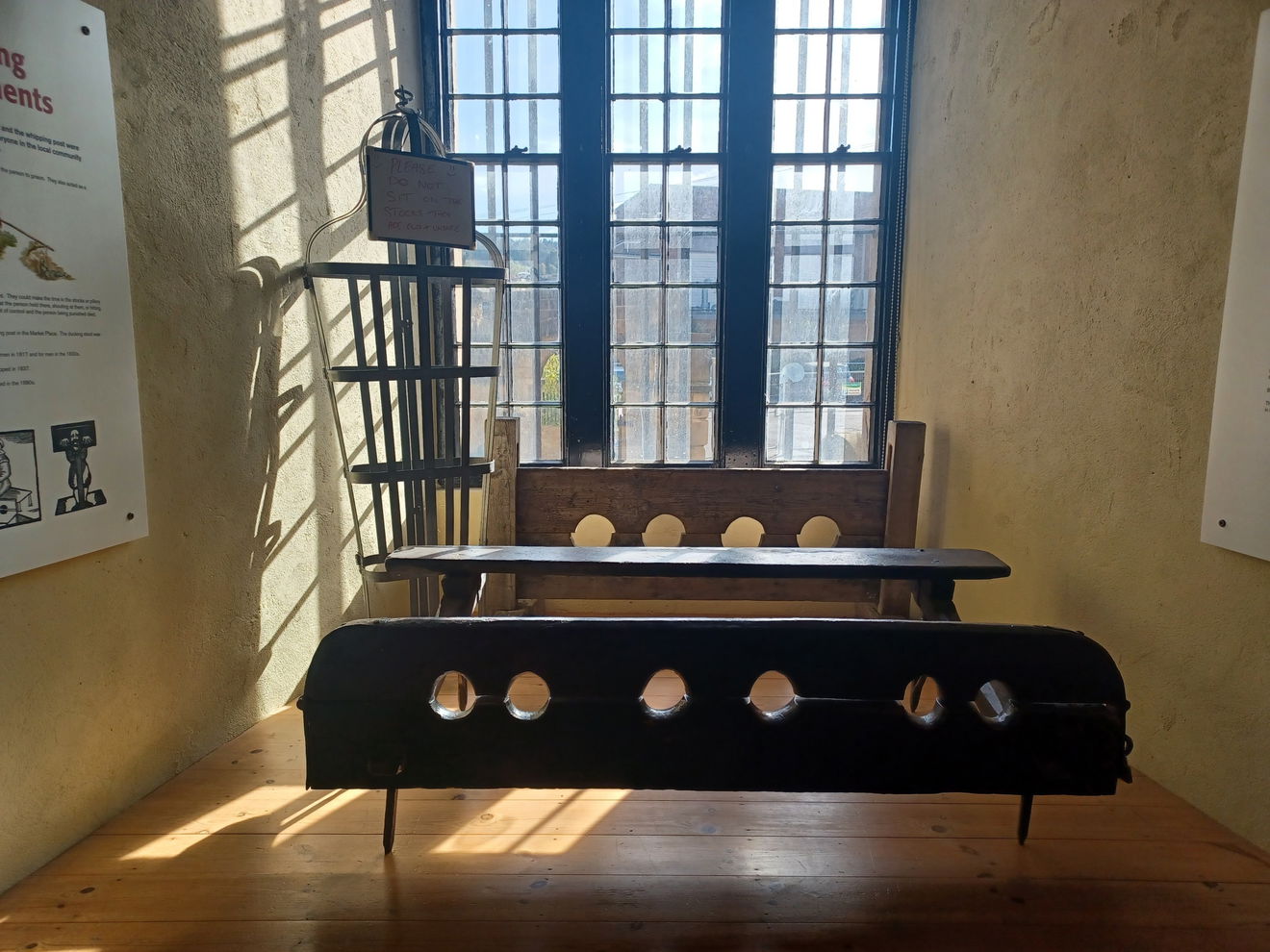
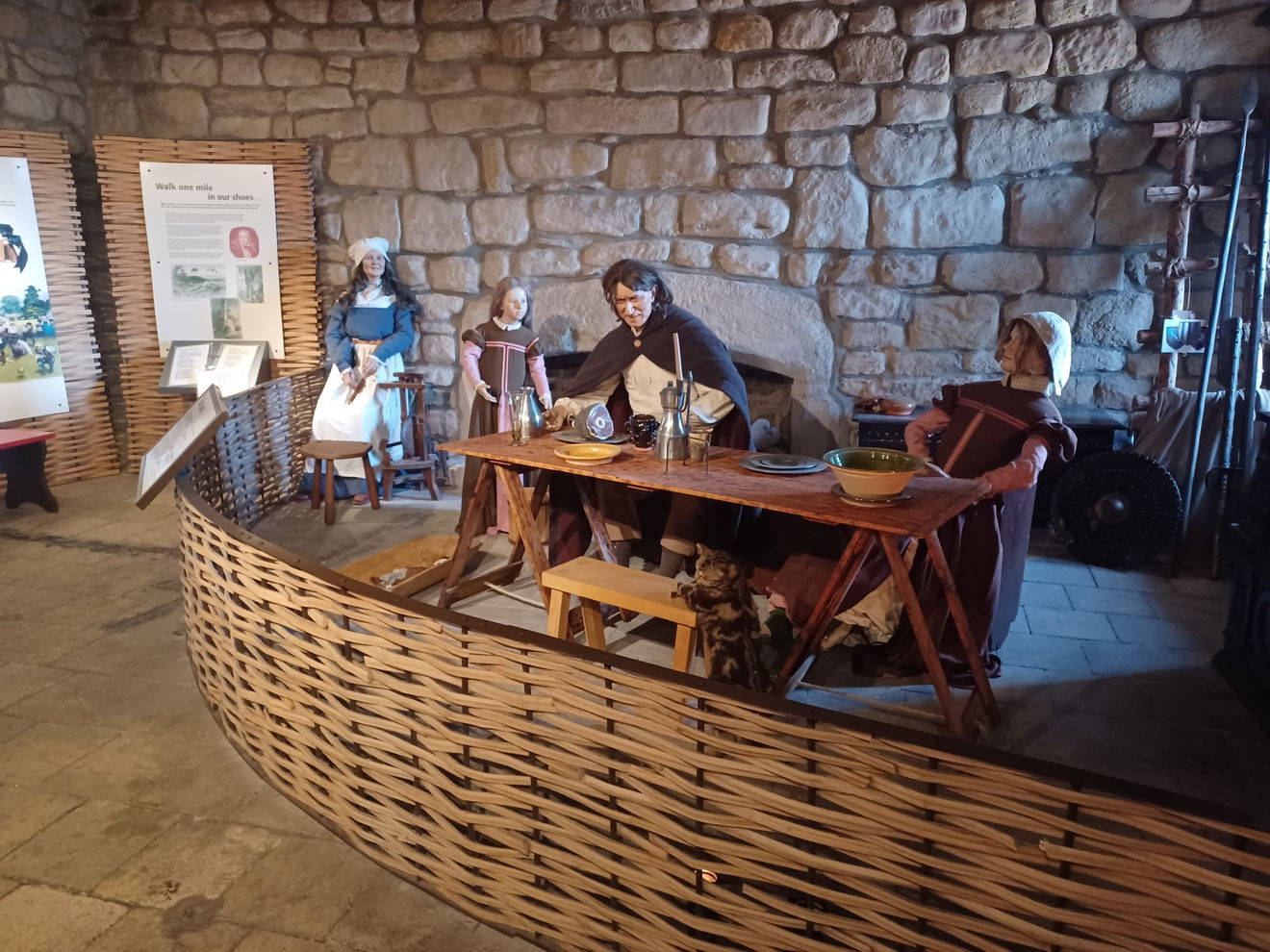
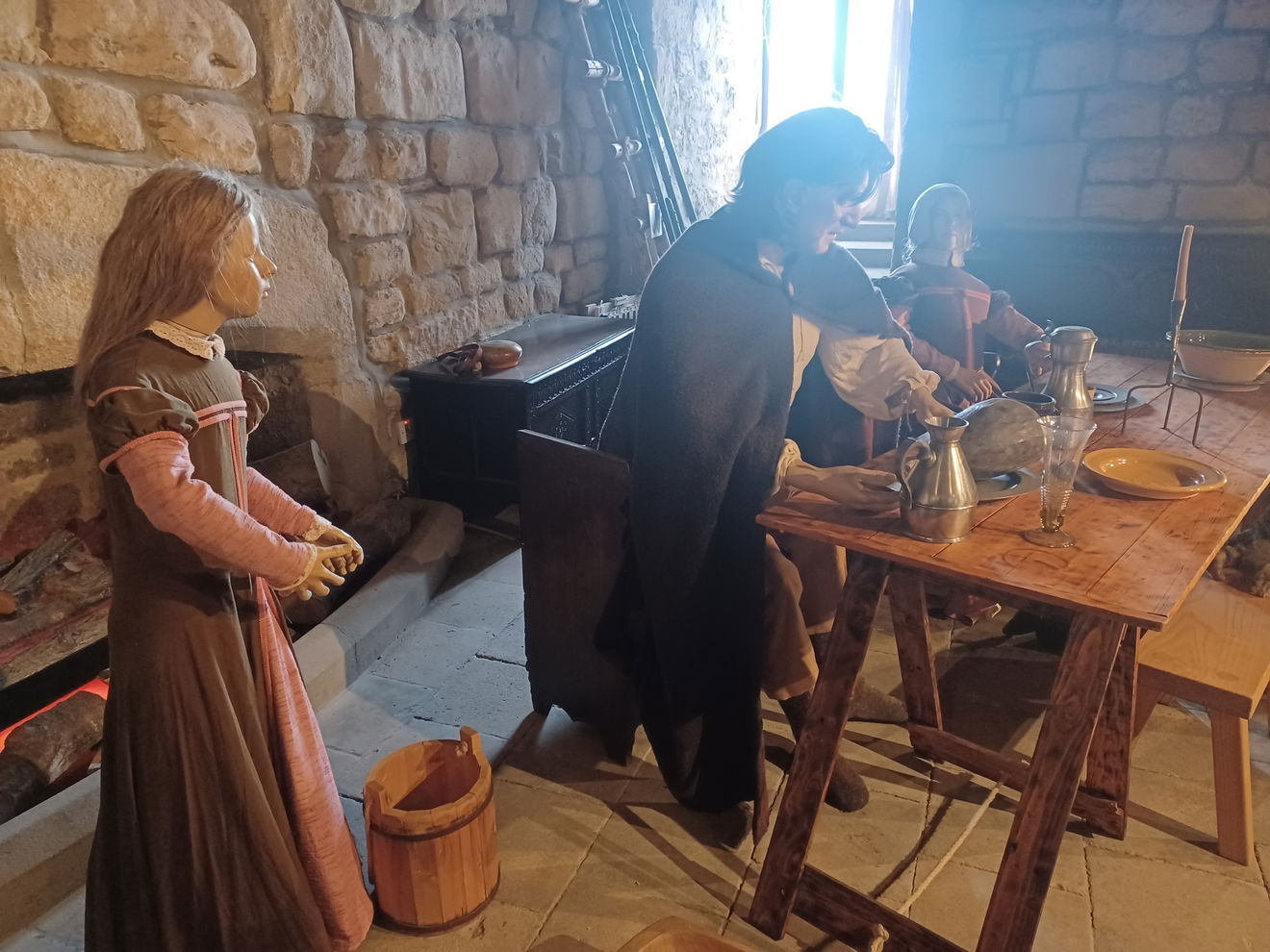
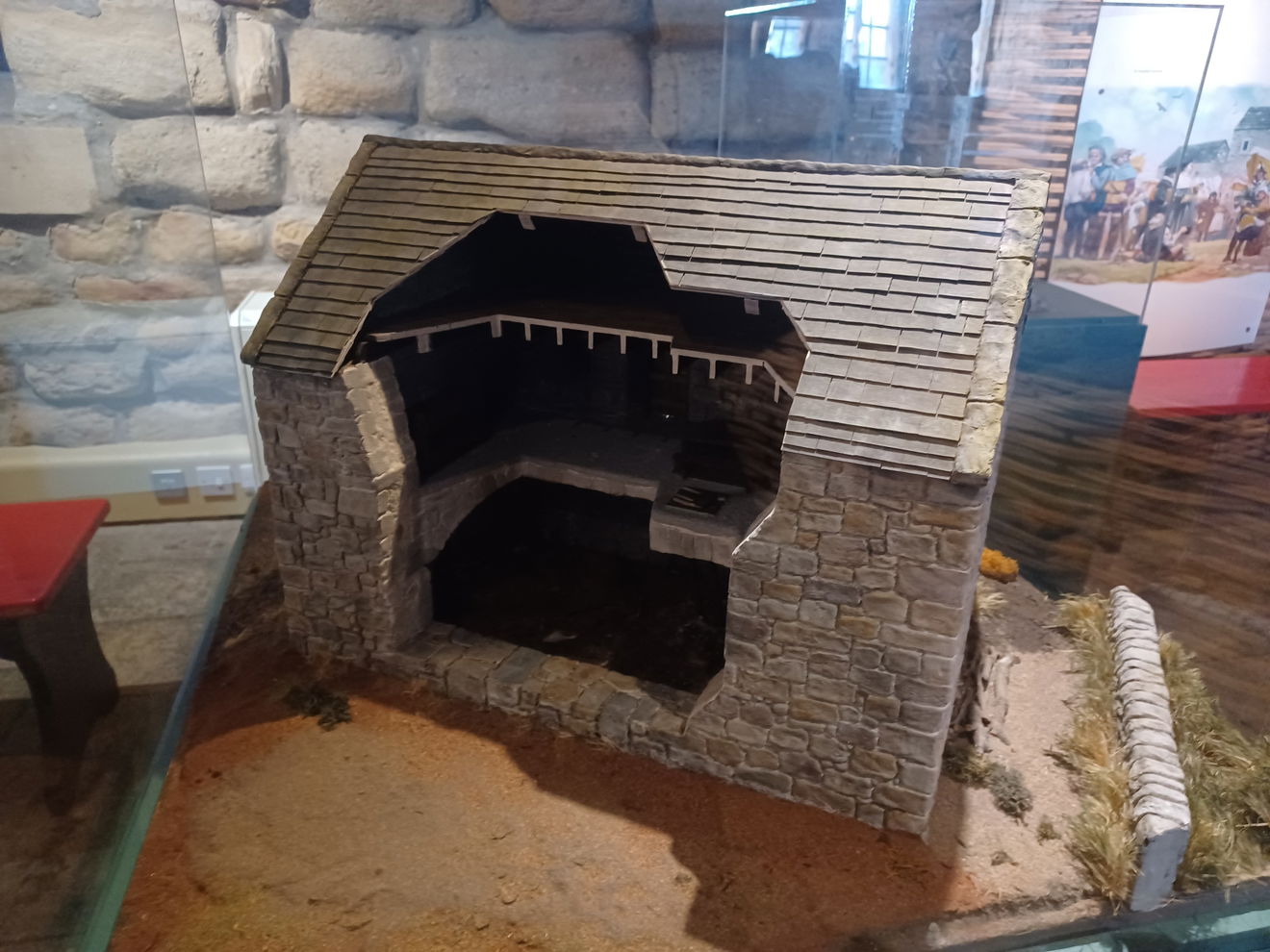
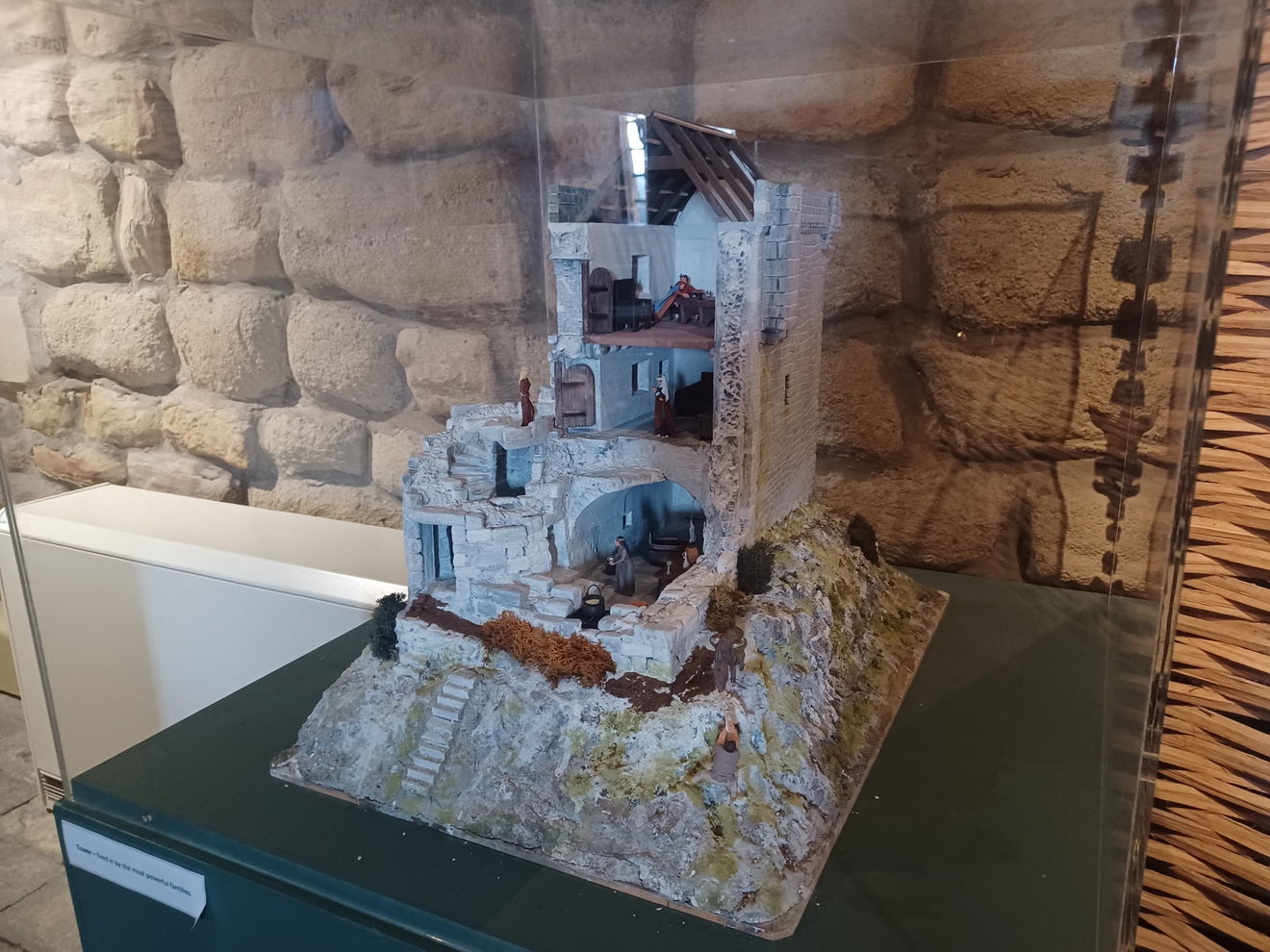
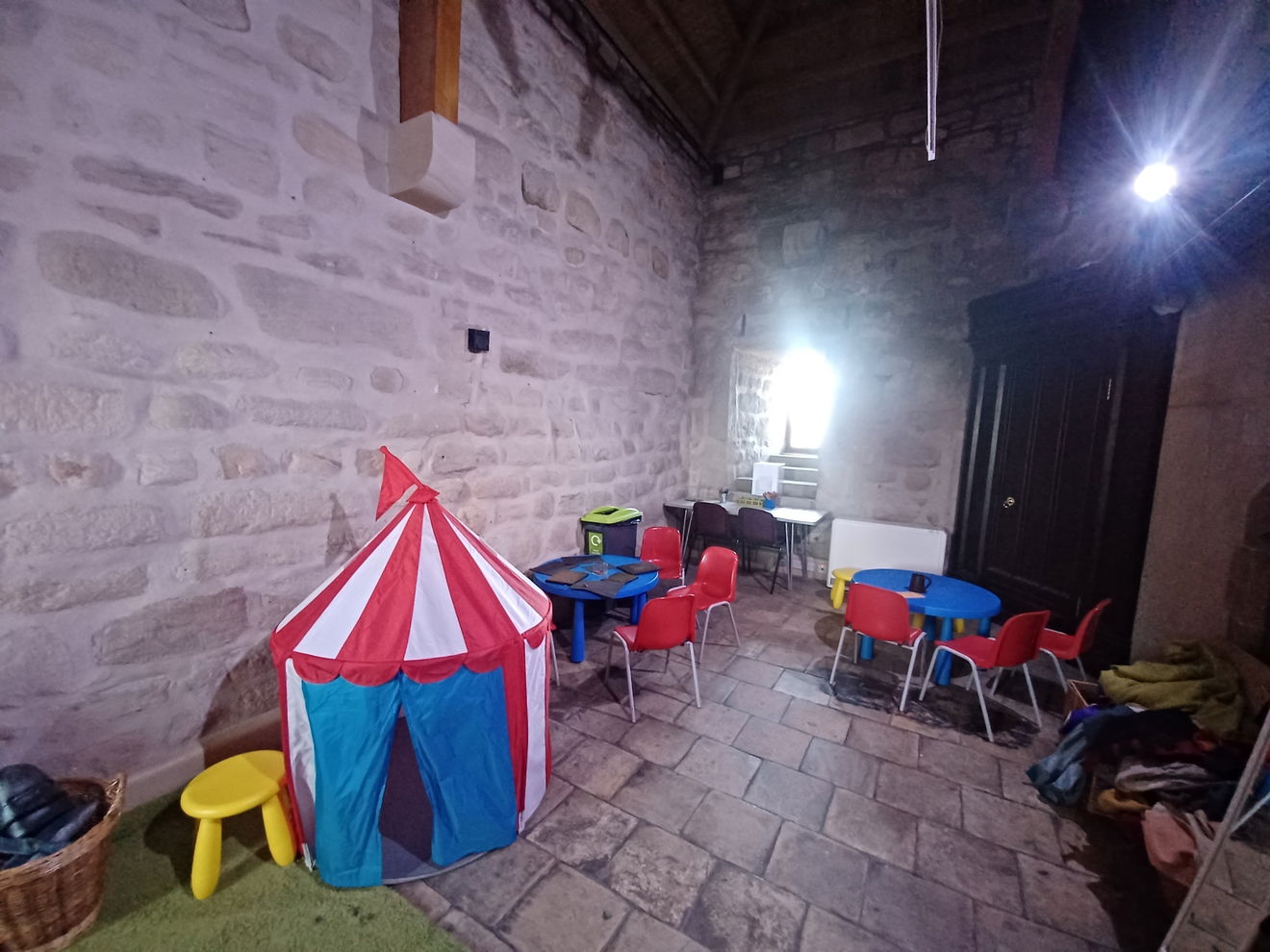
After wandering past Hexham Old Gaol to visit the abbey many times before, we finally paid it a visit in October 2025 and had no idea at all what to expect. The Old Gaol is now a museum run by North East Museums and is set over four levels. Entry is on floor 1, where there is a welcome desk and small shop selling lots of goodies for kids and some information on the history of the gaol. The 2 upper levels have four rooms to explore with interactive exhibits and more history of the building and the final room is the gloomy basement where the prisoners were held.
For a gaol that was built in 1333, it is in excellent condition and much of the stonework used to build it was taken from Corbridge Roman Town just down the road. It is a shame that so much pilfering went on in medieval construction, as the Roman town may be in an even more impressive state than it is.
The gaol was commissioned in July 1330 by William Melton, the Archbishop of York, who held the powerful secular and spiritual jurisdiction over the area of Hexhamshire. This was a 'Liberty', an area outside the direct control of the Crown, where the Archbishop exercised all the authority of a king, including the right to raise taxes and administer justice. This was the first time in England that a building was solely used as a gaol, as prior to that, prisoners were held within castle keeps or civil buildings. Melton's order for a dedicated prison marked an advancement in the administration of justice and was also a bit of peacocking, showing off his authority and wealth.
The gaol held prisoners before they were marched across the Hall Gate to stand trial in the Moot Hall. Punishments for criminals were often harsh and public, ranging from fines and humiliation in the stocks and pillory, to brutal sentences of branding, amputation, or hanging.
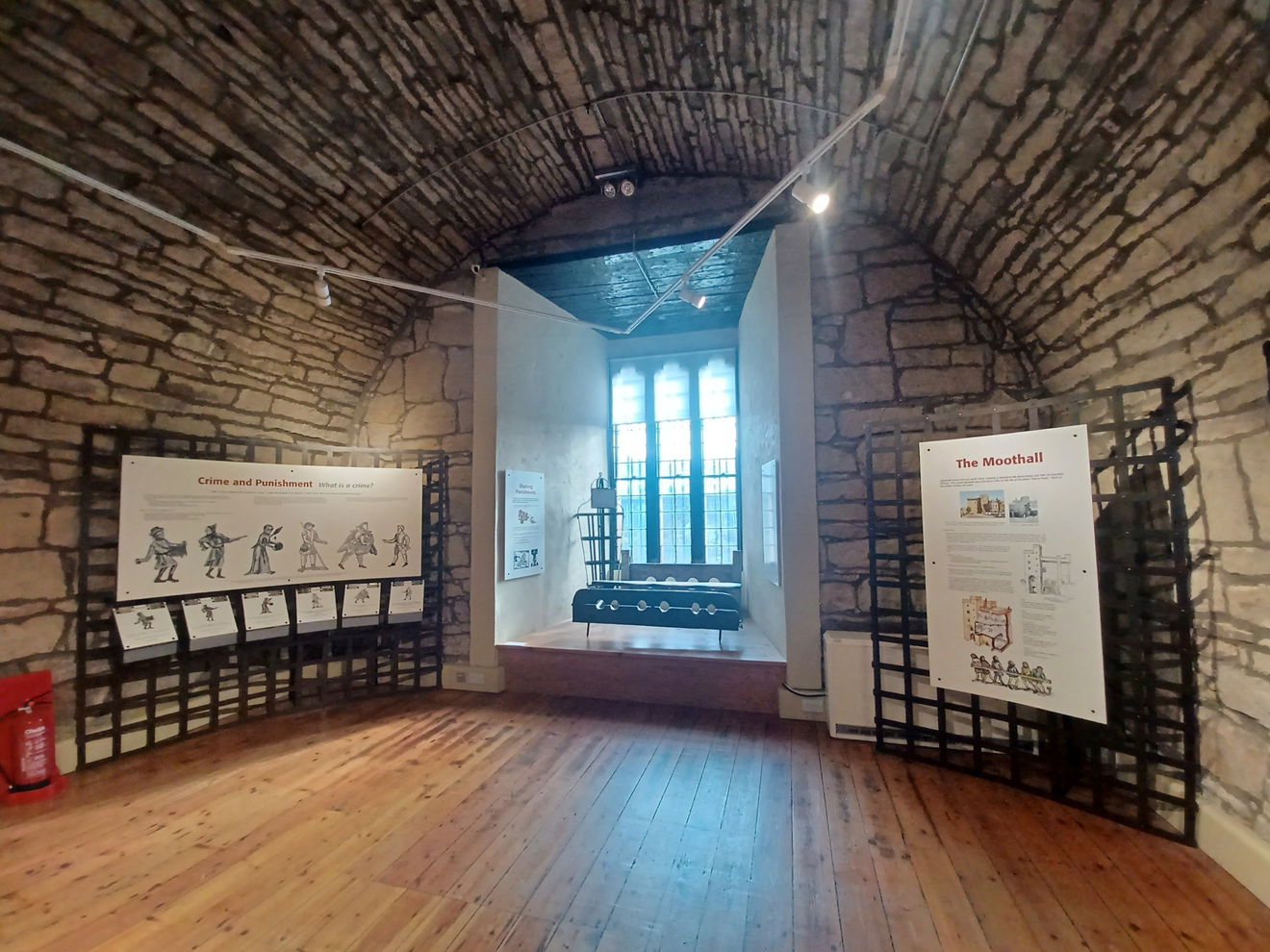
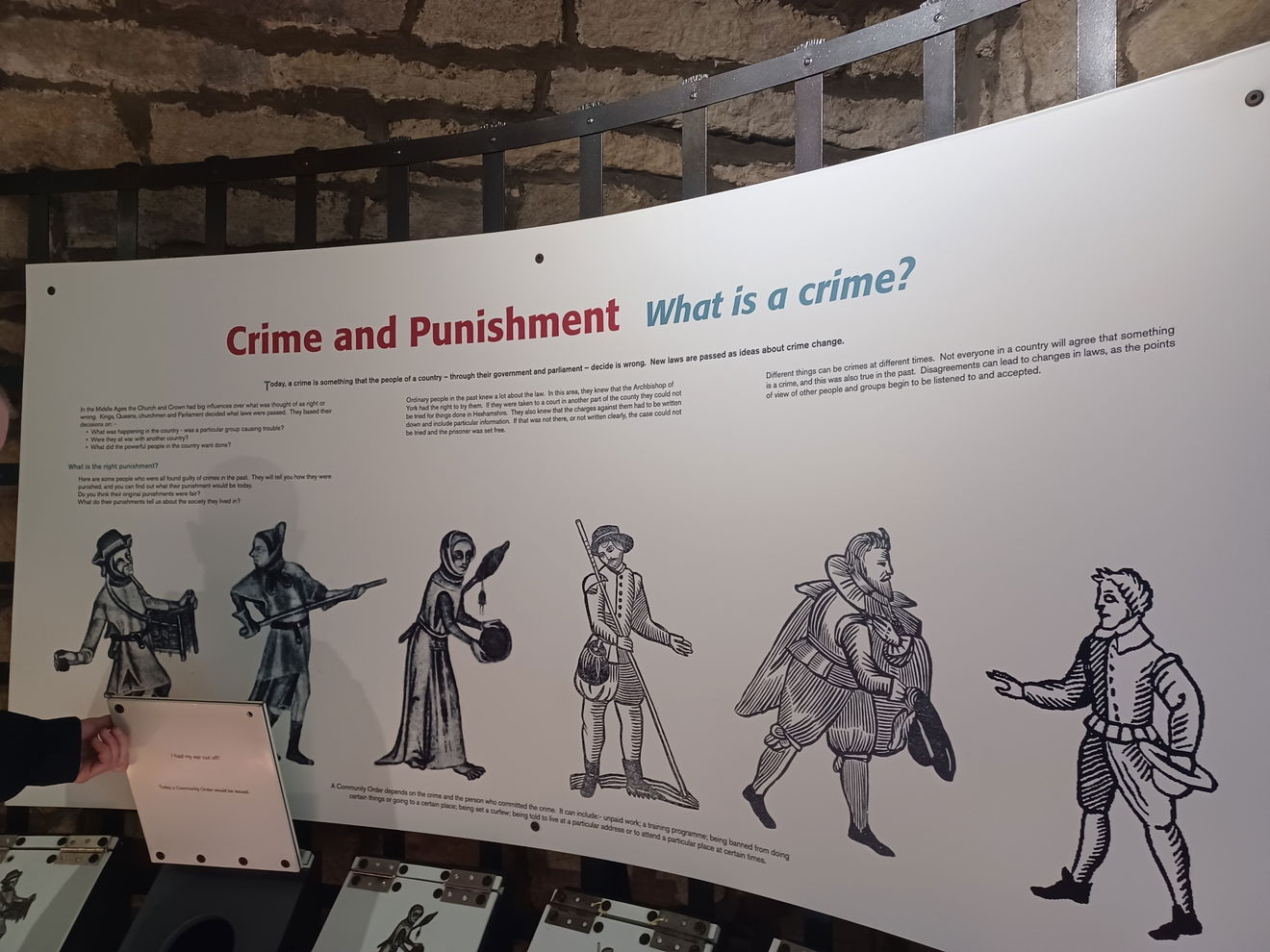
As mentioned, the gaol is set over four floors:
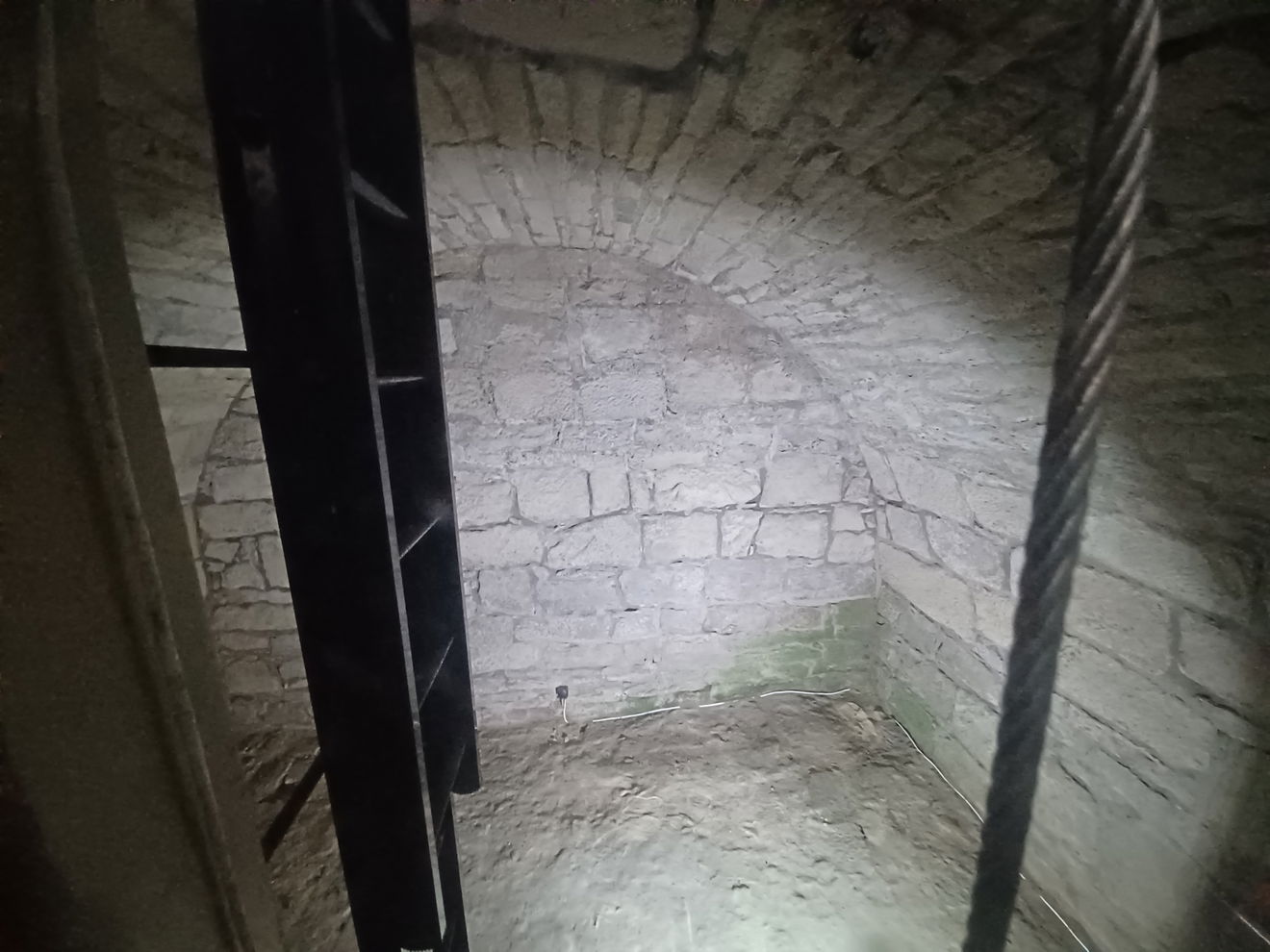
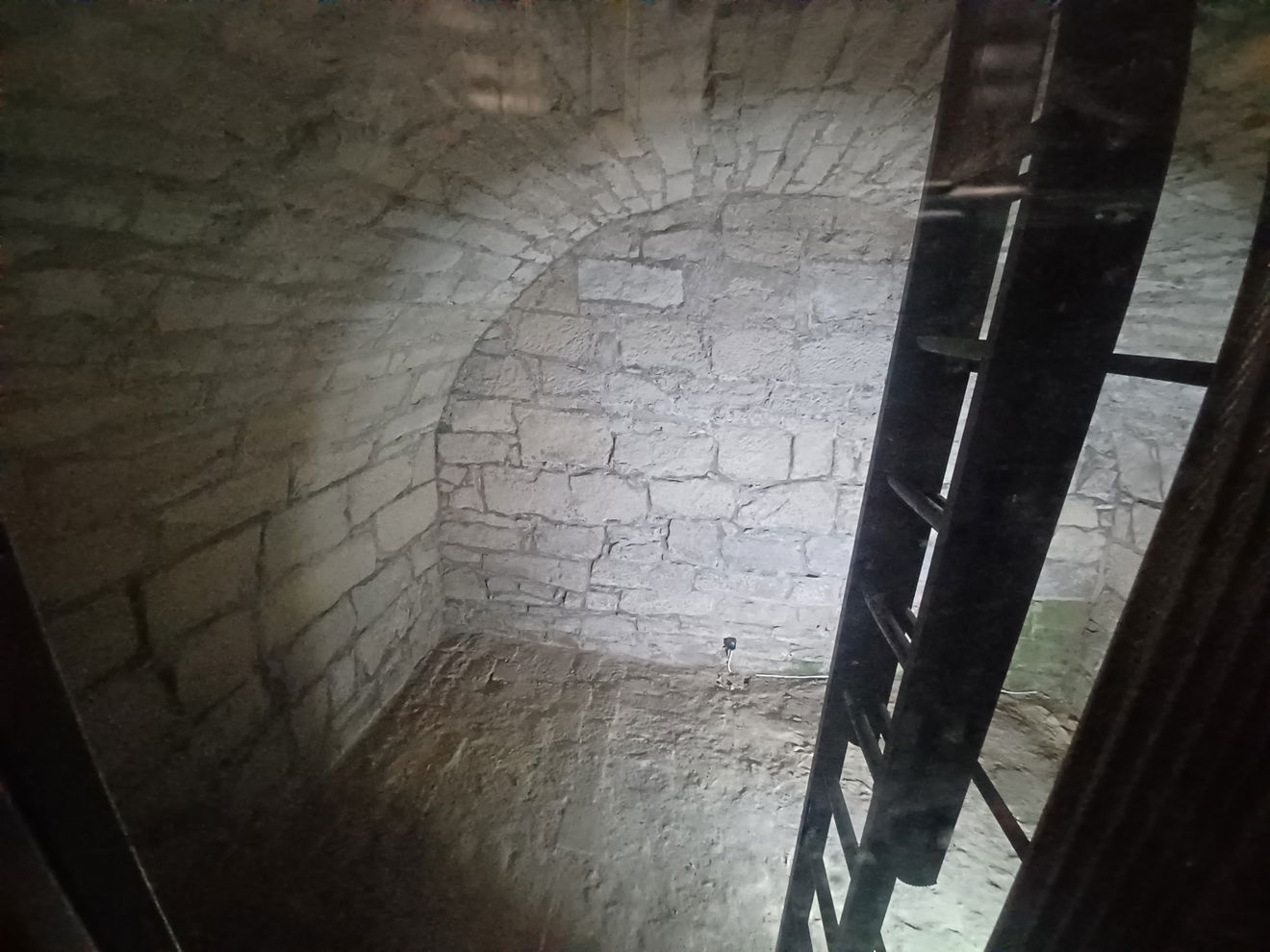
The Dungeon (Basement): The lowest level was reserved for the poorest and most serious criminals. A cold, dark, and miserable space, the vaulted basement cells were cesspits of overcrowding, filth, and disease. Here, the conditions were appalling, and the threat of infectious diseases like Typhus, often called "gaol-fever" and spread by lice and fleas, was a constant and fatal reality. The basement is only accessible by the lift in the centre of the building, and you stay inside the lift to admire the dungeon. There's no getting out to admire the room - not that you would want to.
The Middle Floors: Prisoners of higher status or with less serious charges were afforded slightly better conditions on the upper floors.
The Gaoler's Lodgings (Top Floor): The highest floor was reserved for the Gaoler, reflecting his authority and offering him the most comfortable and secure dwelling.
The first recorded Gaoler at Hexham, John de Cawood, was not solely reliant on his gaolers salary. He would have also been expected to profit by charging inmates for everything and anything, including an admission fee (4d), restraints like chains (1d), basic bedding (1d), shoes, and fuel for a fire. Wealthy prisoners could effectively buy privileges—better food, improved bedding, or even controlled access to the Market Place to beg for alms—while the poor were left to rot in the unhygienic depths. Prisoners were also expected to contribute to the running of the Gaol, including grim tasks like cleaning latrines and collecting human urine, which was a valuable commodity sold to the local tanning industry. Wowser.
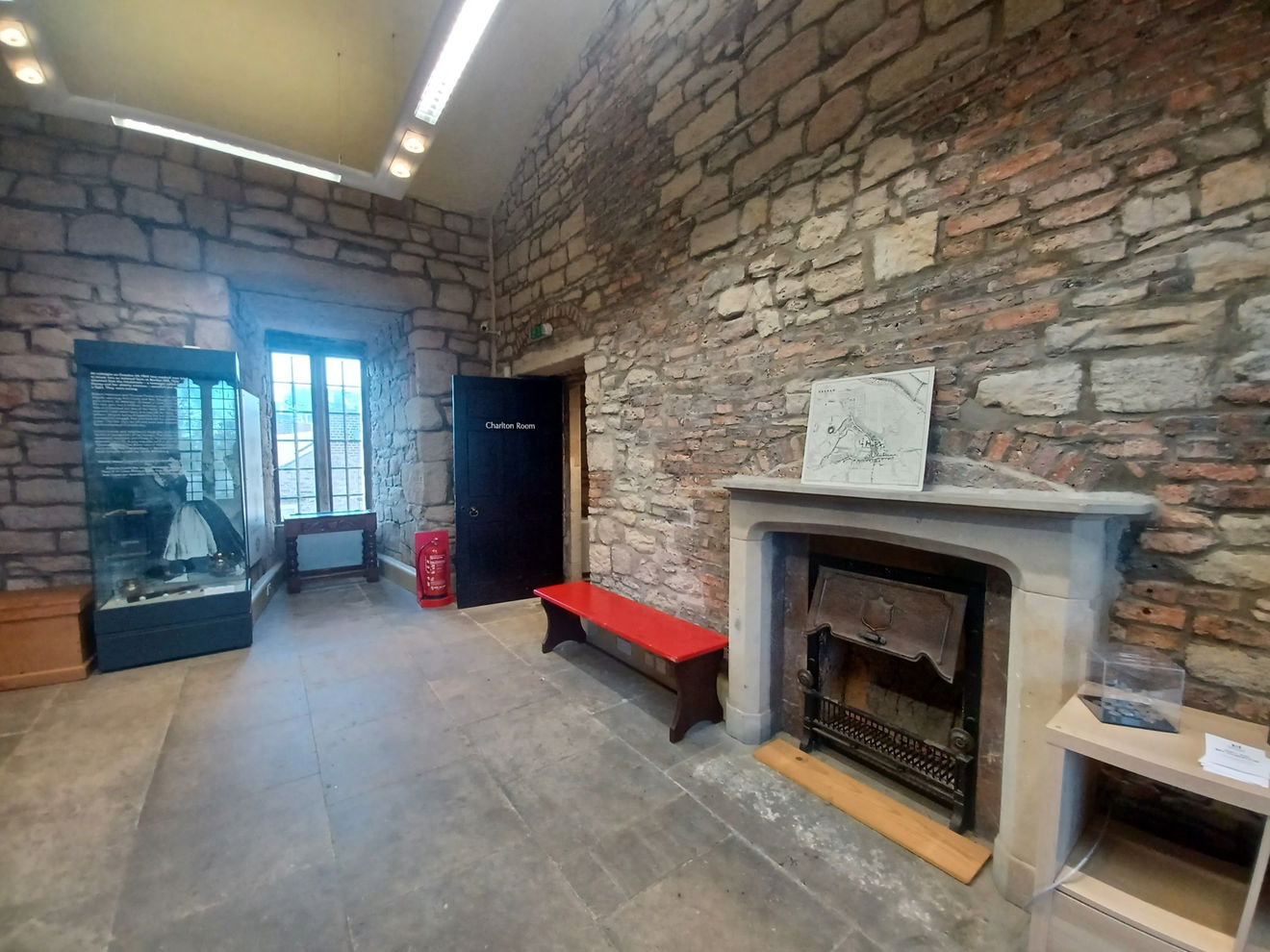
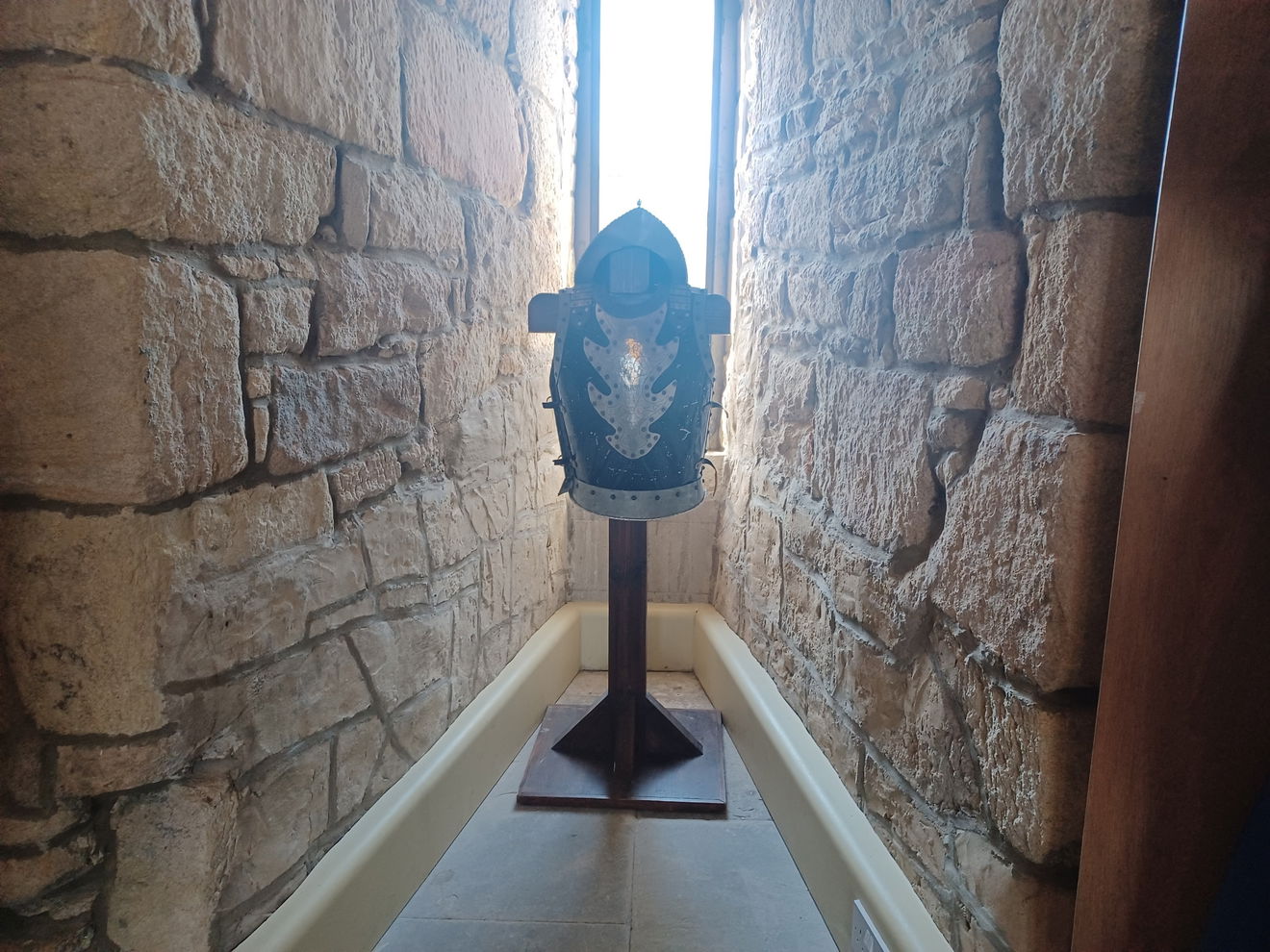
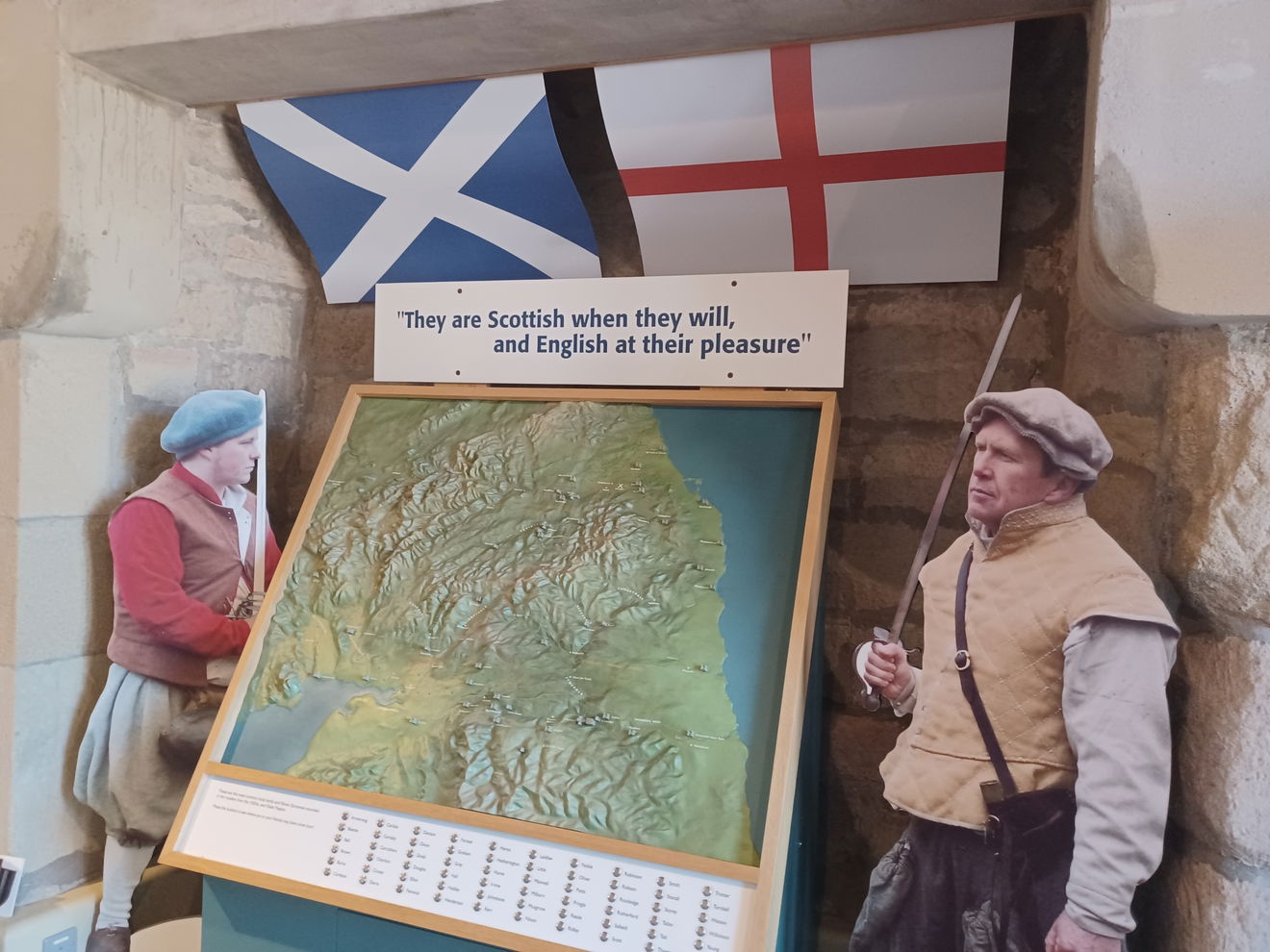
The 2nd floor now has two rooms named The Robson Room and The Milburn Room, while the 1st floor rooms are named The Fenwick Room and The Charlton Room. These names are all associated with the infamous Reiver families and on the first floor there is a large interactive map which shows you the origins of surnames from around the North, so you can have a play and see if your family name originates here.
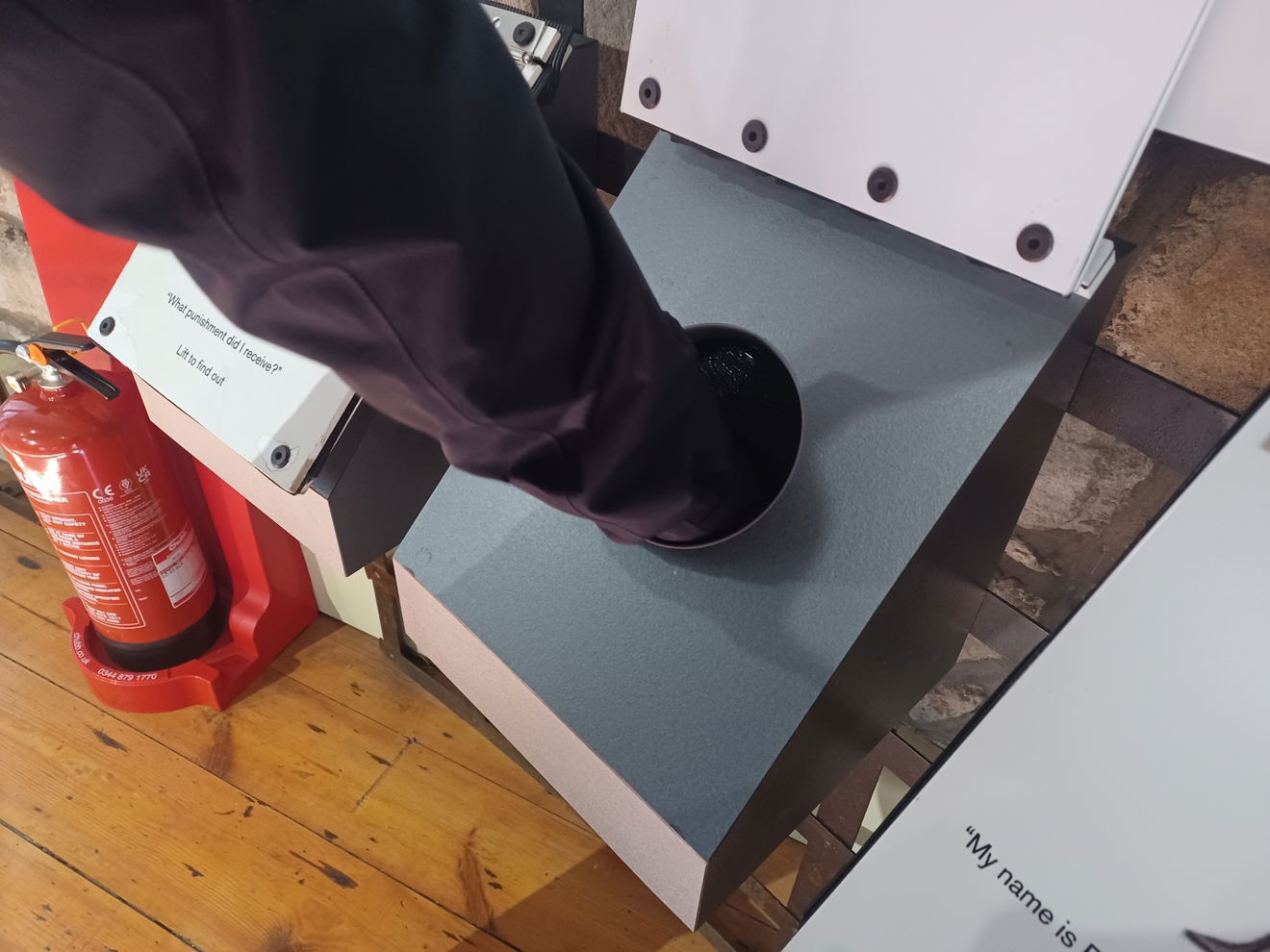
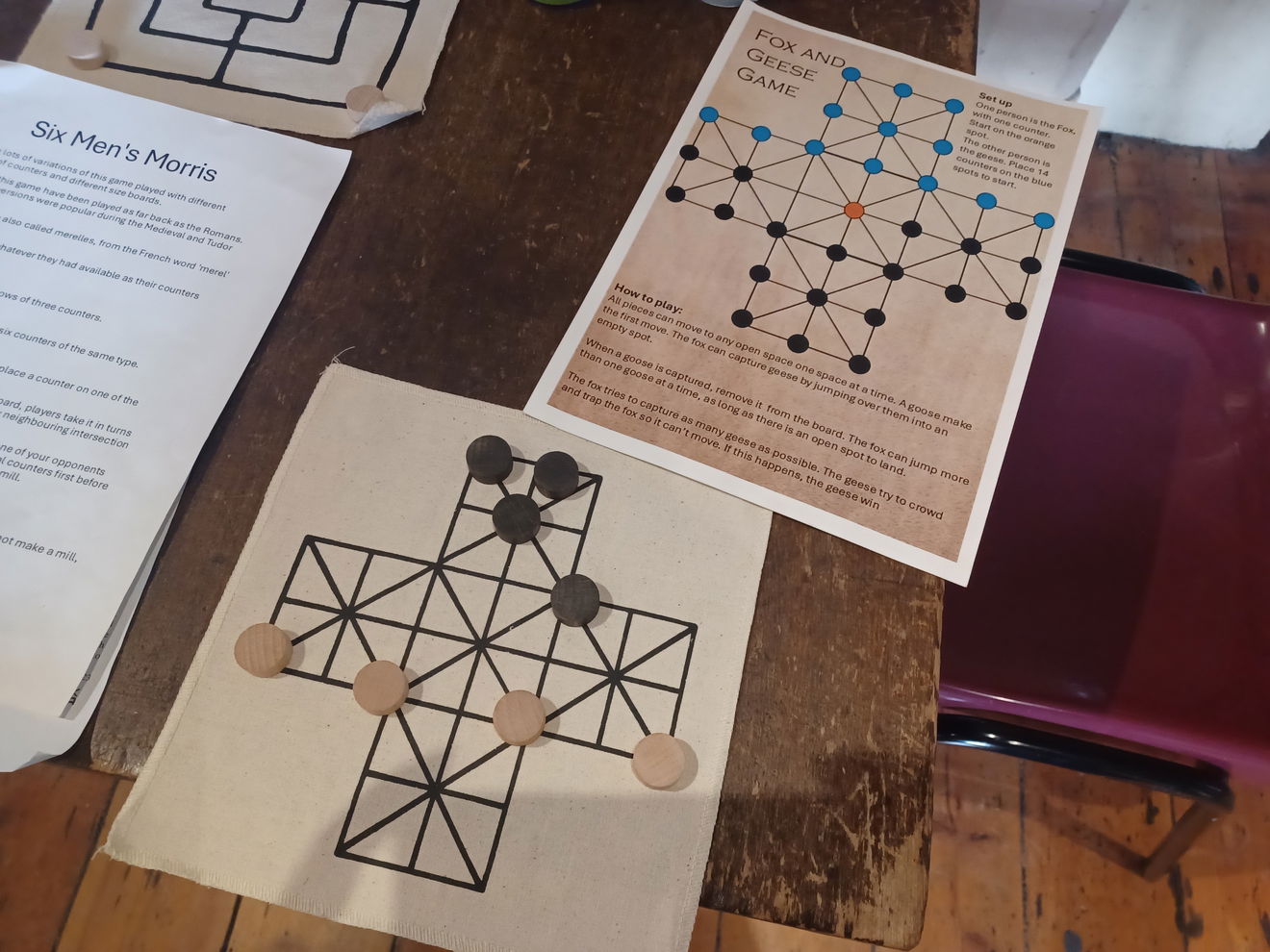
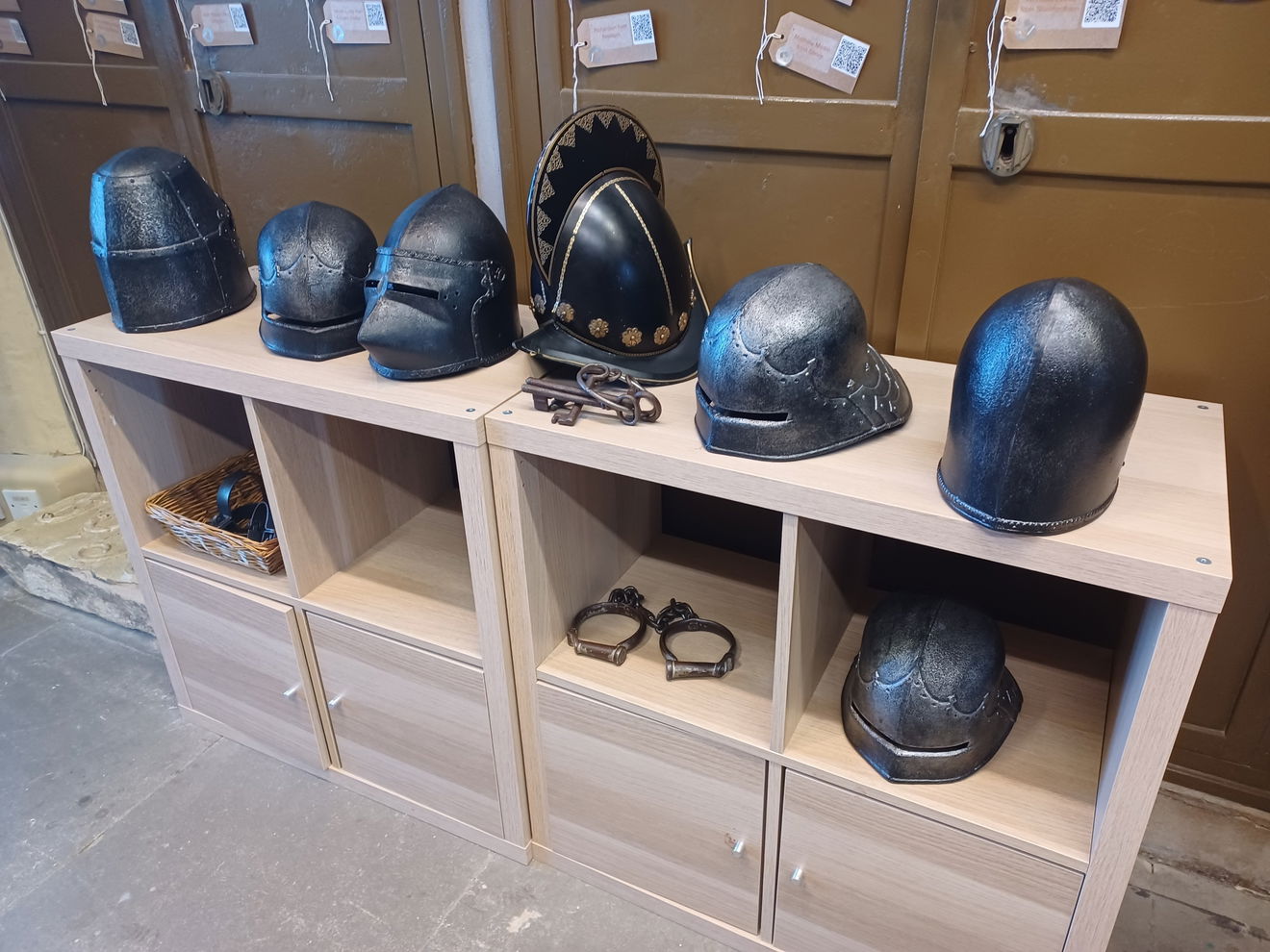
There is a lot for kids to do in the building too, including playing dress up and trying on hats, which of course we had to join in with and putting your feet into the stocks which we couldn't resist either. There is plenty of information for adults to enjoy and you can learn a lot about the history of the gaol and nearby Moot Hall.
From the 13th to the 17th centuries, the borders were plagued by English and Scottish raiders who stole livestock, demanded protection money, and engaged in bloody feuds. Hexham lay within the English Middle March, and its Gaol often housed the captured Reiver's awaiting trial. The most dramatic incident showcasing the Reivers' reach occurred in 1538 when a band of armed Reiver horsemen successfully broke into the Old Gaol, freeing both a Catholic priest and several of their own men.
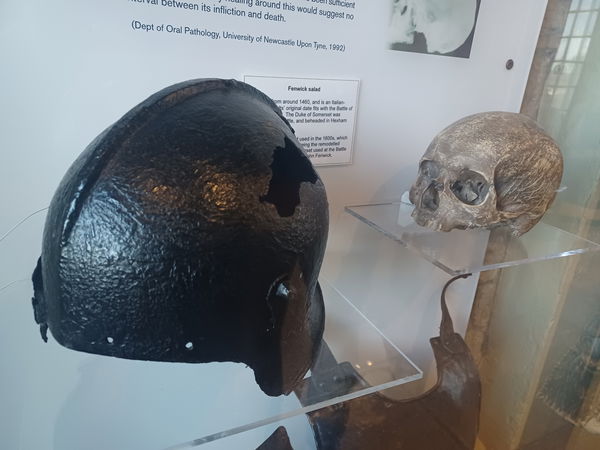
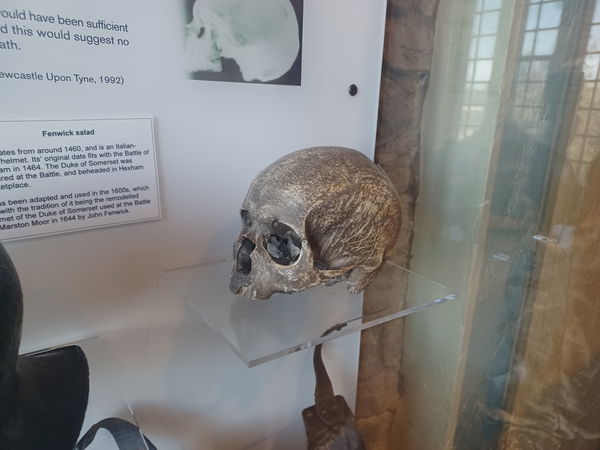
The Gaol continued its operation through periods of national strife, including the English Civil War. One poignant exhibit in the modern museum is the skull of Sir John Fenwick, a Royalist commander killed at the Battle of Marston Moor in 1644, and you can see his injuries on the skull, which is quite an eerie thing to look at.
The beginning of the 19th century brought an end to Hexham Old Gaol's long life as a working prison. As penal reform took hold, the medieval structure was deemed unsuitable for modern incarceration standards. The Gaol officially closed around 1820, following the transfer of most prisoners to the newly constructed county prison in Morpeth. For a short time, it retained use as the Hexham House of Correction, primarily for minor criminals and petty thieves.
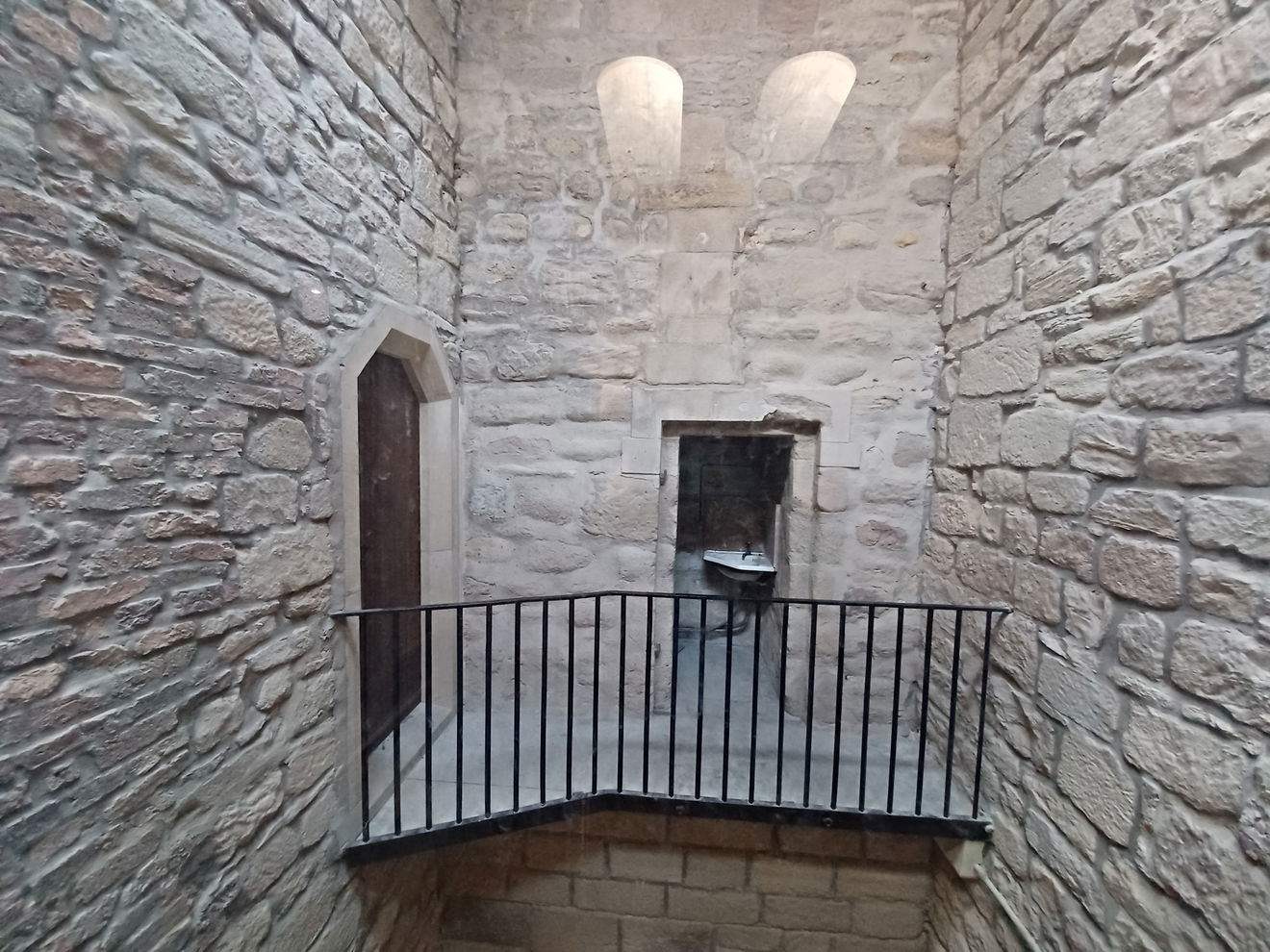
By the mid-1970s, the historic building was in a state of serious disrepair. Recognizing its unique historical significance as England's oldest purpose-built prison, a major conservation effort was launched. In 1980, the Hexham Old Gaol was reopened as a town museum and tourist information centre. In 2005, a substantial, multi-million-pound restoration and refurbishment project led by the Historic Hexham Trust ensured the building's structural integrity and transformed the internal space into an immersive museum experience.
Get 2 points if you have visited this place. Already visited by 68 VIPs.
Login to the VIP area to add places to your bucket list, mark them as visited and more importantly see where you rank on the league table.
How To Find Hexham Old Gaol
Where To Park For Hexham Old Gaol?
Lat / Long
54.971445, -2.098389
What three words
Parking is available just down the road at Wentworth Car Park. Free for those with a Northumberland disc or if you're just staying for a short time.
Contributed by Sandra Clemens
I love the great outdoors and have been a National Trust & English Heritage member for years. I also love going off the beaten track and finding places like Sharp's Folly or Rothley Castle which are hidden gems in Northumberland. My favourite recent hike was climbing Red Screes in the Lake District on a whim, not fully grasping how high 776m was. It was still an achievement to conquer a Wainwright walk and I hope to do more one day.
More Places from Sandra
More Places In Hexham
Find more fabulous places in Hexham, Northumberland and if you know of a place we haven't listed, then let us know.
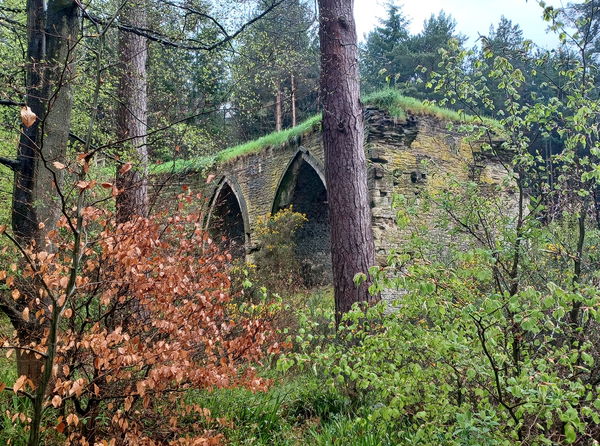
Dukesfield Arches
Building Hexham NorthumberlandRemains of a former smelting mill hidden in the Northumberland countryside.

Hexham Abbey
Religious Place Hexham Northumberland12th century abbey dedicated to St Andrew, in the heart of Hexham.
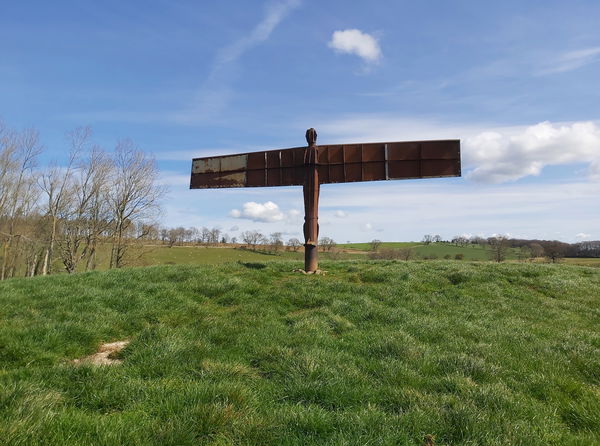
Angel Of Northumberland
Statue Hexham NorthumberlandA mini version of the Angel Of The North standing in a field near Hexham.
More Buildings
So this building wasn't enough and you want more? Don't worry we have you covered.
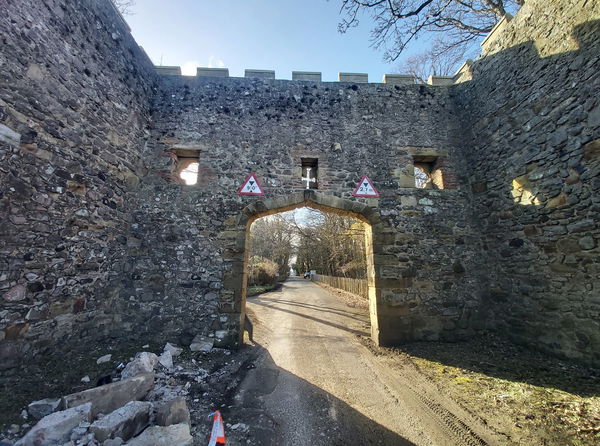
Craster Tower Gateway
Building Craster Northumberland18th century gateway to Craster Tower, now an iconic entrance to the village of Craster.
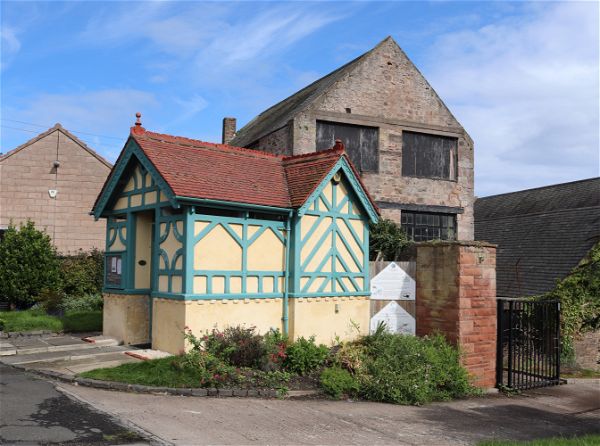
The Loovre
Building Berwick Upon Tweed NorthumberlandOnce a public loo, now a tiny holiday home in the heart of Berwick.
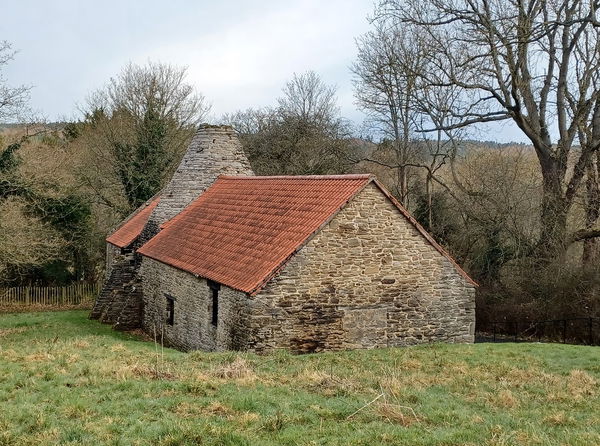
Derwentcote Steel Furnace
Building Rowlands Gill Tyne And WearDisused steel furnace and woodland walk, managed by English Heritage.
Never Miss A Fabulous Place
If you are afraid of missing out on all the fabulous places we post, or just want to be the first to know, then sign up to the Fabulous North.
Each week we will email you all the brand new places that we visit.
Sign Up To Alerts

Find Us On Facebook
We post all our new places daily on our Facebook Groups page, so join the group today and be notified when we add a new place.
Join Our Facebook GroupHexham Old Gaol was listed in Building // Northumberland // Hexham