
Inkerman Beehive Coke Ovens
Landmark In Consett, County Durham
The coke ovens are rare remnants of Durham's coal industry, showcasing early coke production methods before their decline by 1880.
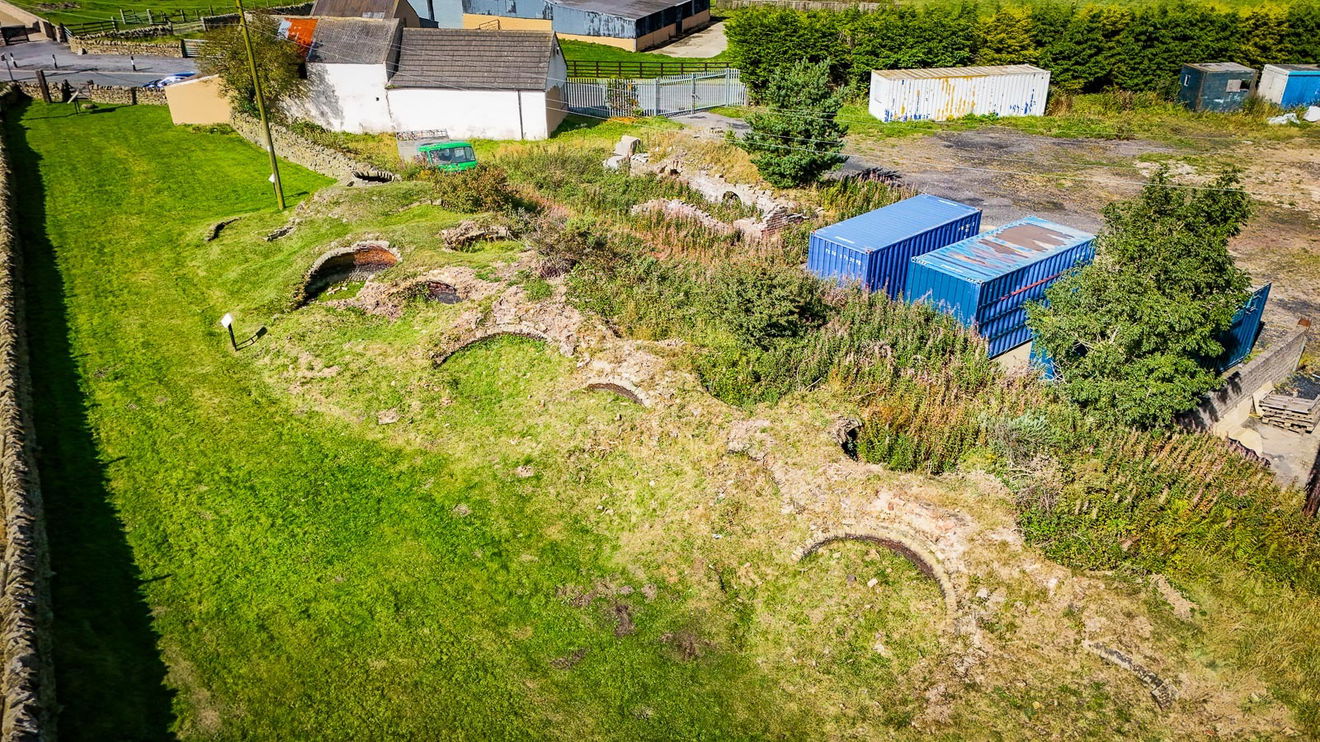
Have you ever been driving along the A68 and wondered why, when you roll into Tow Law, you're greeted by quirky little beehive models by the roadside? Well, it's not because Tow Law is famous for its bees or honey, but instead, it's all about coke ovens and these are known as the Inkerman Beehive Coke Ovens.
From coal dust to coke ovens
Back in the 19th century, Tow Law wasn't the quiet town you see today, it was booming with industry. Coal mining was king, and Tow Law was surrounded by collieries, ironworks and smoke-belching chimneys. One of the key players was the Inkerman Colliery, where a set of over 20 beehive-shaped coke ovens were built.
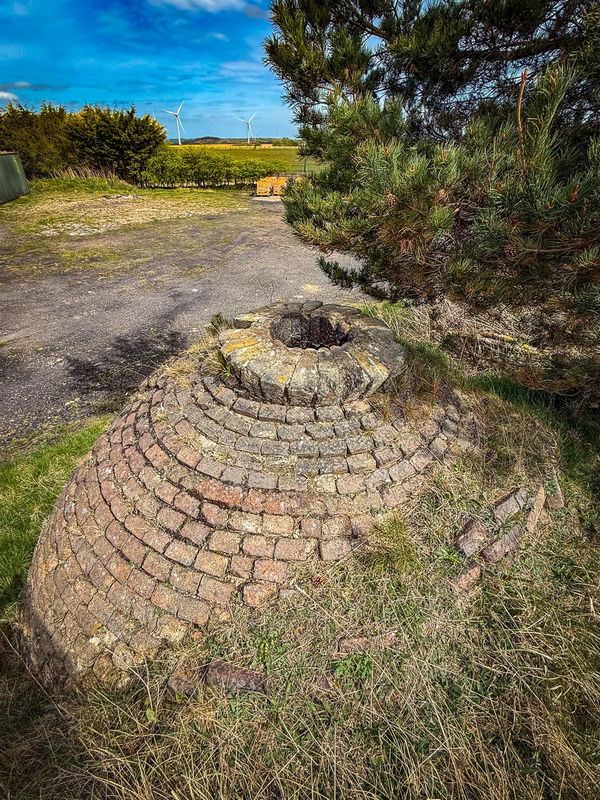
These beehive coke ovens were essential for turning raw coal into coke, a smokeless, high-carbon fuel used for iron smelting. The ovens' rounded, domed design wasn't just a quirky architectural choice either, it helped keep the heat in for the long, slow burn that was needed to produce the finest coke.
At its peak, County Durham had around 14,000 beehive coke ovens pumping out millions of tonnes of coke a year.
So why the beehives on the A68?
Fast forward to today, and very few of those original ovens survive. The ones near Tow Law, known as the Inkerman Beehive Coke Ovens, are hidden away near the site of the old Inkerman Colliery.
When they updated the welcome signage on the A68, the town decided to celebrate its industrial heritage by installing models of beehives, a visual nod to the coke ovens that once powered the area's economy. They're a symbol, a way of remembering that Tow Law played a major role in Britain's industrial story, even if the heavy industry has long since disappeared from here.
Inkerman Beehive Coke Ovens
Now, while the little beehives on the A68 give a friendly nod to Tow Law's past, the real deal, the actual Inkerman Beehive Coke Ovens, tell a much tougher story.
Built around the 1870s, these ovens were part of the Inkerman Colliery complex, named after the Battle of Inkerman during the Crimean War (it was the fashion back then to name industrial sites after military victories). This colliery wasn't just about pulling coal out of the ground, it was about turning that coal into coke, a crucial step in the North East's booming iron and steel industry.

Beehive ovens were the high-tech solution of the day
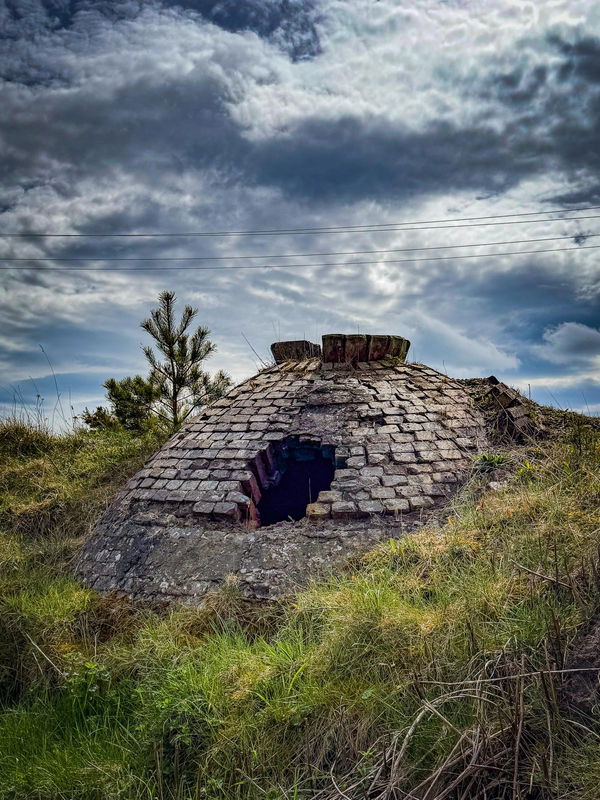
Each oven was a low, squat dome made from firebrick, carefully designed to withstand extreme heat. Coal would be loaded in through a small hole at the top, set alight, and then the opening would be sealed.
Inside, the coal would bake for days at a time, driving off gases and impurities, until only pure, high-carbon coke was left, perfect for powering blast furnaces.
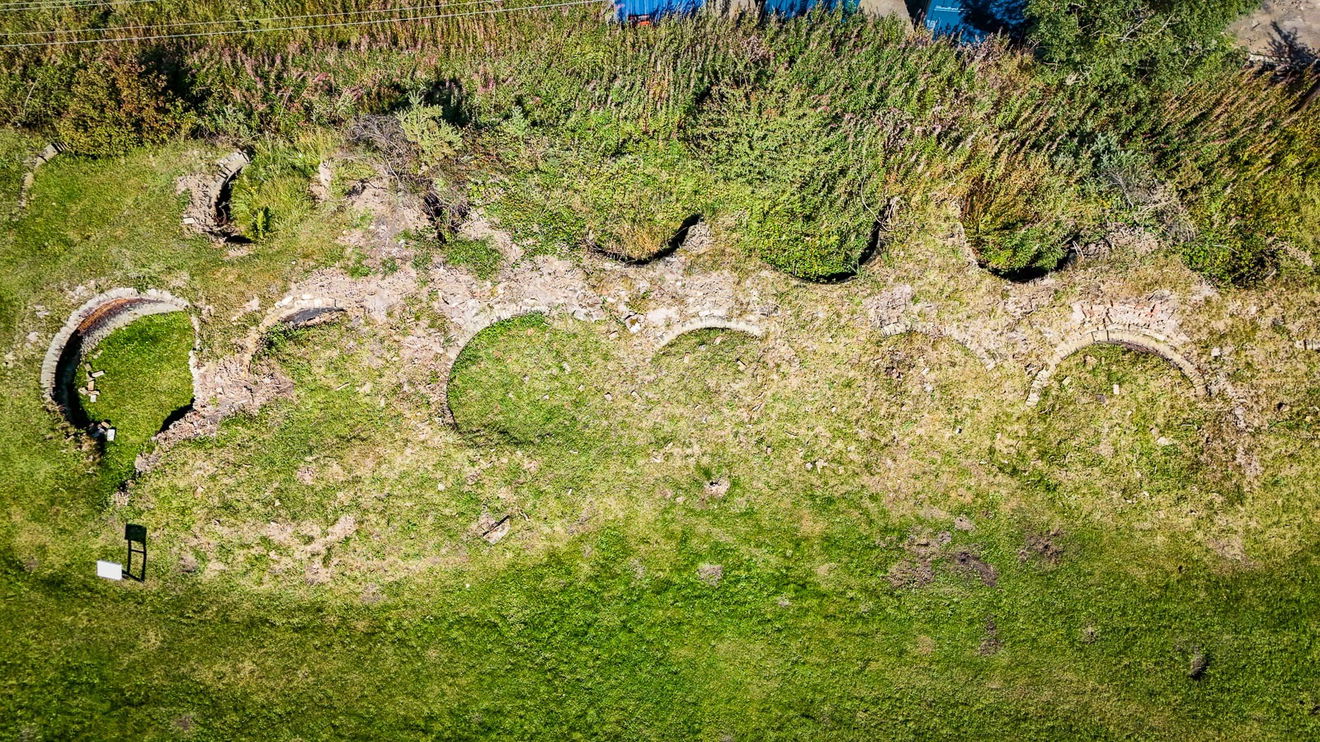
Thousands of these ovens were needed, working full-time to feed the beast of Victorian industry. And it was backbreaking work. Loading coal by hand, sealing ovens, raking out burning-hot coke, day after day, in all weathers.
What's left today?
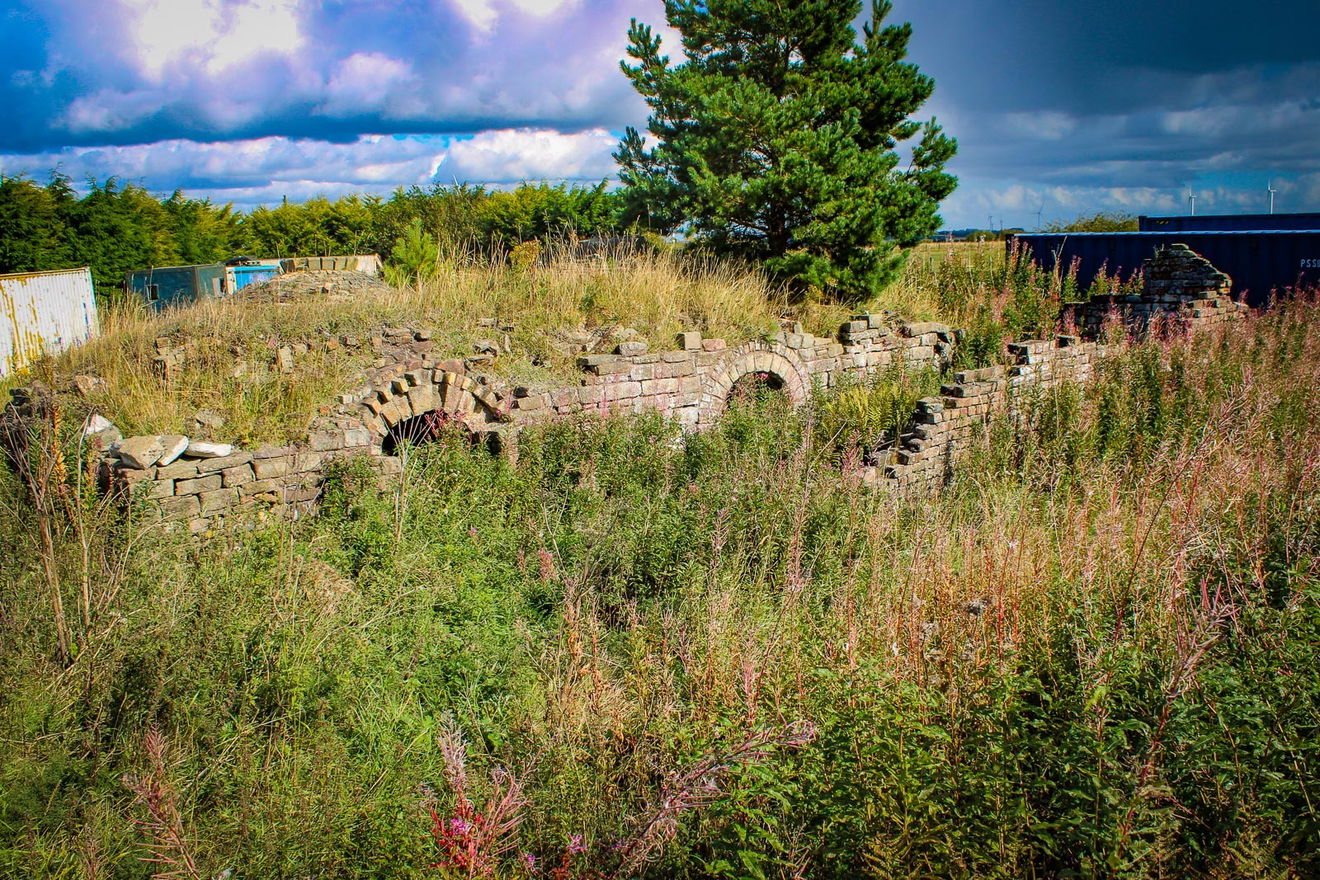
Most beehive ovens were abandoned or demolished when newer, more efficient coke-making technologies came along in the early 20th century. The Inkerman Coke Ovens were no exception. The colliery closed, nature took back the site, and today only seven ovens survive, tucked quietly away on private land (although accessible) a ghostly reminder of Tow Law's industrial muscle.
Two of the ovens are still in surprisingly good condition. You can see their beautiful brickwork, blackened and vitrified by the incredible heat they once contained.
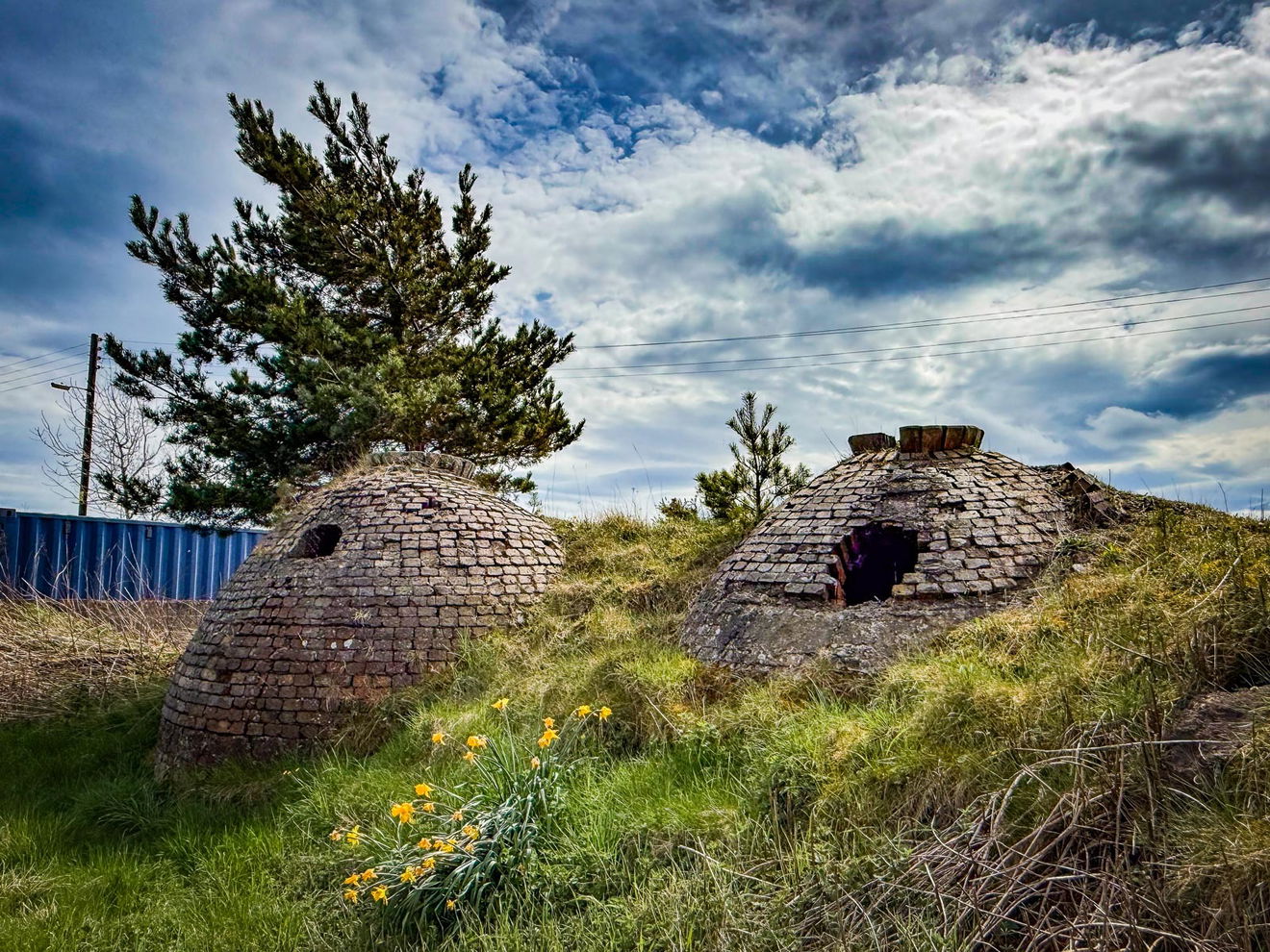
Even in ruin, they're sturdy, proud, and strangely beautiful, a monument to the people who lived, worked, and grafted here. They're now designated as a Scheduled Ancient Monument, one of the few surviving examples of traditional beehive coke ovens left in England.
That's why Tow Law's entrance sign proudly displays the beehive models, because this little town played a big role in the story of Britain's industrial age.
Fun (and sooty) facts
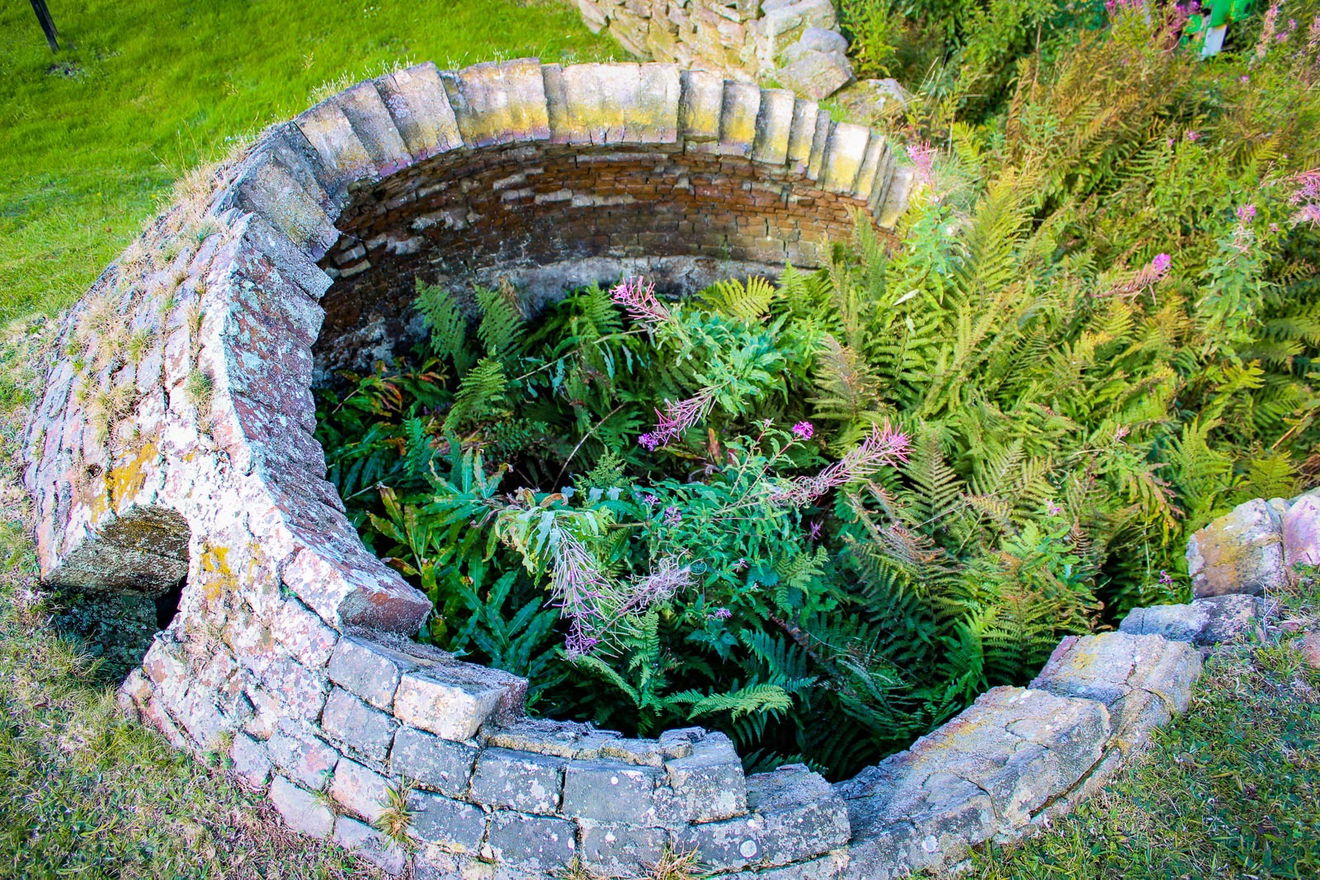
The inside walls of the ovens got so hot that the bricks partially melted and glazed, forming a shiny, almost glass-like surface called vitrification. This actually made the ovens even tougher and more efficient over time.
The name “Tow Law” actually means 'the hill where the farm is' in Old English, long before mining, this was simple farming country!
In the late 1800s, Tow Law's population exploded from a few hundred to over 5,000 people in just a few decades, thanks to the mining boom.
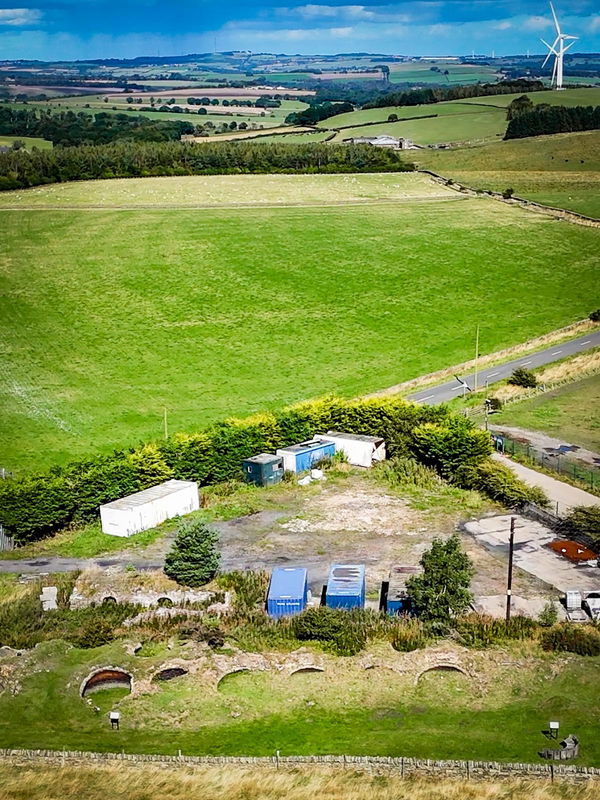
Thanks to DJ Aerial Photography for another fabulous write up.
Get 2 points if you have visited this place. Already visited by 29 VIPs.
Login to the VIP area to add places to your bucket list, mark them as visited and more importantly see where you rank on the league table.
How To Find Inkerman Beehive Coke Ovens
Where Is Inkerman Beehive Coke Ovens?
Lat / Long
54.754326, -1.822741
What three words
Where To Park For Inkerman Beehive Coke Ovens?
Lat / Long
54.754487, -1.823349
What three words
There is a small layby right next to the ovens and the information board.
Contributed by Simon Hawkins
Thanks for checking out this place on the Fabulous North! I do enjoy a wander out in to the countryside trying to find hidden gems that not many people know about. You can't beat a rogue pele tower up a remote hill, a mysterious stone circle or a stunning waterfall secluded in a forest.
More Places from Simon
More Places In Consett
Find more fabulous places in Consett, County Durham and if you know of a place we haven't listed, then let us know.
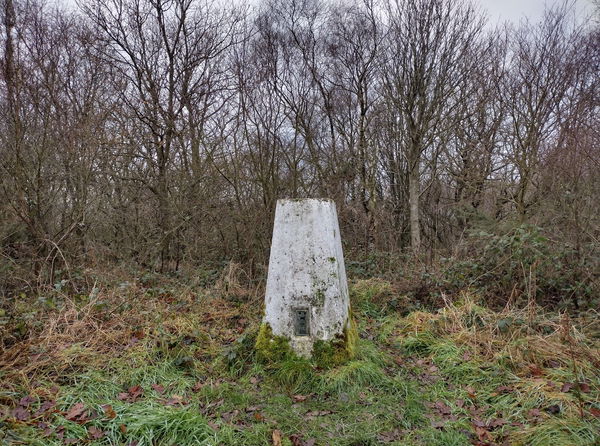
Pontop Pike Trig Point
Trig Point Consett County DurhamThe Pontop Pike trig point is sitting next to the Pontop Pike Masts (313m) near Consett.
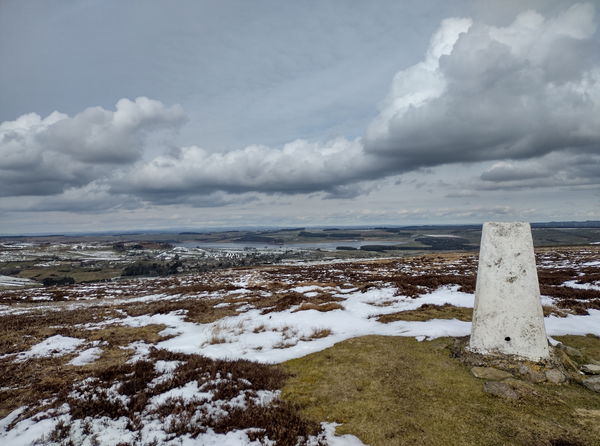
Stoterley Hill Trig Point
Trig Point Consett County DurhamThe Stoterley Hill trig point is sitting on Muggleswick Common (376m) near Consett.
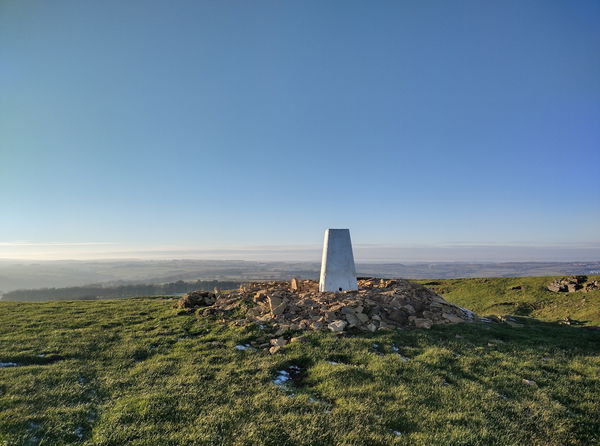
Humber Hill Trig Point
Trig Point Consett County DurhamThe Humber Hill trig point is sitting in a field west of Lanchester (270m) near Consett.
More Landmarks
So this landmark wasn't enough and you want more? Don't worry we have you covered.
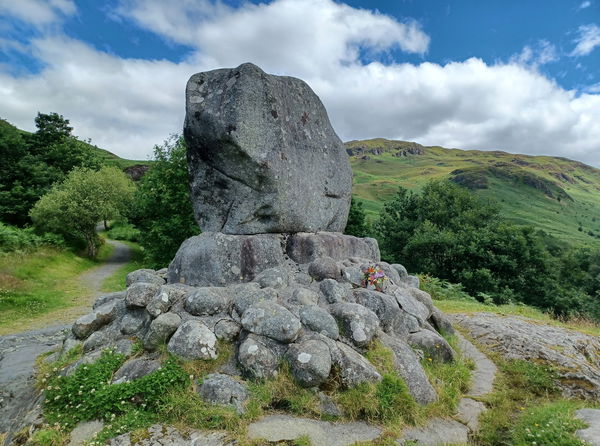
Bruce's Stone Loch Trool
Landmark Dumfries And Galloway ScotlandStone commemorating Robert the Bruce's first victory over an English army in 1307.
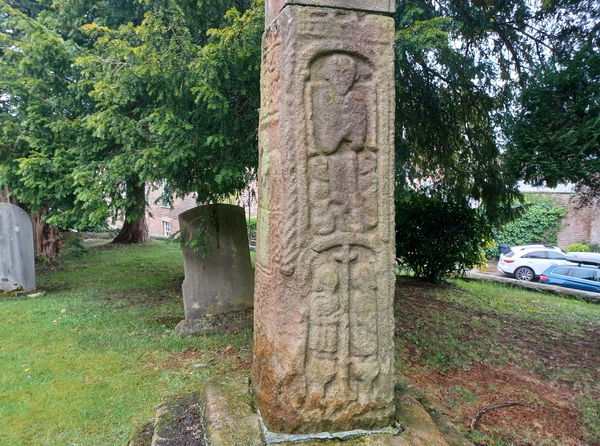
The Sigurd's Cross
Landmark Lancaster LancashireAncient Viking Cross dated between 865 and 950 in the graveyard of St Wilfrid's Church.
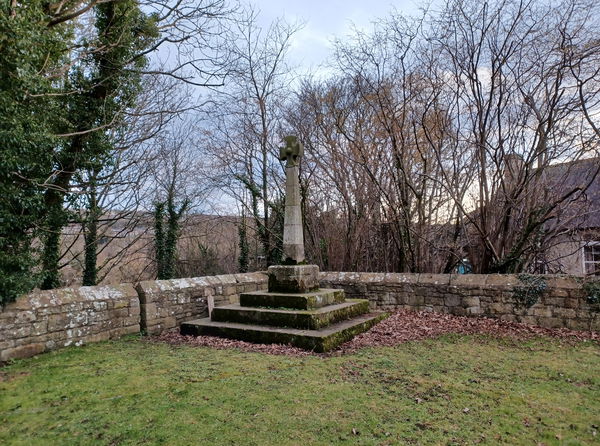
The Goose Fair Cross
Landmark Ovingham NorthumberlandAn 11th century Saxon cross head that marks the focus for the start of the annual Goose Fair in Ovingham.
Never Miss A Fabulous Place
If you are afraid of missing out on all the fabulous places we post, or just want to be the first to know, then sign up to the Fabulous North.
Each week we will email you all the brand new places that we visit.
Sign Up To Alerts

Find Us On Facebook
We post all our new places daily on our Facebook Groups page, so join the group today and be notified when we add a new place.
Join Our Facebook GroupInkerman Beehive Coke Ovens was listed in Landmark // County Durham // Consett