
Woodhorn Museum
Museum In Ashington, Northumberland
A former coal mine turned into a mining museum and heritage centre.
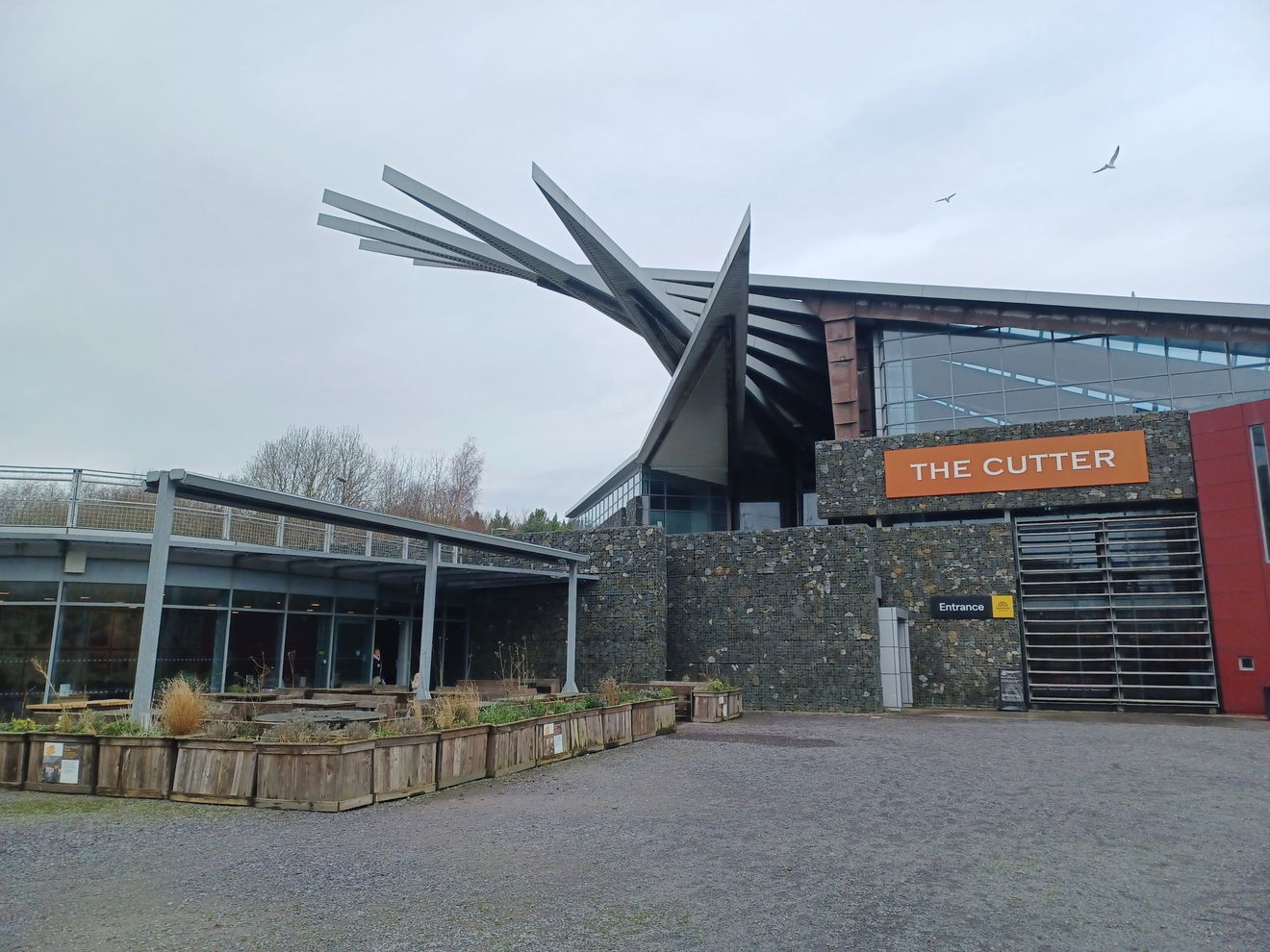
In 1894 the Ashington Coal Company began to sink the first shafts of the Woodhorn Colliery, operating for 87 years before it was finally closed in 1981. Today the site is a museum, scheduled monument and home to the Northumberland Archives, allowing visitors the chance to discover the physical and social history of the mines as well as over 800 years of Northumbrian memory.
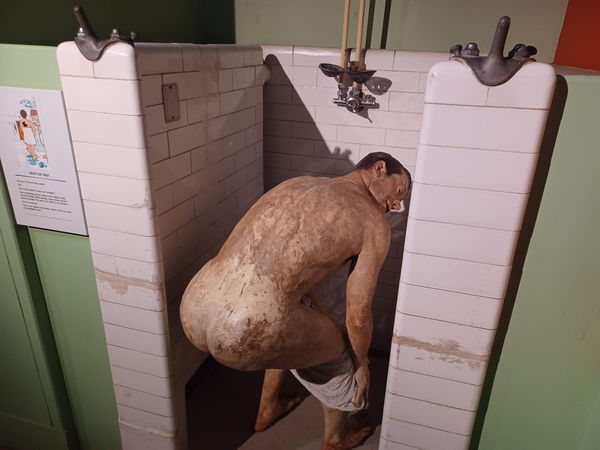
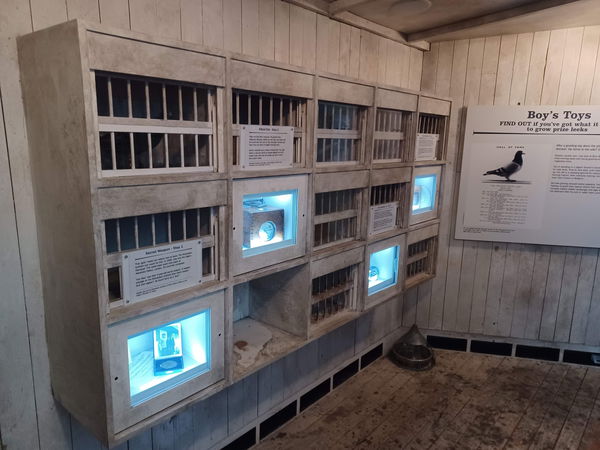
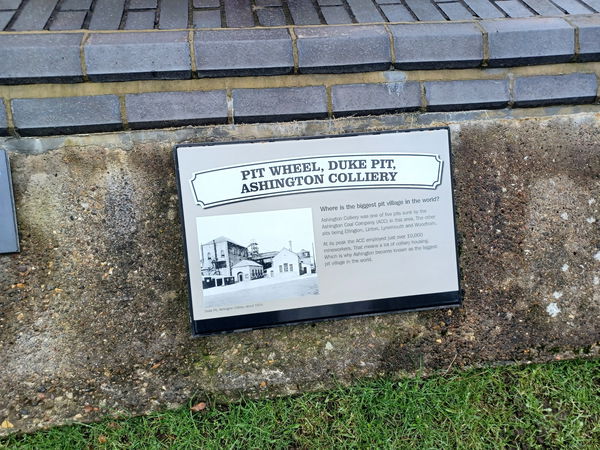
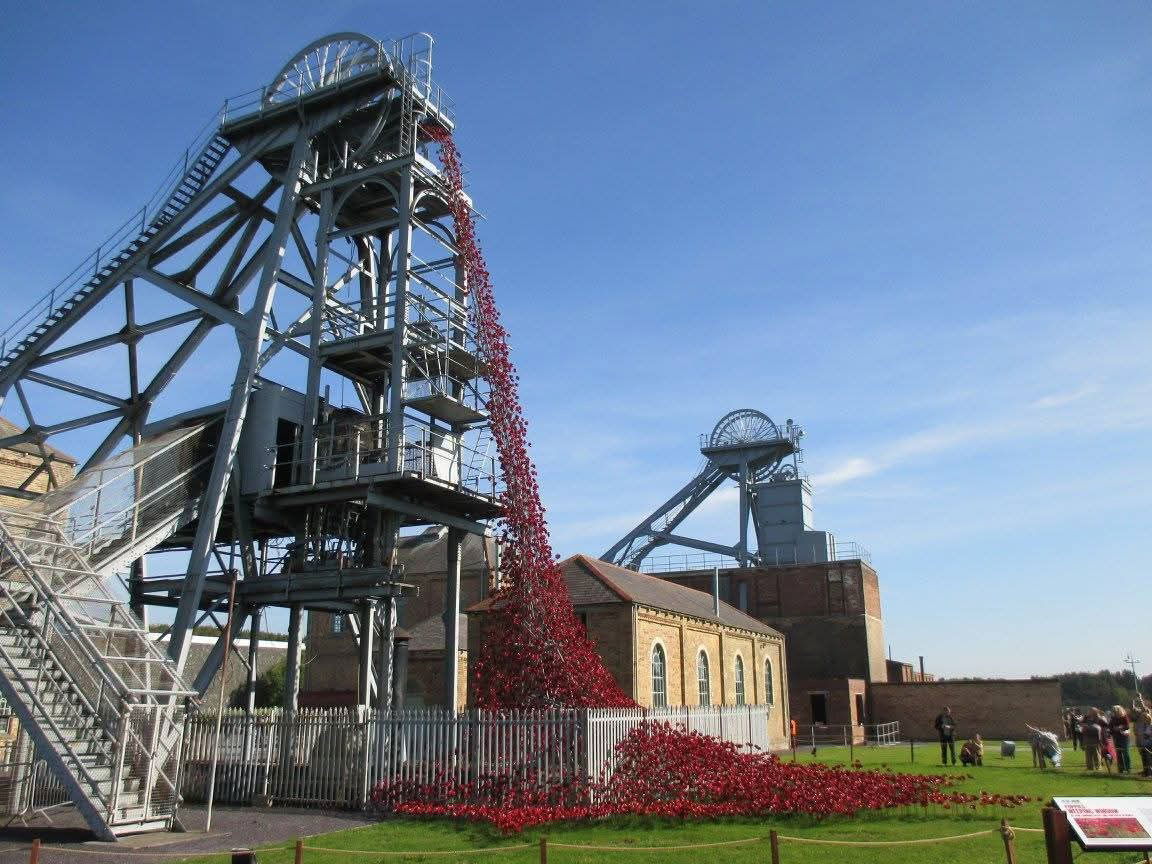
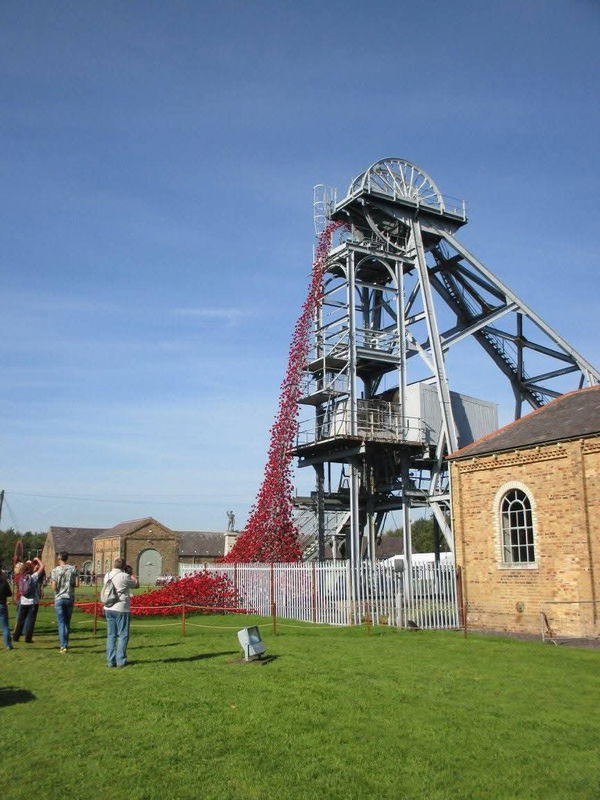
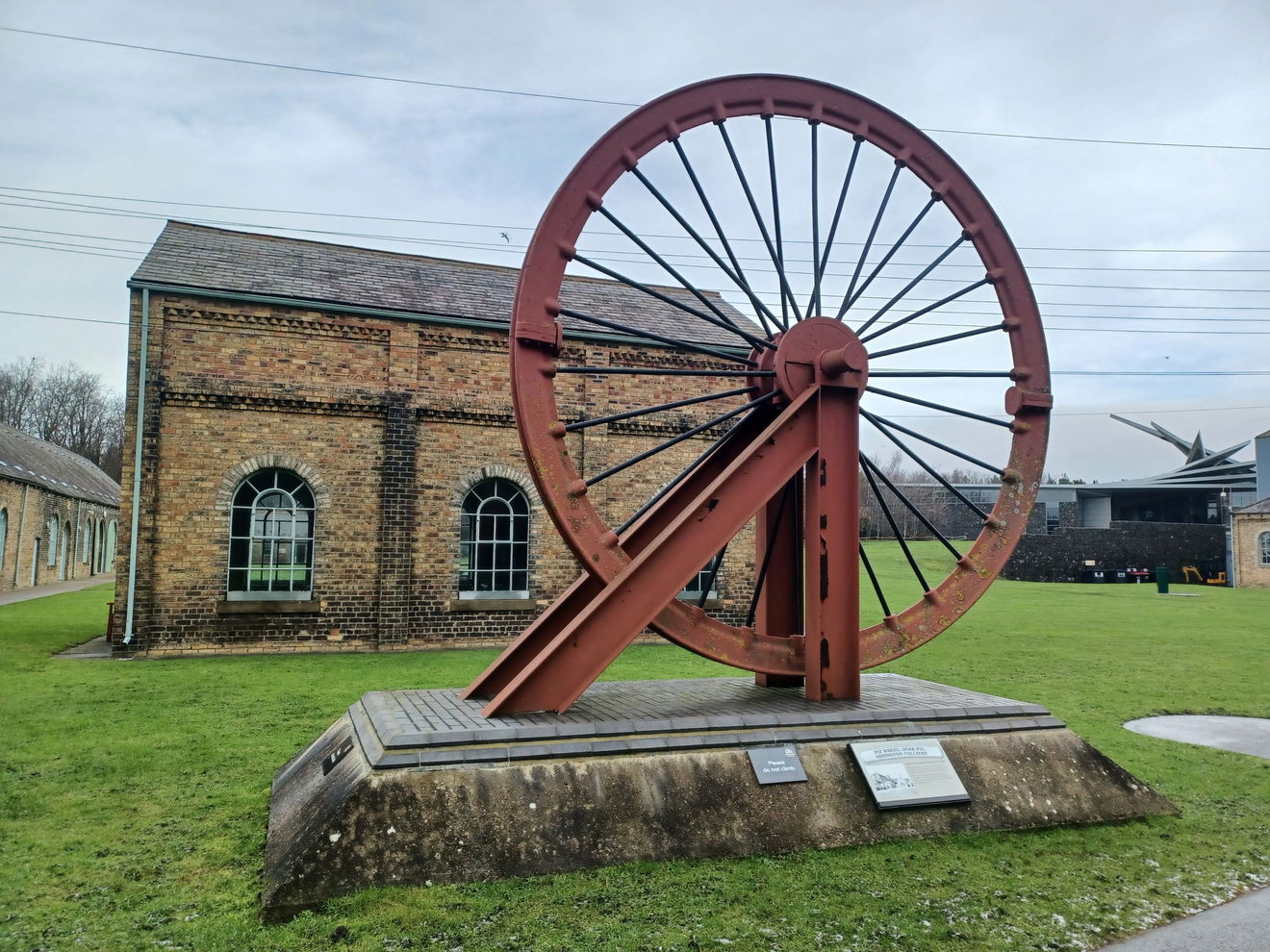
At one time Ashington was the largest pit village in the world and the coal seams were rich but needed Victorian ingenuity with steam, and physicality with human labour to access them. Two shafts were sunk, No. 1, the Downcast, and No. 2, the Upcast, which were marked by the huge winding houses which helped to lower the men down in cages and bring the coal back to the surface. The winding gear is a distinctive part of the Ashington skyline and was the location for the “Weeping Window” art installation when it visited the museum in 2015.
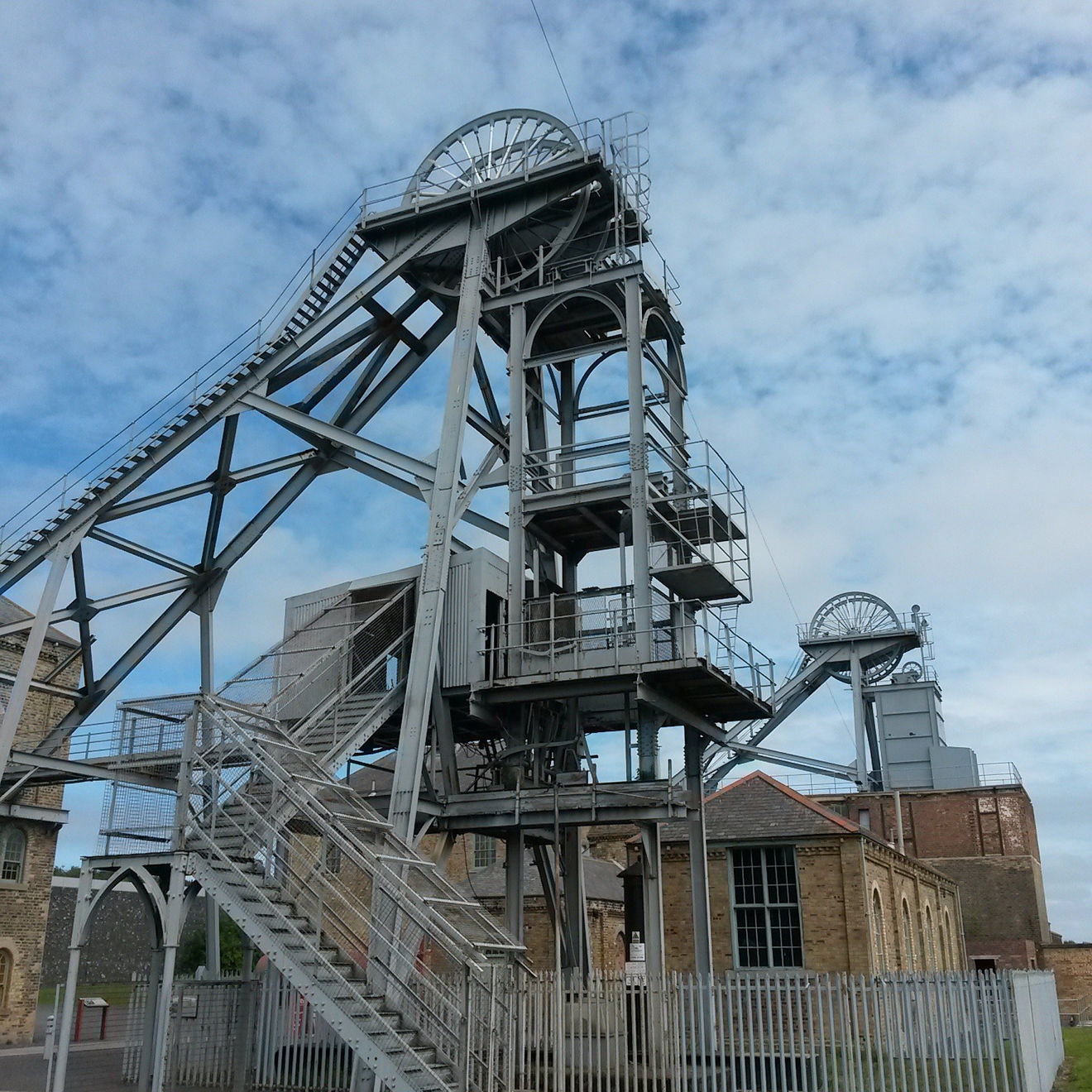
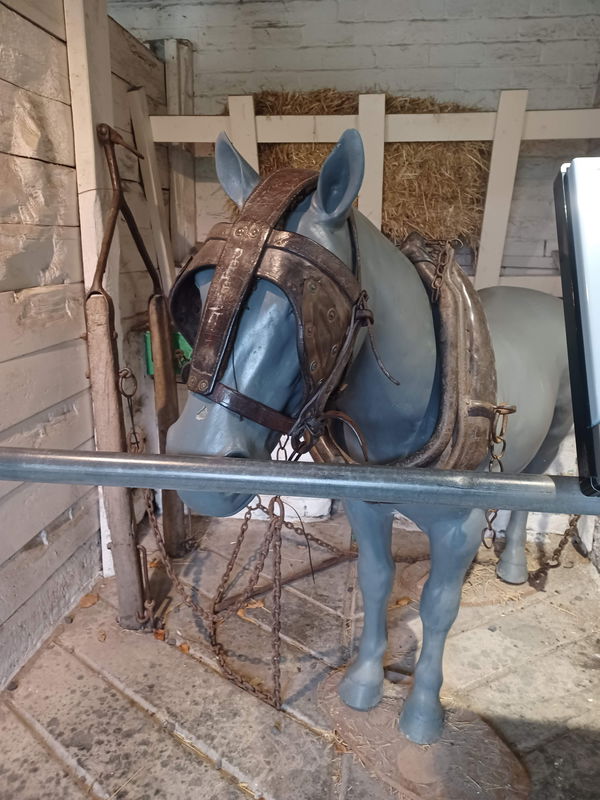
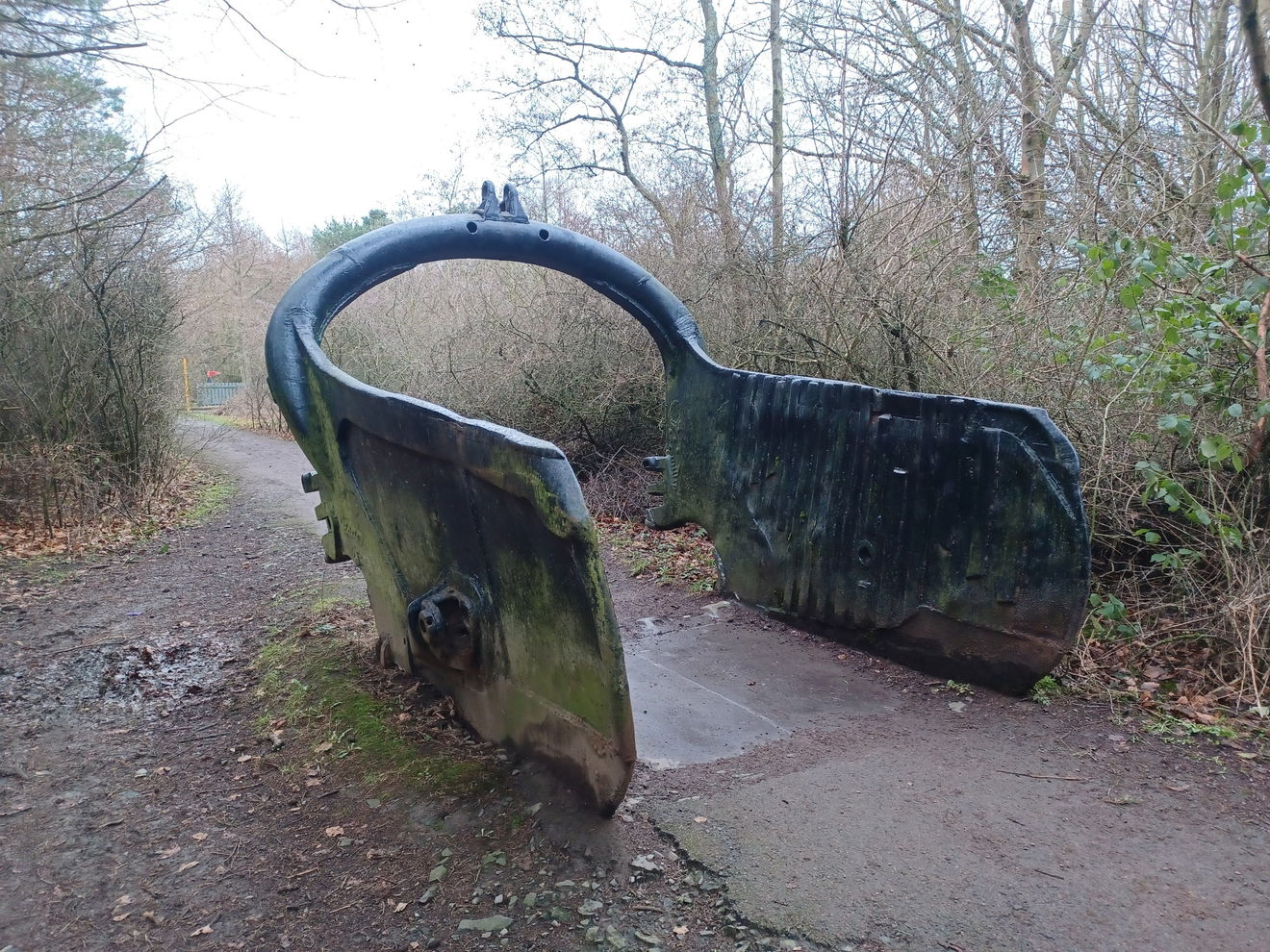
At Woodhorn you can also find a rare surviving “Heapstead”, where the coal was sorted and moved, along with “Guibal” and “Cappel” fan houses which pumped fresh air into the miles of tunnels, keeping the men alive, and a stable where the Pit Ponies lived when above ground.
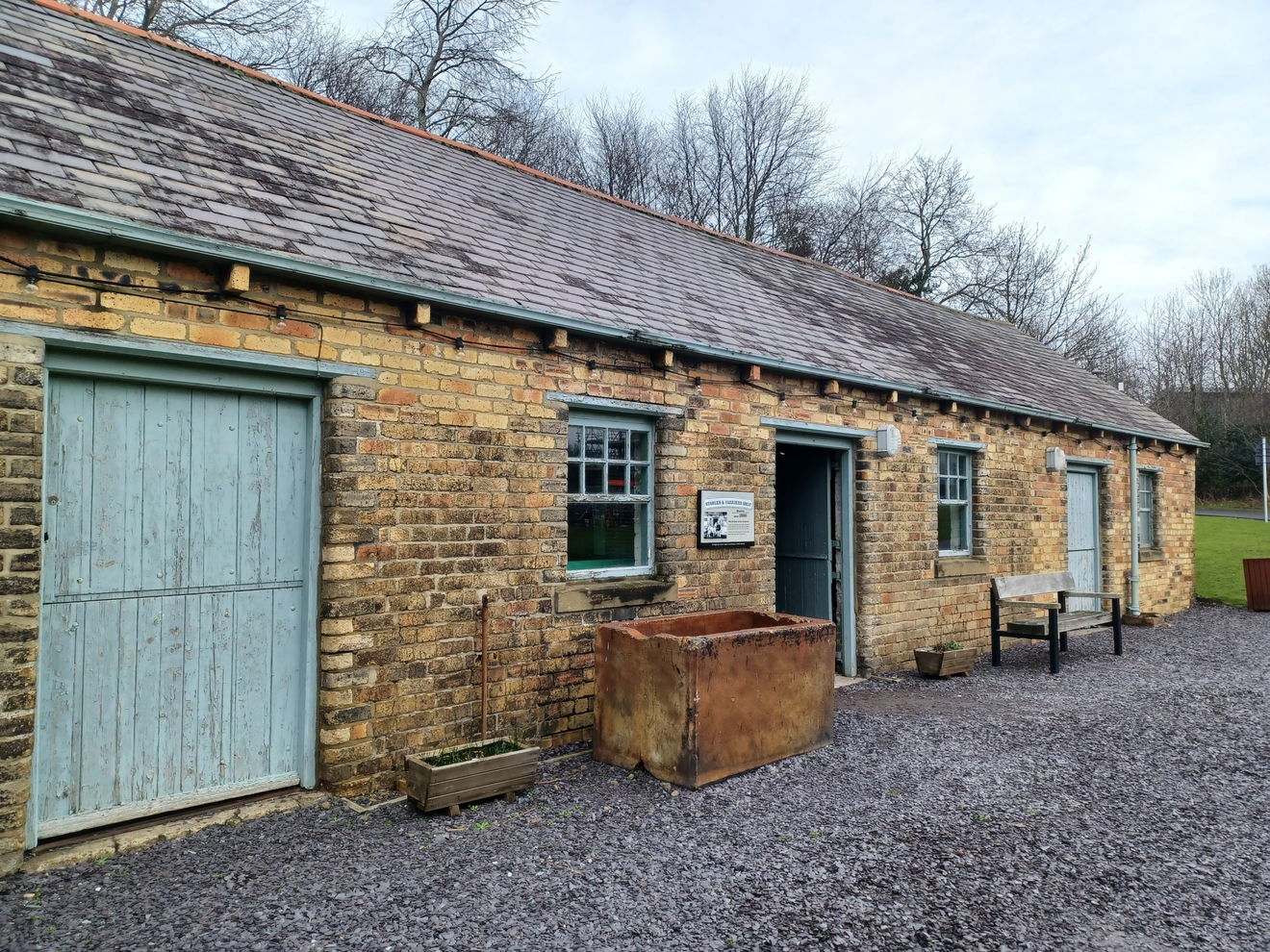
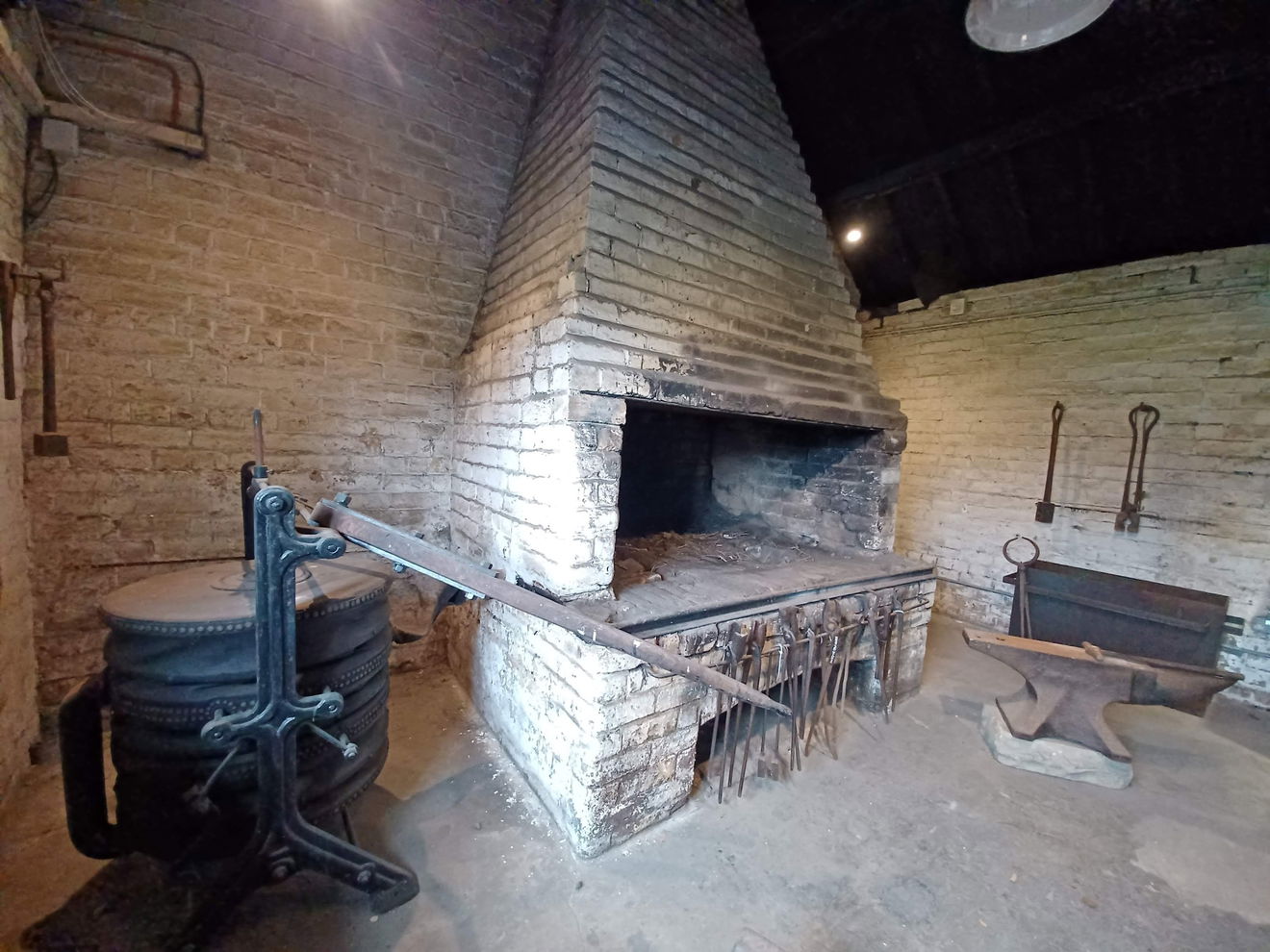
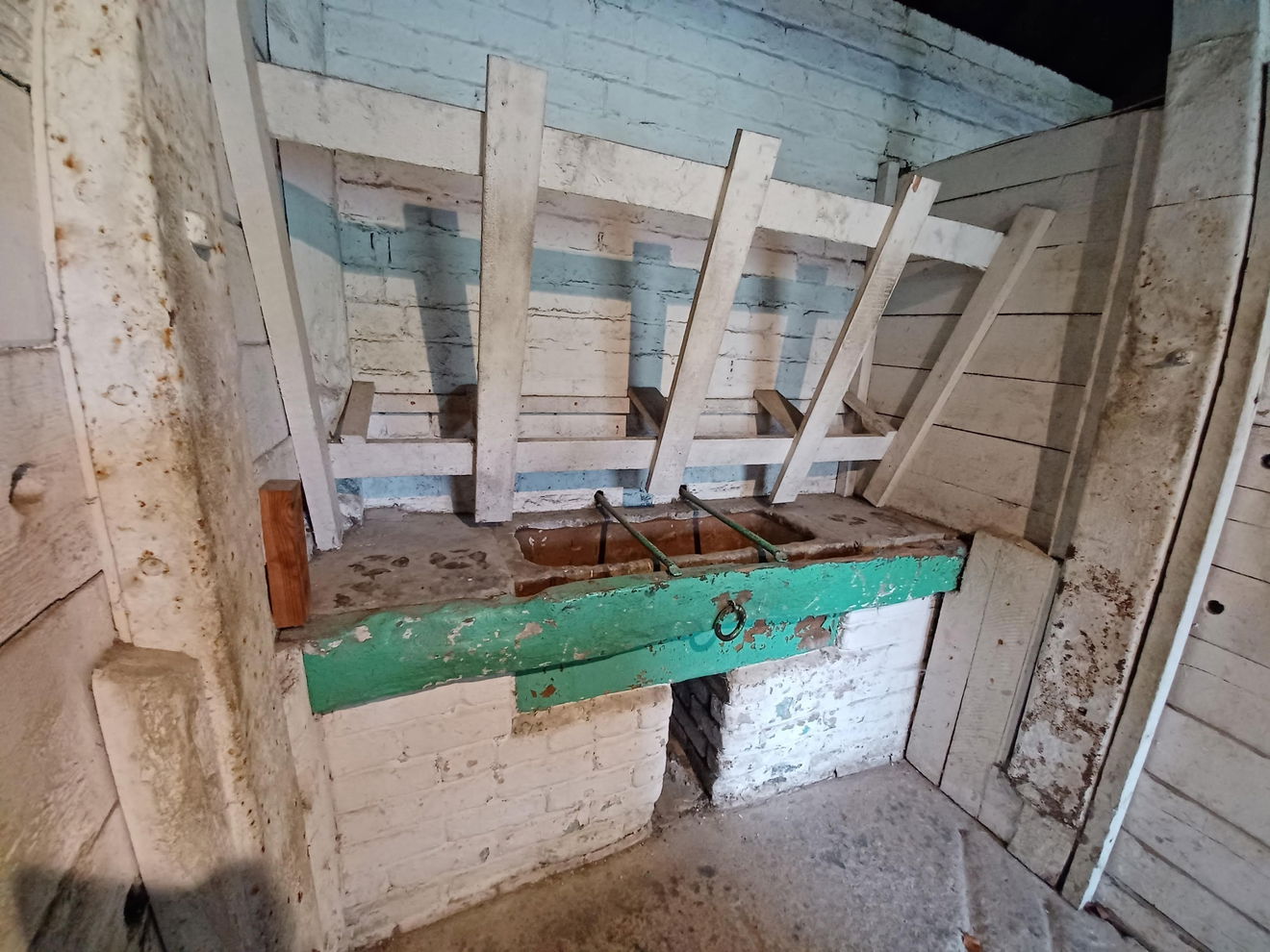
The Pit Ponies were a hardy breed that could access areas of the mine that were too small for locomotives, making them a vital cog in the engine of the pit. They often worked hand in hoof with “Putters” who were young boys tasked with moving the coal tubs from the coal face to the surface. The bond between Putter and Pony was close and the ponies were well looked after and treated with great affection.
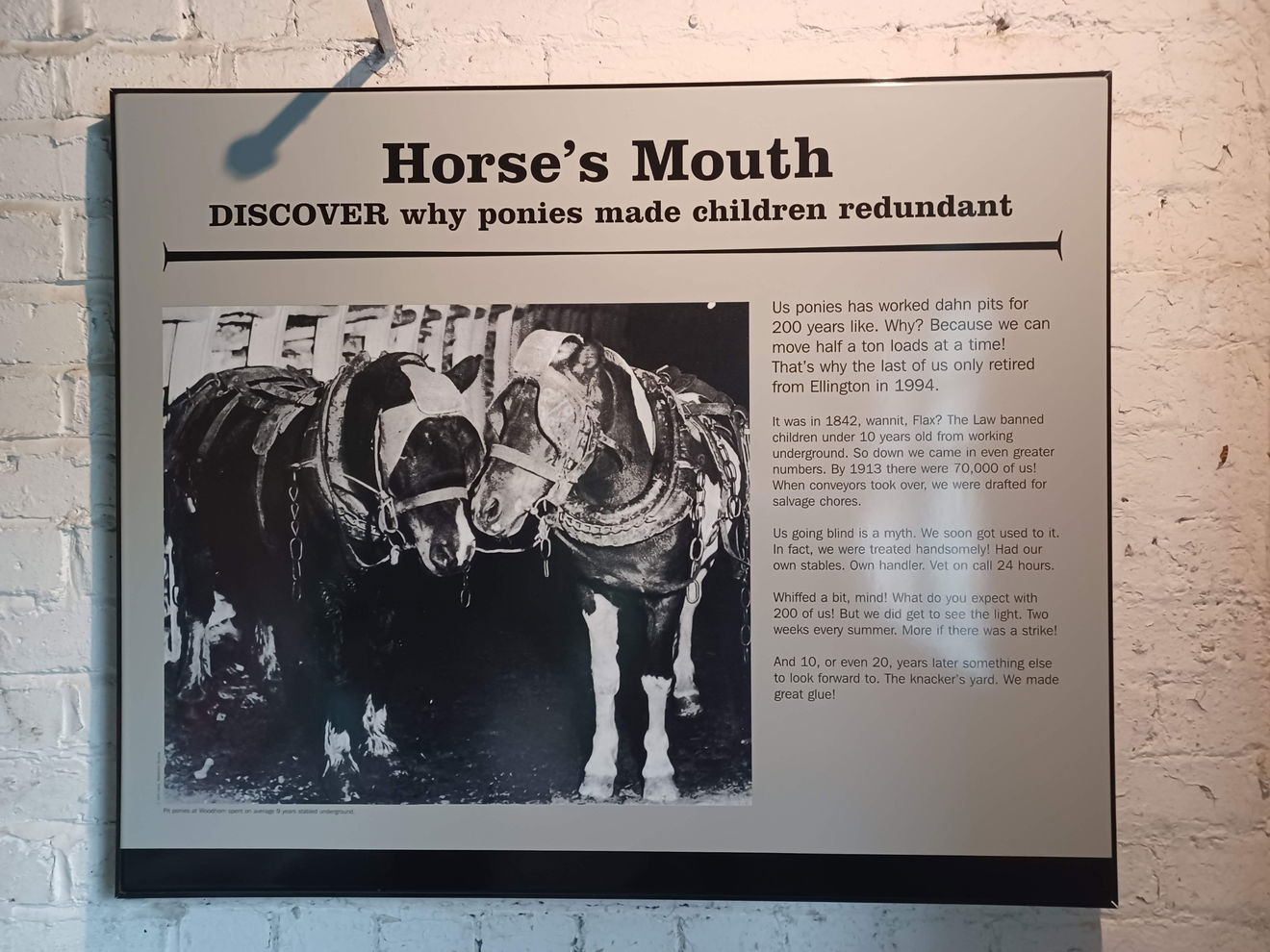
Around 2,000 people were employed to work in the pit at Woodhorn and they operated in a strict hierarchy. At the “top” were “Hewers”, the men who worked at the coal face hewing the coal, often in spaces less than 1m in height. Next came the “Putters” who hauled the coal to the surface with the help of the Pit Ponies, then at the bottom there were the “Trappers”, often very young children (until labour laws stopped this) who opened and closed the ventilation doors.
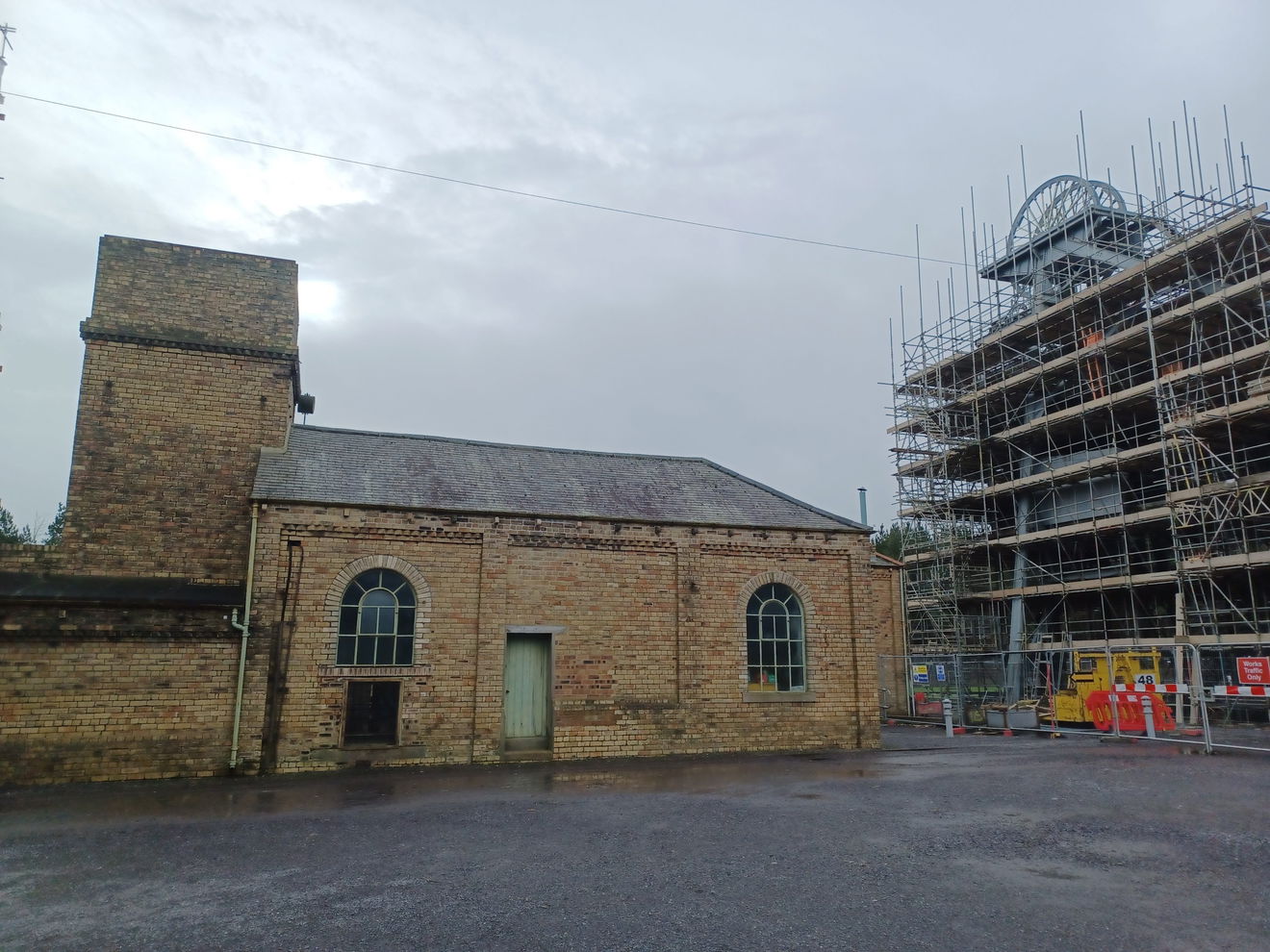
On Sunday 13th August 1916, tragedy struck at Woodhorn Colliery. As it was the weekend, there was only a small maintenance crew of 13 working underground at the Harvey Seam, repairing the haul road to ensure it was ready for the first shift on Monday. A pocket of firedamp (methane gas) was ignited causing an explosion, while the initial explosion was relatively small it caused a knock-on effect which damaged the ventilation doors allowing afterdamp (a lethal mix of carbon dioxide, nitrogen and carbon monoxide) to flood the mine.
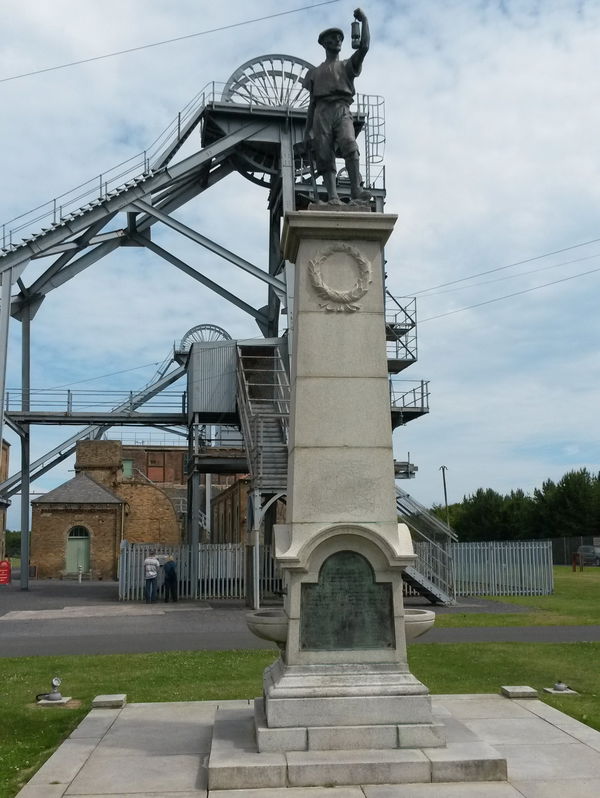
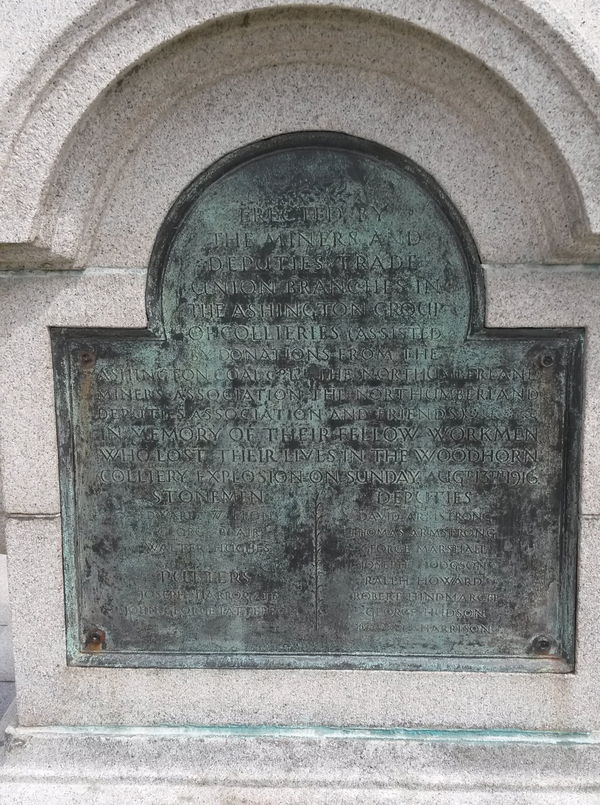
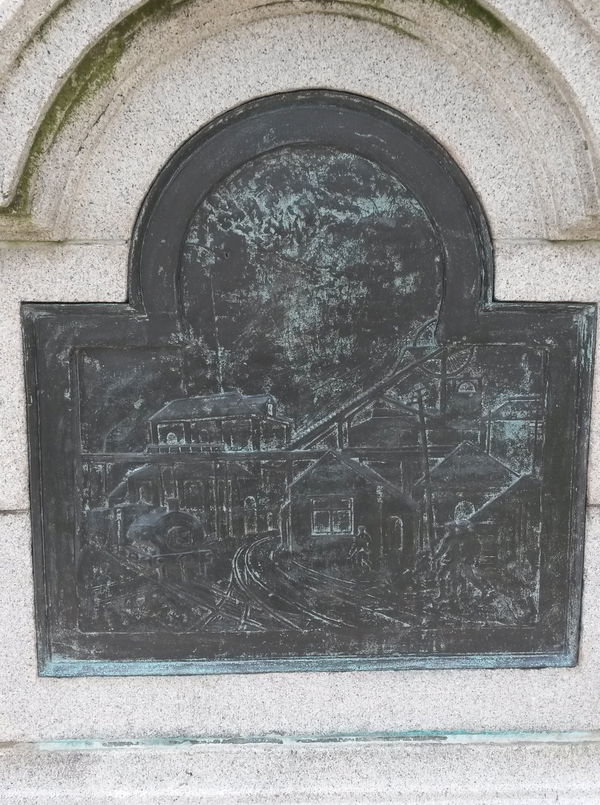
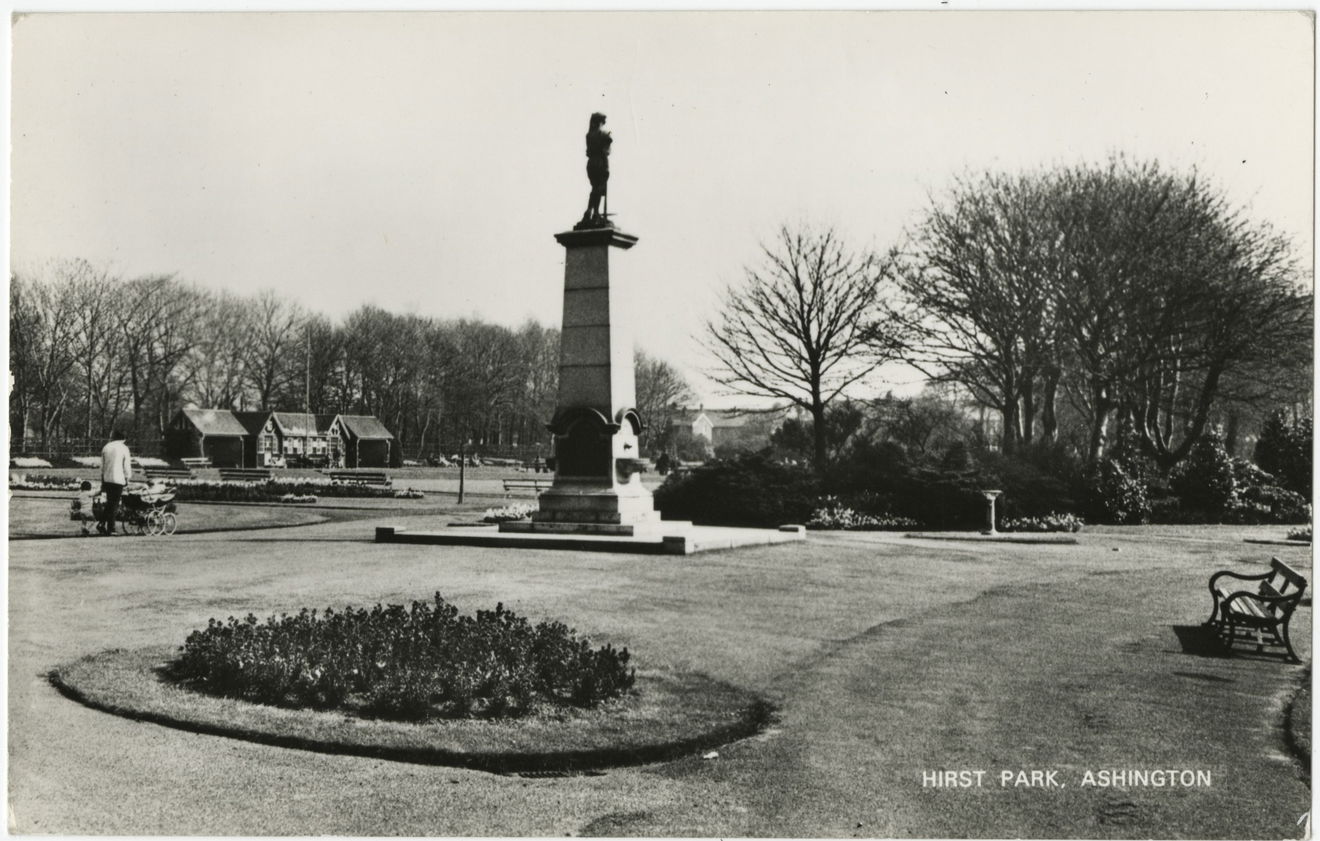
Of the 13 men working there that day, 11 of them were killed. Ralph Howard was one of the two survivors that day and he managed to scramble through the darkness and poisoned air to the shaft bottom to raise the alarm. Rescue teams from Ashington and Newbiggin collieries raced down into the pit, despite the risk of further explosions, and worked tirelessly to recover their comrades. There is a memorial to the disaster, which once stood in Hirst Park but can now be found in the ground of Woodhorn Museum, and every year on the 13th August a remembrance ceremony is held for those lost.
(Image of Hirst Park courtesy of Northumberland Archives)
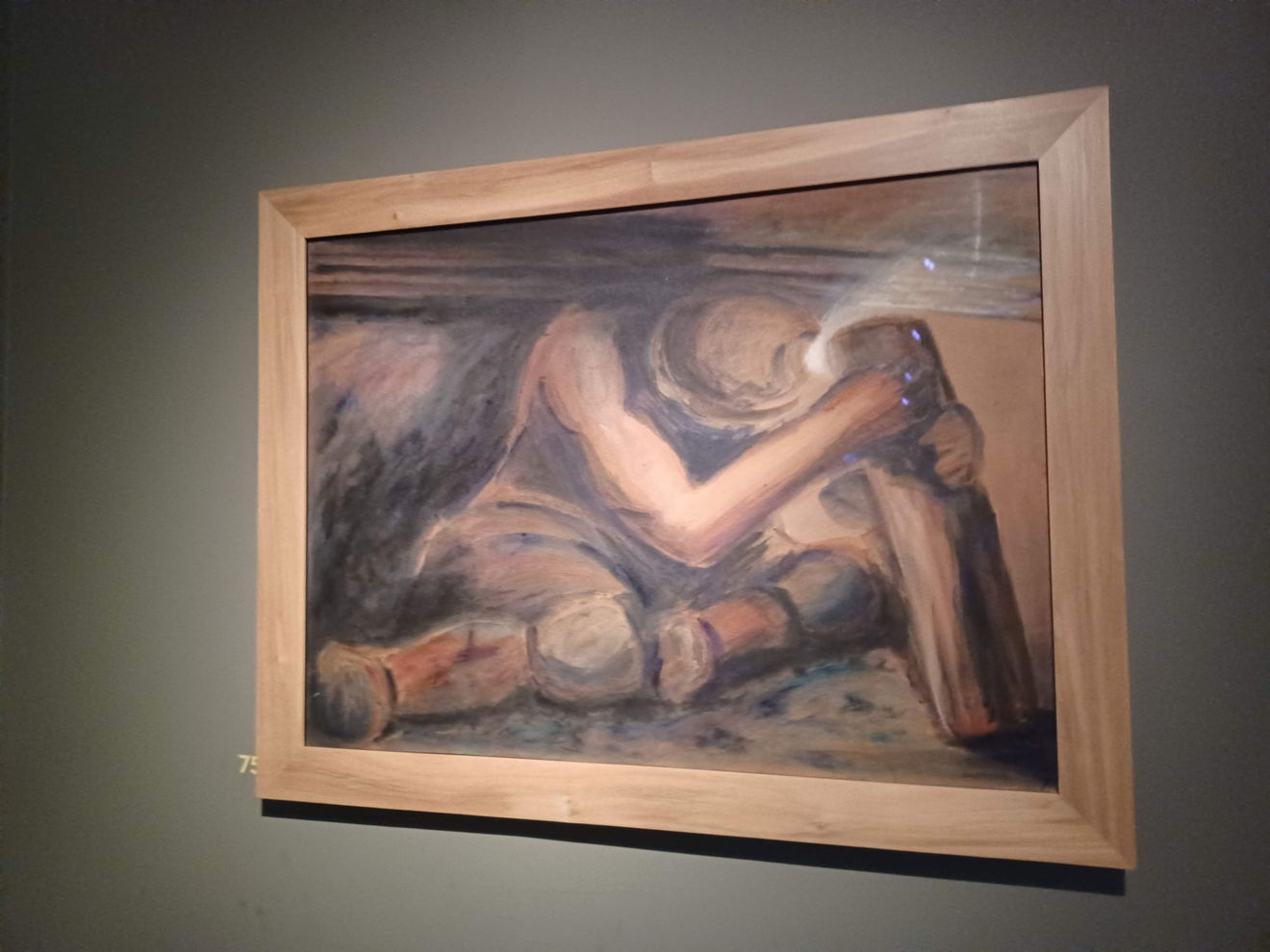
Though the work was hard, outside activities were encouraged. At Woodhorn a group of miners set up, though the Workers Educational Association (WEA), an art appreciation class in 1934. Rather than just look at pictures of Old Masters, their tutor, Robert Lyon, encouraged them to “learn by doing”.
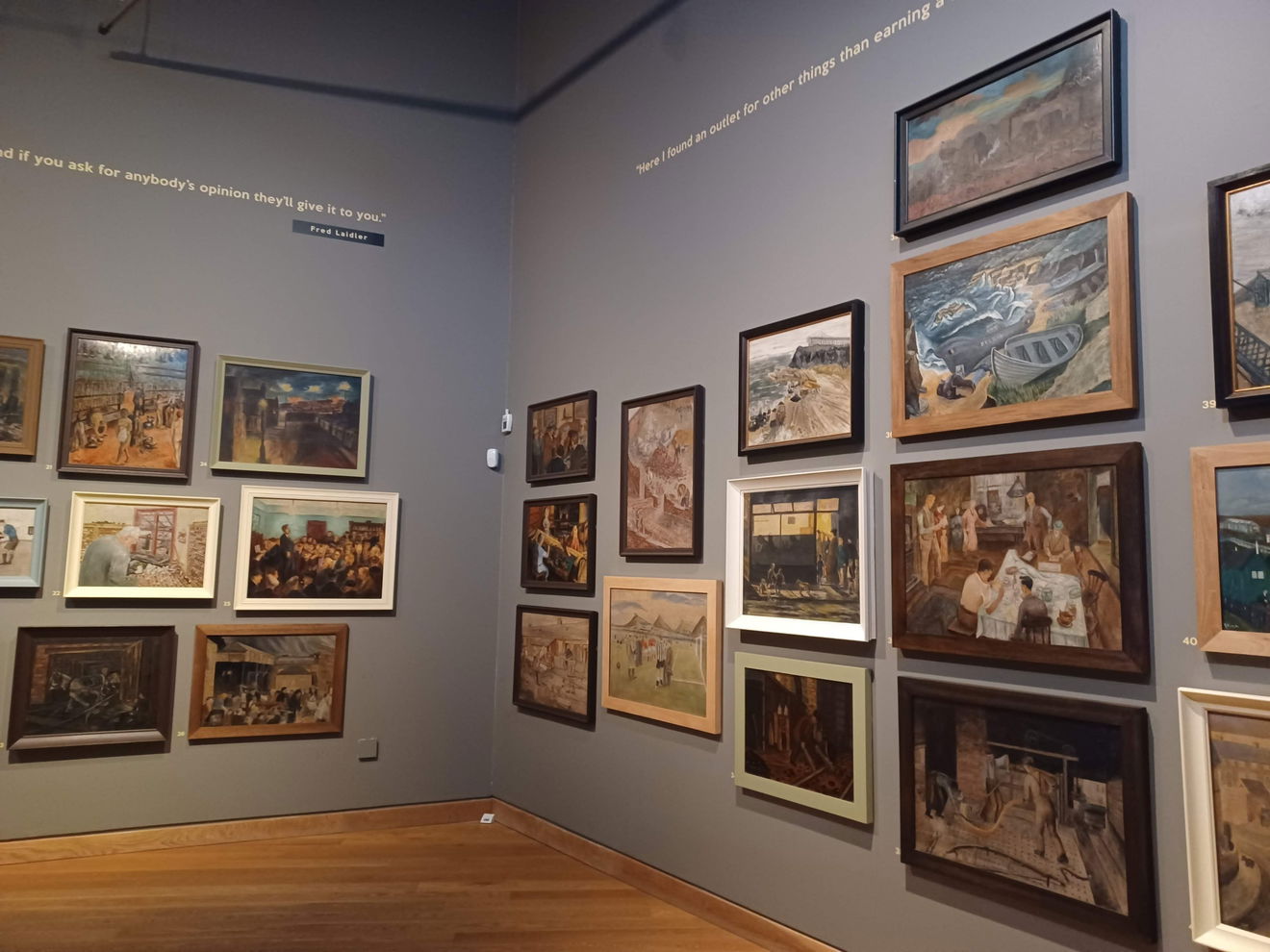
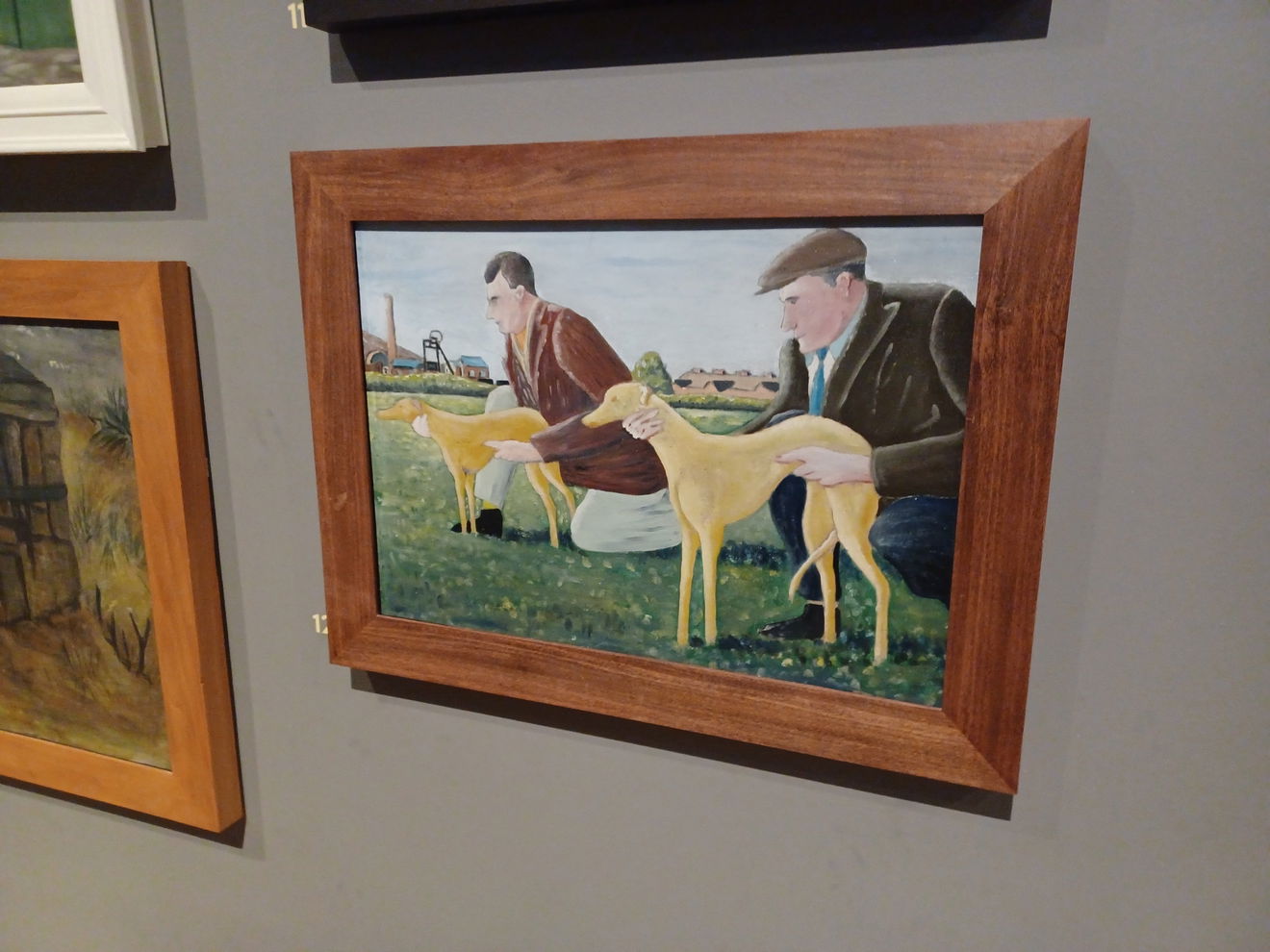
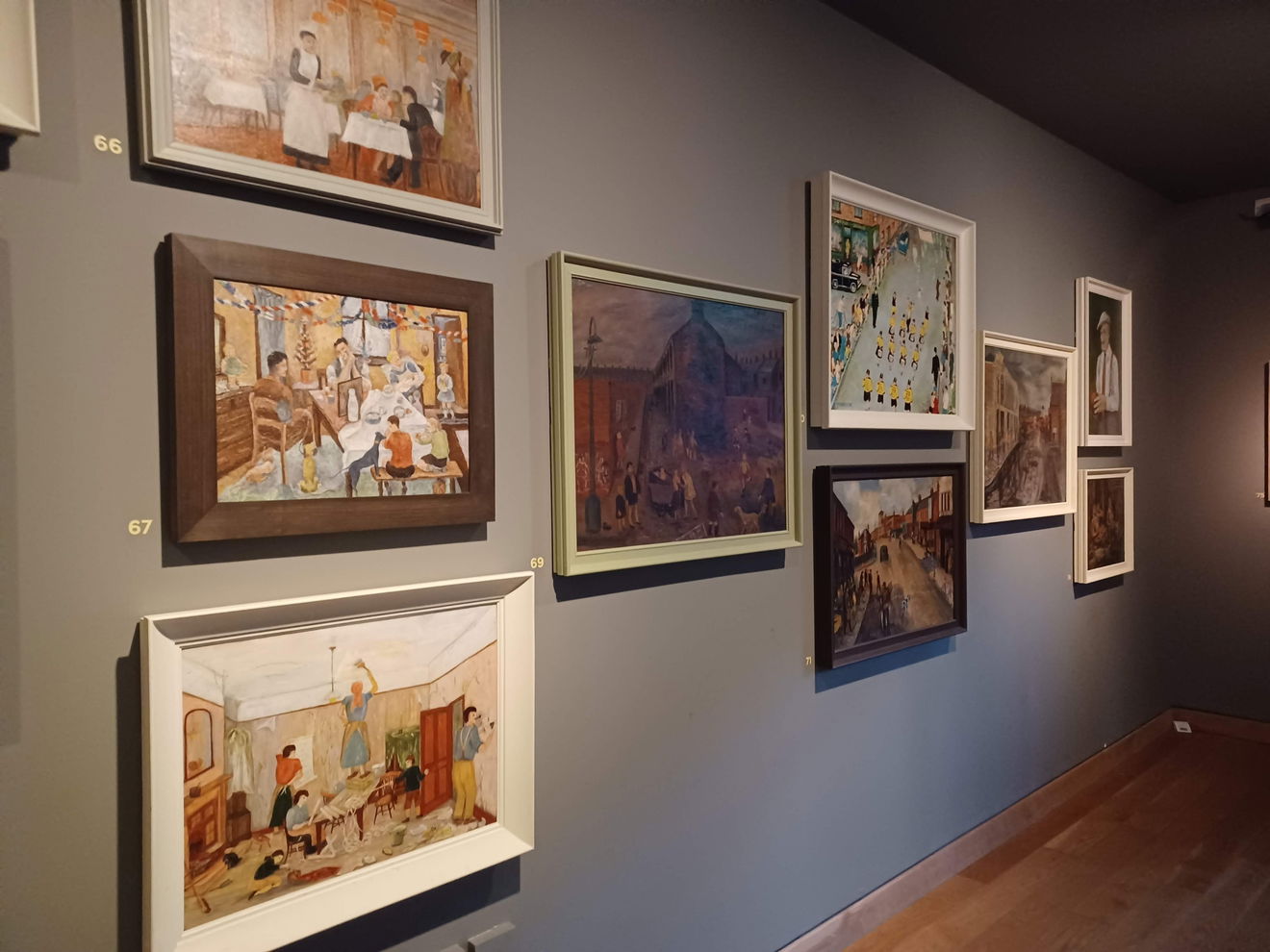
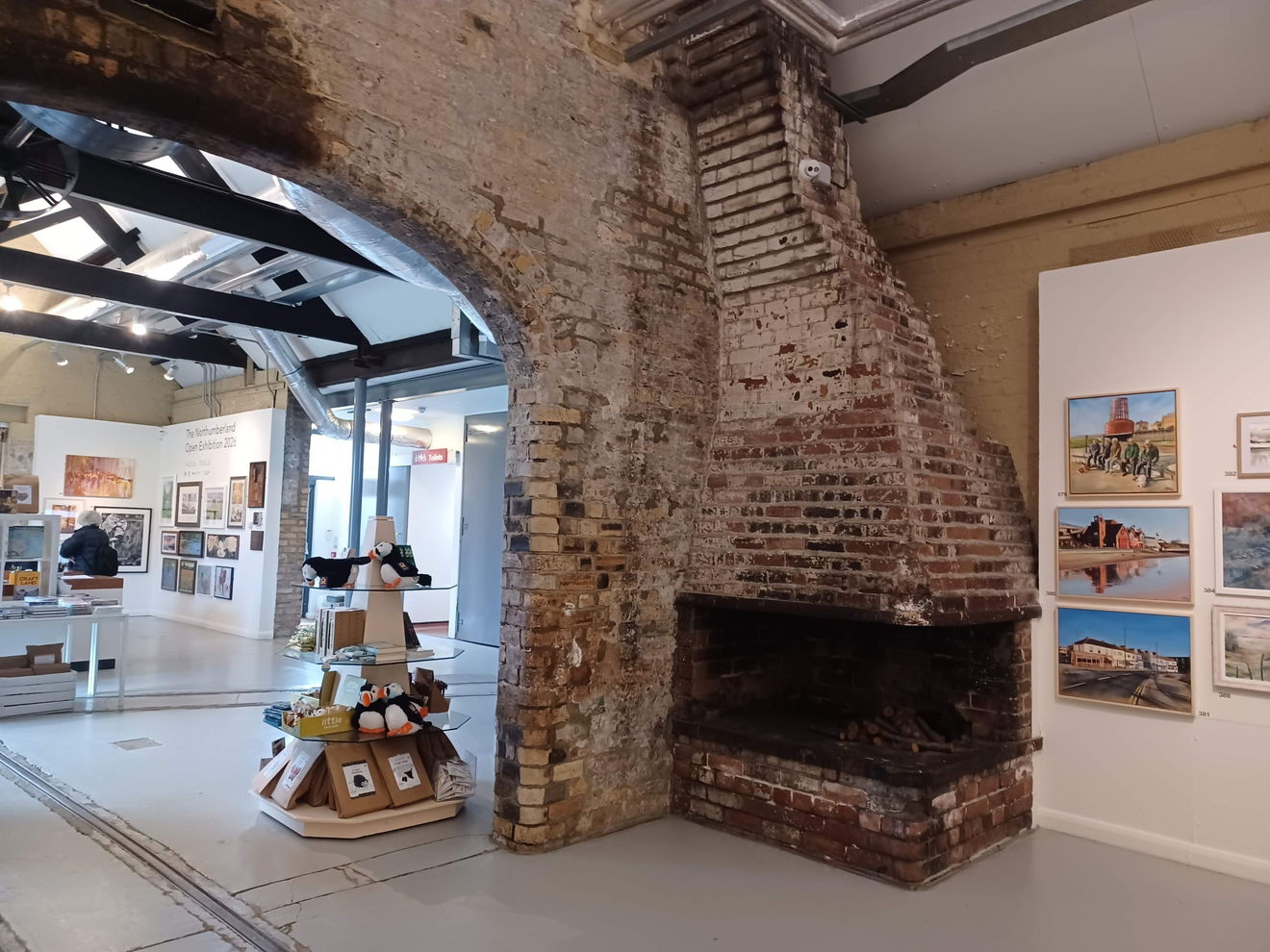
The results of this, which captured the day-to-day life of the community, went on to become a world-famous phenomenon. The Ashington Group, known worldwide as “The Pitmen Painters”, were prolific in their output and some became household names such as Oliver Kilbourn. The Woodhorn Museum houses the permanent collection of their work.
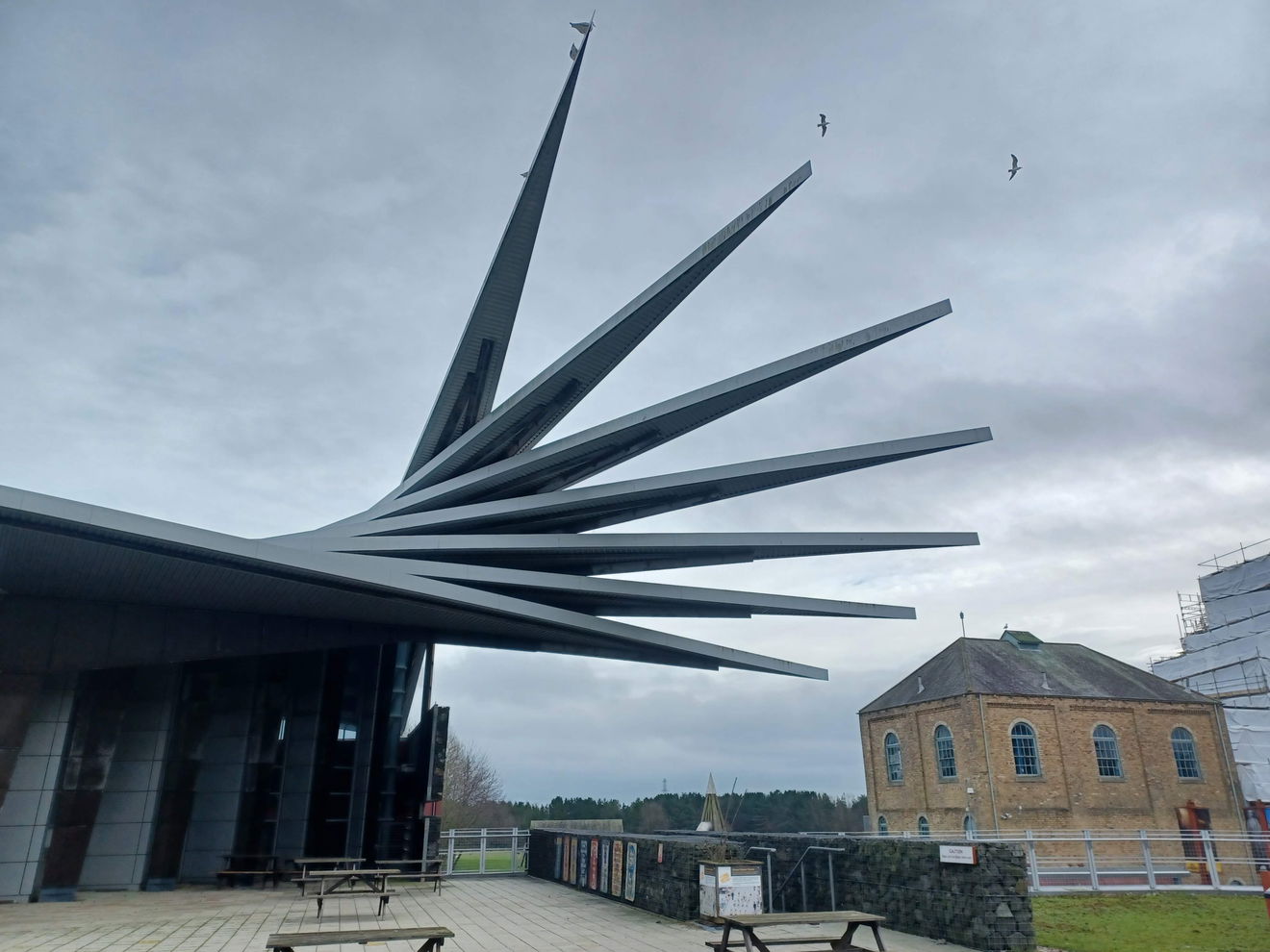
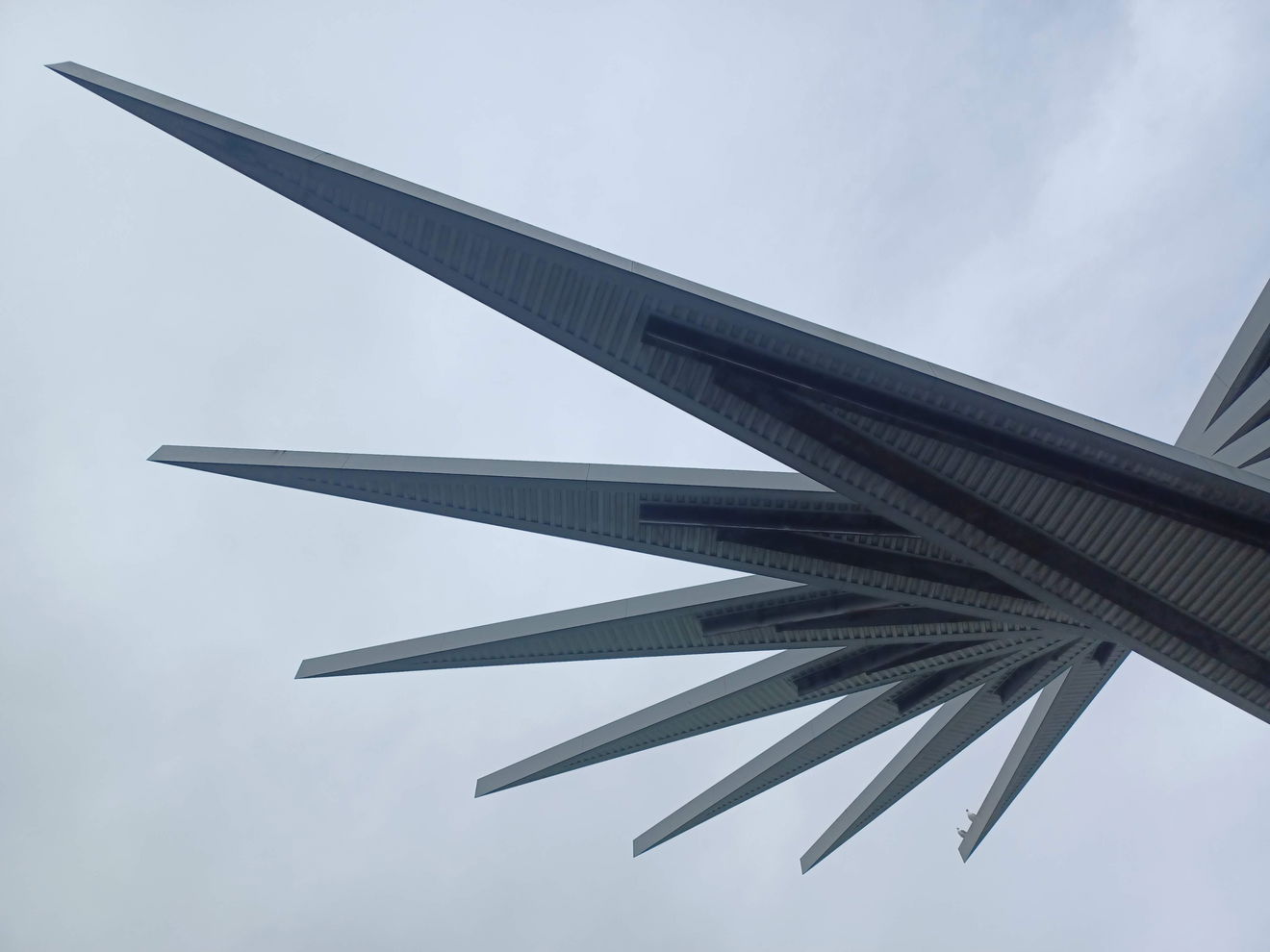
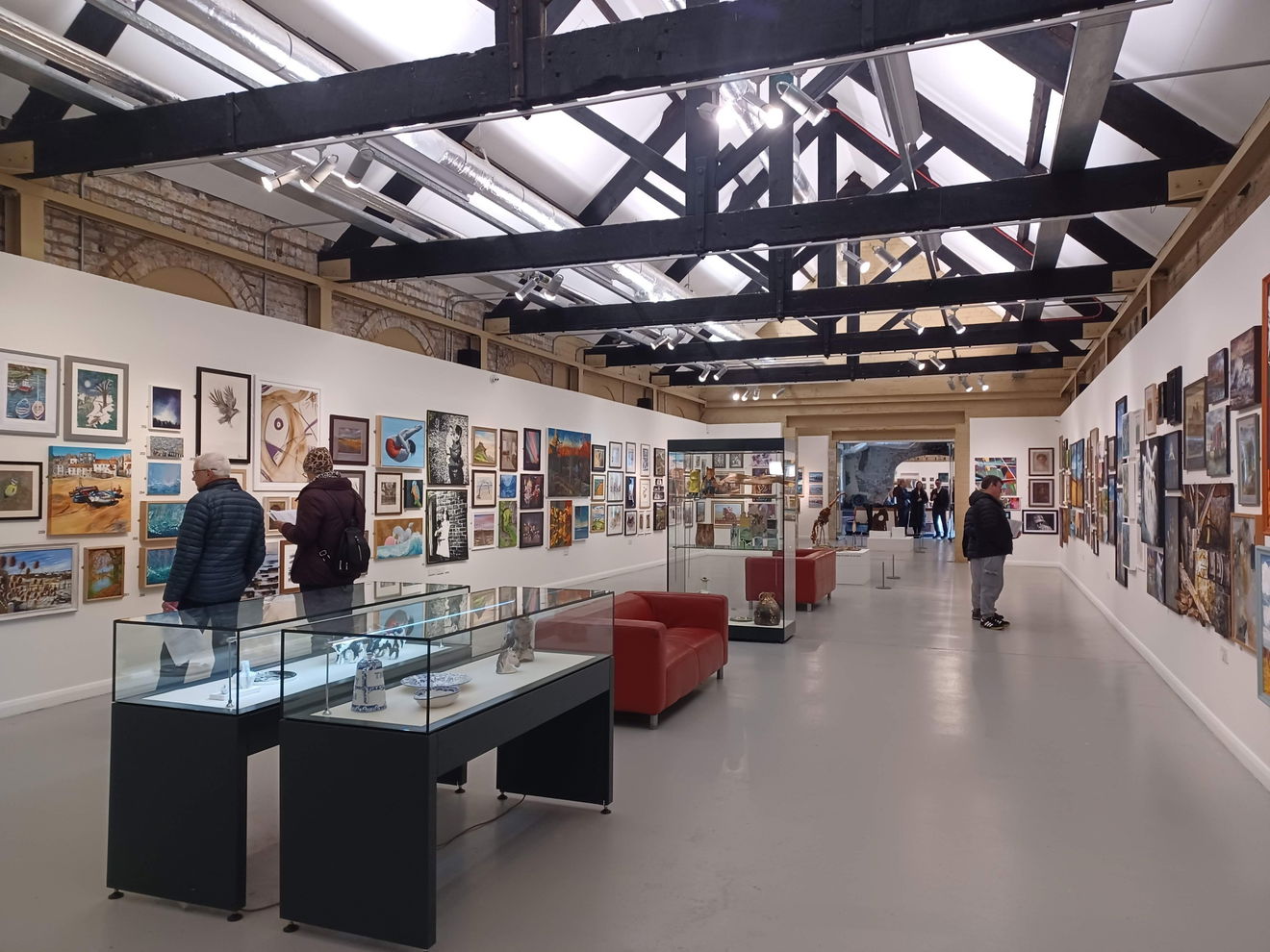
In 2006 there was a major redevelopment of the site which saw the introduction of “The Cutter”, a modern museum building designed by the Architect Tony Kettle that is based on the form of the coal cutting machines that once excavated the coal across Northumberland.
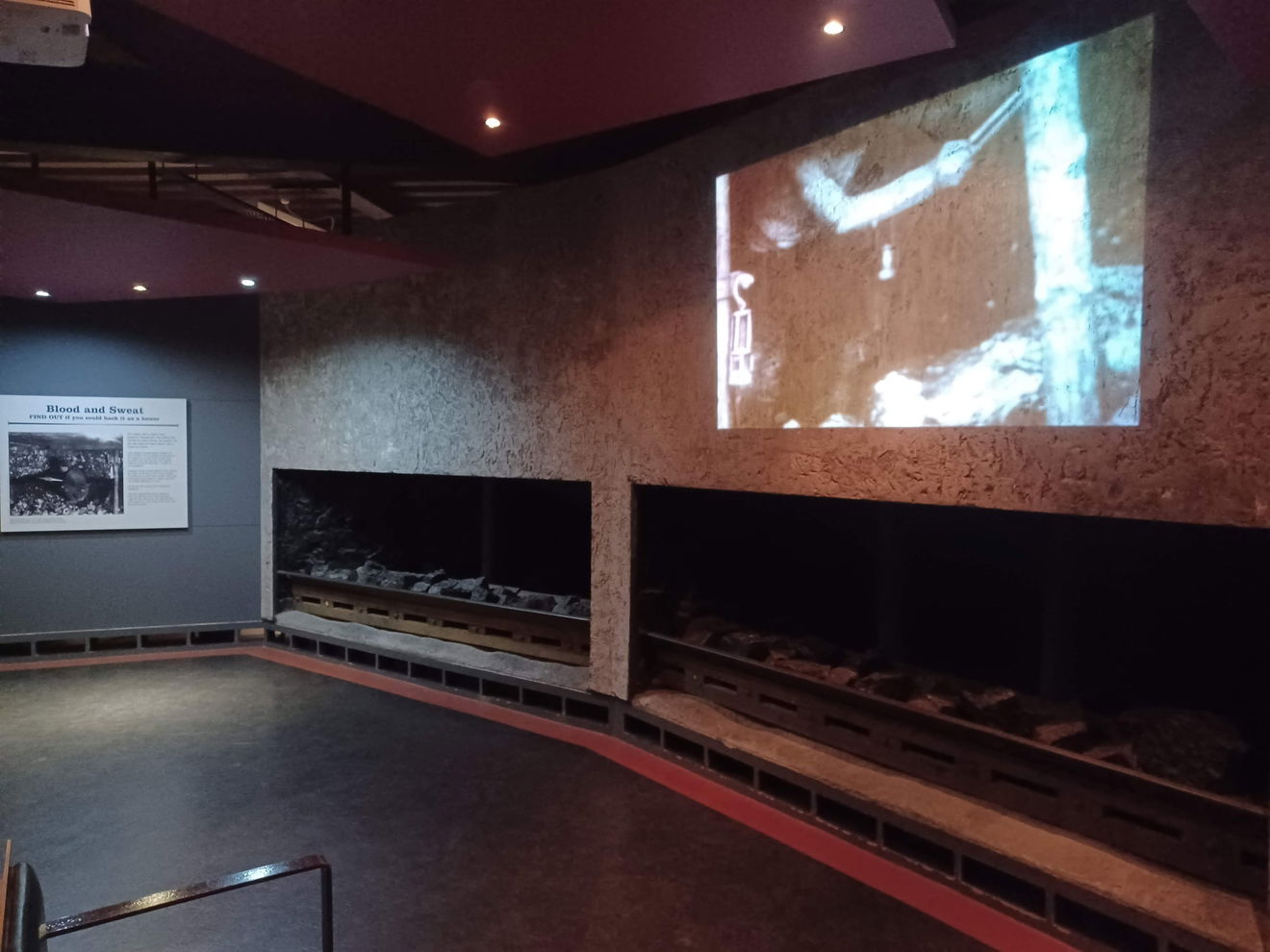
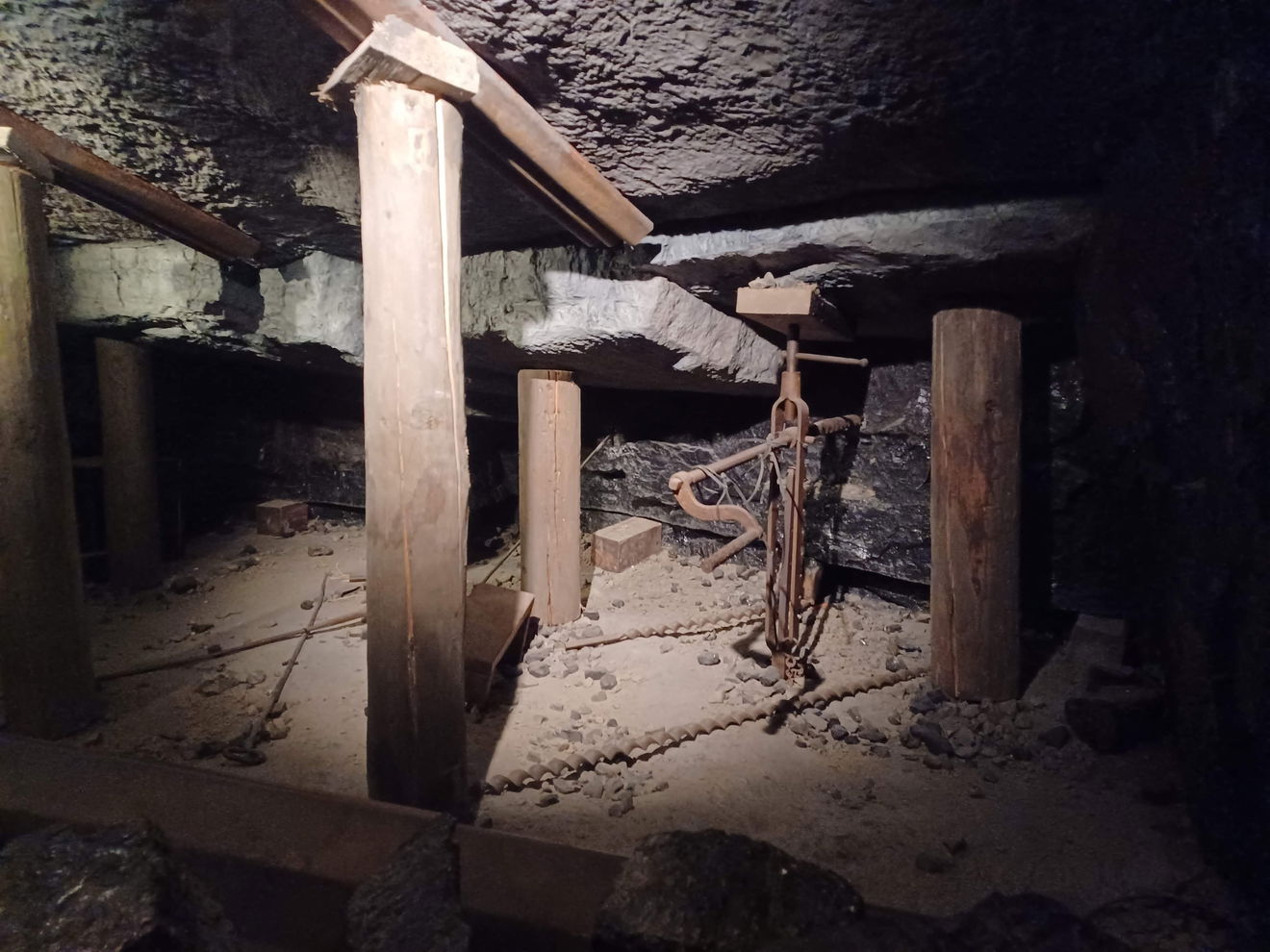
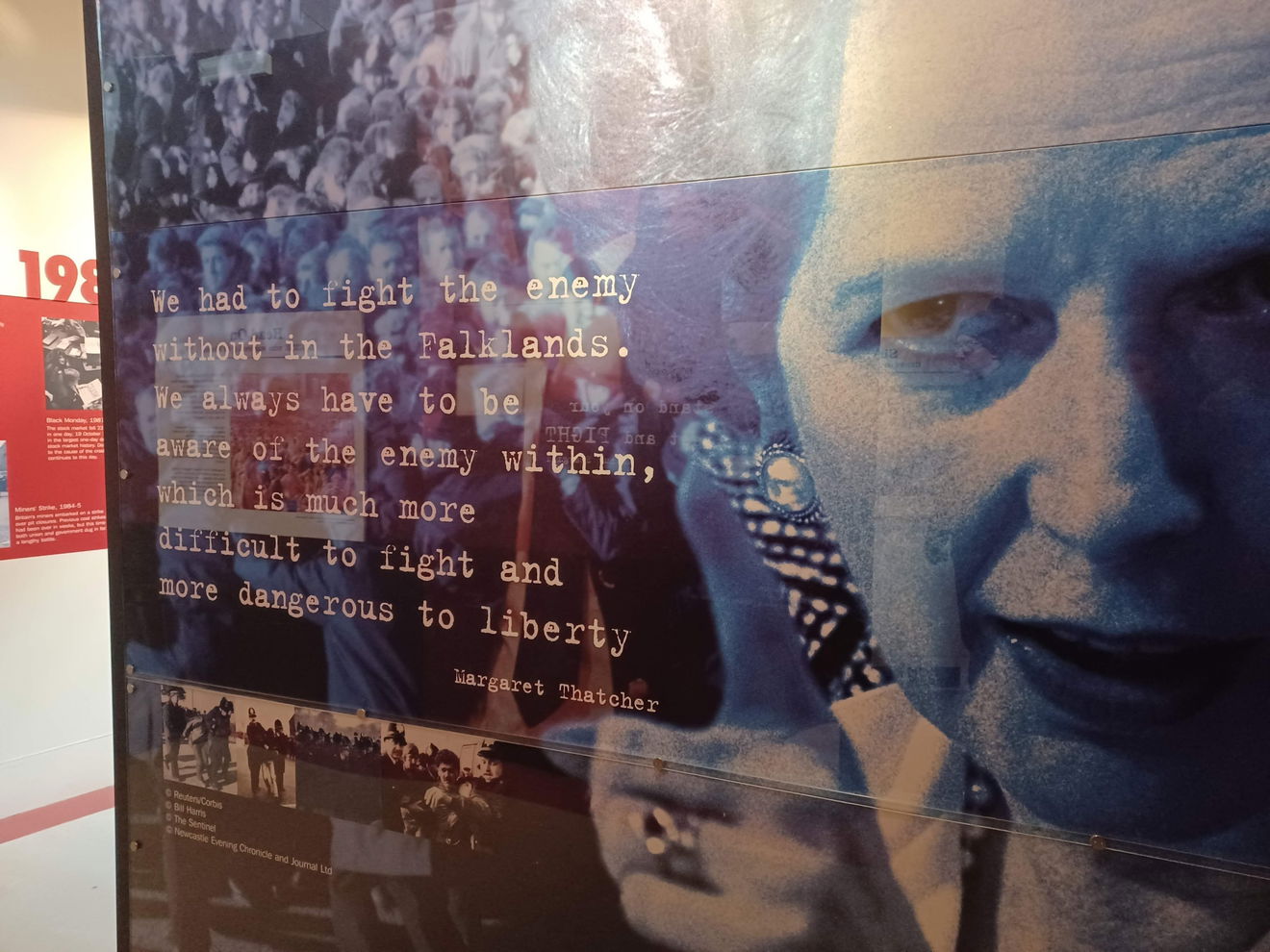
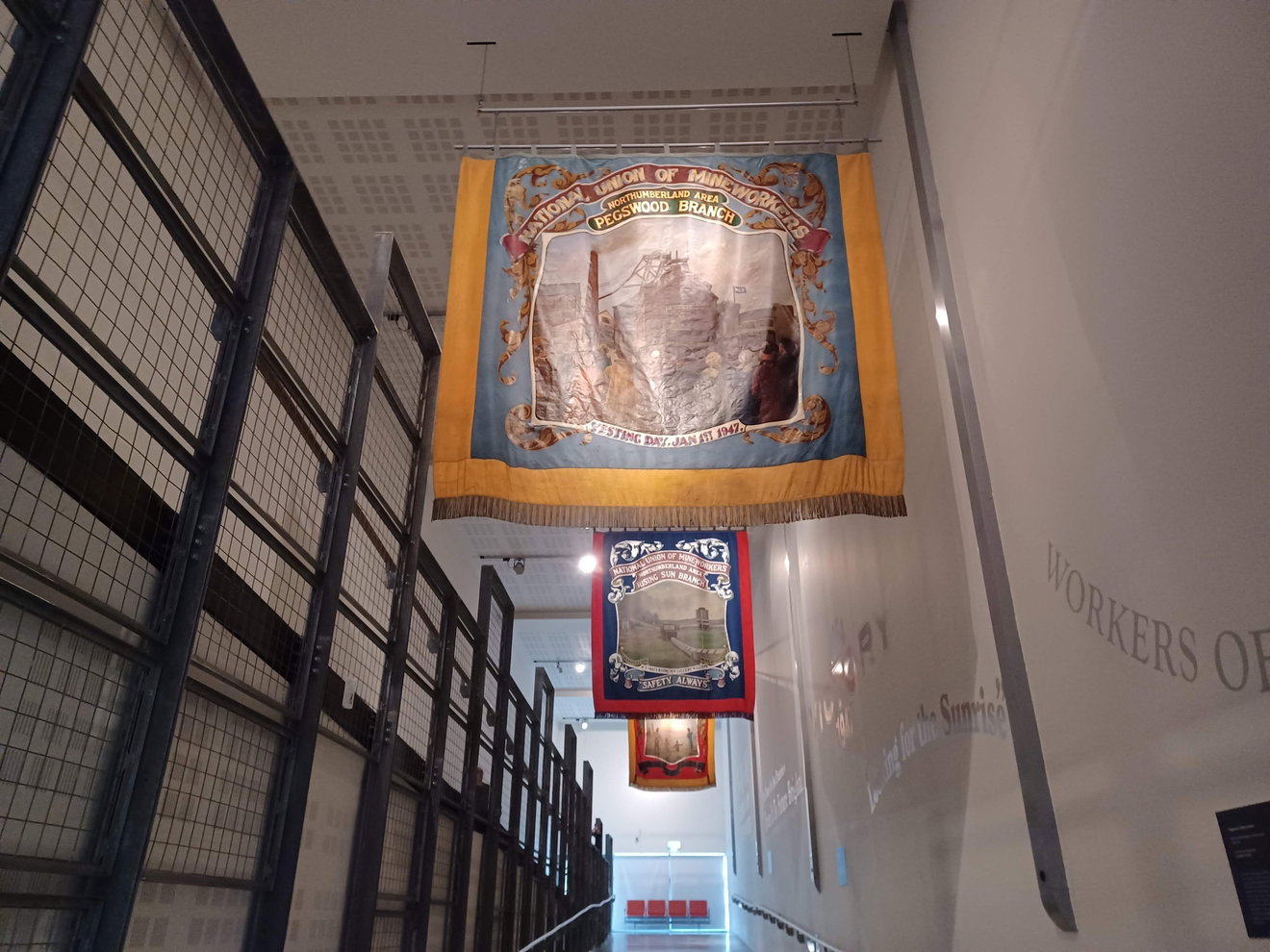
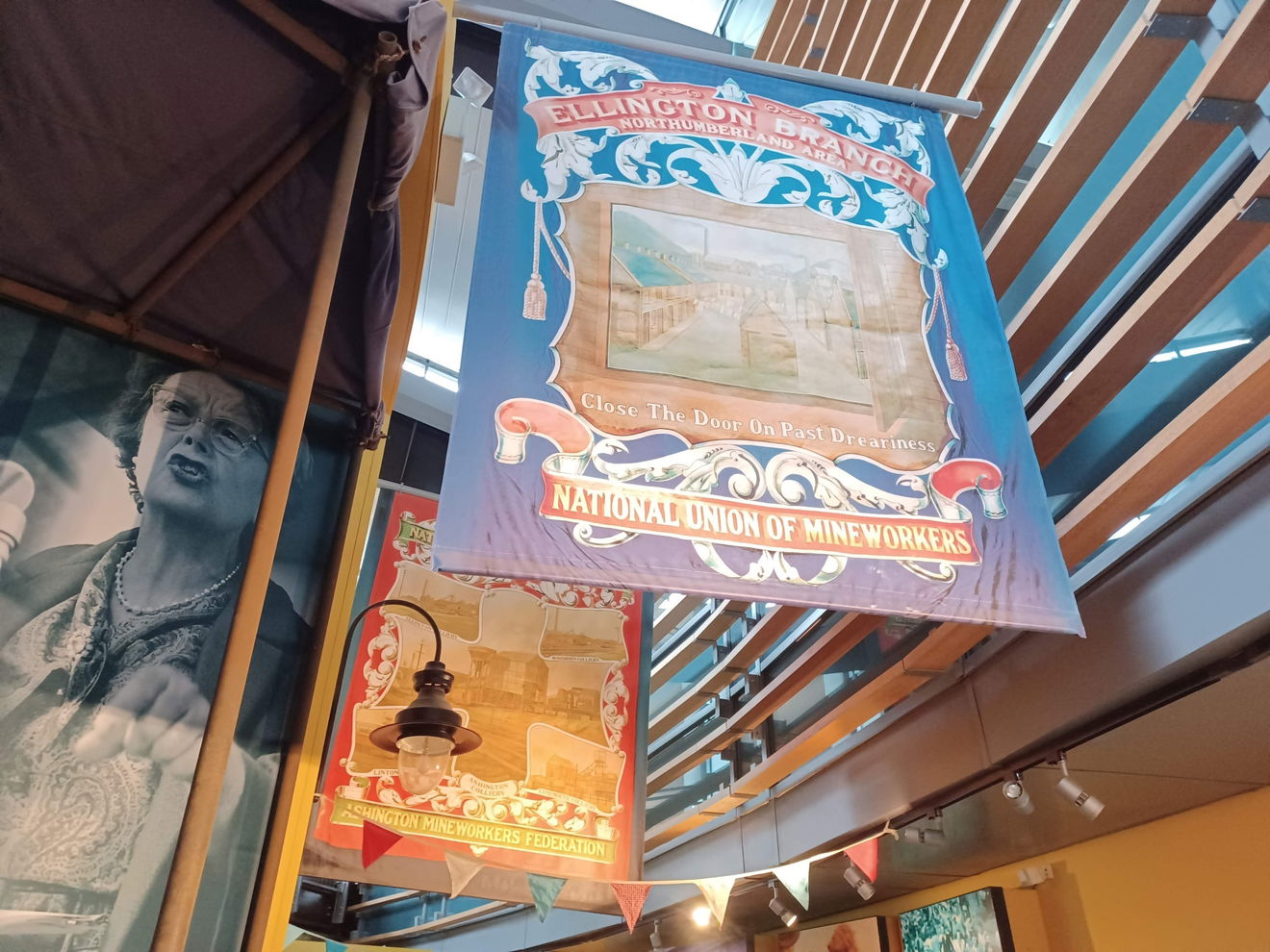
Inside The Cutter you can find an exhibition that takes you from the early life of Woodhorn, through to the Miner's Strike and the closure of the pits, via a series of interactive displays and recreations. You can walk along a corridor where the silk Colliery Banners hang above you, to the room where the work of the Pitmen Painters is displayed.
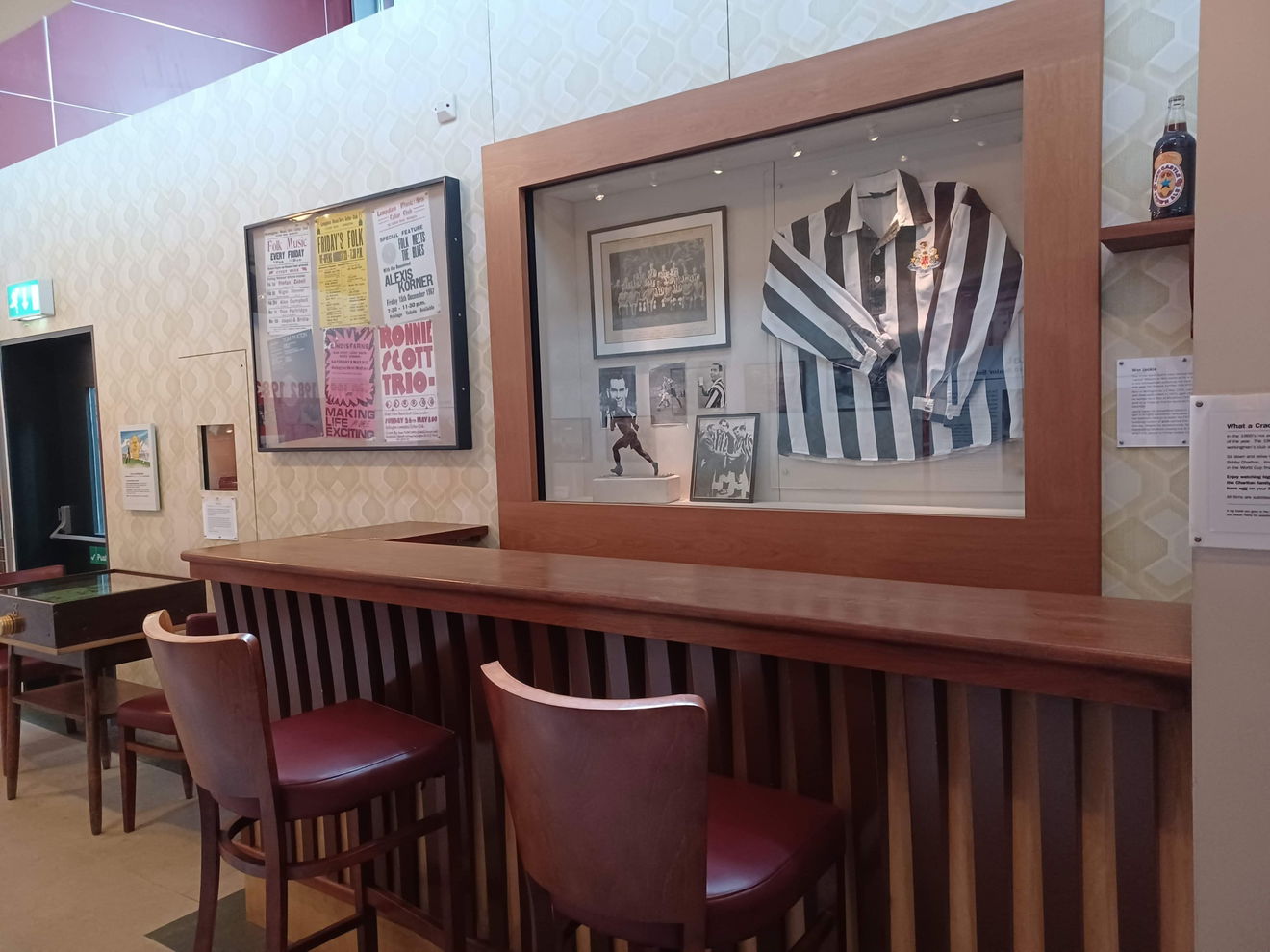
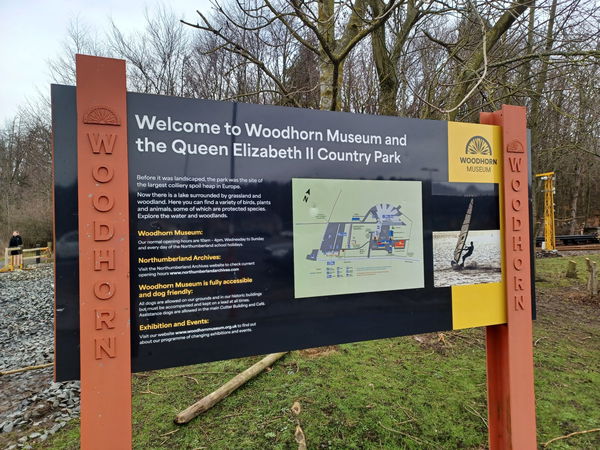
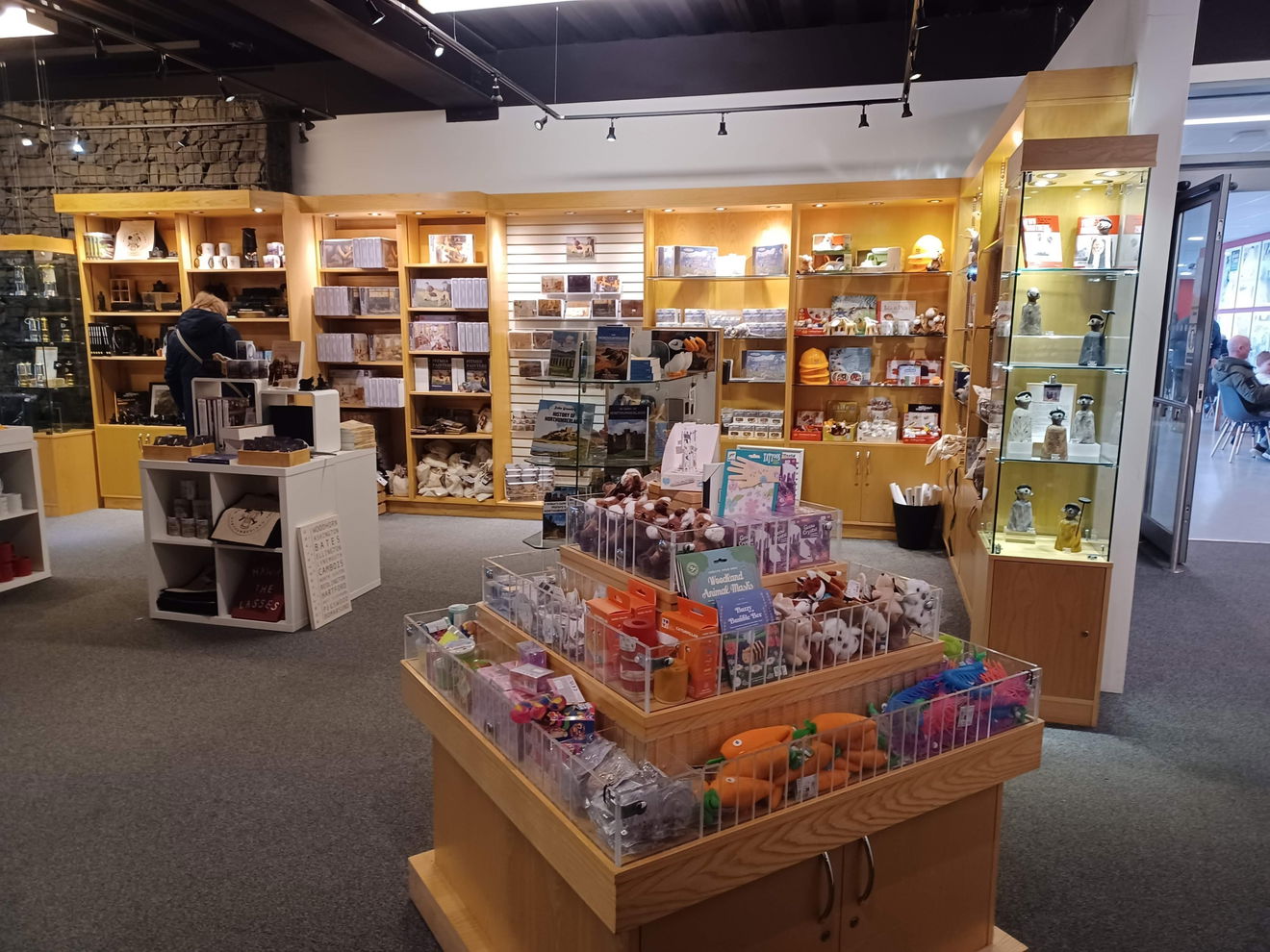
Woodhorn Museum is a great day out for everyone with a café, toilets, gift shop, play area and a programme of temporary exhibits as well as the permanent displays, and if you still have the energy after all that you can always go for a walk around the Queen Elizabeth II Country Park which adjoins the museum site.
Get 1 point if you have visited this place. Already visited by 31 VIPs.
Login to the VIP area to add places to your bucket list, mark them as visited and more importantly see where you rank on the league table.
How To Find Woodhorn Museum
Where Is Woodhorn Museum?
Lat / Long
55.189612, -1.547475
What three words
Where To Park For Woodhorn Museum?
Lat / Long
55.189174, -1.5498206
What three words
Parking is available on site.
Contributed by Andrew Gardner
I love being outdoors, in nature, and experiencing the relaxation it brings. Wandering through the northern countryside seeing unexpected buildings, historic places and occasionally surprised wildlife is one of life's great pleasures.
More Places from Andrew
More Places In Ashington
Find more fabulous places in Ashington, Northumberland and if you know of a place we haven't listed, then let us know.
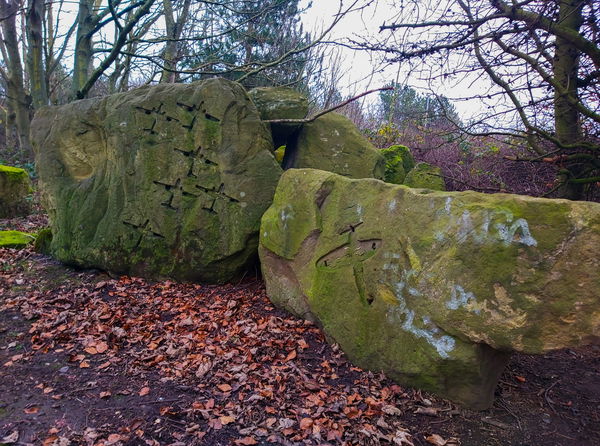
Sweetheart Wings (Spitfire Rocks)
Art Ashington NorthumberlandSweetheart Wings near Ashington is a curious riverside artwork on the Wansbeck Estuary Art Trail featuring three large boulders that once held metal aircraft sculptures including a Spitfire and Wellington.
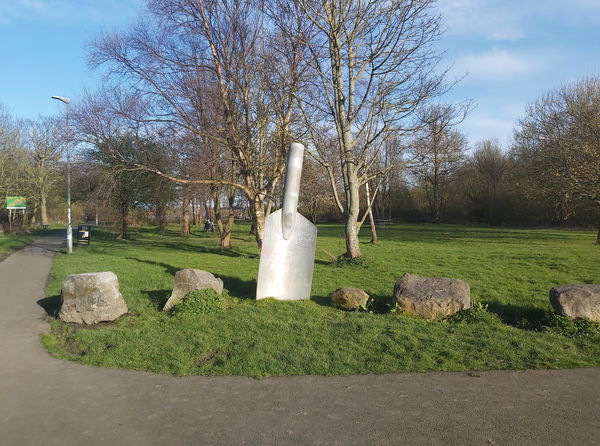
Giant Trowel
Art Ashington NorthumberlandA giant trowel next to the North Seaton Community Centre in Ashington.
More Museums
So this museum wasn't enough and you want more? Don't worry we have you covered.
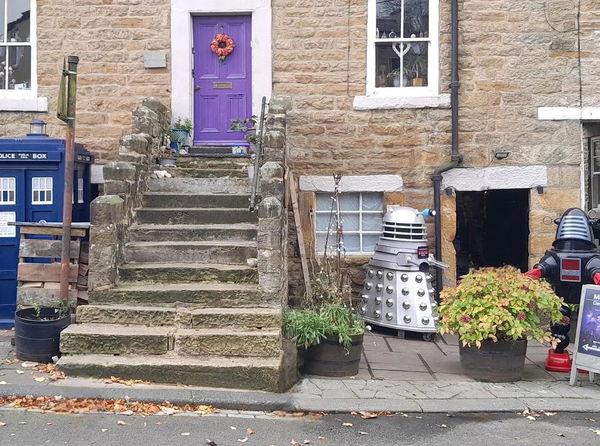
Museum of Classic Science Fiction
Museum Allendale NorthumberlandThe only museum dedicated to the history of science fiction in the UK with lots of amazing memorabilia on show.
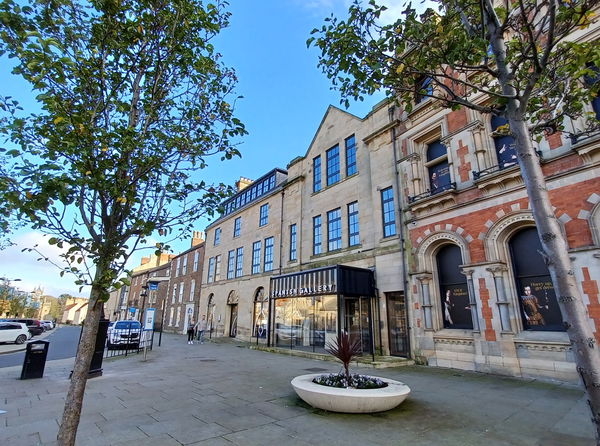
Spanish Gallery and Mining Art Gallery
Museum Bishop Auckland County DurhamTwo fantastic galleries in the heart of Bishop Auckland.
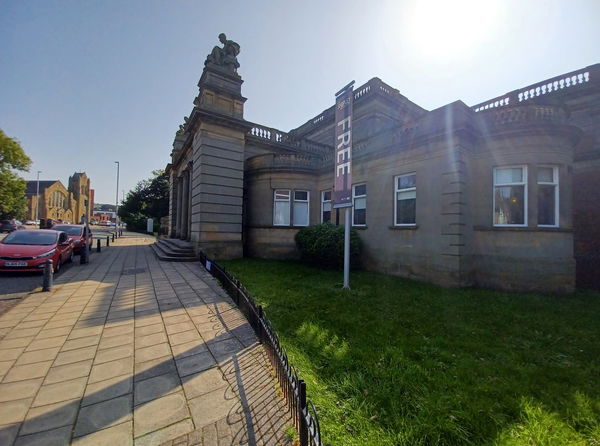
Shipley Art Gallery
Museum Gateshead Tyne And WearPurpose built gallery housing the collection of Joseph Shipley.
Never Miss A Fabulous Place
If you are afraid of missing out on all the fabulous places we post, or just want to be the first to know, then sign up to the Fabulous North.
Each week we will email you all the brand new places that we visit.
Sign Up To Alerts

Find Us On Facebook
We post all our new places daily on our Facebook Groups page, so join the group today and be notified when we add a new place.
Join Our Facebook GroupWoodhorn Museum was listed in Museum // Northumberland // Ashington