
Dame Allan Statue
Statue In Newcastle City Centre, Tyne And Wear
A memorial, in central Newcastle, to businesswoman and philanthropist Eleanor Allan, who endowed her farmland in Wallsend to purchase a charity school for 40 boys and 20 girls, which was named Dame Allan's School.
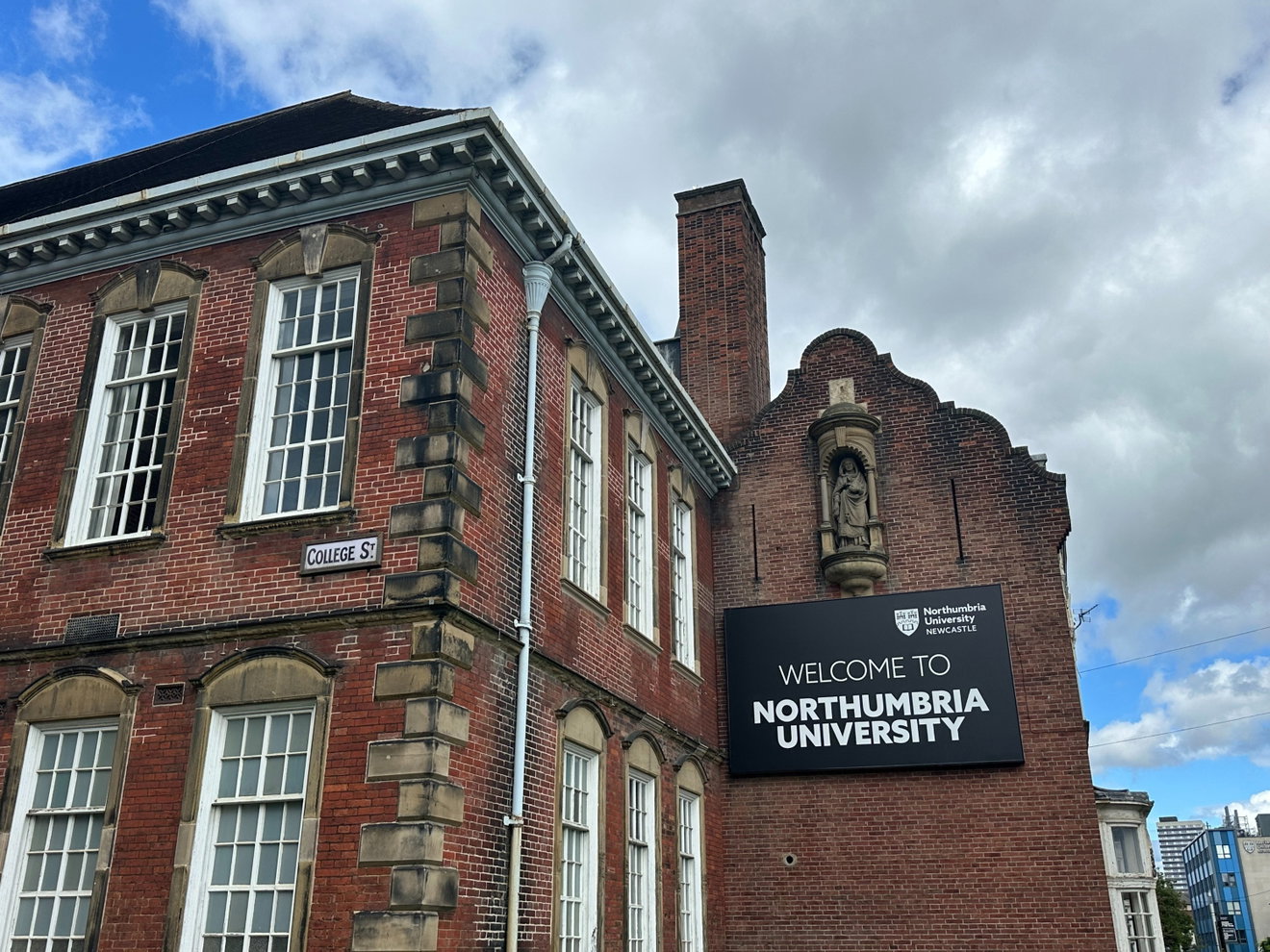
Tucked away right out of sight, but keeping a tight eye on the City Hall revellers is Dame Allan.
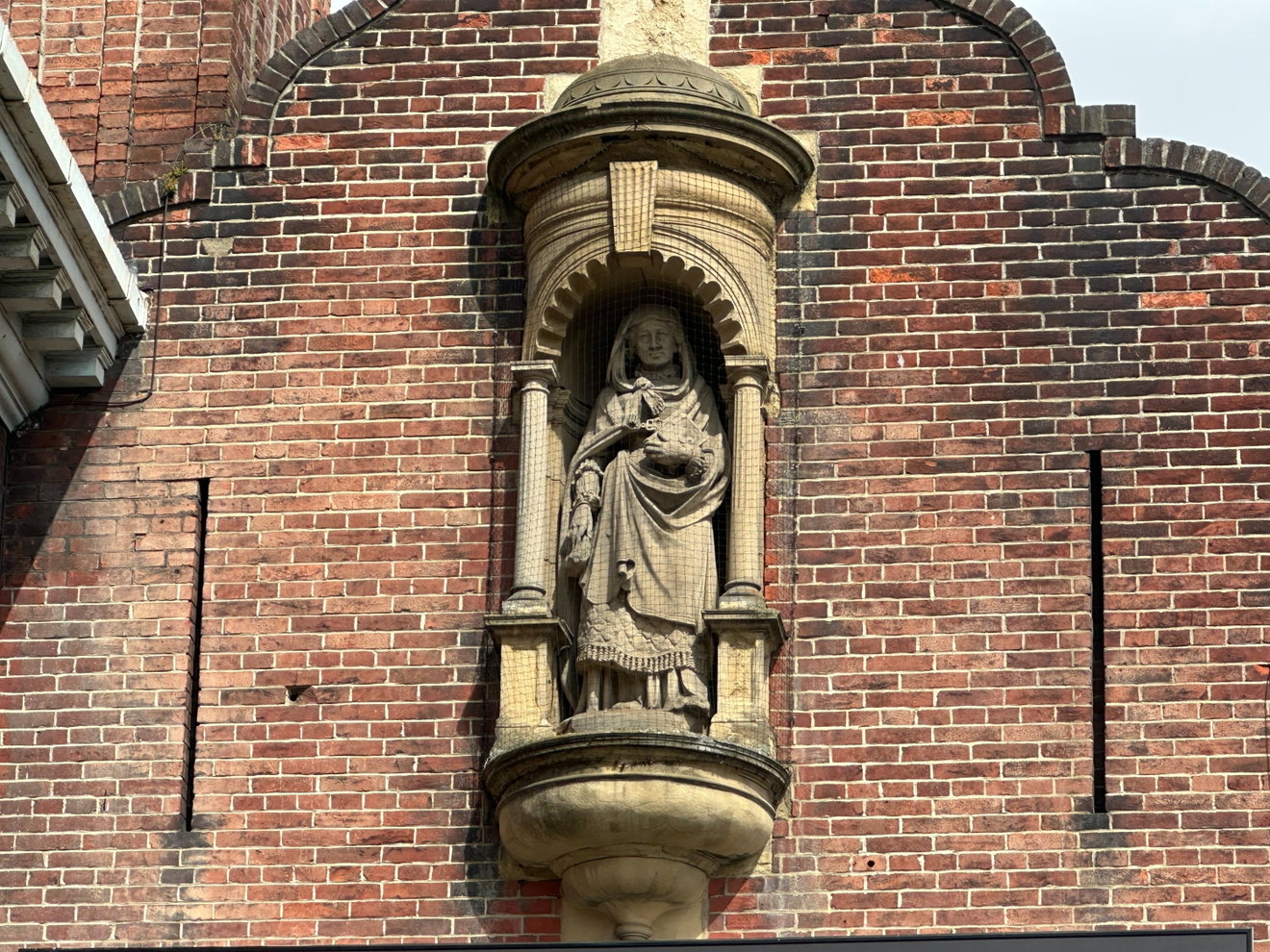
Looking down and watching the world go by, she's standing in a niche on the old Dame Allan's School on College Street in Newcastle.
This statue to Dame Eleanor Allan is a quiet-kept secret in Newcastle, and is one of only three statues of notable women in the city, which is very hard to believe and surely should be remedied. The others are of Queen Victoria: one which presides outside St Nicholas Cathedral, and the one outside the RVI in Newcastle depicts a young Queen Victoria by Sir George Frampton.
I noticed high up Eleanor on a sunny day stroll around town, and was drawn to find out more about the gable end girl!
Born in the mid 17th century into comfortable surroundings, her father, William Link (also recorded as Luck) was a local goldsmith.
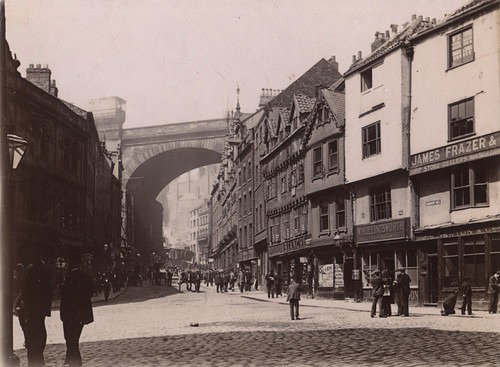
She was married to John Allan, who was a grain merchant or a 'boothman' who dealt in the highly lucrative trade of buying, selling and shipping grain around the UK coast or maybe to far-off lands. It is also suggested that Allan ran a tobacco business "on the side". No, literally on The Side, in Newcastle's Pink Tower Ward, near Dog Leap Stairs! We can see in this later picture below from Newcastle Libraries, The Side as a hive of trade, especially being so close to the river. At one time, 19 different tobacconists were thought to trade here.
It's possible and probable that with his transactional ties in trade, he could be involved in the remunerative passage of tobacco as it was flooding UK ports in the 1700s, and this slightly less than ethical trade could be easily hidden under the guise of the bags of corn!
However, upon the death of John Allan, he left Eleanor and their only son, Francis, in financial difficulty, with a struggling business and land to manage. For many years, Eleanor and Francis beavered away to make a success of the tobacco business, but upon the death of her son, Eleanor was left bereft.
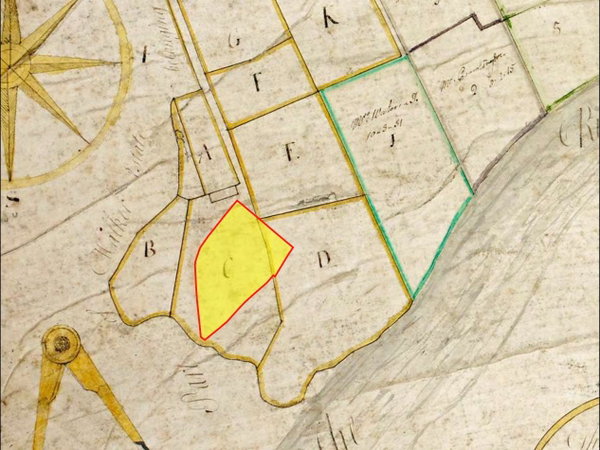
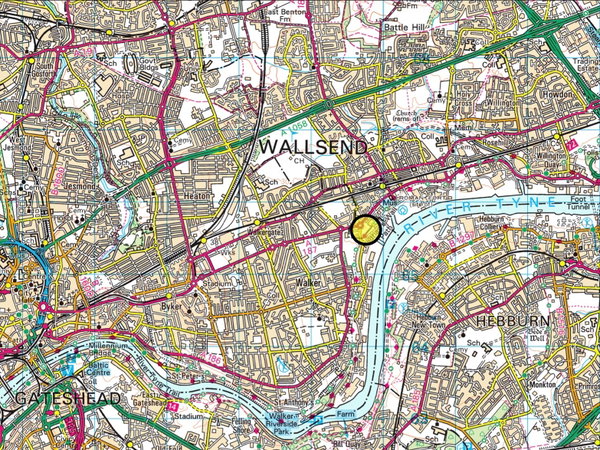
Eleanor ultimately inherited her son's share of the estate and was prompted to use her wealth from the endowment of her 130-acre farm in Wallsend to set up a charity school in 1705.
The area shown above, highlighted in yellow, is thought to be where the agricultural land would have been and is shown in this image from a 1740 Land Survey by Richard Hornsby. The more recent map gives us an understanding of the location, which is thought to have been swallowed up by Tyneside's industrial expansion and was the land the Neptune Yard sat on at Wallsend.
It's known that Eleanor Allan was a religious woman and a supporter and promoter of the Society for Promoting Christian Knowledge.
Known as St Nicholas Charity School, it was designed to educate “40 poor boys and 20 poor girls of the parishes of St Nicholas and St John”.
The boys would learn to read and write and then learn a trade, whilst the girls were taught to read, write, sew and knit and then sent into service. It seems that the terms were quite liberal and progressive for 1705, when I would have assumed that boys were a priority.
She wanted to offer a 'proper education' for disadvantaged boys and girls, ensuring an escape from poverty and encouraging opportunities that these children would not ordinarily access or afford.
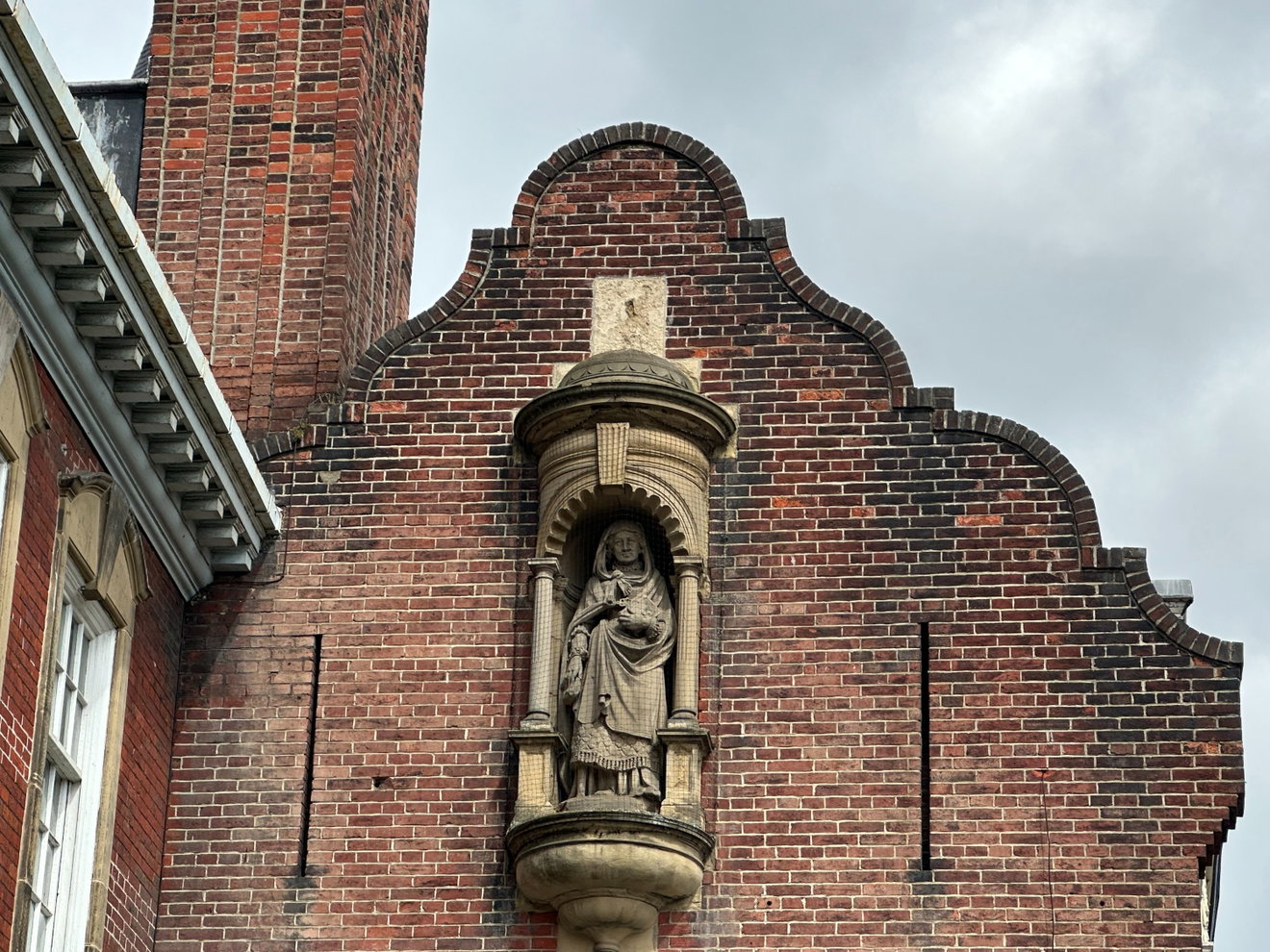
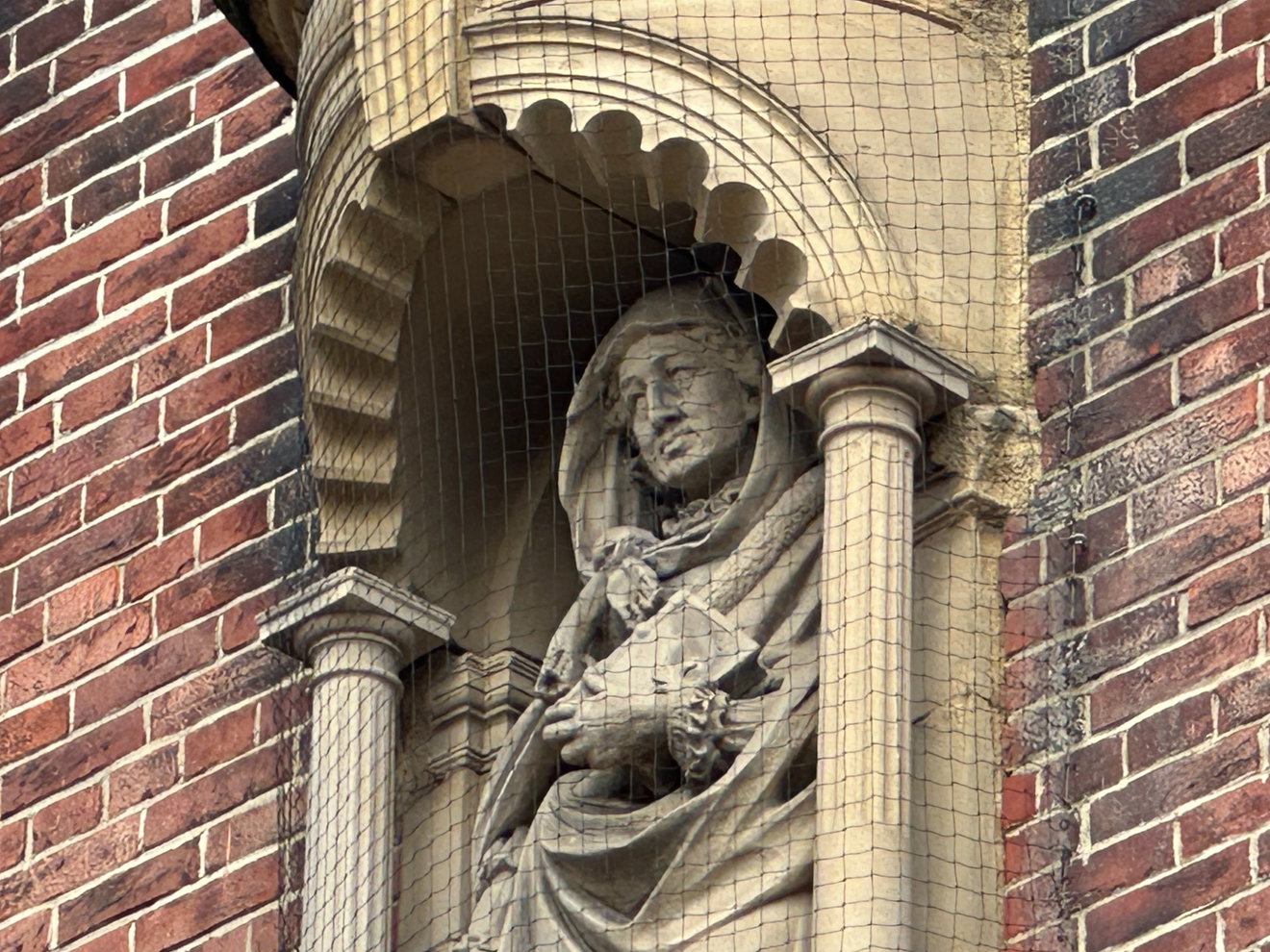
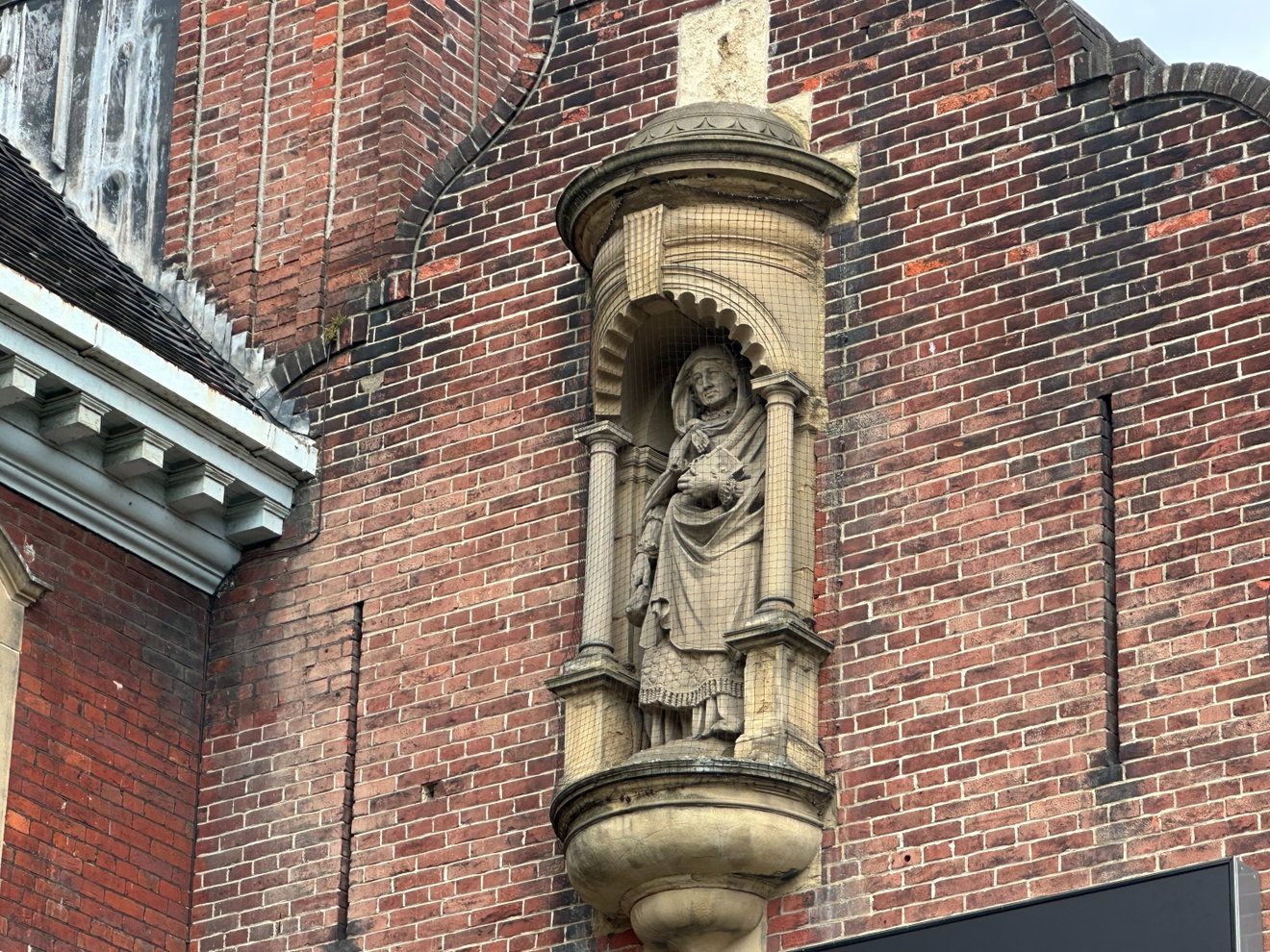
Looking up at the sculpture, it's easy to see how it could be overlooked today. Dame Allan sits in a little cove, known as an aedicula, which literally means 'little house' in Latin. It's almost shrine-like and definitely pushes her into centre stage as if she were almost like a divine figure.
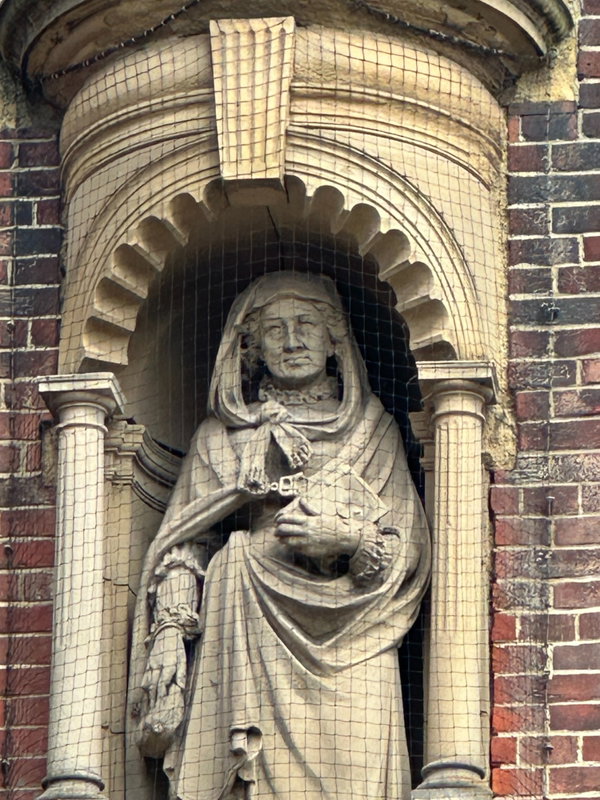
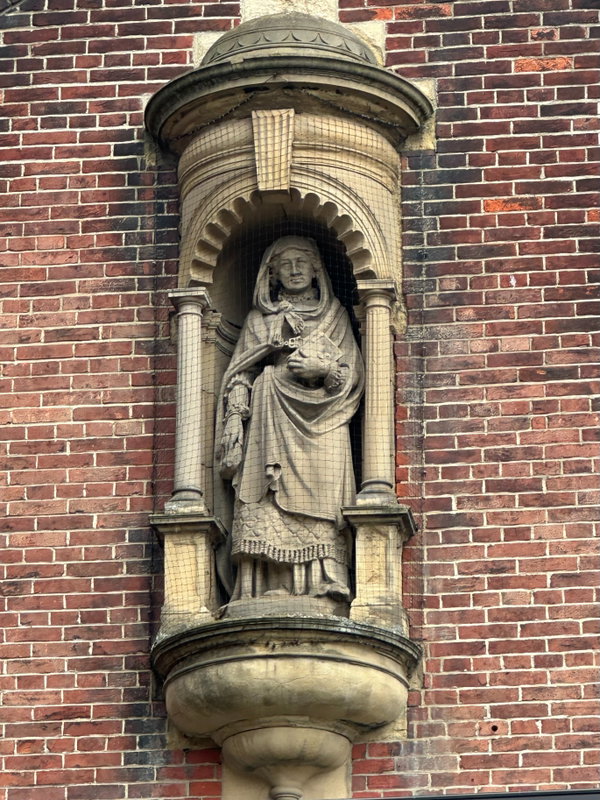
A shrewd businesswoman, a philanthropist and a woman of Anglican beliefs, she is seen here clutching a book, which I assume to be a bible. In the other hand, she looks to be clutching a purse. Perhaps a visual metaphor for her charitable gift of the school. Her head is covered, and she's wearing a long cape which projects the image of a missionary or religious icon.
It's a neat little capsule in sandstone with decorative embellishments that are, quite frankly a bit of a miss to the passing eye as it's so up and out of the way. She looks like she might come to life at night when the town is tired!
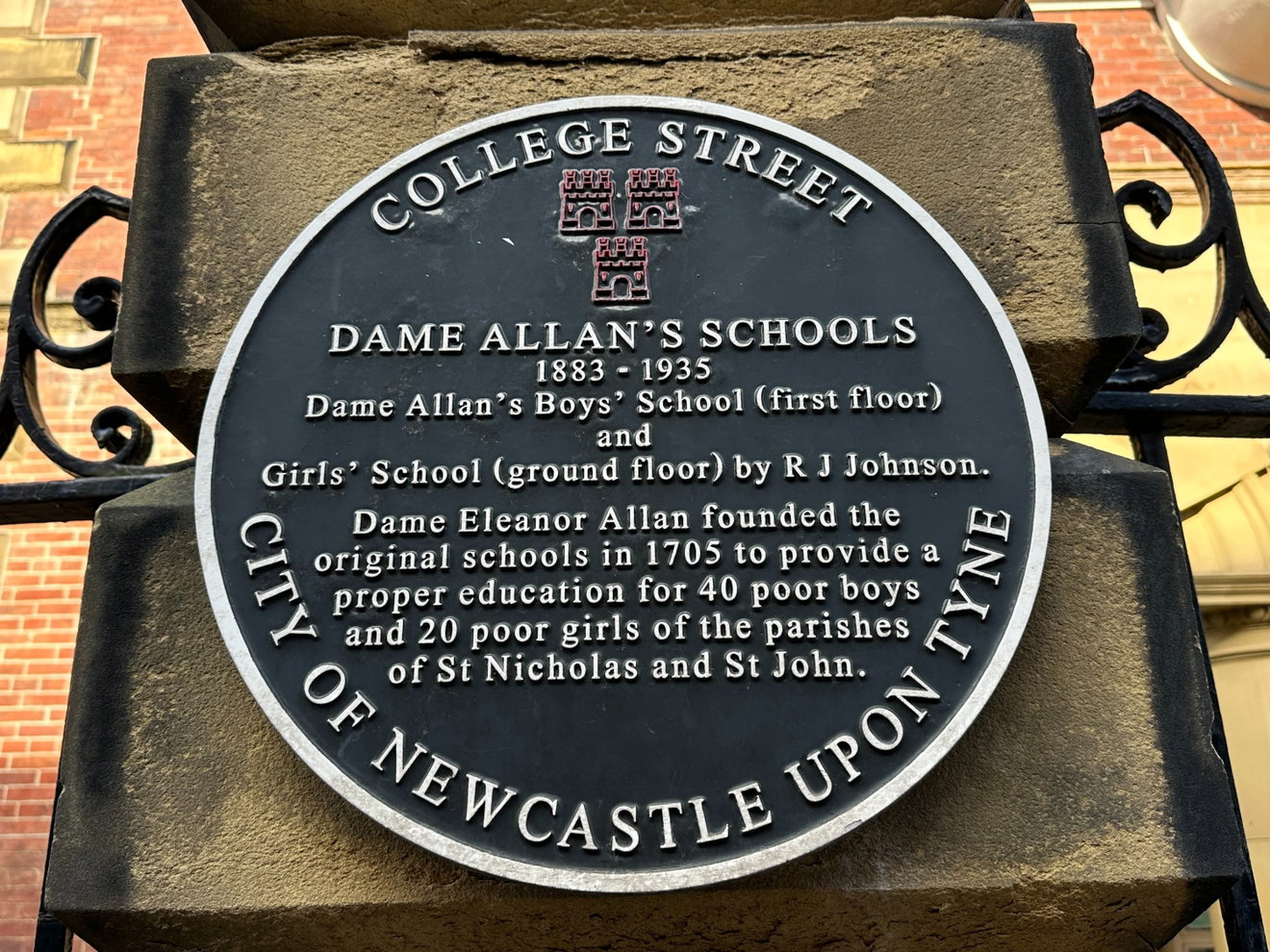
The school was eponymously named Dame Allan's in her memory and honour. She wasn't a dame by royal title, and the term was used as a mark of respect for a wealthy widow, which helped outline her social standing and financial gravitas.
She died a year before its opening.
Initially situated near St Nicholas Cathedral, the school relocated several times over the late 1700s and early 1800s, moving to Manor Chare near All Saints' Church in 1786, and then up the hill to Carliol Square in 1821, then to Pudding Chare in 1861 and on to Hanover Square in 1875. These moves enabled pupils to escape increasingly detrimental inner-city conditions, unsanitary and cramped spaces, which the increase in pupils had outgrown.
Larger, more suitable premises were required, and with an introduction to fee-paying pupils in 1887, the premises on College Street were necessitated, and a new school was built. The first floor housed the boys, whilst the ground floor was occupied by the girls. Designed by local architect R. J. Johnson, it appears that this sculpture of Dame Allan was built into the gable end as a dedication to the school's founder 175 years after her death.
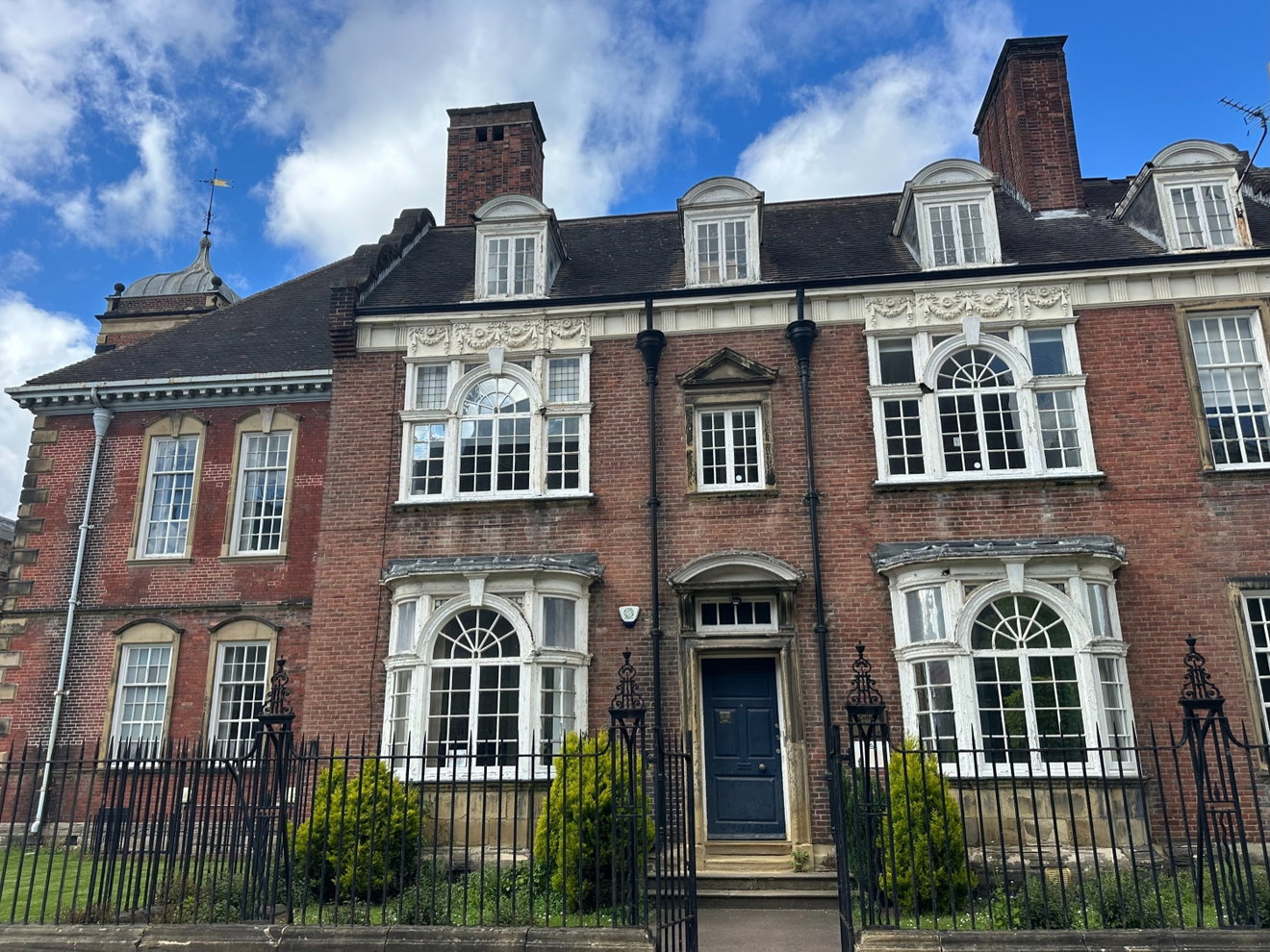
The building is quite beautiful and original in its design, with scalloped gables and double-fronted facades on Northumberland Road.
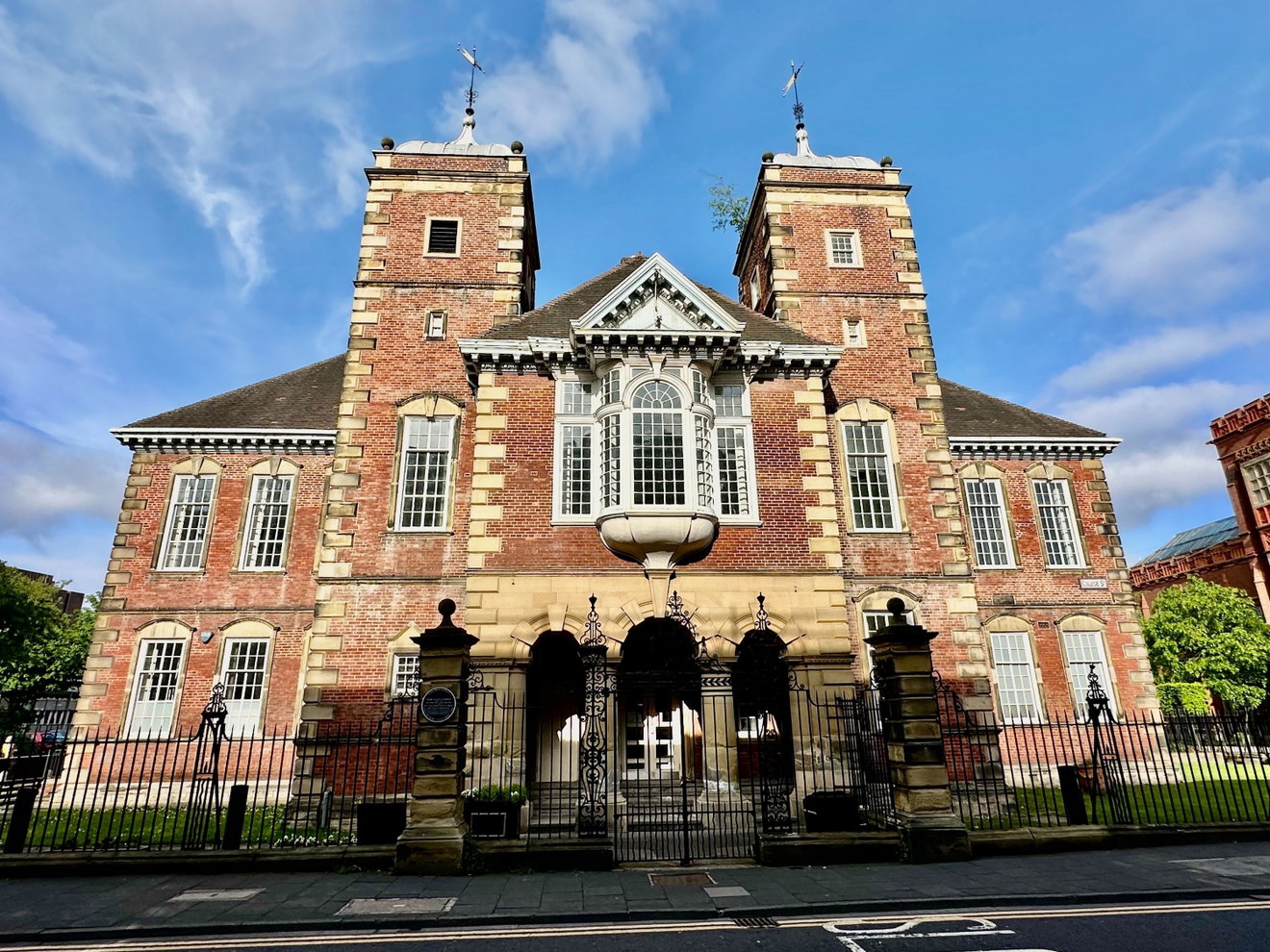
Two magnificent towers crown the building on College Street. There is also a commemorative plaque to Dame Allan's legacy. The building is now listed as a Grade II site, known as College House, once housing the University of Northumbria's Careers Service.
The school moved out and across to its Fenham campus in the 1930s.
A really insightful report written by Dr Simon Black from the University of Newcastle explores the Dame Allan statue and recognises that:
Where we celebrate Allan's achievements as a businesswoman and philanthropist, we need to be mindful of the complex and often problematic ideologies, agendas and financial sources that potentially underpinned them. This should remind us of the importance of paying the same careful consideration to the operations of business and philanthropy within our present society
Dr Simon Black, Department of Humanities, University of Newcastle, February 2022
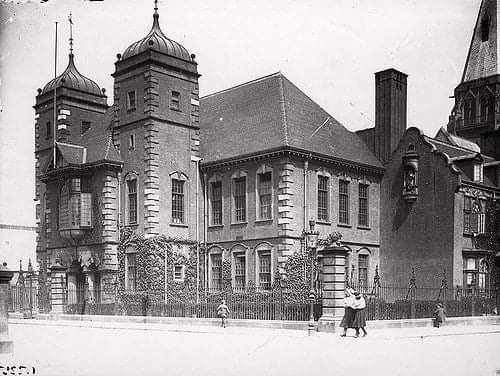
This shows the school in its final decade in the 1920s in Central Newcastle, and is from Newcastle Libraries.
Allan is remembered and celebrated as a wealthy, successful businesswoman who turned to philanthropy.
Her wealth appears to have been linked to the tobacco trade, and her philanthropy was encouraged by wealthy individuals in the North East who had notable links to the slave trade. Her attorney was John Ord, who was a signatory on her will, and had opened his own charity school, and had relatives who owned slaves on plantations.
Allan's own religious connections with the Society for Promoting Christian Knowledge also should be noted, as its missionary work in the British Colonies sought to convert enslaved and indigenous peoples to Anglicanism.
Ultimately, Dame Allan's legacy is more complicated than simply being remembered as a generous philanthropist.
While her charitable work had a lasting and positive impact, it is important to recognise that her wealth, professional relationships, and religious connections were tied to wider systems that were shaped by colonialism and, indirectly, slavery.
There is no clear evidence that Allan herself was directly involved in the slave trade, but the people and institutions around her were often connected to it. This does not erase the value of her philanthropy, but it does encourage a more balanced view of her life and legacy. By acknowledging both her contributions and the moral complexities of the world she lived in, we can develop a fuller and more honest understanding of Dame Allan and the society that helped shape her success.
For me, it's an interesting question to ask, “Who do we hold in high enough esteem to capture and memorialise in a sculpture, painting or plaque, and what were their achievements? Where are the memorials to Margaret Cavendish, Mary Astell, Anne Fisher, Dr Ethel Williams, Rachael Parsons? Are they worthy of commemoration, then...now?"
We need to big up and celebrate some of our North East women some more, eh? And explore the ethics of what made them good and great?
Get 2 points if you have visited this place. Already visited by 17 VIPs.
Login to bag this placeHelp fuel the next adventure
Fabulous North is free, with no annoying adverts and fuelled by an unhealthy desire to poke around castles, hills, churches and suspicious-looking bits of stone.
If you enjoy what we do, you can help keep us exploring.
Champion This Place
Got a special memory of Dame Allan Statue, a story to tell or simply a soft spot for it? Champion Dame Allan Statue and we'll add your name, photo and a short message to this page, while your support helps us keep Fabulous North exploring.
How To Find Dame Allan Statue
Where Is Dame Allan Statue?
Show Place On Google MapsLat / Long
54.977346, -1.6095561
What three words
Where To Park For Dame Allan Statue?
There are parking bays along College Street, Northumberland Road and a car park at St Mary's Place just off College Street.
Contributed by Jos Forester-Melville
Highland loving human. Thalassophile. I love a good smile. Happiest heading for the hills with my pickup filled with kids and dogs! Working four days, we enjoy a Fridate, and usually spend it scouting out new scenery. I love a gated track, a bit of off roading and if it involves a full ford, well, that gets extra points! I go nowhere without a flask and binoculars, and love the small things in life that make it big…Goldcrests, dry stone walls, Deadman’s fingers, blackberries and quality clouds.
More Places from Jos
More Places In Newcastle City Centre
Find more fabulous places in Newcastle City Centre, Tyne And Wear and if you know of a place we haven't listed, then let us know.
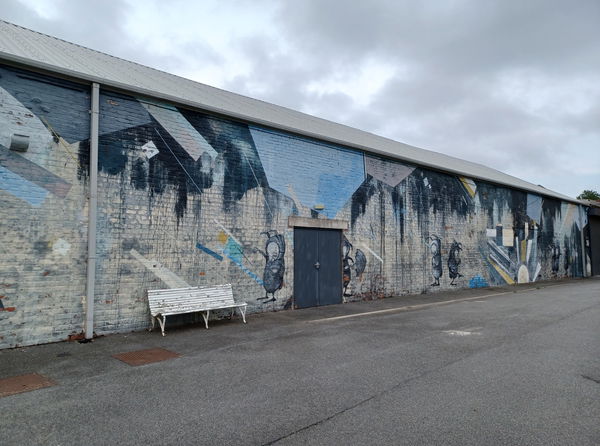
White Walls Project
Art Newcastle City Centre Tyne And WearA series of art installations created to celebrate the regeneration of the Hoults Yard estate between 2011 and 2020.
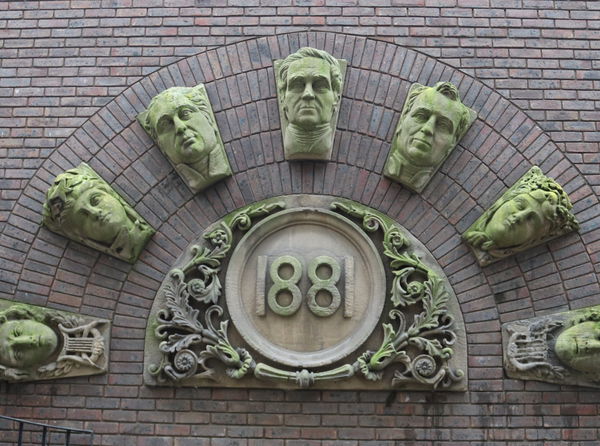
Prudhoe Chare Sculpture Wall
Art Newcastle City Centre Tyne And WearSculptures and decorations from old buildings that were demolished to make way for Eldon Square.
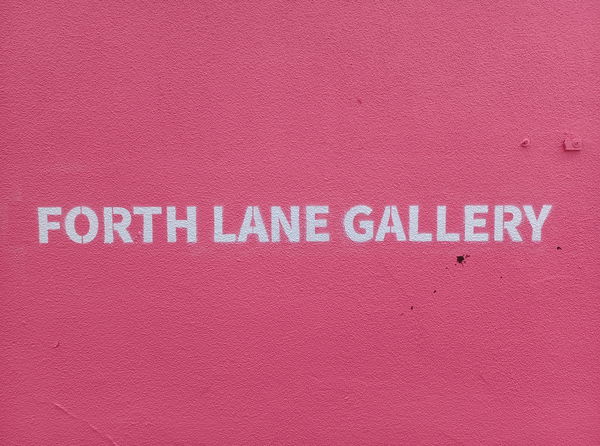
Forth Lane Gallery
Art Newcastle City Centre Tyne And WearAn urban gallery displaying the work of 12 artists based on the history of the area.
More Statues
So this statue wasn't enough and you want more? Don't worry we have you covered.
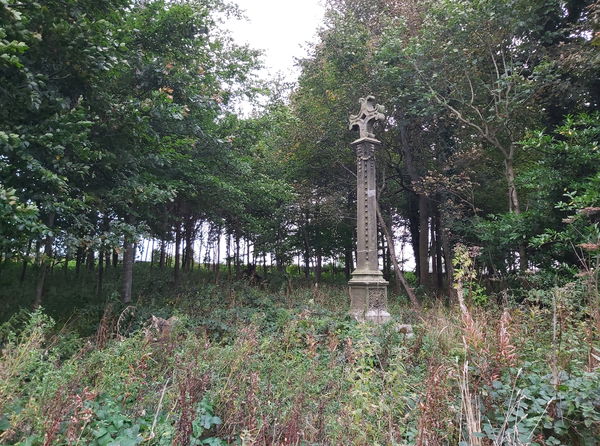
Malcolm III Cross
Statue Alnwick NorthumberlandA stone cross marking where Malcolm III, King Of Scotland was slain at the Battle Of Alnwick.
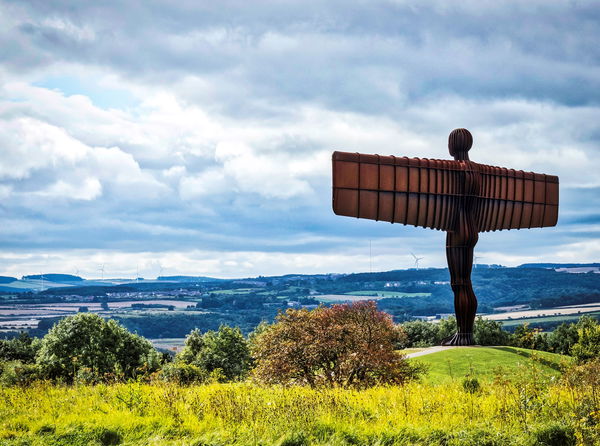
Angel Of The North
Statue Gateshead Tyne And WearA contemporary sculpture of a metal angel designed by Antony Gormley.
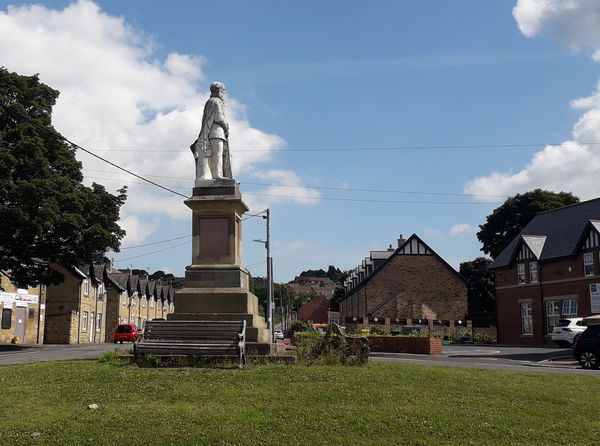
EM Perkins Monument
Statue Birtley, Co Durham County DurhamStatue dedicated to EM Perkins whose company supplied materials for the High Level Bridge in Newcastle.
Never Miss A Fabulous Place
If you are afraid of missing out on all the fabulous places we post, or just want to be the first to know, then sign up to the Fabulous North.
Each week we will email you all the brand new places that we visit.
Sign Up To Alerts

Find Us On Facebook
We post all our new places daily on our Facebook Groups page, so join the group today and be notified when we add a new place.
Join Our Facebook GroupDame Allan Statue was listed in Statue // Tyne And Wear // Newcastle City Centre