
Forsinard Flows
Landscape In Highlands, Scotland
A vast peat blanket bog straddling Sutherland and Caithness, awarded UNESCO World Heritage Status; it's a critical breeding site for endangered upland birds and home to carnivorous plants.
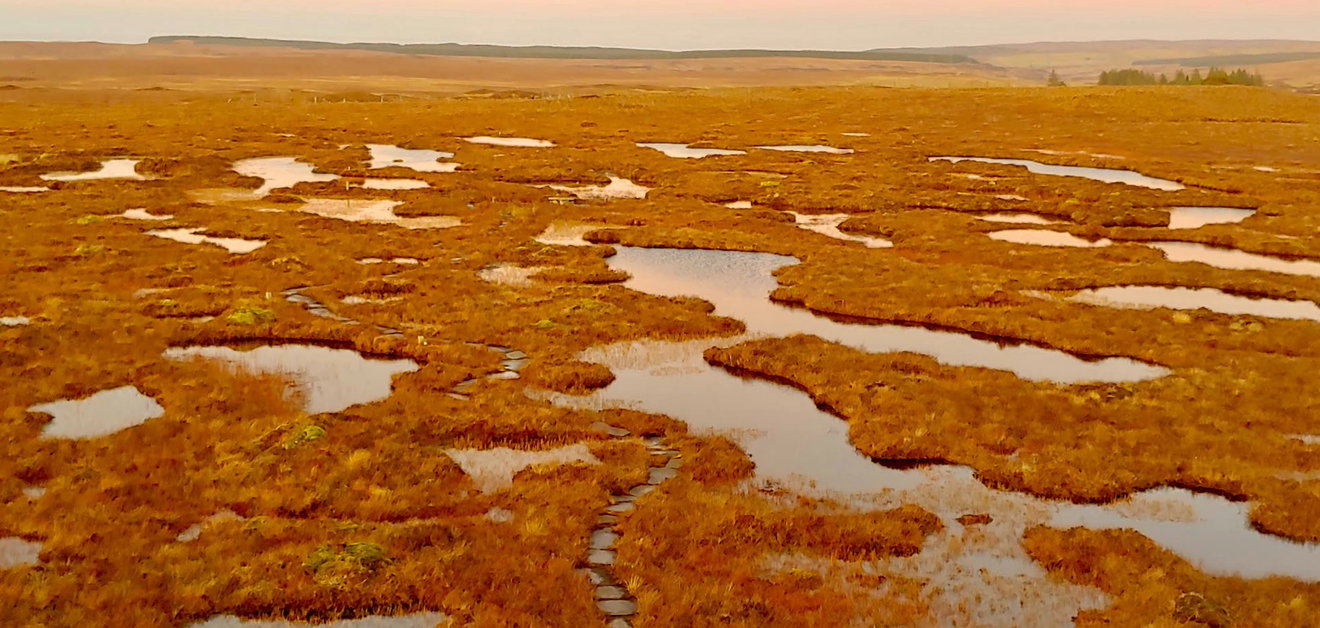
Right up in the top of Scotland, sandwiched in between Caithness and Sutherland, almost where you run out of land, is this huge expanse of rugged peatland known as Forsinard Flows.
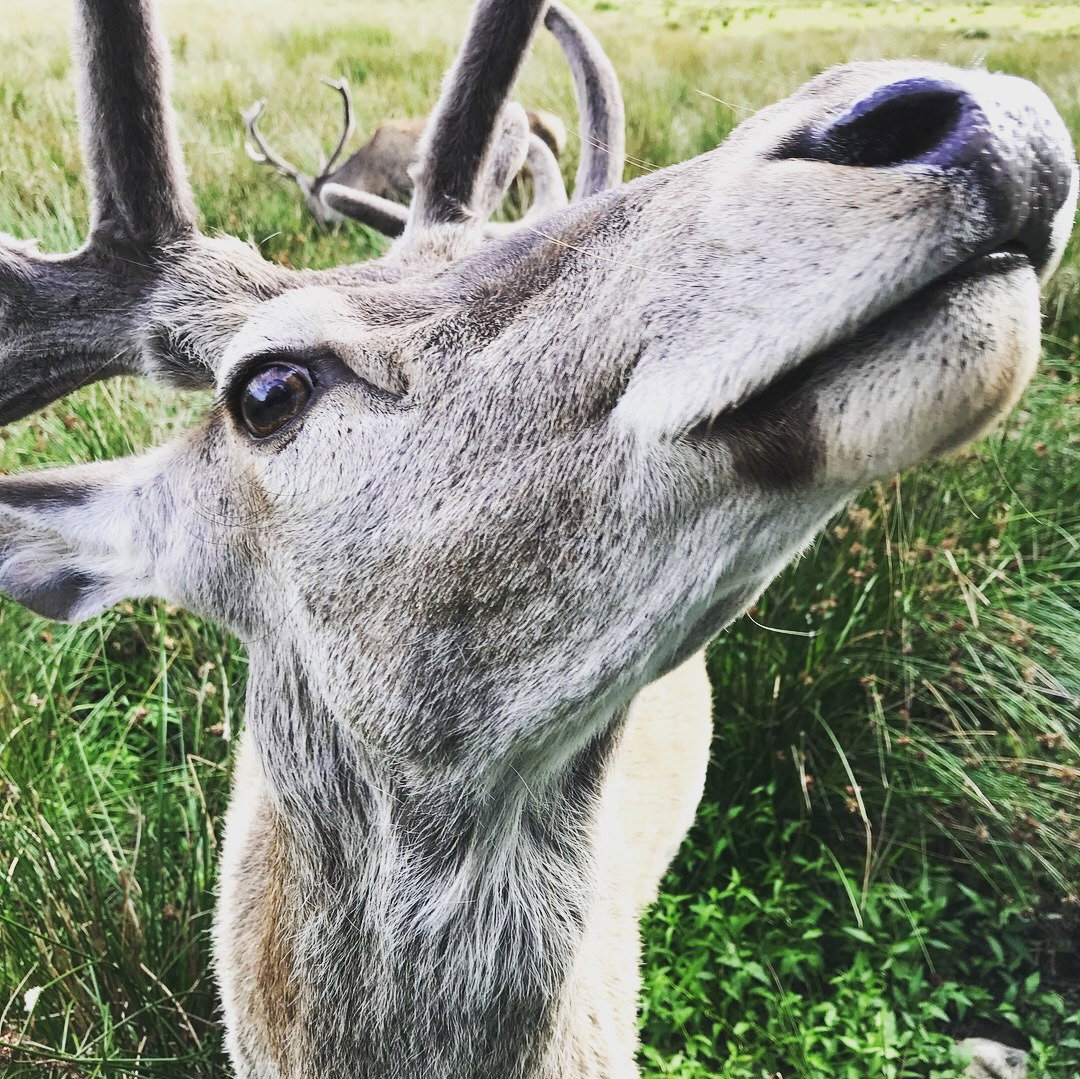
It sounds like a 70s concept album, but it's a mammoth nature reserve in a remote part of the country, where you're kept company by a multitude of plants, mosses, birds, and the occasional curious stag or hind, but very little else, other than the light scamper of water voles, water shrews, and an otter if you're lucky. It's a silent haven of big skies and few humans. Heaven.
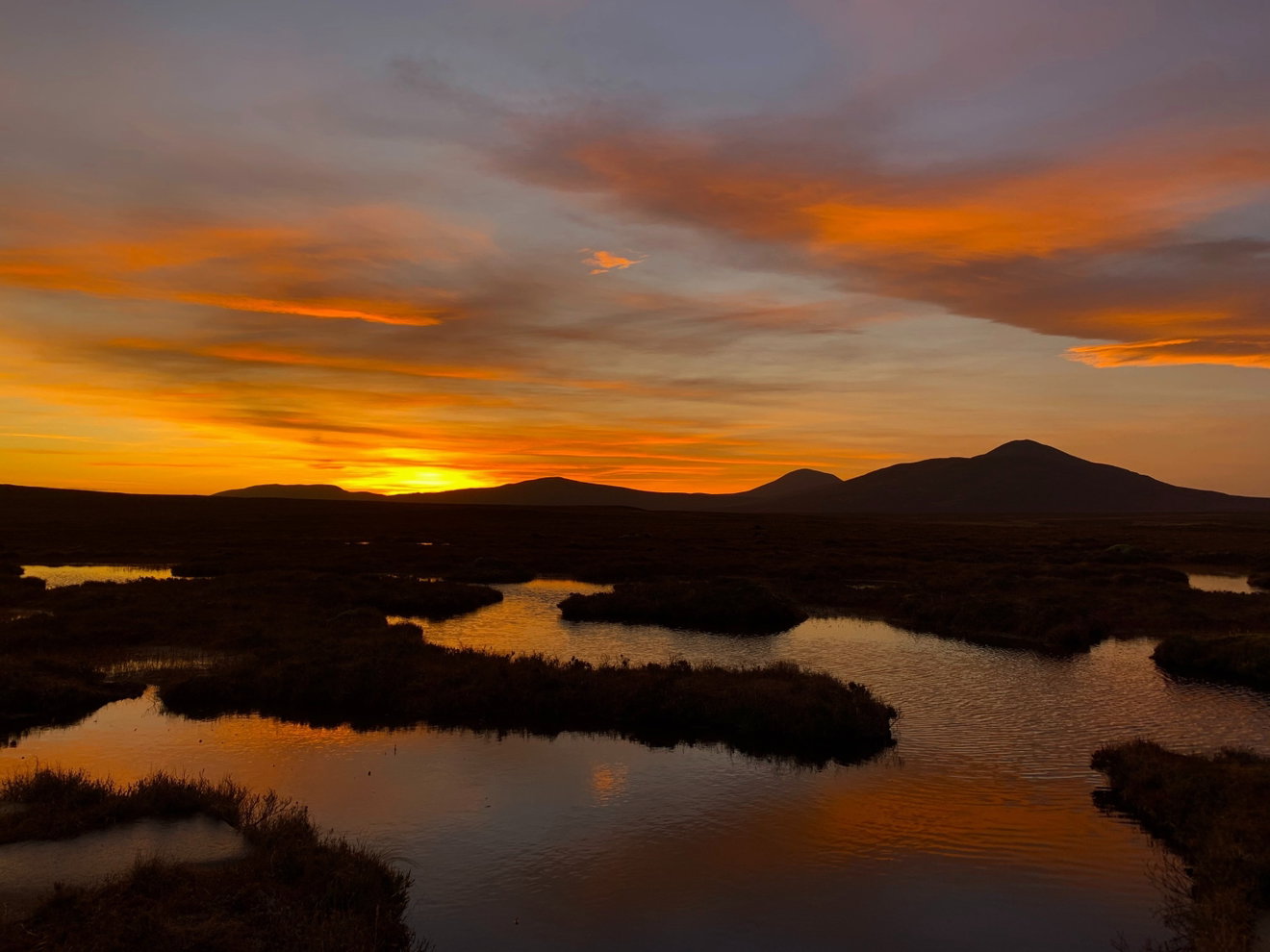
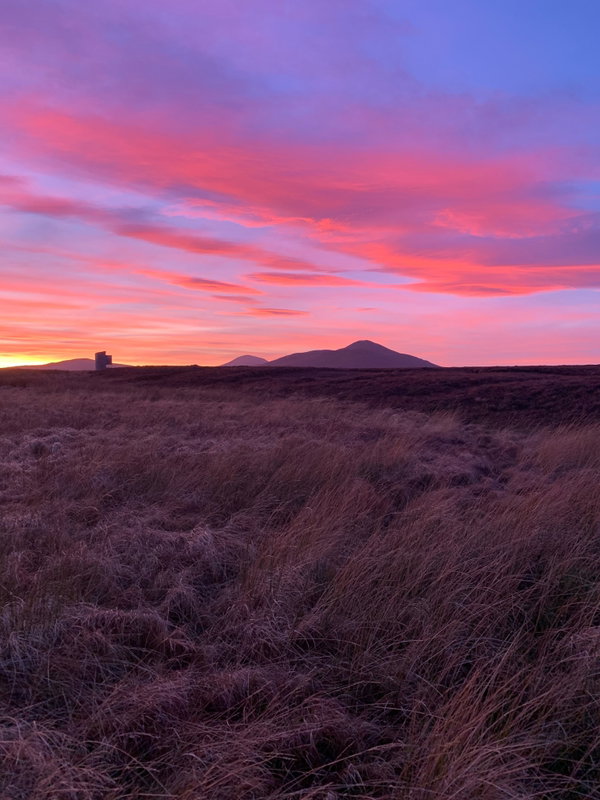
We've spent a bit of time over the years at Forsinard, but most memorably one chilly New Year's Eve, when we went to watch the sun slip out of the sky for another year. I can honestly say the warm glow of December sinking on the Ben Griam Mountains was a picture I hold in my head.
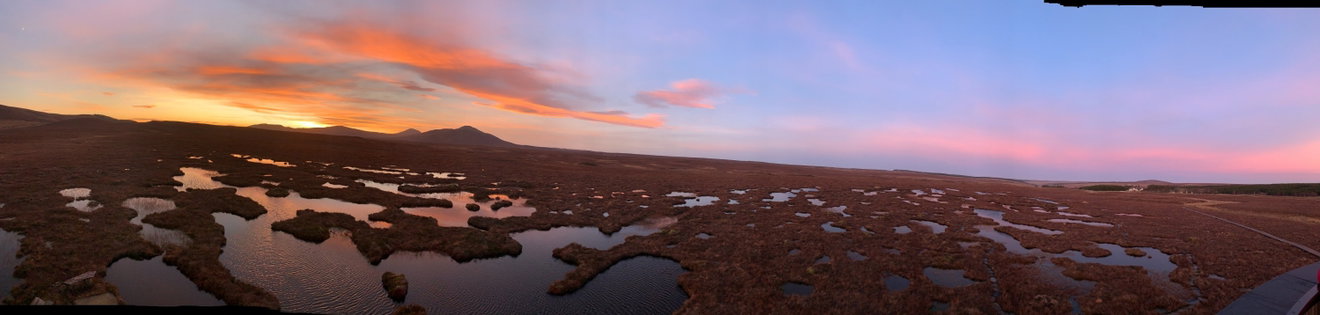
This is important land; its significance comes largely from the peaty blanket bog beneath your feet. It holds a large quantity of pure, clean water and, filtered through peat, is naturally high in quality, requiring minimal intervention for drinking water.
It's like a jigsaw of pieces peppering the dry and damp lands it covers. Inside, a huge swathe of Sutherland and Caithness, this 4,000 square kilometre area is the largest blanket bog in the world. Despite its bleak appearance (I think it's beautiful), it's responsible for storing an estimated 400 million tonnes of carbon just a welly's worth away. This is more than twice the amount of carbon harboured in Britain's woodlands.
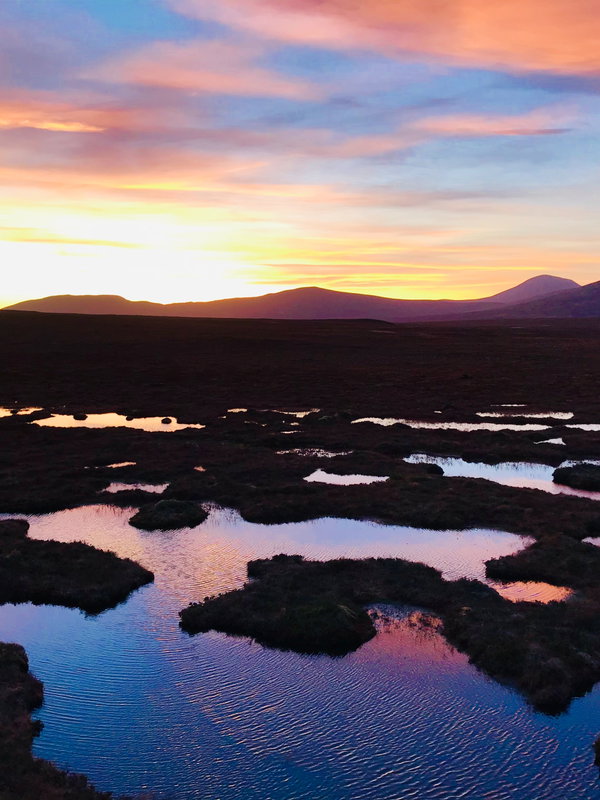
This landscape is predominantly bereft of trees, where nothing is higher than the heather at your knee. However, buried beneath the peat, under your feet, lie the relics of tree stumps from 4,500 years ago, which have been preserved in the safety and sanctuary of the bog!
Between the 1940s and the 1980s, wealthy investors seeking tax breaks planted thousands of non-native conifers to reduce the UK's reliance on imported timber. Investment costs were written off against income tax, and, eager for some fivers and favours, unlikely would-be foresters, like Cliff Richard, Nick Faldo, Phil Collins and Terry Wogan invested in the scheme to grub up the peatlands and plant pines in place across Forsinard; a move which drained the land and damaged an entire ecosystem that had developed here over 10,000 years.
In the years following, 2,600ha of inappropriate plantation forestry have been removed so far to help restore these bogs to their original state.
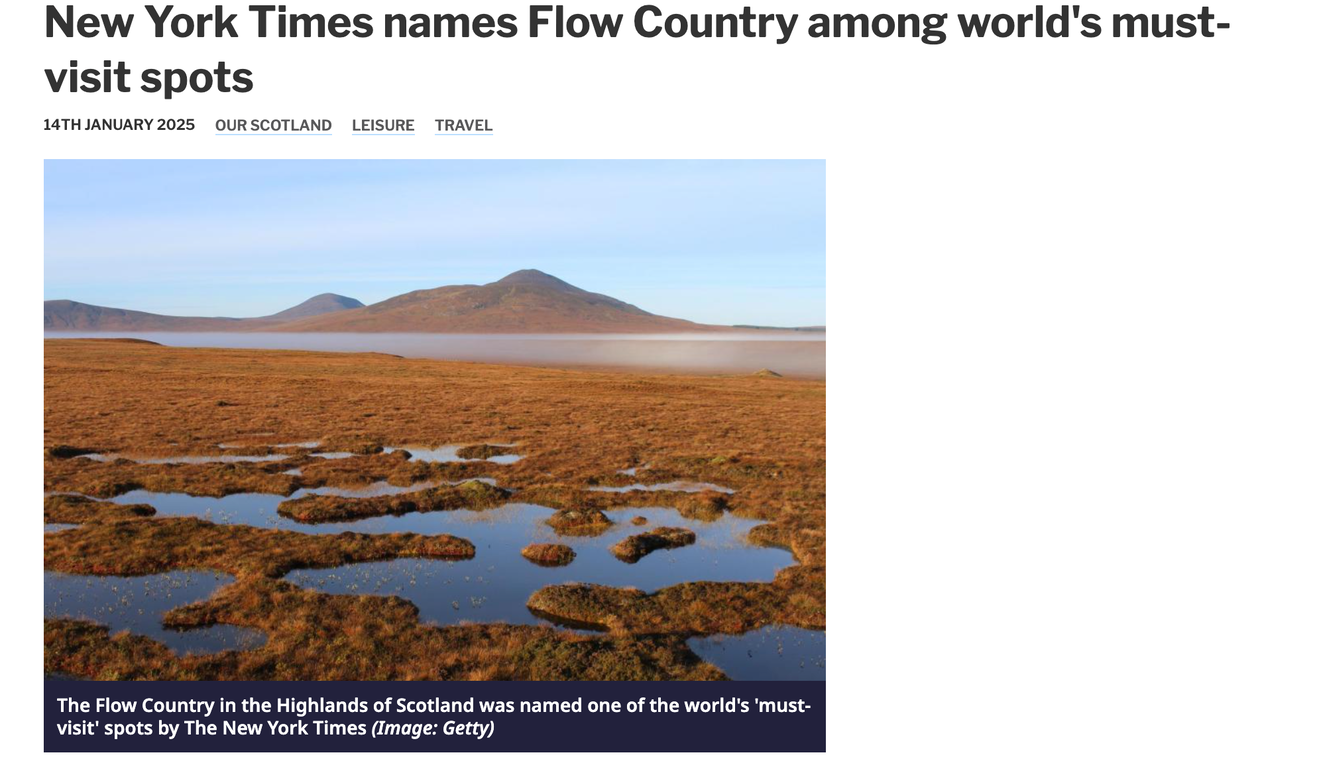
In 1995, RSPB Scotland took over the guardianship of the peat bogs. Fast forward thirty years, and now, despite their uniform brown appearance, these bogs are home to a multitude of amazing flora and fauna, which in summer explode into a myriad of colours.
Known as the Flow Country, this peatland area is as important as the Pyramids. The land, as groundbreaking as the Grand Canyon or the Great Barrier Reef, was given UNESCO status in July 2024. Flow or floi means marshy ground in Old Norse.
In 2025, the New York Times included Forsinard Flows in its annual 52 unmissable places!
Big up the bog, I say!
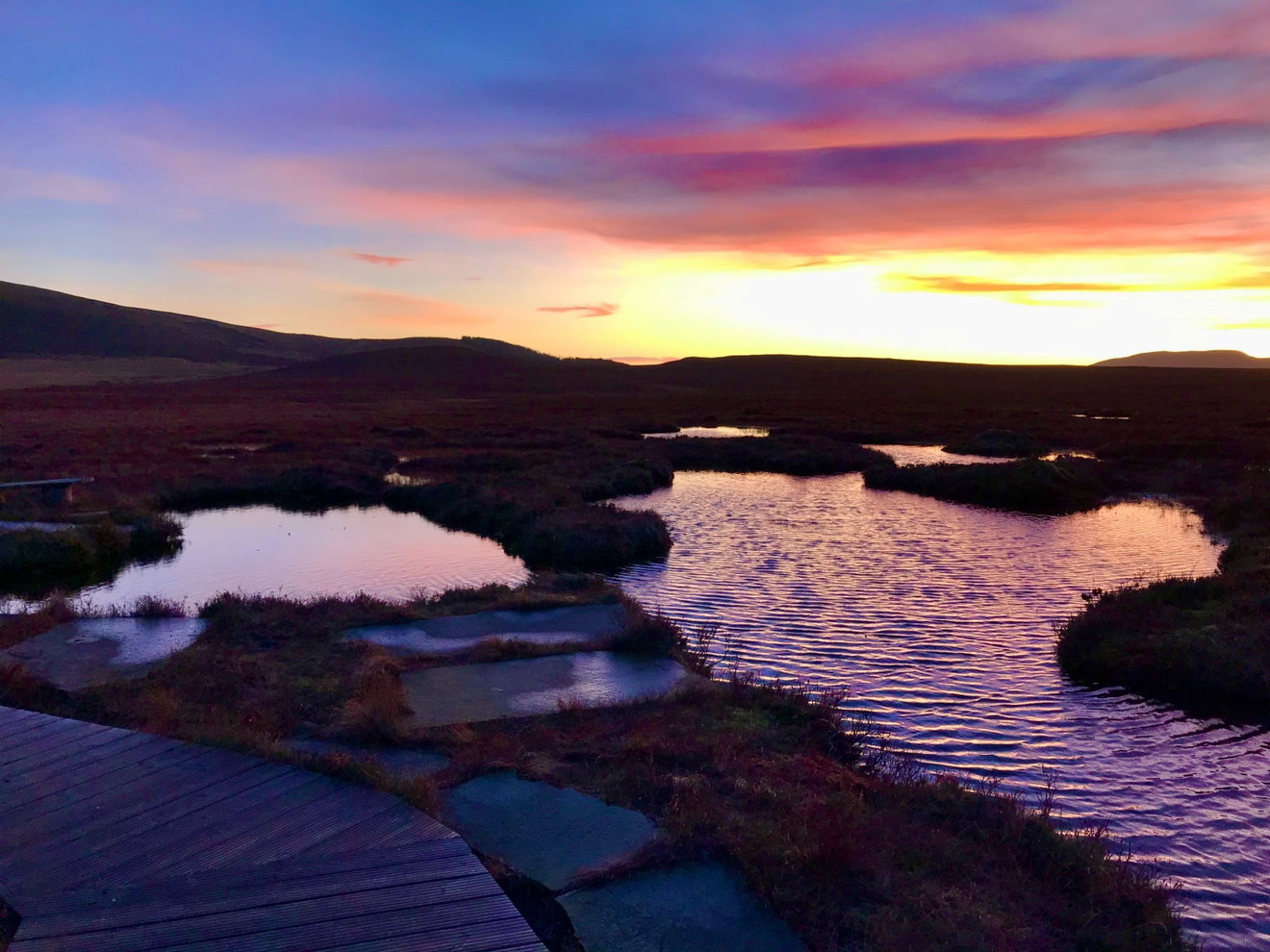
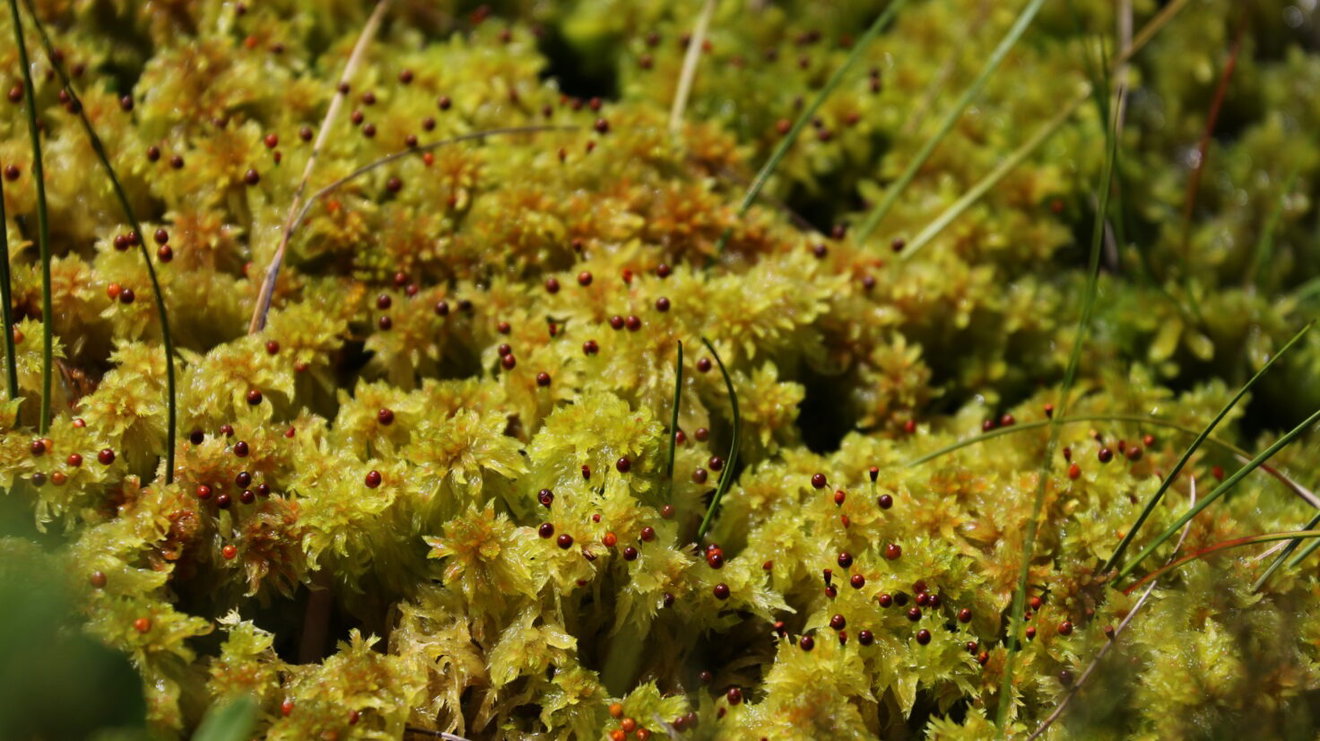
The water is largely low in level, making it seem less significant than a wide waterway of a loch or a river, but its role is unequivocally just as important, if not more so. It feeds an intricate ecosystem by waterlogging the plant material. Dense mosses like sphagnums swallow up moisture, guzzling up rainwater, sometimes expanding to twenty times their original size, like little Scottish sponges. Thanks to Paul Turner for the image below from RSPB Scotland.
The Flows are made of two separate layers. The top layer is known as the acrotelm. Just over a foot deep, this is where all the living goes on. The plant life is rooted here. Underneath this skin is the catotelm, where everything is dry and dead. It's the peaty place with layers of environmental history buried beneath, like dusty books that can capture the history of what was going on environmentally hundreds of years ago.
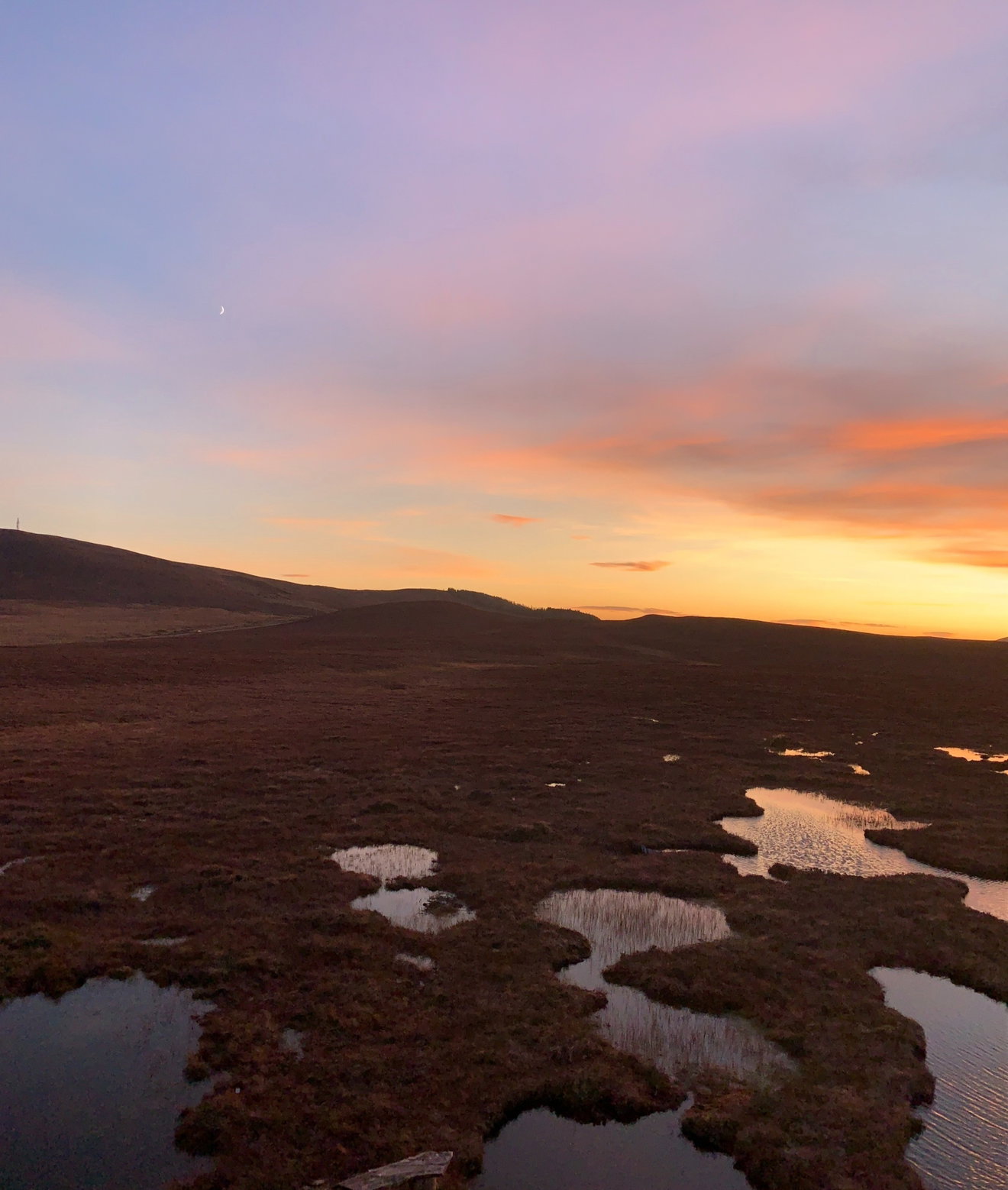
Bogs serve an incredibly important role, reducing greenhouse gas emissions and safely storing huge amounts of carbon that would otherwise be released as carbon dioxide.
In places, it's said that the peat here is deeper than the height of a double-decker bus! The environmental impact was brought home all the more starkly as we visited on the last day of the year, and the following day, New Year's Day, the temperature in the North East Highlands was 17 degrees, and we spent the day outside in T-shirts.
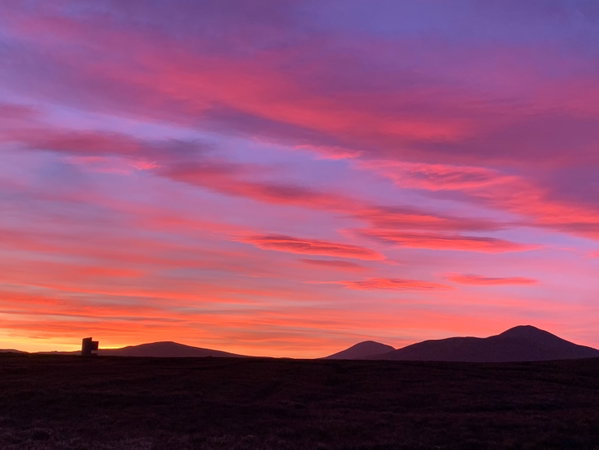
It's an open landscape, no people, few trees, but a beautiful lexicon of plant life with the most exotic names, and nothing other than a sea of browns and greens in December.
We walked lightly over the land on a series of boardwalks snaking over the frosty heads of heather, and over the scars of old peat workings.
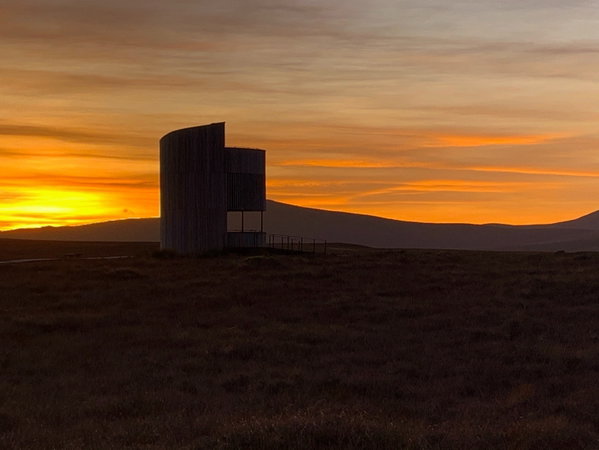
We were guided to the only elevation on the horizon, other than faint trace outlines of Ben Griam Mòr and Ben Griam Beag, hazy shapes under the melting butter sunset. The Lookout Tower is an observation deck in the middle of the peat bog, allowing visitors a bird's-eye view of this historic and environmentally important landscape. It's clad in Scottish Larch and was designed by the same company that designed the Lookout Tower at Lindisfarne.
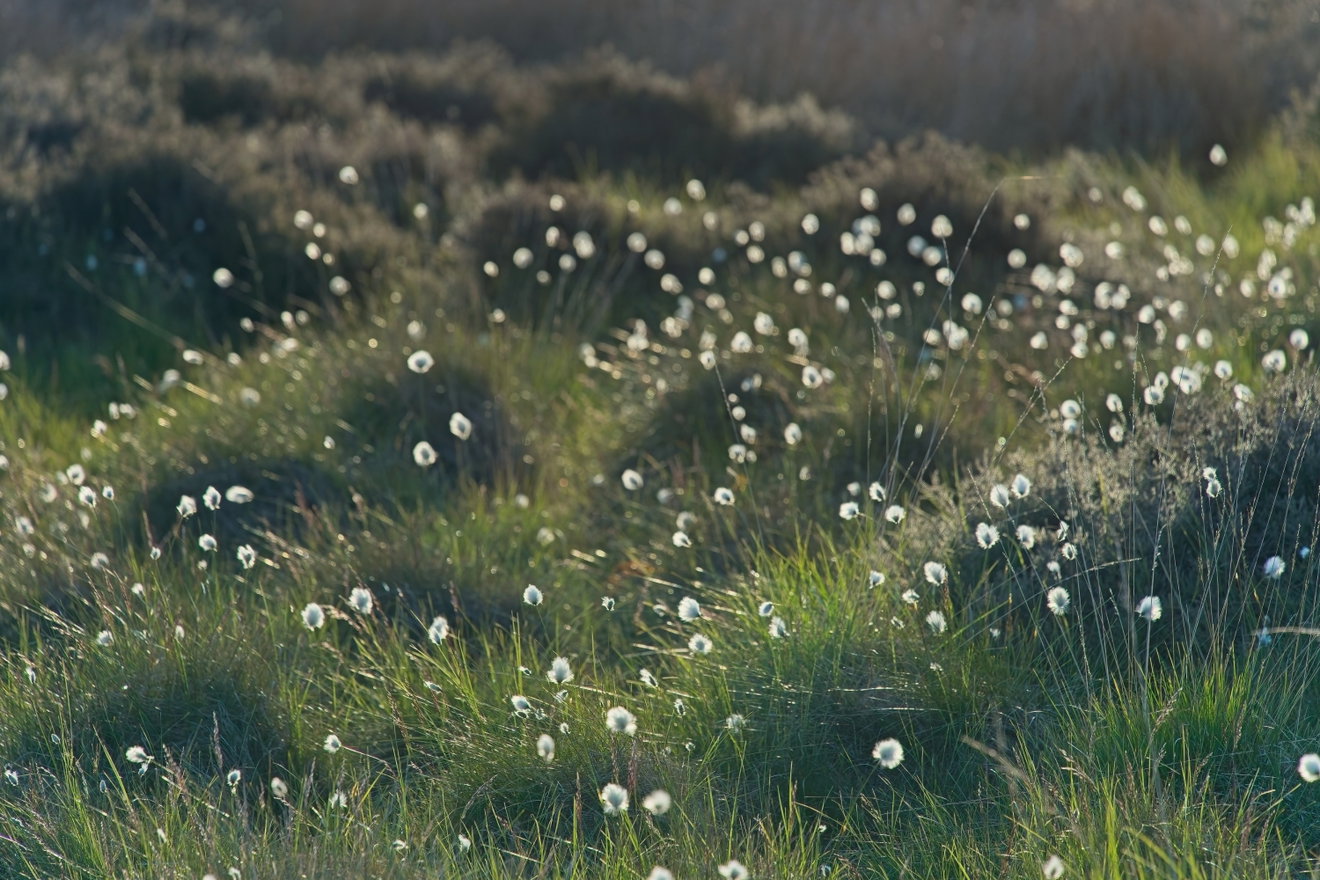
Over the seasons, this tower offers an opportunity to breathe in the full vista of the bog and its environs. The walk there enables you to look down on this precious peatland and spot seasonal specials like The Drinker, the Silver and the Northern Eggar Moths. Over 500 species of moth and butterfly have been recorded in the region.
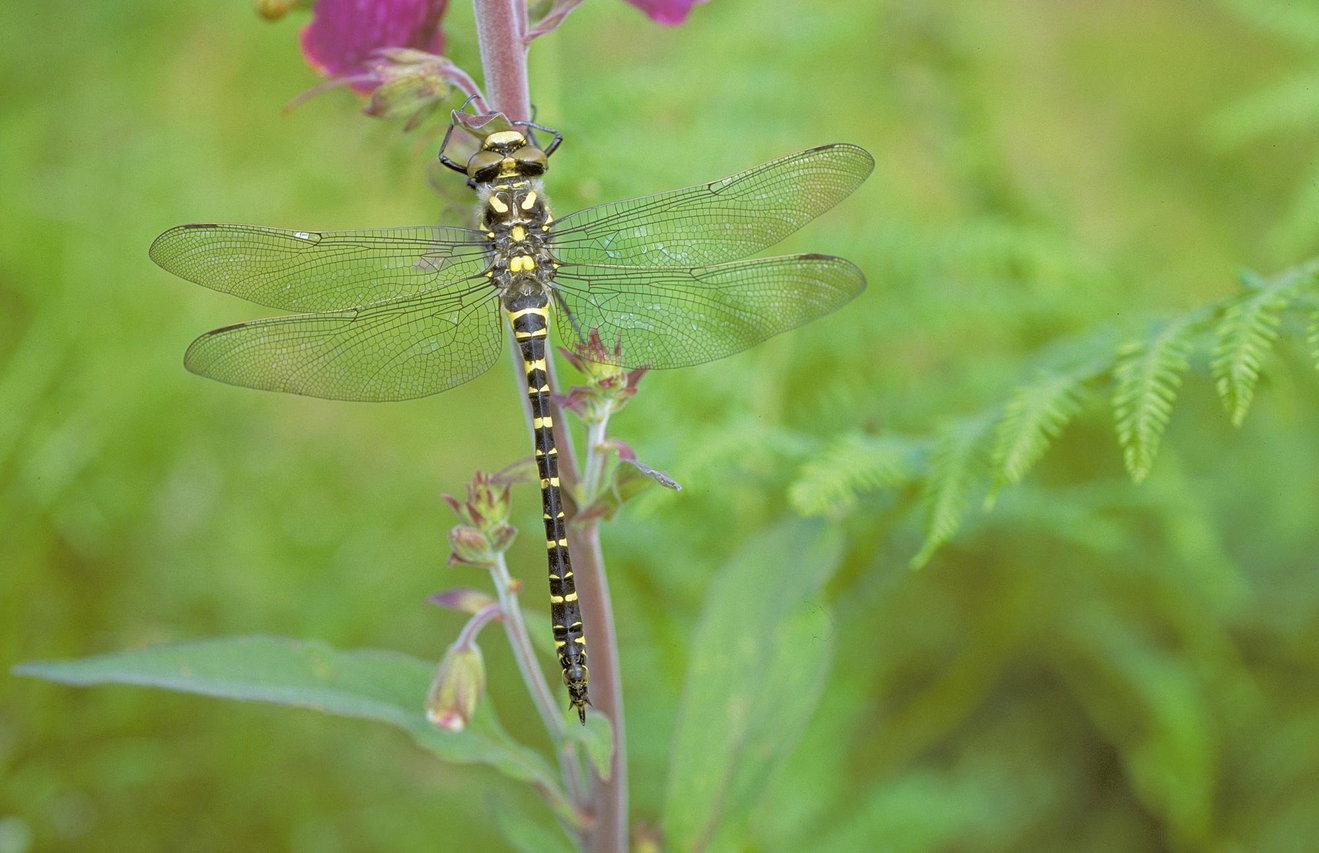
In summer, the soft thrum of dragonflies like this, the Golden Ringed, is a familiar aural interruption. Lizards, adders, newts, frogs, toads and slow worms all bask in and around the bog in summer.
Plants, with fanciful names like Bog Bean, Cotton Grass, Bog Myrtle, Bog Asphodel and Dwarf Birch pepper the peatland.
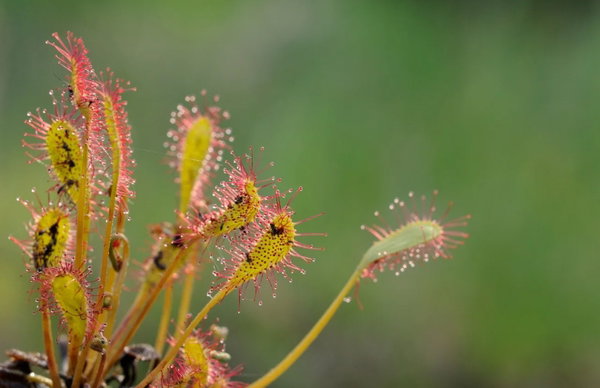
Insects that eat plants live next to plants that eat insects; Sundews, Butterworts and Bladderworts, silently secreting enzymes, biding their time and swallowing them slowly. But it's the twenty species of sphagnum mosses that are the showstoppers here, clinging to the rainfall like thirsty fish!
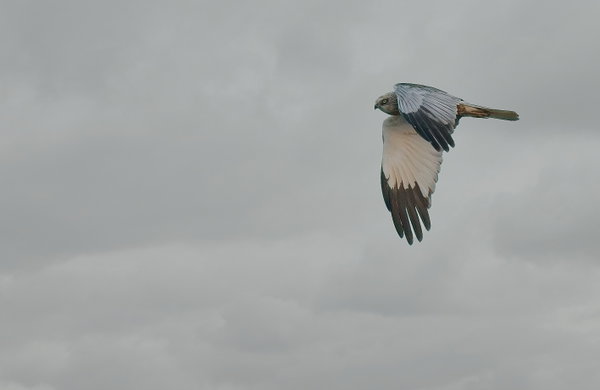
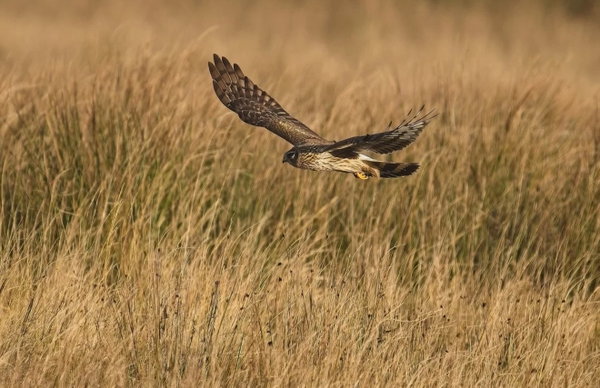
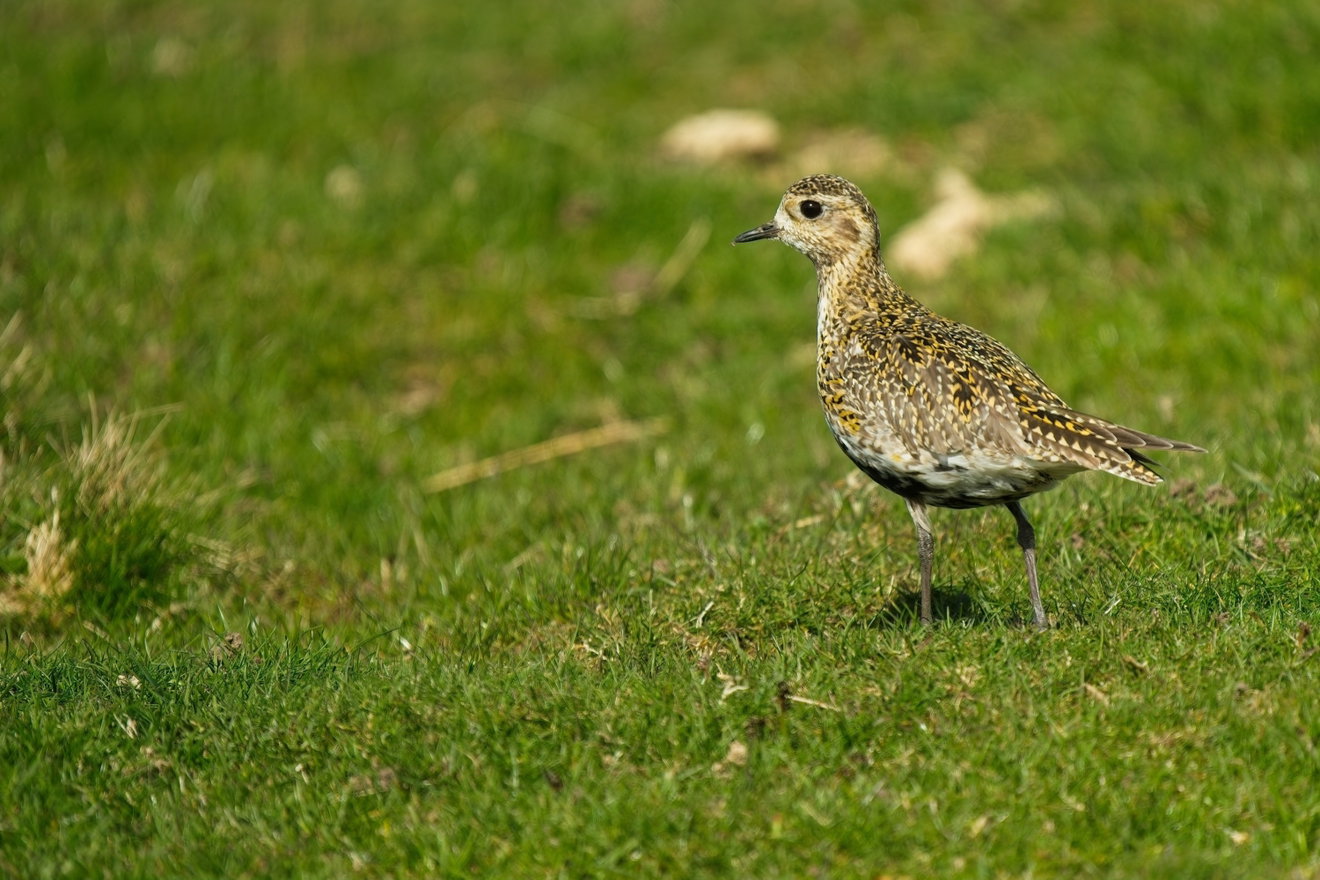
The peat also holds dark pools known as Dubh Lochans, providing shelter for red-throated and black-throated divers and their mournful calls, and provides feeding grounds for common scoter, dunlin, golden plover and greenshank, whilst soaring above, breaking the skyline you can look out for hen harriers and hear skylarks and pipits.
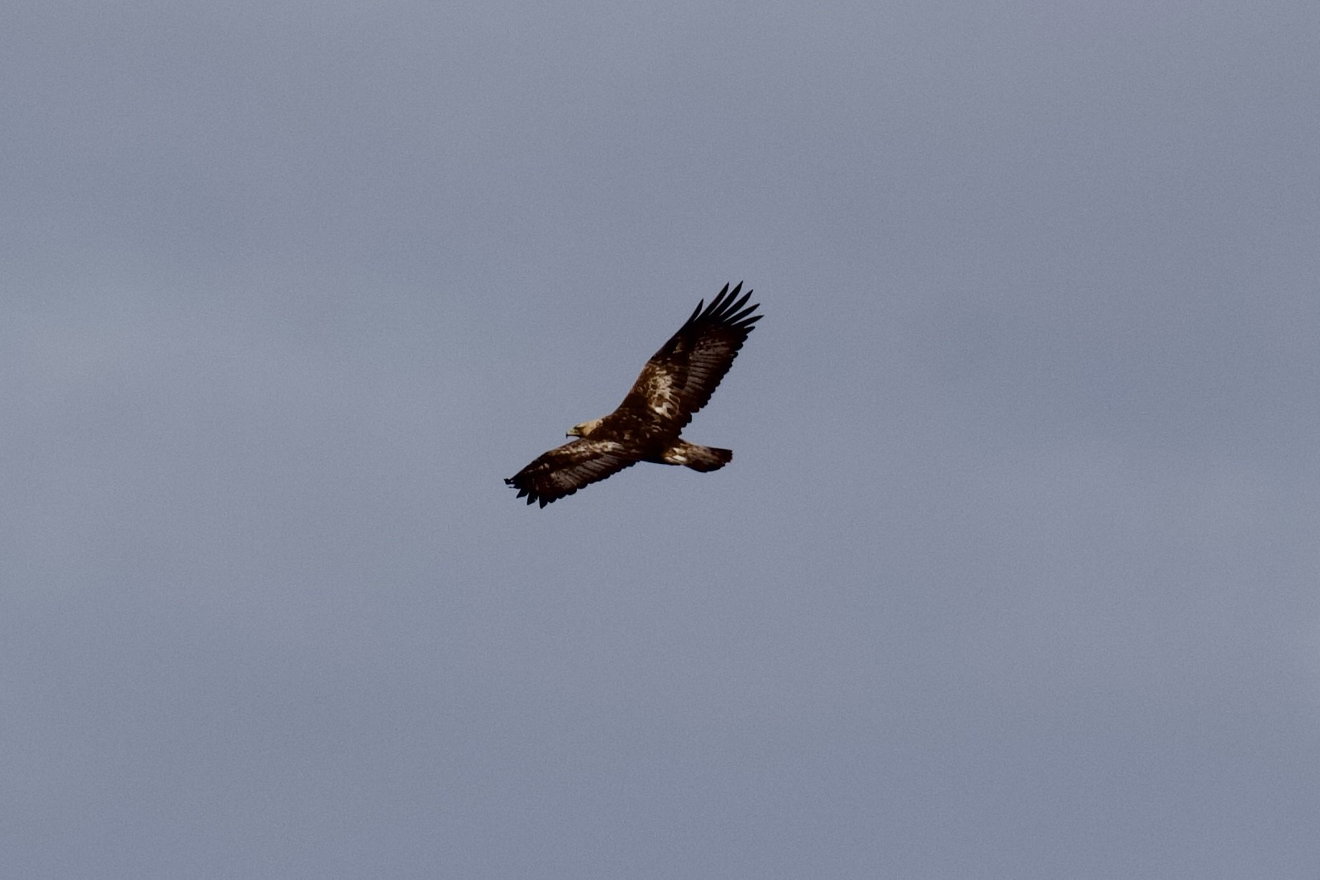
Or if you're lucky, the majestic Golden Eagle!
Whilst on the face of it, Forsinard Flows looks still and lifeless, it's a series of tiny ecosystems beavering away to support each other, teeming with interconnected, symbiotic infrastructures of life.
Once the Flows are fully restored, they will be the very northern lungs of our nation, capturing carbon for many millennia. It's worth the drive out to see this natural spectacle.
RSPB Scotland who own and manages a large swathe of the estate, are hitched up in the old station and has some fascinating displays about The Flows.
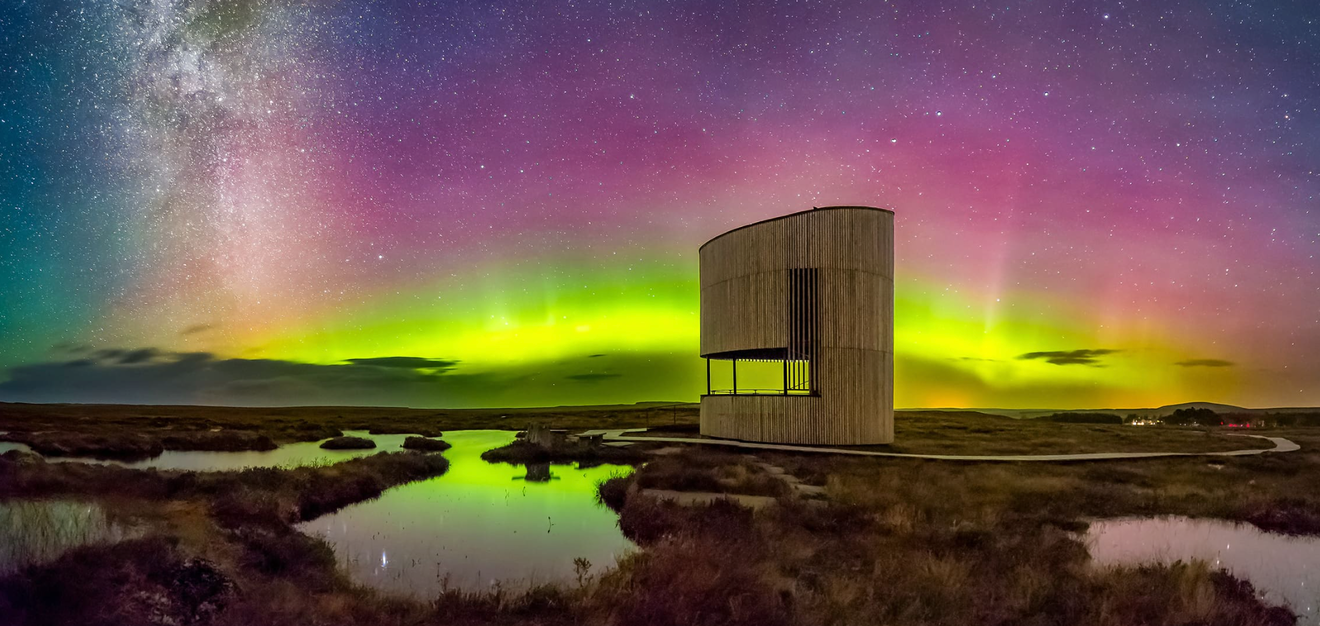
And if you want a dramatic sunset or the stars, you'd be hard pushed to find a less populated place to see the night sky in all its glory.
Thanks to Paul Bartlett for his beautiful hen harrier and golden plover pictures, to Lorne Gill from NatureScot for the gorgeous Golden Ring and Sundew images, to Paul Turner, RSPB Forsinard Flows, for the spectacular Sphagnum close-up, to Joyce Campbell, Crofter & Landowner of Armadale Farm for the Golden Eagle image, and to Maciej Winiarczyk for the tremendous Northern Lights image. Also to RSPB Scotland and Venture North for their kind nature email help!
Get 4 points if you have visited this place. Already visited by 5 VIPs.
Login to bag this placeHelp fuel the next adventure
Fabulous North is free, with no annoying adverts and fuelled by an unhealthy desire to poke around castles, hills, churches and suspicious-looking bits of stone.
If you enjoy what we do, you can help keep us exploring.
Champion This Place
Got a special memory of Forsinard Flows, a story to tell or simply a soft spot for it? Champion Forsinard Flows and we'll add your name, photo and a short message to this page, while your support helps us keep Fabulous North exploring.
How To Find Forsinard Flows
Where Is Forsinard Flows?
Show Place On Google MapsLat / Long
58.450978, -3.8922286
What three words
Where To Park For Forsinard Flows?
5 regular spaces and 2 Blue Badge spaces are available in the tarmac-surfaced car park shared with the railway station at the visitor centre. An additional 12 spaces on a gravel surface (including two larger spaces for camper vans) is also available. No overnight parking.
Contributed by Jos Forester-Melville
Highland loving human. Thalassophile. I love a good smile. Happiest heading for the hills with my pickup filled with kids and dogs! Working four days, we enjoy a Fridate, and usually spend it scouting out new scenery. I love a gated track, a bit of off roading and if it involves a full ford, well, that gets extra points! I go nowhere without a flask and binoculars, and love the small things in life that make it big…Goldcrests, dry stone walls, Deadman’s fingers, blackberries and quality clouds.
More Places from Jos
More Places In Highlands
Find more fabulous places in Highlands, Scotland and if you know of a place we haven't listed, then let us know.
Oh no! We couldn't find any more places for this area. Don't worry, we're adding new places all the time, so please check back again soon.
More Landscapes
So this landscape wasn't enough and you want more? Don't worry we have you covered.
Hepple Wilds
Landscape Harbottle NorthumberlandGuided tours of a rewilding project on the Hepple Estate with links to Hepple Gin.
Red Moss Nature Reserve
Landscape Edinburgh ScotlandOne of the few remaining examples of a raised bog in the Lothian area
Bellymack Farm Red Kite Feeding Station
Landscape Dumfries And Galloway ScotlandA Red Kite Feeding Station set up on a Farm.
Never Miss A Fabulous Place
If you are afraid of missing out on all the fabulous places we post, or just want to be the first to know, then sign up to the Fabulous North.
Each week we will email you all the brand new places that we visit.
Sign Up To Alerts

Find Us On Facebook
We post all our new places daily on our Facebook Groups page, so join the group today and be notified when we add a new place.
Join Our Facebook Group