
Glover's Pant
Well In Hexham, Northumberland
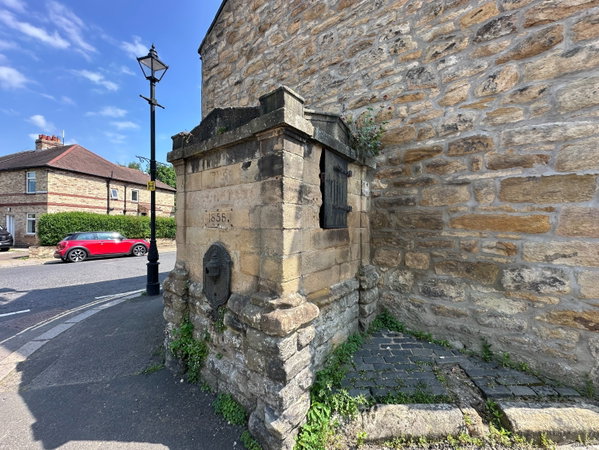
A drinking fountain erected in Gilesgate, funded by philanthropy in 1858, when Hexham was deemed bereft of sanitation, drainage and clean water for those living and working in the slums.
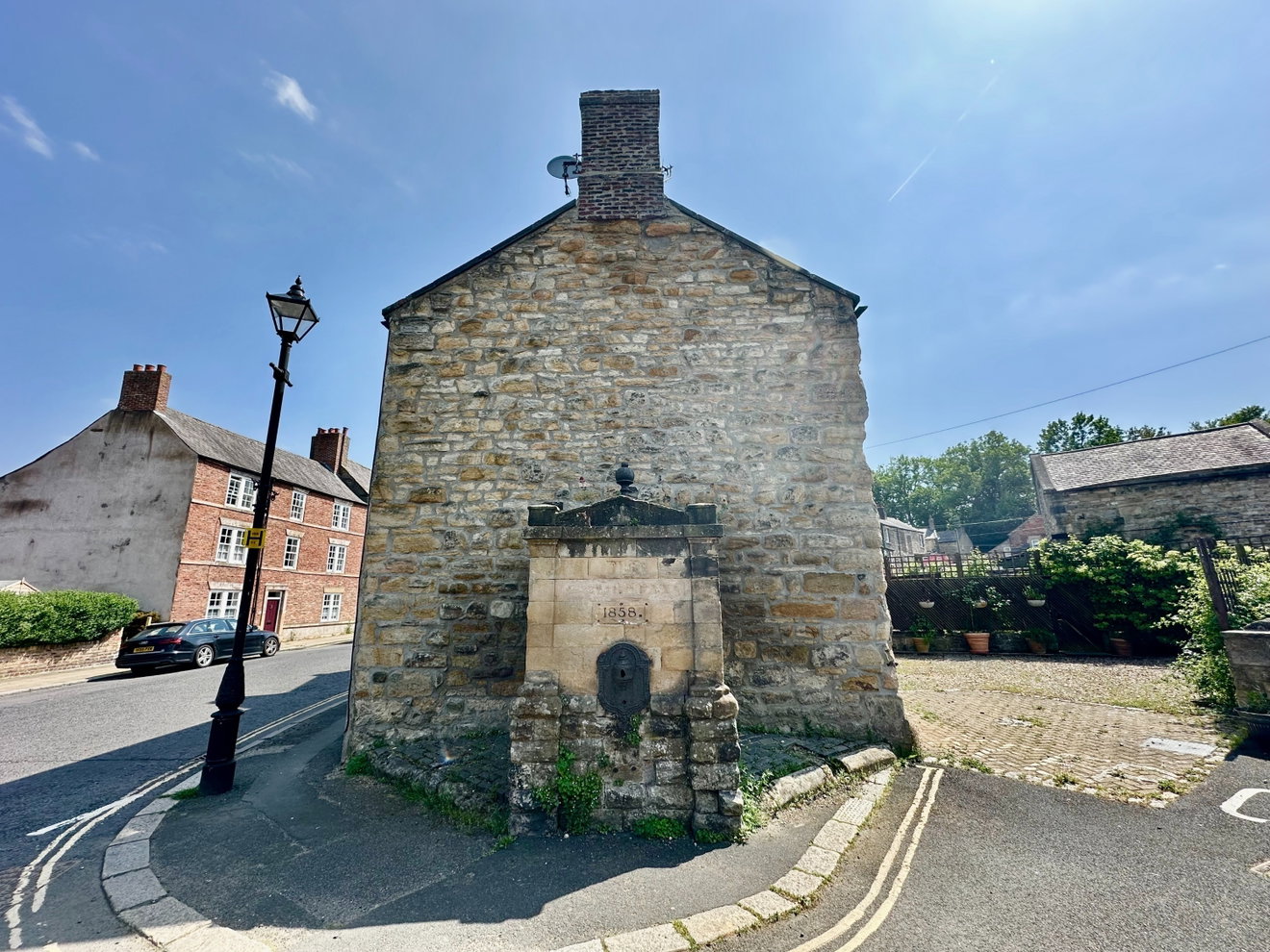
Pants are particularly Northumbrian!
We're not talking knickers or trousers or deep exhalations; we're talking about stone drinking spouts or fountains. They're dotted about our North East towns and villages and were a popular and civilised source of water in the 18th and 19th centuries when people didn't have their own personal water supplies.
Hexham has a pair of pants. This one is known as Glover's Pant for reasons that will become clear!
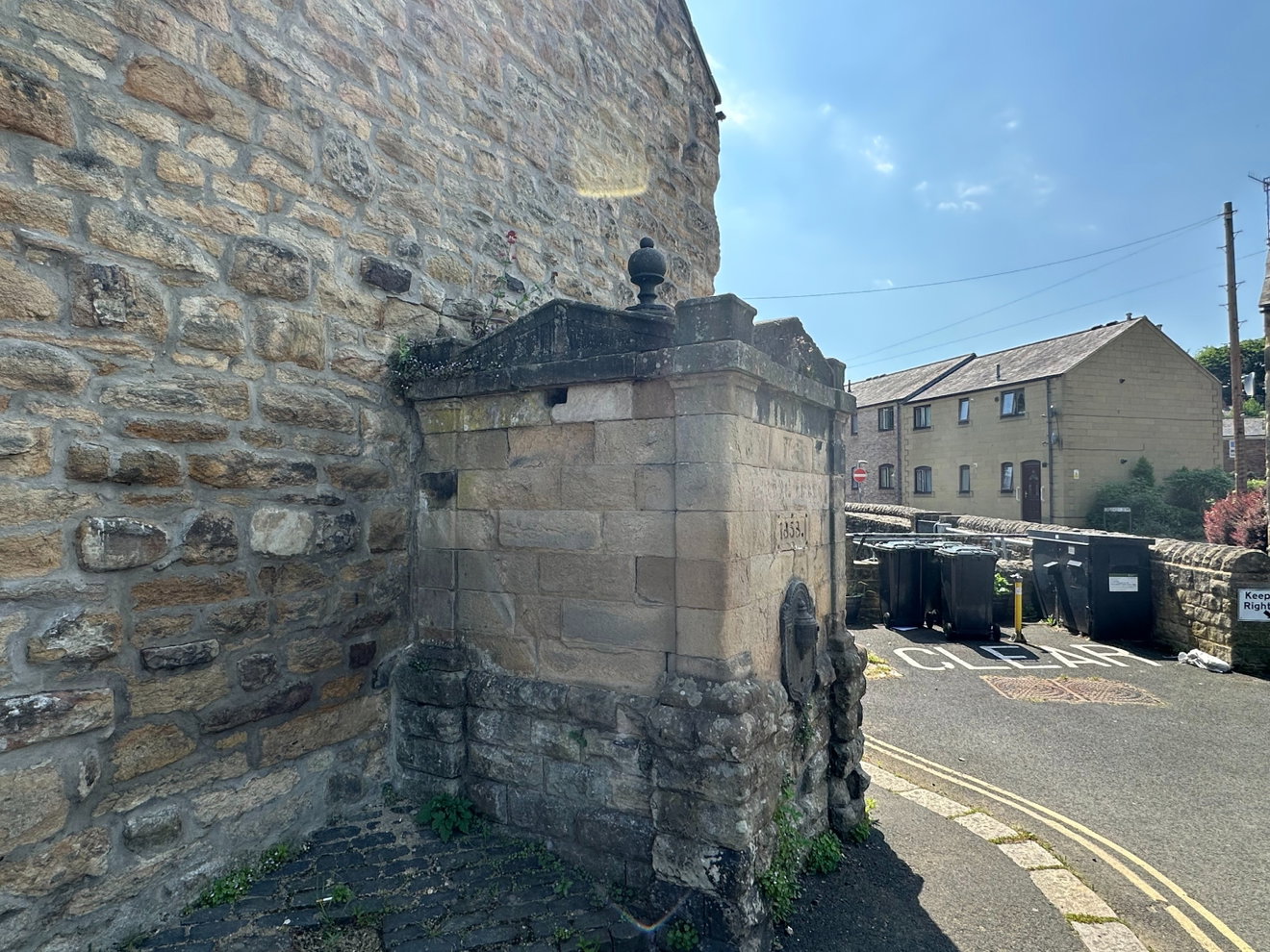
Often central, often with troughs, for feeding livestock too, pants were an important municipal feature in many places and survive today as stone structures, often decorative, but a sturdy reminder of the need for clean water for communities in days gone by.
I pass this one most weeks when I do my shopping, and always just drive by and wonder. A while back, I stopped and got out, and with a little detective work, found out a whole load of stuff about people and work environments and trade that had happened here beneath my feet nearly two hundred years ago.
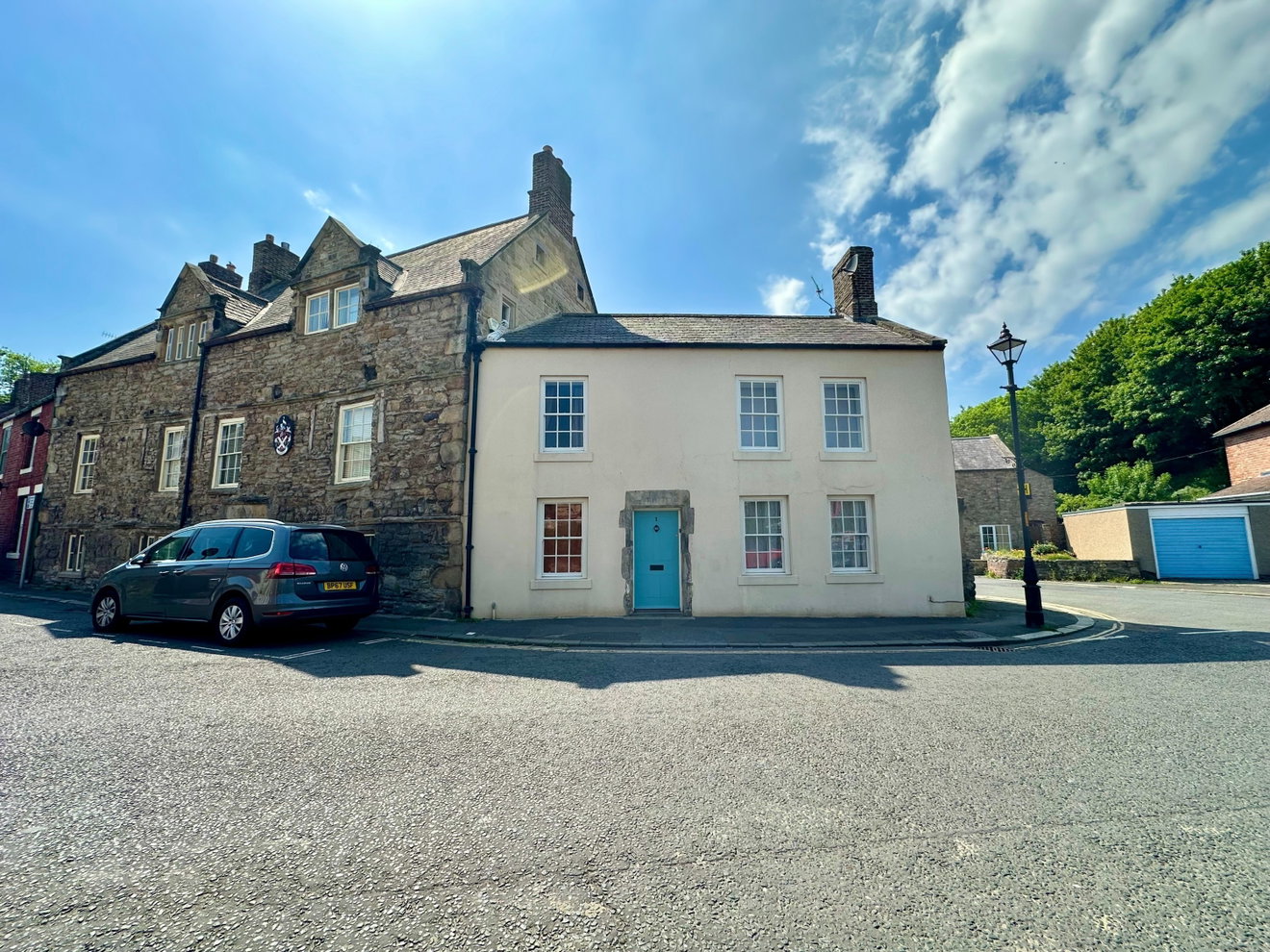
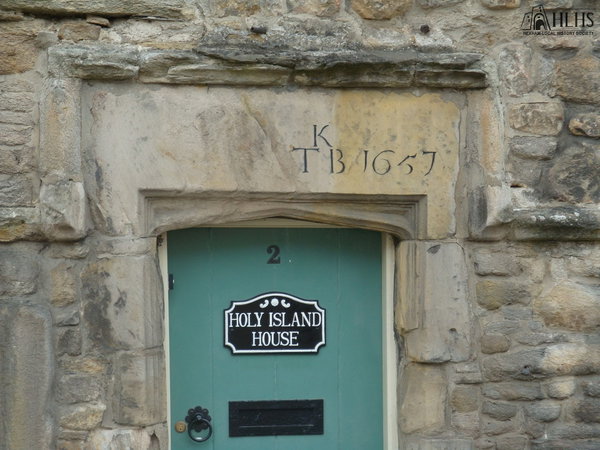
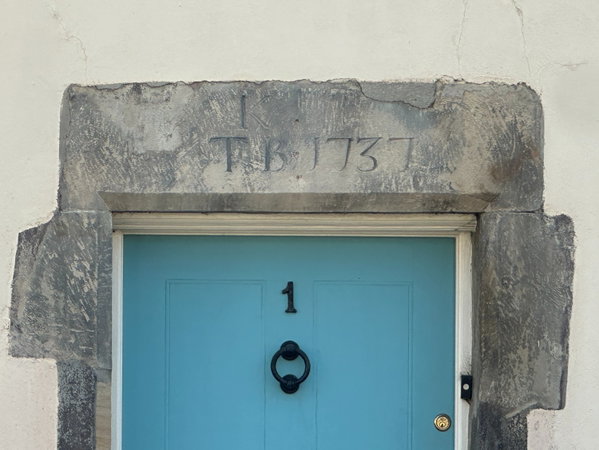
I'm also perennially drawn to these two old houses, which look like life from a long time ago. They have such old date stones above the doors.
Situated just west of Hexham town centre is Holy Island...now you're confused! There is no link to Lindisfarne, but these houses here are known by the same name, dating back to 1657 and a cottage dating to 1737, both of which sit astride the Cockshaw and Cowgarth Burns, which run through the town. The houses sat on the strip of land between. Maybe at times, this area could have been flooded like Holy Island's Causeway? Who knows?

A natural water supply was readily available here and is probably why Hexham based one of its main trades here - a tannery. There are clues in the names of places. The pub is the Tanners. The streets are named Tanner's Row, Tanner's Yard and Glover's Place. This area of Hexham is synonymous with glove making and the leather industry.
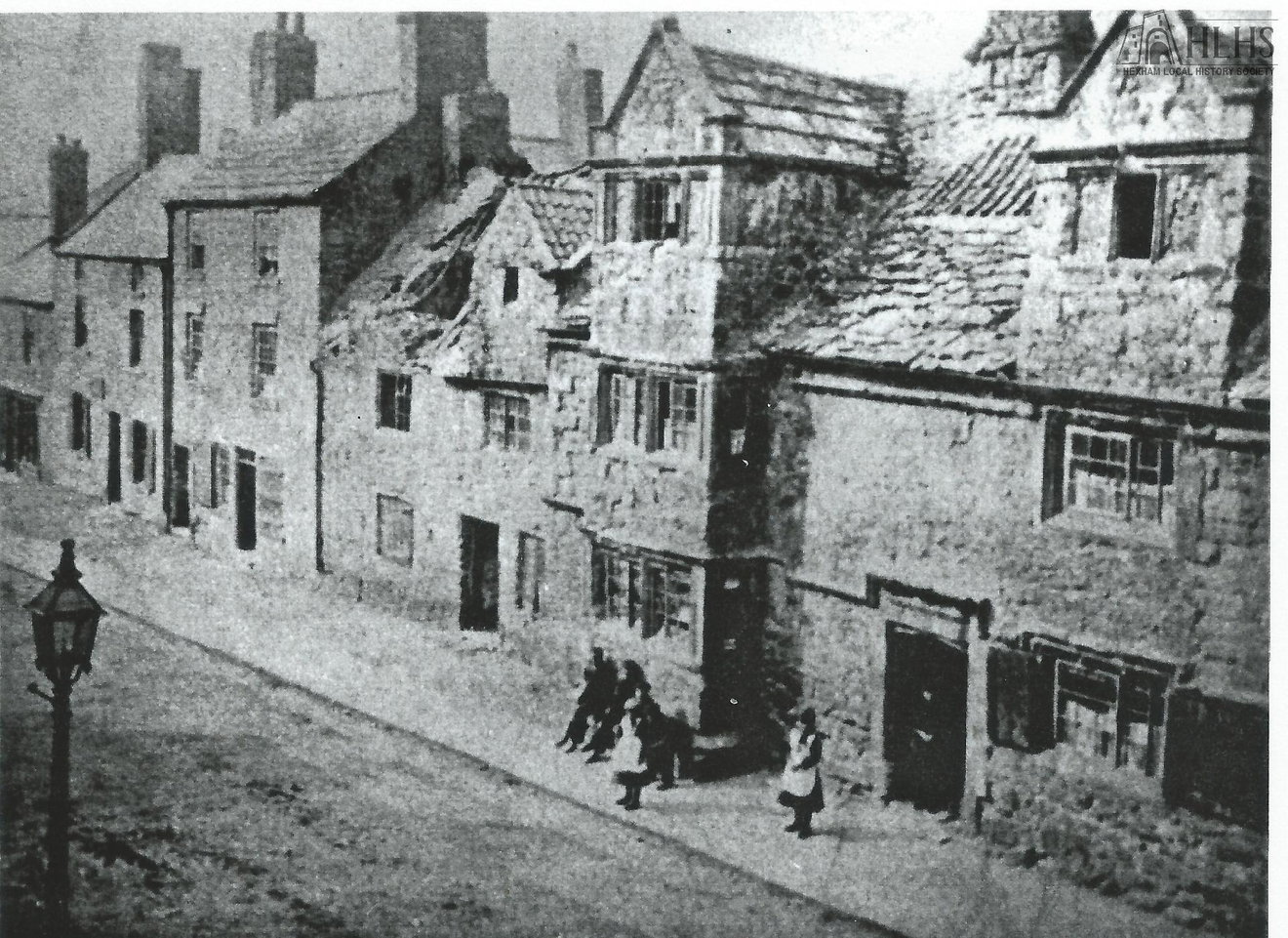
It's hard to think today of this conservation area known as Gilesgate with its salubrious stone frontages and heritage-toned front doors as an area that was poor and run-down.
Filled with slum dwellings, as many as 1000 women and girls known as gloveresses would sit on their house steps, nattering as they sewed hides into gloves for the well-to-do.
In areas of high population, families often lived in multiples in crowded single rooms. They were surrounded by toxic runoff from the tanneries, bits of discarded animal refuse, which all went straight into the burns along with the human waste from pos and middens.
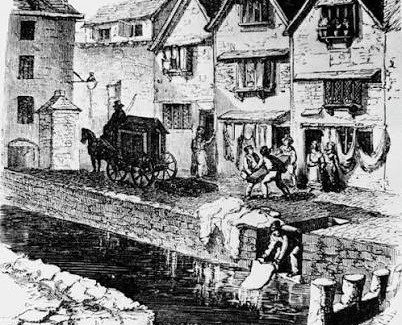
1848 and 1849 saw cholera epidemics which were rife in Gilesgate. Raw sewage and infected water supplies caused illnesses such as Typhoid and Dysentery, regularly claiming the lives of infants and children as well as adult workers.
This engraving from an unknown artist from 1832 depicts the second cholera pandemic across England.
In 1853, a public health report was drawn up by Robert Rawlinson, which condemned the living conditions of those living in Gilesgate.
He stated -
Hexham is not naturally unhealthy, but it is made so by a total absence of system in all things relating to local government and municipal regulation... There are no public sewers; there is no general supply of water.
Robert Rawlinson - 1853 Report to the General Board of Health
This caustic report of public health encouraged action to be taken, with slums torn down and clean water piped in.
Joseph Ridley was a prominent local historian and philanthropist who had worked at the tannery as a glove manufacturer. When the glove industry was in decline, he donated his remaining company funds to the workers of the tannery to support those facing unemployment. He strongly supported working-class people in Hexham.
Alongside the newly formed Hexham Local Board for Health, and some ardent townspeople's protests, Ridley reached into his own pocket to sidestep a lack of public funding. He paid for pipework to be laid from the Sele Well in the woods surrounding the park to run down through Gilesgate, feeding the people who worked at the tannery with fresh, safe, clean drinking water directly from The Glover's Pant.
An 1853 report discusses -
Mr. Joseph Ridley having made a personal application to this Board to erect a new Pant or Fountain in Gilligate and to bring water into the same from the Seal Well at his own expense. Resolved that the application be entertained [...]. Resolved that a vote of thanks be given to Mr. Ridley and recorded upon the Minutes of this Board thanking him for the very liberal spirited, and handsome conduct in having at his sole expense erected and also conveyed a considerable distance by Pipes the water to this Fountain and presenting it to this Board for the use of the Public
Hexham Local Board of Health minutes, 5.7.1858
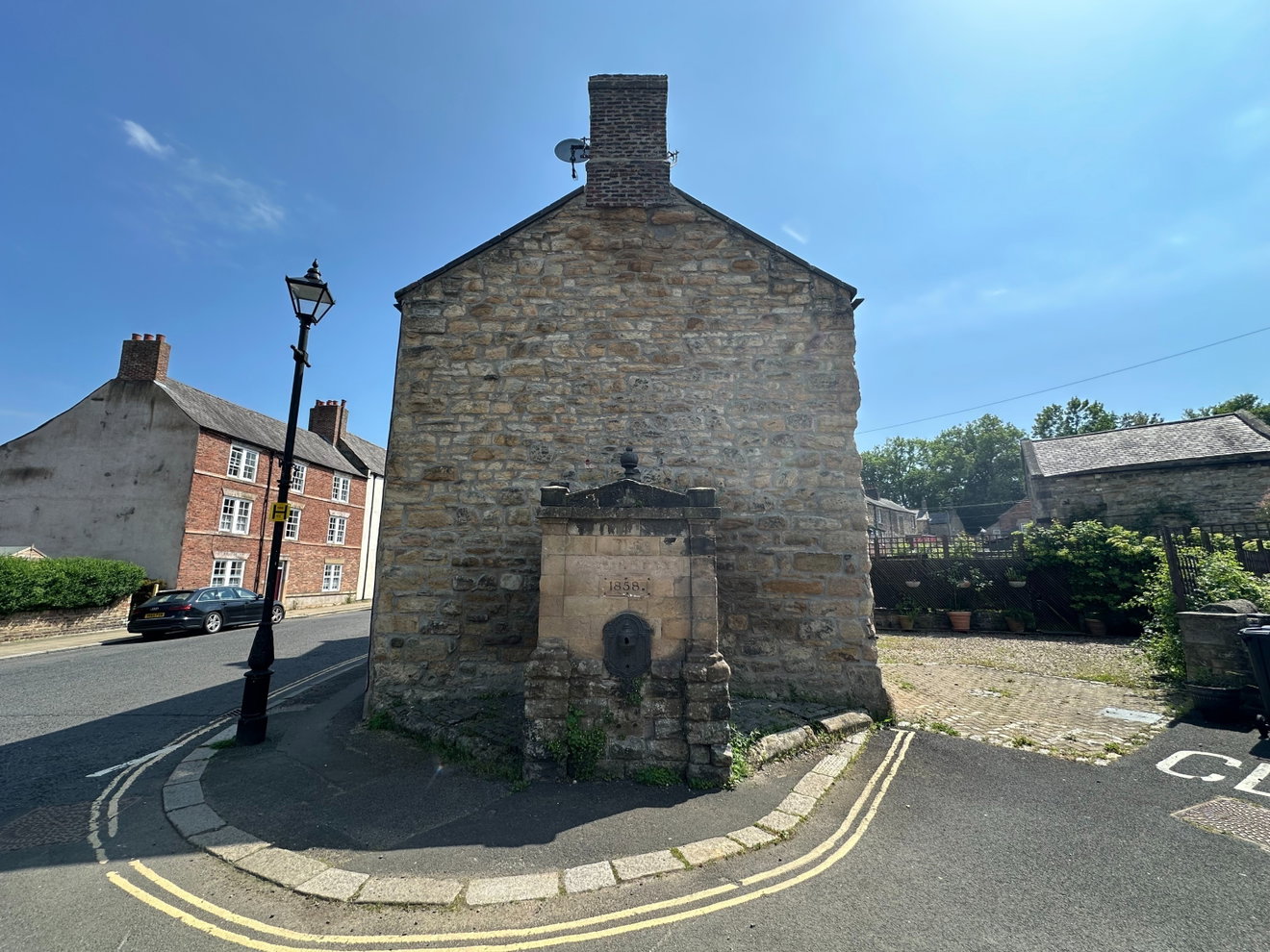
Built in 1858, it was fed by the Ladle Well's Springs, a significant water supply for Hexhamshire, which runs from the edge of the North Pennines, downhill from Hardwood Shield and Dukesfield.
It's in a pretty prominent location, and you can just envisage people queueing with their jugs and buckets for some cool, clean water.
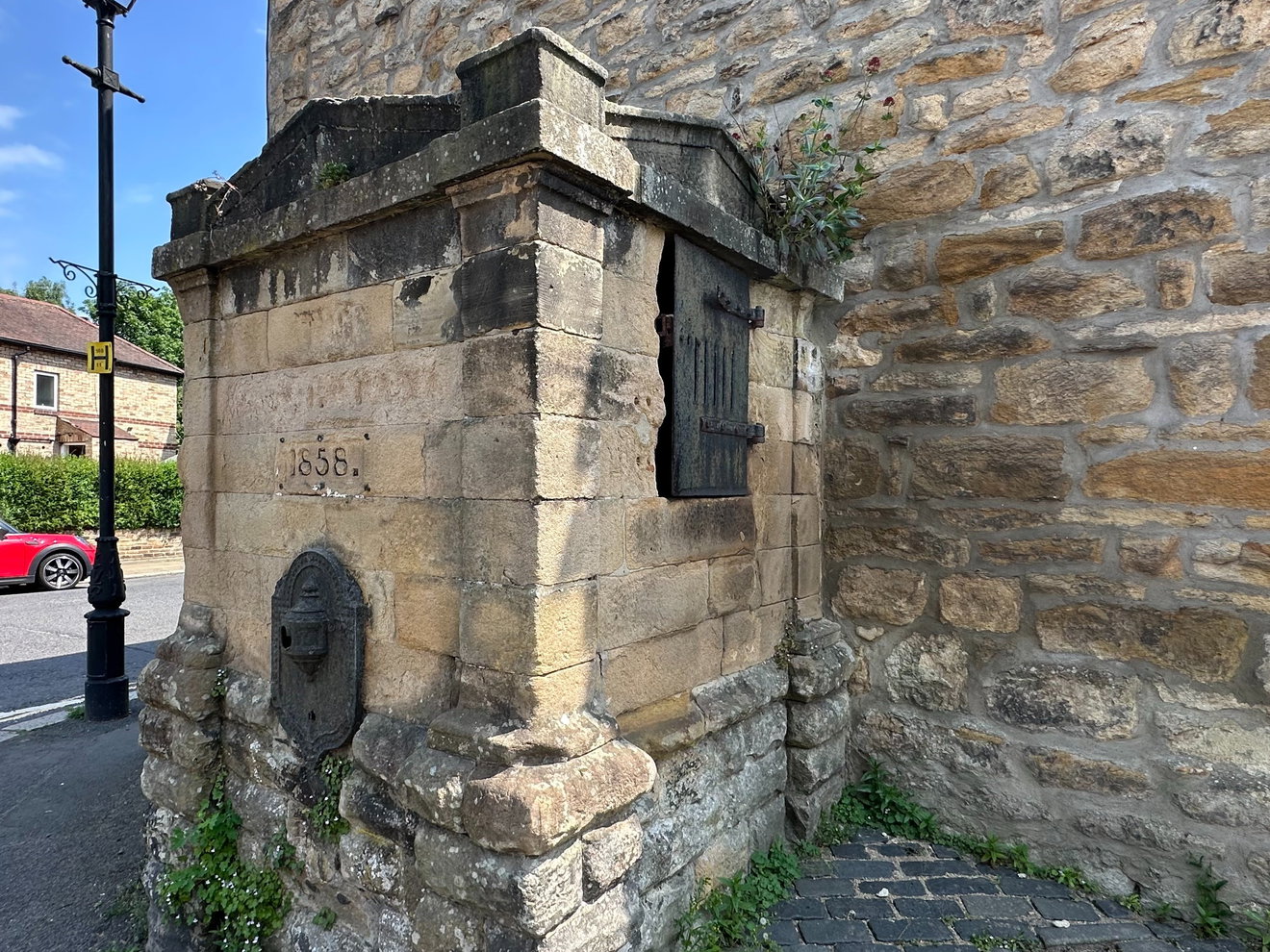
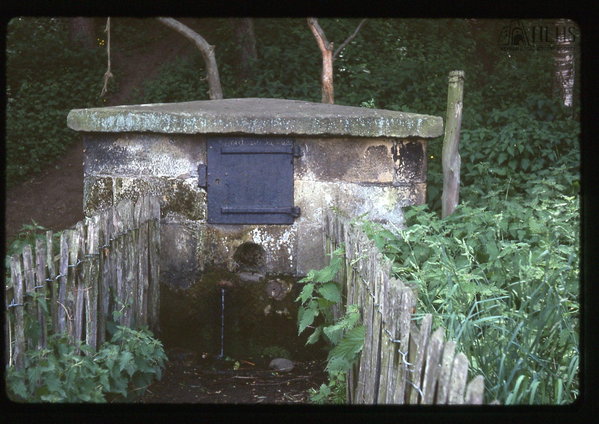
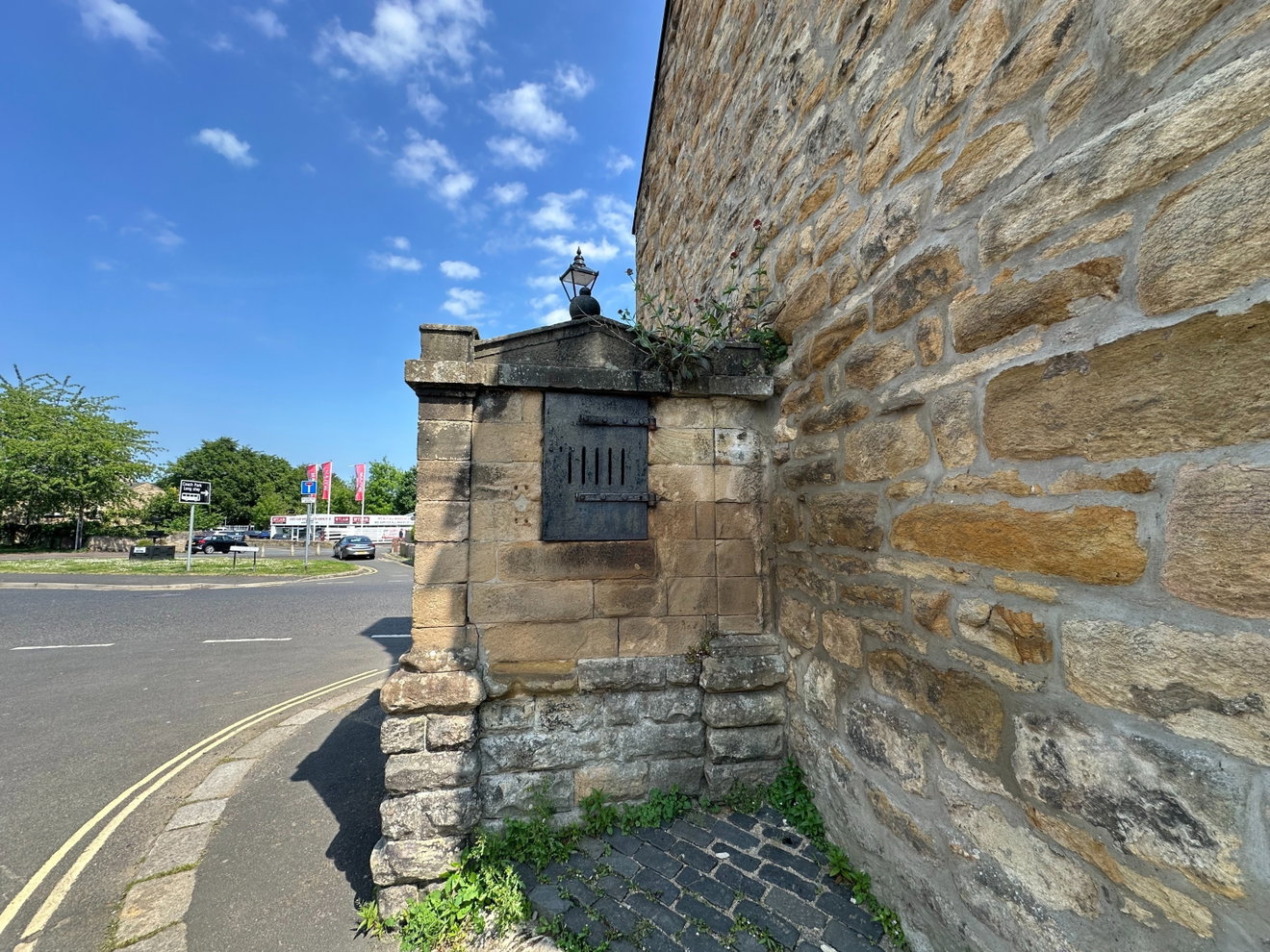
The pant sits in a little stone aedicule, like a tiny temple on the north gable end of Holy Island Cottage. They wouldn't have had far to trek for a decent cuppa.
It's a big old stone blocky affair raised on a rubbly base and finely finished in a pointed little pediment on each face of the pant and now softened with weather, red valerian and ivy-leaved toadflax.
Right in the centre sits a decorative finial, and to the side, there's a small metal door, now sealed closed with rust and age. Presumably, this is where all the workings and pipes were housed.
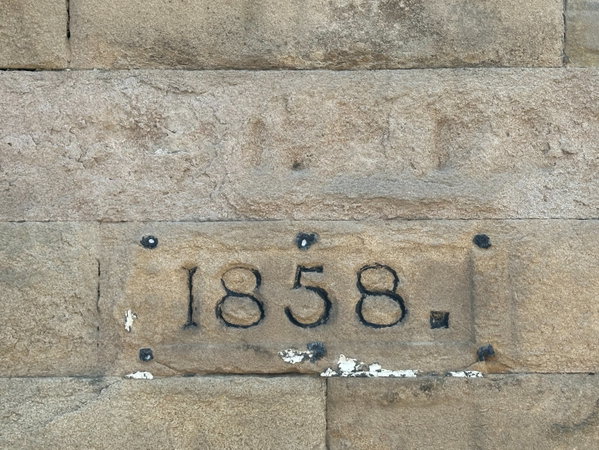
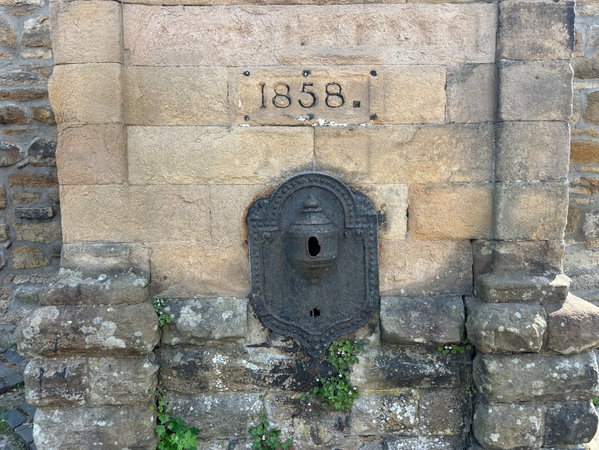
On the front, there is the reminding outline of the date of the pant's inception 1858. It looks as though there was perhaps once a plaque here, but that has in time been lost or damaged. Some faint indentation in the stone suggests the name Glover's Pant was once emblazoned in the stone, but now is just a series of faded shapes.
The cast iron backplate and spout are defunct and were probably partially removed when the pant was turned off in the mid to late 20th century, as more and more people had access to their own water sources. This public offering was no longer required.
So next time you're passing a place and it makes you curious, don't just wonder- be your own detective. A few photos and a bit of research can tell you more than an instinctive eye any day of the week.
Thanks to Hexham Local History Society for sharing some of the older images from their archive.
Get 2 points if you have visited this place. Already visited by 16 VIPs.
Login to bag this placeHelp fuel the next adventure
Fabulous North is free, with no annoying adverts and fuelled by an unhealthy desire to poke around castles, hills, churches and suspicious-looking bits of stone.
If you enjoy what we do, you can help keep us exploring.
Champion This Place
Got a special memory of Glover's Pant, a story to tell or simply a soft spot for it? Champion Glover's Pant and we'll add your name, photo and a short message to this page, while your support helps us keep Fabulous North exploring.
How To Find Glover's Pant
Where To Park For Glover's Pant?
Any of the streets close by.
Contributed by Jos Forester-Melville
Highland loving human. Thalassophile. I love a good smile. Happiest heading for the hills with my pickup filled with kids and dogs! Working four days, we enjoy a Fridate, and usually spend it scouting out new scenery. I love a gated track, a bit of off roading and if it involves a full ford, well, that gets extra points! I go nowhere without a flask and binoculars, and love the small things in life that make it big…Goldcrests, dry stone walls, Deadman’s fingers, blackberries and quality clouds.
More Places from Jos
More Places In Hexham
Find more fabulous places in Hexham, Northumberland and if you know of a place we haven't listed, then let us know.
Stonecroft Engine House
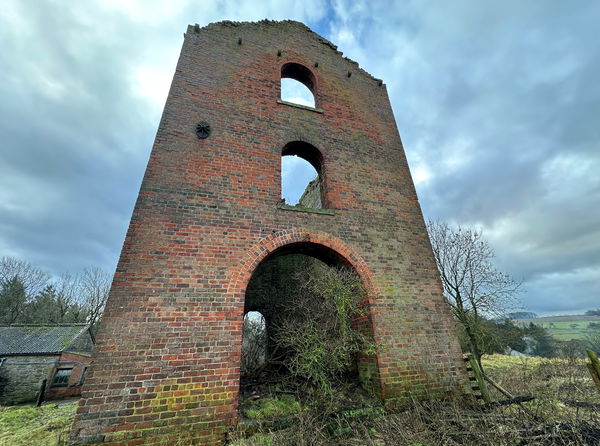
Machinery Hexham NorthumberlandAn 18th Century engine house near Settlingstones, built to contain a 70” Cornish Condensing Engine and the discovery place of the mega mineral Witherite
Scout Camp Memorial Cairn
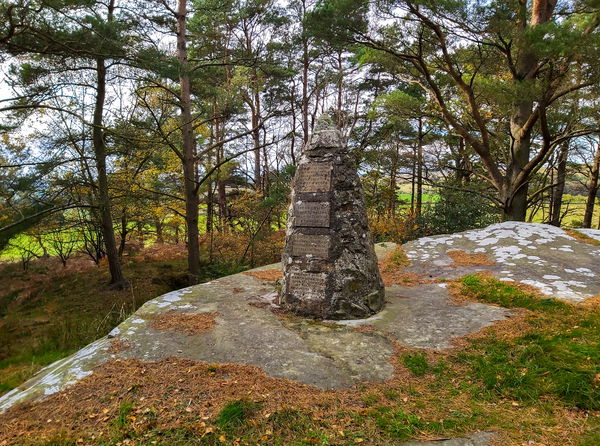
Standing Stone Hexham NorthumberlandStone cairn near Carr Edge in Northumberland, built in 1927 to commemorate Baden-Powell’s 1908 visit for the first official Scout camp.
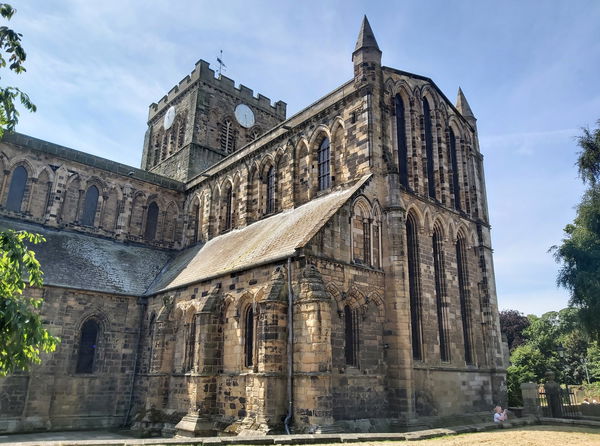
Hexham Abbey
Religious Place Hexham Northumberland12th century abbey dedicated to St Andrew, in the heart of Hexham.
More Wells
So this well wasn't enough and you want more? Don't worry we have you covered.
Never Miss A Fabulous Place
If you are afraid of missing out on all the fabulous places we post, or just want to be the first to know, then sign up to the Fabulous North.
Each week we will email you all the brand new places that we visit.
Sign Up To Alerts

Find Us On Facebook
We post all our new places daily on our Facebook Groups page, so join the group today and be notified when we add a new place.
Join Our Facebook GroupGlover's Pant was listed in Well // Northumberland // Hexham