
Inchmahome Priory
Religious Place In Stirling, Scotland
A ruinous 13th century Priory, that is on the Lake of Menteith and is only accessible by boat.
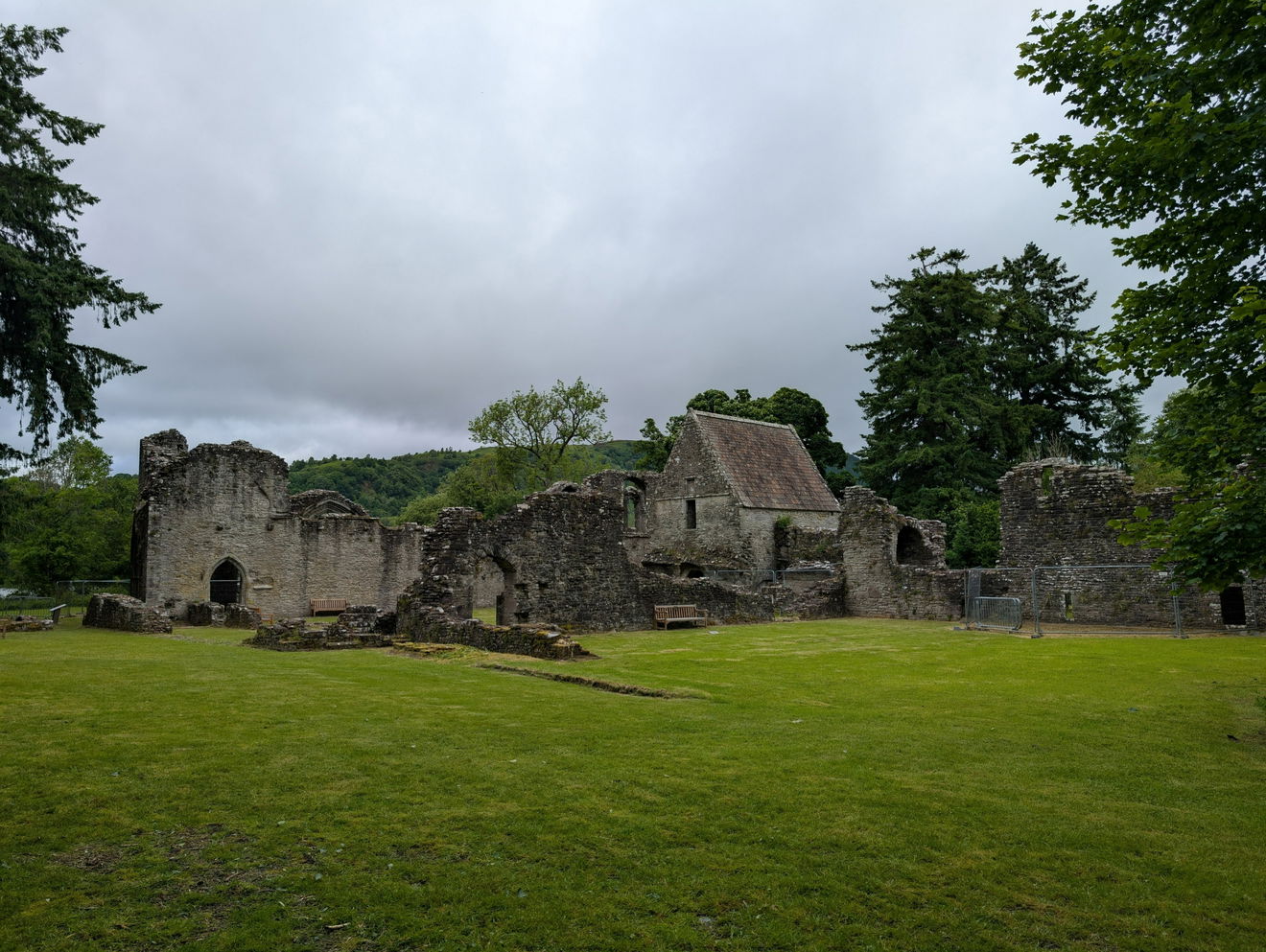
Inchmahome Priory is a little gem that is hidden on an island in the middle of the Lake of Menteith. The priory was established in 1238 by Walter Comyn, the Earl of Menteith. It was the home of Augustinian canons until the mid 1500's.
We happened upon the Inchmahome Priory boat house on a holiday in 2018 and after having a wonderful experience, we returned in 2025. The island offers the perfect tranquil experience, with both medieval history and abundance of wildlife.
Walter Comyn was the second son of William, Earl of Buchan who controlled Badenoch. The Comyn family were close to the royals since the reign of King Malcolm III (Malcolm Canmore) in the late 11th century. Walter married Isabella, the Countess of Menteith in 1233, gaining the Earldom of Menteith.
The couple made Inch Talla, a small island to the west of Inchmahome, their home. Comyn went on to seek permission from the Bishop of Dunblane to found a priory on Inchmahome, and in 1238 it was authorised by Pope Gregory IX.
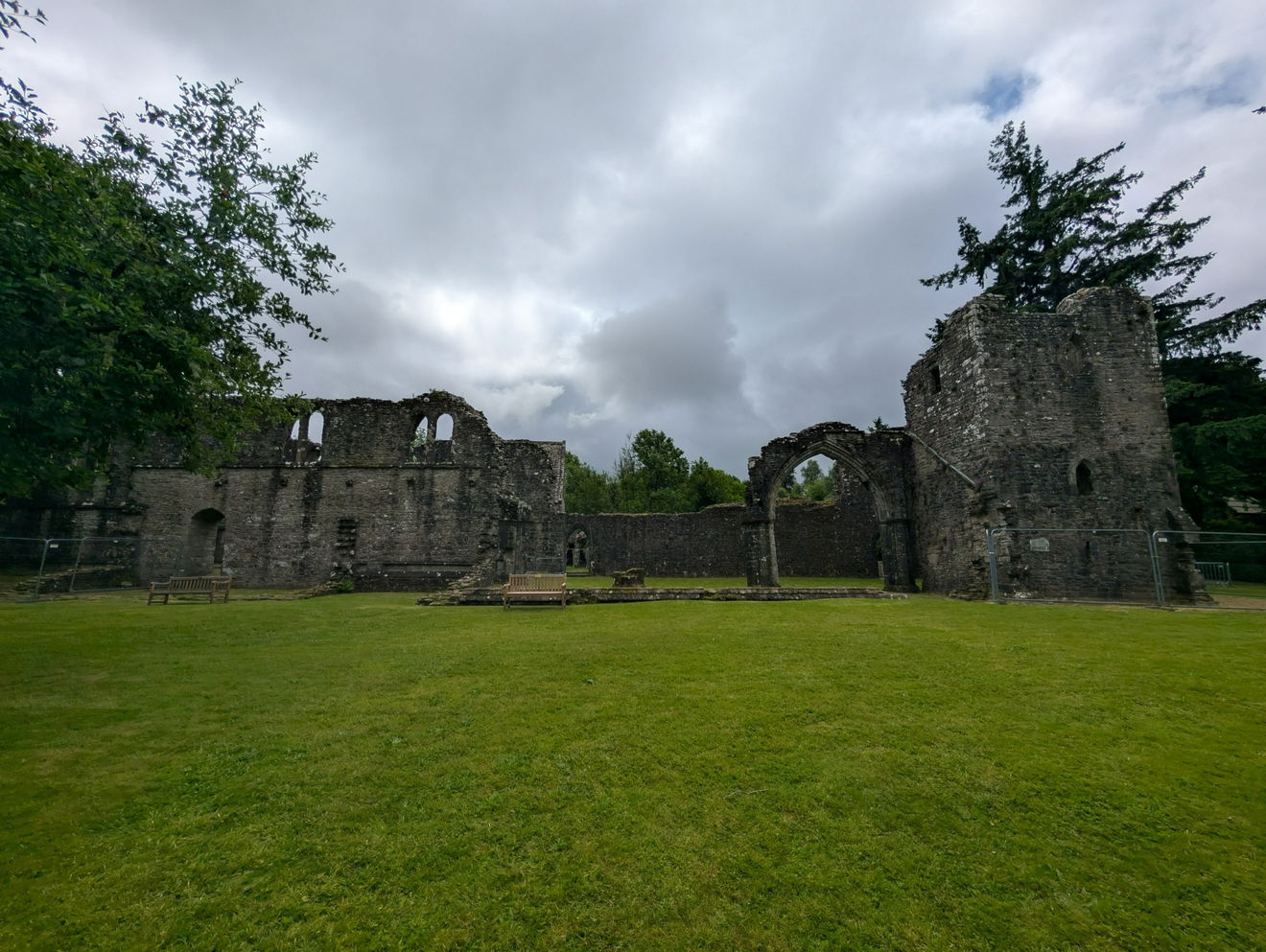
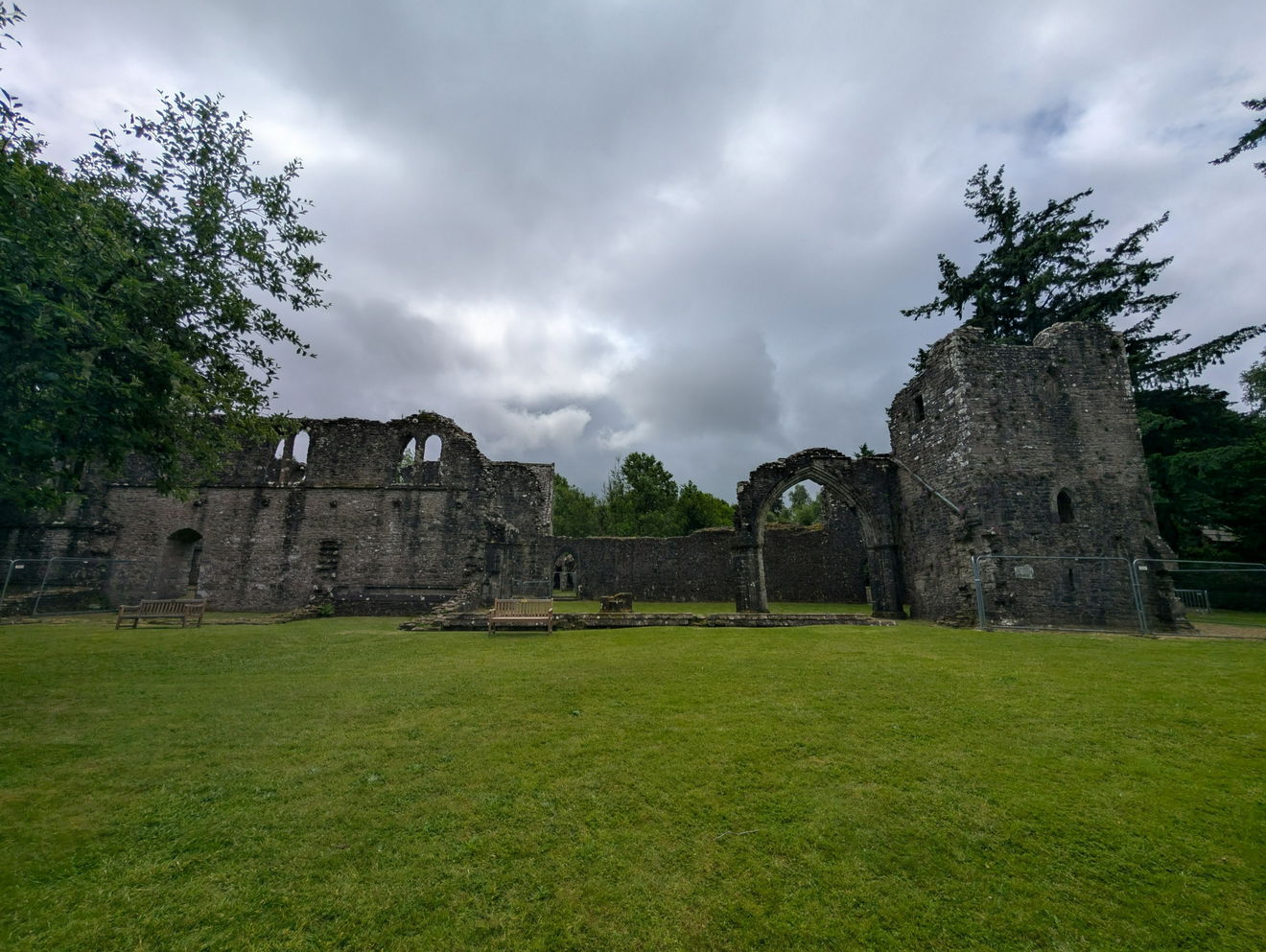
The building of the Priory began in earnest, replacing a pre-existing church on Inchmahome. It would become home the Augustinian Canons, also known as the 'Black Canons', who's mother house was Cambuskenneth Abbey which is about 17 miles away in Stirling.
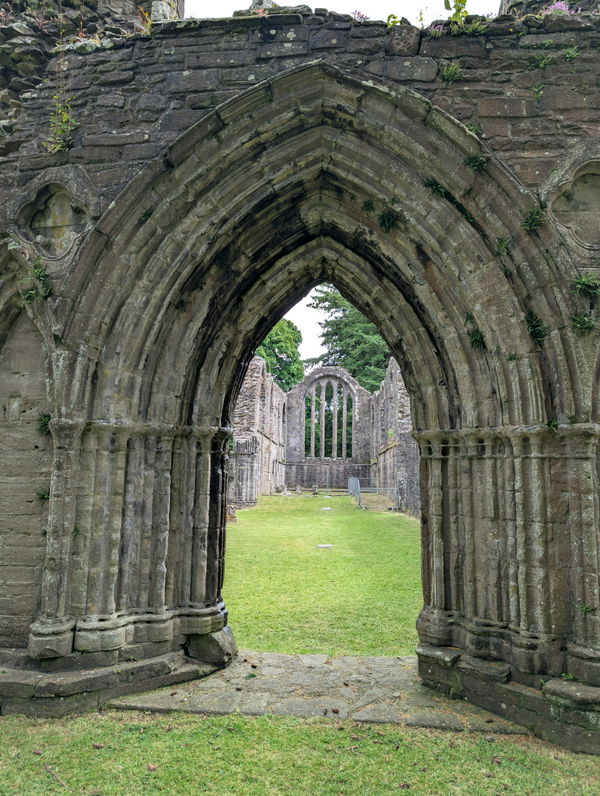
As you walk through the entrance to the church, you are drawn towards the large windowon the east wall. To get there, you must first pass through the nave.
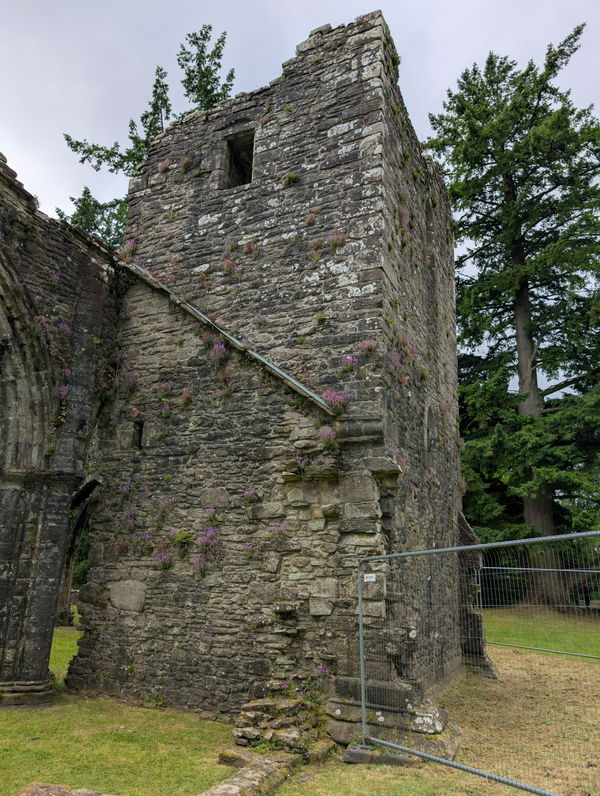
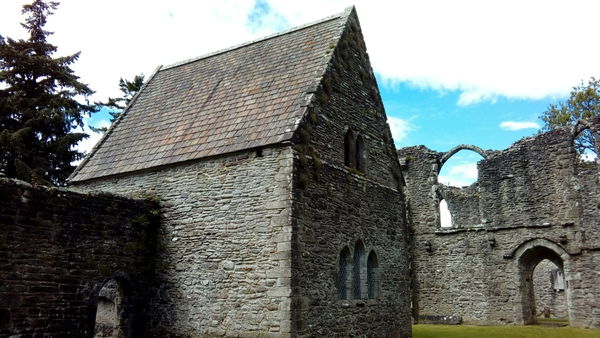
On entering the nave, there is a bell tower on the left which was added to the church at a later date.
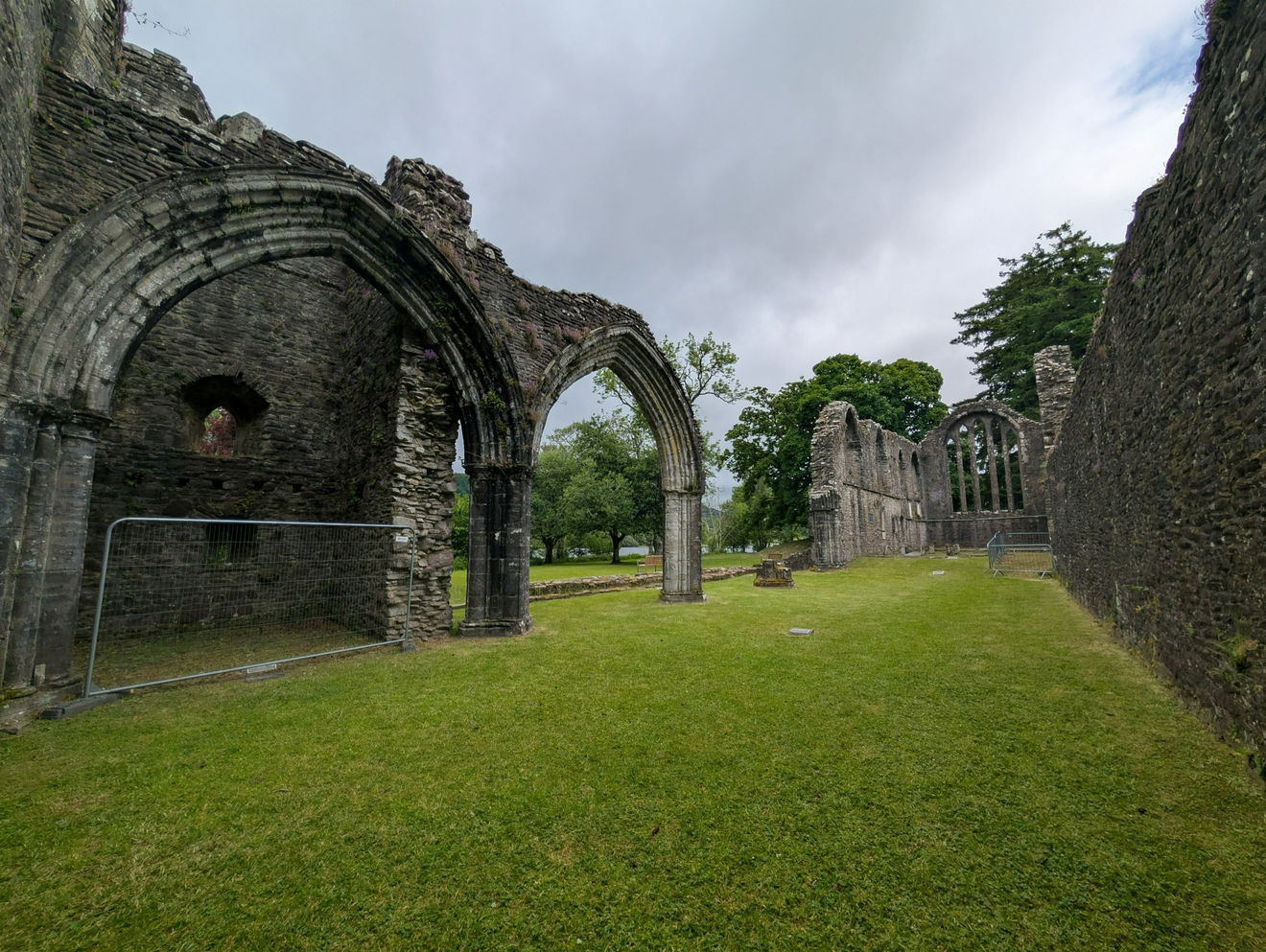
The nave is where layfolk (ordinary people) would have worshipped. They would have entered the church using a small door on the northern wall.
As you walk through the nave, you will pass the aisle arcade where you will find some of the arches remain in fairly good shape.
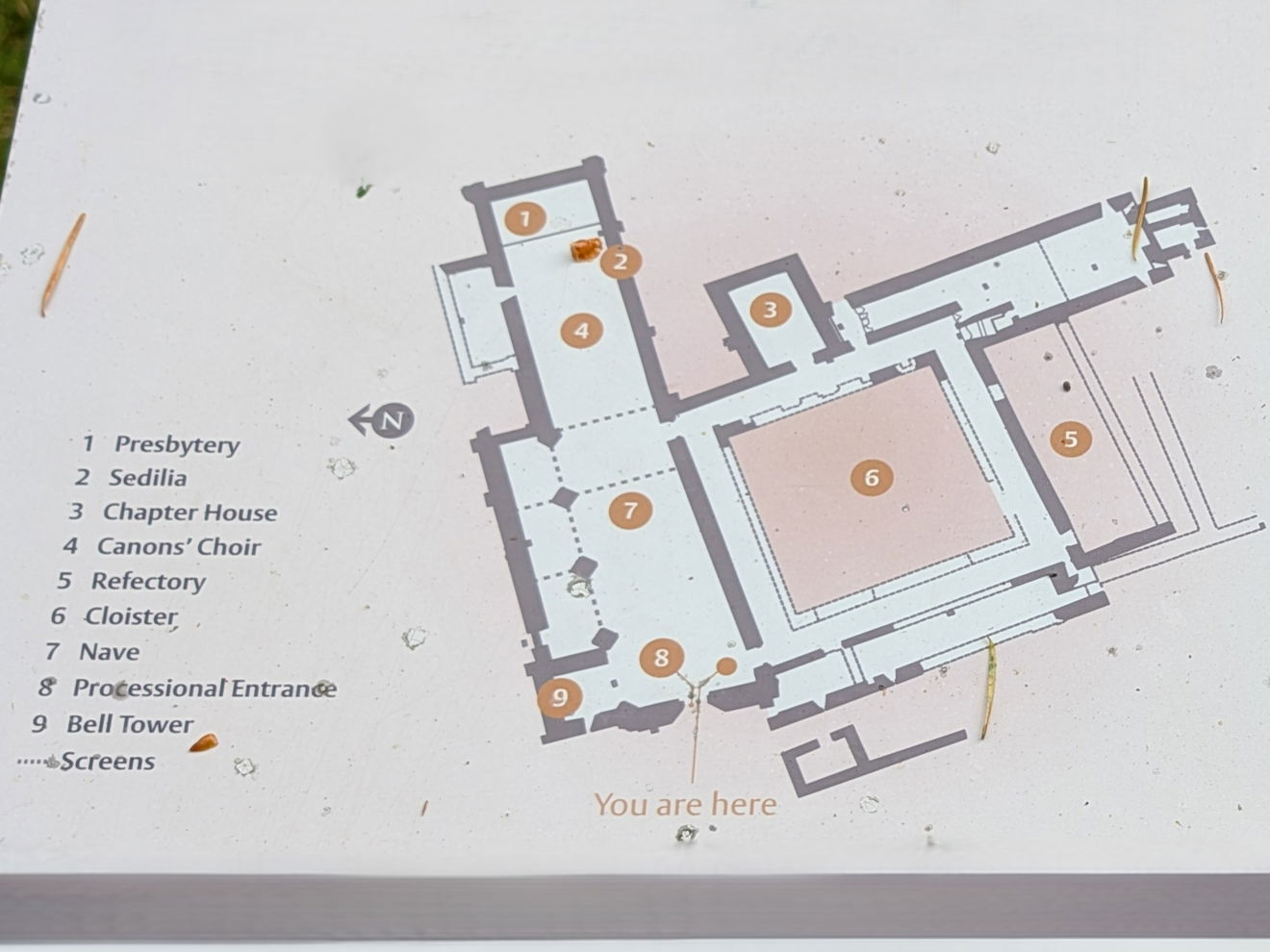
The nave would have been split into several chapels using screens. The information boards on the site illustrate this perfectly.
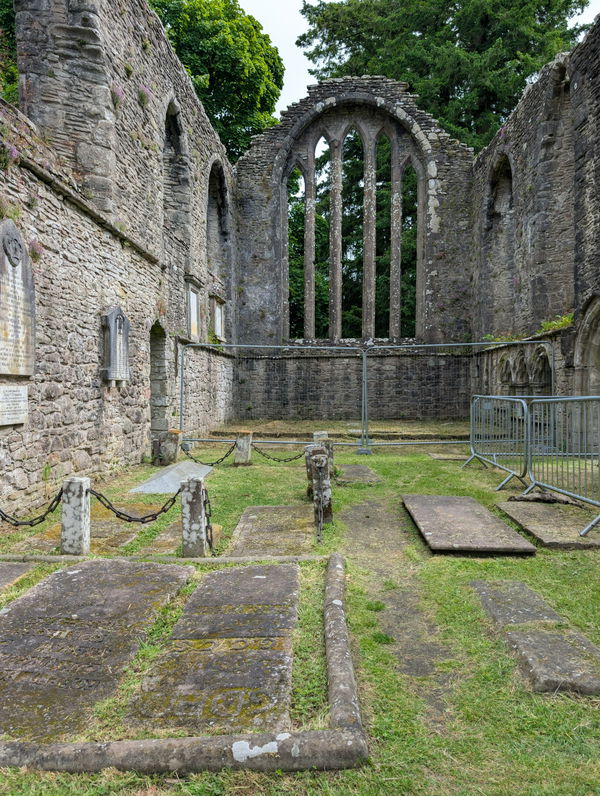
Passing through the nave, you reach the choir. The choir would have been closed off from the nave using a rood screen, so called as it had a giant crucifix (rood) on it.
The canons would have entered the choir through a door from the cloister on the east side of the nave. Here they would have sat in wooden stalls for prayer.
This part of the church also contains slabs and plaque memorials of notable figures of the Priory.
The large window in the east wall, towers over the alter at the end of the choir in the presbytery. This would have been the first part of the Priory to have been built.
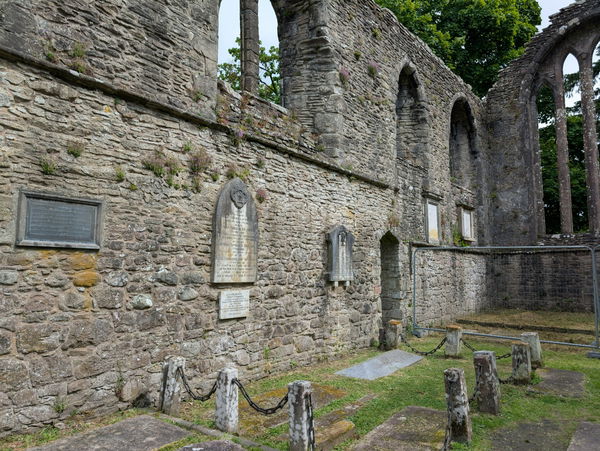
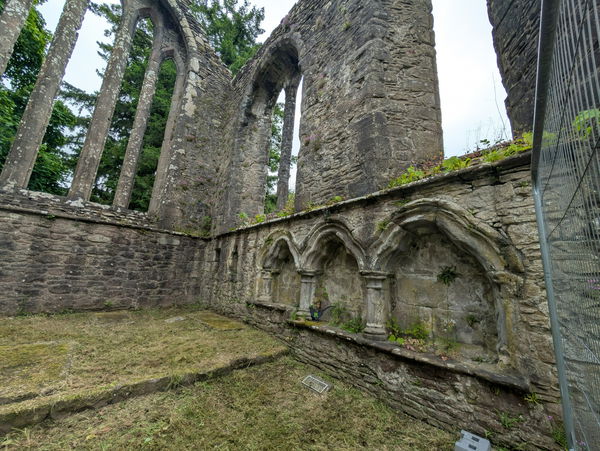
In the presbytery wall, are three sedilia seats which would have been occupied by the priest and his assistants during the services.
Next to the sidilia, is the piscina (basin) where the priest would rinse his hands and washed the sacred communion vessel.
Next to the piscina is an aumbry which is a small cupboard used to store the items required for communion.
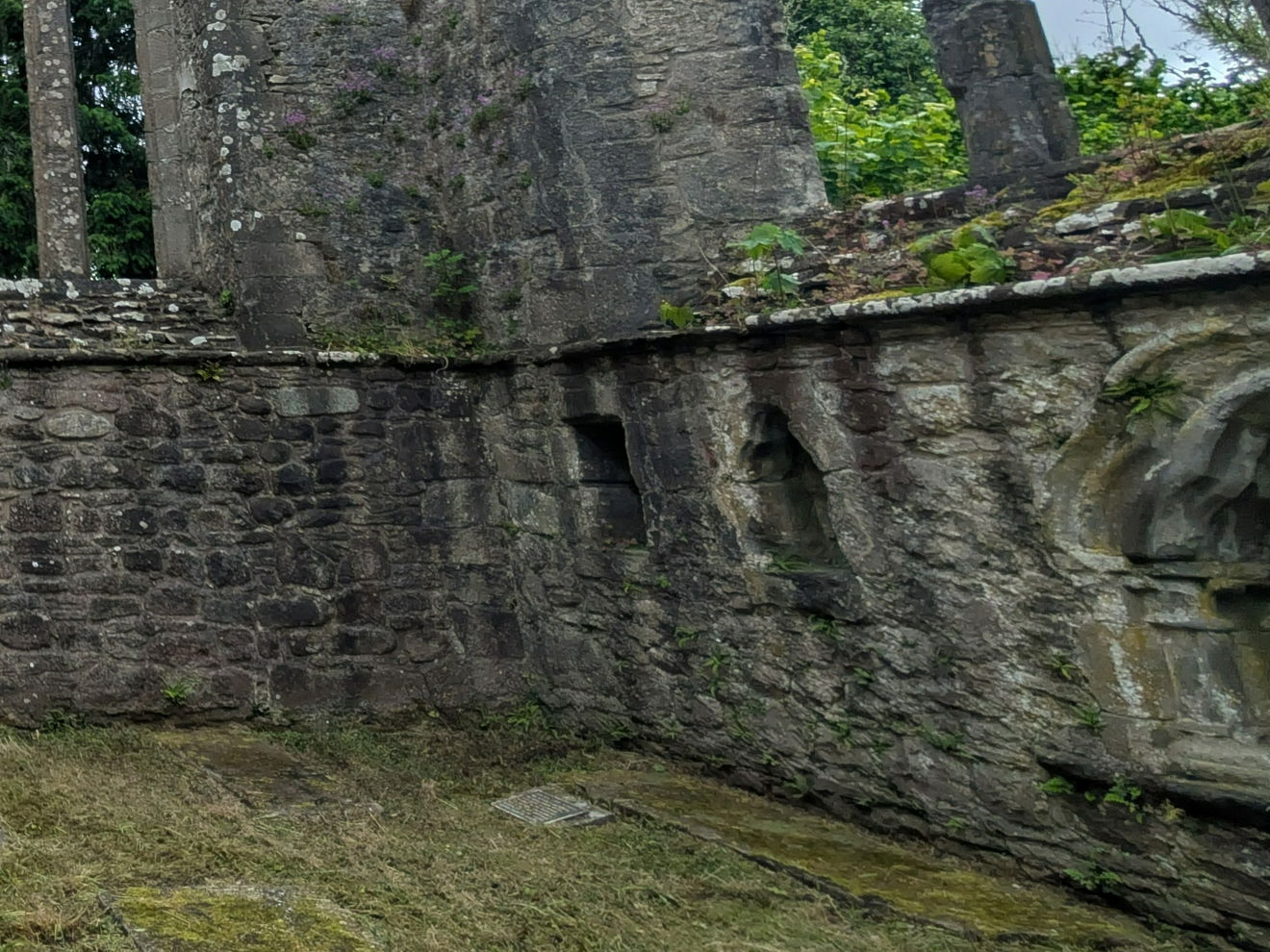
Next we move on to the another important building in the Priory, the chapter house. It was where the canons would hold daily meetings and conduct business.
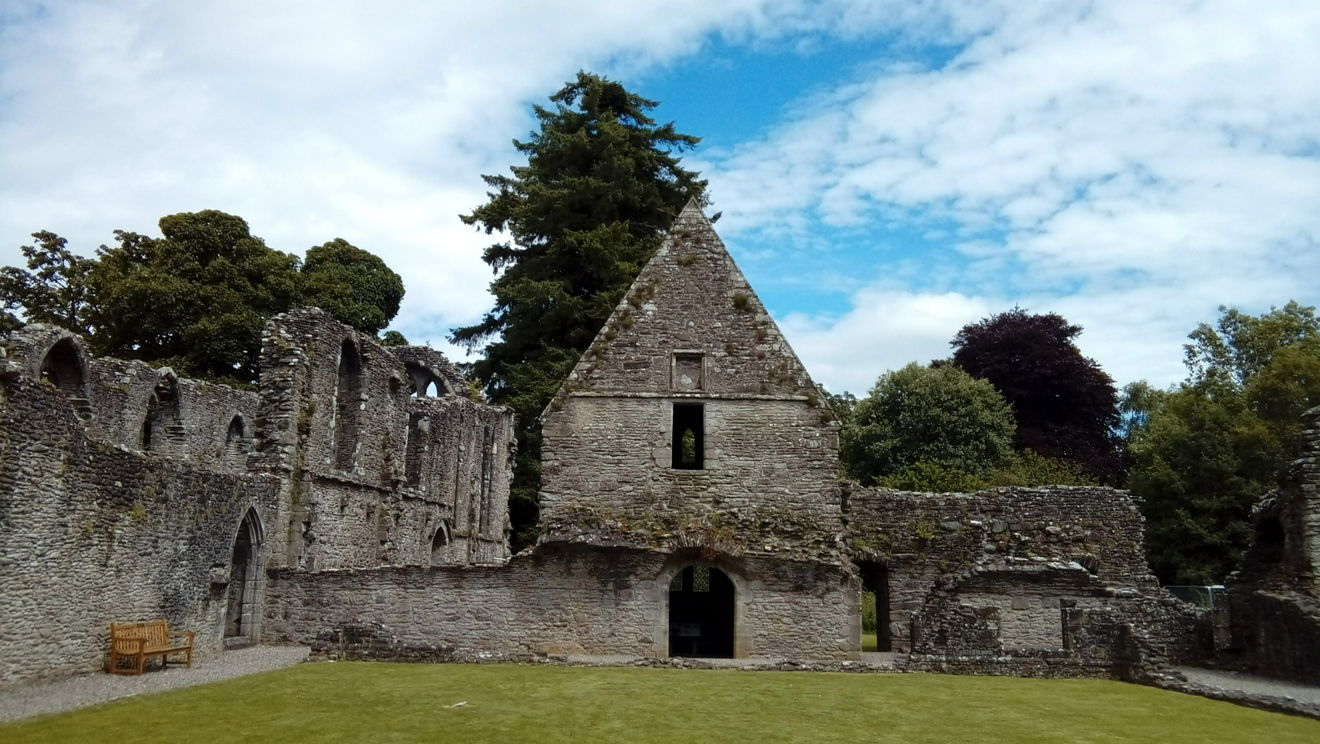
The stone benches around the walls would provide seating for the canons, while readings from the Rule of St Augustine and martyrology would be given from a lectern.
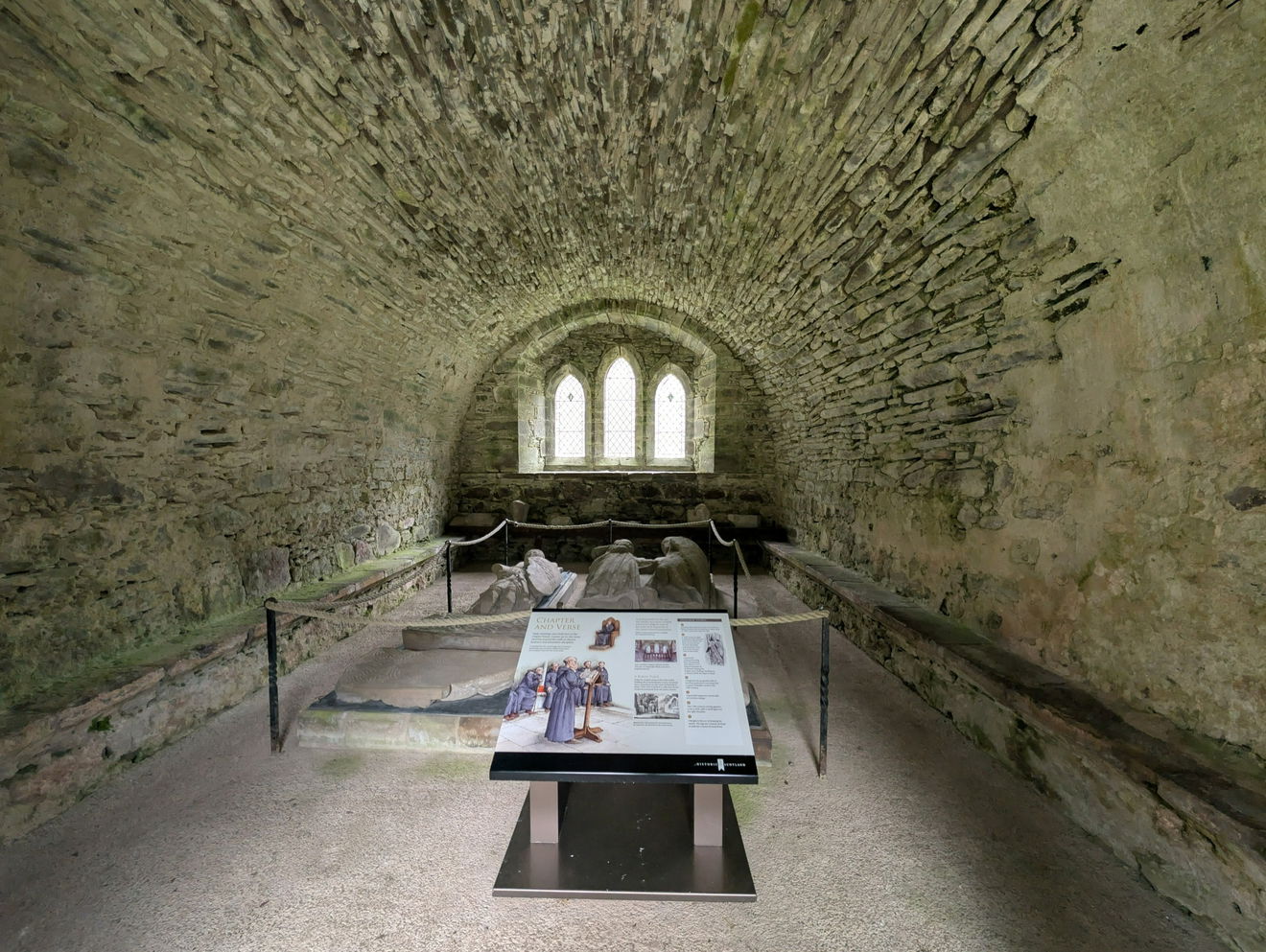
The chapter house was converted into a mausoleum for Lord Kilpont, the son of 7th Earl of the Graham, who was killed by fellow kinsman, the Marquis of Montrose in 1644. The pitched roof was also added during the conversion.
It now contains a collection of memorials that were moved from the church, for better protection from the elements.
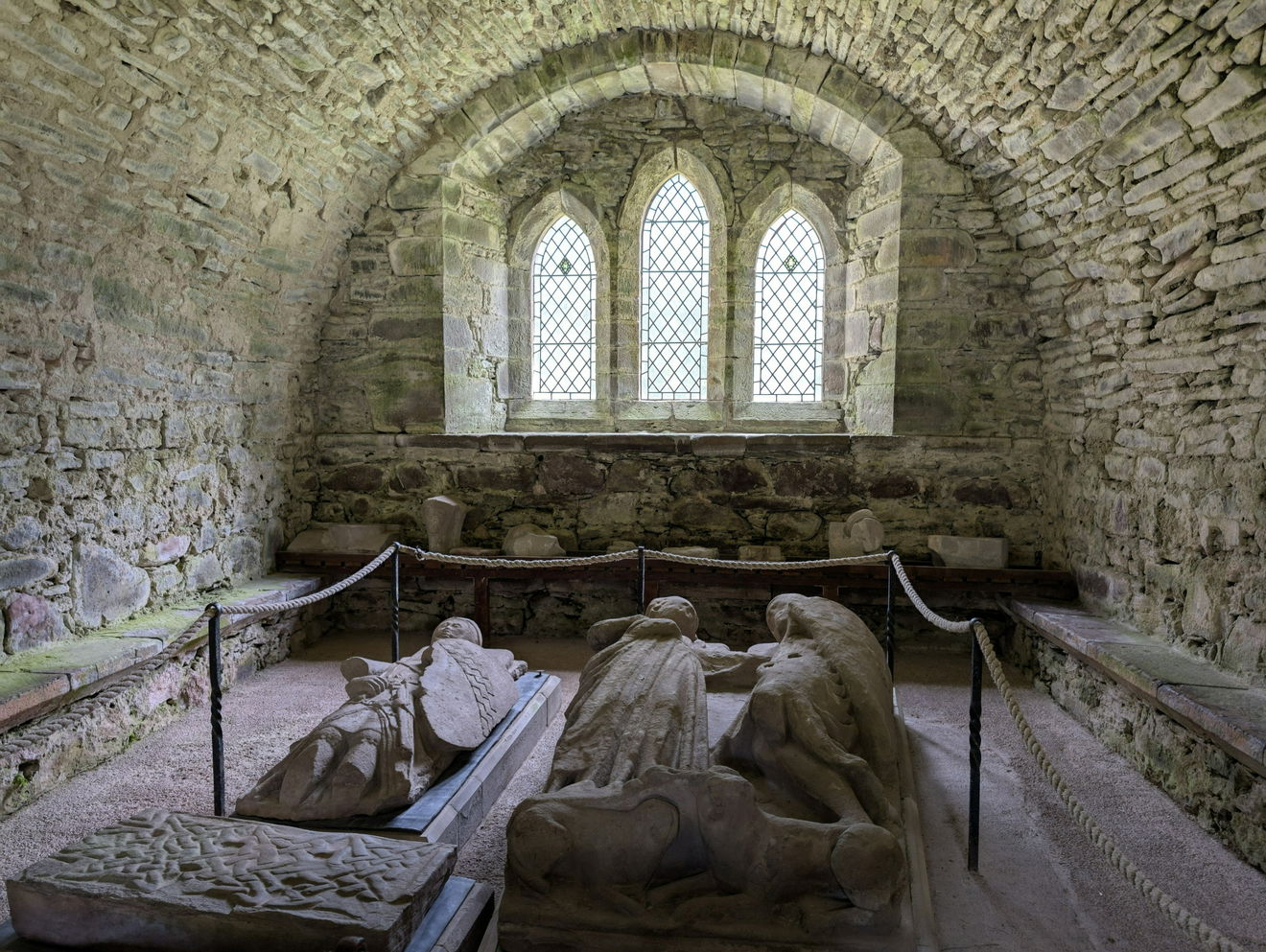
On Walter Comyn's death in 1258, his nephew John Comyn, forcibly took the estate from Isabella and her new English husband, Sir John Russell. In 1285, the estate was divided between the heirs, one was William, Walter Comyn's great nephew and the other was Walter Stewart, the husband of Isabella's younger sister.
The reason I tell this story is because the beautiful double effigy you see in the chapter house is of Walter Stewart who died in 1295, and his wife Mary, the Countess of Menteith.
The second effigy depicts an armed knight with the Stewart arms, possibly Sir John de Menteith who died in early 1300's.
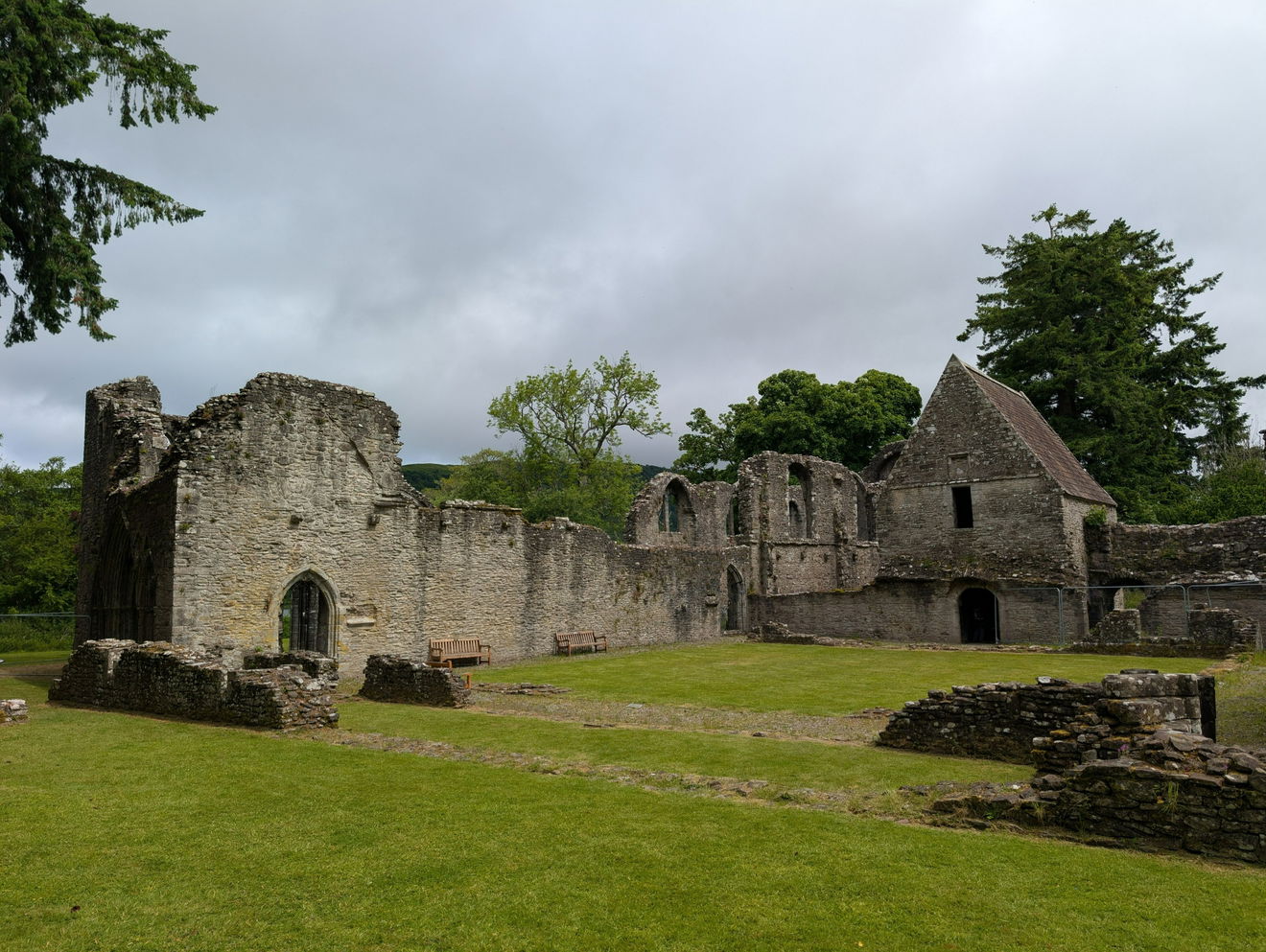
The cloister is the covered quadrangular walkway around which the domestic buildings were arranged. The cloister sits in the heart of the Priory, and the ruinous foundations can still be seen today in front of the chapter house.
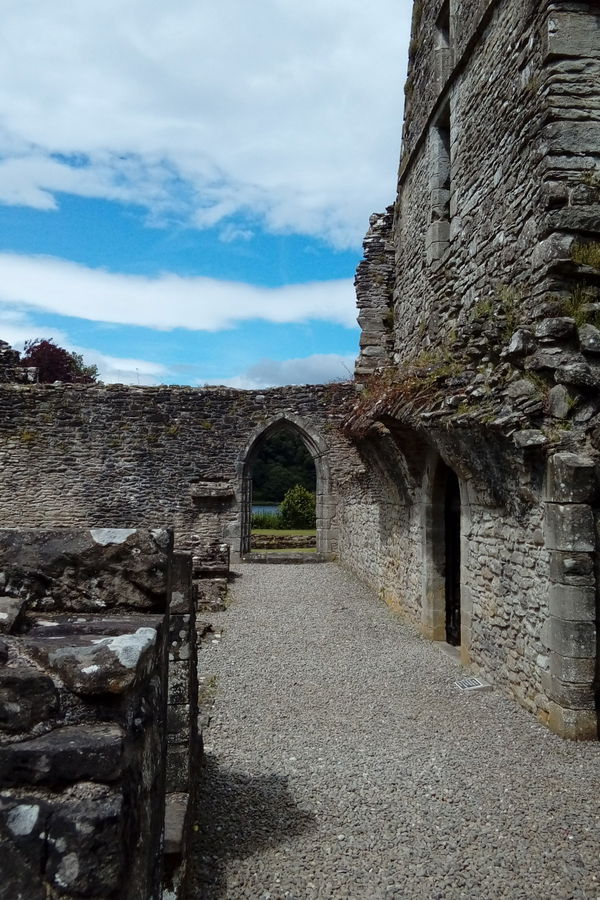
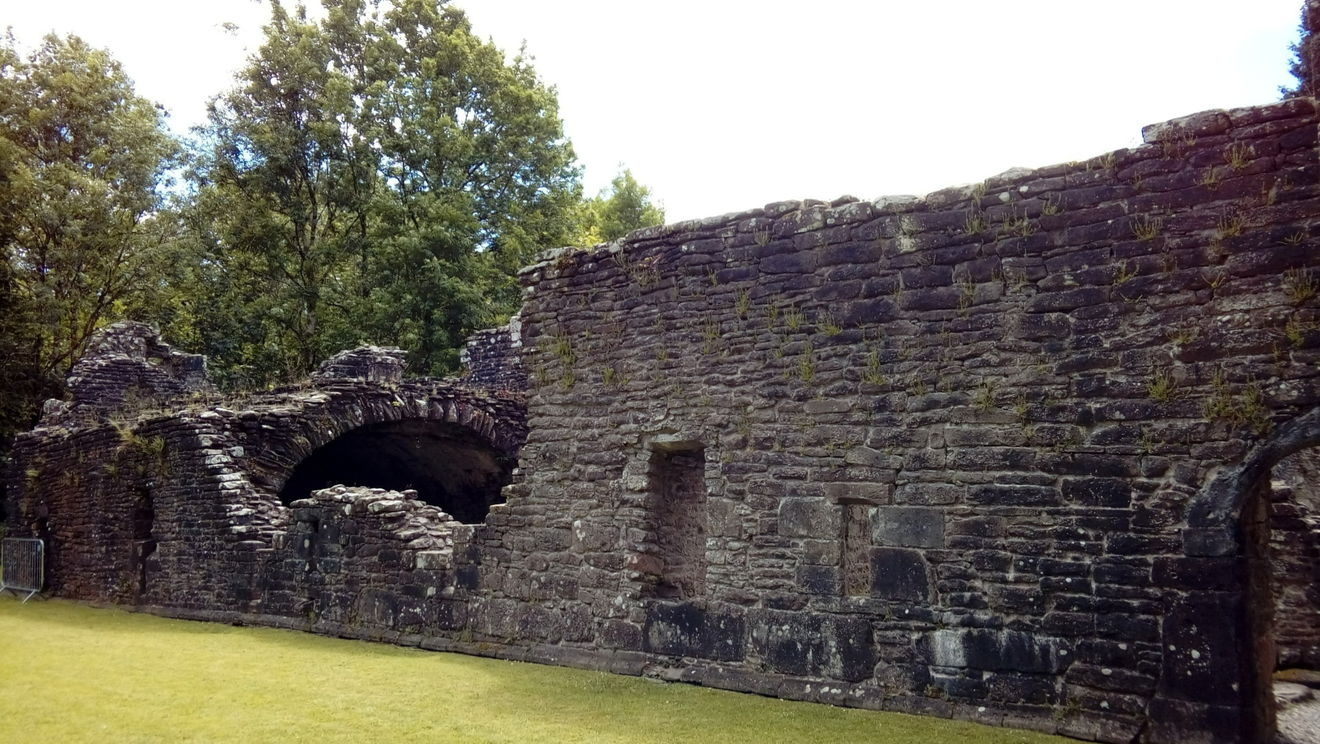
As you walk around the cloister, the building next to the chapter house is the kitchen and if you walk through the kitchen, you will reach the warming house.
Above these rooms, on the upper floor were the latrines and dormitories.
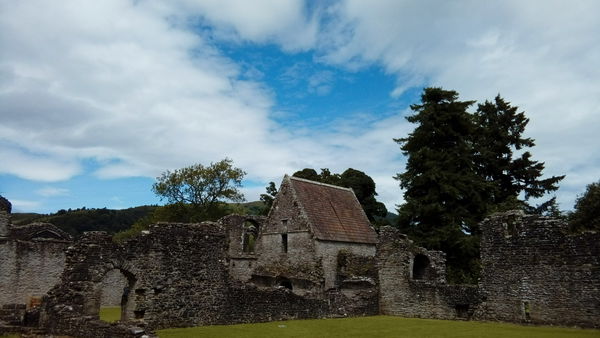
Though there is little remaining south of the cloister, this is where the refectory (dining room) would have been.
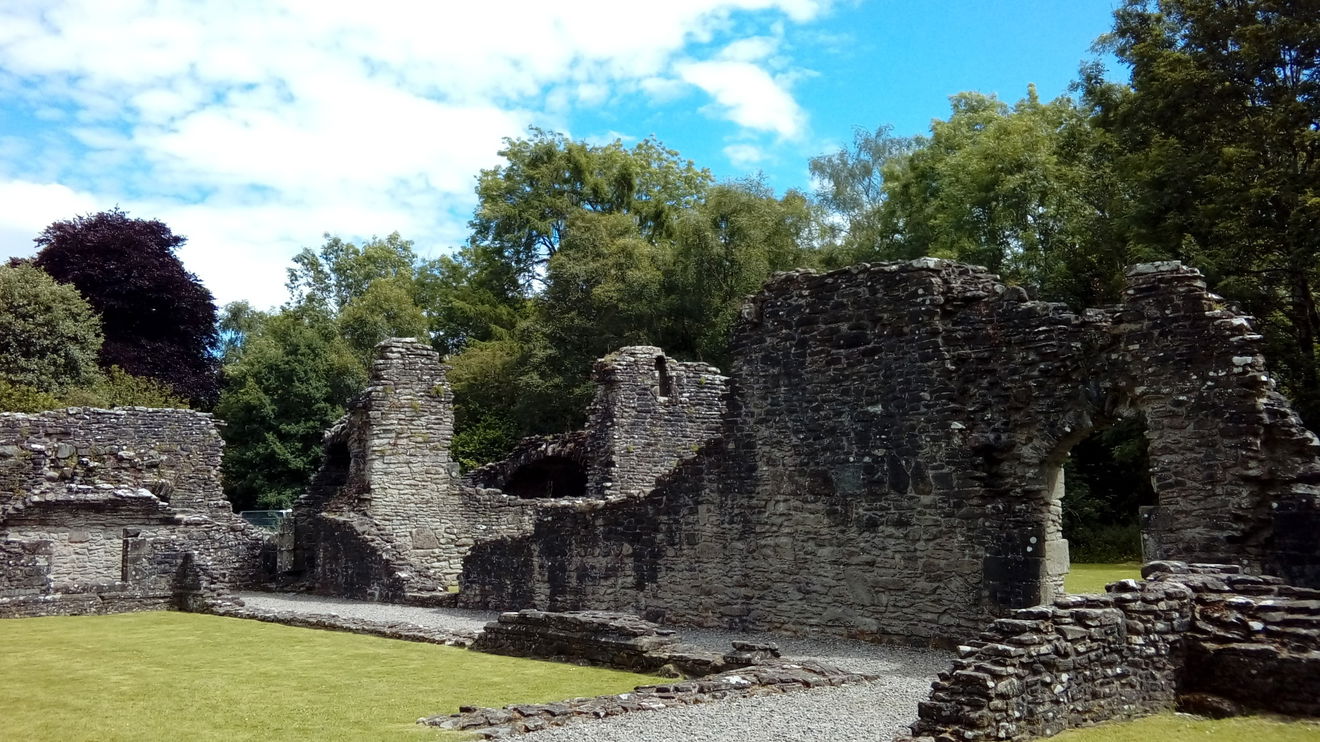
The southern most room is the warming house. This would have been the only room in the Priory to have been heated for the canons.
In 1529, Inchmahome was granted to the Erskine's, and in 1547, Mary Queen of Scots stayed at Inchmhome for three weeks. It was during the 'Rough Wooing', where four years old Mary was being protected from forcibly marrying Henry VIII's son Edward.
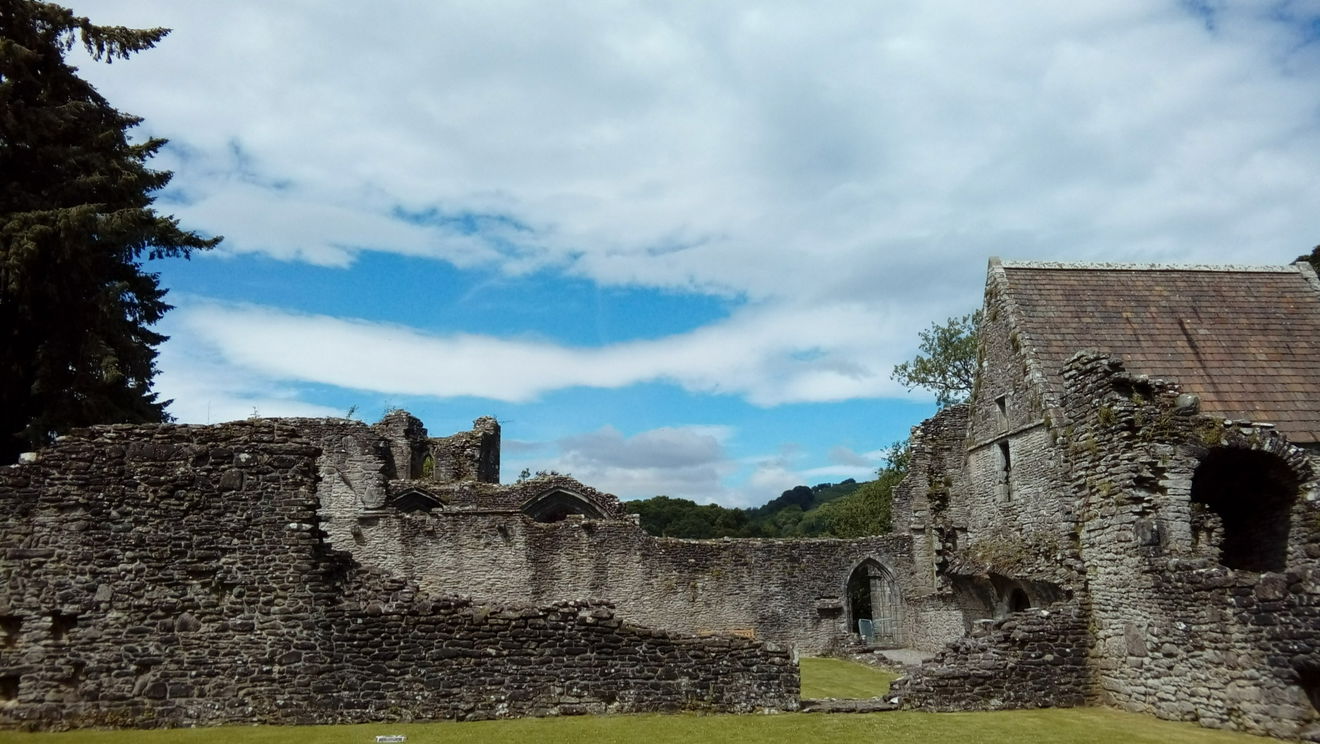
The priory was abandoned shortly after the Reformation of 1560.
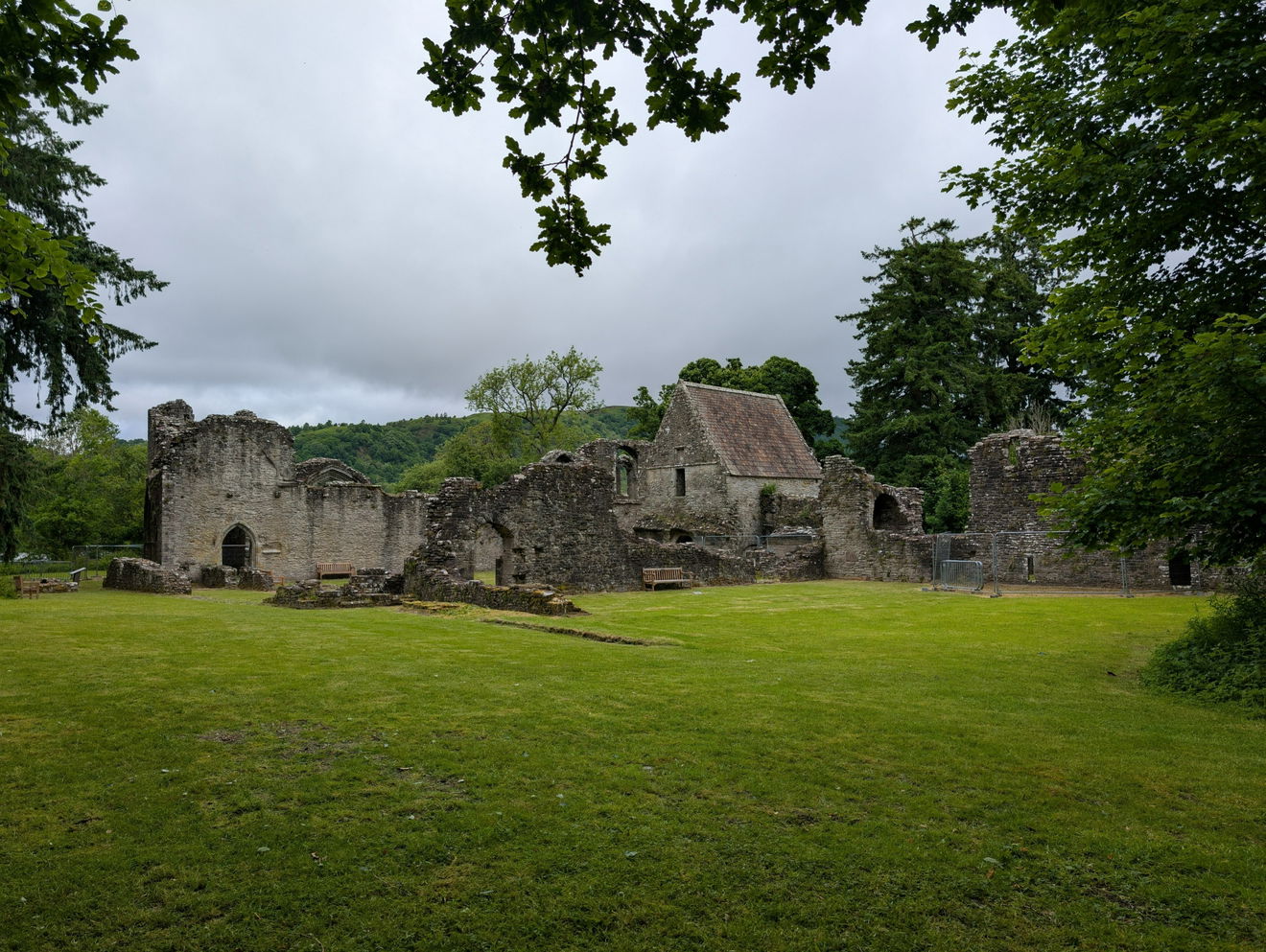
In the 1600's, the Graham's acquired Inch Talla and Inchmahome, and it's remained with the family until 1926, when James Graham the 6th Duke of Montrose, transferred it into the care of the State in 1926. Since then is has been managed by Historic Environment Scotland.
In the 1800's, Inchmahome was given a new lease of life when it was opened as a tourist attraction.
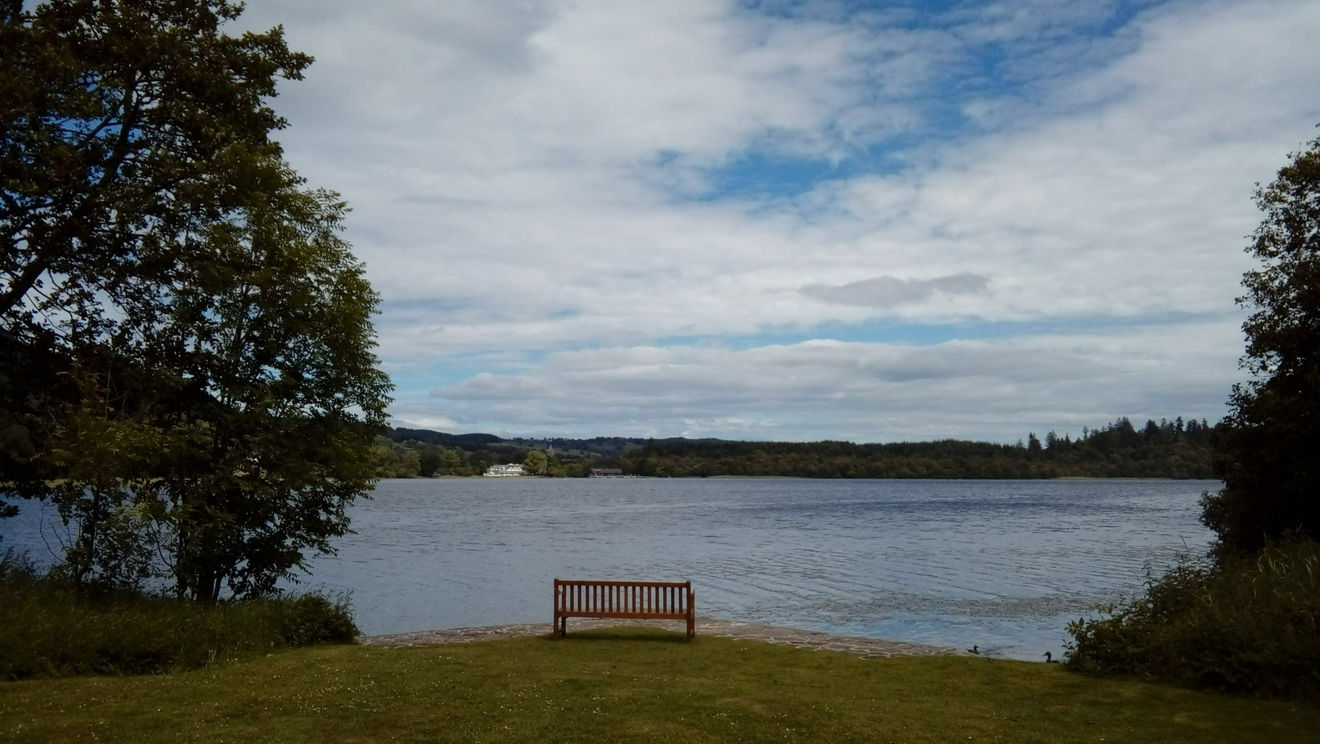
You can't come to Inchmahome without taking a walk around the island.
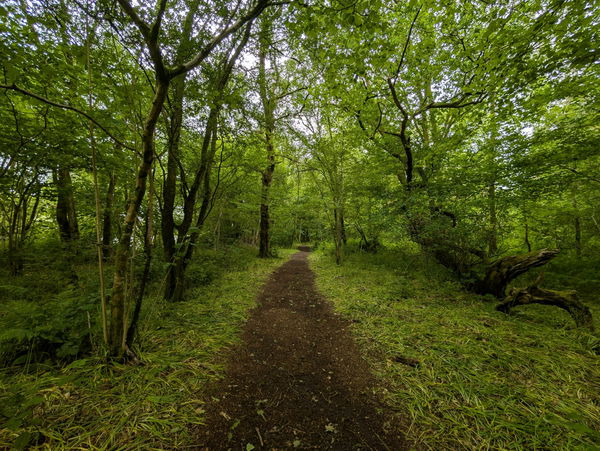
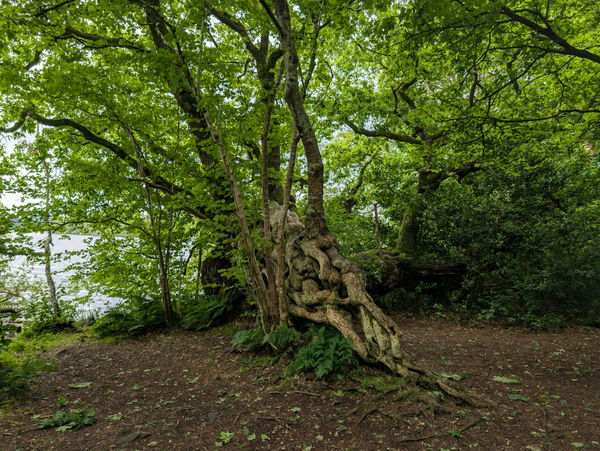
The paths pass through the woodland and spindly twisting trunks of hazel are present throughout the walk. There are also willow and alder that have been managed by coppicing. If you like your wildlife, there is plenty to see here too.
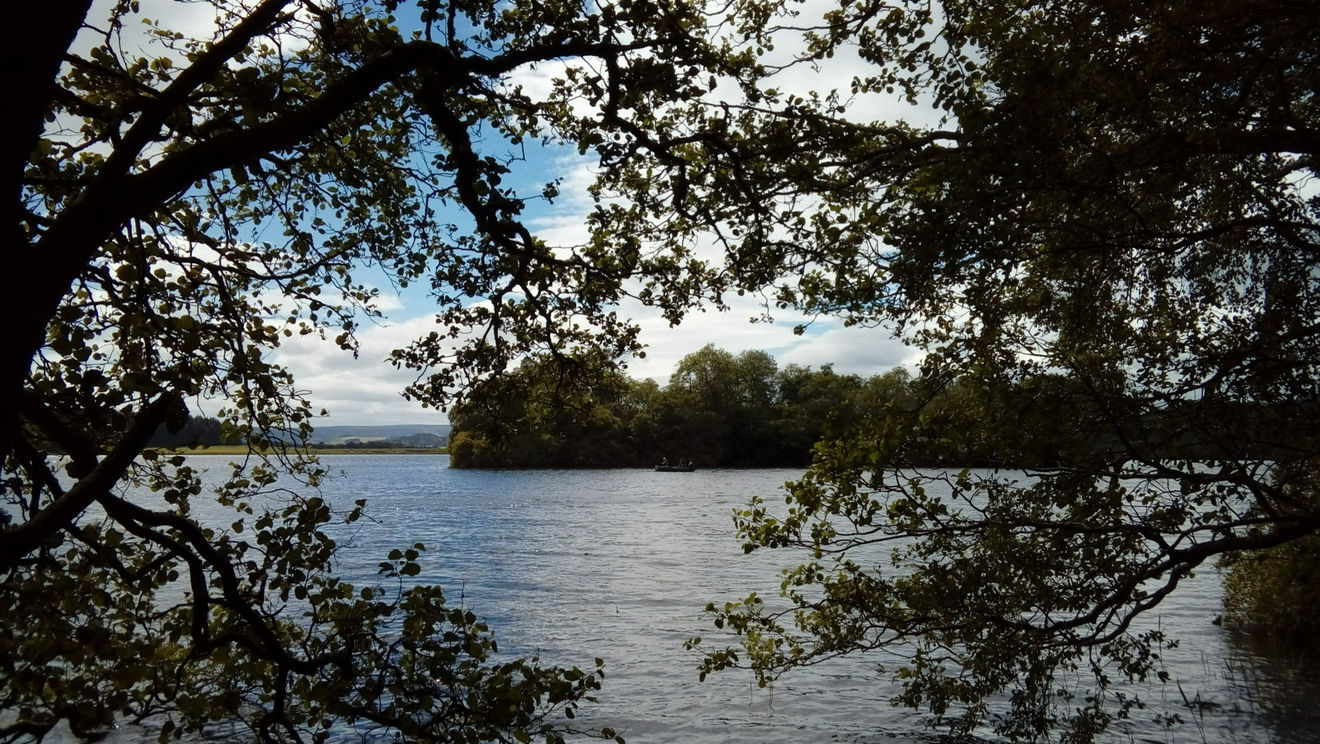
As you walk around the island, you will notice Inch Talla to the west. This is where the Earl and Countess of Menteith made there home. As Inch Talla lacked a garden, Comyn kept the west side of Inchmahome to himself, while having the priory built on the low lying east side of the island.
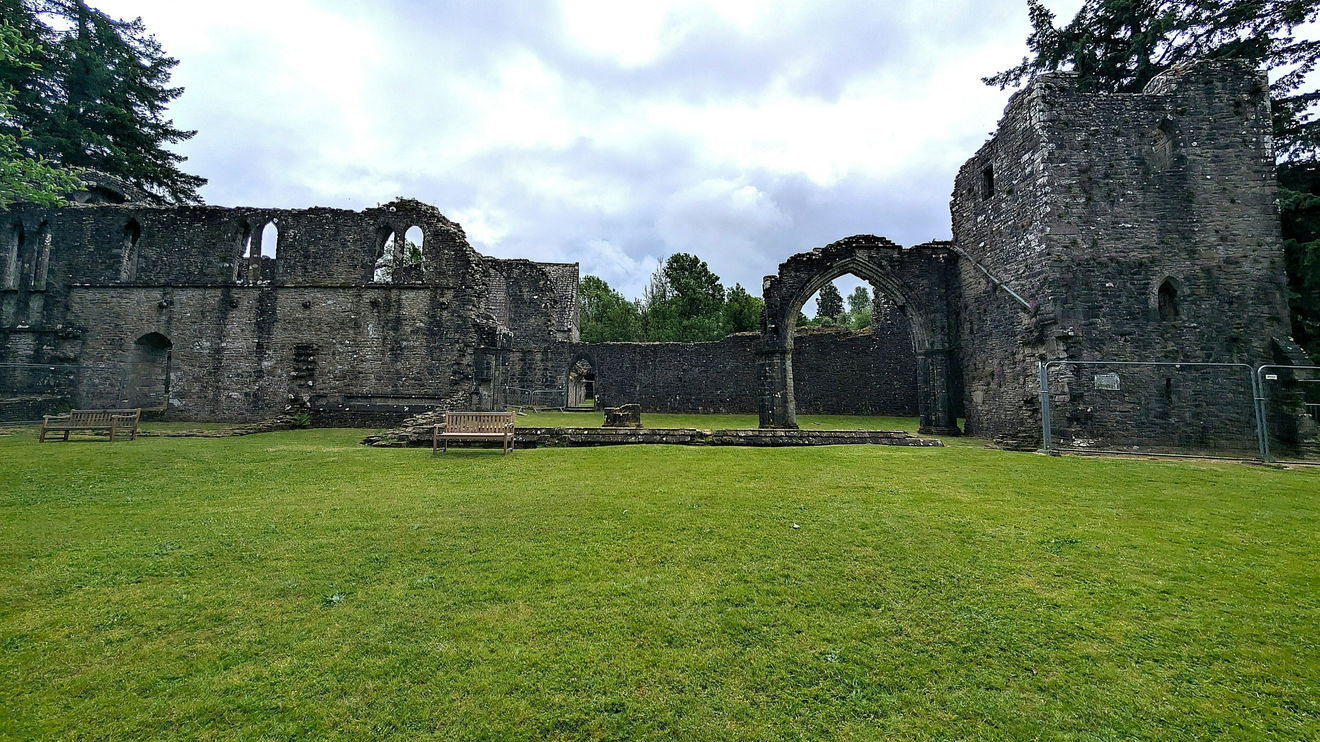
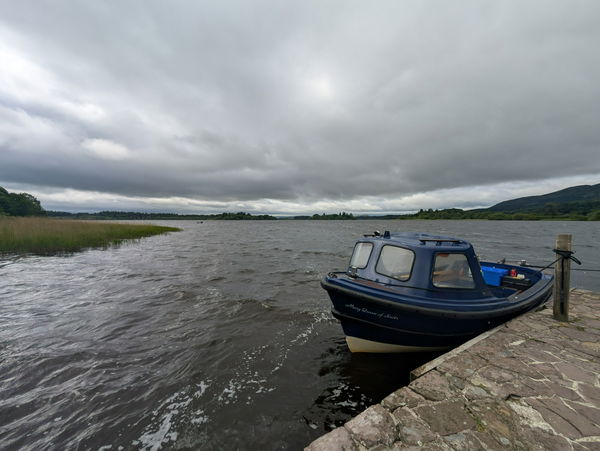
The only way to access the Priory is by a boat which is run by Historic Environment Scotland.
The boat runs several times a day between April and September, with a reduced service in October. No boats run during the winter.
To avoid disappointment, you must book online the day before your visit. If you just show up, you may get a space but priority is always to those that booked. The staff are very friendly and knowledgeable and on one of our visits the same chap also took us over the Lochleven Castle on our visit there.
Please make sure you visit the Inchmahome Priory website to check for opening times and to book your boat trip.
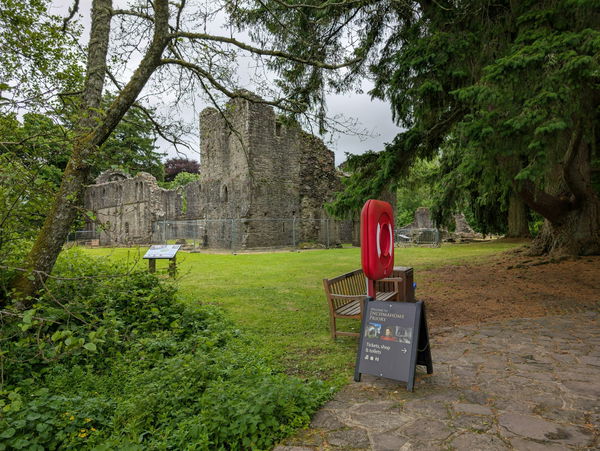
Inchmahome Priory is a Category A Listed Building with Historic Environment Scotland.
Get 4 points if you have visited this place. Already visited by 7 VIPs.
Login to the VIP area to add places to your bucket list, mark them as visited and more importantly see where you rank on the league table.
How To Find Inchmahome Priory
Where Is Inchmahome Priory?
Lat / Long
56.17630686618513, -4.29812441794263
What three words
Where To Park For Inchmahome Priory?
Lat / Long
56.18058911777775, -4.283720602488952
What three words
There is parking for several cars at the boat landing for Inchmahome Priory.
Contributed by Lorraine London
I have been a keen hill walker for many years and more recently enjoy trig bagging. When I'm not exploring Northumberland, County Durham and Yorkshire, I spend most of my holidays in bonny Scotland. Other than hills, I love investigating ruinous buildings and waterfalls. I have been a member of NT and EH for years, which also gives me access to Historic Environment Scotland places.
More Places from Lorraine
More Places In Stirling
Find more fabulous places in Stirling, Scotland and if you know of a place we haven't listed, then let us know.
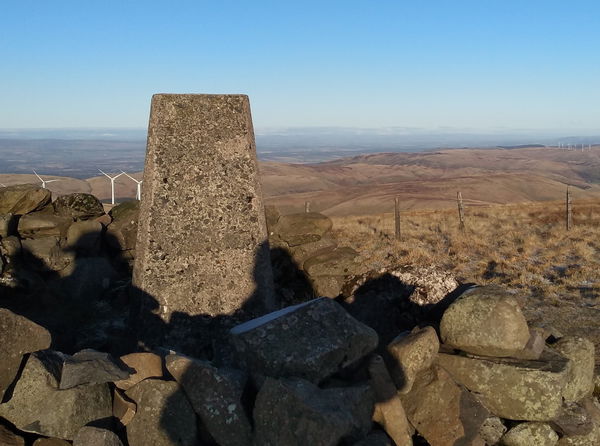
Ben Cleuch Trig Point
Trig Point Stirling ScotlandThe Ben Cleuch trig point sits on the Ochil Hills (721m) near Tillicoultry.
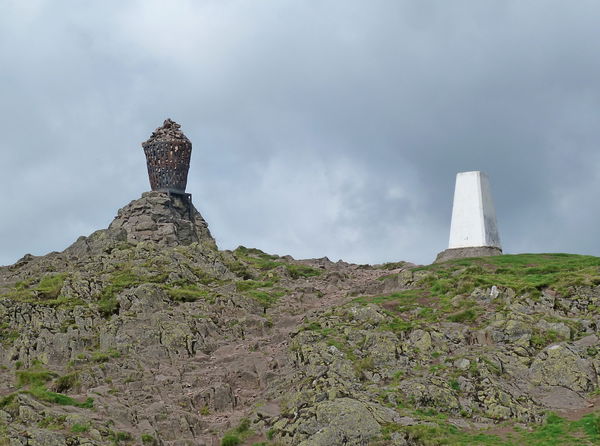
Dumyat Trig Point
Trig Point Stirling ScotlandThe Dumyat trig point sits on the hills (419m) north east of Stirling.
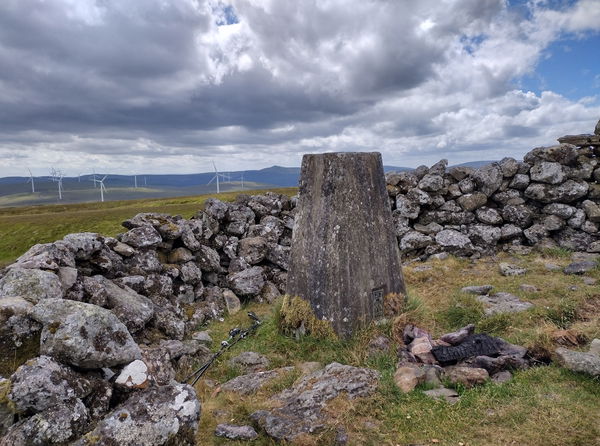
Carleatheran Trig Point
Trig Point Stirling ScotlandThe Carleatheran trig point is sits on the Gargunnock Hills (485m) near Kippen.
More Religious Places
So this religious place wasn't enough and you want more? Don't worry we have you covered.
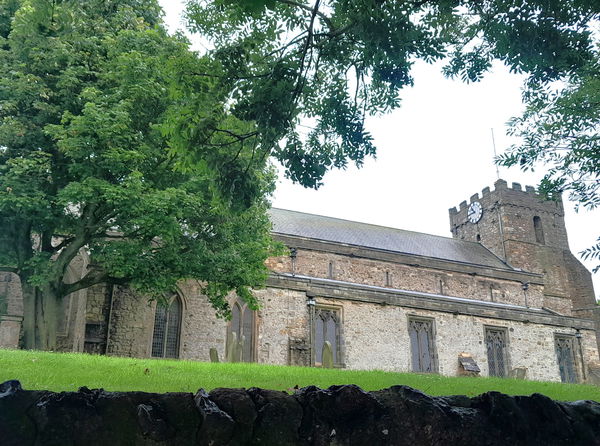
St Mary The Virgin Easington Village
Religious Place Peterlee County DurhamA noticeable Norman Church commanding a hill in Easington Village.
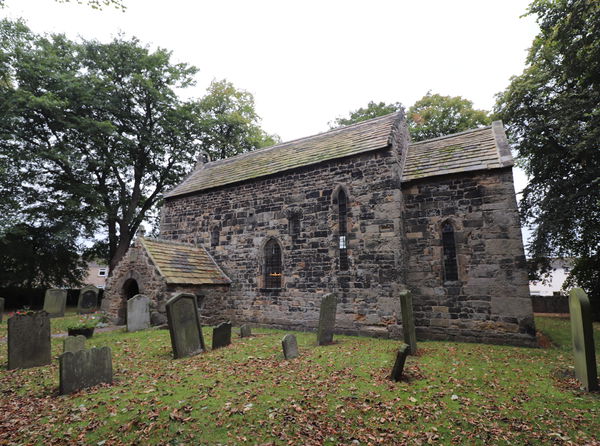
Escomb Saxon Church
Religious Place Bishop Auckland County DurhamFounded about AD 670–675, it is one of the oldest Anglo-Saxon churches in England.
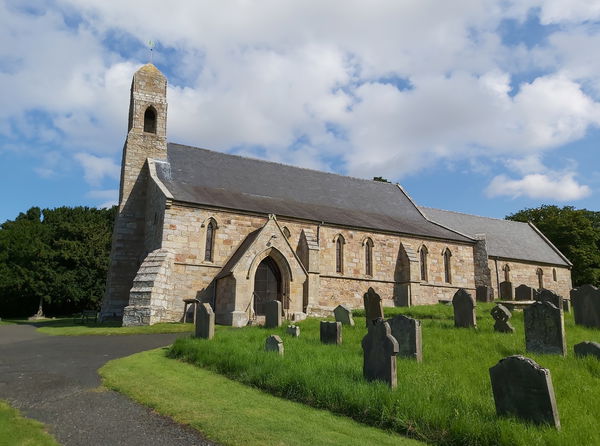
St Michael and All Angels Church
Religious Place Ford And Etal NorthumberlandA 13th century church located in the grounds of Ford Castle, later restored by John Dobson.
Never Miss A Fabulous Place
If you are afraid of missing out on all the fabulous places we post, or just want to be the first to know, then sign up to the Fabulous North.
Each week we will email you all the brand new places that we visit.
Sign Up To Alerts

Find Us On Facebook
We post all our new places daily on our Facebook Groups page, so join the group today and be notified when we add a new place.
Join Our Facebook GroupInchmahome Priory was listed in Religious Place // Scotland // Stirling