
St Monans Salt Pans
Building In Fife, Scotland
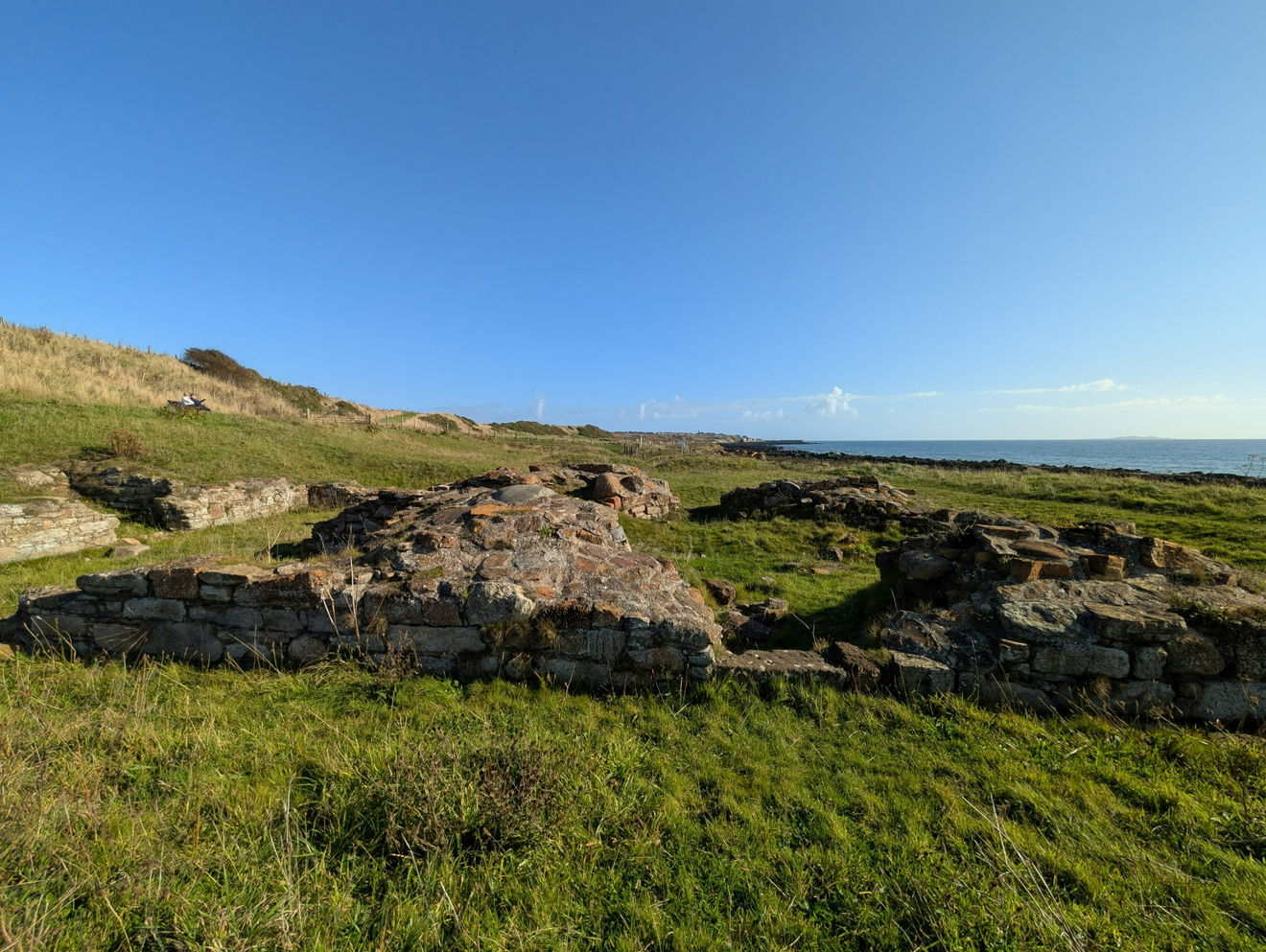
The remains of a 18th century salt pans set on the coastal path near St Monans.
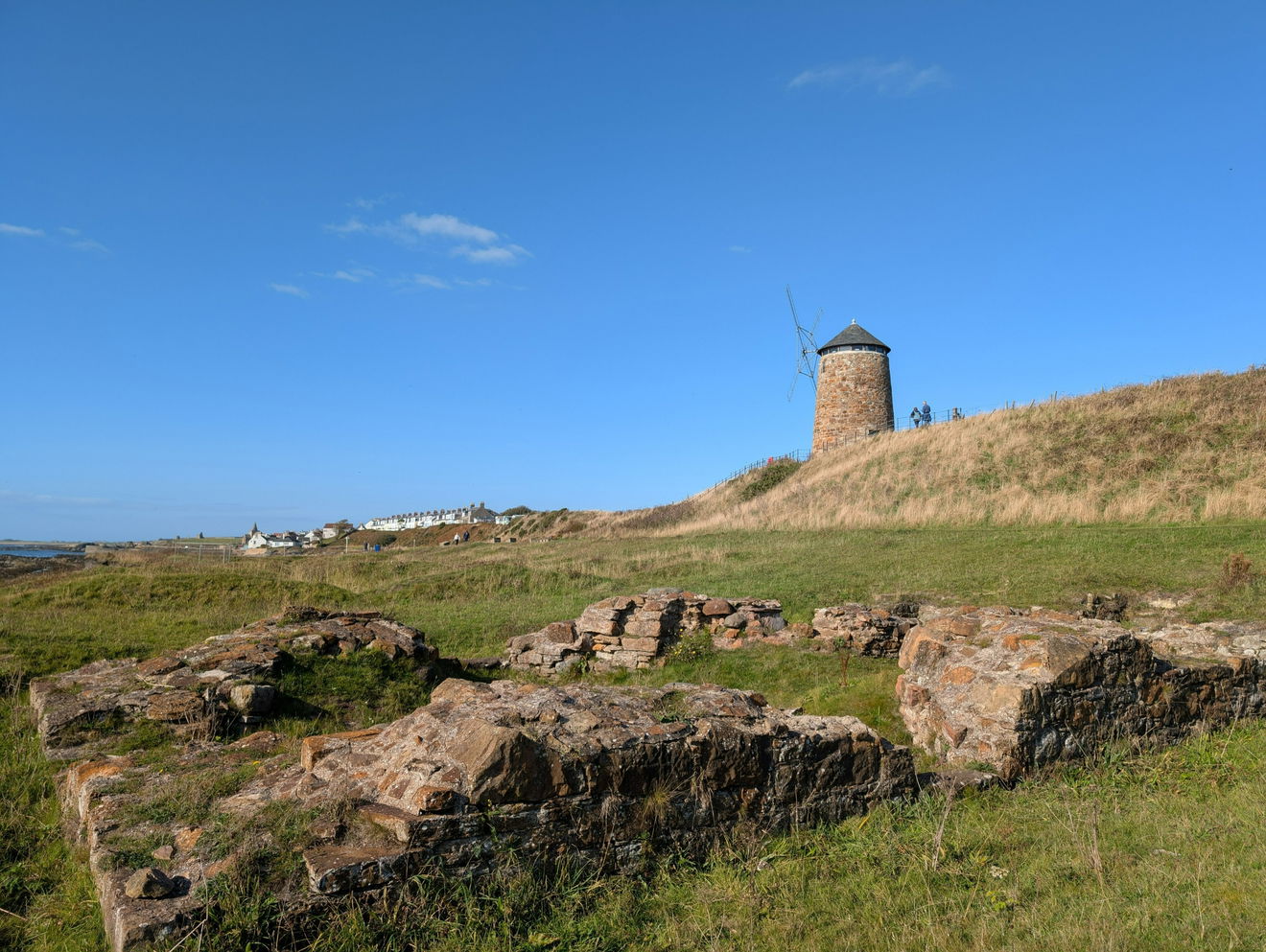
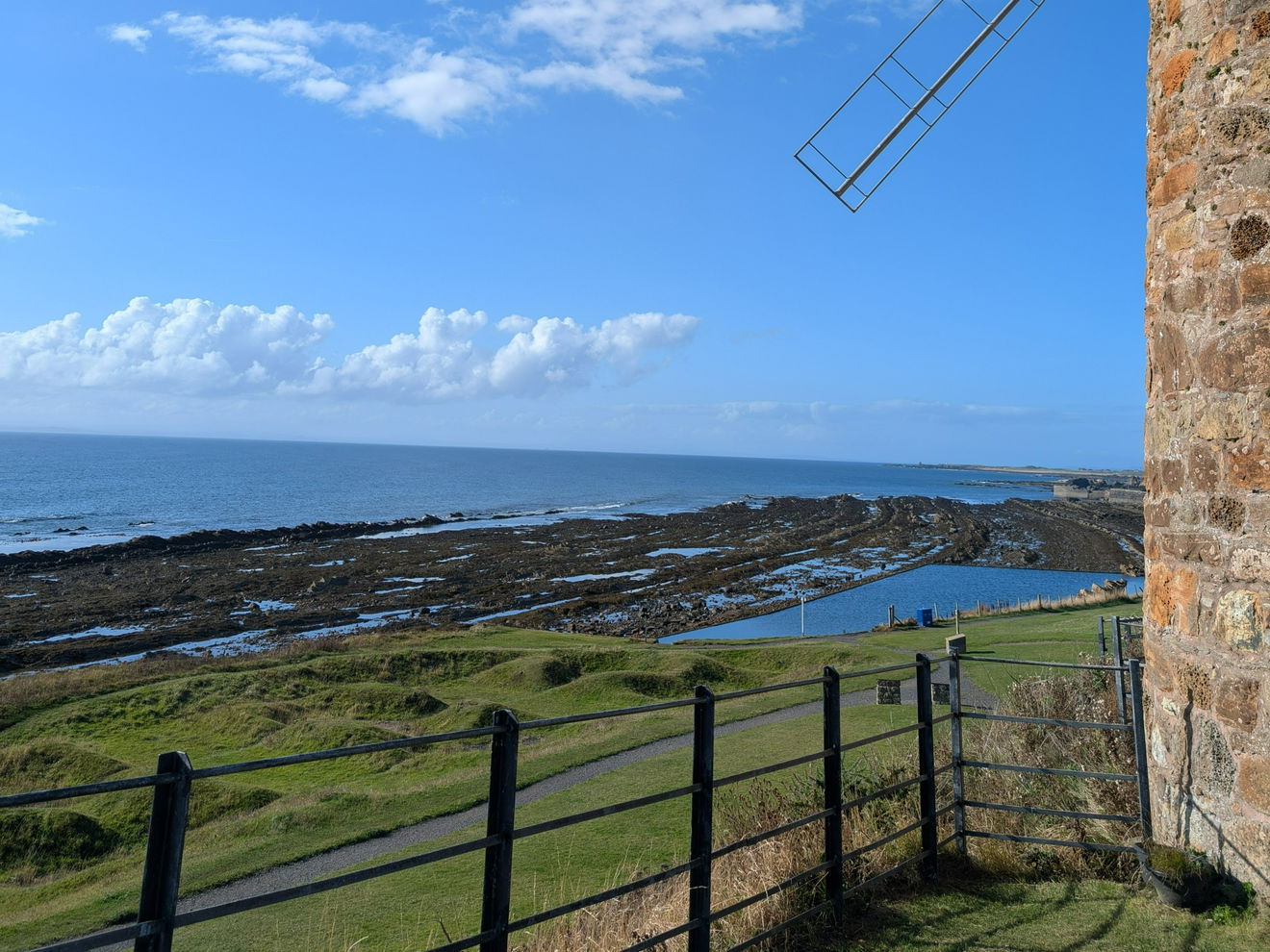
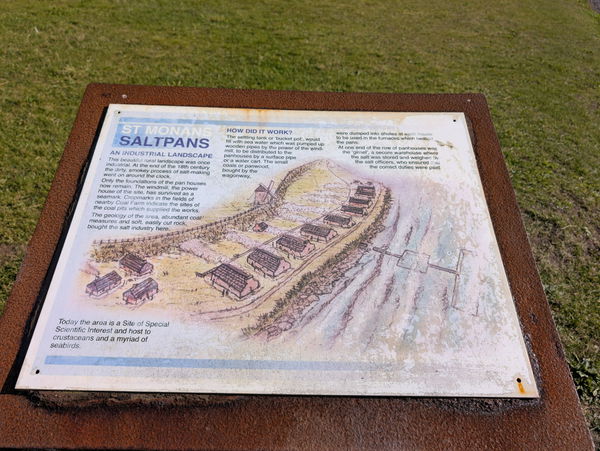
The St Monans Salt Pans belonged to the St Philips Salt Works and were used to process seawater to make salt. The nine salt pans were filled with seawater that had been collected into reservoirs, then pumped into the pans by the neighbouring St Monans Windmill.
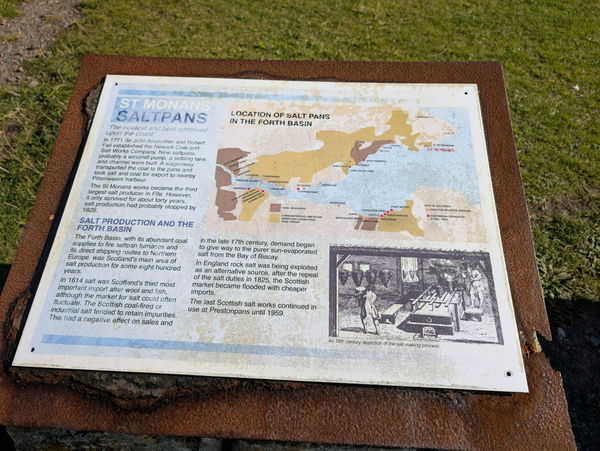
St Philips Salt Works formed part of the Newark Coal and Salt Company, which was owned by Sir John Anstruther and Robert Fall and established in the early 1770's. Findings show that salt works have existed on the Fife coast since the Middles Ages, however the St Philips Salt Works was on a much larger scale.
Once the salt was produced, it was transported by waggonway to Pittenween Harbour, where it was stored in bonded warehouses then sold mainly for food preservation.
The waggonway also transported the coal from nearby Coal Farm to the pans. The coal fuelled the fires that would heat the pans, which evaporated the water leaving behind the salt. The remaining coal was sent along the waggonway to Pittenween Harbour for trade. Remains of the waggonway ramp were uncovered next to the salt pans during the mid 1980's excavations.
Sir John Anstruther paid for major improvements to the waggonway, but this came at a price. The condition was that the ships carrying his coal and salt took priority over all other shipping traffic.
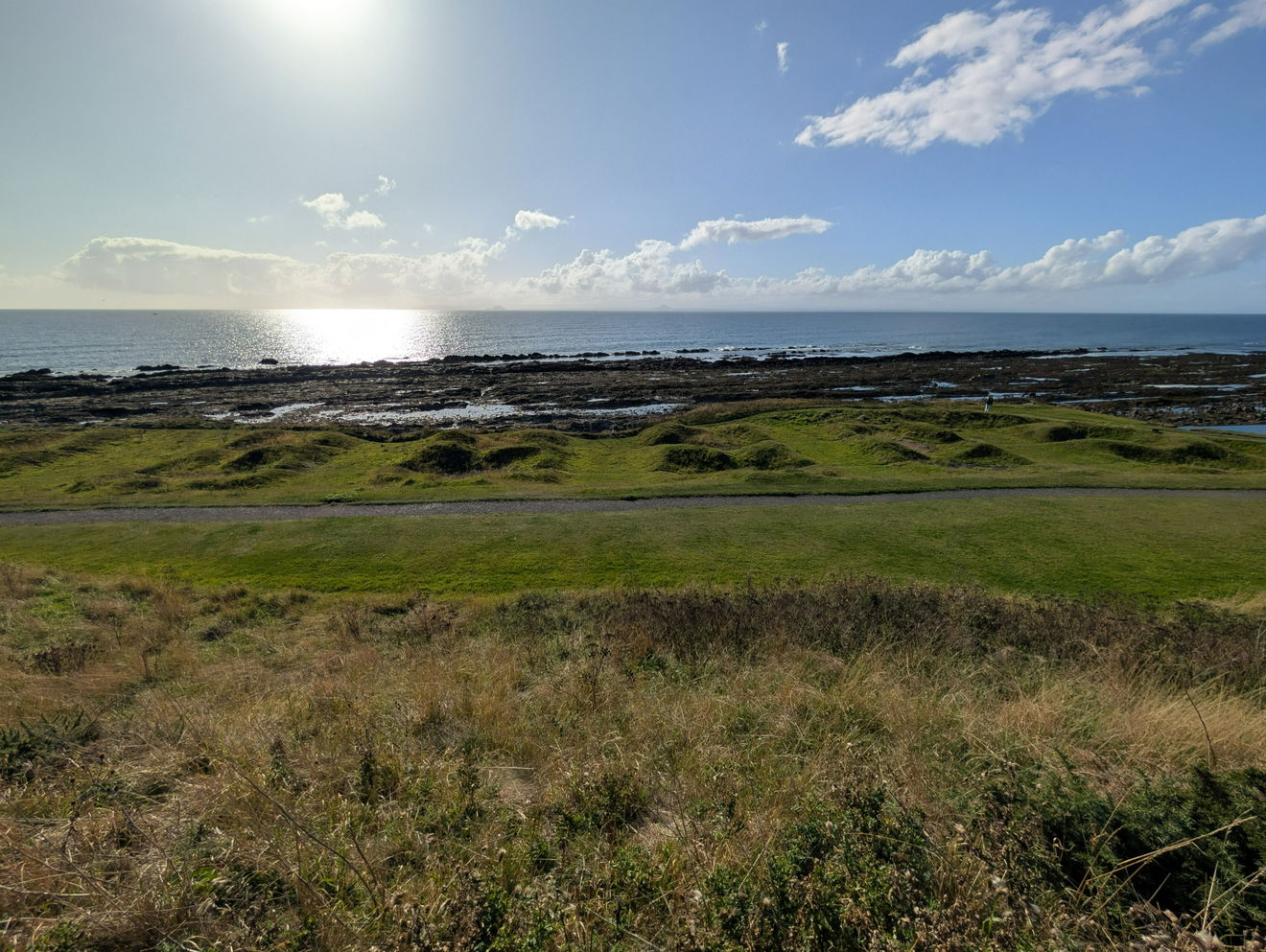
The earthworks of the nine salt pan houses can be seen in an arc below the windmill. Rock-cut channels were uncovered during the excavation, that would have fed water from the reservoirs to the pans.
There was also the remains of two pits and courses of clay-bonded rubble, that are thought to be the remains of the reservoirs.
In the 1820's when the pan houses were abandoned, they were almost completely demolished, and the stone was used in other buildings. It is thanks to the excavations, the restoration project, and the introduction of information boards that we can once again imagine this busy industrial area from days gone by.
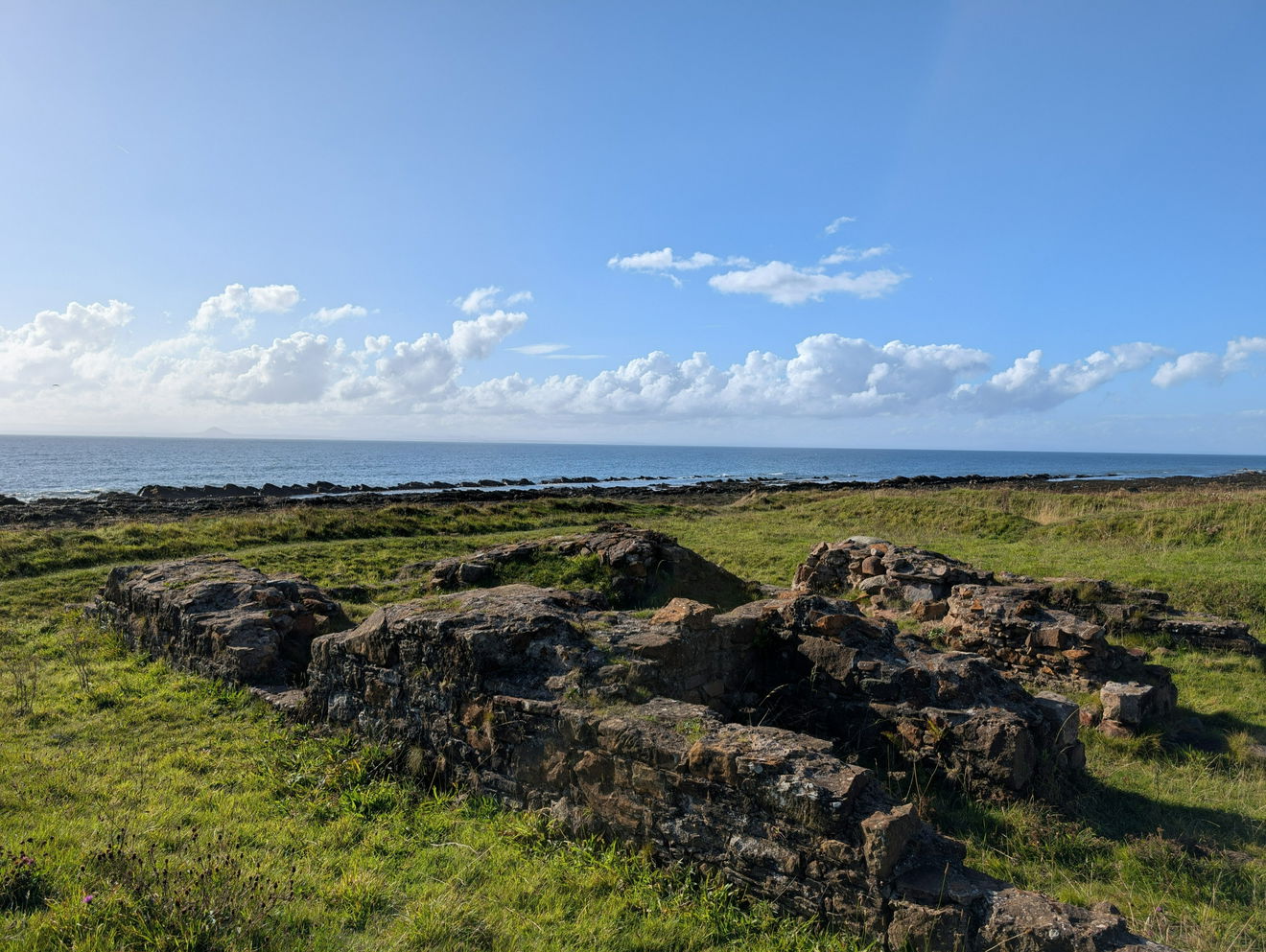
The 1980's excavation also revealed one of the pan walls still standing at 1-2m high. The pan house contained internal compartments comprising of the pan, a fore-chamber, a passageway and exterior doorways.
In one of the pan houses, there are external wall features that are thought to be a drain and a coal chute.
There was also evidence in the rocks that showed at least one reservoir that retained water at low tide.
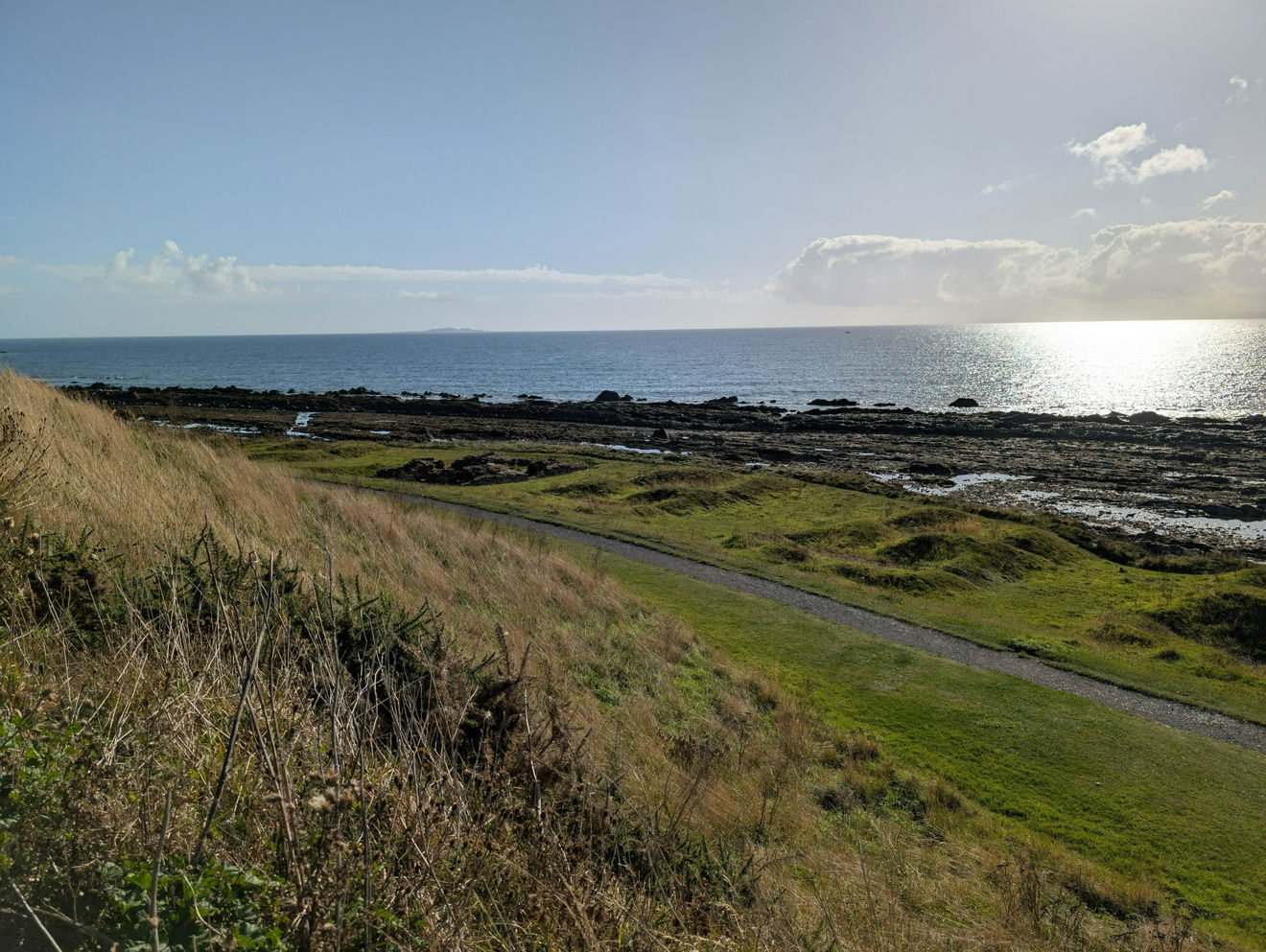
Many locations on the Firth of Forth coastline had similar salt pans including Culross which dates to the 1500's. Some of the placenames are a big clue as to their heritage, for example Prestonpans.
In 1788, Robert Fall was declared bankrupt and the Burgh of Pittenweem acquired part of the company.
In 1794, a fire interrupted the extraction of coal, and the waggonway to Pittenweem stopped. Although coal continued to be produced for the Salt Works, the operation ceased production in 1823. This would have coincided with the abolishment of import tax on salt, resulting in the business being no longer viable.
There are great information boards to help better understand how the Salt Workswould have looked and operated.
The Salt Pans are easy to reach by walking east on the coastal path from the car park.
The St Monans Salt Pans are Scheduled Monuments with Historic Environment Scotland.
Get 1 point if you have visited this place. Already visited by 6 VIPs.
Login to the VIP area to add places to your bucket list, mark them as visited and more importantly see where you rank on the league table.
How To Find St Monans Salt Pans
Where Is St Monans Salt Pans?
Lat / Long
56.20663617177661, -2.75344569877478
What three words
Where To Park For St Monans Salt Pans?
Lat / Long
56.2052750155875, -2.7609614160928677
What three words
There is a small car park at the coastal path leading to the salt pans.
Contributed by Lorraine London
I have been a keen hill walker for many years and more recently enjoy trig bagging. When I'm not exploring Northumberland, County Durham and Yorkshire, I spend most of my holidays in bonny Scotland. Other than hills, I love investigating ruinous buildings and waterfalls. I have been a member of NT and EH for years, which also gives me access to Historic Environment Scotland places.
More Places from Lorraine
More Places In Fife
Find more fabulous places in Fife, Scotland and if you know of a place we haven't listed, then let us know.
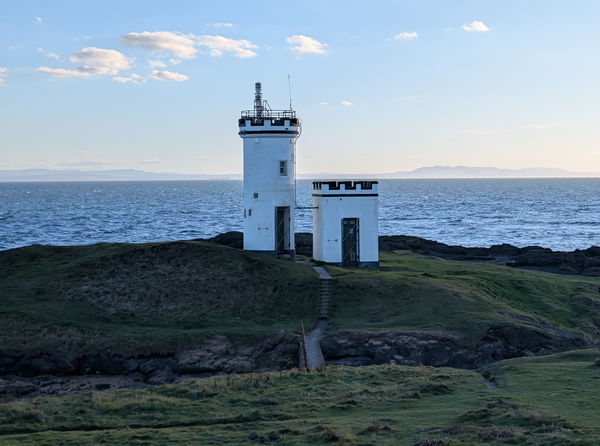
Elie Ness Lighthouse
Lighthouse Fife ScotlandA lighthouse built in 1908, on the headland near Ruby Bay, with fantastic views over the Firth of Forth.
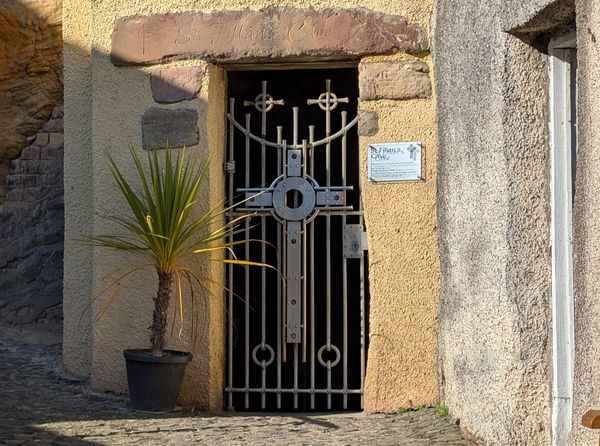
St Fillan's Cave
Cave Fife ScotlandA sandstone cave that is accessible from one of the narrow streets of Pittenweem, linked to both smugglers and St Fillan, a 7th century missionary.
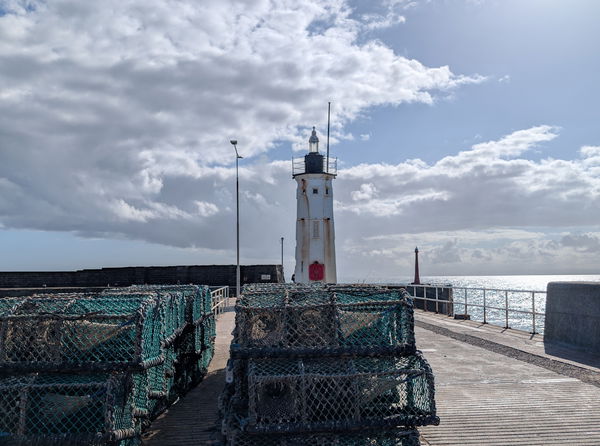
Chalmers Lighthouse
Lighthouse Fife ScotlandA small lighthouse that sits on the end of the west pier at Anstruther Harbour.
More Buildings
So this building wasn't enough and you want more? Don't worry we have you covered.
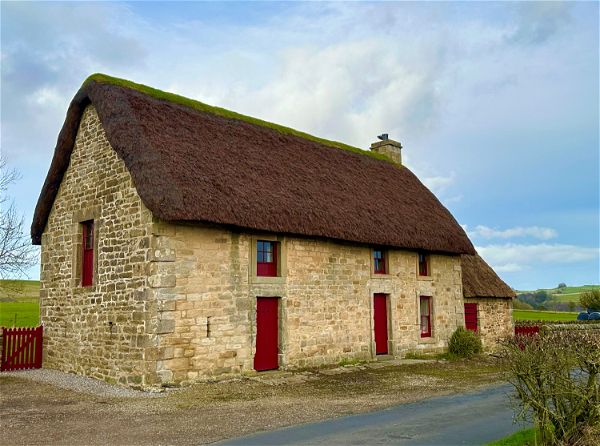
Causeway House
Building Bardon Mill NorthumberlandSitting on a blowy corner of the Northumberland National Park, is Causeway House, Northumberland's only heather thatched cottage. With a history of hidden lucky roof charms and close to a Roman Milecastle.
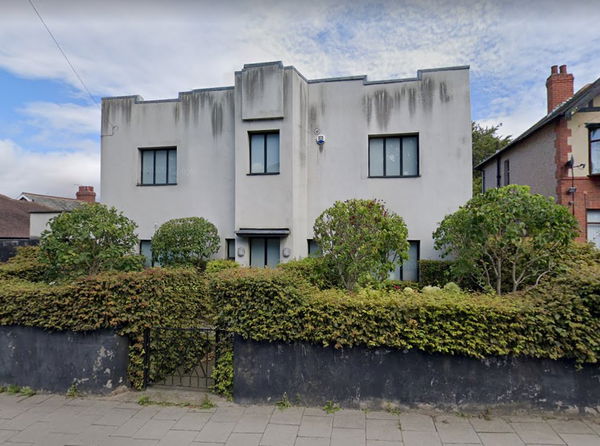
Shilling House
Building Denton Burn Tyne And WearA unique fortress style house in Newcastle's West End that was won as a prize in a 1920's raffle.
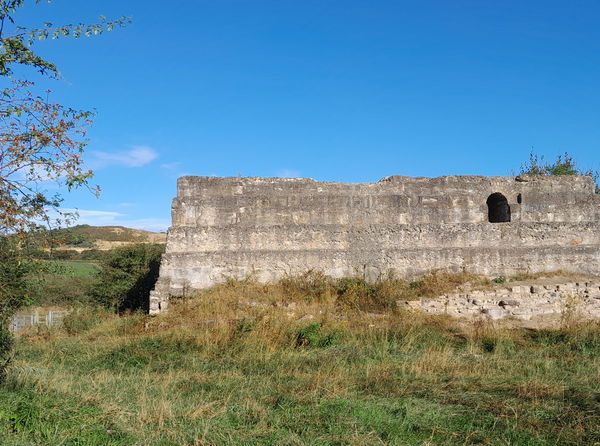
Crowtrees Nature Reserve And Engine House
Building Durham County DurhamA nature reserve which was an old mining area with remains of a monolithic winding engine house.
Never Miss A Fabulous Place
If you are afraid of missing out on all the fabulous places we post, or just want to be the first to know, then sign up to the Fabulous North.
Each week we will email you all the brand new places that we visit.
Sign Up To Alerts

Find Us On Facebook
We post all our new places daily on our Facebook Groups page, so join the group today and be notified when we add a new place.
Join Our Facebook Group