
Burns Mausoleum
Grave In Dumfries And Galloway, Scotland
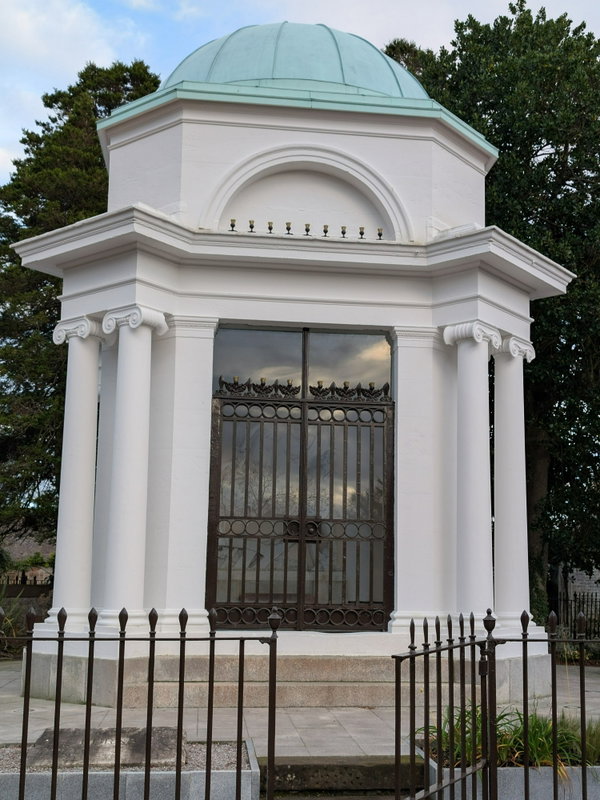
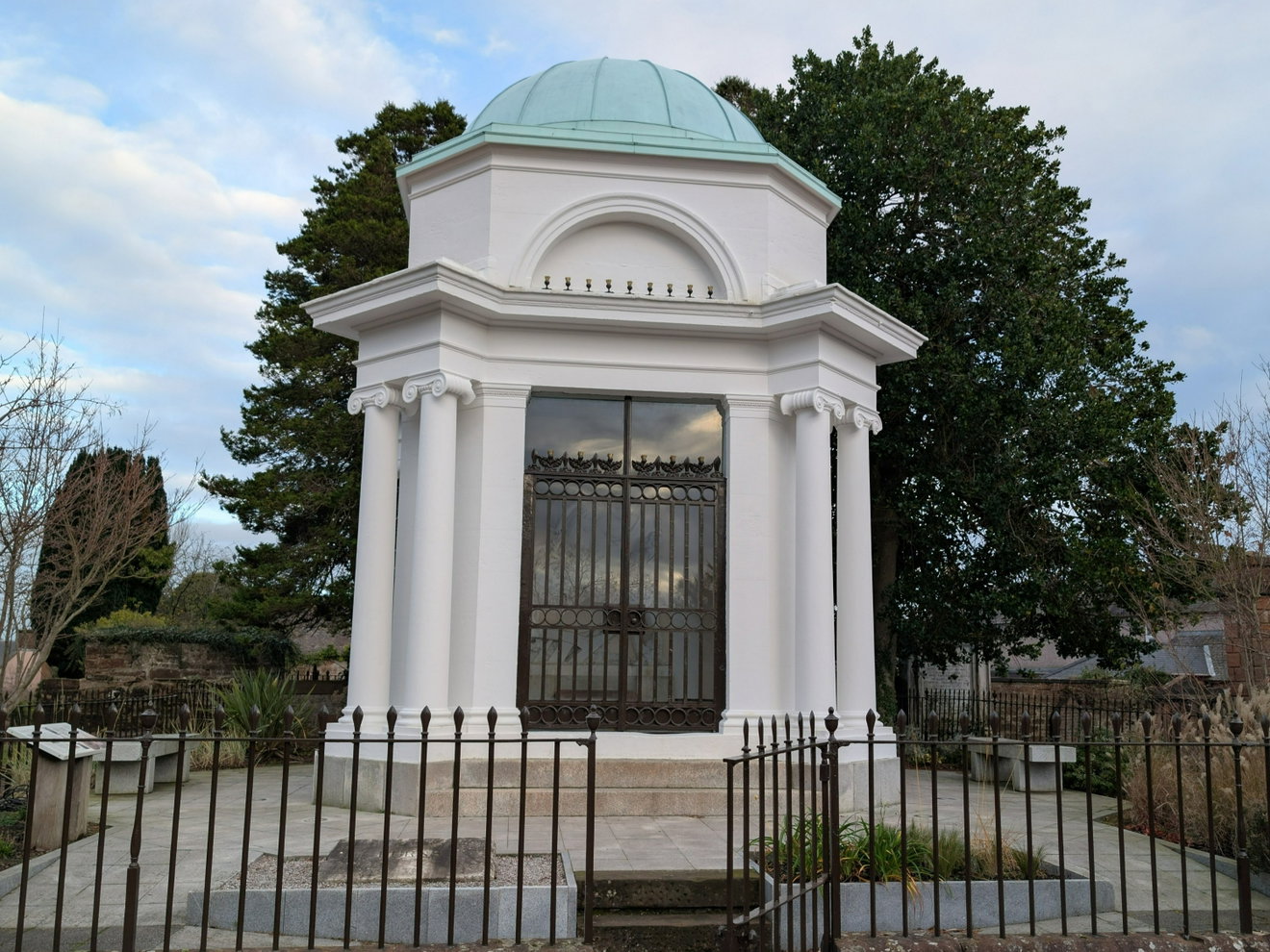
An elaborate white octagonal Greek style dome, containing the grave of Robert Burns.
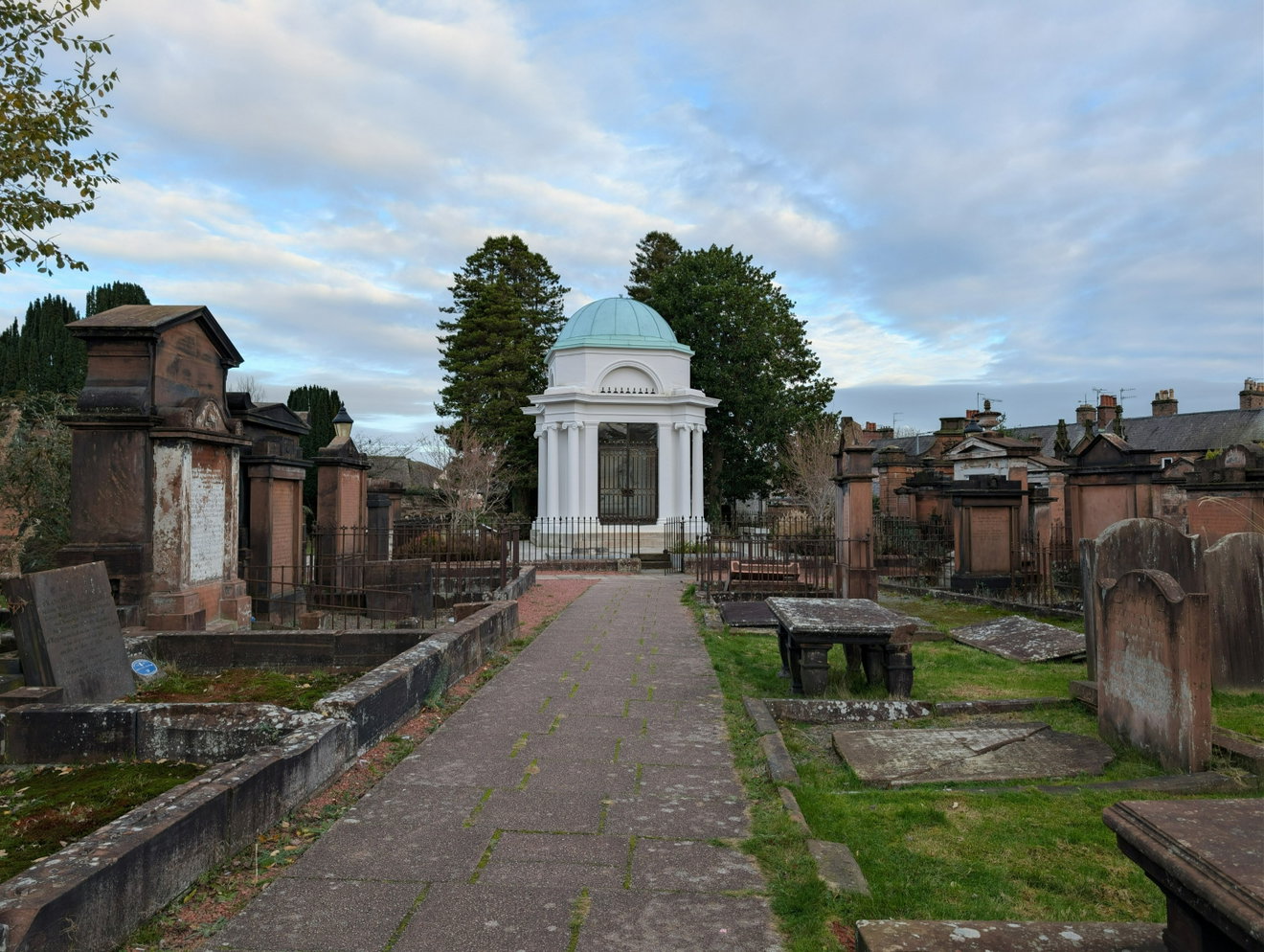
One of Dumfries' most famous sons is the poet and lyricist Robert 'Rabby' Burns. One of the most elaborate mausoleums I have ever seen is that of the aforementioned.
Robert Burns was born on 25th January 1759, in Alloway, Ayrshire. His birthday is still celebrated around the world on Burns Night.
Amongst other works, Burns is famous for 'Auld Lang Syne','Halloween', 'To a Mouse','A Red, Red Rose', and 'A Man's A Man for A' That'.
As well as his poetry, Burns was famous for his love affairs. One of his first was Elizabeth Paton, a servant on his parents' farm, with whom he had his first illegitimate child. The child was born while he was in a relationship with Jean Armour who had also fallen pregnant.
He then fell for Mary Campbell to whom he dedicated 'The Highland Lassie O'', 'Highland Mary', 'To Mary in Heaven' and 'Will ye go to the Indies, my Mary, and leave auld Scotia's shore?'. The pair had planned to emigrate to Jamaica, but she sadly died while pregnant with his child. He then fathered another illegitimate child, Robert Burns Clow, with the servant Jenny Clow.
Burns and Jean Armour went on to rekindle their relationship and married in 1788. They moved to Ellisland Farm near Dumfries, then later moved into the town. Burns and Jean had nine children in total, although only three survived infancy. He also fathered another illegitimate child, Elizabeth 'Betty' Burns, with Globe barmaid Anna Park. Betty would go on to be adopted and raised by Jean.
Burns and Jean would spend the rest of their lives in Dumfries.
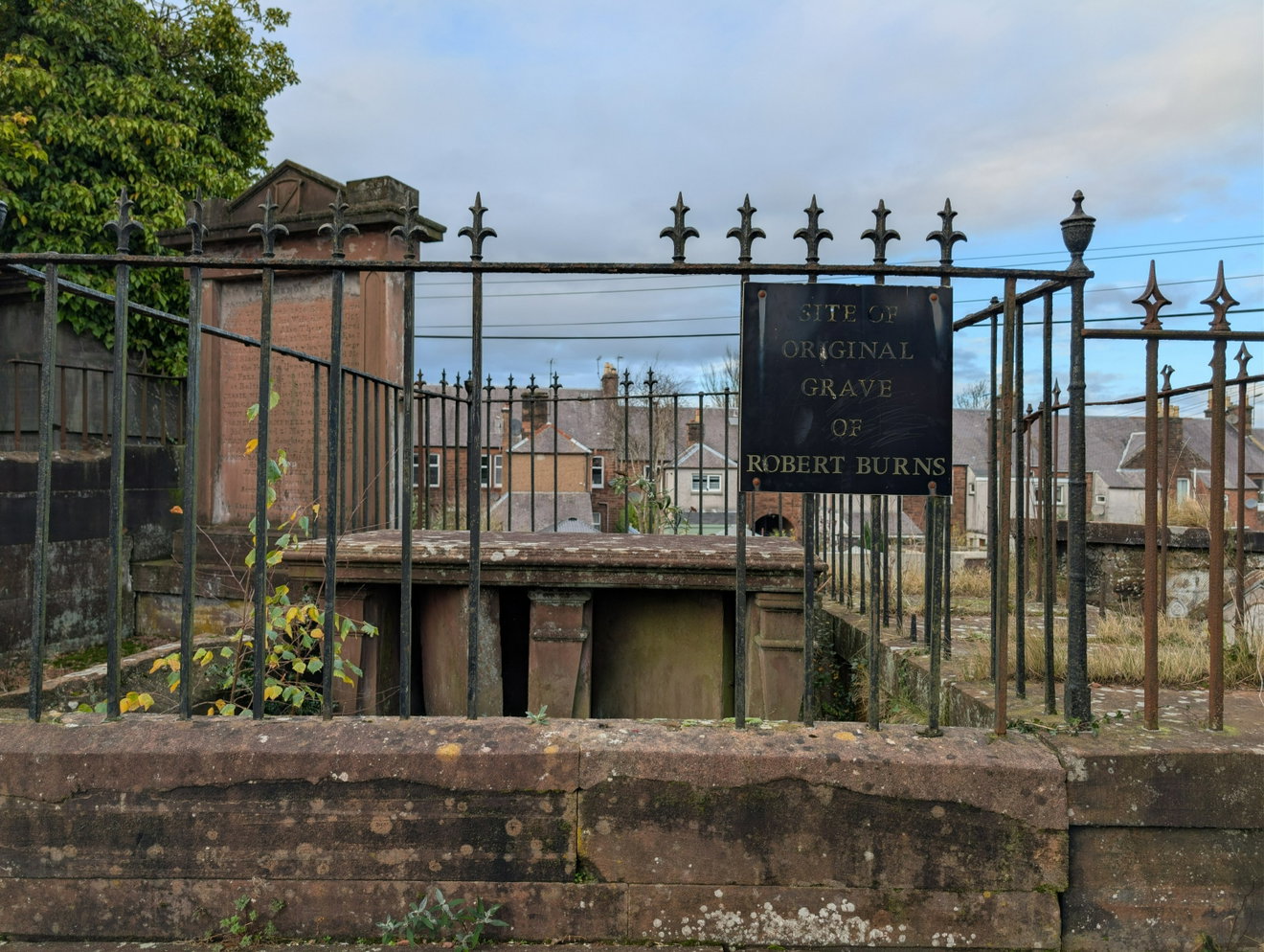
Robert Burns died on 21st July 1796 at the age of 37 of rheumatic fever. He was buried in the top left-hand corner of St Michael's Kirkyard.
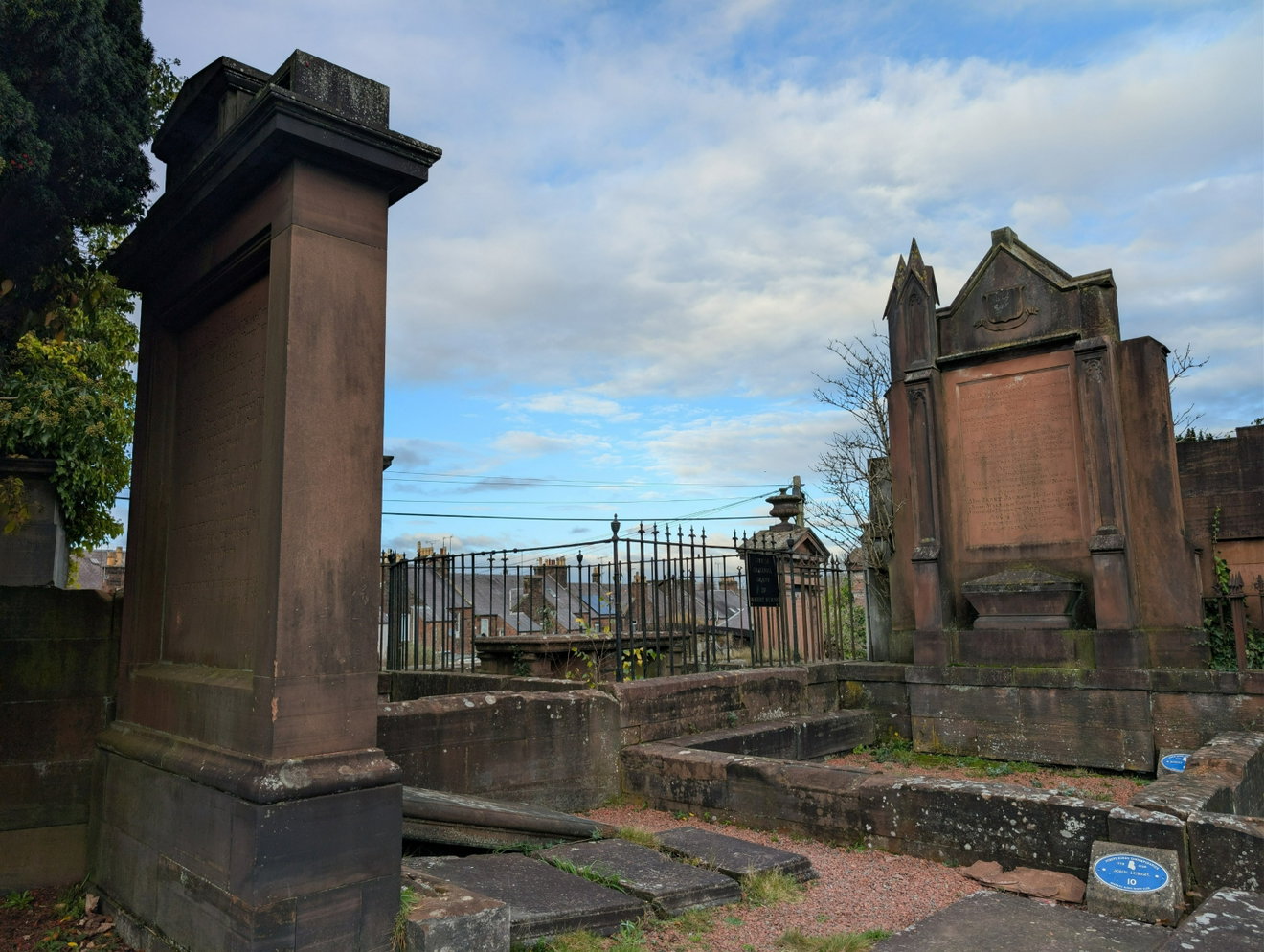
There is still a sign marking the site of the original grave.
In 1803, Dorothy and William Wordsworth had difficulty locating the grave when visiting Dumfries.
By 1813, a number of prominent Dumfries residents agreed that Burns warranted a more elaborate memorial. In November 1813, a leaflet was published asking the public to contribute to the cost of a mausoleum. At a meeting in the George Inn the following month, the project was launched.
Donations flooded in from around the world, some of which were raised by a campaign led by Sir Walter Scott.
Once the funds were raised, a design by the London architect Thomas Hunt was selected, and a local stonemason named John Milligan was chosen to carry out the work. After Milligan failed to comply with the specifications, the London-based Irish-Italian sculptor Peter Turnerelli was brought in as a replacement.
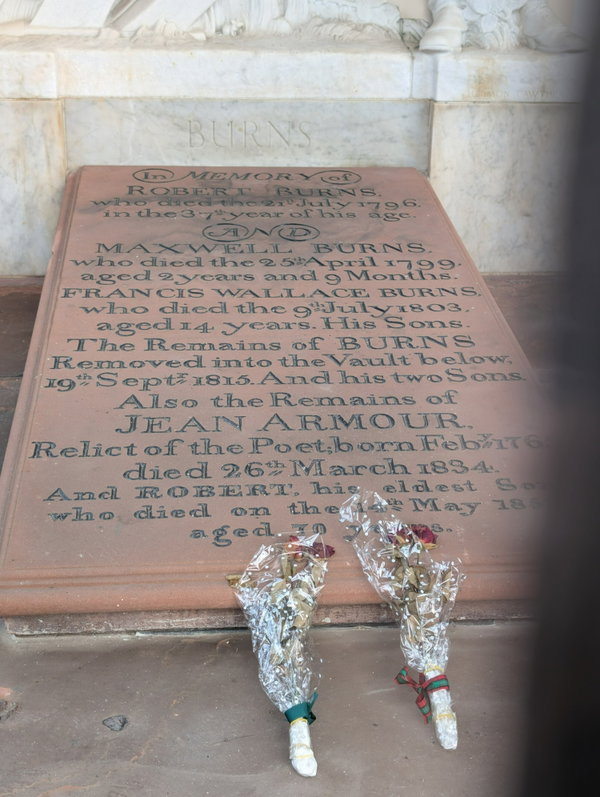
The first stone of the mausoleum was laid on 5th June 1815. On the 19th September of the same year, his body and that of two of his sons were exhumed and moved to the new mausoleum.
The full mausoleum would not be completely finished until September 1817.
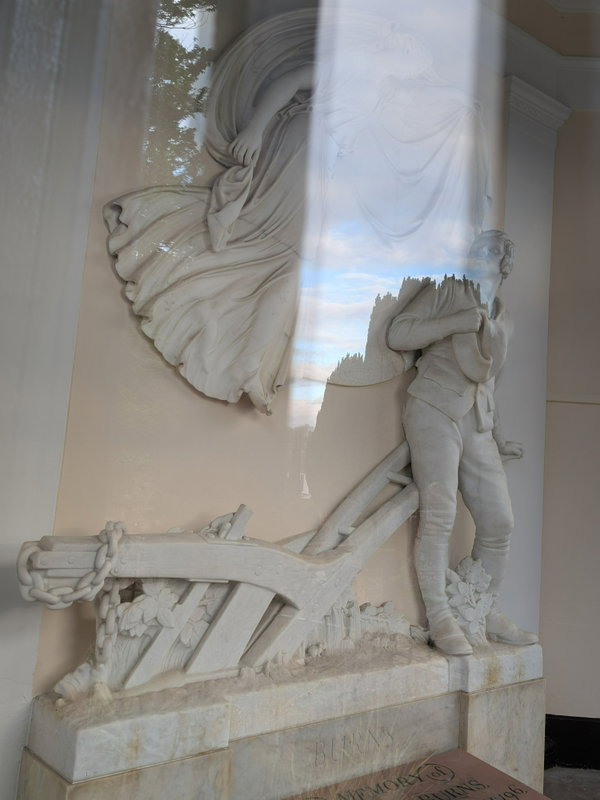
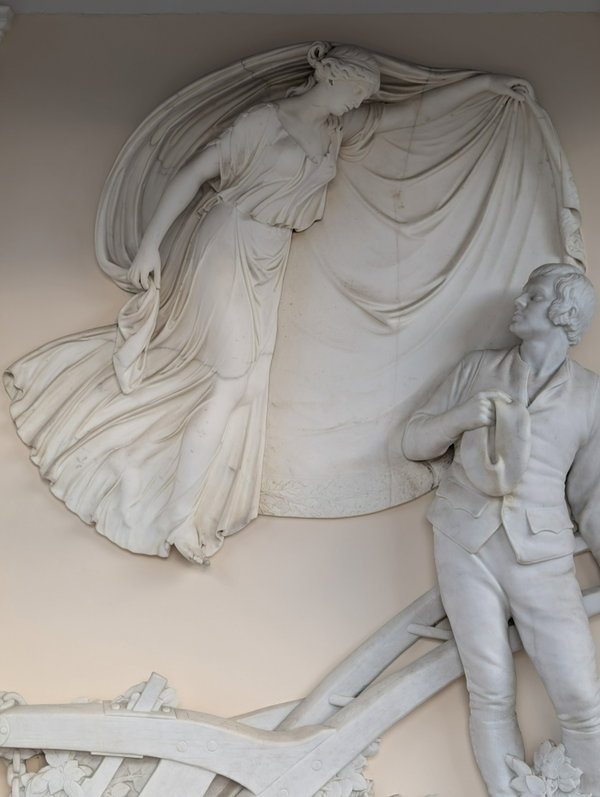
Peter Turnerelli's original statuary group deteriorated and was replaced by a similar design by Herman Cawthra showing Burns at a plough with his fictional muse 'Coila' overlooking him.
The mausoleum was originally unpainted red sandstone similar to most of the memorials in the kirkyard. In the 1880s it was painted white and blue in an effort to protect it from pollution, but has since been painted plain white. It has undergone further renovations over the years, including a new roof.
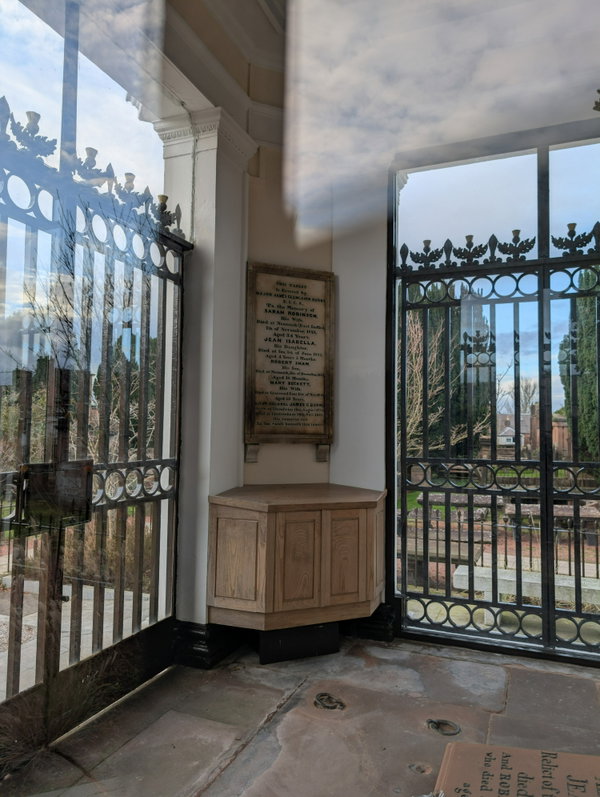
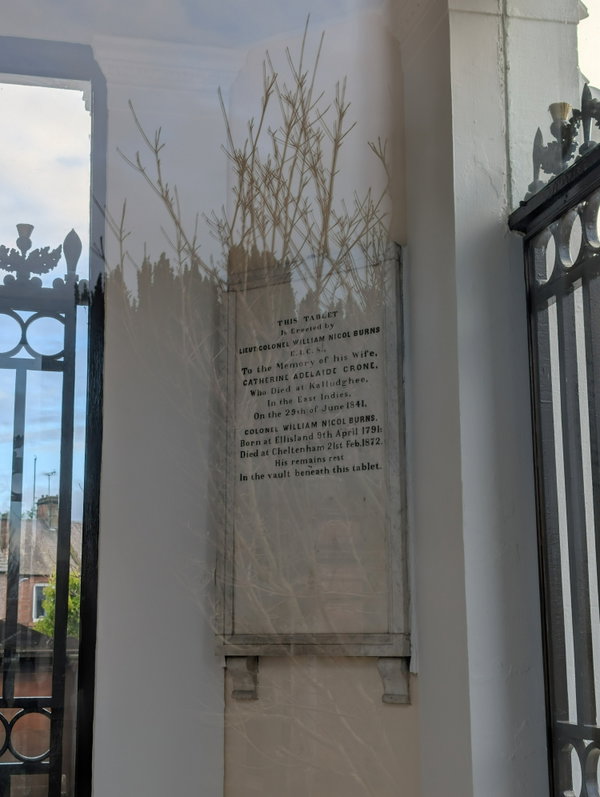
His wife Jean Armour is also buried in the vault of the mausoleum, as are his sons Robert Burns Jr., William Nicol Burns and James Glencairn Burns.
The Burns Mausoleum is a Category A Listed Building with Historic Environment Scotland.
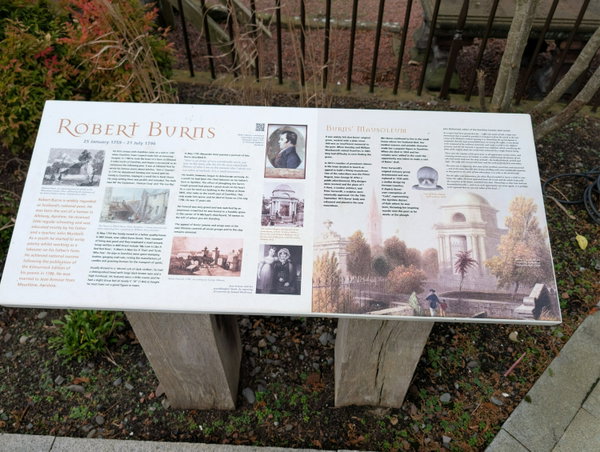
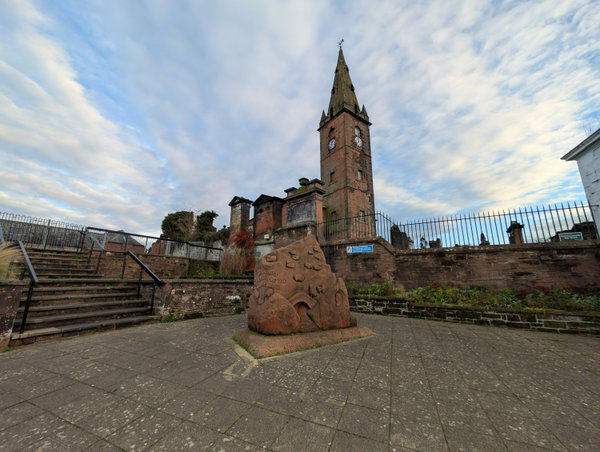
There is more than just the Burns Mausoleum inside St Michael's Kirkyard. Let's see what else there is to see.
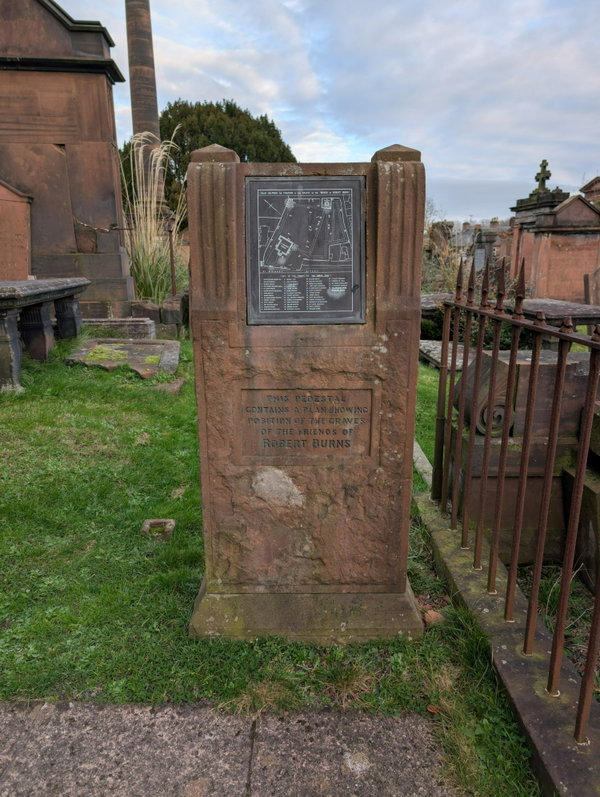
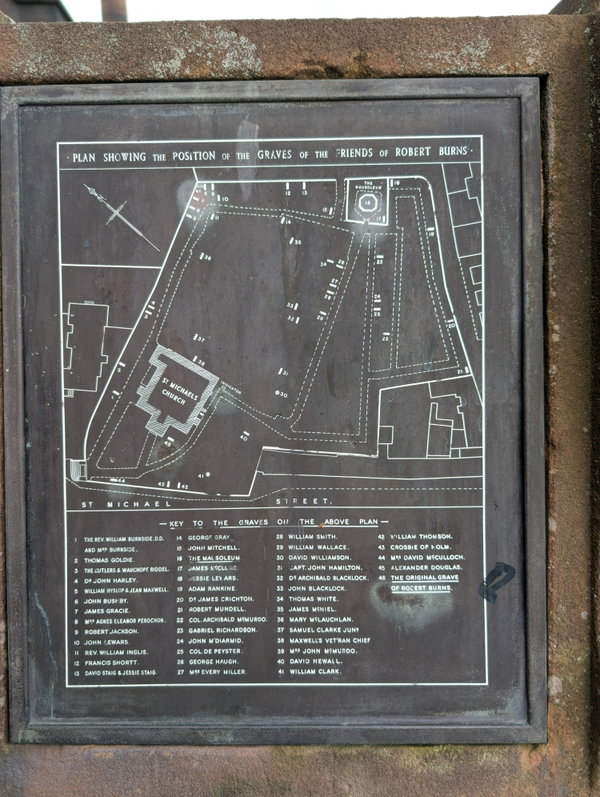
Burns was a very popular chap and some of his buddies are also buried here. There is a list of the friends and a map of the location of their memorials.
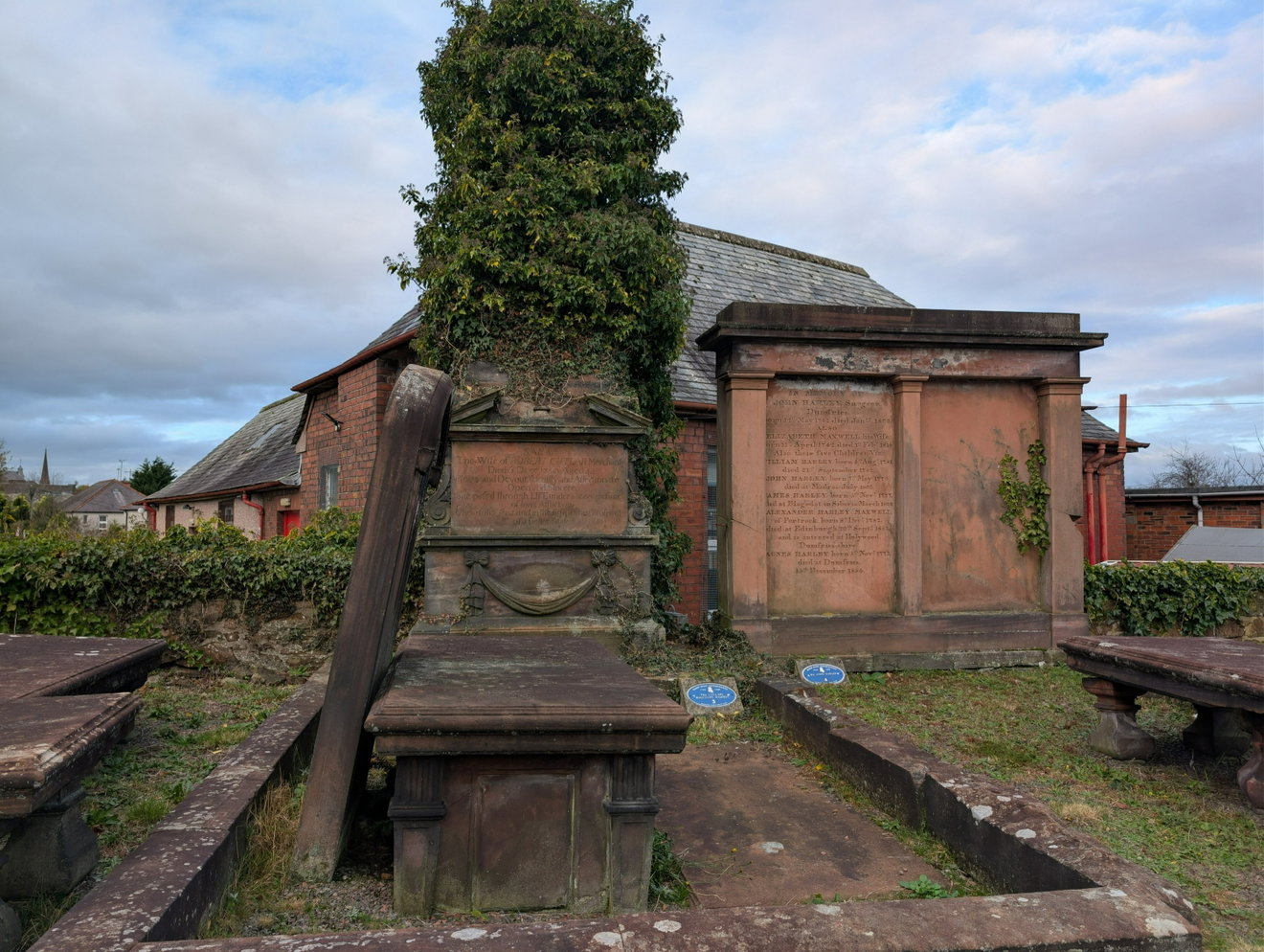
Each of the graves is marked with a blue oval plaque.
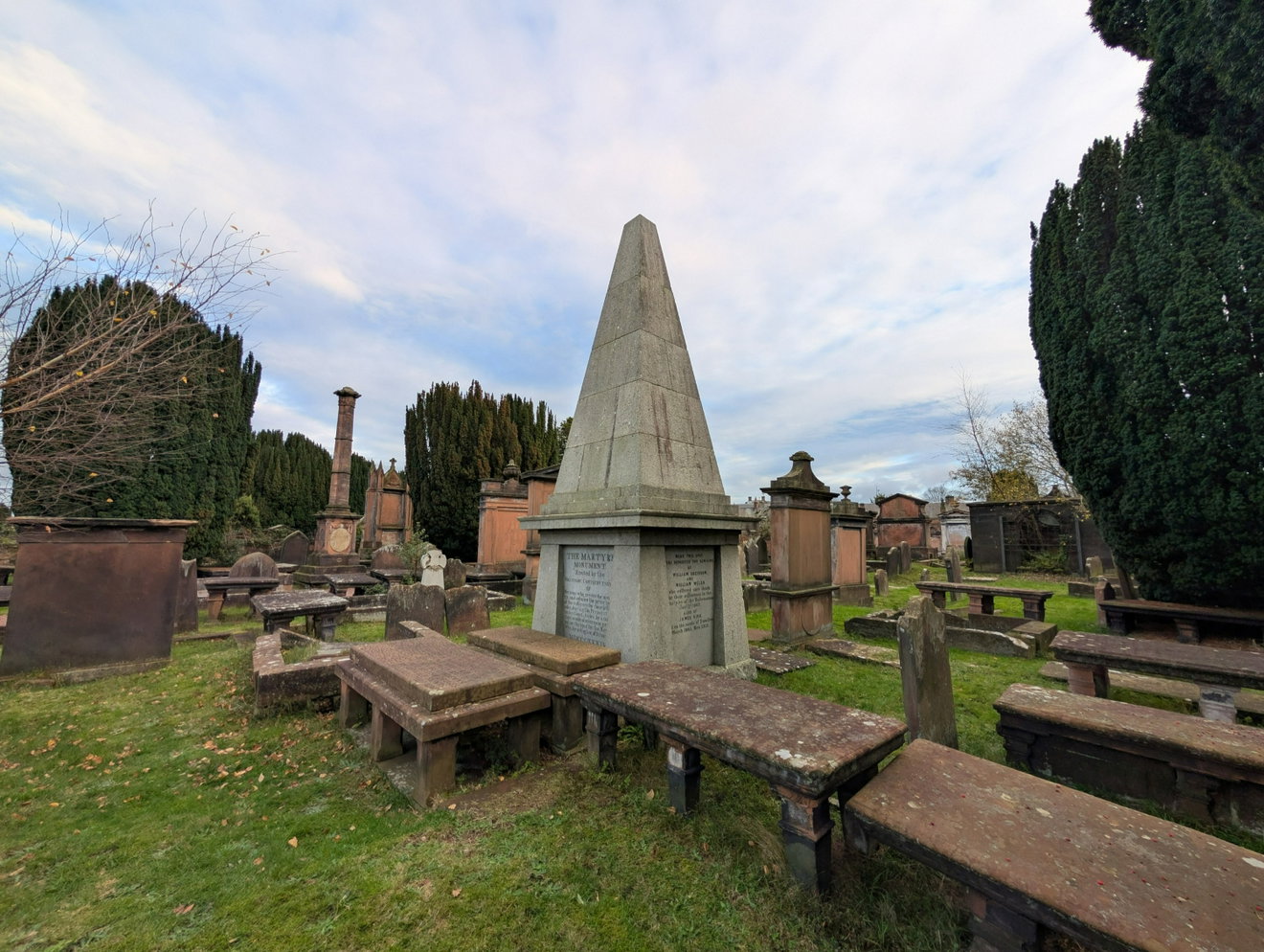
Also keep an eye out for the Covenanters Memorial. The Covenanters opposed the Anglican system that was imposed by King Charles I. In pledging to follow the Presbyterian way of governing and worship, they would pay with their lives.
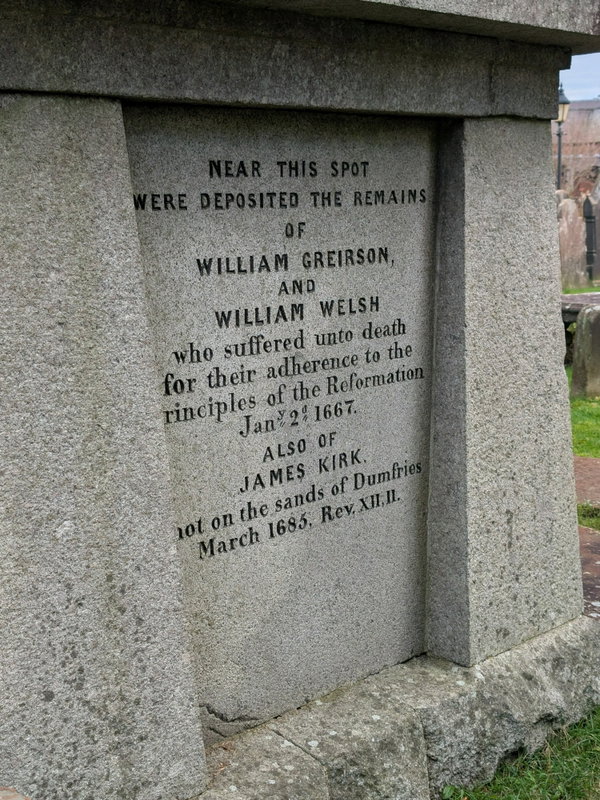
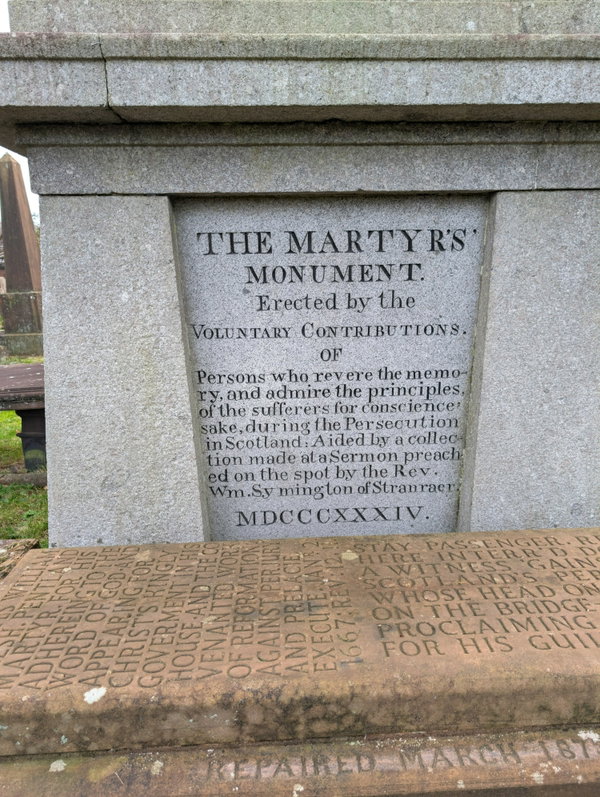
The Martyr's Monument commemorates the local Covenanters who lost their lives. This includes two Pentland Martyrs, William Grierson and William Welsh, who were sentenced to execution after the Battle of Rullion Green. The other is James Kirk, who was shot at Whitesands, not far from here.
The white granite obelisk can be found at the rear of the kirkyard and is surrounded by their older gravestones.
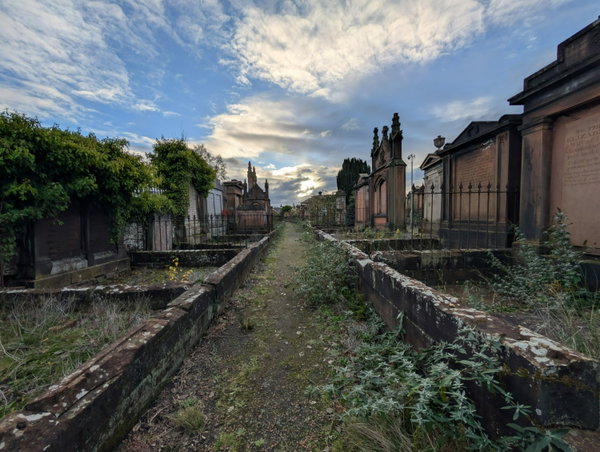
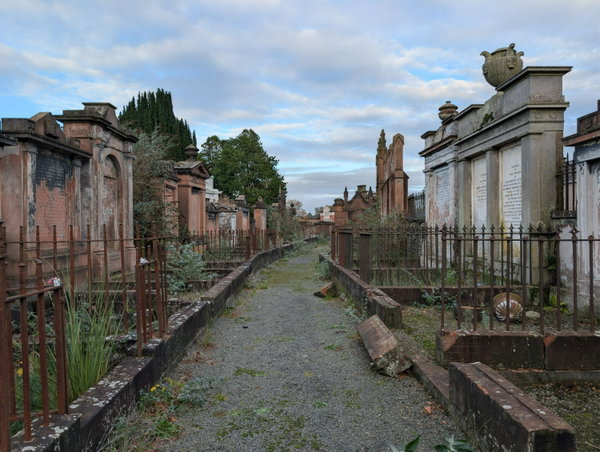
To be honest, I don't need an excuse to wander around a kirkyard, in fact I find it quite therapeutic. This one especially so with a number of old and elaborate memorial stones.
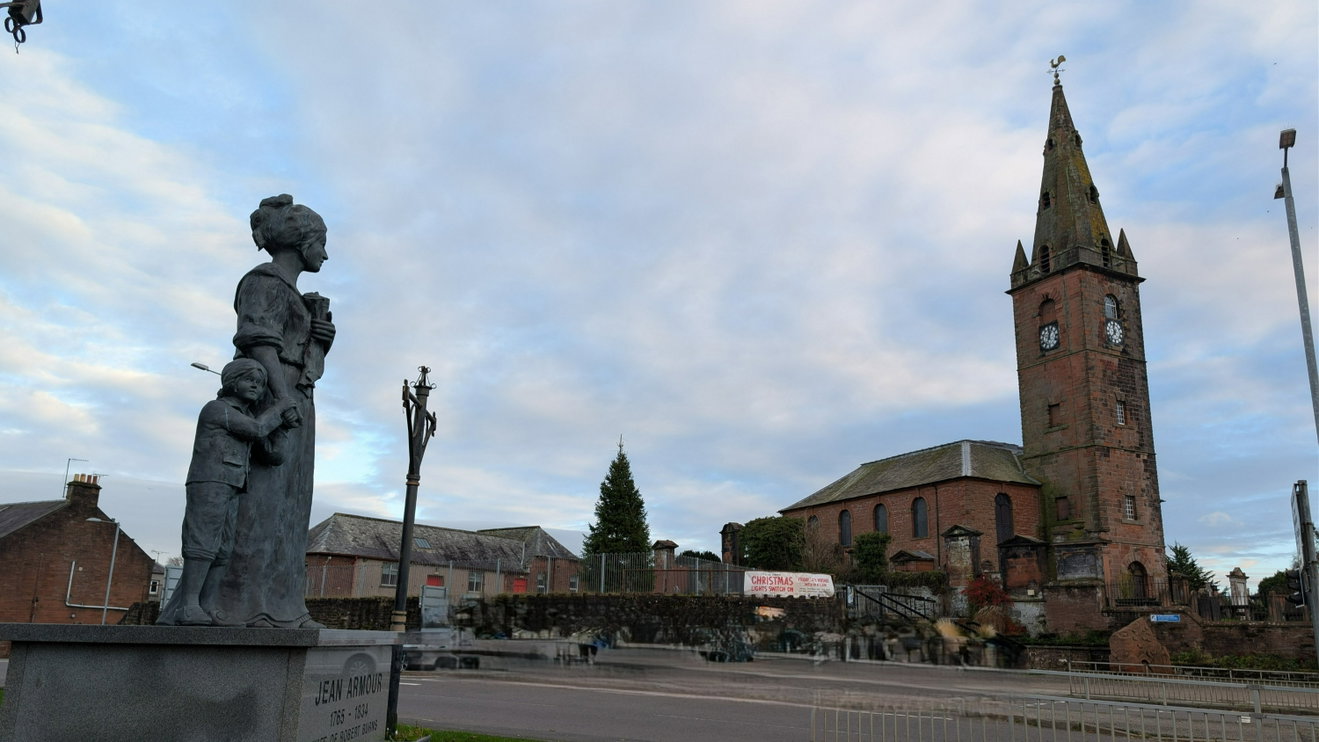
After visiting the mausoleum and having a wander around the kirkyard, why not pop across the road to see the Jean Armour Statue, then continue down the road to see the Burns House.
Get 2 points if you have visited this place. Already visited by 15 VIPs.
Login to bag this placeHelp fuel the next adventure
Fabulous North is free, with no annoying adverts and fuelled by an unhealthy desire to poke around castles, hills, churches and suspicious-looking bits of stone.
If you enjoy what we do, you can help keep us exploring.
Champion This Place
Got a special memory of Burns Mausoleum, a story to tell or simply a soft spot for it? Champion Burns Mausoleum and we'll add your name, photo and a short message to this page, while your support helps us keep Fabulous North exploring.
How To Find Burns Mausoleum
Where Is Burns Mausoleum?
Lat / Long
55.065090034056425, -3.6048852981840045
What three words
Where To Park For Burns Mausoleum?
Lat / Long
55.06676071639291, -3.6070601257341717
What three words
There is plenty of parking in Brooms Road car park.
Contributed by Lorraine London
I have been a keen hill walker for many years and more recently enjoy trig bagging. When I'm not exploring Northumberland, County Durham and Yorkshire, I spend most of my holidays in bonny Scotland. Other than hills, I love investigating ruinous buildings and waterfalls. I have been a member of NT and EH for years, which also gives me access to Historic Environment Scotland places.
More Places from Lorraine
More Places In Dumfries And Galloway
Find more fabulous places in Dumfries And Galloway, Scotland and if you know of a place we haven't listed, then let us know.
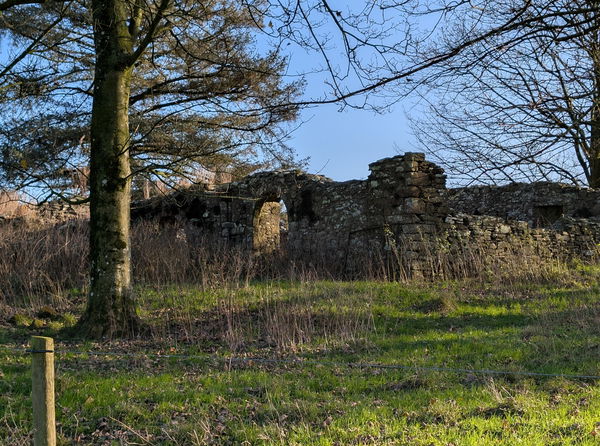
Little Dalton Kirk
Religious Place Dumfries And Galloway ScotlandA fabulous 15th century kirk, hidden by trees in the Dumfriesshire countryside.
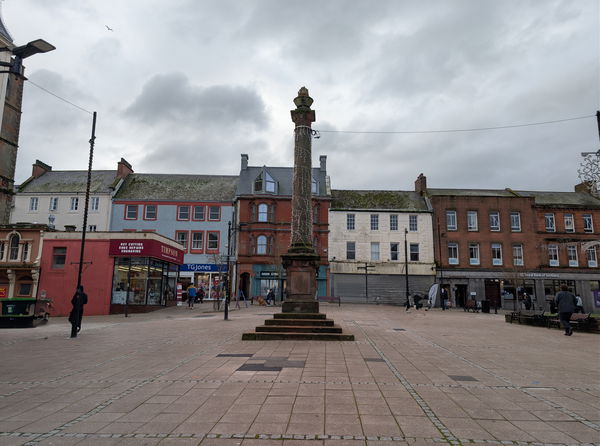
Queensberry Monument
Statue Dumfries And Galloway ScotlandA memorial column on Dumfries High Street that was erected in 1780 to commemorate the 3rd Duke of Queensberry.
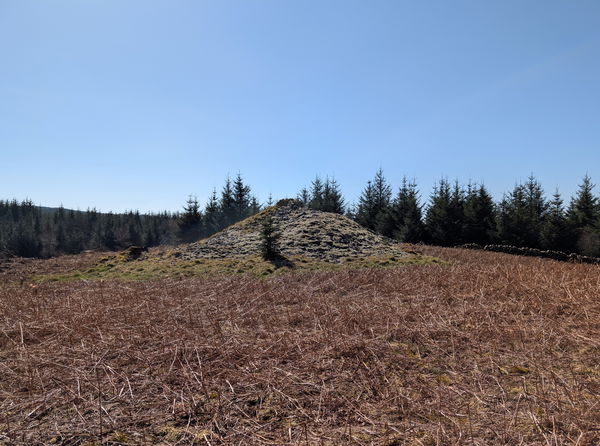
White Cairn Corriedoo
Crag, Rock And Cairn Dumfries And Galloway ScotlandA huge Bronze Age cairn measuring over 4m high and 32m long, near Corriedoo, Dumfries & Galloway.
More Graves
So this grave wasn't enough and you want more? Don't worry we have you covered.
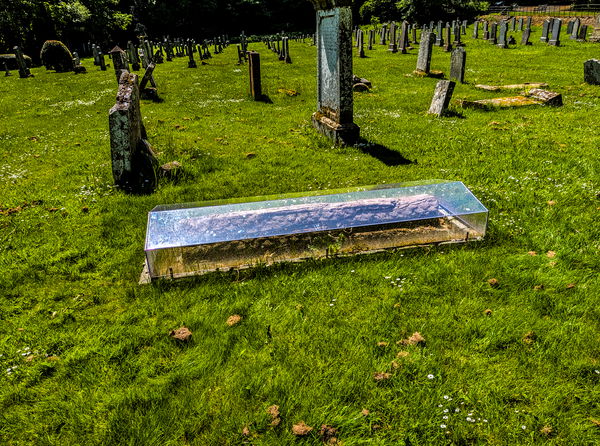
Ancrum Hogback Stone
Grave Ancrum BordersA mysterious 900-year-old Hogback Stone in Ancrum, a rare medieval grave monument rediscovered beneath the churchyard grass.
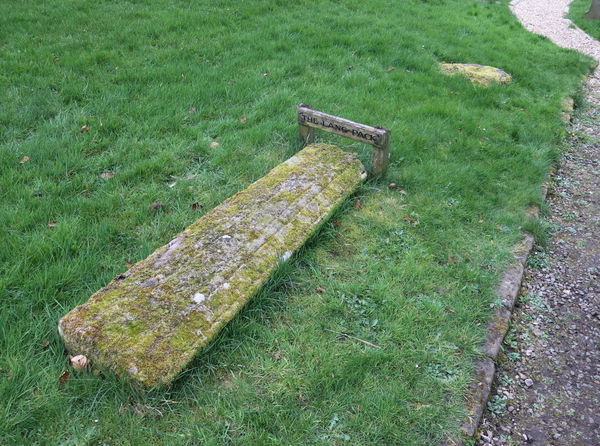
The Lang Pack
Grave Bellingham NorthumberlandAn unusual gravestone marking the final resting of a burglar trying to rob Lee Hall.
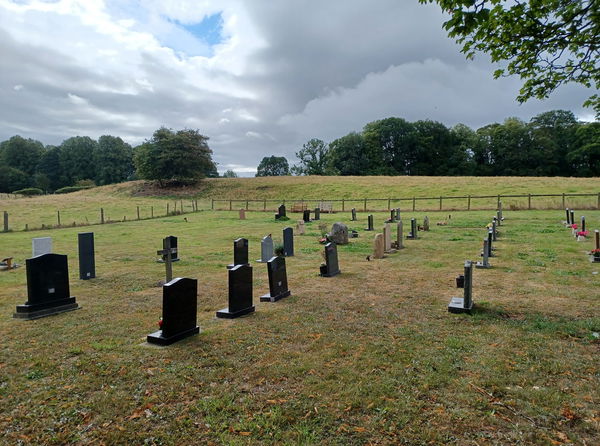
Hannah Hauxwell's Grave
Grave Barnard Castle County DurhamThe grave of celebrated Daleswoman Hannah Hauxwell.
Never Miss A Fabulous Place
If you are afraid of missing out on all the fabulous places we post, or just want to be the first to know, then sign up to the Fabulous North.
Each week we will email you all the brand new places that we visit.
Sign Up To Alerts

Find Us On Facebook
We post all our new places daily on our Facebook Groups page, so join the group today and be notified when we add a new place.
Join Our Facebook GroupBurns Mausoleum was listed in Grave // Scotland // Dumfries And Galloway