
Hunstanworth Church
Religious Place In Consett, County Durham
Beautiful Victorian church built in 1862, with remains of a 16th century pele tower in the grounds.
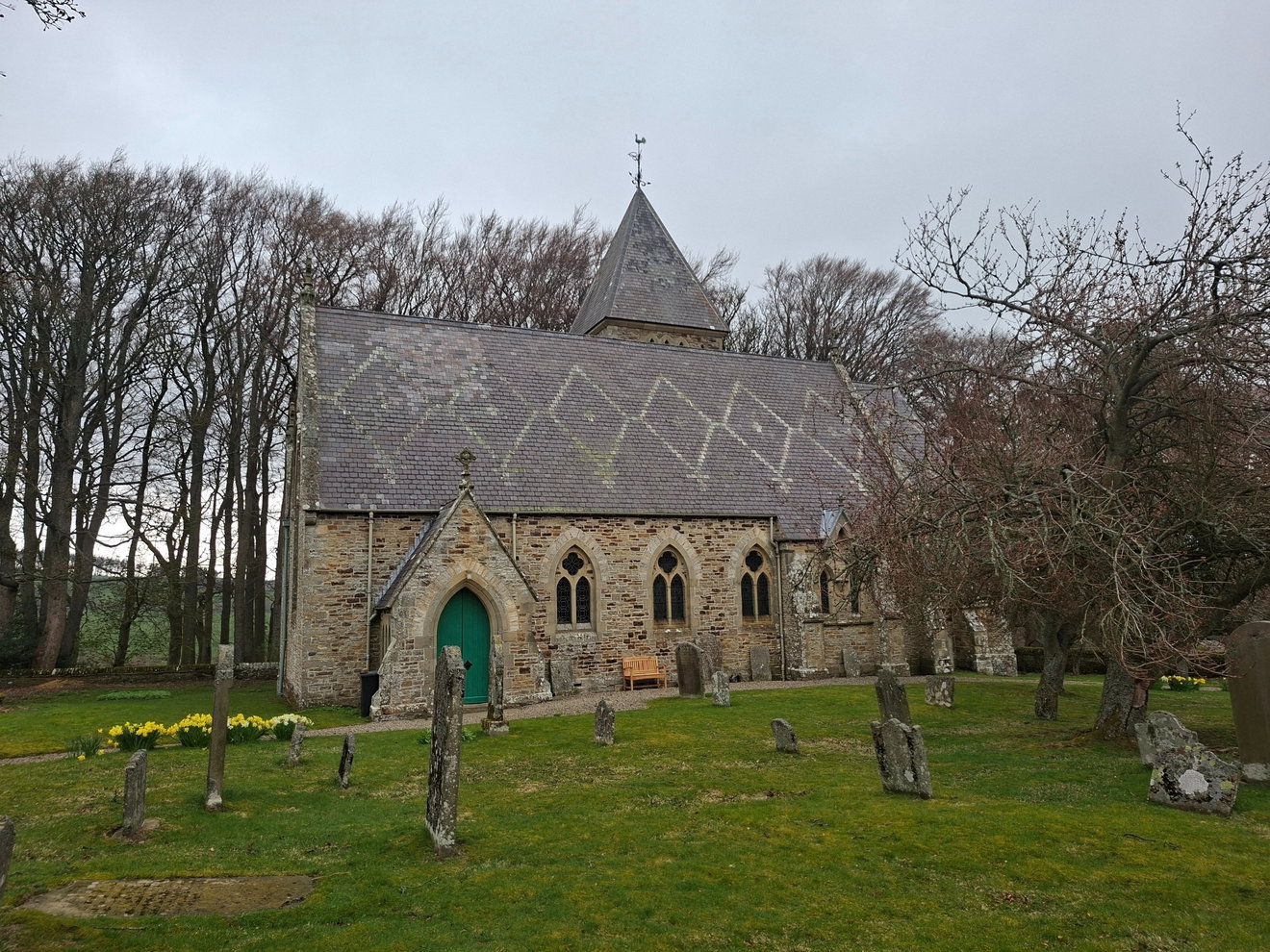
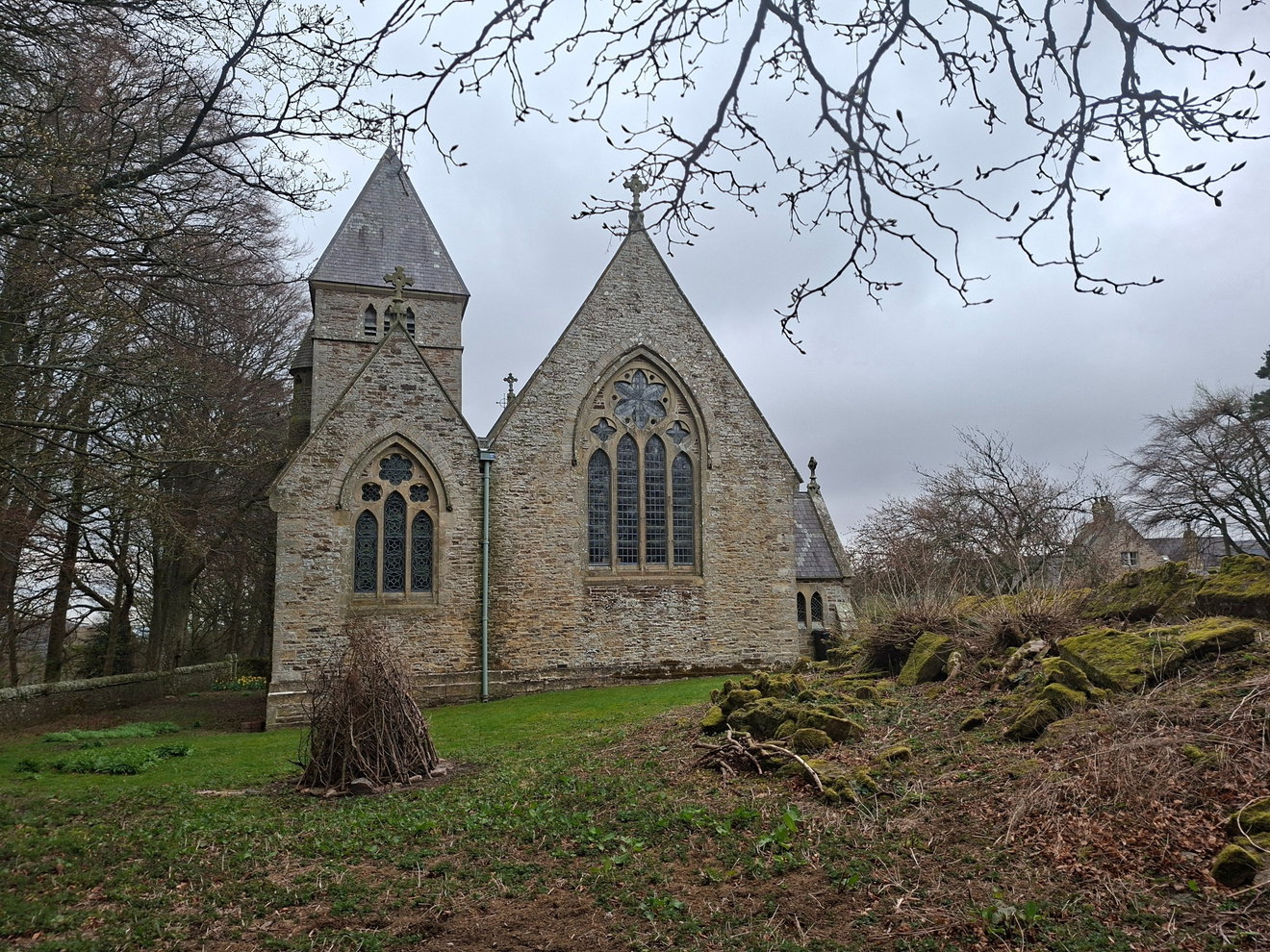
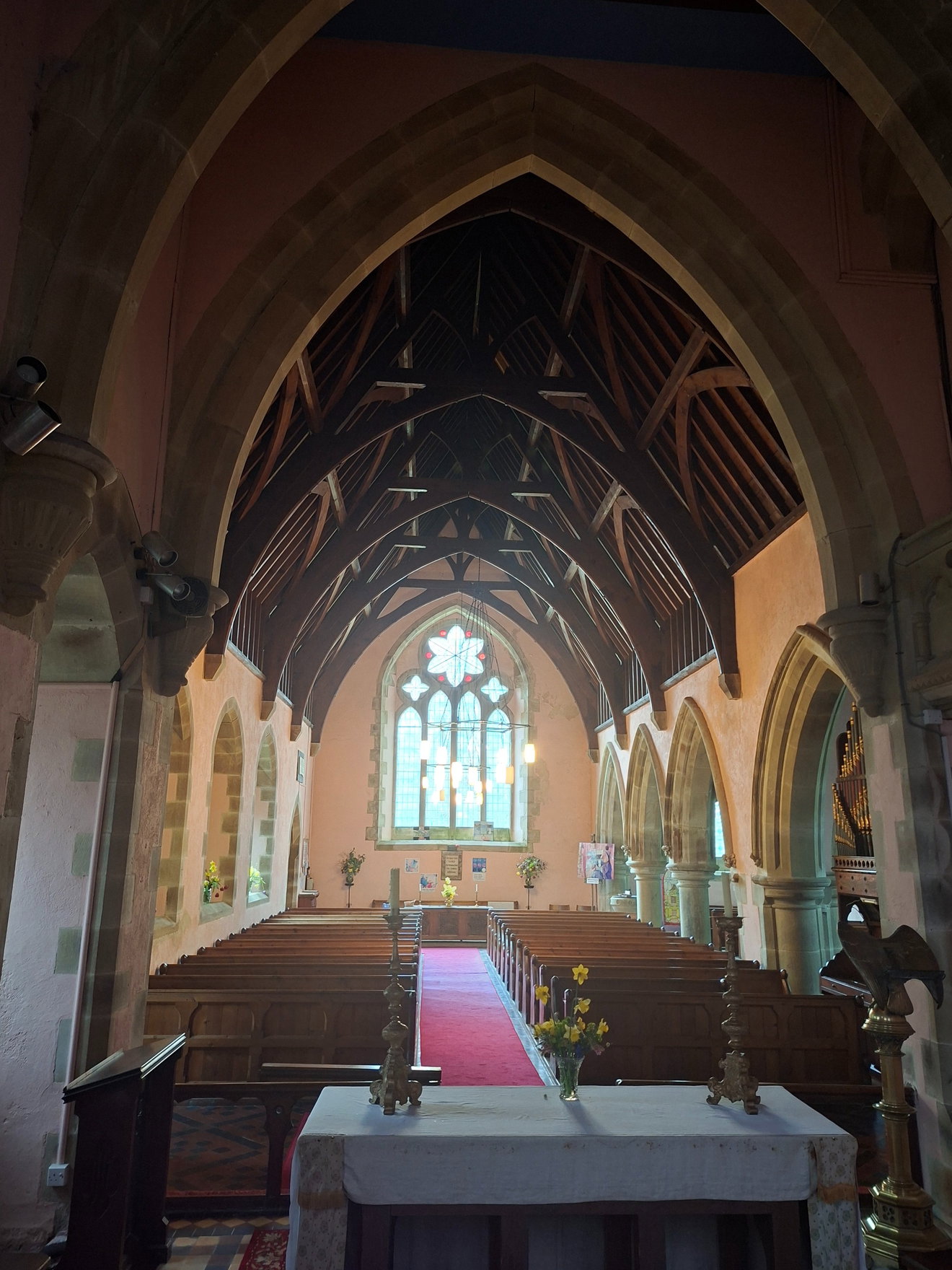
I recently discovered Hunstanworth Church (Church of St James) after visiting Blanchland and found a lovely hidden gem. Because I was in the depths of the County Durham countryside, I had the church to myself and I definitely made the most of it.
We are always on the lookout for new places at Fabulous North and consequently have seen many churches, however I think this one may quickly have become my favourite.
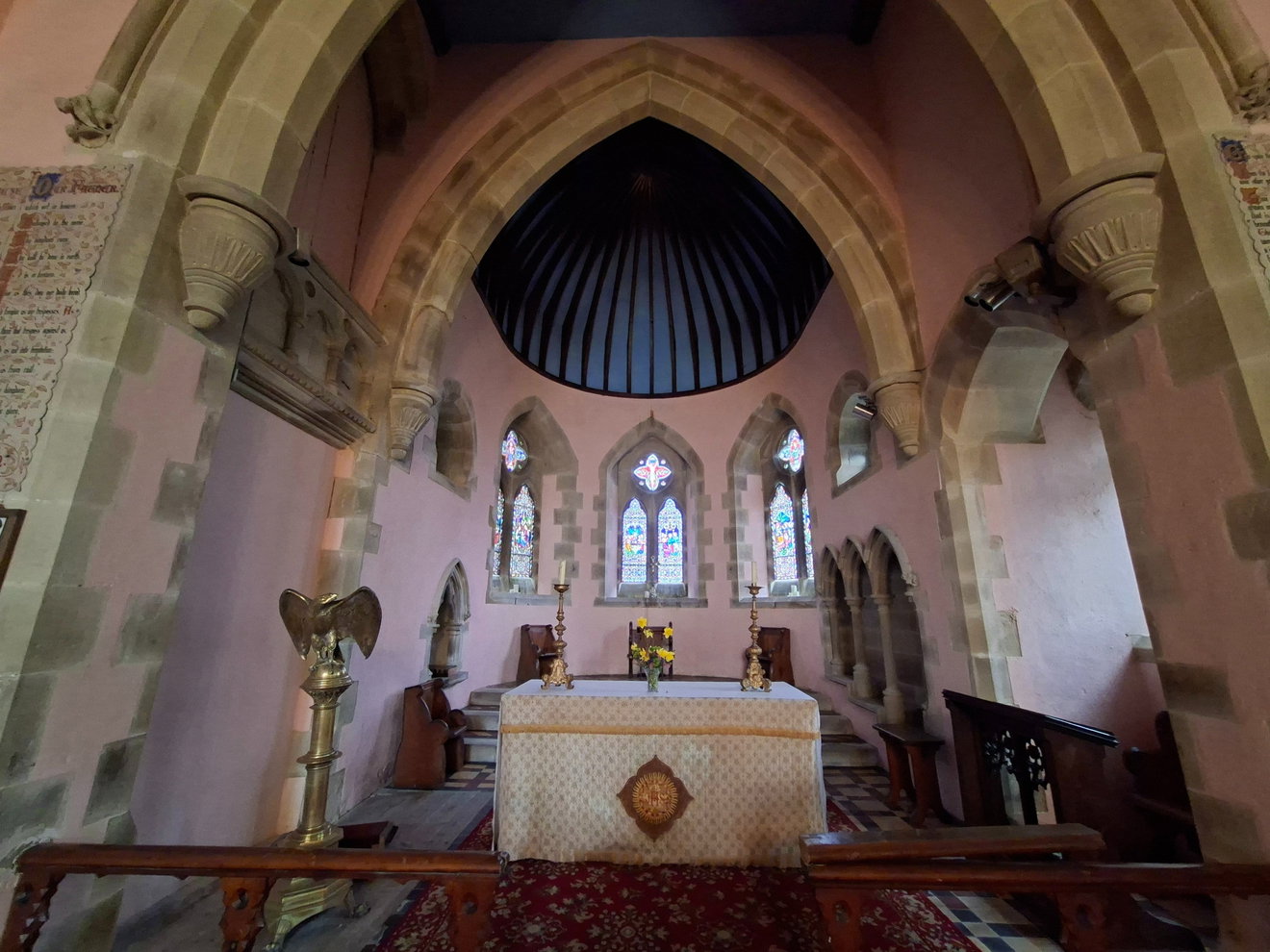
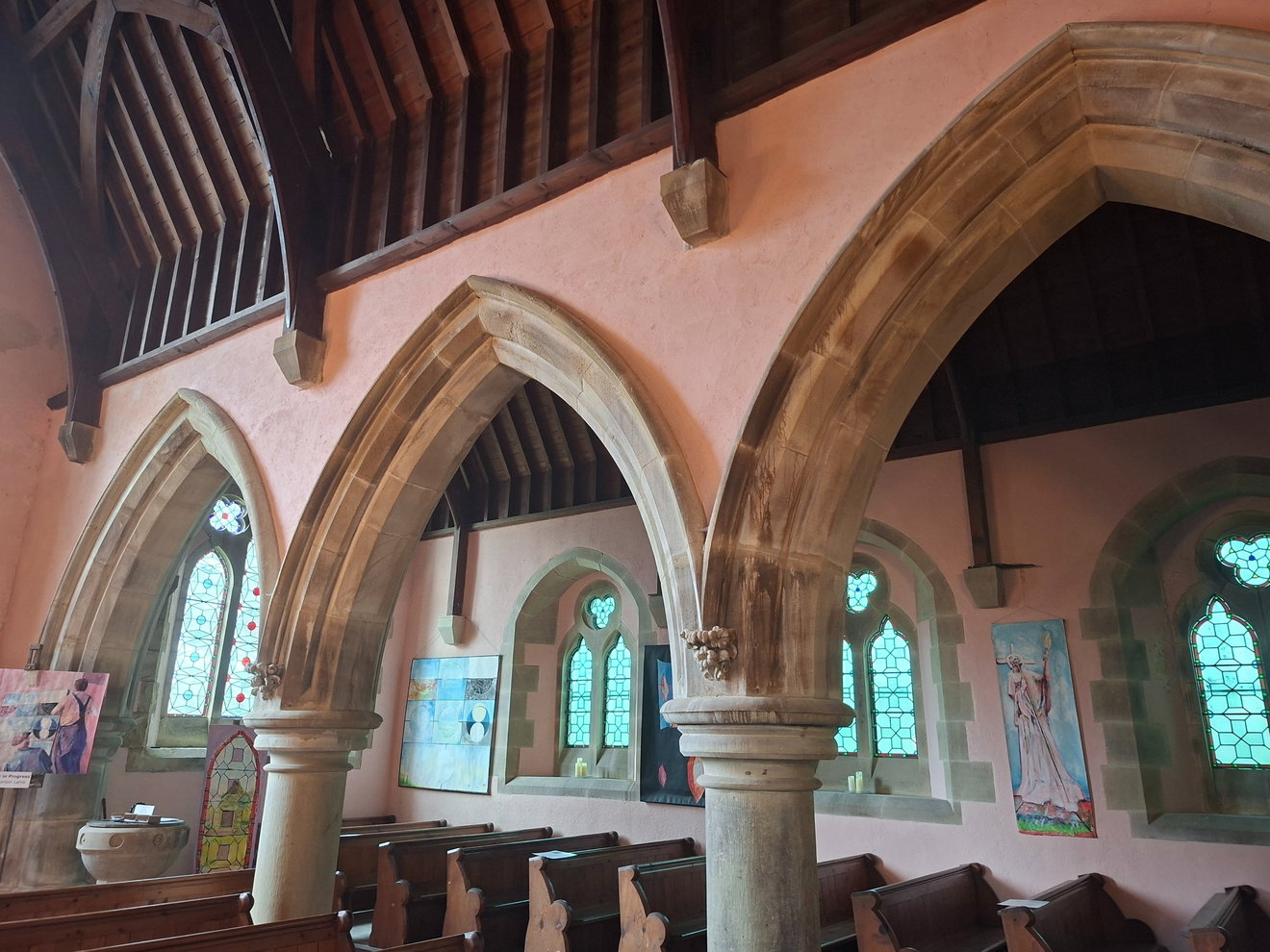
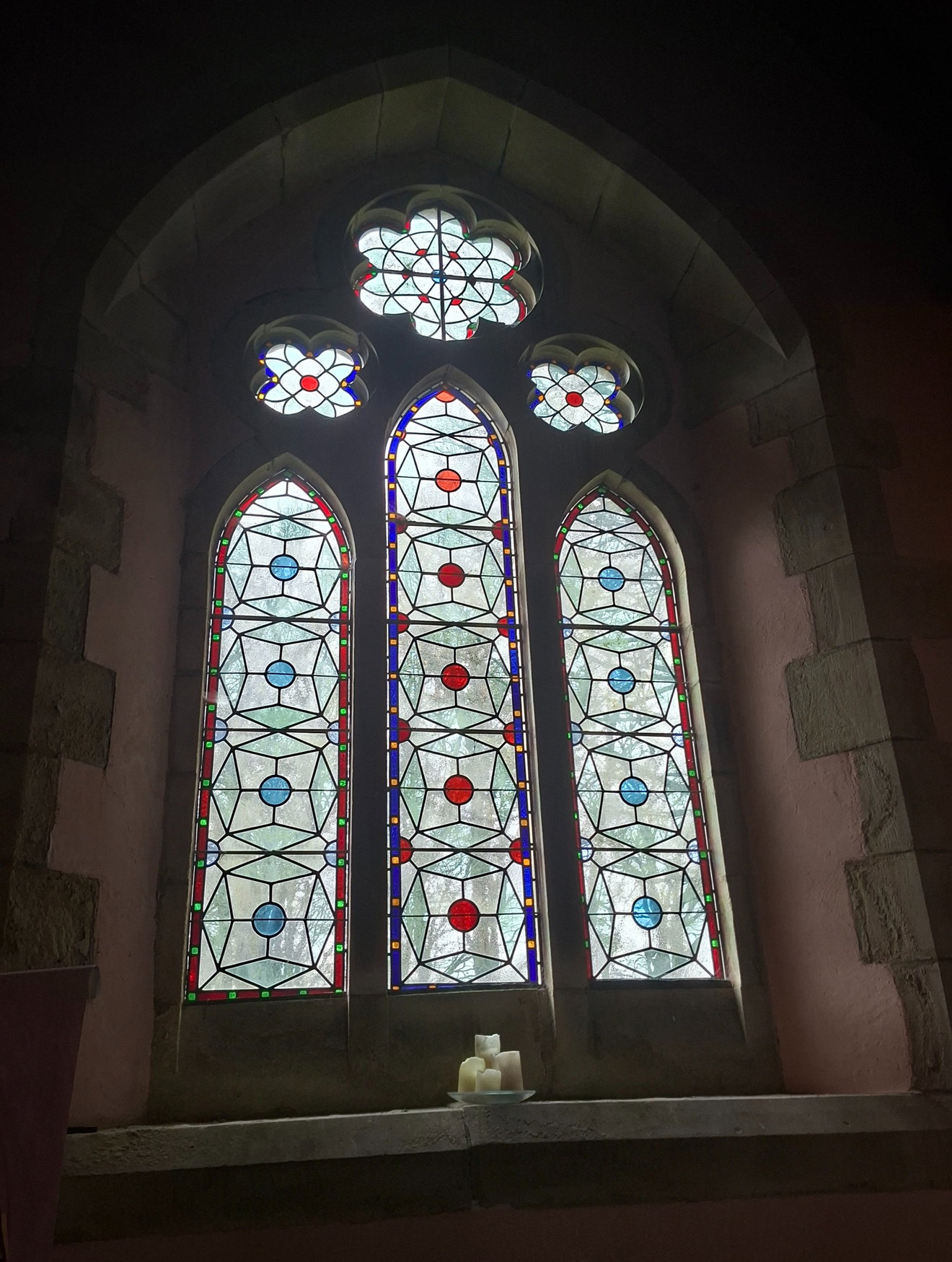
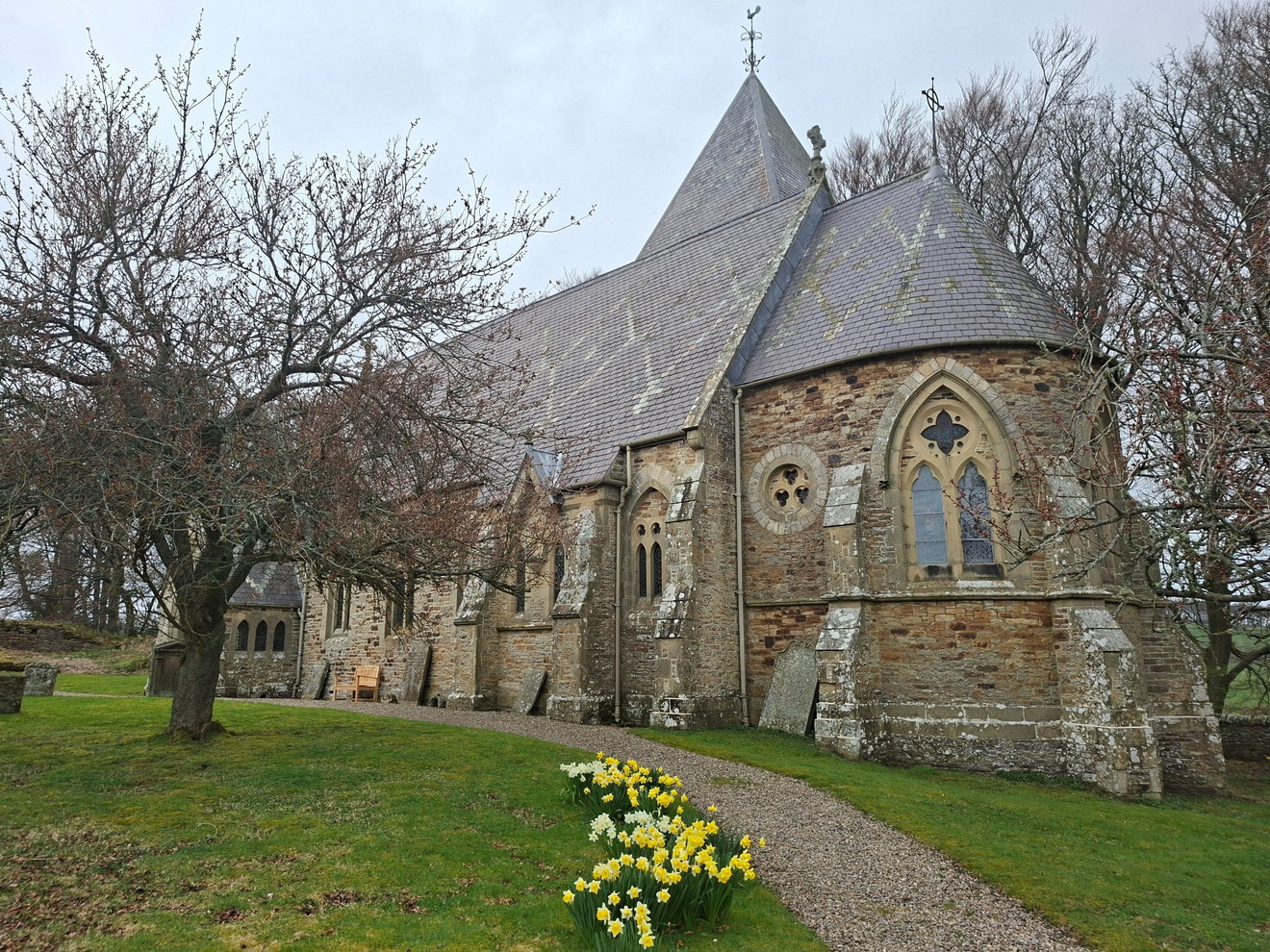
The Reverend Daniel Capper, who inherited a family fortune in 1861, decided to use his wealth to completely rebuild the village of Hunstanworth. He commissioned Samuel Sanders Teulon, a prolific English Gothic Revival Architect, to design not just the church but also the vicarage and stable block, the village school and the cottages for the workers and created a Victorian model village.
Samuel Sanders Teulon was part of a group of highly eccentric, rebellious British architects working at the peak of the Gothic Revival known as the Rogue Gothic Architects. They were well known for heavy shapes, clashing colours and geometrical designs and their style was described as 'vulgar, barbaric and reckless' by their critics, so I knew I was in for a treat.
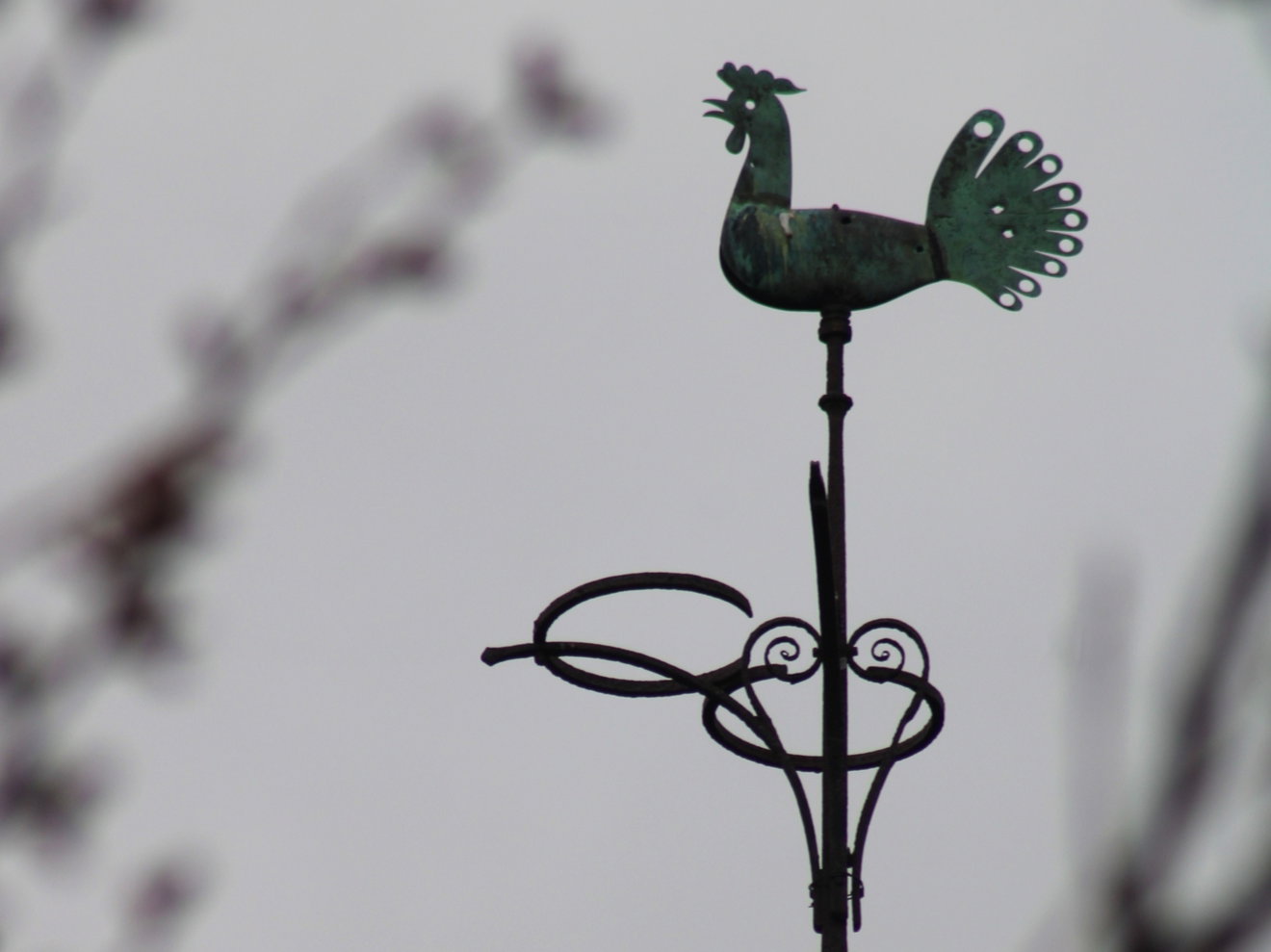
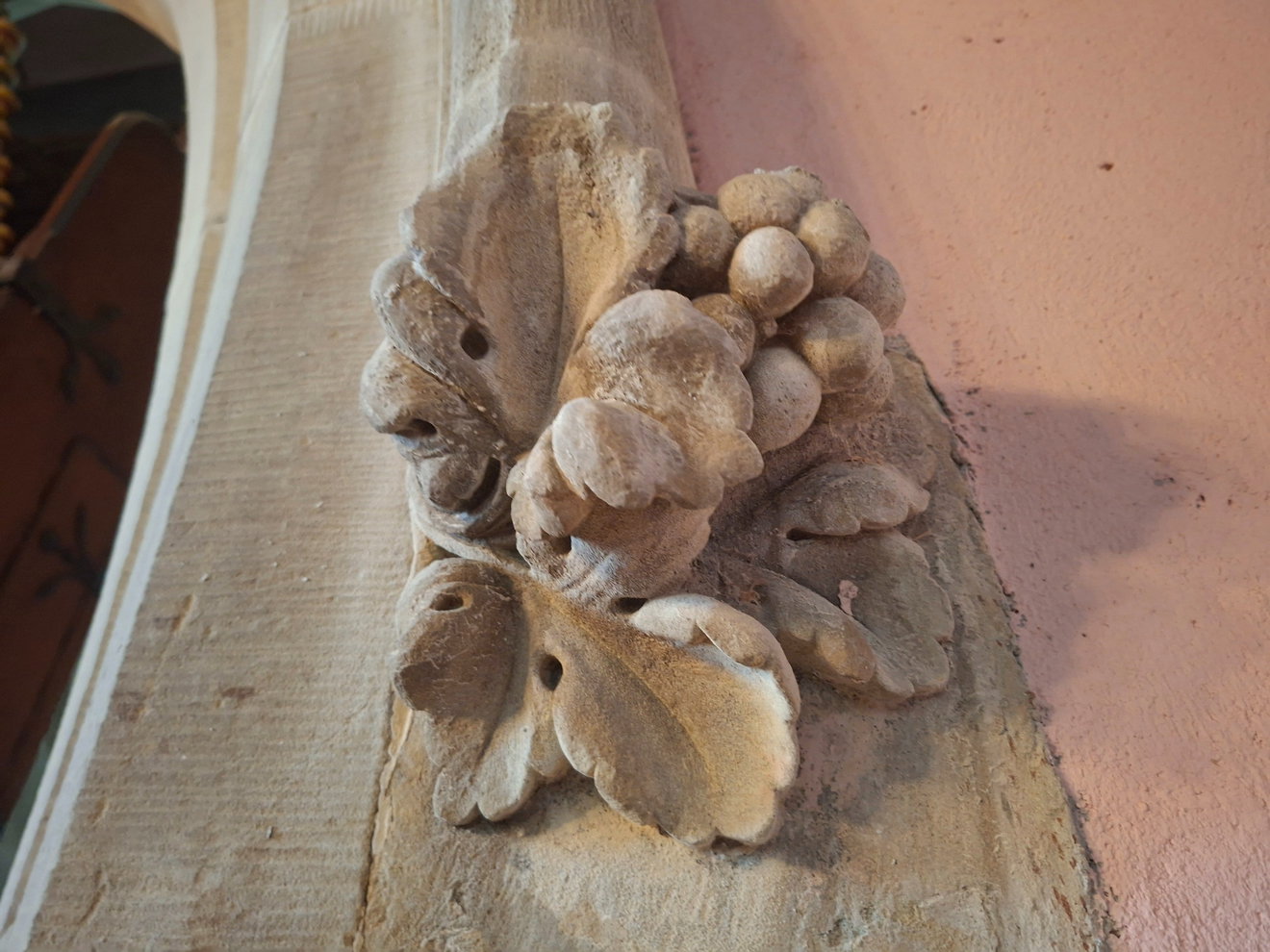
The exterior of the church is very grand and attention-seeking, before you even step foot inside. The pattern on the roof is known as a 'diaper roof' and refers to the diamond shapes which were Teulon's signature way of adding texture, without splashing out too much on expensive carvings. Another notable feature of the outside of the church is the bulky 80ft tower which broke the rules of traditional Gothic design, purposefully looking heavy and imposing. The chunky tower also has a weather vane in the shape of a peacock on top of it, though I think it looks more like Cornelius Rooster the Kelloggs mascot. Or that might just be me.
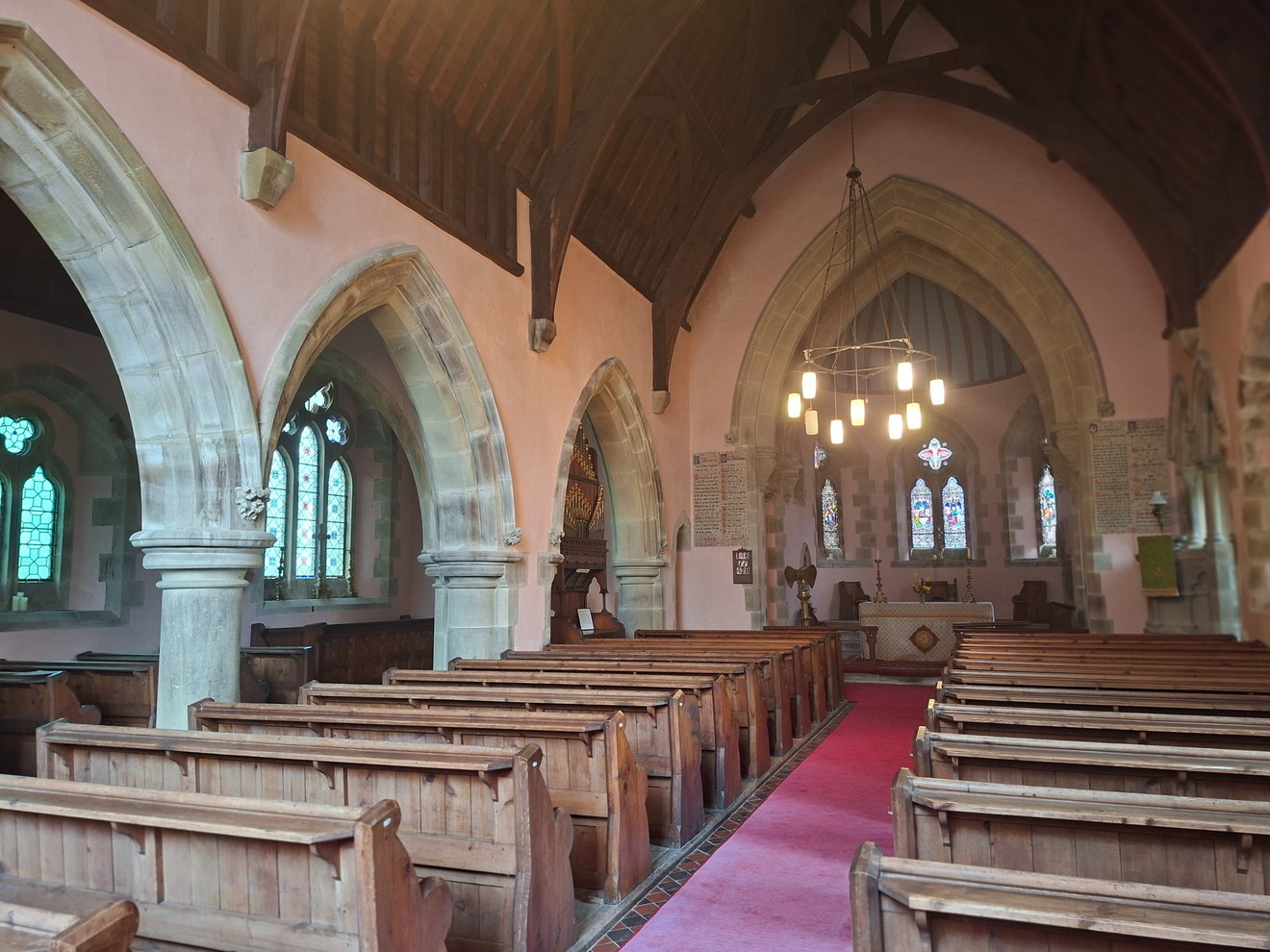
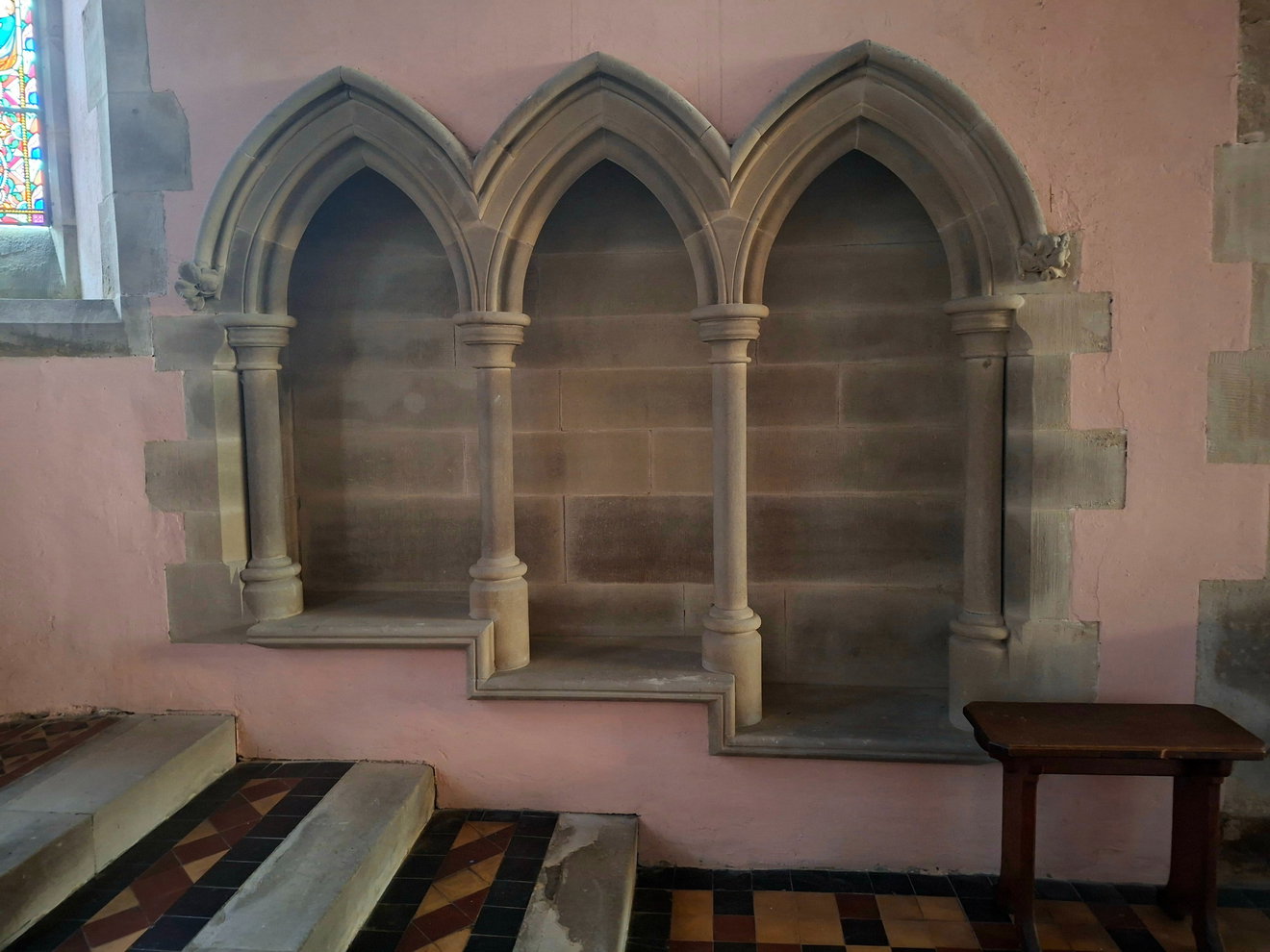
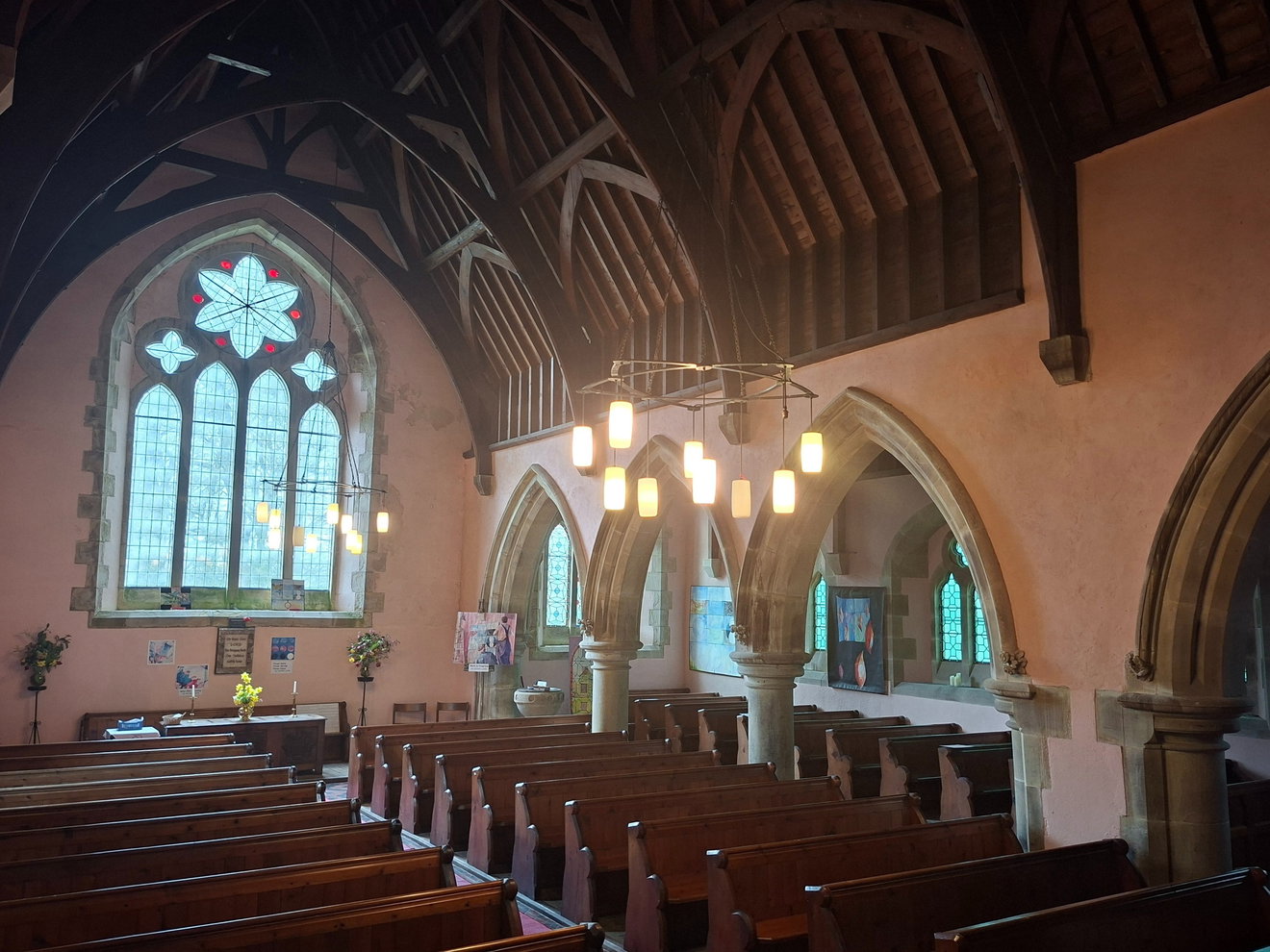
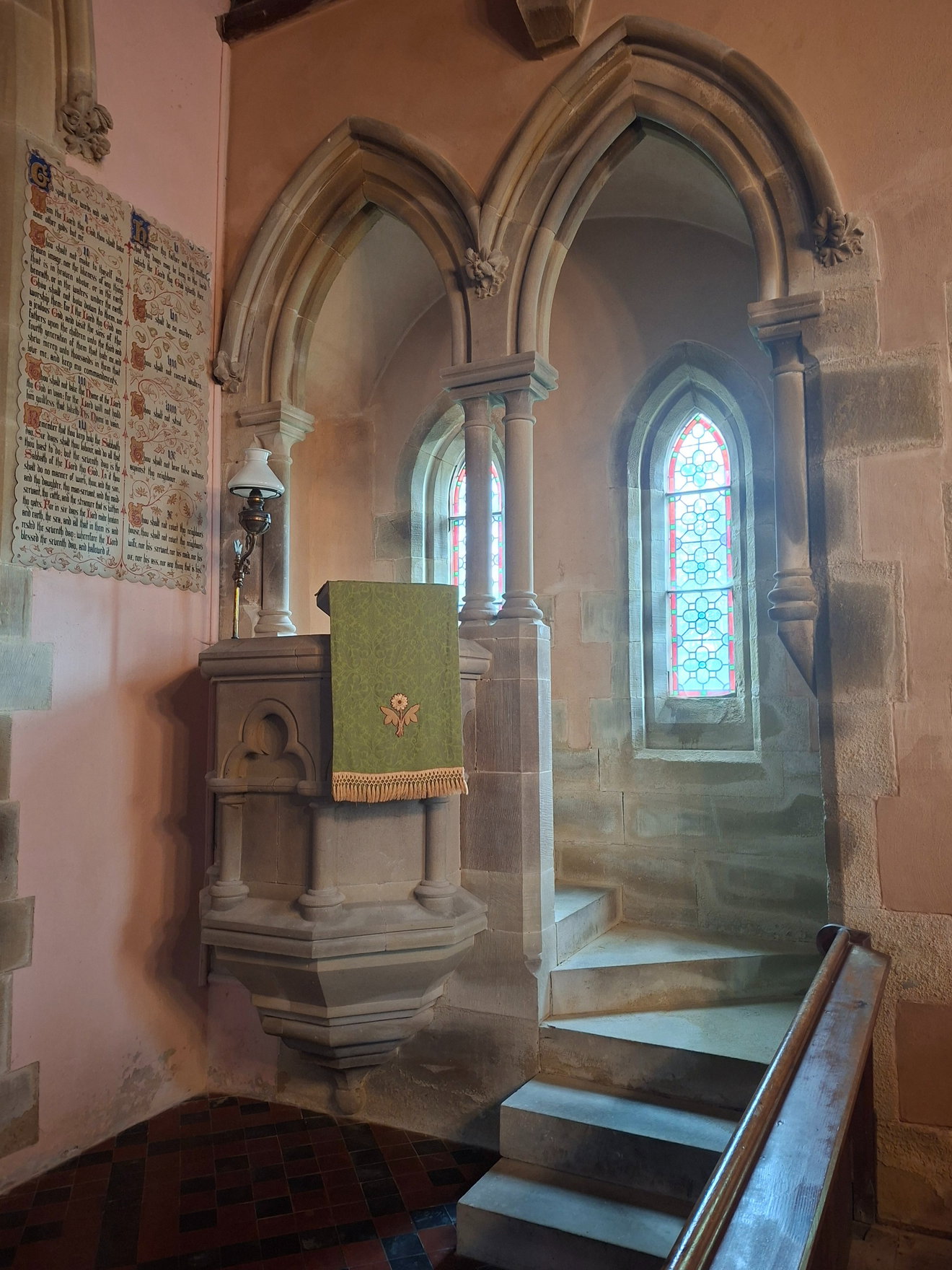
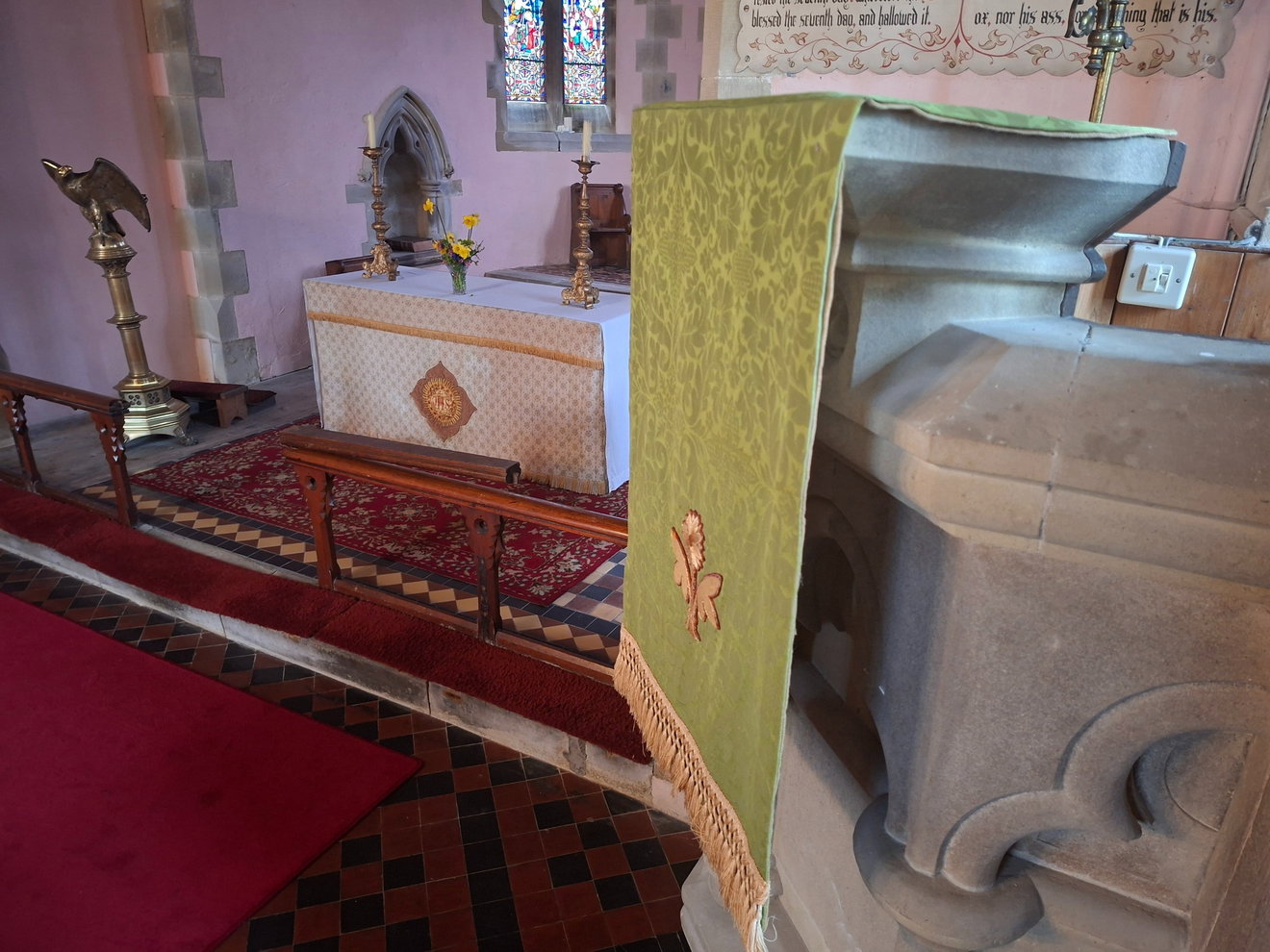
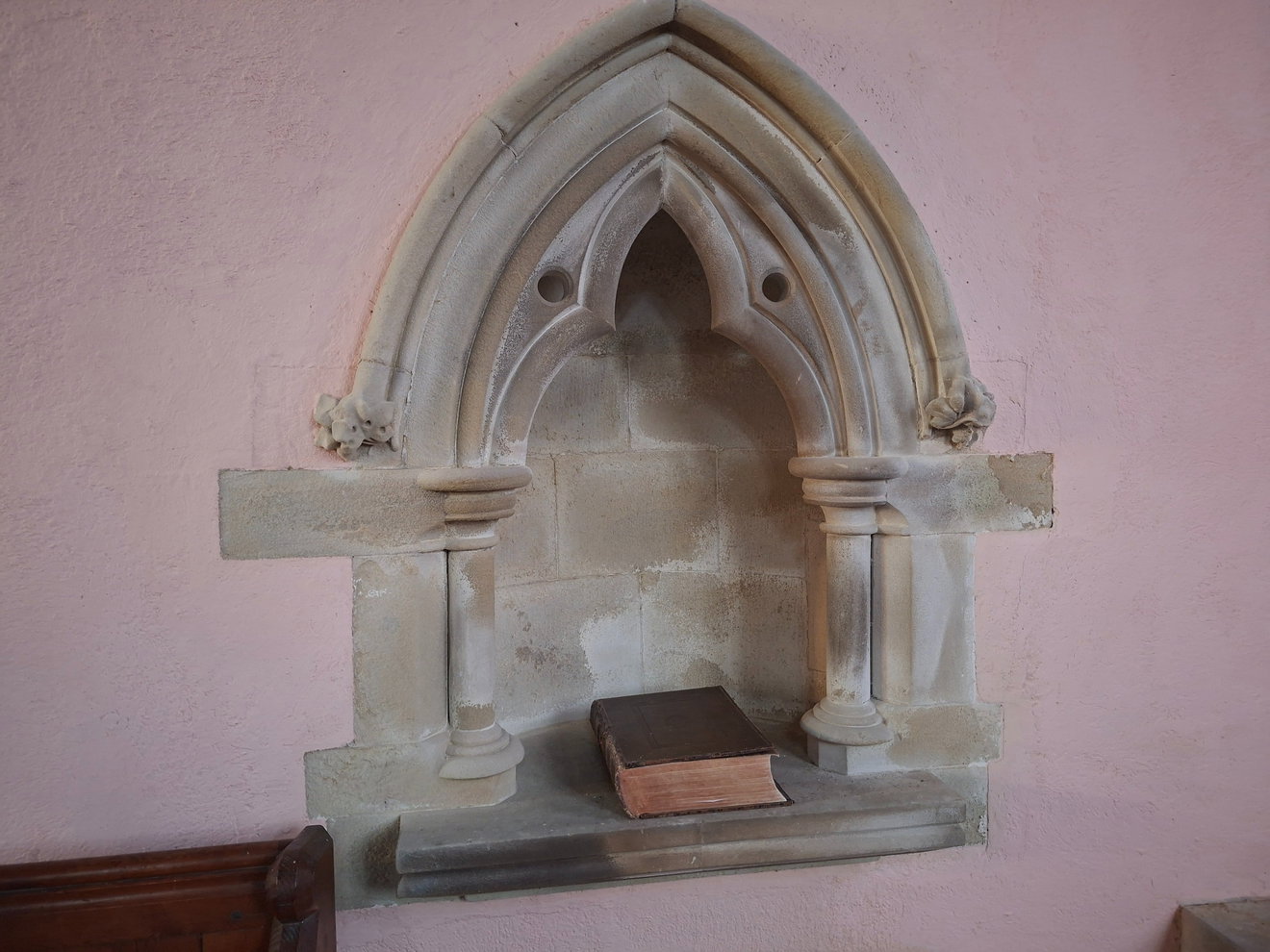
When you step inside there is lovely warm feel to the church, partially down to the dusky pink walls and wooden beams, making it feel very inviting. I was immediately drawn to the pulpit which is a style I have never seen before and totally unique. It is made from solid sandstone carved directly into the wall and resembles a wine-glass shape with a narrow stem flaring out into a heavy, rounded bowl, and is known as a stemmed pulpit. The shape meant the pulpit had excellent acoustics so the speaker could be easily heard, and its elevated height meant there were excellent views over the congregation and the altar.
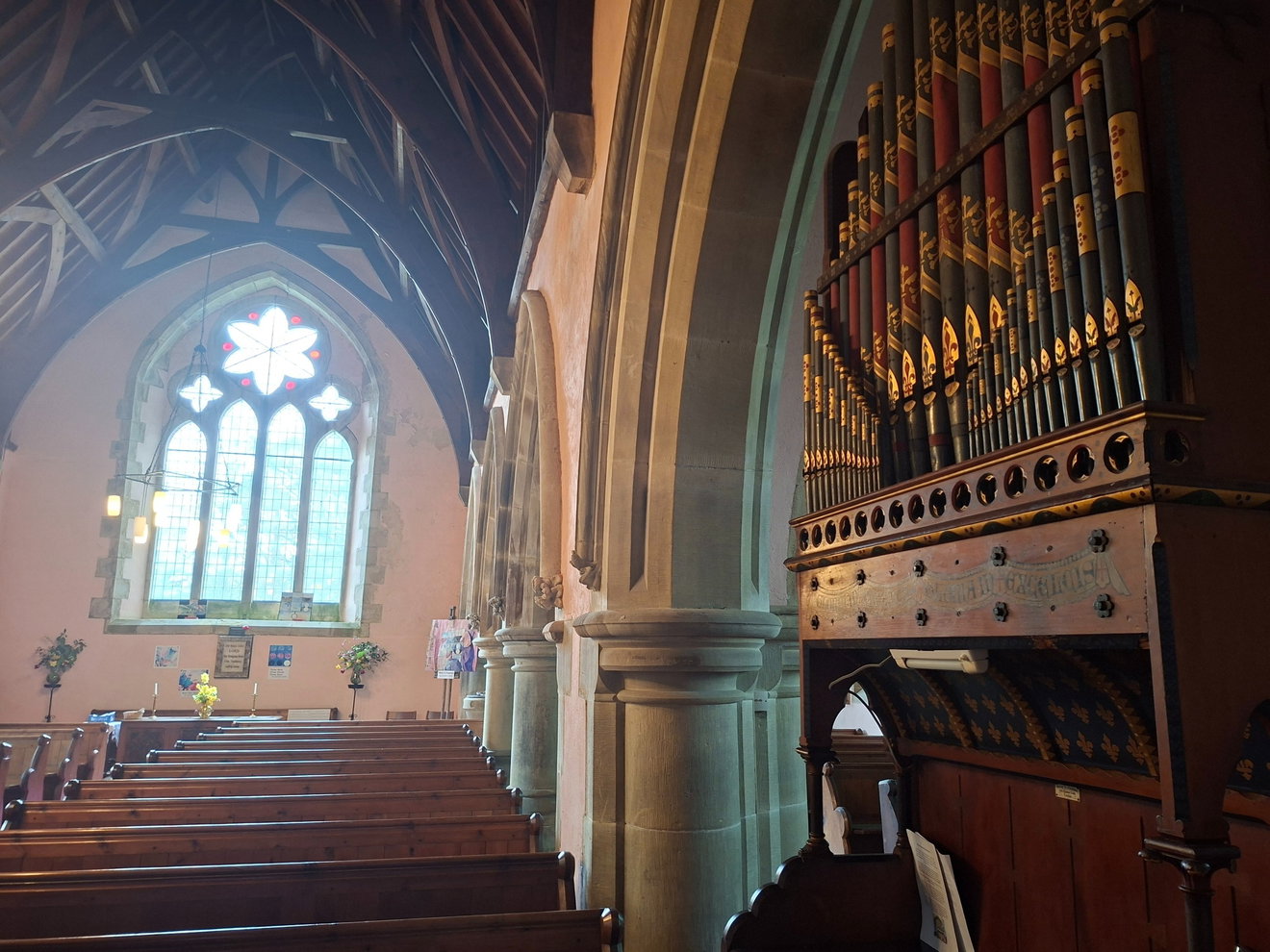
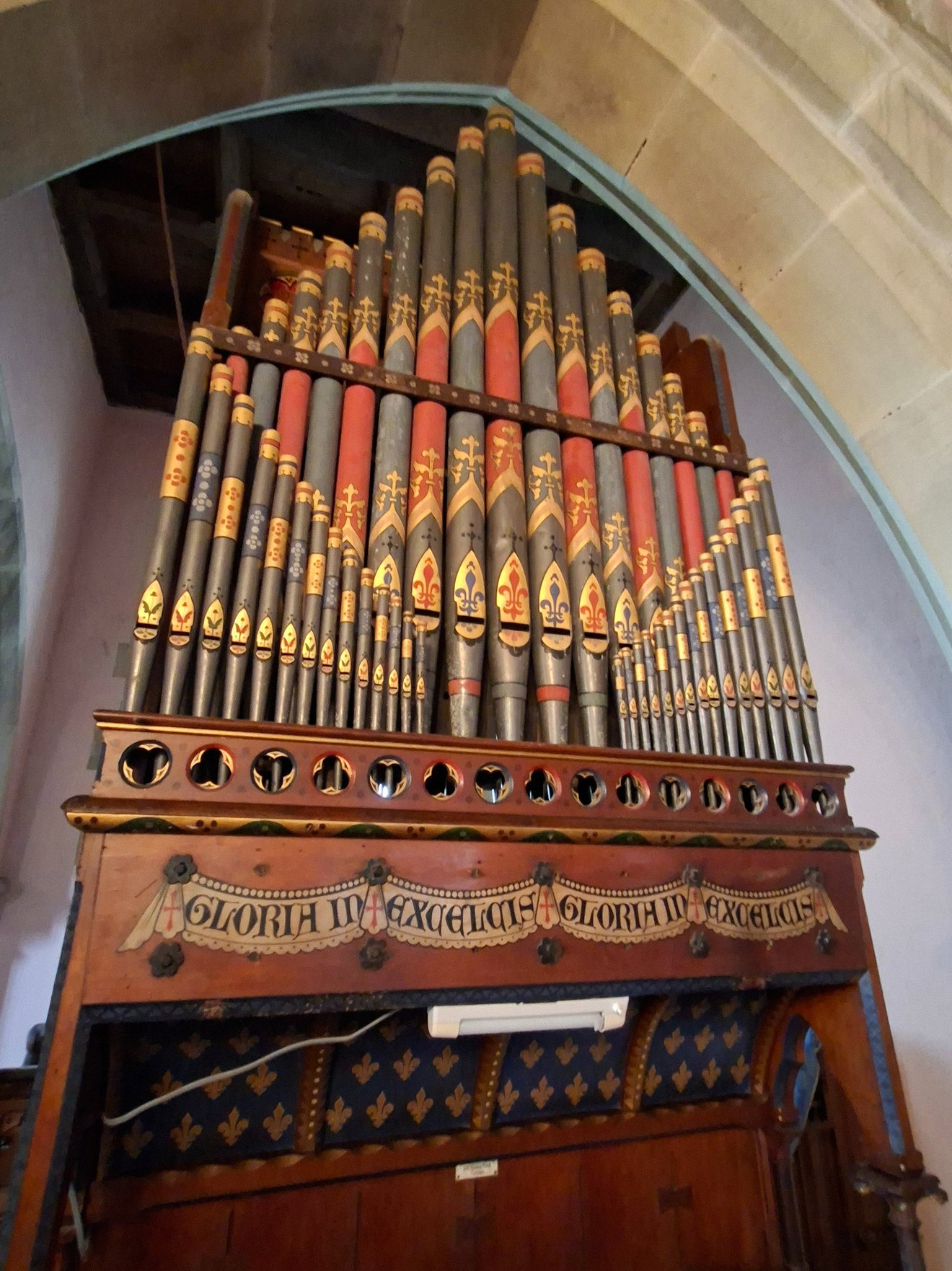
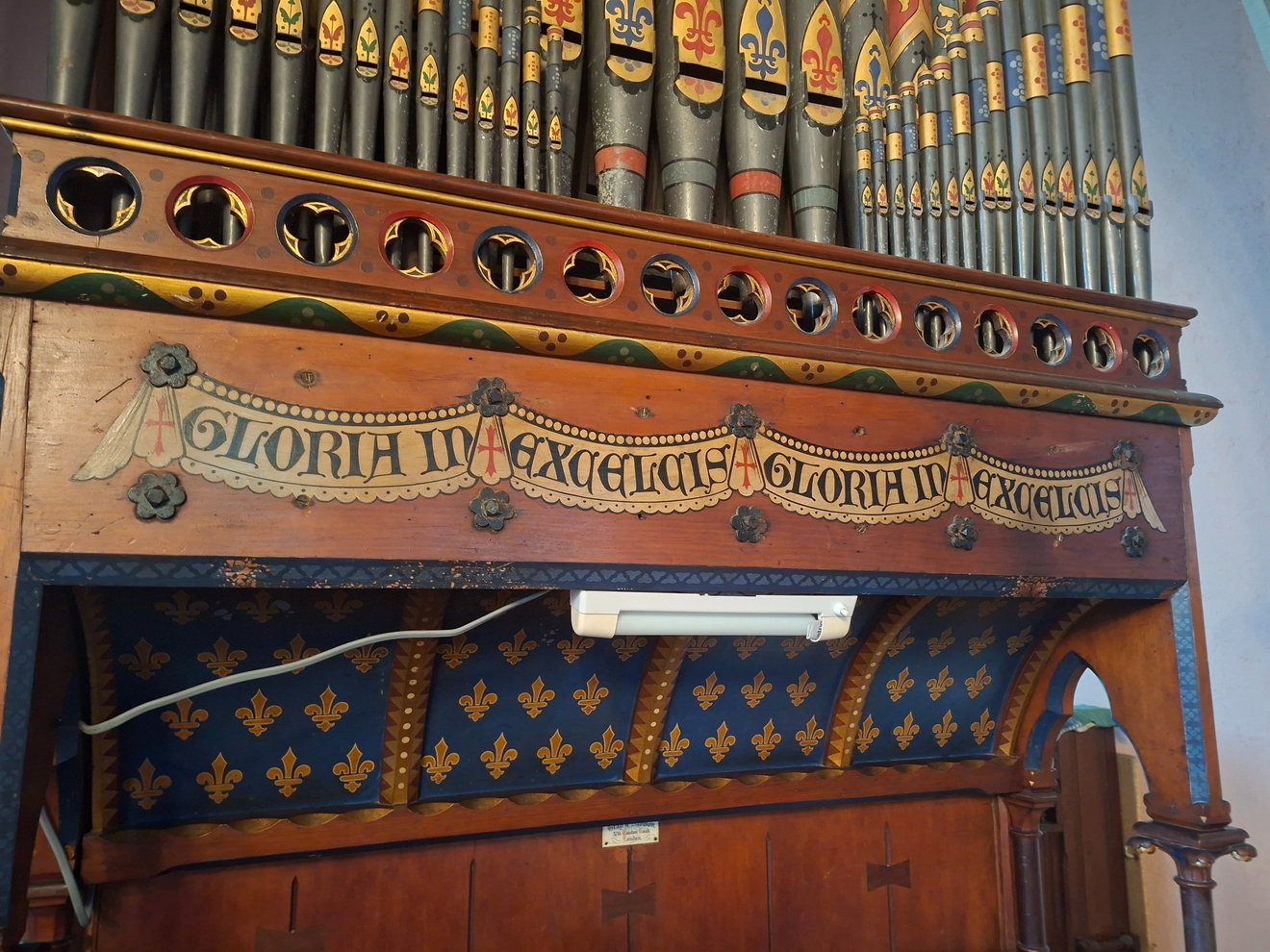
Another fabulous feature of the interior is the organ opposite the pulpit. The organ was featured in the Great Exhibition of 1851 and purchased by Daniel Capper specifically to match the grand, high-style architecture Samuel Sanders Teulon was creating for the church. The wooden casing is intricately carved and features painted and gilded decorations which matches the 'polychrome' spirit of Teulon's style. The whole church interior is a treat for the eyes and I stayed for a good while admiring the decor.
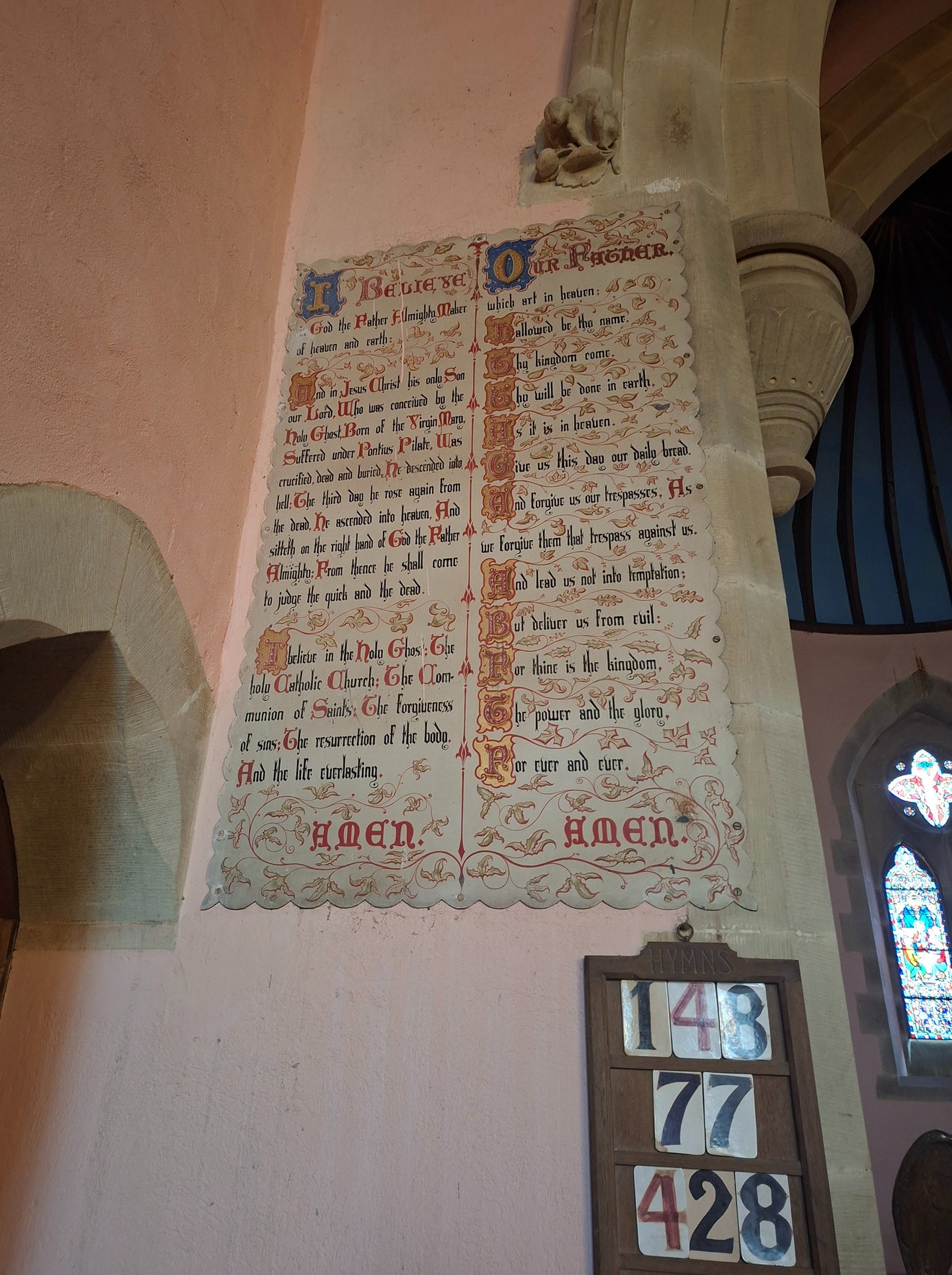
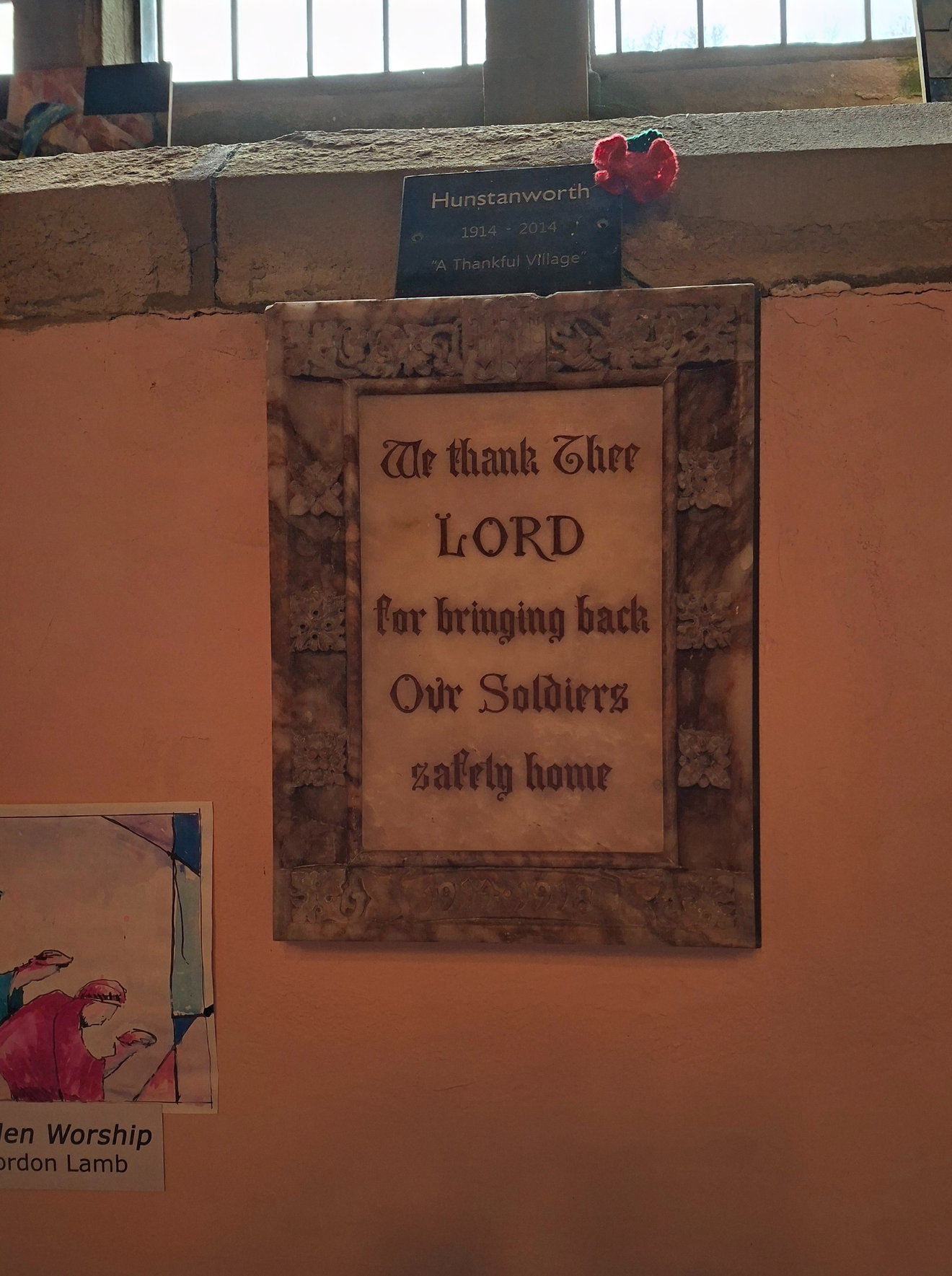
After doing a bit of research on the church, I discovered that Hunstanworth is a 'thankful village' and there is an alabaster plaque in the church which celebrates this. The plaque reads: 'we thank thee LORD for bringing back our soldiers safely home'. Hunstanworth is one of only 52 villages in the UK with this status, meaning all of the men who went to fight in WW1 returned home afterwards. In fact it is a 'doubly thankful village' in that there were no service personnel lost in WW2 either - an accolade that only 14 villages in the UK can attest to.
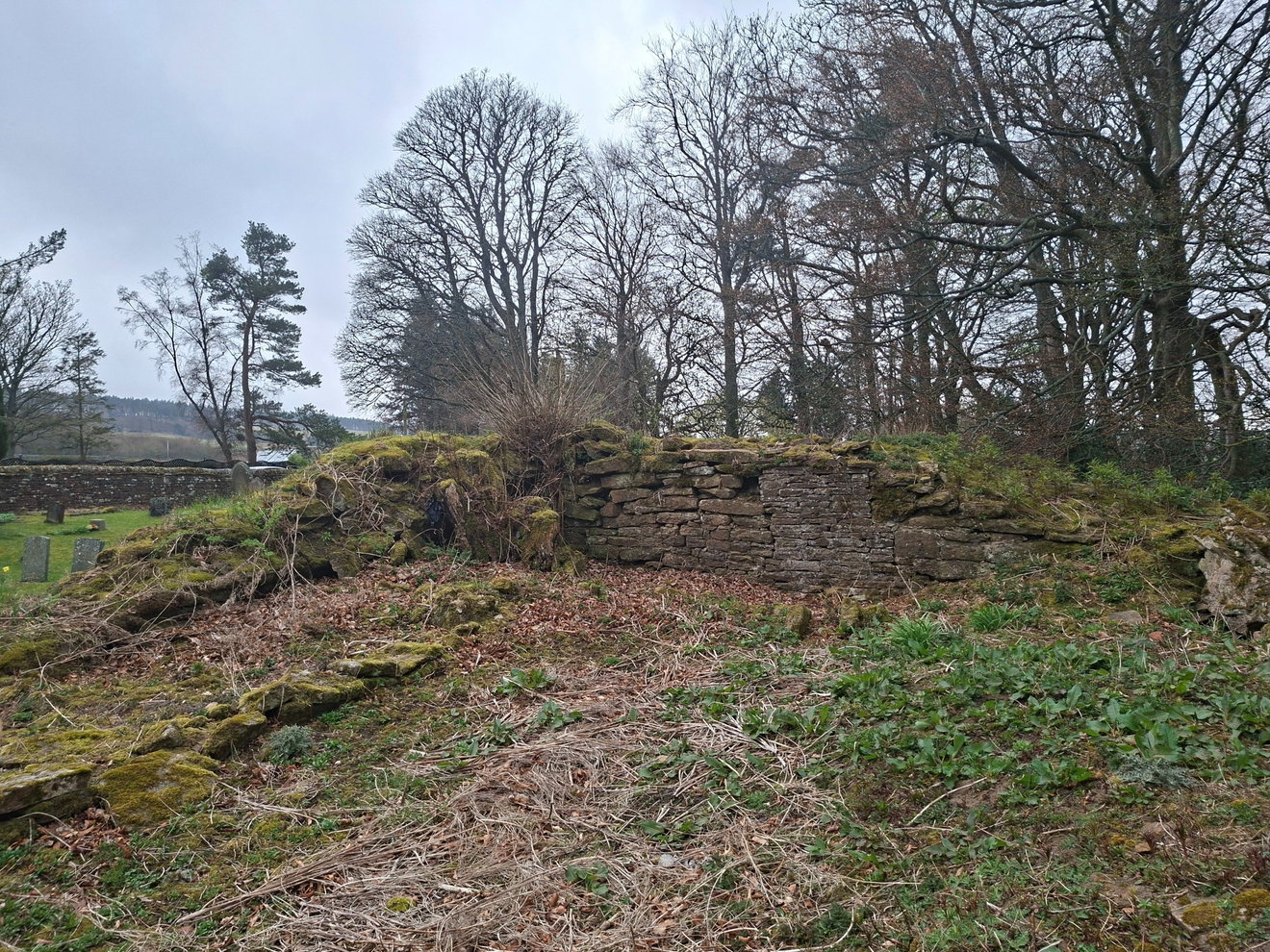
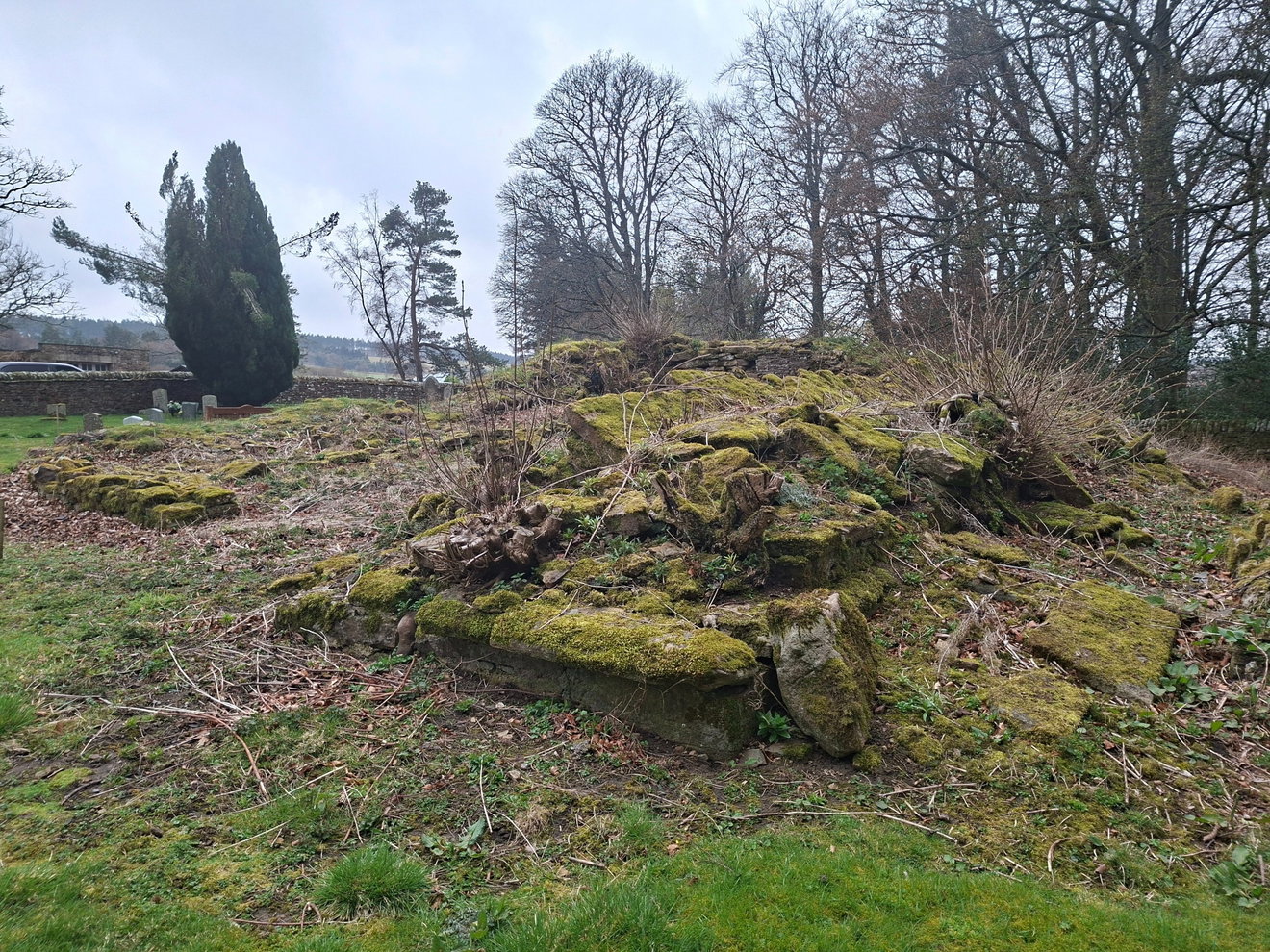
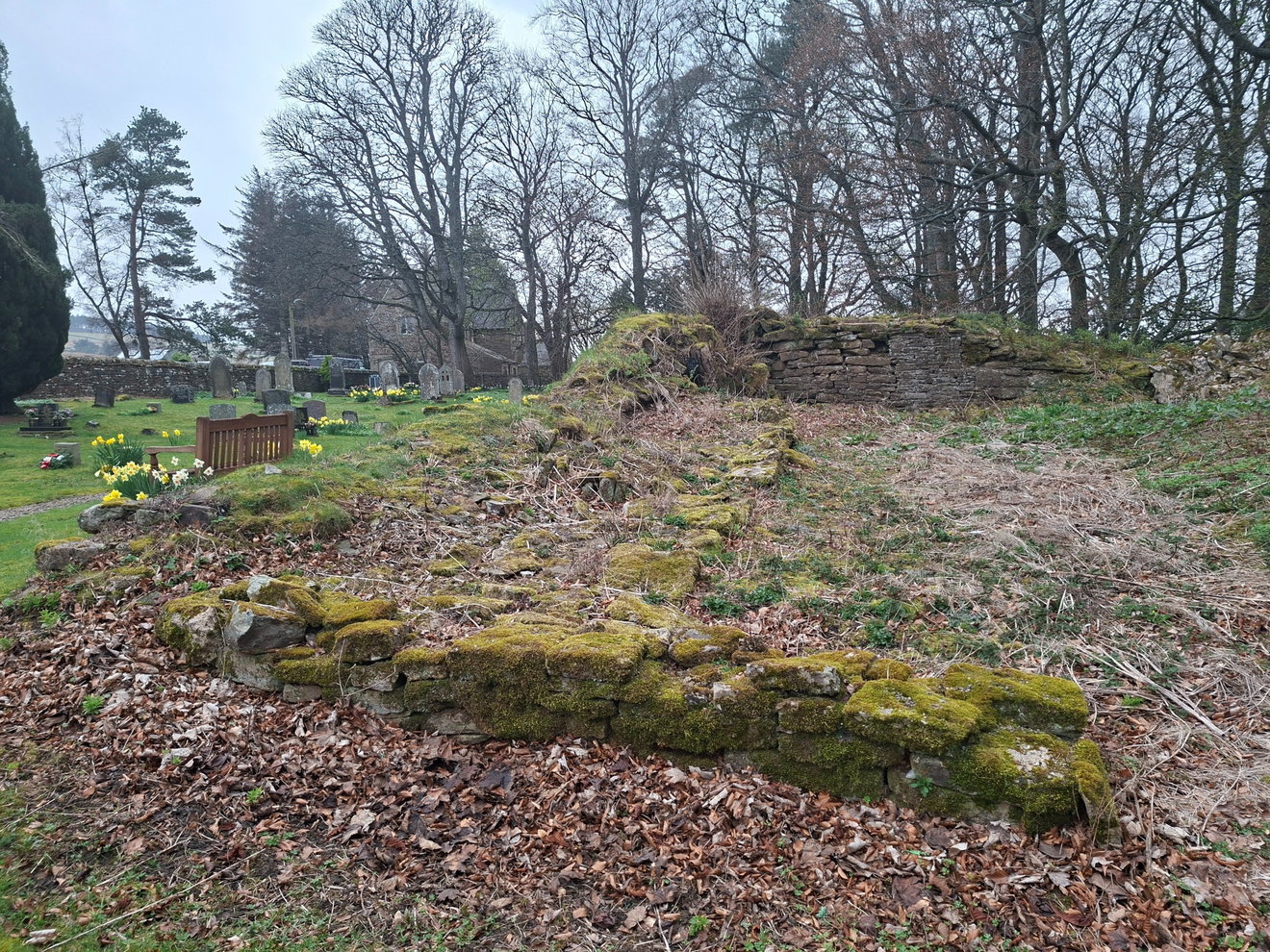
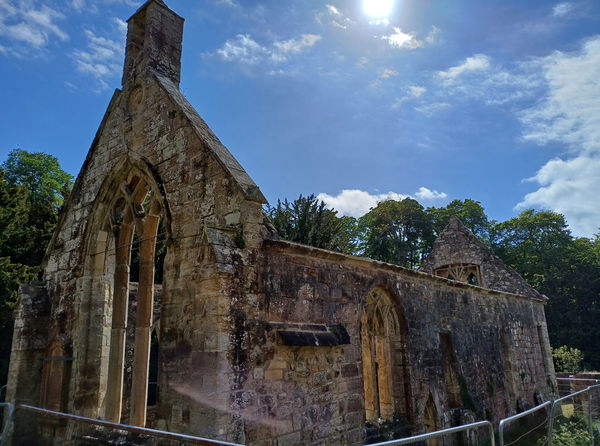
Back outside in the church grounds are the remains of a 16th century defensive pele tower, though there is not a great amount left. When it was first built, it would have been in a similar style to pele towers such as Dryhope Tower or Smailholm Tower and would have been fortified to keep out border reivers who roamed around the region. When Teulon designed the new solid, blocky church tower in 1862, he was likely inspired by the ancient stone ruins right next to it, paying homage to the history of Hunstanworth.
This is a really fab place, with so much history and well worth a quick stop if you're in the area.
Get 3 points if you have visited this place. Already visited by 11 VIPs.
Login to bag this placeHelp fuel the next adventure
Fabulous North is free, with no annoying adverts and fuelled by an unhealthy desire to poke around castles, hills, churches and suspicious-looking bits of stone.
If you enjoy what we do, you can help keep us exploring.
Champion This Place
Got a special memory of Hunstanworth Church, a story to tell or simply a soft spot for it? Champion Hunstanworth Church and we'll add your name, photo and a short message to this page, while your support helps us keep Fabulous North exploring.
How To Find Hunstanworth Church
Where Is Hunstanworth Church?
Lat / Long
54.835934, -2.080873
What three words
Where To Park For Hunstanworth Church?
Lat / Long
54.835745, -2.080685
What three words
You can park on the quiet road just outside the churchyard.
Contributed by Sandra Clemens
I love the great outdoors and have been a National Trust & English Heritage member for years. I also love going off the beaten track and finding places like Sharp's Folly or Rothley Castle which are hidden gems in Northumberland. My favourite recent hike was climbing Red Screes in the Lake District on a whim, not fully grasping how high 776m was. It was still an achievement to conquer a Wainwright walk and I hope to do more one day.
More Places from Sandra
More Places In Consett
Find more fabulous places in Consett, County Durham and if you know of a place we haven't listed, then let us know.
St Andrew's Church And Hopper Mausoleum
Religious Place Consett County DurhamAn atmospheric Anglican church and mausoleum abandoned in the 1970s.
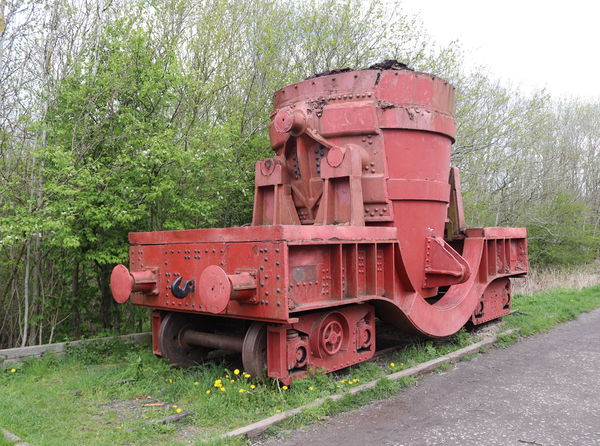
Steel Ladle Truck
Machinery Consett County DurhamA ladle train that would transfer hot metal within the Consett Steelworks.
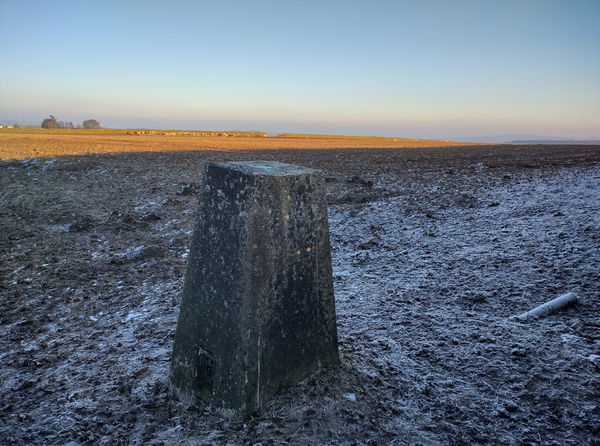
Grange Farm Trig Point
Trig Point Consett County DurhamThe Grange Farm trig point is sitting in a field in Cornsay (280m) near Consett.
More Religious Places
So this religious place wasn't enough and you want more? Don't worry we have you covered.
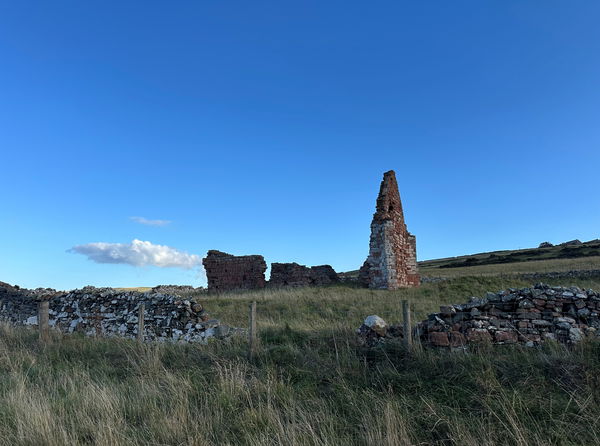
St Helen's On The Lea
Religious Place Eyemouth BordersA ruined shell of an ancient kirk, teetering on the cliffs at Old Cambus, Cockburnspath.
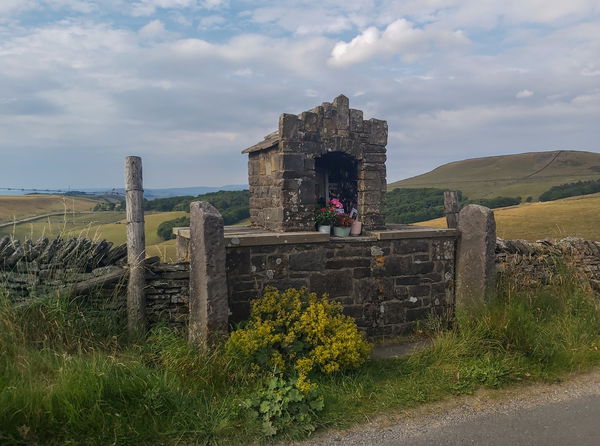
Shrine To The Blessed Virgin Mary Goyt's Lane
Religious Place Buxton DerbyshireA stone shrine built in the 1950s by Brian Foxton, dedicated to the Blessed Virgin Mary and maintained by St Anne’s Church, Buxton.
Old Temple Kirk
Religious Place Midlothian BordersRuins of a church standing at the former headquarters of the Knights Templar in Scotland.
Never Miss A Fabulous Place
If you are afraid of missing out on all the fabulous places we post, or just want to be the first to know, then sign up to the Fabulous North.
Each week we will email you all the brand new places that we visit.
Sign Up To Alerts

Find Us On Facebook
We post all our new places daily on our Facebook Groups page, so join the group today and be notified when we add a new place.
Join Our Facebook GroupHunstanworth Church was listed in Religious Place // County Durham // Consett