
Lincluden Collegiate Church
Religious Place In Dumfries And Galloway, Scotland
The ruins of a gothic style college church built by Archibald the Grim.
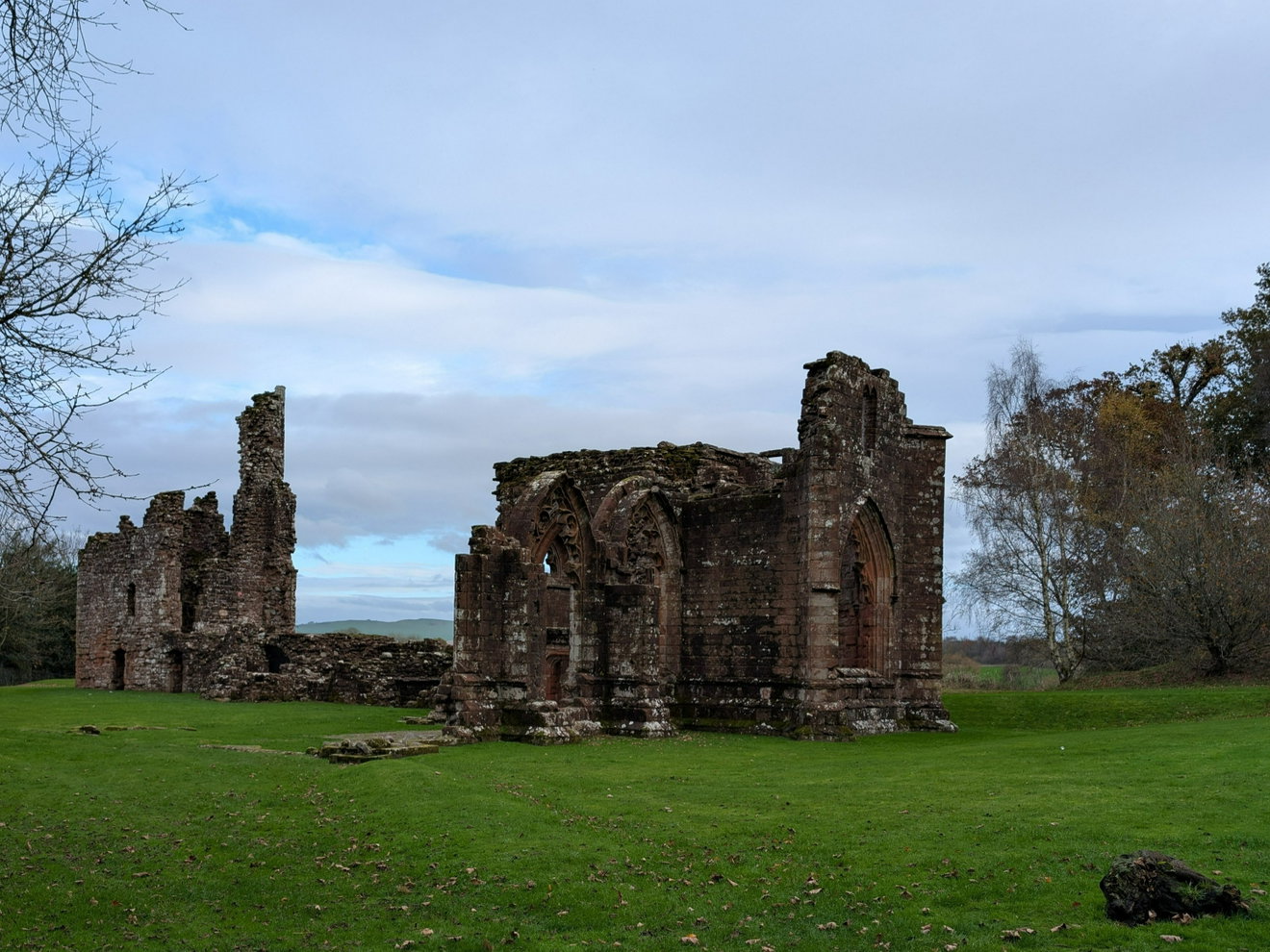
Lincluden Collegiate Church can be found in the suburbs of Dumfries, in the most unexpected place.
As we headed through a housing estate, my hubby reiterated the fact that 'I take him to all the best places'. However, at the edge of this estate is an absolute treat. Sitting on the inside of a large bend of the Cluden Water, with views of the hills to the north-east, is what the locals call Lincluden Abbey. The name is probably made up of 'Lin' meaning waterfall/pool of water and 'Cluden' from the name of the river.
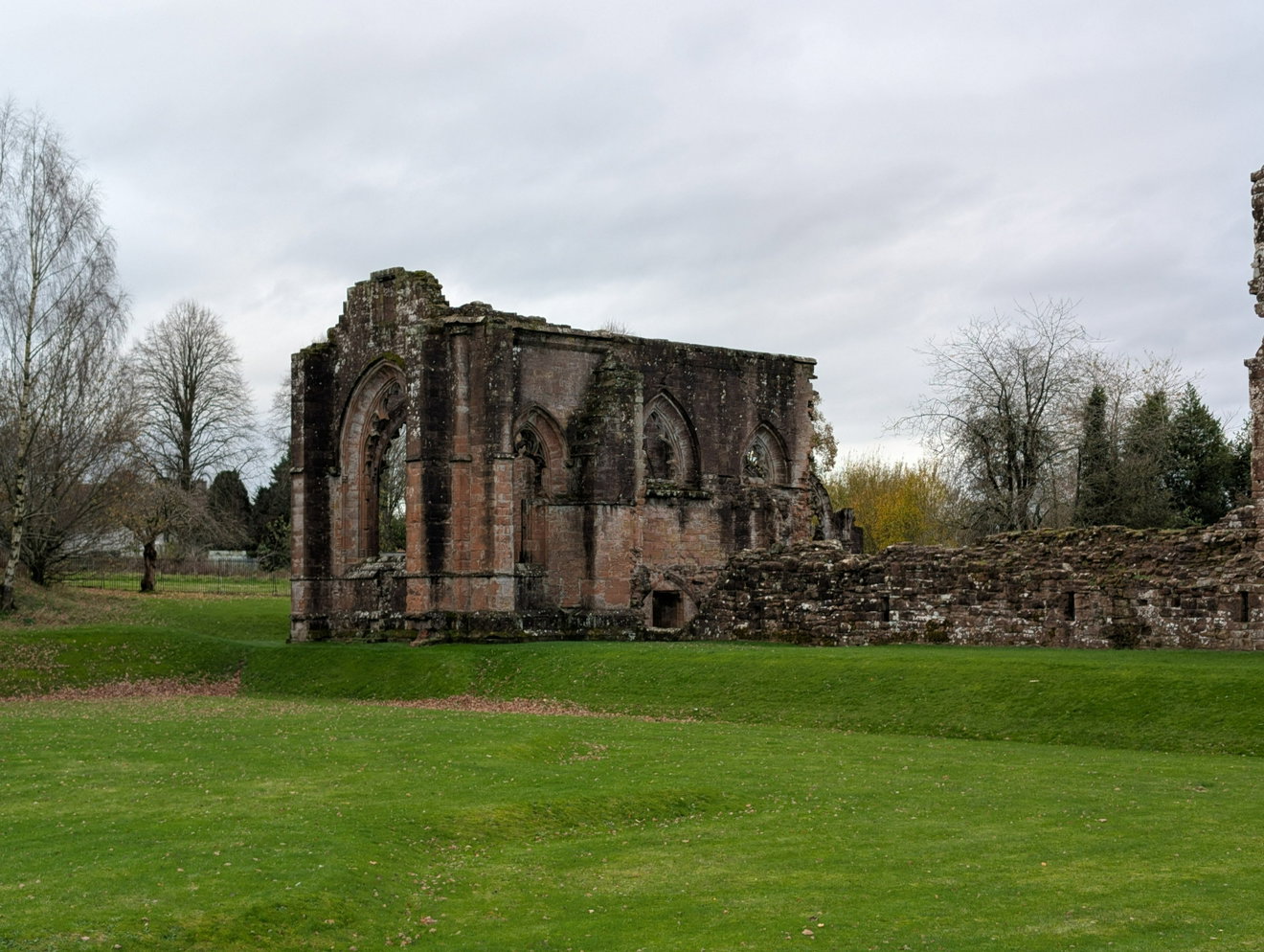
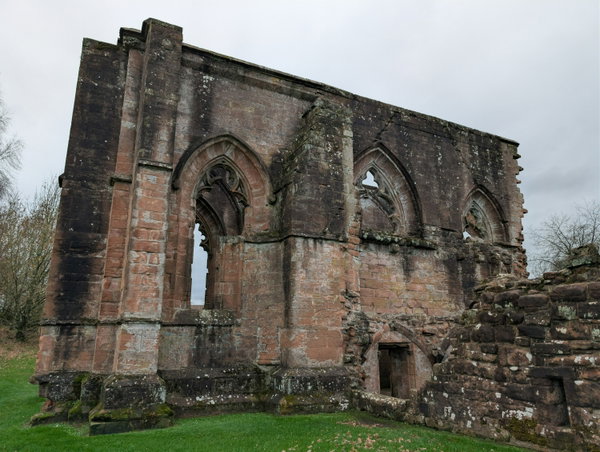
The buildings you see here today is the ruins of the collegiate church which was built around 1400. The small wooded hill next to the church served as a motte and housed a castle which was built around the same time.
First, let's go back to the start. In the 1160s, it is believed that Uchtred, the son of Fergus, Lord of Galloway, founded a Benedictine nunnery here.
Fergus had famously founded Soulseat Abbey, St Mary's Isle Priory and Dundrennan Abbey, so there was a bit of family history there. Unfortunately, Uchtred was less successful than his father, and Lincluden would be the only monastic house he would create. In 1174, he would come to a brutal end at the hands of his own brother, Gille Brigte.
In 1389, a petition was sent by Archibald the Grim, the then Lord of Galloway, to the pope requesting that the nunnery be replaced by a college, giving 'moral and physical decay' as the justification. He said that the buildings had fallen into disrepair, and the nuns had spent the convent's money on fine dresses for their incest-born daughters.
The petition was successful, and the nuns were kicked out. They were replaced with a provost (head of college), eight priests (which later increased to twelve) and 24 bedesmen (men of prayer). The church, which is what you see today, was built by Archibald around 1400, probably by John Morrow, a renowned French-born master mason of the time.
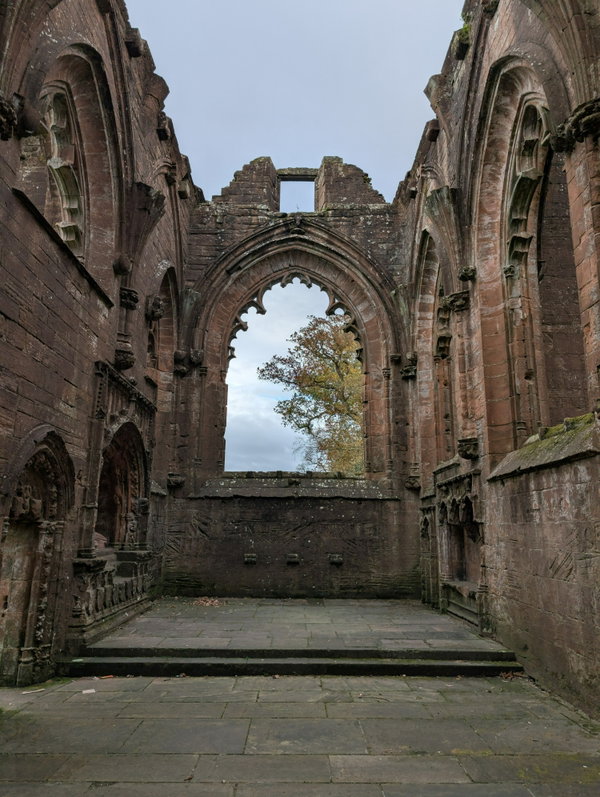
When Archibald took over the priory buildings, there was a priory church and a range of domestic buildings. He set to work, making Lincluden a far grander establishment.
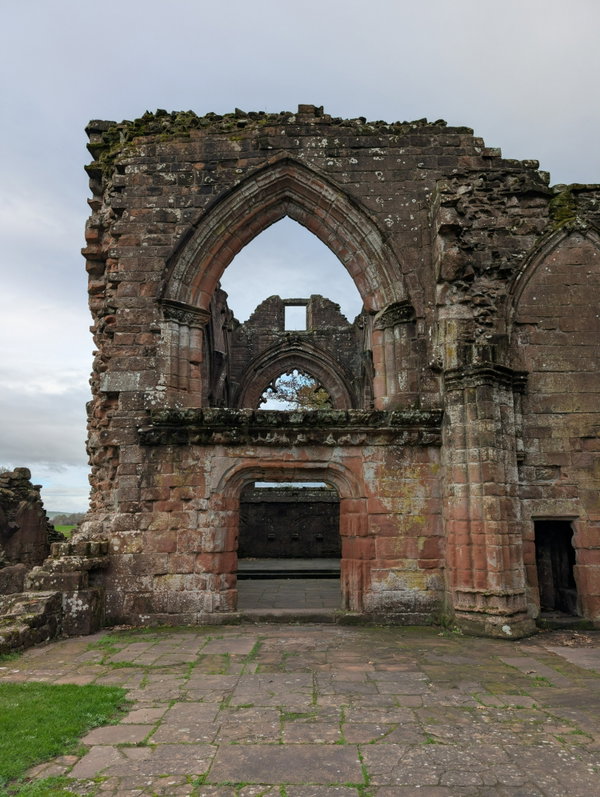
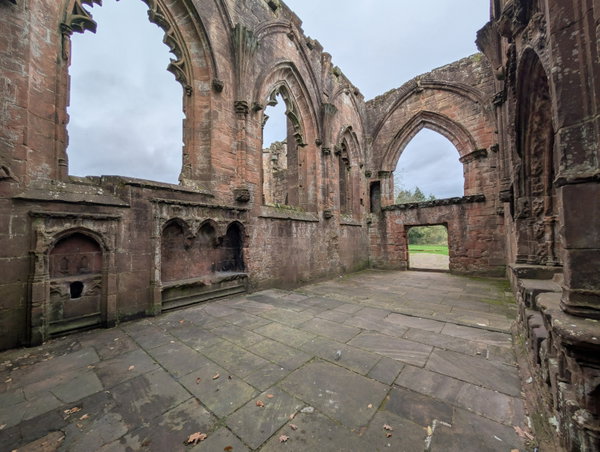
Although the church is ruinous, its choir still displays some of the best features of Gothic architecture. Above is a view from the nave through the rood wall into the choir. The rood wall separates the clergy in the choir from the general public in the nave. The other photo is a view down the choir towards the east wall.
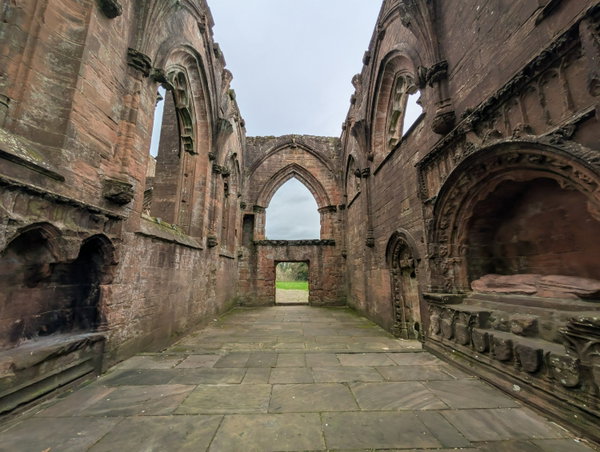
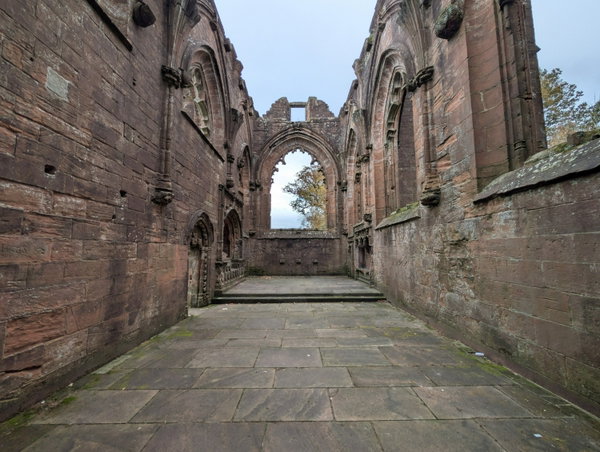
Part of the renovations included the tomb of Princess Margaret who died in 1450 and can be found in the choir. Margaret was the daughter of King Robert III, who had married the eldest son of Archibald the Grim.
Sadly, in 1999 the effigy was vandalised using engine oil. As a result it was removed for preservation purposes, and was replaced with a fibreglass replica.
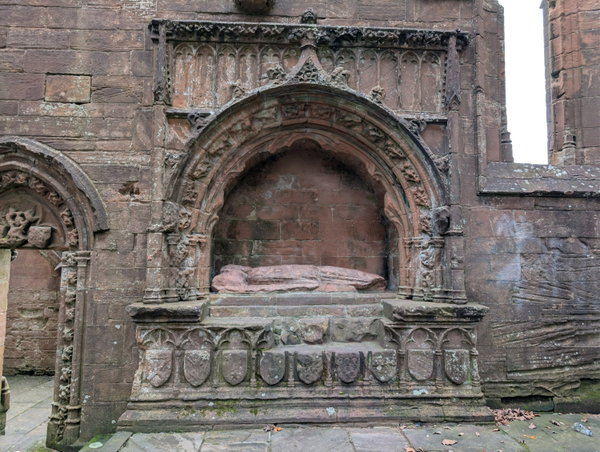
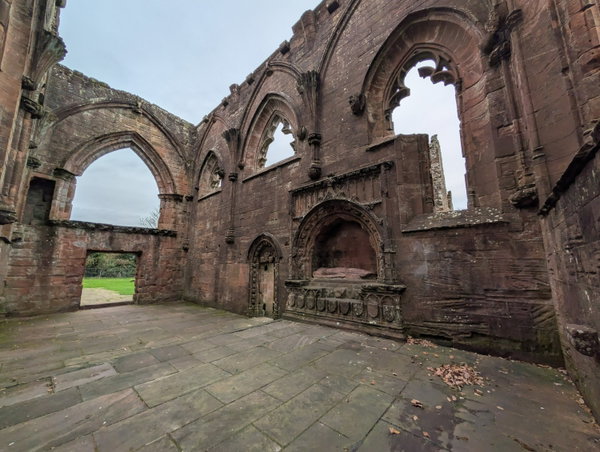
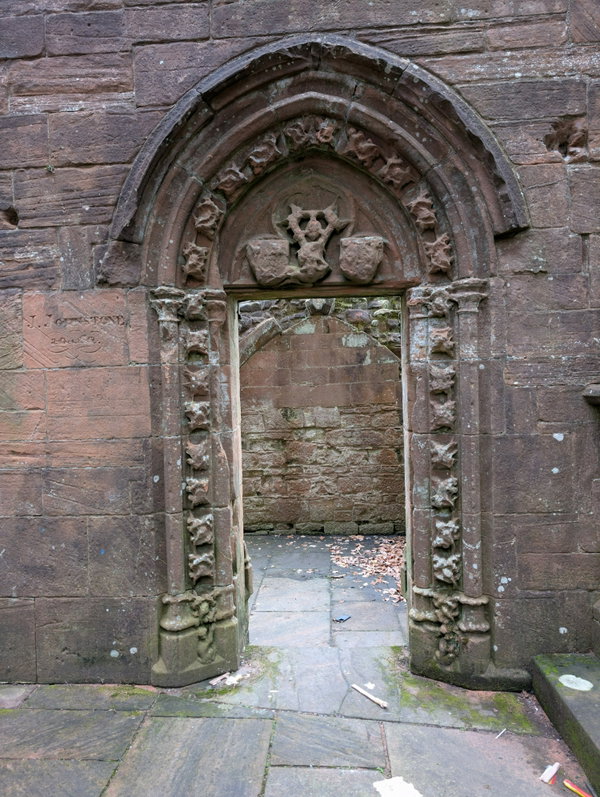
Next to the tomb in the north wall of the choir is a beautifully ornate doorway, showing the expert craftsmanship of the mason.
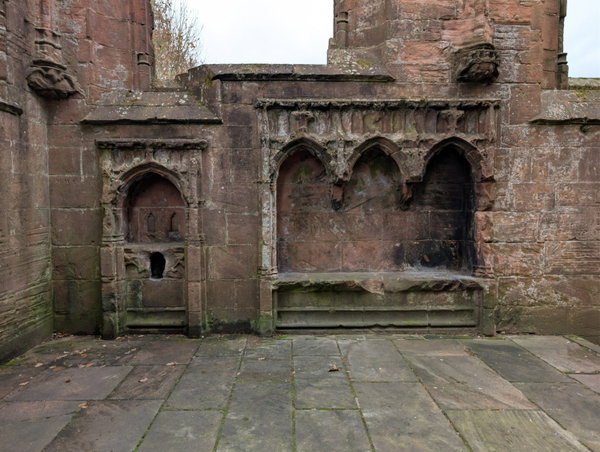
As well as the tomb of Princess Margaret, there is a sedilia (stone seats for the priests) and a piscine (stone basin for washing communion vessels) on the opposite wall of the choir.
There are remains of a spiral staircase in the south-west corner of the choir.
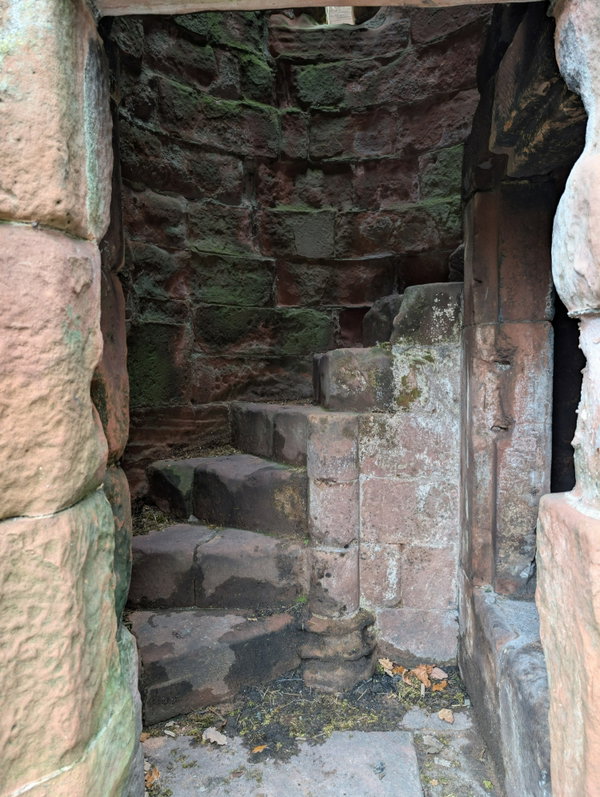
Lincluden was spared from damage in the early 1400s, when Archibald, while imprisoned by Henry IV, struck up an unlikely friendship. As a result Henry wrote a letter on 20 April 1408 forbidding any harm or damage to the College of Lincluden for three years.
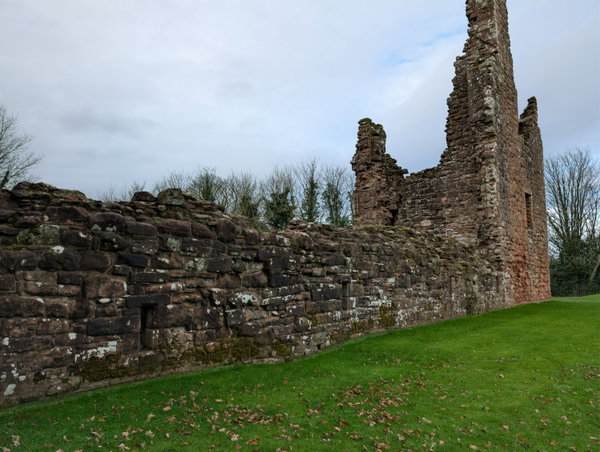
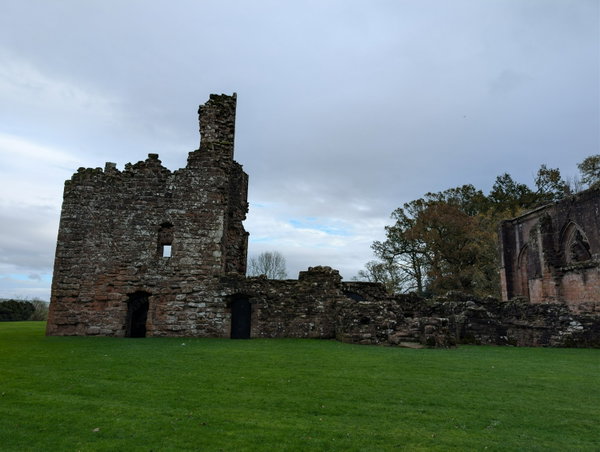
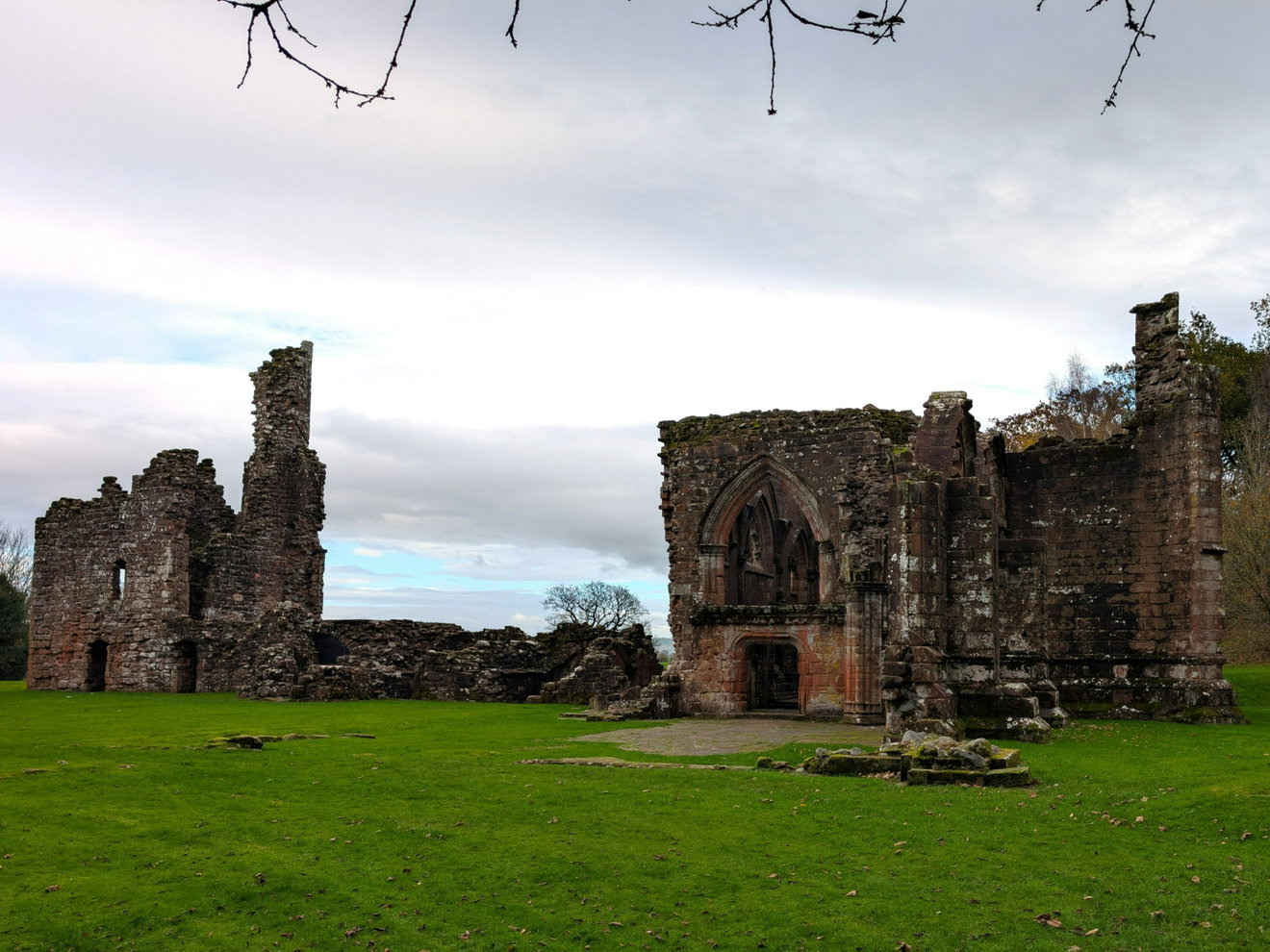
The four-storey tower house at the end of the domestic northern range is believed to have been the work of the Provost, William Stewart somewhere between 1529 and 1536.
Although the church survived the Protestant Reformation of 1560, it held its last mass in 1585 and its final provost, Robert Douglas, left around 1590.
At this point the Maxwells of Terregles took over ownership of the building, and the tower house continued to be used until abandoned in the late 1600s.
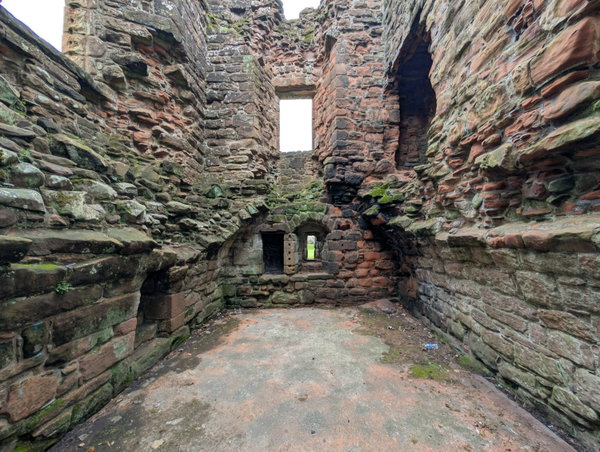
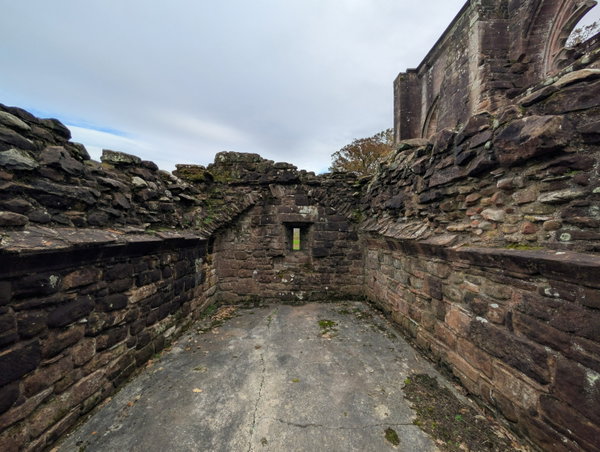
There are remains of the tower house and domestic buildings with their vaulted cellars. The southern part of the block, immediately next to the choir, would have been a three-storey Provost's Lodgings.
During an excavation, a 15th-century frieze and medieval pottery were found, and you can now see them in the Dumfries Museum.
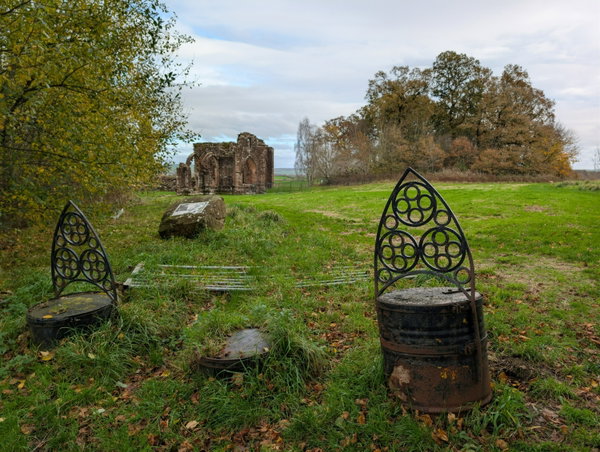
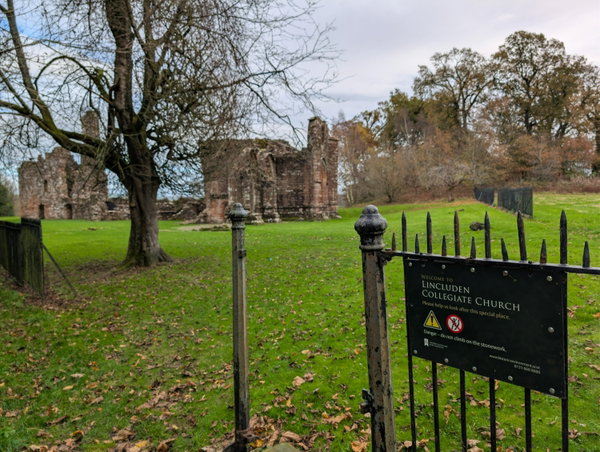
Lincluden also had some famous visitors. Robert Burns was inspired by Lincluden in his 1794 'The Minstrel of Lincluden', some of which read:
As I stood by yon roofless tower,
Where the wa'flow'r scents the dewy air,
Where the howlet mourns in her ivy bower,
And tells the midnight moon her care.
He also wrote, 'Ca' the Yowes to the Knowes' about Lincluden.
In 1873, Robert Louis Stevenson is also known to have visited Lincluden with his father, while on a walking tour of the region.
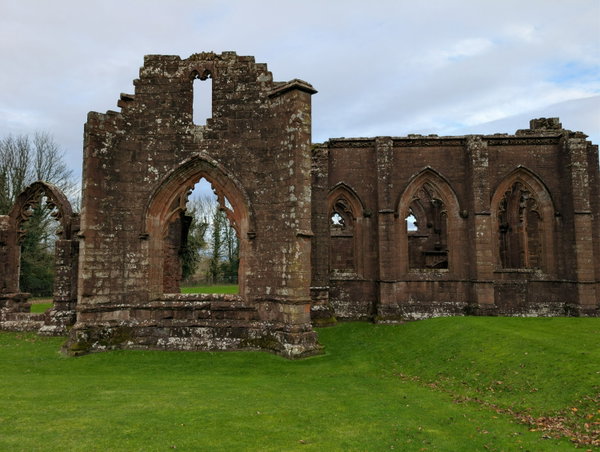
In 1882, the owner Captain Maxwell of Terregles cleaned up the ruins, had it fenced off, and employed an on-site caretaker. However, by 1922 the ruins were in state care.
Lincluden Collegiate Church is now a Scheduled Monument with Historic Environment Scotland.
There is a parking space next to the church gate. Alternatively, there is roadside parking nearby. As you are in the area, why not take the short drive up to the Twelve Apostles Stone Circle.
Get 3 points if you have visited this place. Already visited by 5 VIPs.
Login to bag this placeHelp fuel the next adventure
Fabulous North is free, with no annoying adverts and fuelled by an unhealthy desire to poke around castles, hills, churches and suspicious-looking bits of stone.
If you enjoy what we do, you can help keep us exploring.
Champion This Place
Got a special memory of Lincluden Collegiate Church, a story to tell or simply a soft spot for it? Champion Lincluden Collegiate Church and we'll add your name, photo and a short message to this page, while your support helps us keep Fabulous North exploring.
How To Find Lincluden Collegiate Church
Where Is Lincluden Collegiate Church?
Show Place On Google MapsLat / Long
55.08503927897437, -3.620739302336463
What three words
Where To Park For Lincluden Collegiate Church?
There is parking next to the ruins for one car, alternatively there is a car park at the Abbey Inn.
Contributed by Lorraine London
I have been a keen hill walker for many years and more recently enjoy trig bagging. When I'm not exploring Northumberland, County Durham and Yorkshire, I spend most of my holidays in bonny Scotland. Other than hills, I love investigating ruinous buildings and waterfalls. I have been a member of NT and EH for years, which also gives me access to Historic Environment Scotland places.
More Places from Lorraine
More Places In Dumfries And Galloway
Find more fabulous places in Dumfries And Galloway, Scotland and if you know of a place we haven't listed, then let us know.
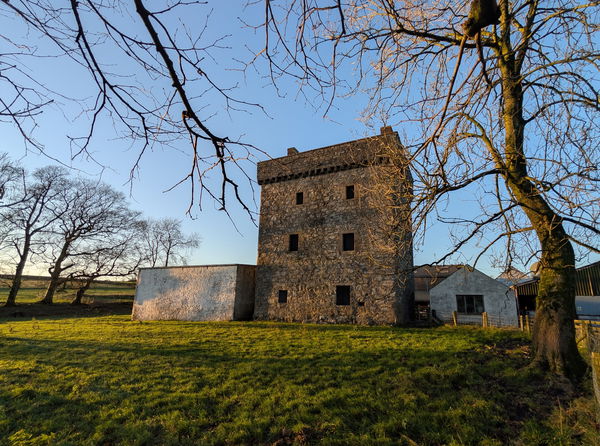
Drumcoltran Tower
Tower Dumfries And Galloway ScotlandA beautifully restored 16th century tower house, which sits on the edge of a farmyard.
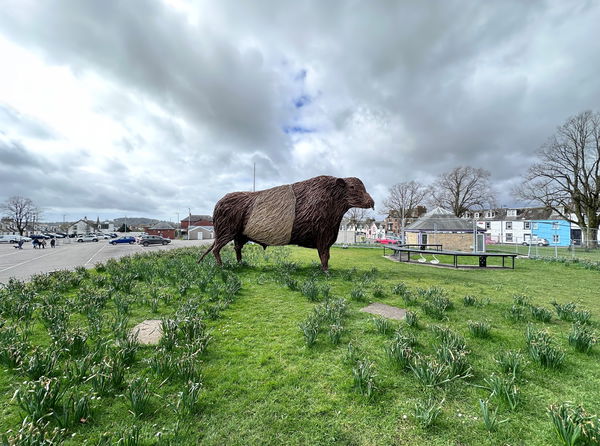
Kelton The Belted Galloway
Art Dumfries And Galloway ScotlandKelton is a larger than life willow likeness of a Belted Galloway Bull. Also known as 'Keltie the Beltie', keeping an eye on the community in Castle Douglas, South West Scotland.
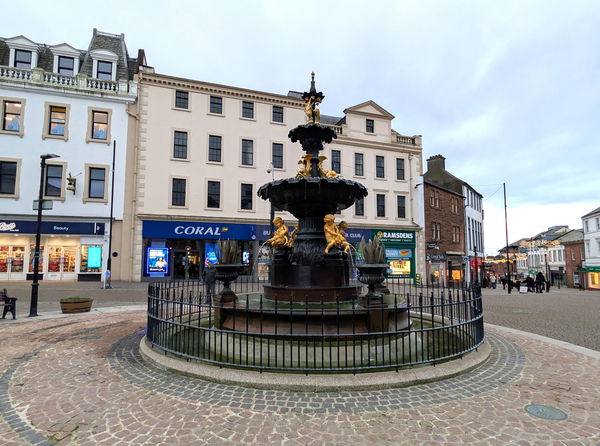
Dumfries Fountain
Fountain Dumfries And Galloway ScotlandA beautifully ornate cast iron fountain originally erected in 1882 on Dumfries High Street.
More Religious Places
So this religious place wasn't enough and you want more? Don't worry we have you covered.
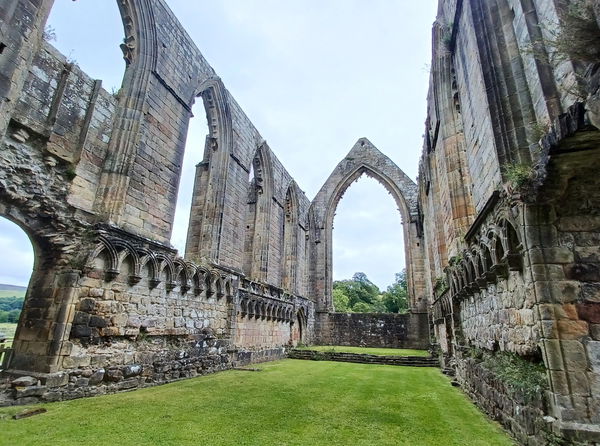
Bolton Priory
Religious Place Skipton North YorkshireRuins of a 12th century priory on the Bolton Abbey estate.
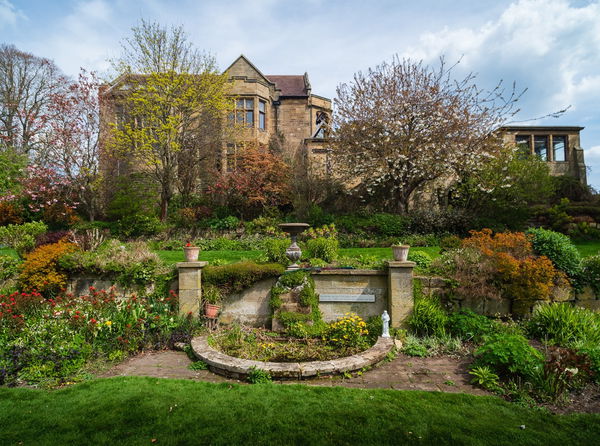
Alnmouth Friary
Religious Place Alnmouth NorthumberlandA beautiful house and gardens for the friars of The Society of St Francis in the North East.
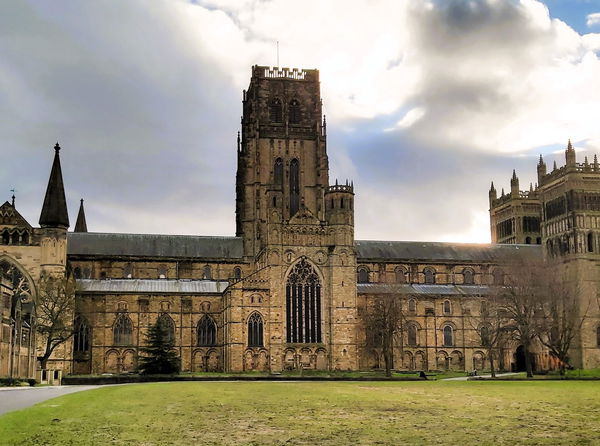
Durham Cathedral
Religious Place Durham County DurhamA stunning 900 year old cathedral built on a peninsula formed by the River Wear.
Never Miss A Fabulous Place
If you are afraid of missing out on all the fabulous places we post, or just want to be the first to know, then sign up to the Fabulous North.
Each week we will email you all the brand new places that we visit.
Sign Up To Alerts

Find Us On Facebook
We post all our new places daily on our Facebook Groups page, so join the group today and be notified when we add a new place.
Join Our Facebook GroupLincluden Collegiate Church was listed in Religious Place // Scotland // Dumfries And Galloway