
Faith Museum
Museum In Bishop Auckland, County Durham
The Faith Museum at Auckland Castle in Bishop Auckland explores 6,000 years of faith in Britain, from prehistoric carved stones to a wartime tabernacle made from an oil can.
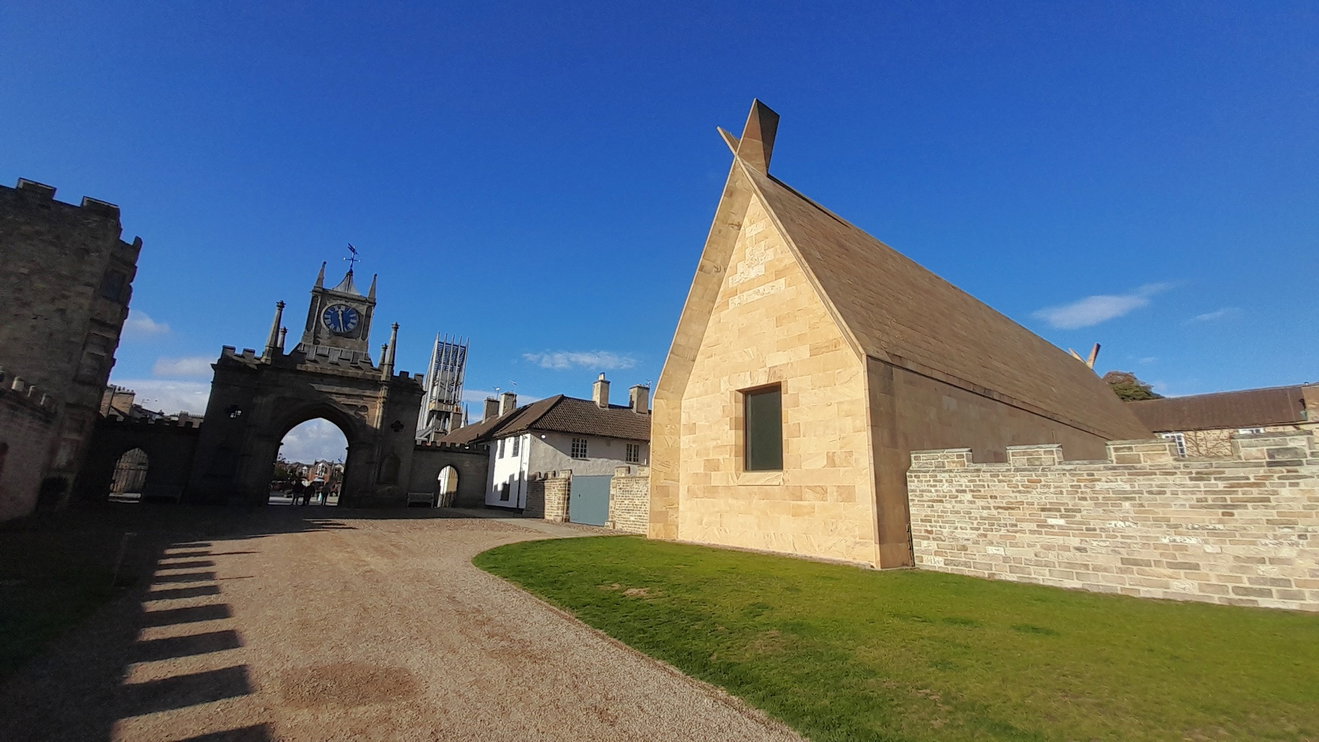
Although the Faith Museum is about beliefs based on spiritual conviction rather than proof, it does include engaging insights into history through the ages. As you walk through the Castle Gateway there is a chic sandstone building. It is part of the Faith Museum and looks churchlike to me. My husband said it reminds him of a Toblerone.
The architect Niall McLaughlin was also inspired by medieval tithe barns, (which used to give 10% of their produce to the church). The architects were also responsible for the Auckland Tower.
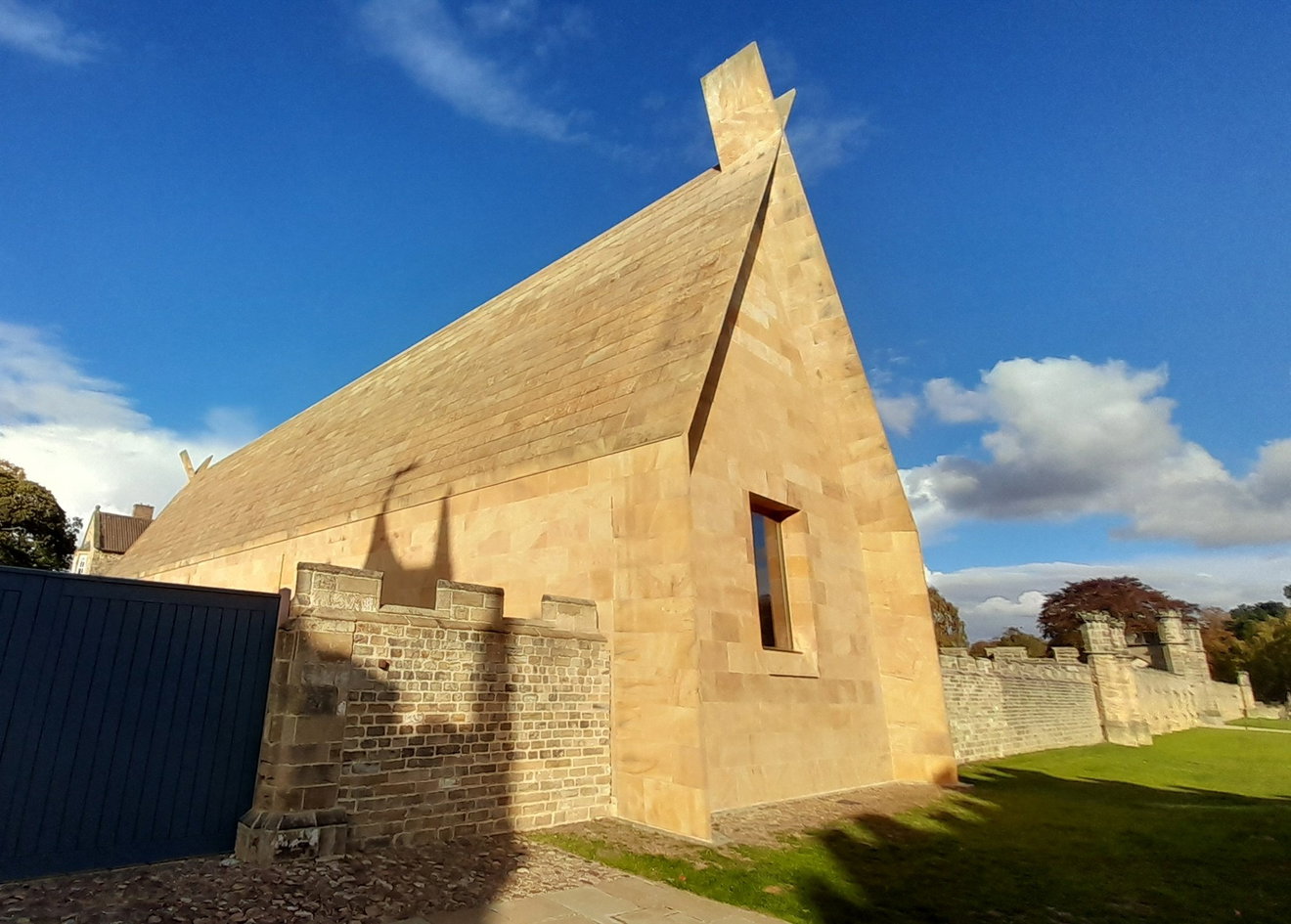
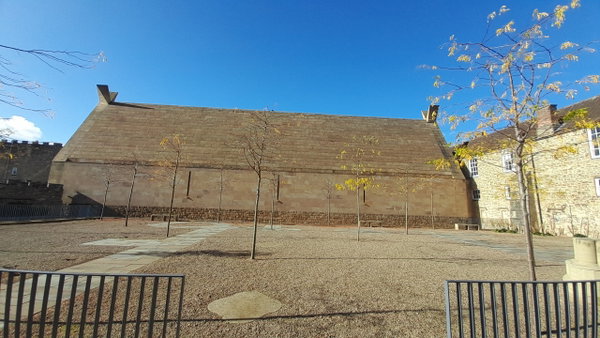
The gable finials are appealing and add a touch of distinction; they must have been a stonemason's dream or nightmare, as it must be crucial to get the angle right. The whole building is constructed from Cop Crag fine-grained sandstone from the Carboniferous age, quarried near Otterburn in Northumberland. The roof is high-pitched and layered with a rainscreen. It is noticeable that there is one window. There are a few vertical slits in the stone-clad walls when viewing from the side of Auckland Castle, all understated and unpretentious.
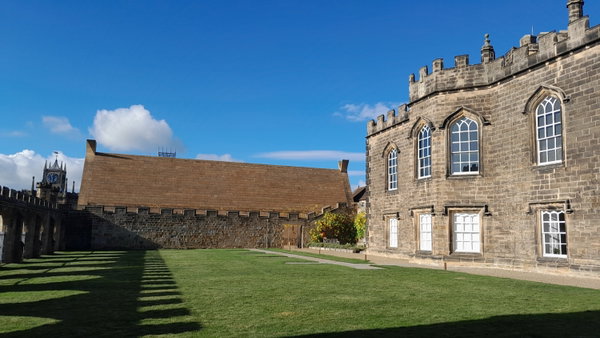
The entrance is inside the Auckland Palace and sliding doors draw you into a 6,000 year portal.
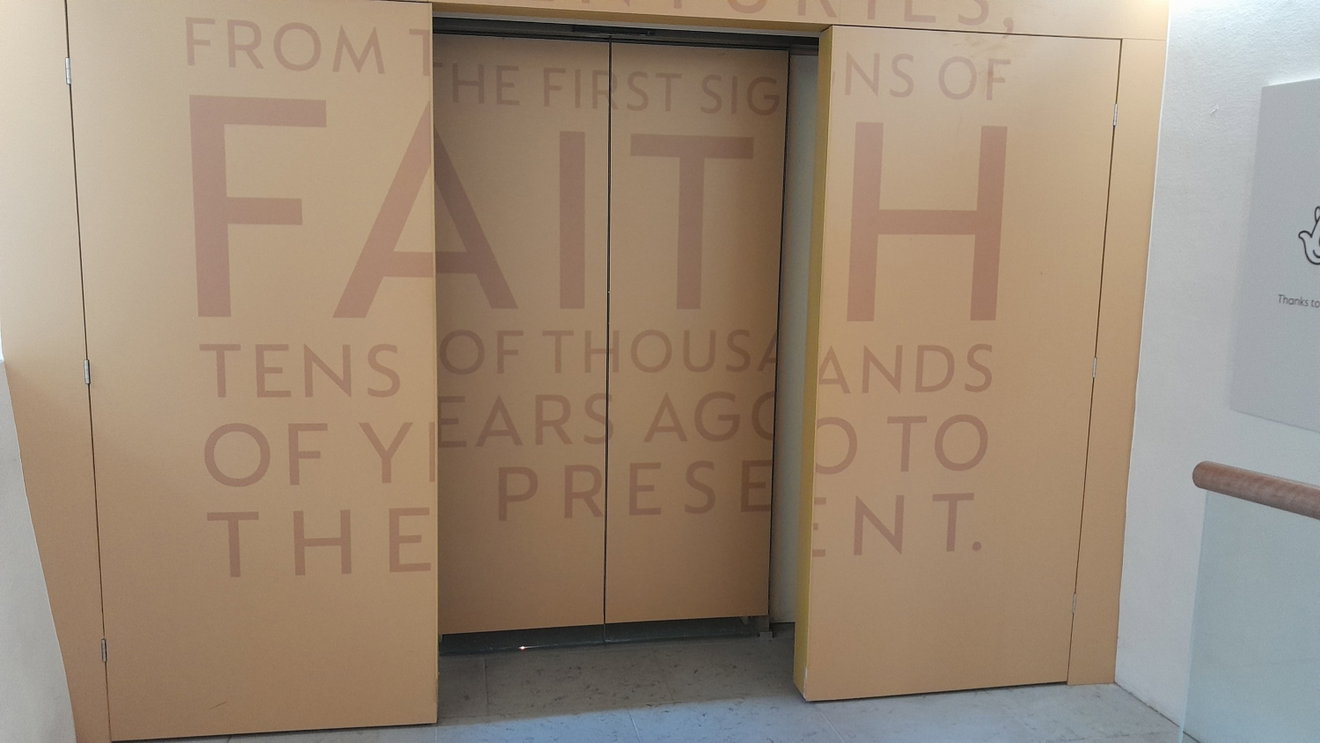
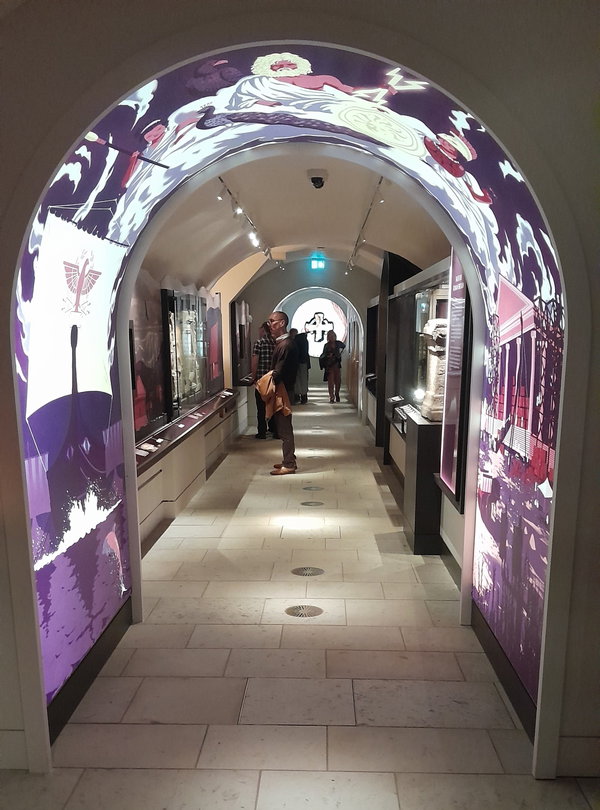
Here's just a few of the exhibits.
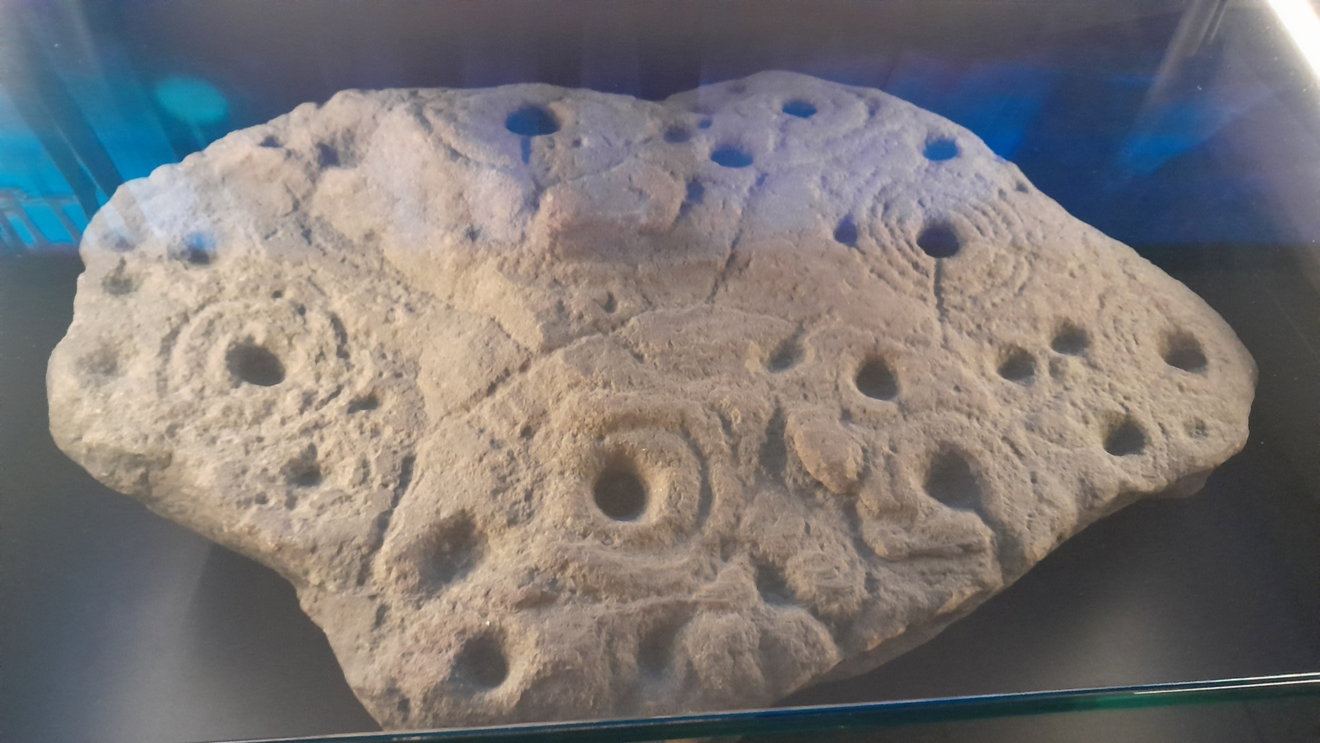
Our first encounter was a cup-and-ring stone. There is myth and legend here. They date to the Neolithic and Early Bronze Age, somewhere between 4,000 and 2,500 years ago. Some believe they map the stars, particularly as these stones are found on open high ground; therefore the glory of our celestial heaven can be gazed at. It is said they could be associated with the human spirit and nature.
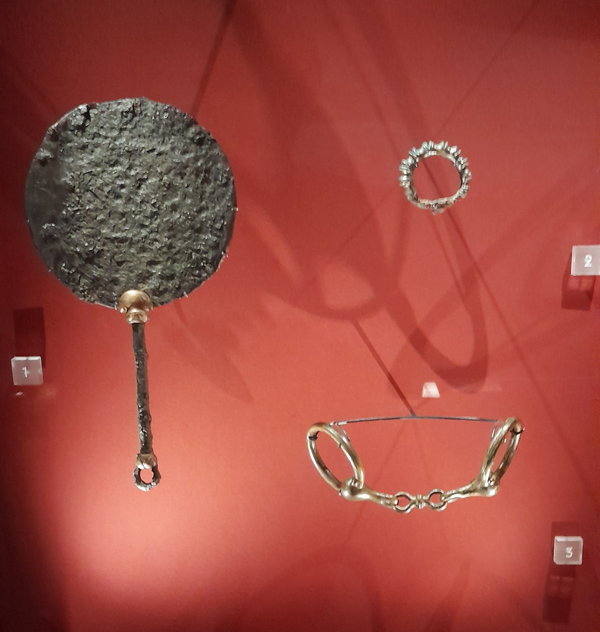
A horse's bridle would not be the first thing you think is connected to faith; it serves as a metaphor for control, restraint and divine guidance for a believer. It is mentioned in the Bible several times.
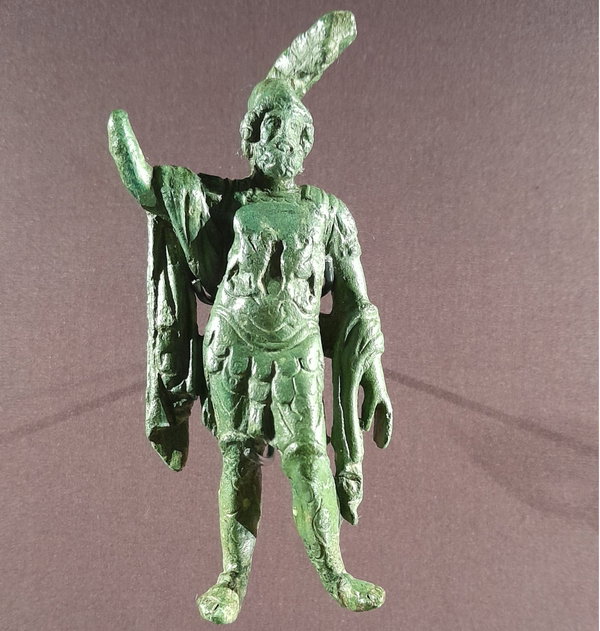
We can name a fair number of Roman gods, and this find of Mars is made of bronze. We know it is Mars, as it has characteristics of a military breastplate and a plumed helmet. Worship of such gods was reciprocal in nature; the owner believed that if they had faith in Mars, the god would ensure their family prospered.
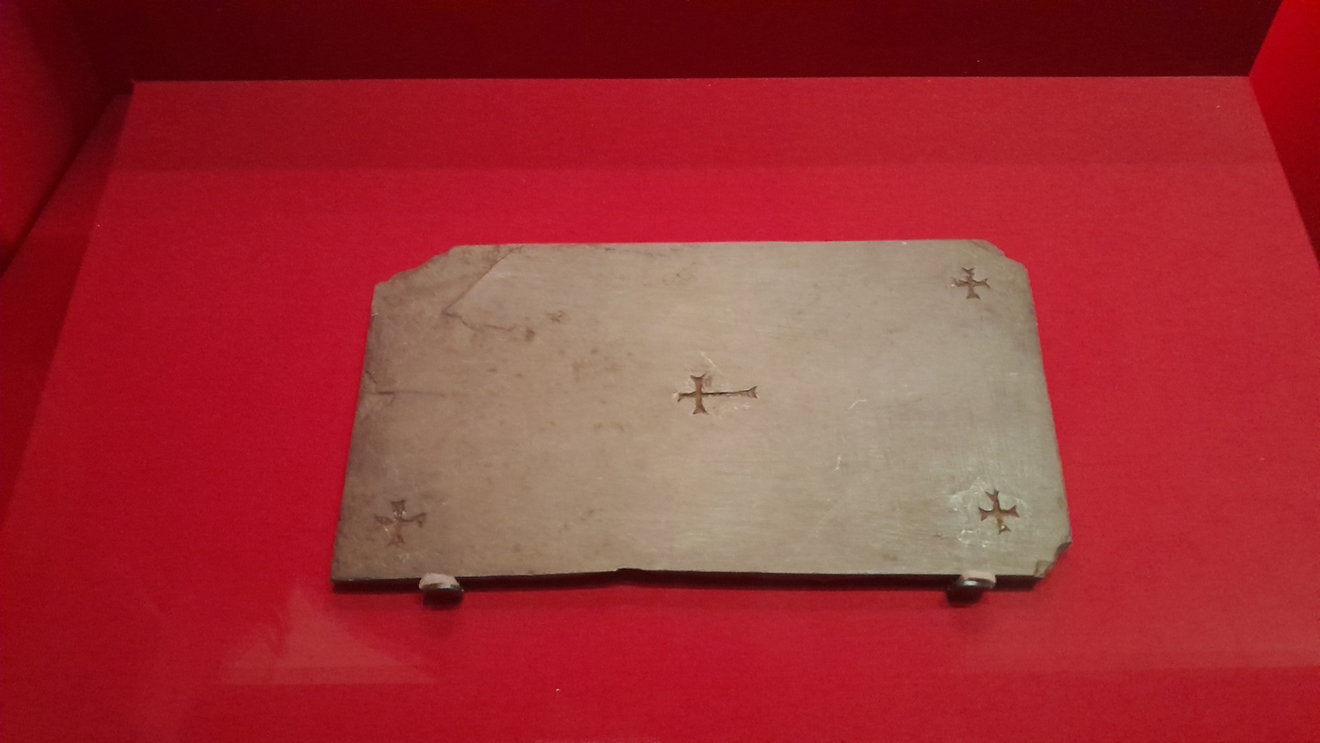
What looks like a slate tile was in the 1600s a disguised way of having a sacred altar. Catholic priests who were being persecuted during this period could inscribe the crosses and bless the tile with oil, then set up a pop-up altar clandestinely.
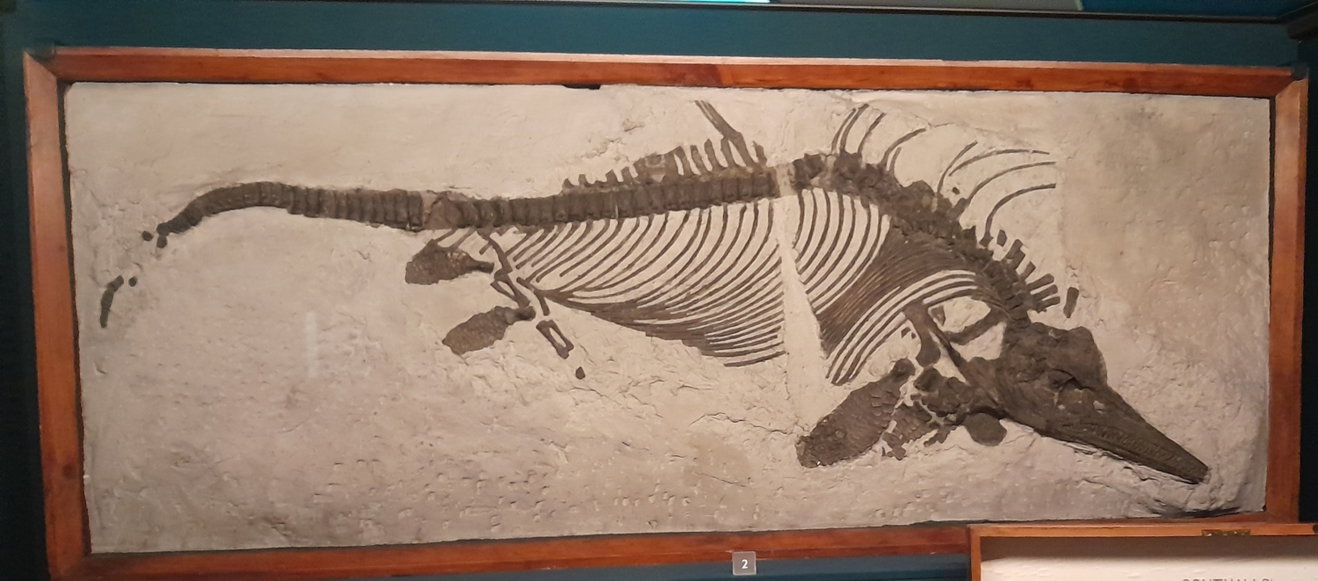
You may ask why there is a fossil of an Ichthyosaurus in the museum? Back in Victorian times before Charles Darwin's On the Origin of Species (1859) it was believed you were denying the Bible if you believed in fossils. Mary Anning (1799 to 1847) discovered the first Ichthyosaurus fossil at the age of 12.
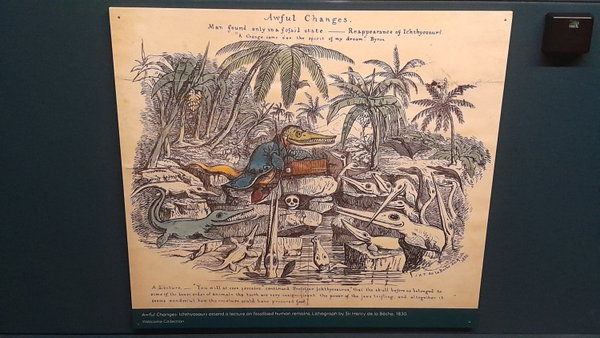
The cartoon beneath it is on trend after these evolutionary discoveries and theories.
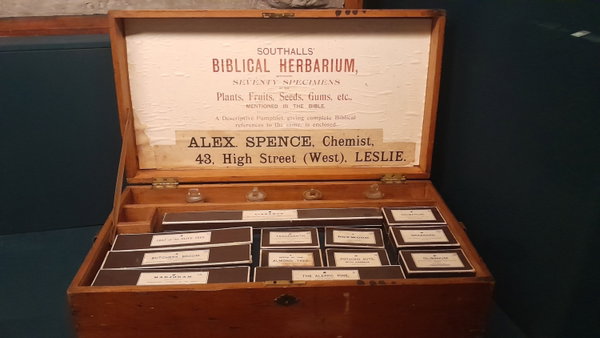
In the same display cabinet is a Victorian suitcase of herbal medicine. It contains plants that are mentioned in the Bible, such as Butcher's Broom (Ruscus aculeatus), which is a remedy for varicose veins and haemorrhoids. The active compounds in Butcher's Broom, such as ruscogenins and flavonoids, contribute to its effectiveness in these areas. Aleppo pine (Pinus halepensis) is used for respiratory, urinary and metabolic diseases.
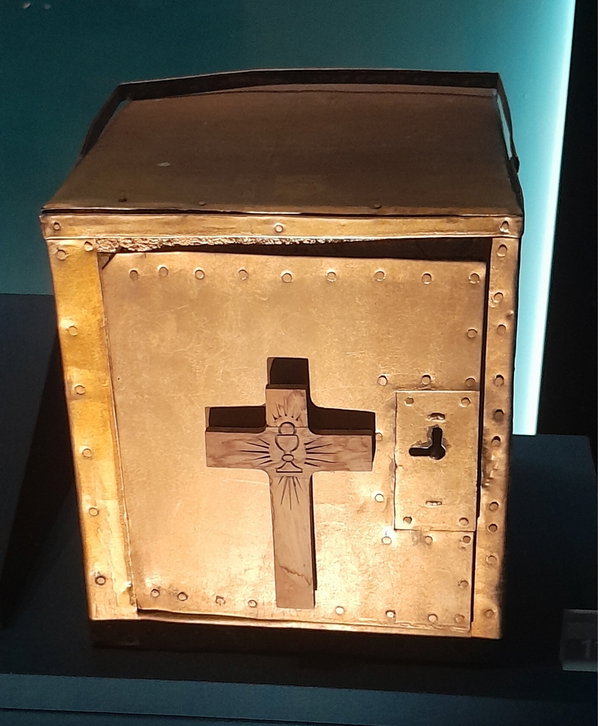
What is a Tabernacle? It is a box to securely store the sacred bread. It was made from an oil can for a serving vicar during WWII.
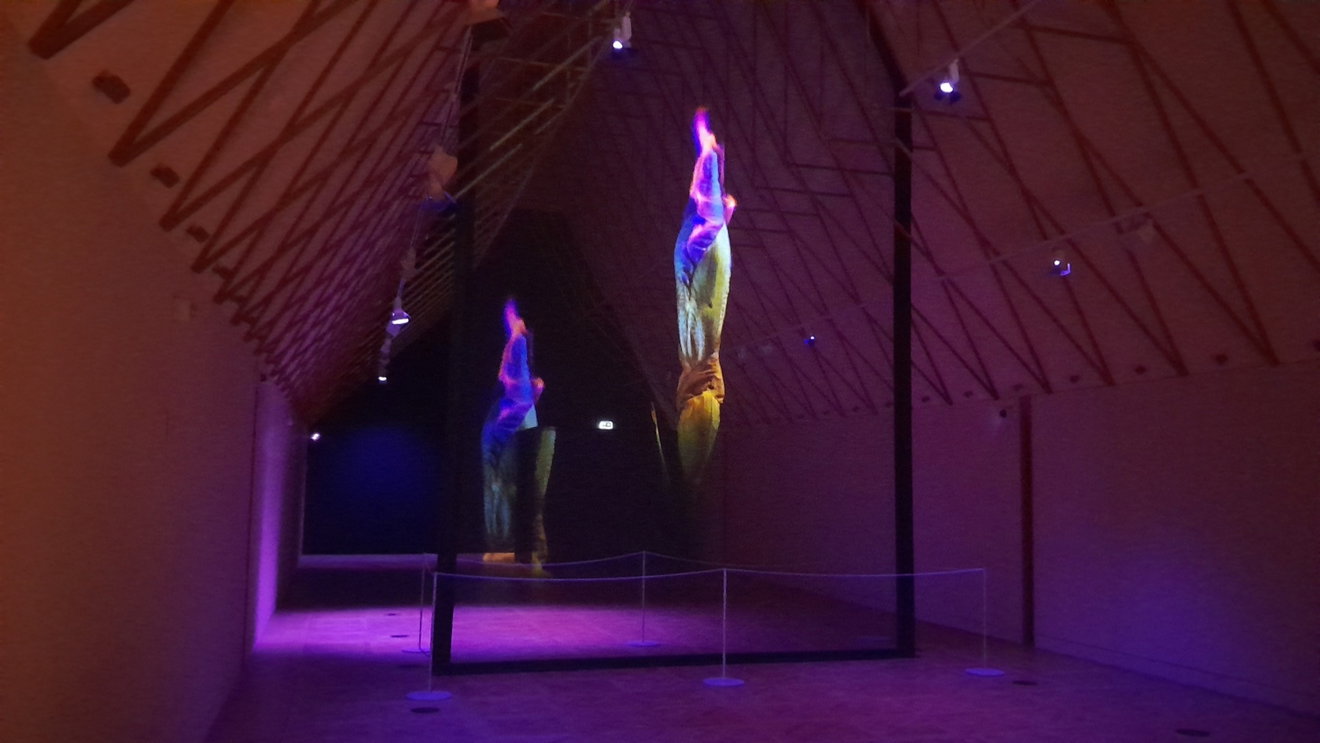
The final room is the interior of the sandstone building. On our visit it had imagery of the iris flower burning. The explanation stated the blue iris is usually associated with the Virgin Mary, and this depicts the time of Christ or a martyr before death, when the body is attacked, yet the soul lives on through faith.
The roof trusses were quite church-like.
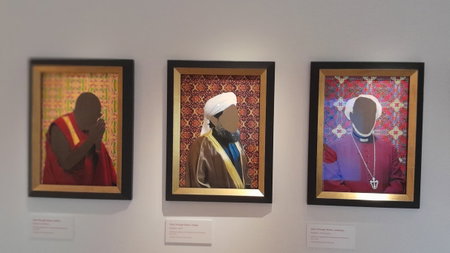
There is so much here to study. It would be worth a revisit. The art may rouse some curiosity too.
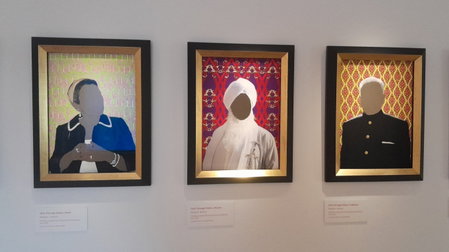
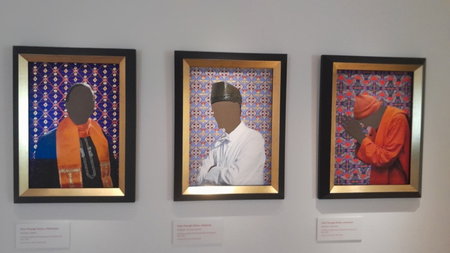
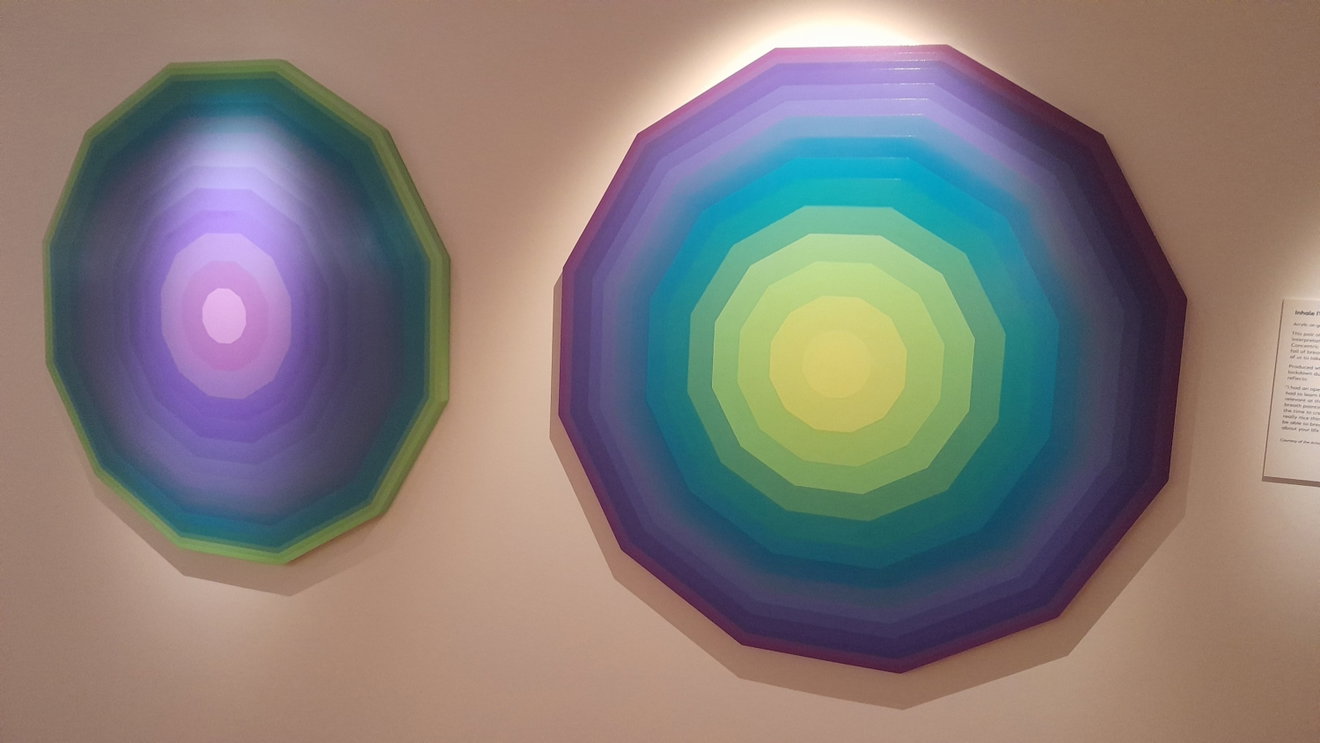
Mr. and Mrs. Jonathan Ruffer, who are the founders of the Auckland Project, have done much to revitalise Bishop Auckland, and some of the schemes have won Royal Institute of British Architects (RIBA) awards.
Get 3 points if you have visited this place. Already visited by 10 VIPs.
Login to bag this placeHelp fuel the next adventure
Fabulous North is free, with no annoying adverts and fuelled by an unhealthy desire to poke around castles, hills, churches and suspicious-looking bits of stone.
If you enjoy what we do, you can help keep us exploring.
Champion This Place
Got a special memory of Faith Museum, a story to tell or simply a soft spot for it? Champion Faith Museum and we'll add your name, photo and a short message to this page, while your support helps us keep Fabulous North exploring.
How To Find Faith Museum
Where To Park For Faith Museum?
Contributed by Rosalind Parker
Thank you for reading. I hope it sparks your interest. It’s always a pleasure to get out and explore, whatever the weather. I enjoy uncovering little snippets of information, especially when they’re obscure, amusing, or meaningful. All photos were taken on a mobile phone.
More Places from Rosalind
More Places In Bishop Auckland
Find more fabulous places in Bishop Auckland, County Durham and if you know of a place we haven't listed, then let us know.

Witton Park Viaduct
Bridge Bishop Auckland County DurhamA super viaduct in Bishop Auckland where rail, road and river converge.

Groverake Mine
Machinery Bishop Auckland County DurhamThe ruins of an old lead and fluorspar mine in the Pennines with the headframe and some buildings still visible.

Thomas Wright Observatory
Folly Bishop Auckland County DurhamObservatory dating from 1765, built by local astronomer Thomas Wright.
More Museums
So this museum wasn't enough and you want more? Don't worry we have you covered.

Museum Of Hartlepool
Museum Hartlepool County DurhamDiscover history on Hartlepool's maritime history with some unusual and macabre pieces.

Woodhorn Museum
Museum Ashington NorthumberlandA former coal mine turned into a mining museum and heritage centre.

Bowes Museum
Museum Barnard Castle County DurhamDesigned and built as a museum in the style of a French Chateau and housing 22 galleries. Famous for the amazing kinetic art of the Silver Swan.
Never Miss A Fabulous Place
If you are afraid of missing out on all the fabulous places we post, or just want to be the first to know, then sign up to the Fabulous North.
Each week we will email you all the brand new places that we visit.
Sign Up To Alerts

Find Us On Facebook
We post all our new places daily on our Facebook Groups page, so join the group today and be notified when we add a new place.
Join Our Facebook GroupFaith Museum was listed in Museum // County Durham // Bishop Auckland