
Trimontium Roman Fort
Military In Melrose, Borders
The site of a Roman Fort, once the largest north of Hadrian's Wall.
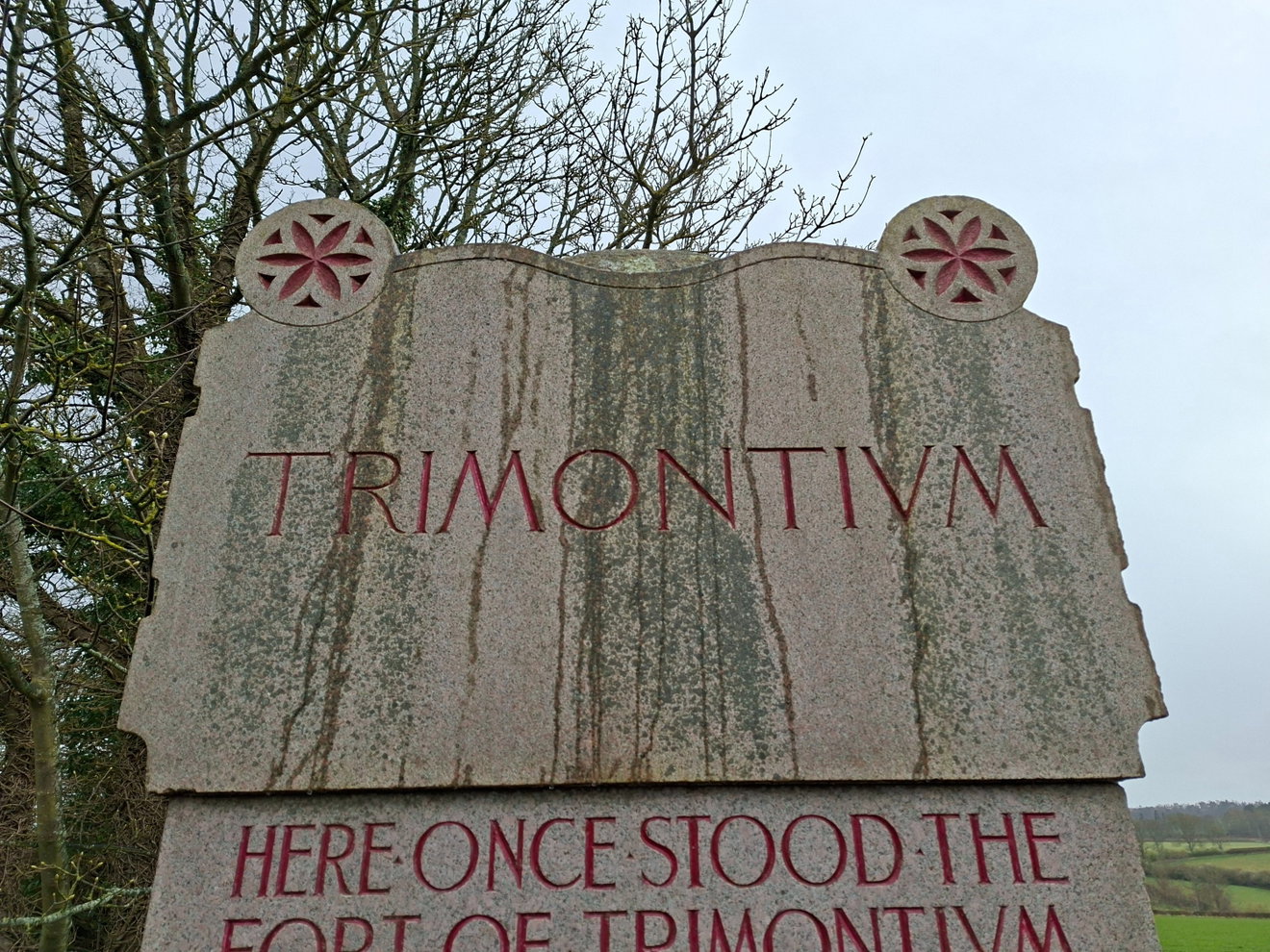
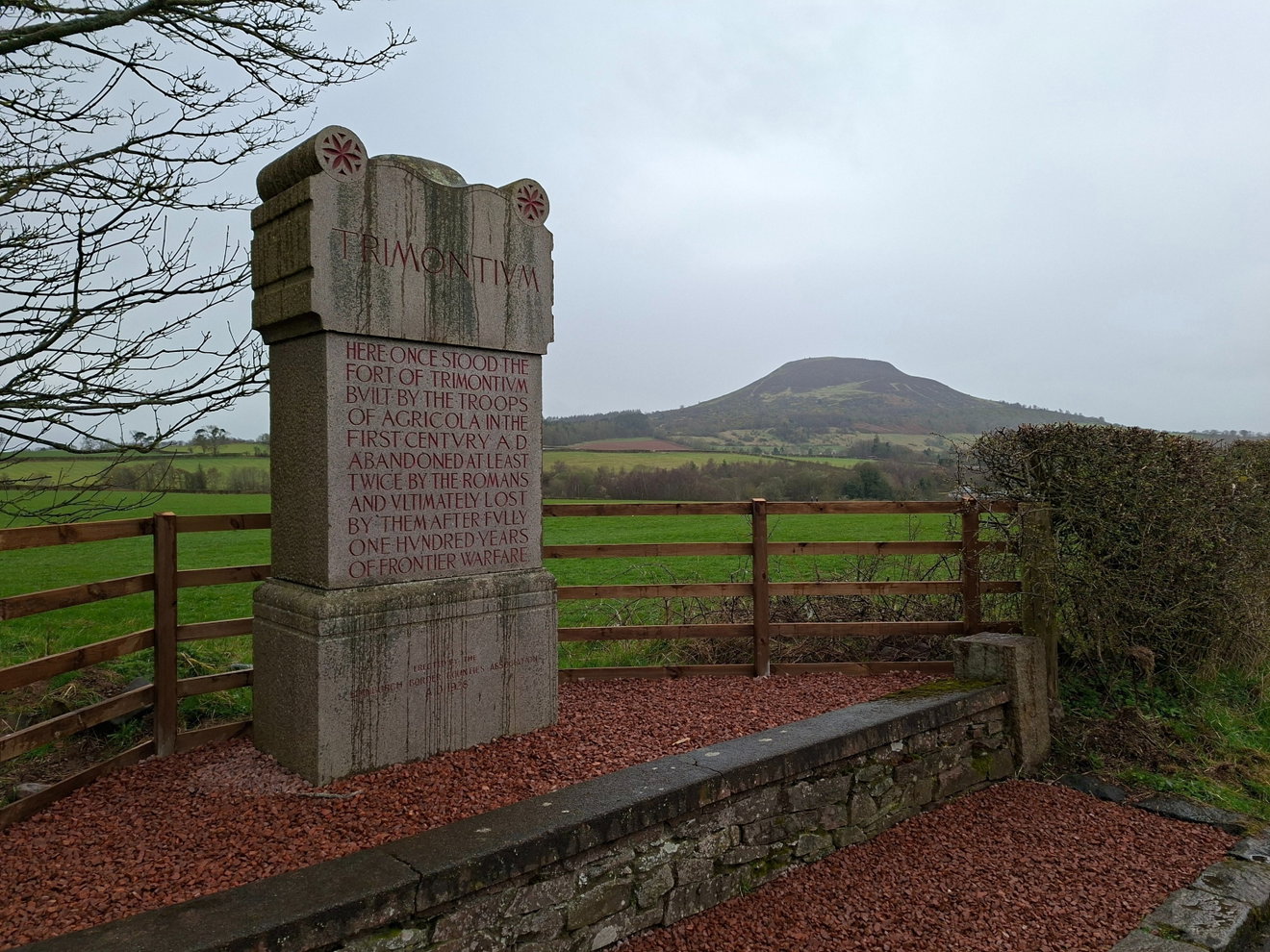
Not far from the small village of Newstead, to the east of Melrose in the Scottish Borders, lie the remains of a Roman fort, known as Trimontium. The translation of Trimontium is “The Place of the Three Hills”, which is apt as it sits beneath the Eildon Hills, three volcanic, conical peaks that dominate the surrounding skyline.
Trimontium was the most complex and heavily fortified military compound north of Hadrian's Wall and was occupied from around 79AD to 184AD. As you might expect its purpose was to function as a base for the subjugation and management of those troublesome Caledonians and its footprint covered a large area that was expanded over a number of occupation phases.
It was actually more than double the size of the forts found along Hadrian's Wall. It was located to take advantage of the topography and transport corridors, but also with regard to local geopolitics. Eildon Hill North was the location for a large native hillfort, which housed many inhabitants, and by positioning a sprawling fort at its base, Rome made a statement of dominance over the locals.
The fort sits directly alongside Dere Street, which links York to the Scottish-lowlands, the River Tweed sits to its north running west to east, and the Leader Water joins the Tweed nearby too. It wasn't a static structure but one that was built and altered over many years. This started with its initial construction between 79AD and 86AD during the Flavian dynasty. It was further expanded between 86AD and 105AD before being abandoned between 105AD and 140AD when the army withdrew to the south. A stone re-build occurred between 140AD and 184AD after which occupation ended. It was still used as a staging point during the Severan campaigns of 28-211AD.
At its peak there is thought to have been up to 1500 military personnel and 5000 civilians in and around the site, making it a significant location. It would have been constructed in the traditional playing card shape with the usual buildings found in all Roman Forts such as the Principia, Graneries, Hospital and Barracks. The civilian settlement would be found beyond the fort walls and was known as the “Vicus”.
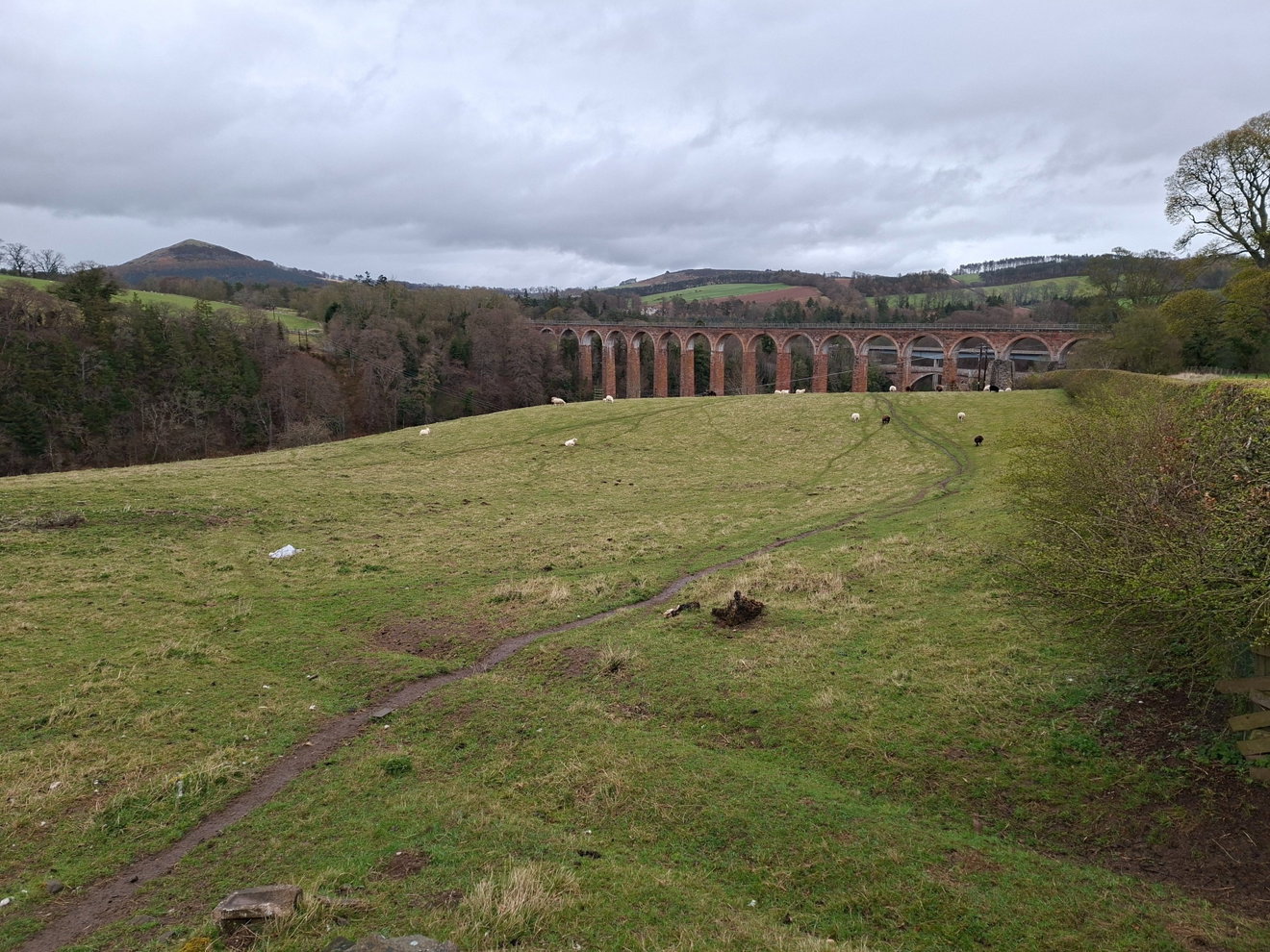
One of the most unexpected discoveries at Trimontium is the amphitheatre, located near to the River Tweed. It is the most northerly confirmed amphitheatre in the entire Roman Empire and would have been a structure formed from earth embankments with wooden benching that could hold thousands of spectators. It is thought to have been used as a training ring and also for the more traditional Gladitorial contests. Nothing much remains of this amphitheatre but a small bowl and embankment is visible from the viewing platform.
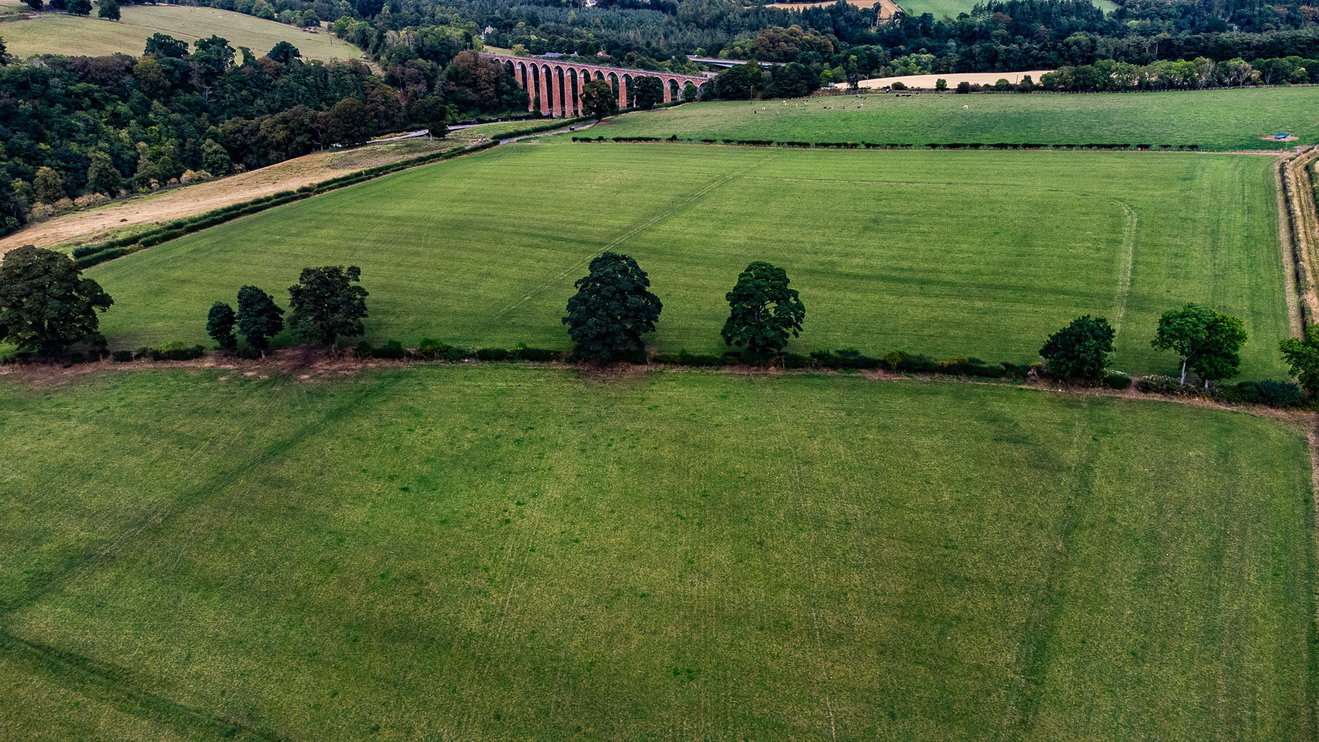
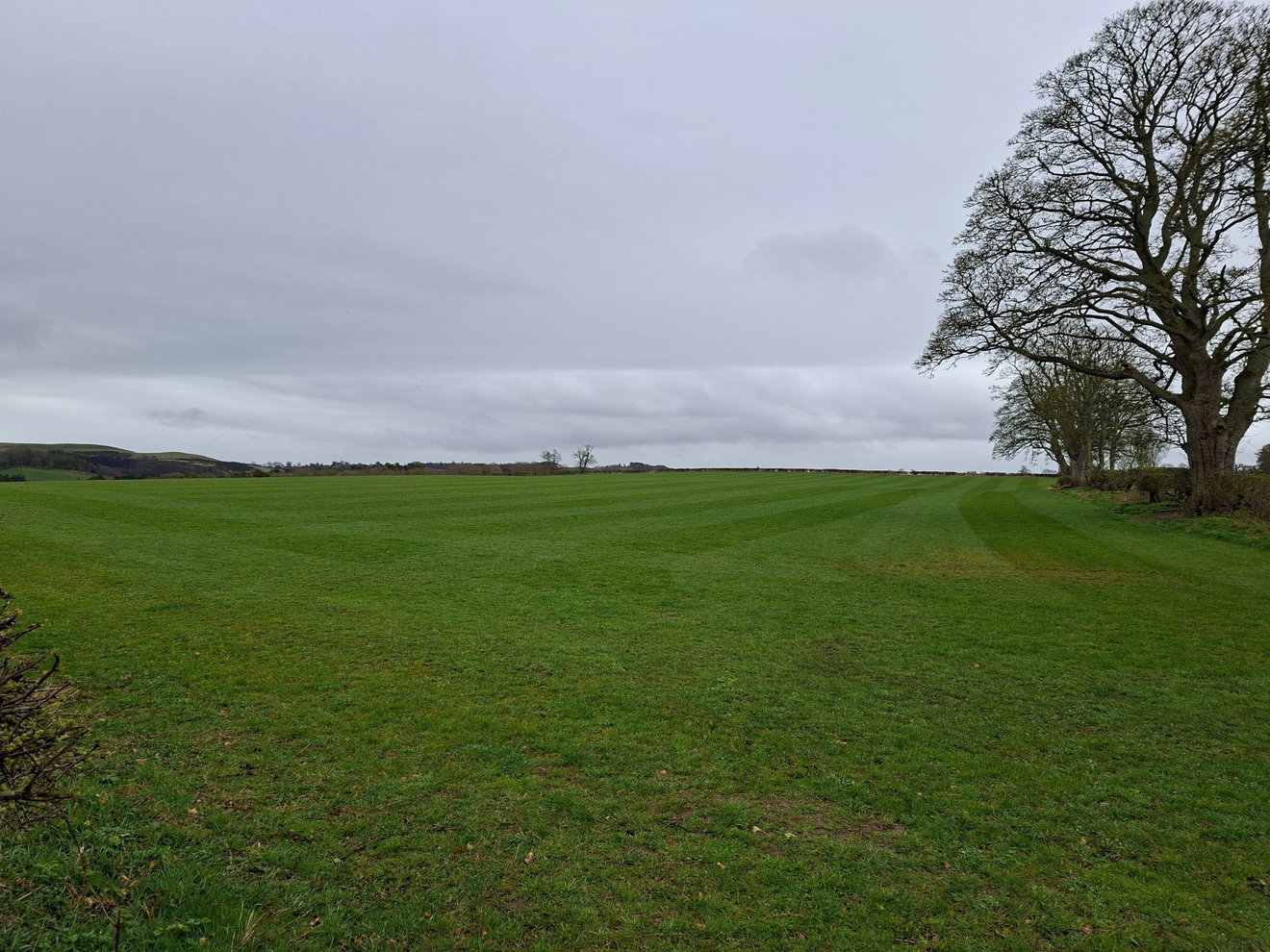
Like the amphitheatre, very little now remains of the fort, and the only solid evidence for it appears during long dry spells when the layout is clearly visible as crop marks on the soil. In nearby Melrose there is a Trimontium Museum which holds the full history of the site and many of the fascinating finds found during excavations.
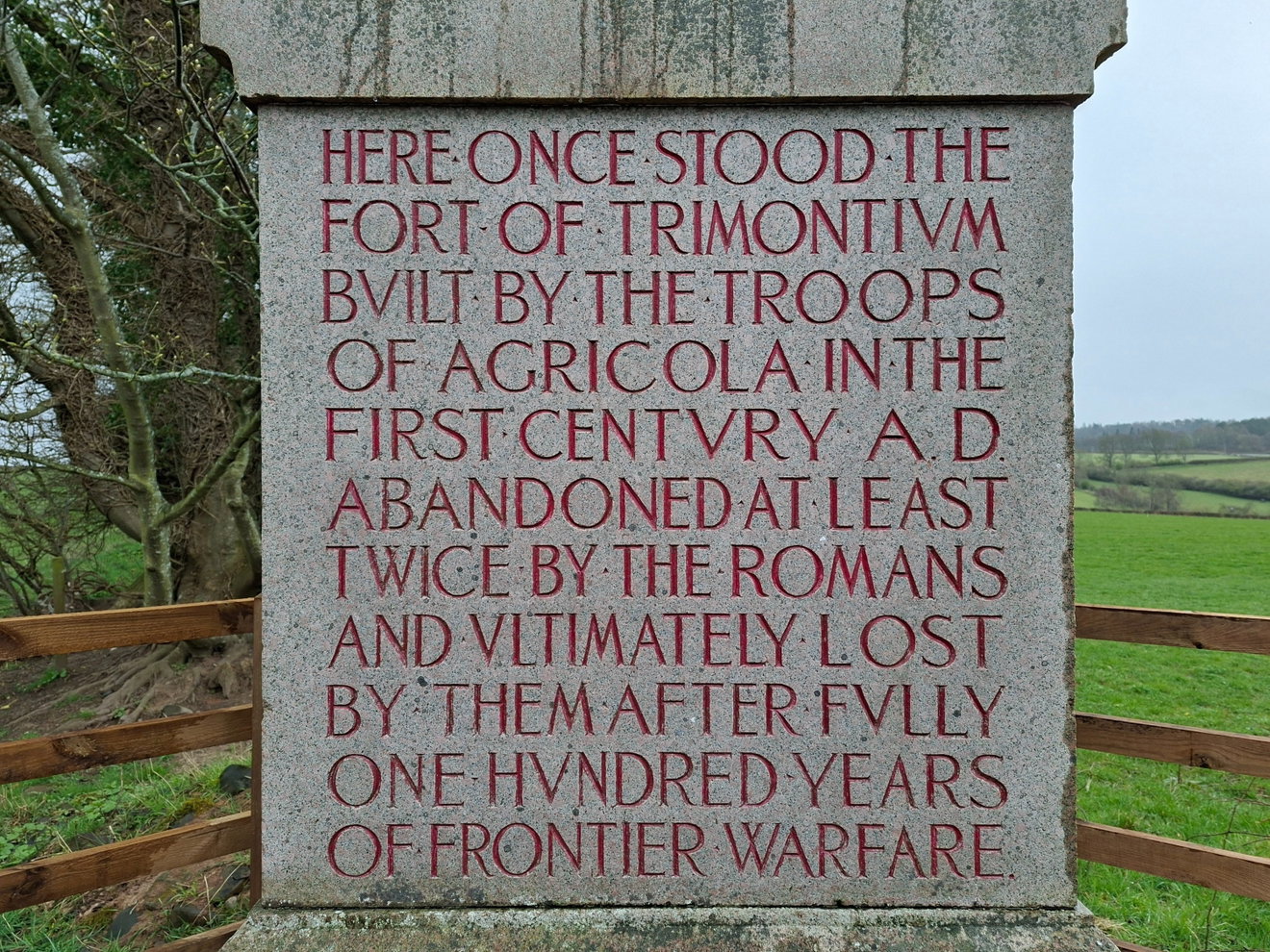
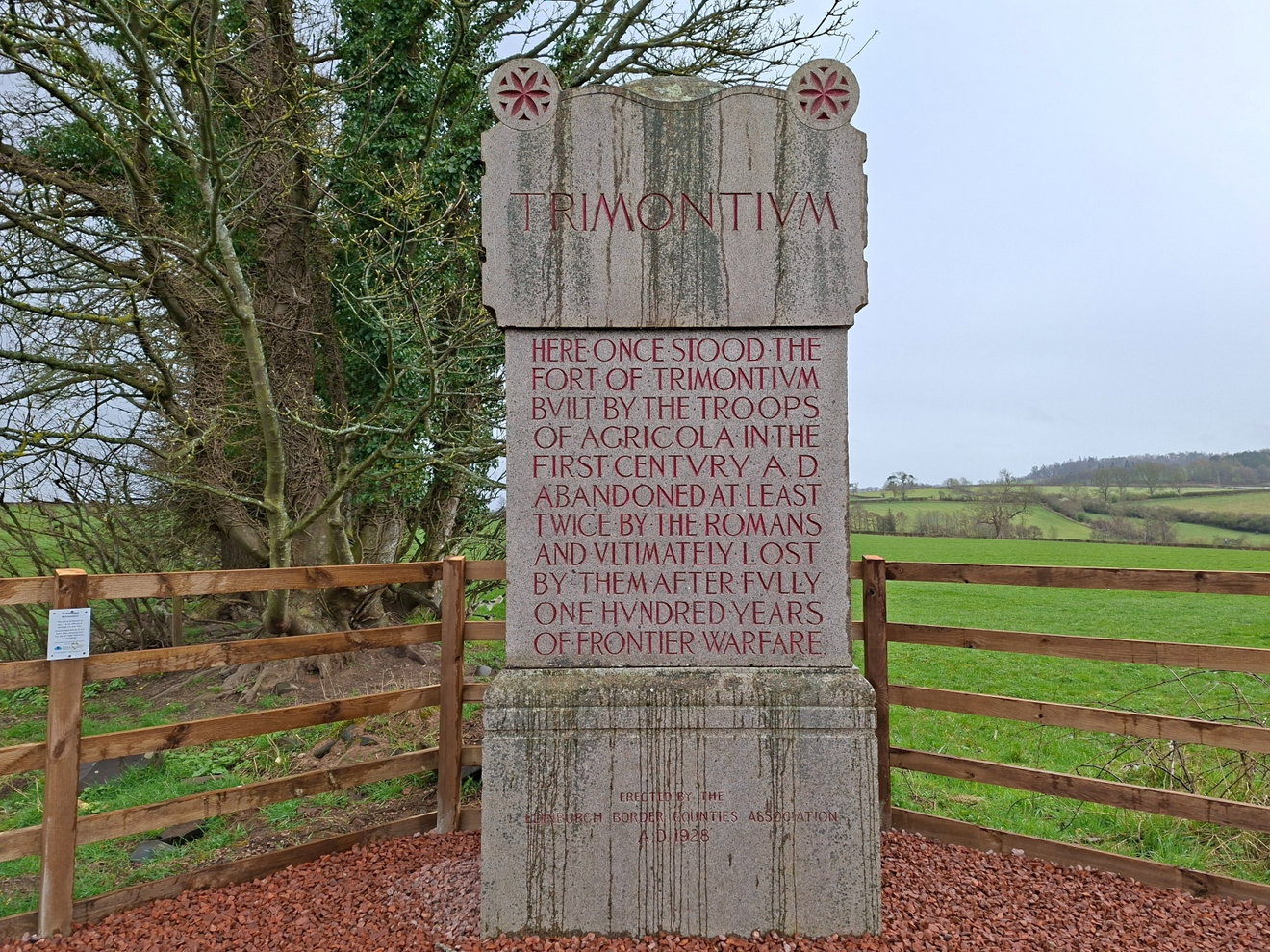
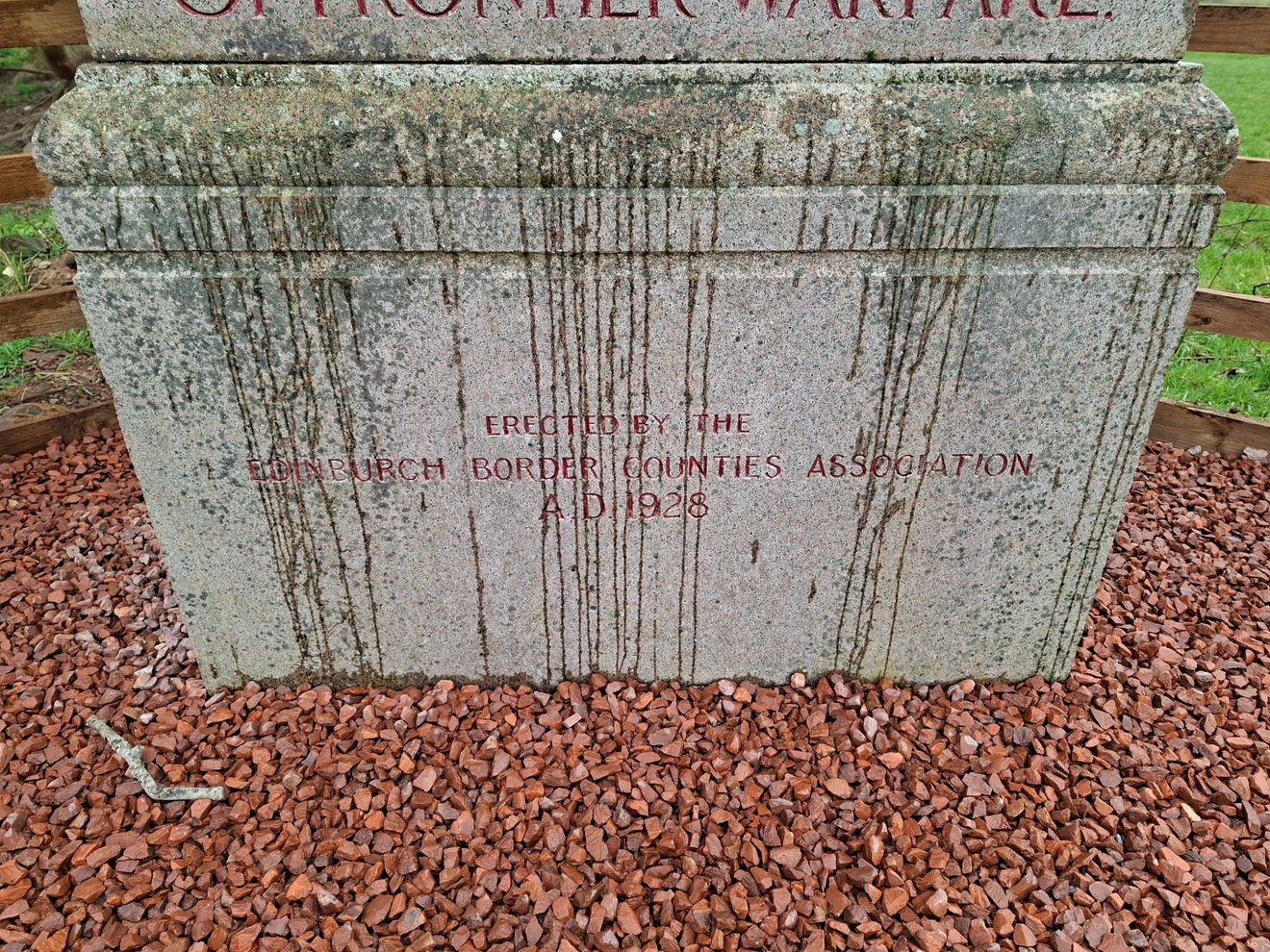
The site is protected as a Scheduled Monument and is marked by a large stone altar carved with the following inscription;
“Here once stood the Fort of Trimontium, built by the troops of Agricola in the First Century AD. Abandoned at least twice by the Romans and ultimately lost by them after fully one hundred years of frontier warfare.”
A reminder of when this unassuming field in the Borders was the northern frontier of Rome.
Get 3 points if you have visited this place. Already visited by 8 VIPs.
Login to bag this placeHelp fuel the next adventure
Fabulous North is free, with no annoying adverts and fuelled by an unhealthy desire to poke around castles, hills, churches and suspicious-looking bits of stone.
If you enjoy what we do, you can help keep us exploring.
Champion This Place
Got a special memory of Trimontium Roman Fort, a story to tell or simply a soft spot for it? Champion Trimontium Roman Fort and we'll add your name, photo and a short message to this page, while your support helps us keep Fabulous North exploring.
How To Find Trimontium Roman Fort
Where Is Trimontium Roman Fort?
Lat / Long
55.602384, -2.6863986
What three words
Where To Park For Trimontium Roman Fort?
Lat / Long
55.602384, -2.6748437
What three words
Parking is available at the Leaderfoot Viaduct Car Parking area just off the A68.
Contributed by Andrew Gardner
I love being outdoors, in nature, and experiencing the relaxation it brings. Wandering through the northern countryside seeing unexpected buildings, historic places and occasionally surprised wildlife is one of life's great pleasures.
More Places from Andrew
More Places In Melrose
Find more fabulous places in Melrose, Borders and if you know of a place we haven't listed, then let us know.
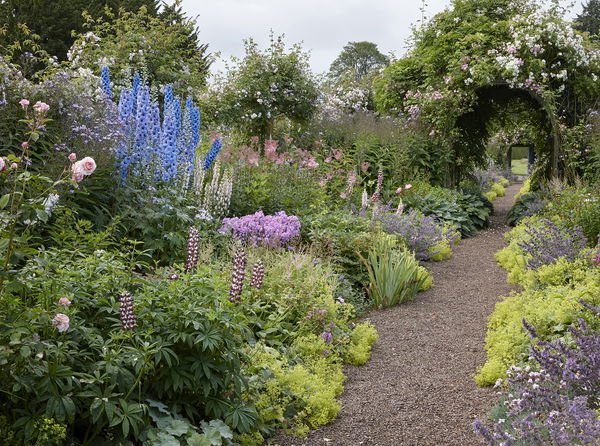
Carolside House and Gardens
Garden Melrose BordersA beautiful walled garden, made up of many horticultural rooms, and home to the National collection of Gallica Roses in the Borders.
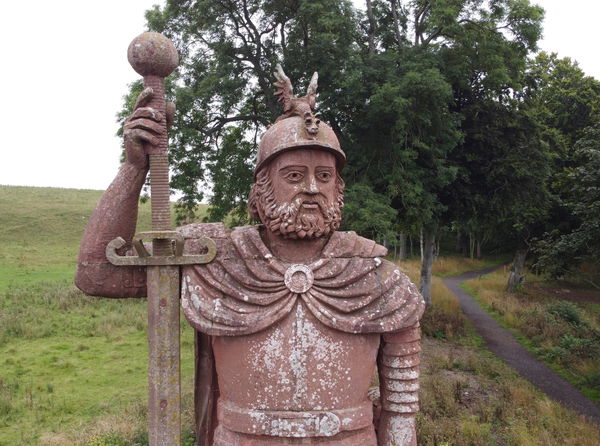
William Wallace Statue
Statue Melrose BordersA red sandstone statue of William Wallace overlooking the River Tweed Valley near Melrose.
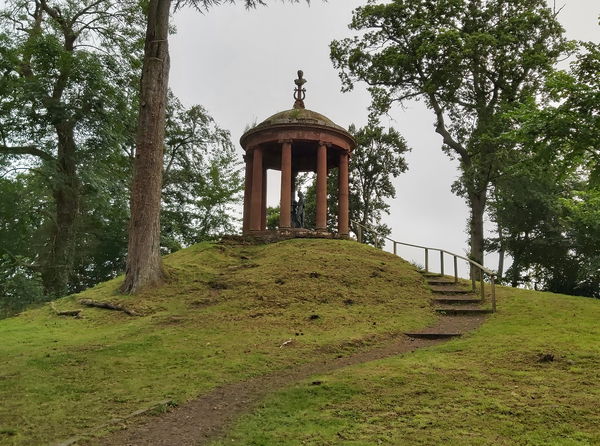
Temple Of The Muses
Statue Melrose BordersA temple containing four bronze statues depicting the "Four Seasons" dedicated to poet James Thomson.
More Military
So this military wasn't enough and you want more? Don't worry we have you covered.
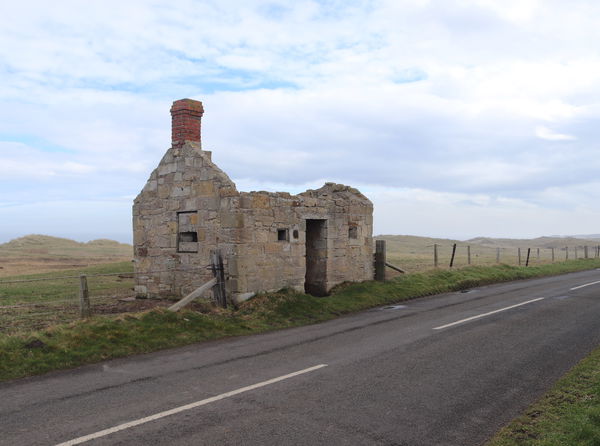
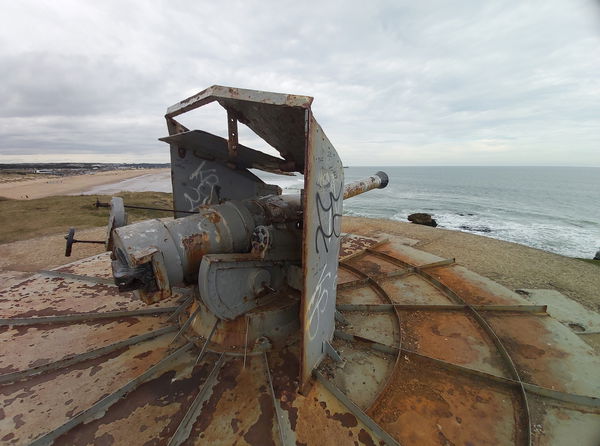
Trow Rock Disappearing Gun
Military South Shields Tyne And WearA unique gun that would disappear into its turret to reload, devised during the Crimean War.
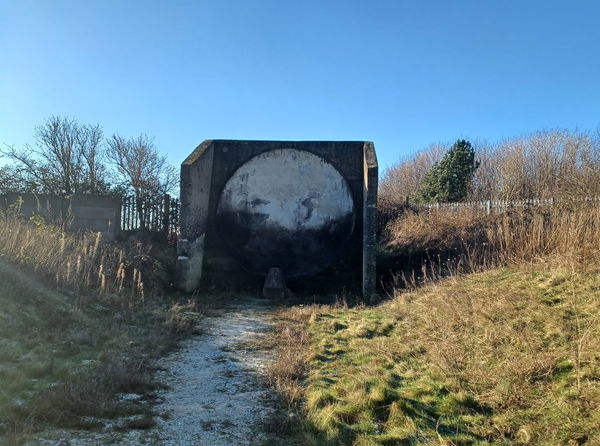
Coastal Watch Mirror
Military Sunderland Tyne And WearWW1 acoustic mirror, which detected German Zeppelins as they approached the coast.
Never Miss A Fabulous Place
If you are afraid of missing out on all the fabulous places we post, or just want to be the first to know, then sign up to the Fabulous North.
Each week we will email you all the brand new places that we visit.
Sign Up To Alerts

Find Us On Facebook
We post all our new places daily on our Facebook Groups page, so join the group today and be notified when we add a new place.
Join Our Facebook Group