
The Raw
Bastle In Elsdon, Northumberland
A Medieval bastle house in Northumberland National Park and the scene of the infamous murder of Margaret Crozier in 1791.
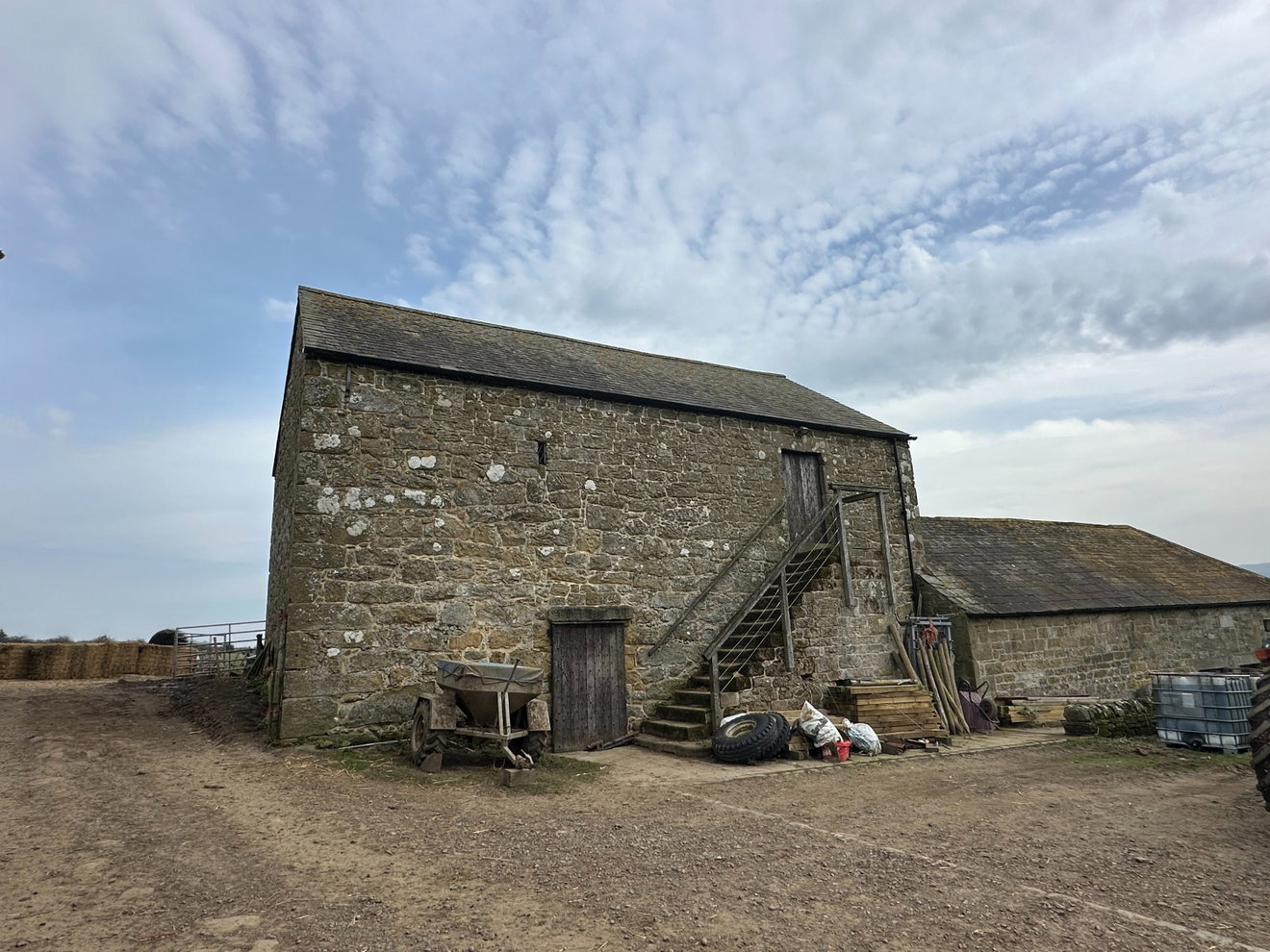
The Raw sits amidst Northumberland National Park and is, to most who pass, a barn or farm building, cluttered with spent tyres, fertiliser sacks and timber. To those who know, it's the scene of a crime so heinous that three heads hanged...one in a very prominent place overlooking the scene of the bloodshed.
Never knowing I'd be intrigued by bastles, I was driving over the Ministry of Defence land, a stone's throw from Hepple, when I came across a byre that had a name I recognised on my map. The Raw. It doesn't come more bleak!
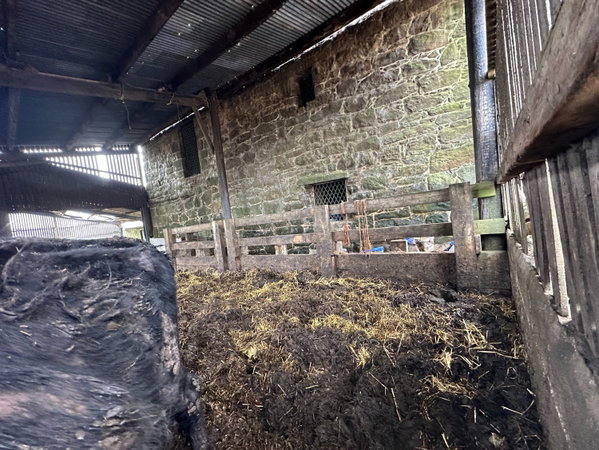
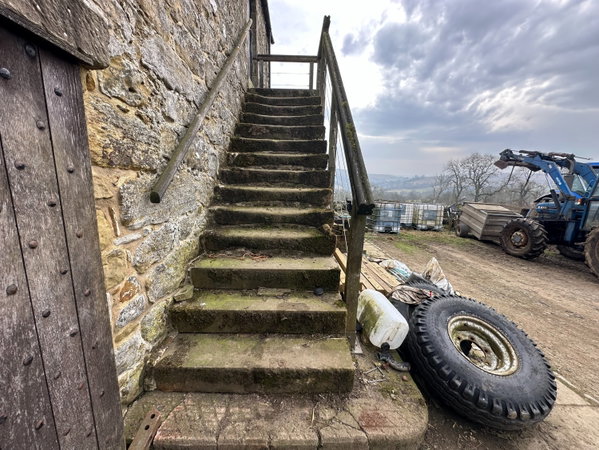
This stone farm building, which, to the rear, housed cows, was built of random rubble and had an impressive flight of stone stairs sweeping up the side.
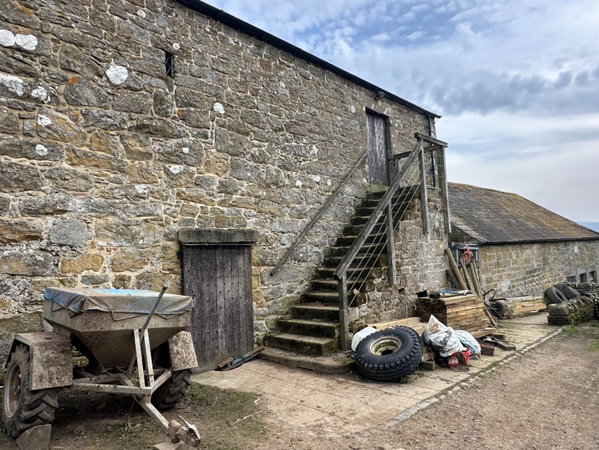
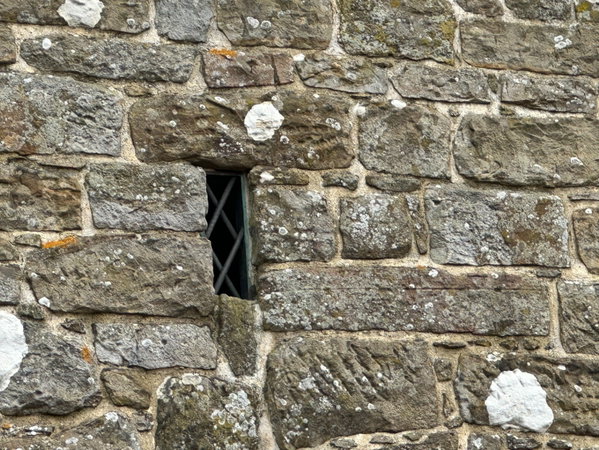
Windows were scant, and apart from two doorways. One at the top of the stairs and one added below (probably in the 18th century). This building would have been dark and an ideal scene for a death. No one would see or hear the screams!
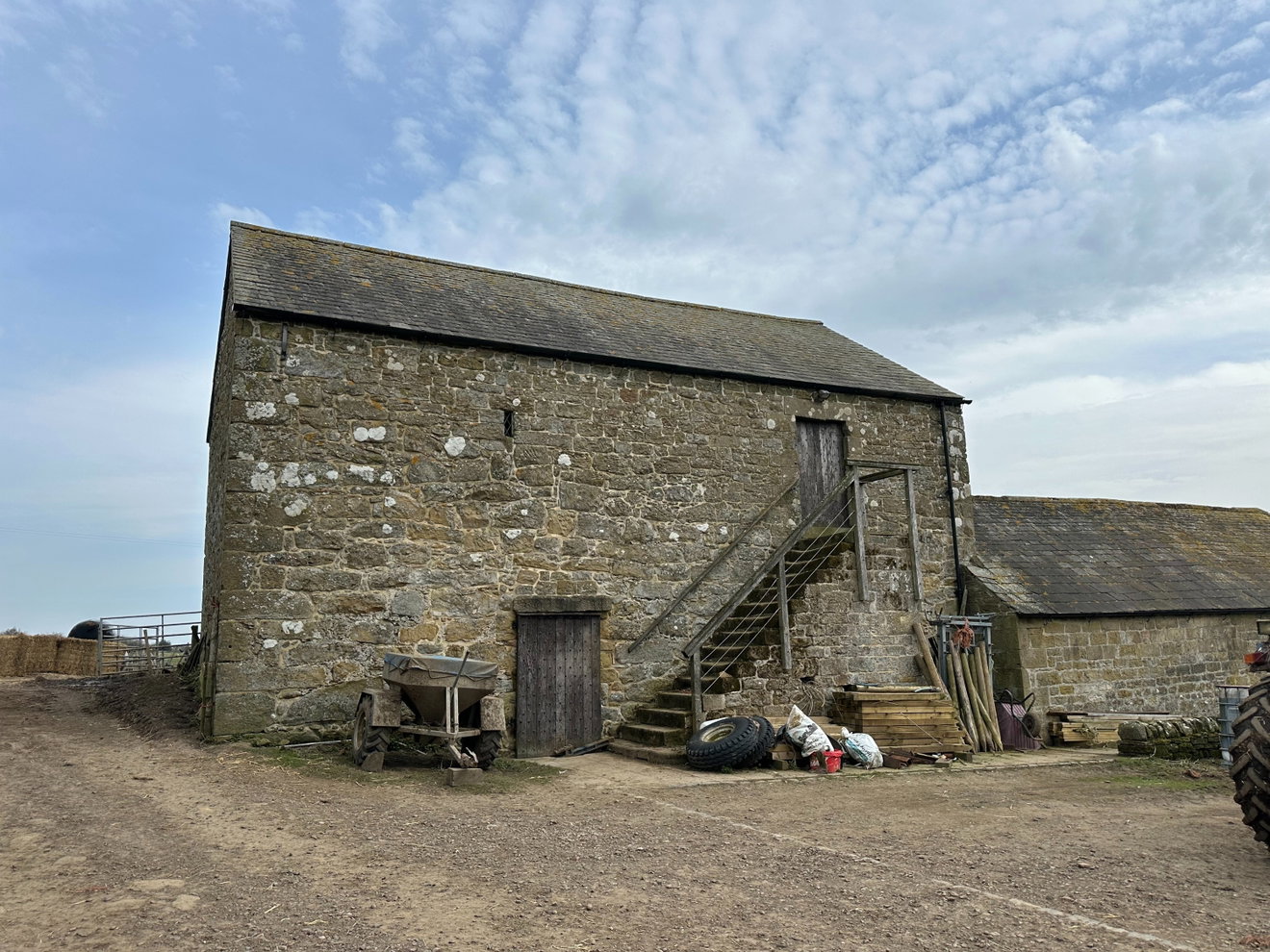
Built in the late 16th or early 17th century, Bastle Houses were defensible buildings designed to protect farmers and their families from the ravages of pillaging Border Reivers. The animals were housed underneath, while the family lived above, battening down the hatches together in one stone, super safe lock-up.
The farmer was charmed by my inquisitive nature and offered me the chance to peep inside, not something normally afforded to most passersby, but as I knew a little of the history of the building, he was happy to help out.
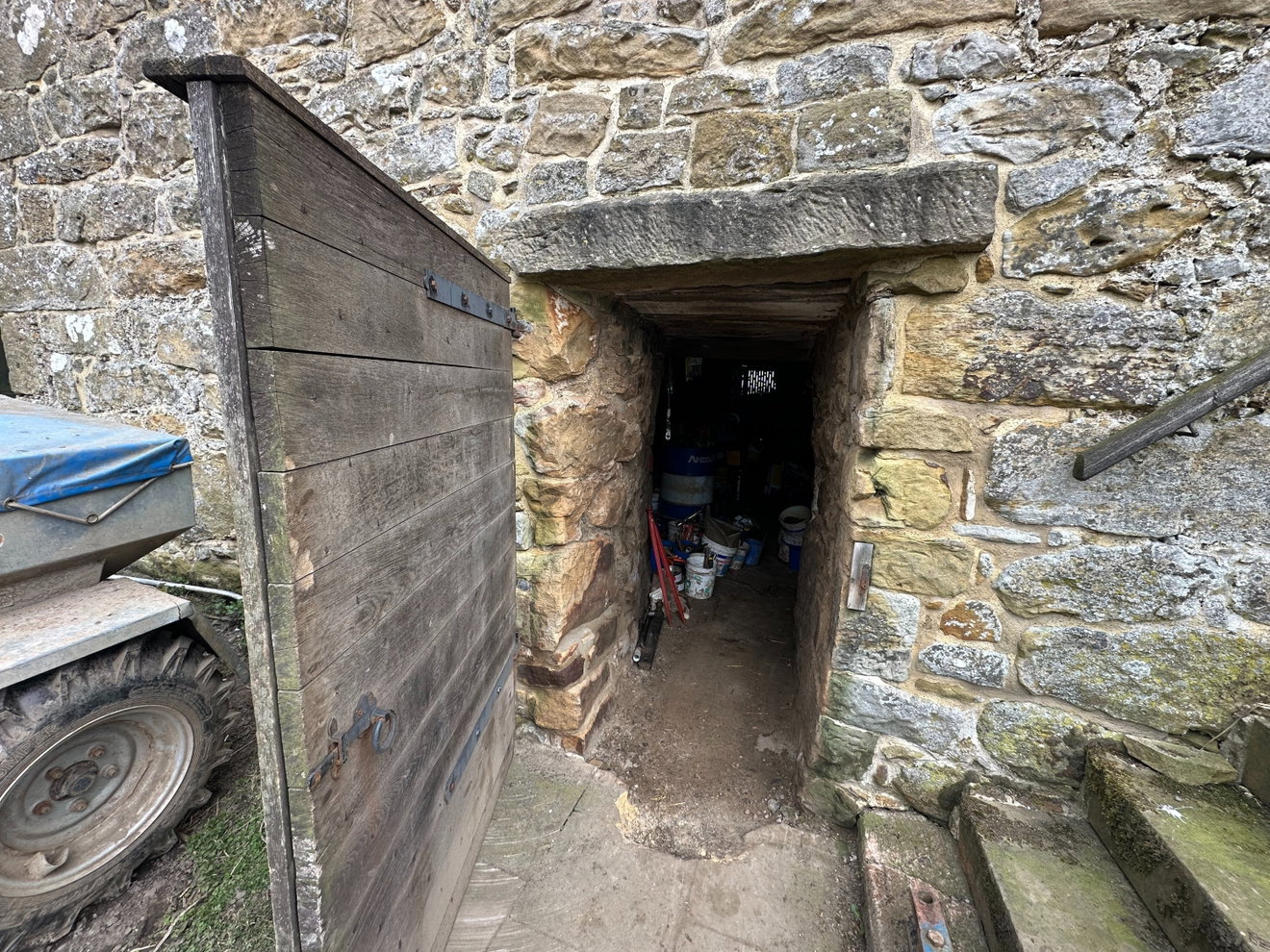
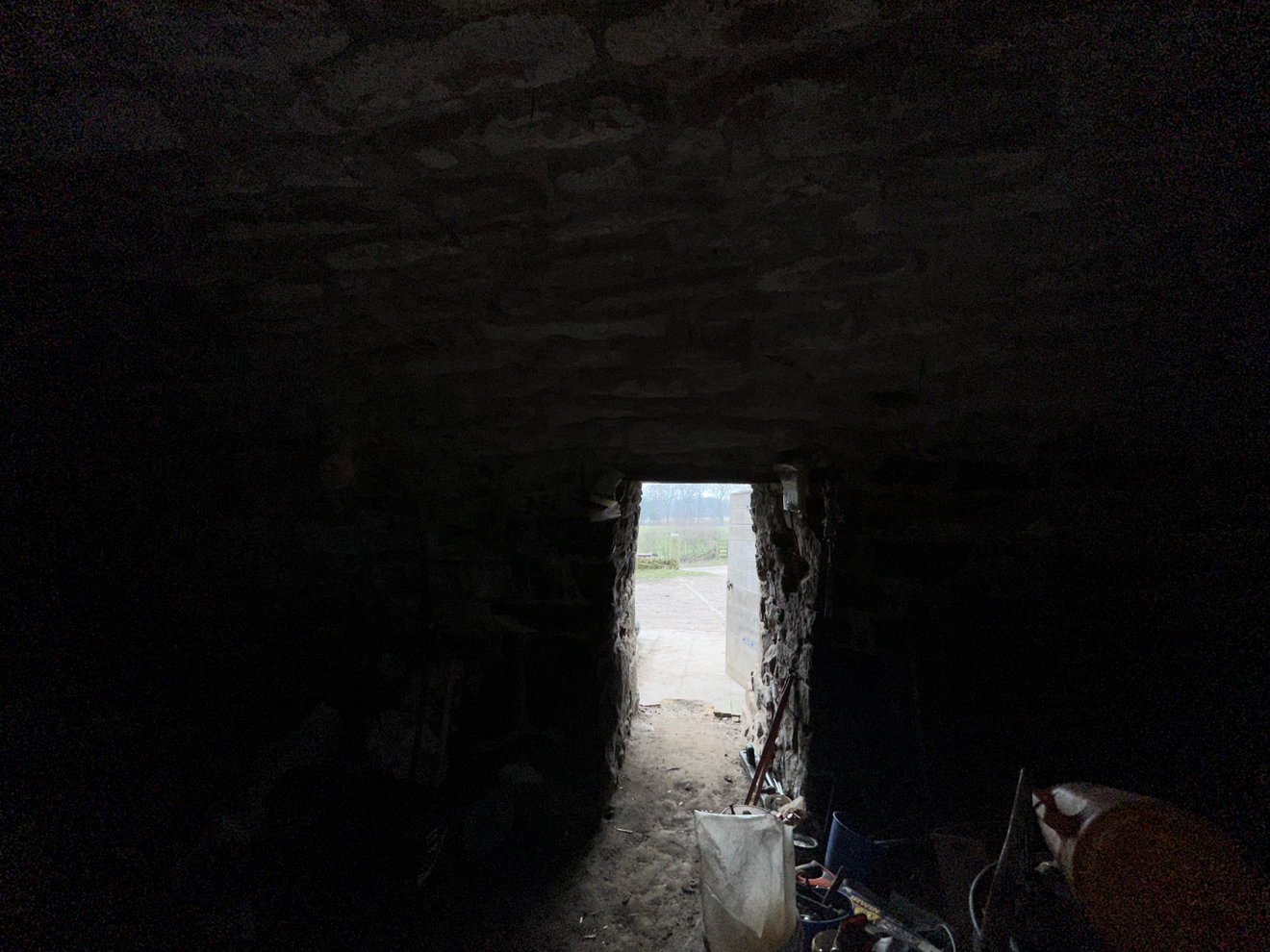
He flung open the heavy wooden door and let me enter the barrel-vaulted ground floor. It was stuffed with farming ephemera but had been recently repointed and cared for. This is a Grade II Listed Building, and though it serves its purpose as an outhouse now, its significance is still celebrated, and its heritage we need to hold on to. It's still the scene of a crime 235 years later!
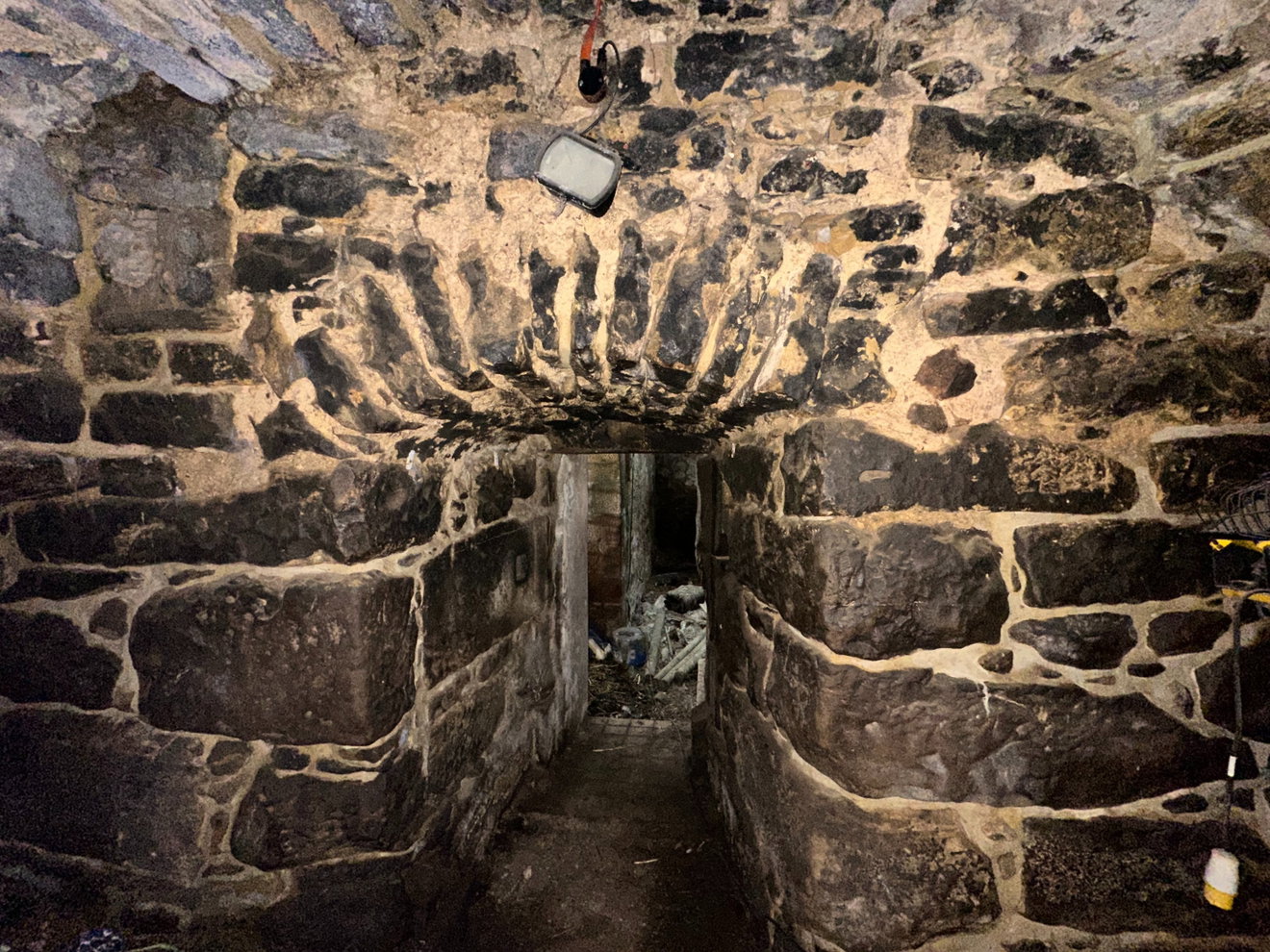
Look at the way the heavy cobbles curve round the mantle of the door.
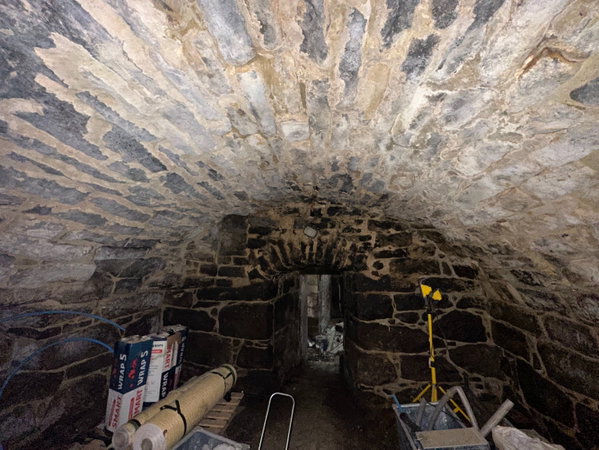
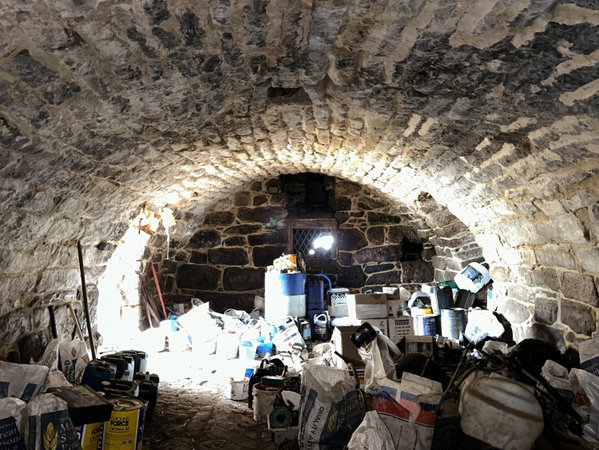
The barrelvaulting was designed as an early form of fire prevention to stop the Scots from scorching the toes of those above!
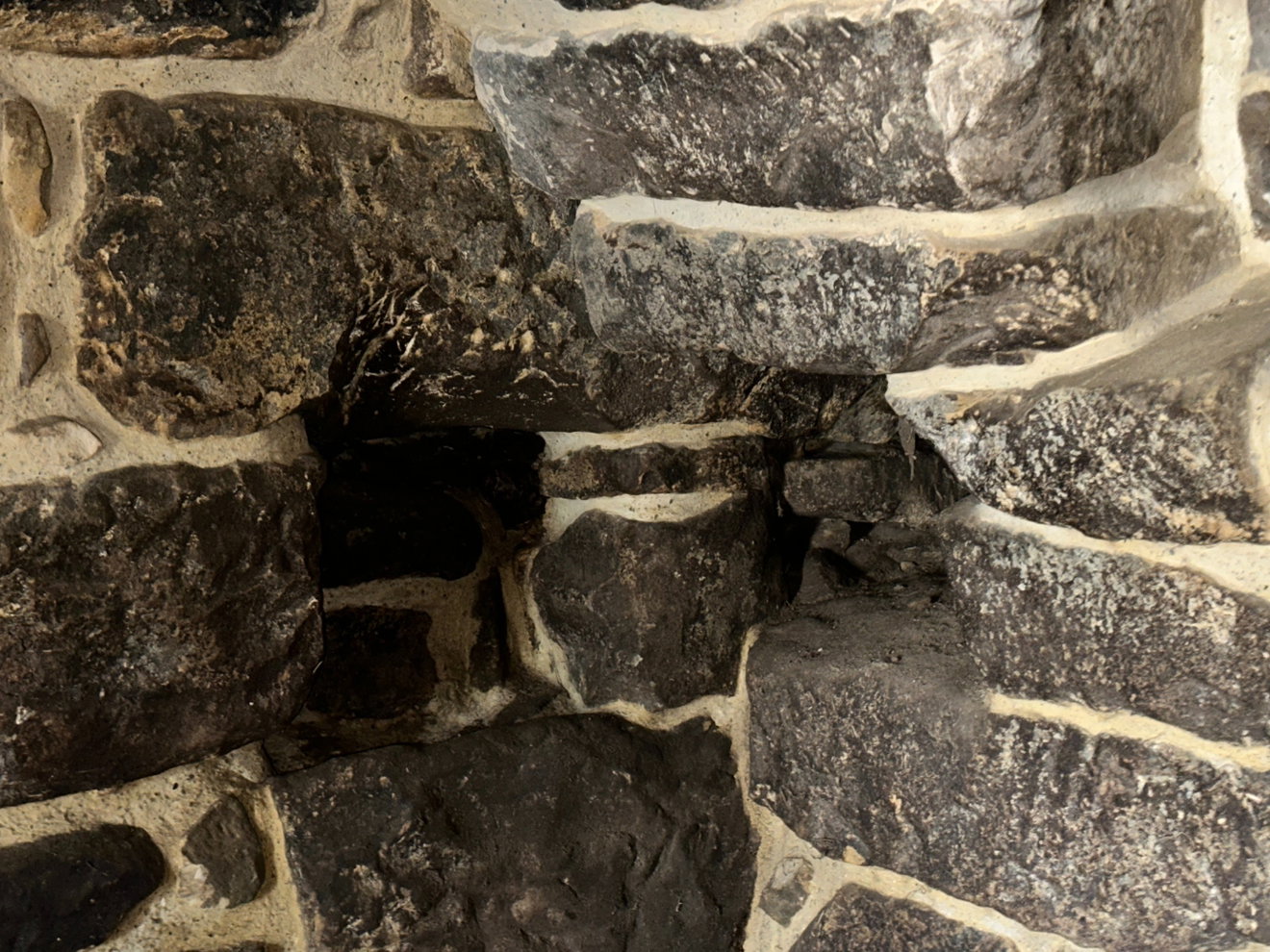
Look at the little aumbries. They're the equivalent of cupboards. Just little places to shove stuff and keep things safe!
But in 1791, the occupant wasn't safe! An older lady known as Margaret Crozier was running a business from the bastle as a draper by trade. She had spent the evening in the company of friends Elizabeth Jackson and Mary Temple. As they came to say their goodbyes, the three women were taken aback at a dog furiously barking at the haystacks in the barn.
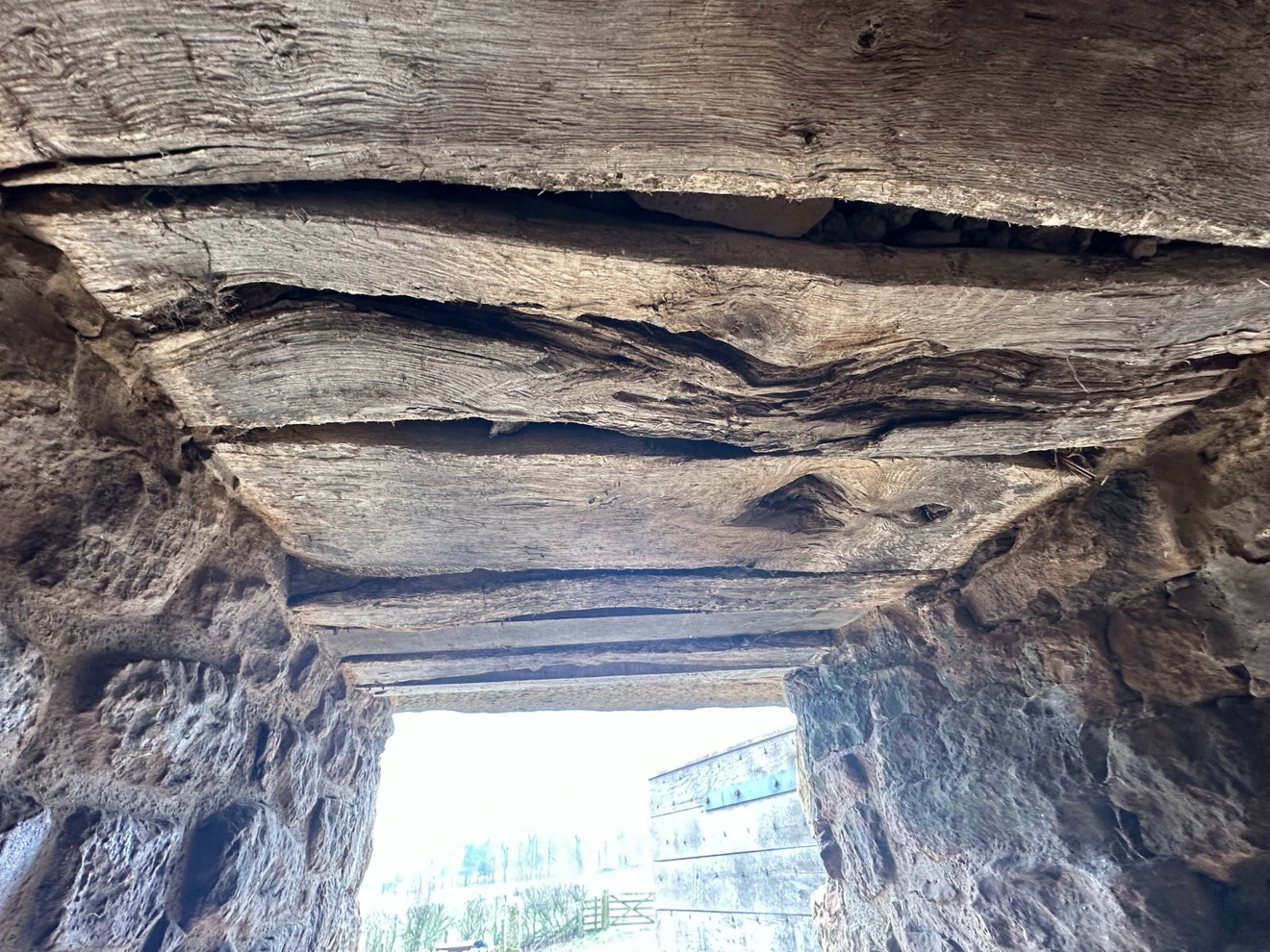
Margaret's friends urged her to lock up and keep safe, which she did. Look at those burly beams inside the door! However, during the evening storm, she answered the door to a young man wet through. She was accustomed to the calls of travellers and pedlars and welcomed him in to take refuge from the elements.
The youngan obviously made his way in through the door of the bastle, and in the seclusion of the country setting, and behind the thickness of the bastle walls, he did more than take the chill from his bones.
For the following morning, one of Margaret's customers raised the alarm after approaching the bastle at Raw, and finding thread and scattered items of haberdashery outside of the building. Her friend and neighbour Elizabeth Jackson and her husband entered the building to find Margaret motionless and stiff, lying amidst ruby red sheets on her bed in a pool of her own blood, with her throat slashed.
She'd been pinned down and bound by handkerchiefs, and the signs were that she'd struggled, as her hands were badly cut. At the side of her bed lay a bloody gully knife, covered in her blood.
The young man had robbed her blind, as sheets, linens, fabrics and clothes were all taken along with her life.
A tiny community, distraught at this slaughter, set out to nail the criminal. Two young shepherd boys gave statements about a man and two women who'd been clocked at Whisker Shield Common the day before, the man having had a particular pattern of nails knocked into the soles of his shoes. The boys had also seen him brandish the same knife, dividing food between them with it.
Footprints found outside The Raw corresponded to the soles of the murderer's shoes and the boys' description, and the link to the gully knife meant they had their suspect!
Local people had also made mention of a man and two women with a loaded mule making their way back across Northumberland to Horsley. They were travellers from a gang of tinkers known as The Faw Gang. A group of itinerant vagrants; they specialised in wreaking havoc in rural communities, filling their pockets with the possessions of others!
William Winter and sisters Eleanor and Jane Clark were arrested at Ovingham, and questioned at Mitford near Morpeth. Winter's shirt was found to contain the blood of old Mary Crozier, and the three were sent to Morpeth Gaol for a year, to be tried at The Moot Hall in Newcastle the following summer.
A trial of sixteen hours saw the two young boys give evidence; a friend of Margaret's identified a lace nightcap that she had made and given as a gift to Margaret, which was found in the gang's possession. The three were as guilty as sin of plotting to rob and ultimately murdering poor Margaret at The Raw.
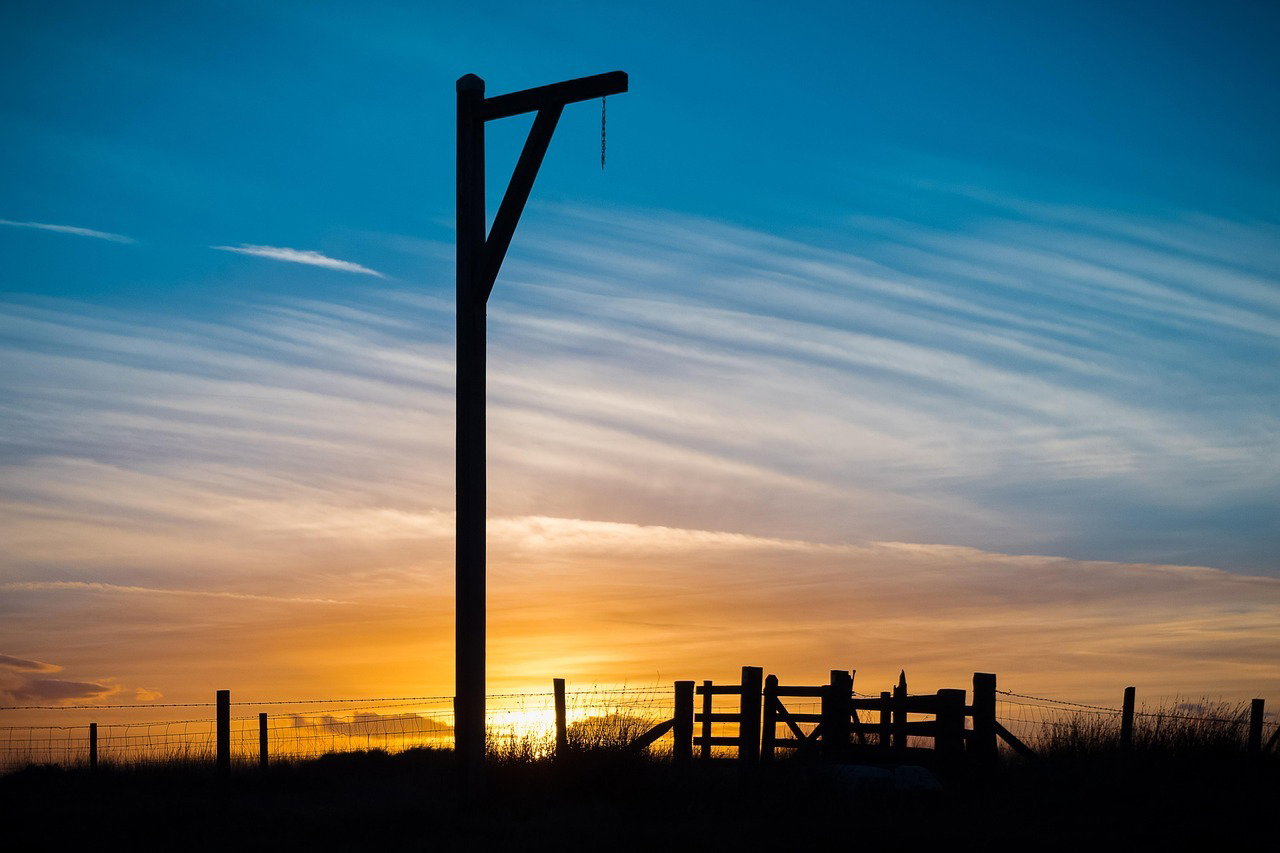
Winter, by name, carried out the unseasonably cruel murder of Margaret Crozier and was sentenced to hang within sight of the crime he'd committed. The two sisters would follow the same fate, but their bodies would be sent to the barber surgeons for dissection.
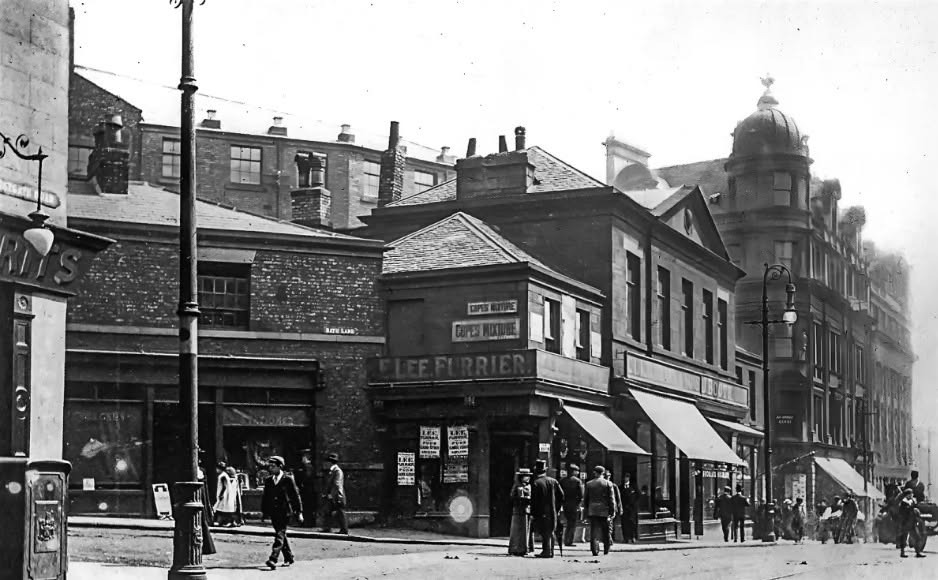
On Friday 10th August 1792, after Winter admitted his brutality, they were all hanged at Westgate in Newcastle. This picture from the City Library archives shows where the entrance to the gallows was off Westgate Road. Winter's body was transported to The Steng overlooking Elsdon, where he hung until his clothes rotted off and his bones were laid bare to the elements. It was a Northumbrian warning never to mess with murder.
If you're out and about on Elsdon Moor and you see the flit of a spectre in chains clonking along the drove road or over the tussocks of Mat grass, you'll be witness to the Brown Man of the Moors.
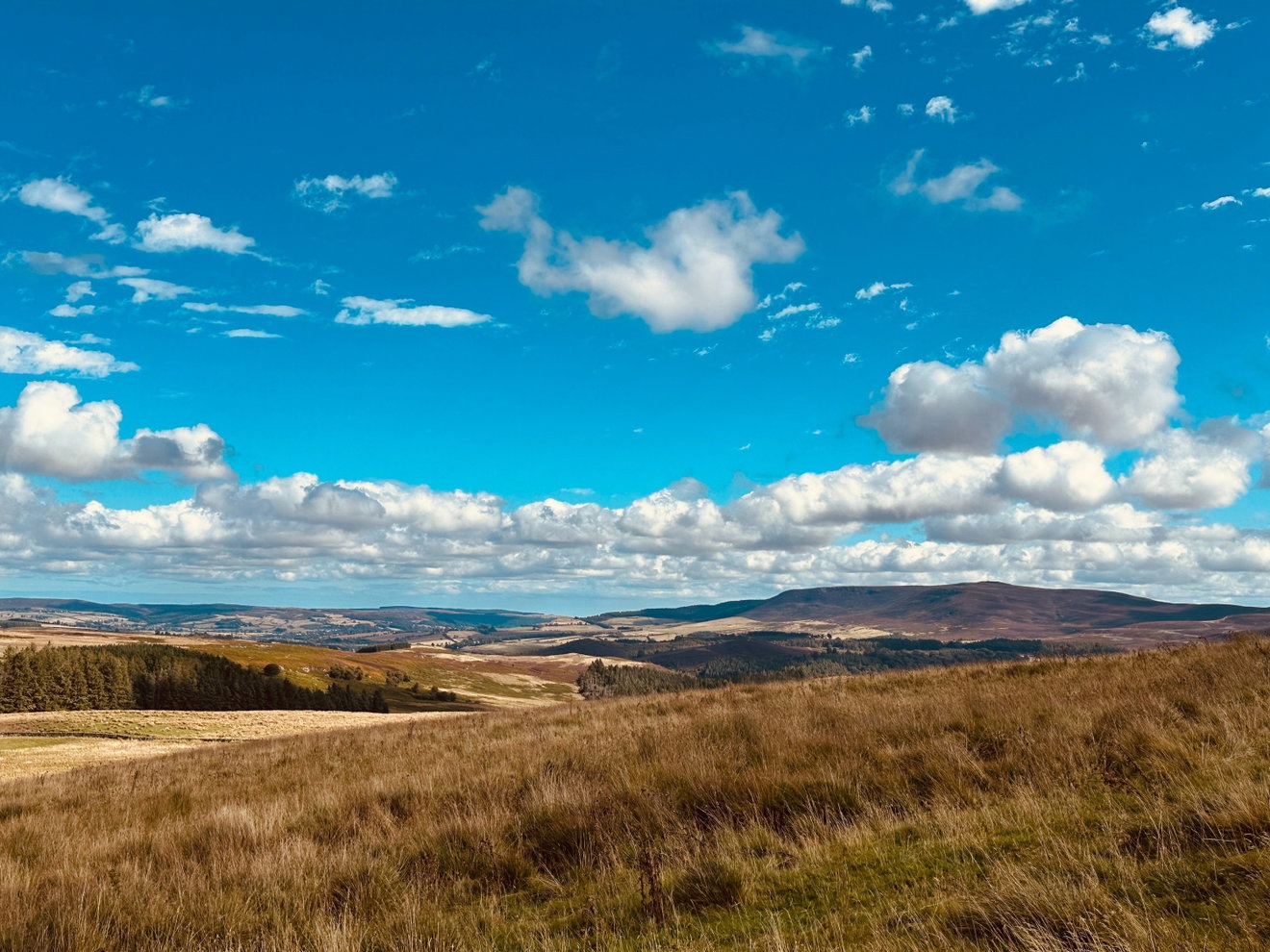
Don't worry, it's just the ghost of William Winter. He's past a bag of bones and can do you no harm now!
Get 4 points if you have visited this place. Already visited by 1 VIP.
Login to bag this placeHelp fuel the next adventure
Fabulous North is free, with no annoying adverts and fuelled by an unhealthy desire to poke around castles, hills, churches and suspicious-looking bits of stone.
If you enjoy what we do, you can help keep us exploring.
Champion This Place
Got a special memory of The Raw, a story to tell or simply a soft spot for it? Champion The Raw and we'll add your name, photo and a short message to this page, while your support helps us keep Fabulous North exploring.
How To Find The Raw
Where To Park For The Raw?
We pulled up and parked in the farmyard just adjacent to The Raw, but sought permission from the farmer. It is possible to see the bastle from the rough road that passes the farm on the MOD land, but always check the government website for the Otterburn Ranges before attempting to access the land - https://www.gov.uk/government/publications/otterburn-firing-times If the red flag is flying and seen from the road, do not attempt to access the land.
Contributed by Jos Forester-Melville
Highland loving human. Thalassophile. I love a good smile. Happiest heading for the hills with my pickup filled with kids and dogs! Working four days, we enjoy a Fridate, and usually spend it scouting out new scenery. I love a gated track, a bit of off roading and if it involves a full ford, well, that gets extra points! I go nowhere without a flask and binoculars, and love the small things in life that make it big…Goldcrests, dry stone walls, Deadman’s fingers, blackberries and quality clouds.
More Places from Jos
More Places In Elsdon
Find more fabulous places in Elsdon, Northumberland and if you know of a place we haven't listed, then let us know.

Elsdon Pinfold
Pinfold Elsdon NorthumberlandAn 18th-century circular stone enclosure on the village green in Elsdon, Northumberland, historically used to hold stray livestock until reclaimed by their owners.

Elsdon Castle
Castle Elsdon NorthumberlandAn amazing example of an early 12th century Norman Motte and Bailey castle.

Hepple Lime Kiln
Lime Kiln Elsdon NorthumberlandA slightly ruined lime kiln in Hepple in between Rothbury and Elsdon.
More Bastles
So this bastle wasn't enough and you want more? Don't worry we have you covered.

Kilnsike Tower
Bastle Jedburgh BordersA tumble down 16th century pele tower in the Borders, built with the biggest cyclopean stones, and only sheep for neighbours.

Rowantree Stob Bastle
Bastle Allendale NorthumberlandA ruined bastle which may not have been a bastle after all.

Low Cleughs Bastle
Bastle Ridsdale NorthumberlandA ruined 17th-century bastle, or fortified farmhouse, situated on a south-east slope of moorland on the edge Ridsdale.
Never Miss A Fabulous Place
If you are afraid of missing out on all the fabulous places we post, or just want to be the first to know, then sign up to the Fabulous North.
Each week we will email you all the brand new places that we visit.
Sign Up To Alerts

Find Us On Facebook
We post all our new places daily on our Facebook Groups page, so join the group today and be notified when we add a new place.
Join Our Facebook GroupThe Raw was listed in Bastle // Northumberland // Elsdon